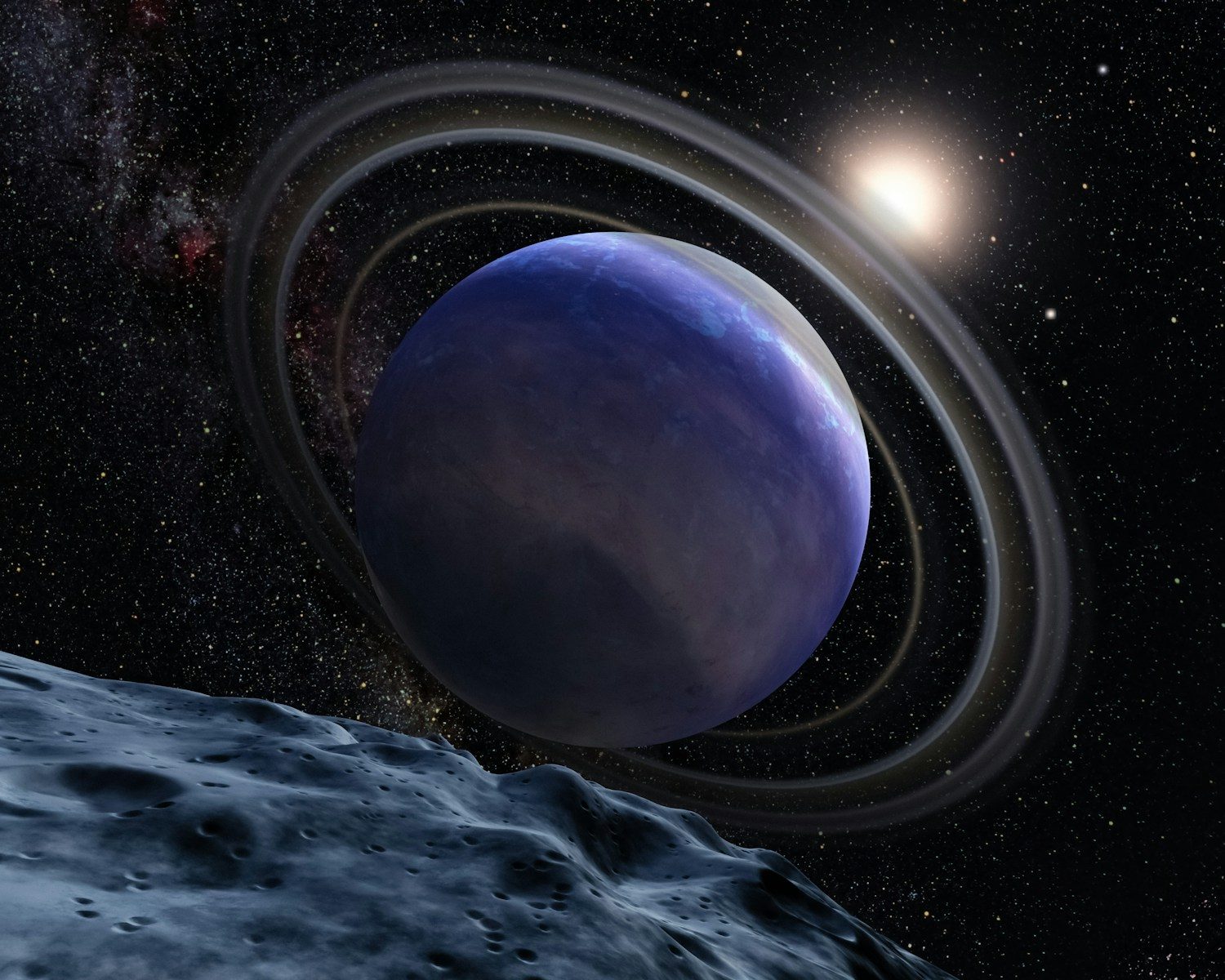
Most stargazers assume that Neptune is a frozen and quiet ball of ice at the edge of our solar system. We believe its immense distance from the Sun keeps it inactive.
But recent deep-space observations have revealed a bizarre thermal energy source. Something deep within the planet is producing unexpected heat and driving massive storms.
The Hidden Heat Engine
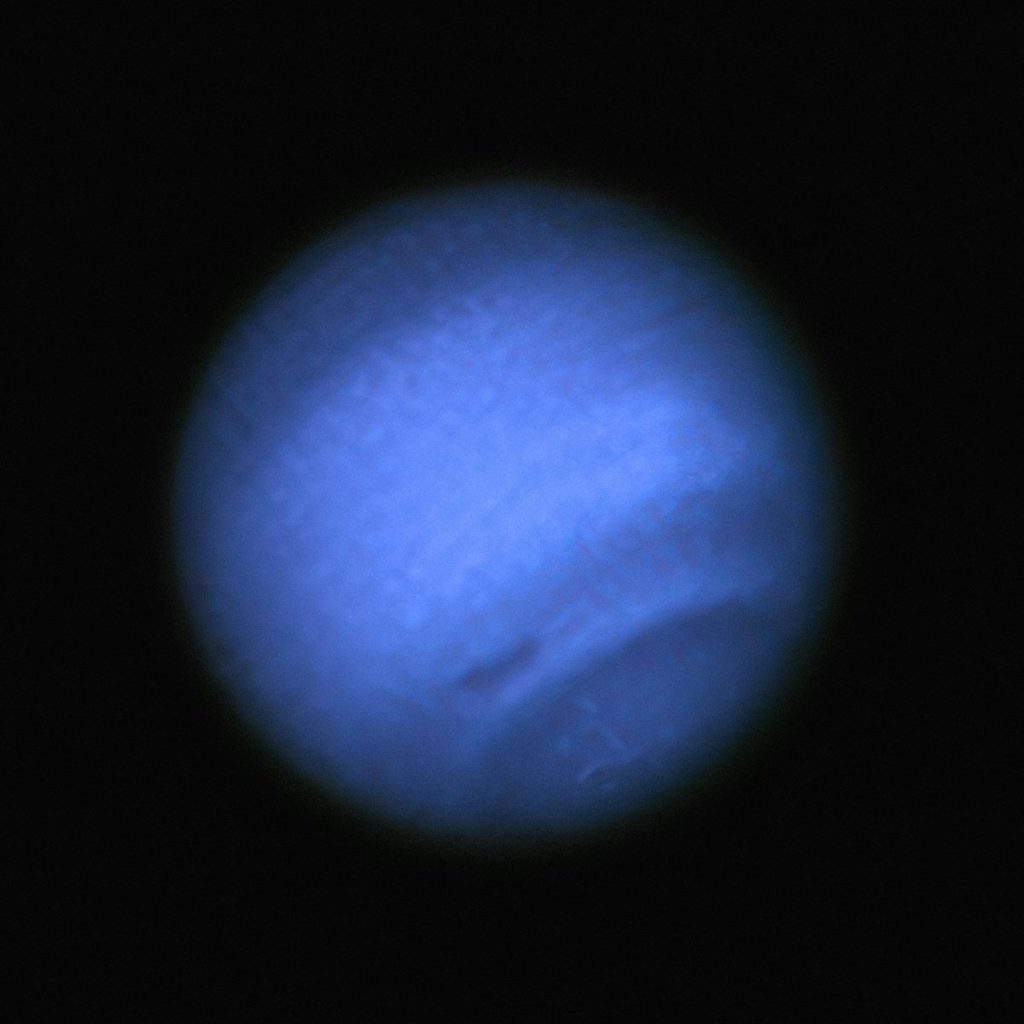
Despite receiving minimal sunlight, Neptune radiates over twice as much energy as it absorbs. According to data from NASA, this internal heat signature is significantly stronger than that of its neighbor Uranus. It is a puzzle. Scientists do not know if the warmth is left over from planetary formation or driven by a chemical process. This energy is causing violent atmospheric shifts.
The Fastest Solar Winds
The thermal energy rising from the core feeds the most extreme winds in the solar system. According to planetary scientists, supersonic storms on Neptune can reach speeds of over twelve hundred miles per hour. They are terrifying. These winds move faster than the speed of sound on Earth. But how such a cold atmosphere maintains these storms remains unexplained.
The Diamond Rain Theory

Deep beneath the thick clouds, extreme atmospheric pressure may trigger highly exotic chemical reactions. According to planetary geologists, carbon atoms are squeezed so tightly that they turn into solid diamonds. It sounds fictional. These glittering stones then rain down through the warm mantle toward the core. But simulating these conditions on Earth is proving to be incredibly difficult.
A Shift In The Fields
The magnetic field of Neptune does not behave like the ones found on Earth or Jupiter. According to astronomical models, the planet’s magnetic axis is highly tilted and completely offset from its center. It is chaotic. This misalignment causes unpredictable space weather across the outer solar system. But the planet’s odd behavior extends beyond its magnetic fields.
Fading Of The Clouds

Astronomers have recently observed a rapid and unexplained disappearance of Neptune’s signature cloud bands. According to a study in Icarus, the clouds seem to fade in sync with the solar cycle. This is unexpected. This connection suggests that even distant planets are heavily influenced by subtle solar shifts. But a closer look at the data revealed another mystery.
Mysteries Of The Moons
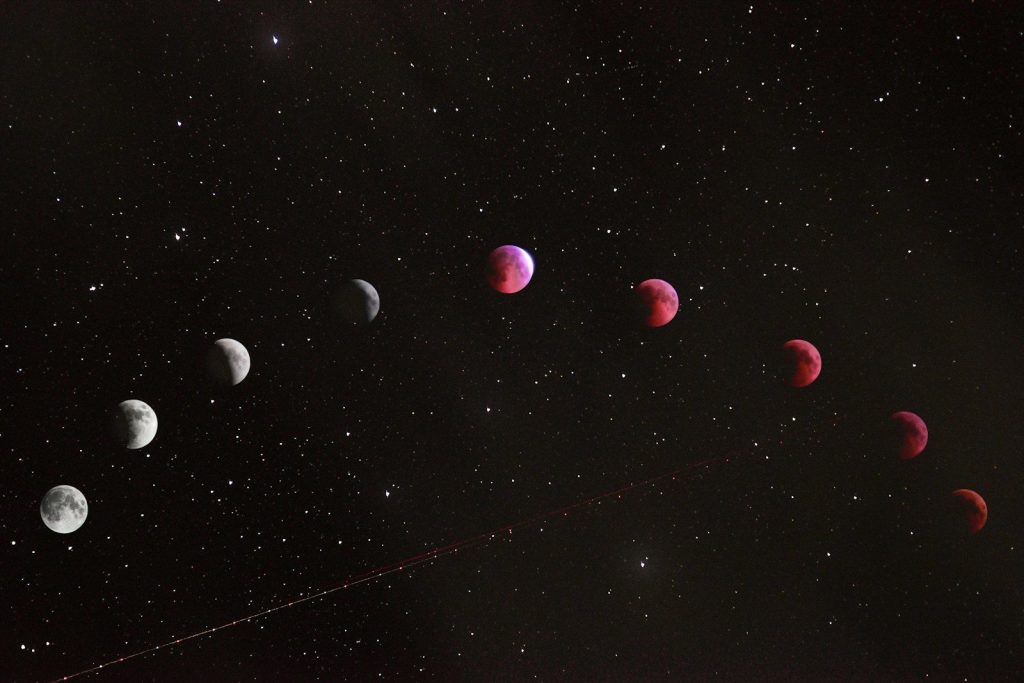
The weird activity of Neptune is also affecting its largest companion, Triton. According to telescope observations, active geysers are spewing nitrogen gas into space from the frozen moon. It is volatile. This geyser activity suggests that the entire system is geologically alive and changing. But we will need a dedicated space mission to truly understand these secrets.
The Outer Frontier Calls
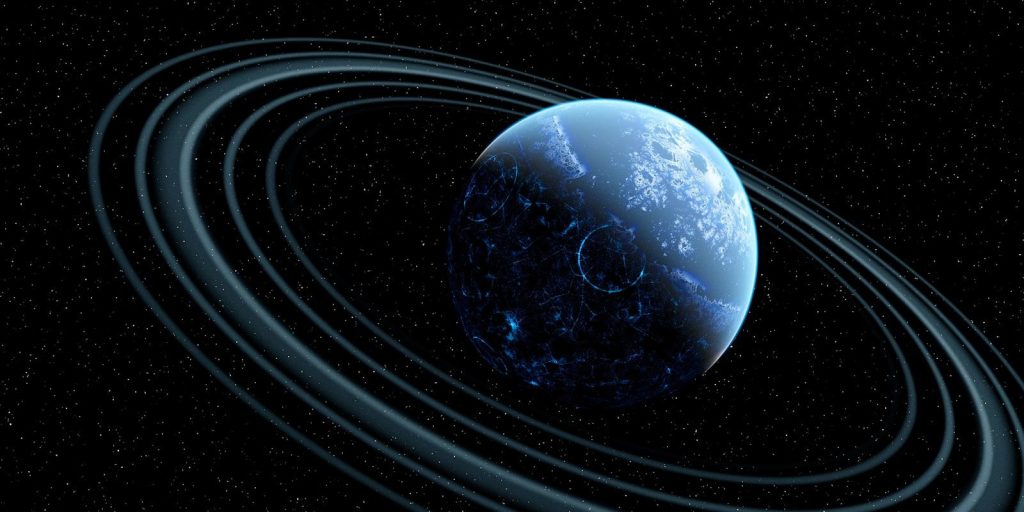
Studying Neptune teaches us about the countless frozen giants scattered across the wider galaxy. According to space agency researchers, understanding these distant ice worlds is key to finding other planetary systems. The universe is vast. This article is for informational purposes only.
Featured Image: Photo by NASA Hubble Space Telescope on Unsplash
Leave a Reply