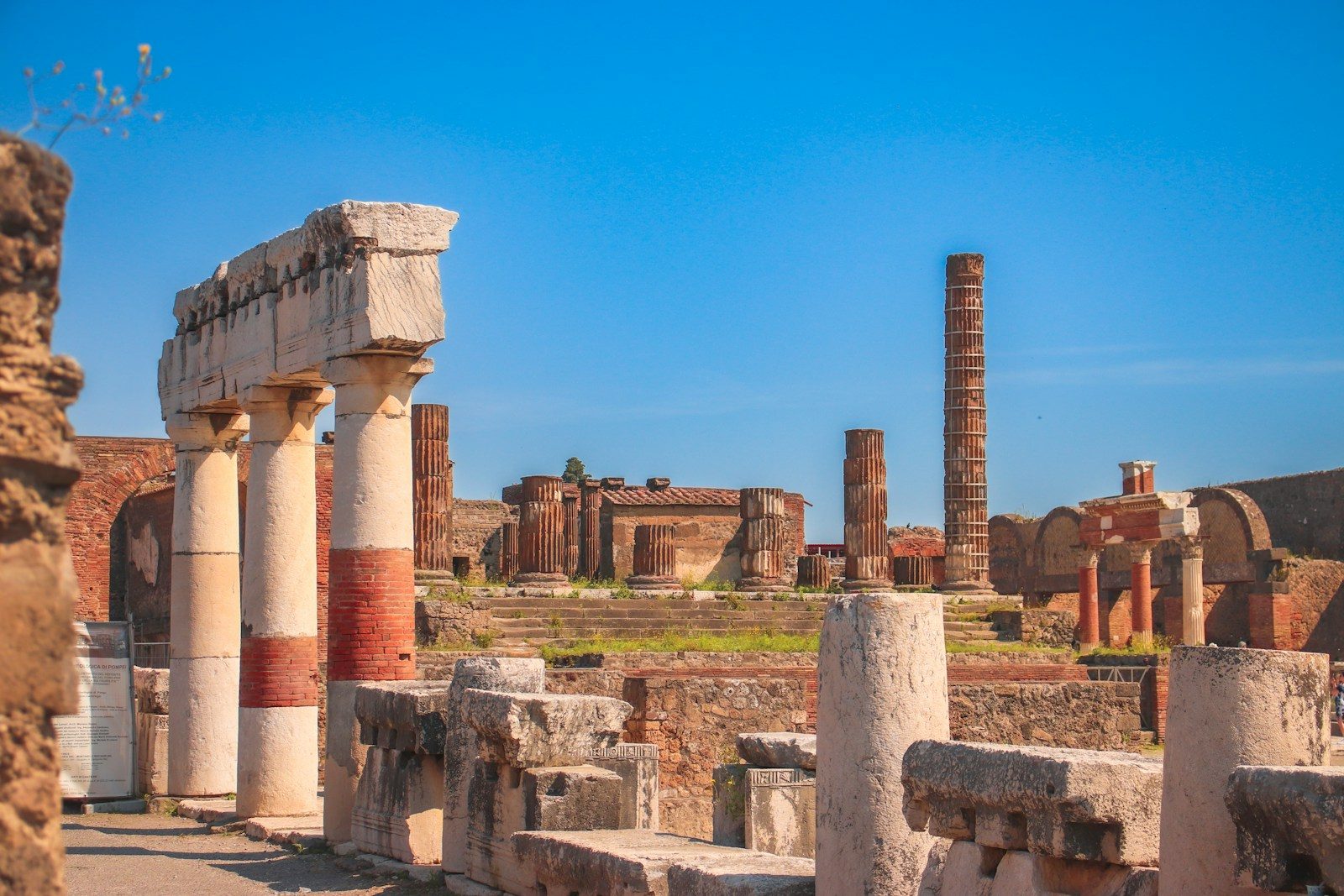
We often believe that ancient Roman builders worked slowly with primitive hand tools. Most people assume their massive stone monuments required centuries of backbreaking manual labor.
But a newly unearthed work site in Pompeii tells a very different story. Fresh evidence shows that Roman engineers used advanced assembly lines to build their empire.
A City Frozen In Time

The sudden eruption of Mount Vesuvius in seventy-nine preserved Pompeii exactly as it was. According to the Pompeii Archaeological Park, researchers recently uncovered a large residential building site that was active during the disaster. Work stopped instantly. Tools and materials remained scattered across the unfinished floors. This discovery gives us an unprecedented look at how Romans built.
The Secret Chemical Mix
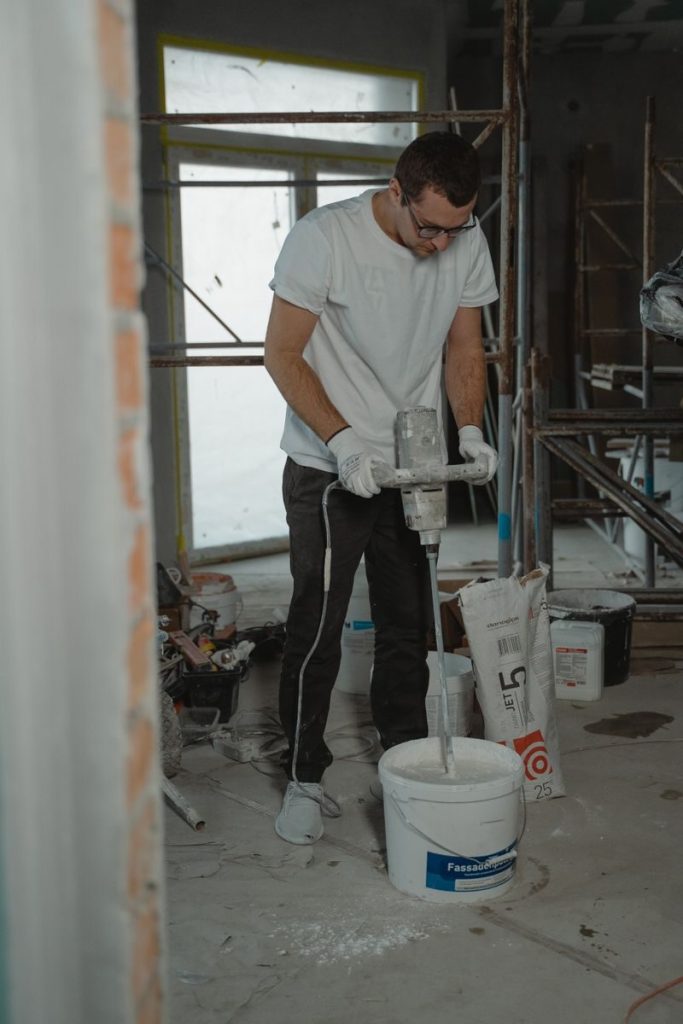
Scattered heaps of lime and volcanic ash sat waiting for the ancient masonry crew. According to material scientists, the Romans mixed these materials right before applying them to the walls. It was a hot reaction. This specific quicklime method allowed the mortar to dry incredibly fast and resist water damage. But the builders had another clever trick up their sleeves.
Pre-Fabricated Building Blocks

The archaeological team noticed that many stone bricks had pre-cut grooves and identical dimensions. According to the research reports, these stones were shaped off-site in large quarries before shipping. This saved precious time. Workers simply assembled the pieces like a giant puzzle. But this efficient system required a highly coordinated supply network to function.
Written Records On Stone

Scratched tallies and names appeared on the backs of several heavy marble slabs. According to epigraphic scholars, these marks were delivery receipts from suppliers outside the city. They were highly organized. The builders kept close track of every load of sand and stone that arrived. Yet the team also found evidence of specialized tools we thought were modern.
Unbelievable Ancient Precision

Iron plumb bobs and specialized levels were found resting in a wooden tool chest. According to Roman historical documents, these instruments kept walls straight within a fraction of an inch. Precision was absolutely essential. The builders took immense pride in their structural accuracy. However, this complex project was cut short by a terrifying natural event.
The Last Working Shift
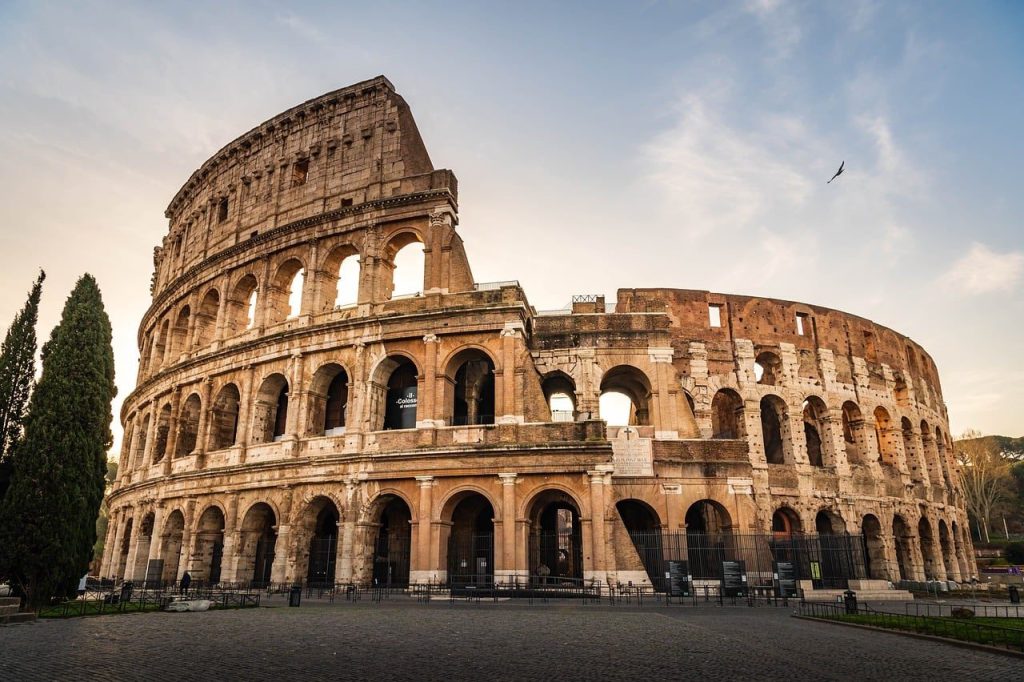
Workers left their amphorae of water and personal lunch bowls in the main atrium. According to volcanic studies, the first tremors of Vesuvius caused the crew to flee their posts. They ran for safety. Nobody had time to gather their expensive metal tools. But this sudden departure left a perfect blueprint for modern science to study.
Unlocking Ancient Secrets
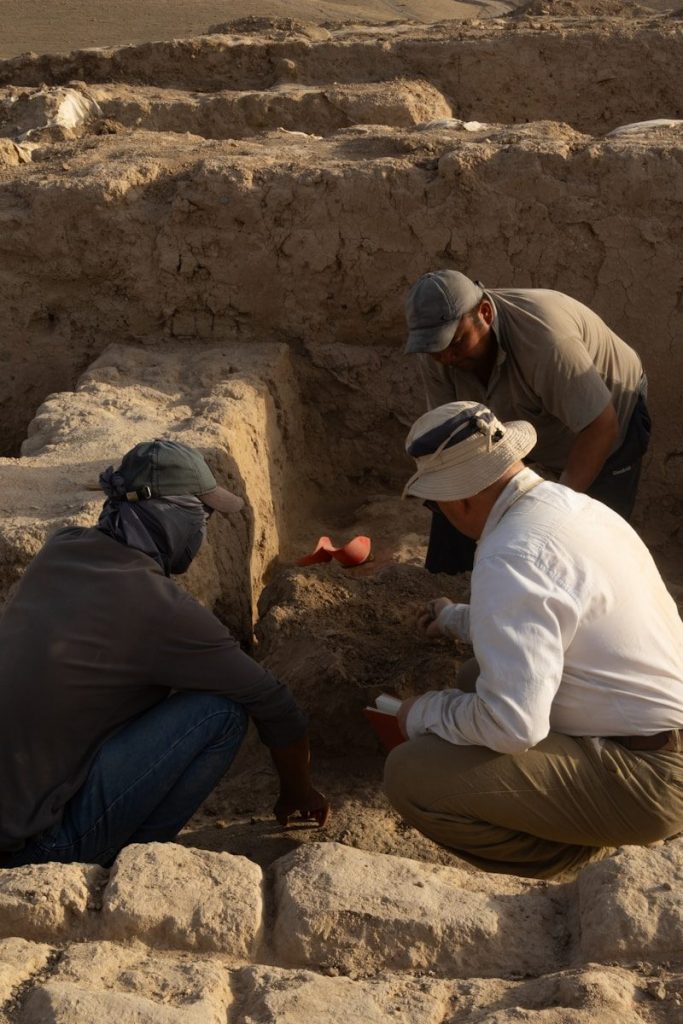
Analyzing these preserved materials helps modern engineers develop more sustainable building options. According to architectural reports, the Roman quicklime method could help us reduce greenhouse emissions today. We can learn from them. This ancient work site is a bridge between past and present technology. But the ruins of Pompeii still have more secrets to share.
A Lasting Engineering Legacy
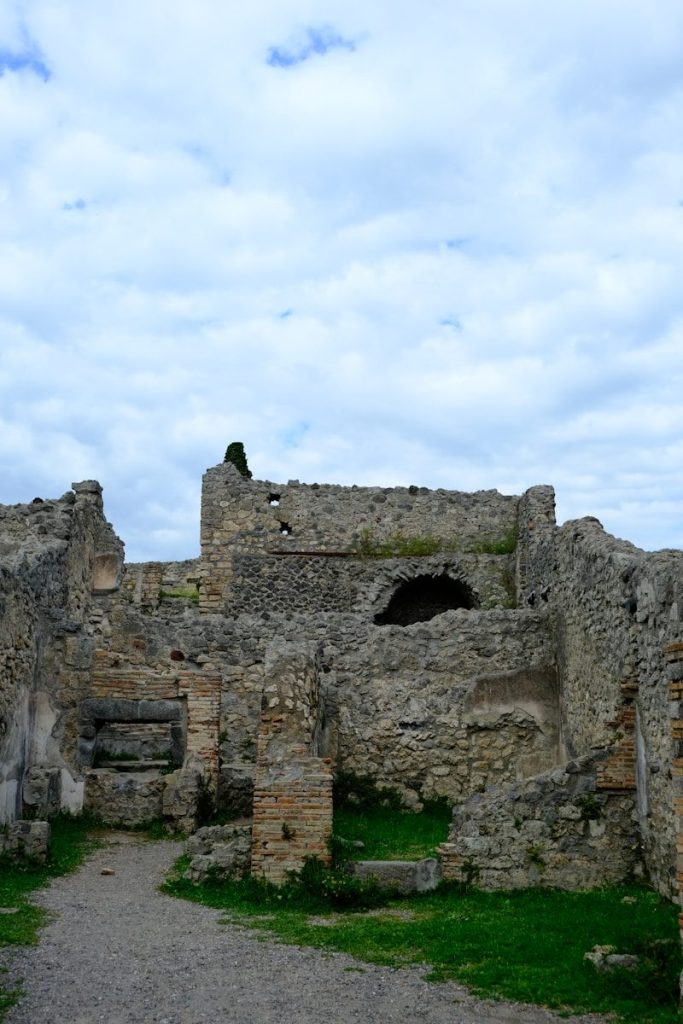
The builders of Pompeii created structures designed to stand for millennia. According to modern archaeologists, their techniques highlight the sheer genius of Roman civic planning. They built to last. This article is for informational purposes only and does not constitute scientific or professional advice.
Featured Image: Photo by Cole Ciarlello on Unsplash
Leave a Reply