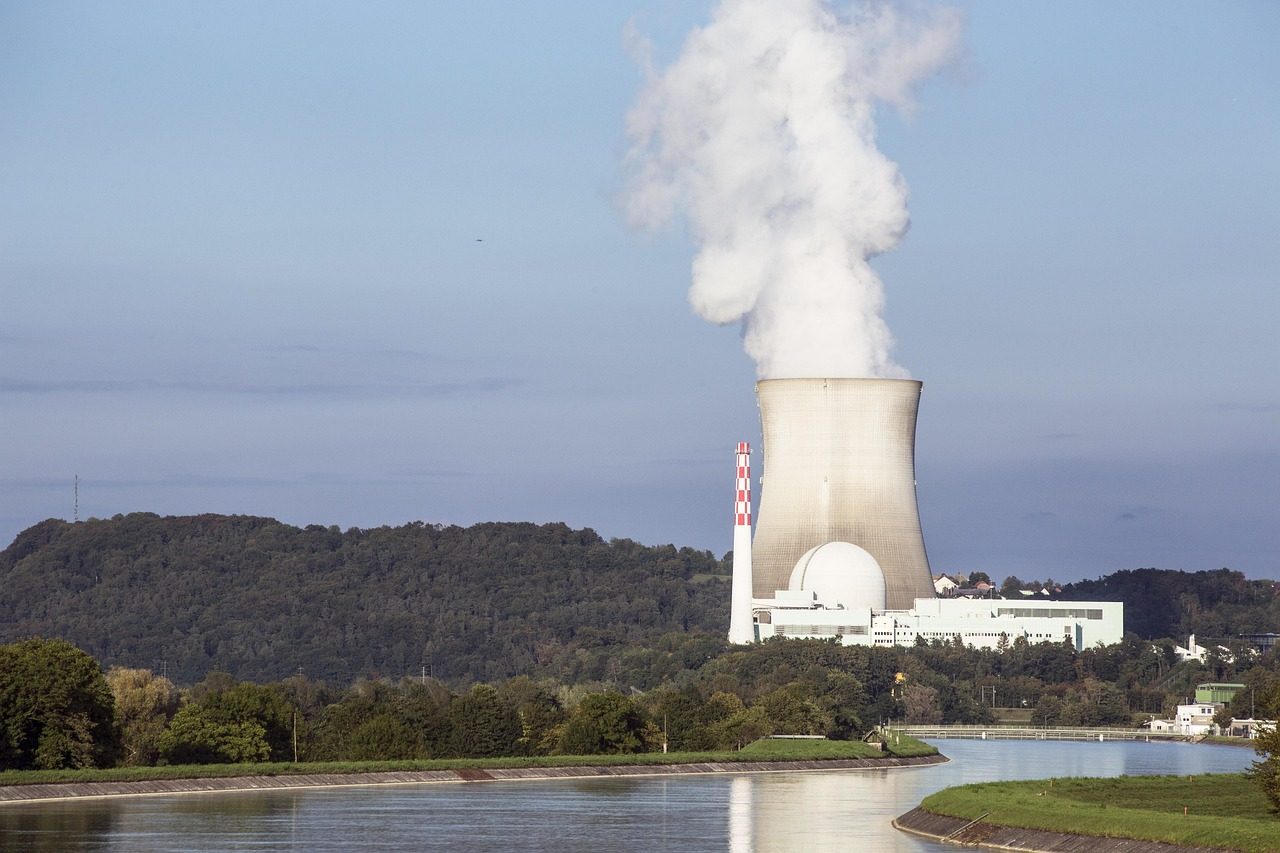
For decades, the idea of “free” or limitless energy was a pipe dream. Scientists called it the “star in a bottle.” But in the last 24 months, the math has changed. We are no longer asking “if” but “when” we will master nuclear fusion. This is the same process that powers the sun. Unlike current nuclear power, fusion creates no long-term radioactive waste and cannot melt down. It uses hydrogen from water as fuel, which is virtually infinite.
Recent breakthroughs in the United States and Europe have finally achieved “net energy gain.” This means the reactor produced more energy than it took to start the reaction. It is the holy grail of physics. If we can scale this technology, the cost of electricity could drop to nearly zero. But fusion isn’t the only technology racing toward a world of free power. You won’t believe how “solar paint” is about to turn every building into a power plant.
The Sun’s Power Captured in a Simple Paint

What if your house could generate power without those bulky blue panels on the roof? Scientists are developing “perovskite” solar cells that can be sprayed on like paint. This material is incredibly cheap and can capture light even on cloudy days. It turns windows, walls, and even cars into active energy collectors. This could make every surface an energy generator. But how do we store all that power when the sun goes down?
Gravity Batteries That Never Lose Their Charge
Chemical batteries like the ones in your phone eventually die. But gravity is forever. Engineers are building “gravity batteries” that use surplus energy to lift massive concrete blocks. When the power is needed, the blocks are dropped, turning a generator. It is a simple, mechanical way to store days’ worth of energy without any toxic chemicals. But wait until you see the “thermal sand” that can hold heat for months at a time.
Storing the Heat of Summer for the Winter

In Finland, a company has already built a “sand battery.” It uses excess wind and solar power to heat low-grade sand to 1,000 degrees Fahrenheit. The sand stays hot for months, providing heat for homes all winter long. It is a low-tech solution to a high-tech problem. This allows communities to be completely off-grid. But what happens when the wind stops blowing everywhere at once?
The Global Grid That Follows the Sun
The secret to free energy might be sharing it across time zones. Engineers are planning massive undersea cables that can send solar power from sunny deserts to dark cities on the other side of the world. By connecting the whole planet, we create a system where it is always sunny or windy somewhere. This global “supergrid” would make energy prices stable and incredibly low. But the real game-changer is how AI is managing our waste.
AI is Hunting for the Hidden Energy in Trash
We are currently throwing away billions of dollars in energy. New AI-powered plants are turning non-recyclable trash into clean hydrogen fuel. They “cook” the garbage at extreme temperatures until it turns into a gas. This creates zero smoke and produces fuel for trucks and planes. It turns every landfill into a gold mine. But wait until you see the “transparent” solar windows that are hitting the market now.
Windows That Generate Power Without Being Seen

Scientists have finally perfected clear solar cells. These can be integrated into the glass of office buildings without blocking the view. They absorb the invisible ultraviolet and infrared light while letting visible light through. A single skyscraper could power itself and the city block around it. This turns cities from energy drains into energy sources. But is the world ready for a future where power costs nothing?
A World Without Monthly Electricity Bills
When energy becomes free, the entire economy changes. Manufacturing becomes cheaper, travel becomes nearly free, and water can be desalinated anywhere. We are moving toward an age of abundance. The engineering is ready; now we just have to build the infrastructure. While we look at the stars for power, we are also using AI to clean up the mess we made on Earth.
Leave a Reply