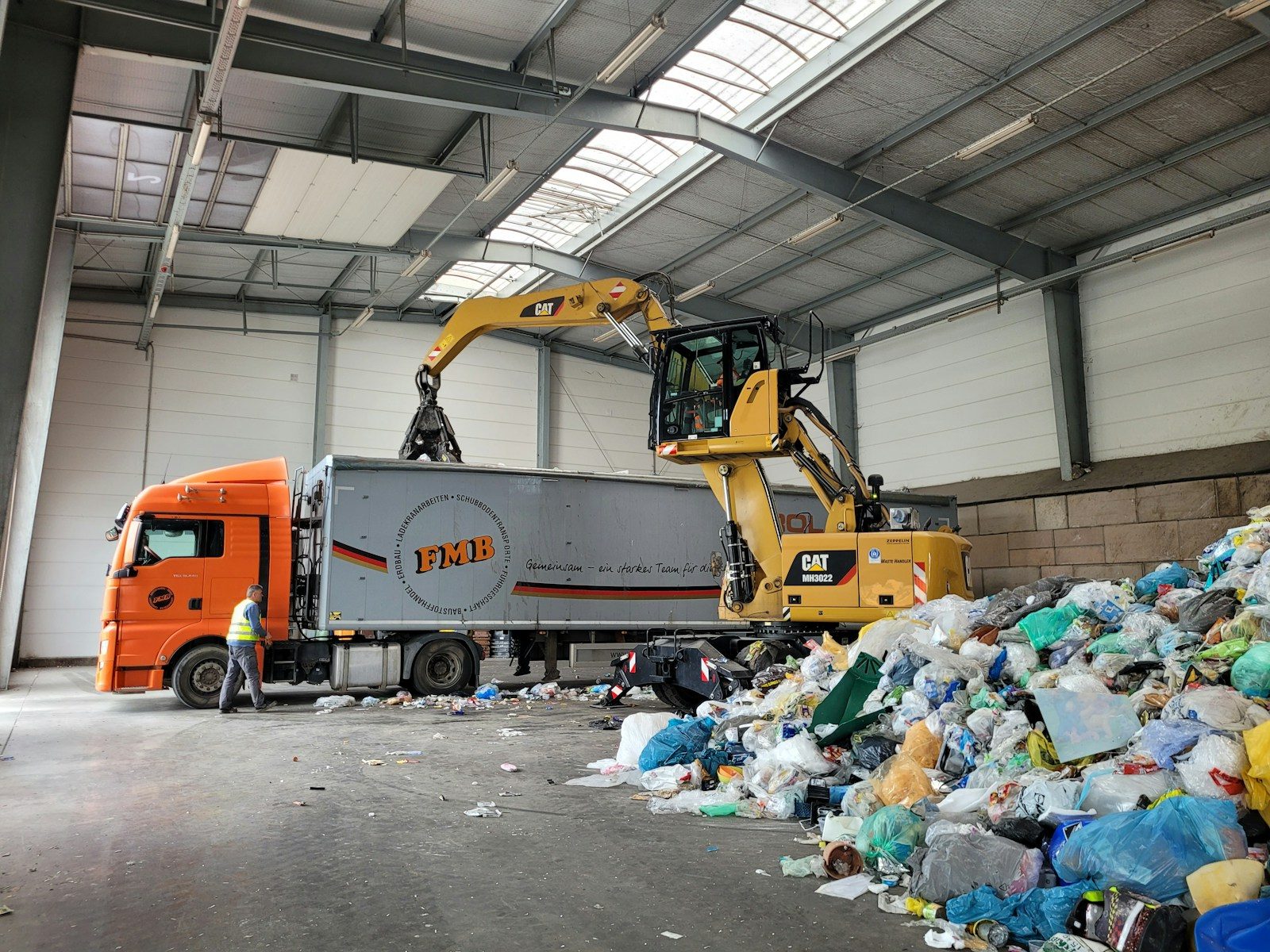
Recycling has always been a “dirty” job that humans struggled to do well. We are slow, we miss things, and the work is dangerous. But a new generation of AI-powered plants is changing the game. These facilities use high-speed cameras and “electronic eyes” to scan trash as it zooms by on a belt. The AI can identify different types of plastic, paper, and metal in milliseconds. It then triggers robotic arms that can pluck 80 items a minute with perfect accuracy.
This tech is solving the biggest problem in recycling: contamination. If one wrong plastic bottle ends up in a bale of paper, the whole thing goes to the landfill. AI doesn’t make those mistakes. These “smart plants” are currently operating in major cities, sorting thousands of tons a day. But the most impressive part isn’t the robot’s speed. It is how the AI can “see” through solid objects.
Hyperspectral Eyes That See the Invisible

Standard cameras only see what we see. But the AI in these plants uses “hyperspectral imaging.” This allows the machine to see the chemical signature of every object. It can tell the difference between a milk jug and a detergent bottle even if they are the same color. It can even detect food residue that would ruin a batch of recycled plastic. But wait until you see the “suction” robots that move faster than the eye can follow.
Suction Cups That Move Faster Than a Human Blink
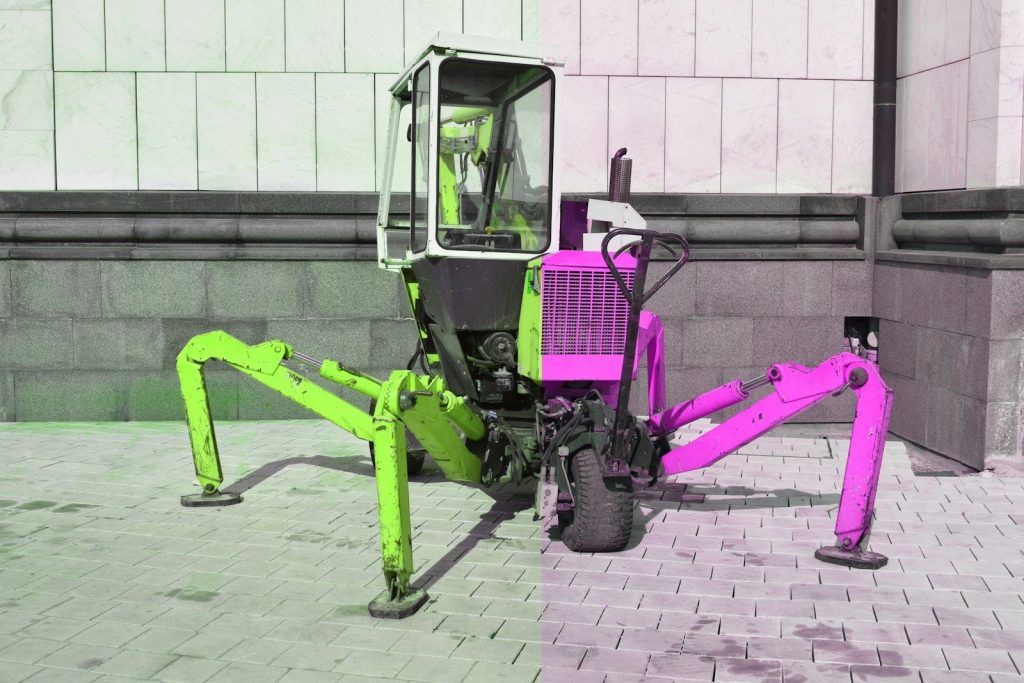
Traditional robotic claws are often too slow for modern waste streams. Instead, engineers are using “spider robots” with vacuum suction cups. These arms move in a blur, picking up light plastics and paper without slowing down the conveyor belt. They can work 24 hours a day without a break and never get bored. This allows plants to process twice as much trash as before. But how does the AI handle items that are crushed or dirty?
Deep Learning for Crushed and Dirty Waste

A crushed bottle doesn’t look like a bottle to a standard computer. That is why these plants use “Deep Learning.” The AI has been trained on millions of images of trash in every possible state—smashed, wet, or torn. It learns the “essence” of a material. This constant learning means the plant gets smarter every single day. But the tech is doing more than just sorting; it is finding hidden treasures in our electronics.
Mining Our Phones for Rare Earth Metals
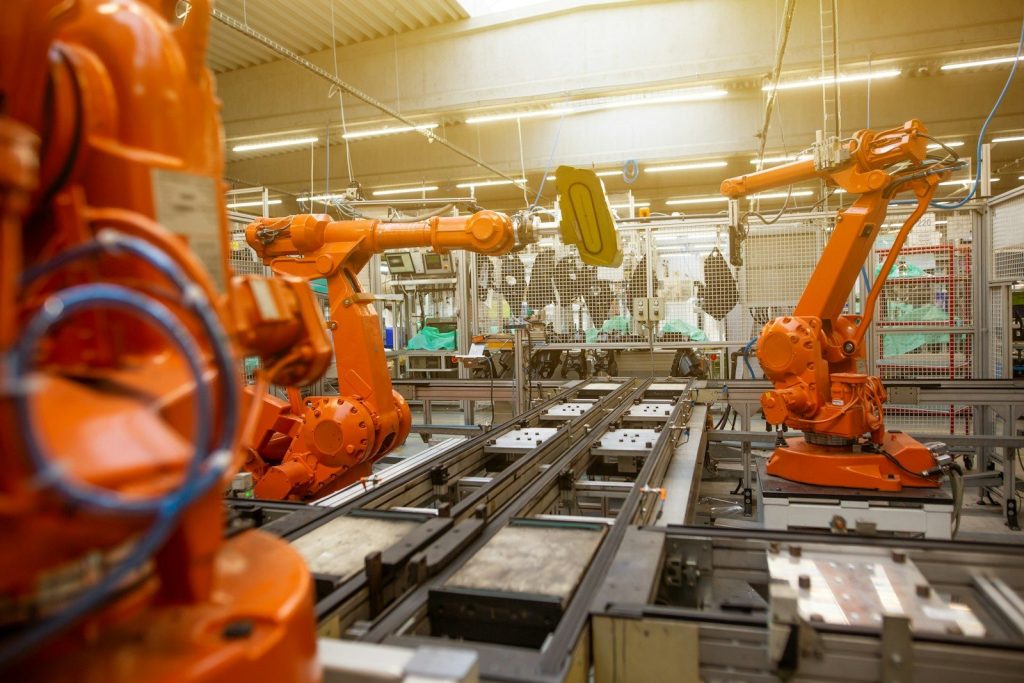
Our old electronics are full of gold, silver, and lithium. Traditionally, recovering these was toxic and expensive. AI robots can now dismantle phones with surgical precision, separating the valuable chips from the plastic cases. This “urban mining” is far cleaner than traditional mining. It ensures we have the materials we need for the next generation of gadgets. But wait until you see the robots that can sort trash directly on our streets.
The Smart Trash Cans That Sort at the Source
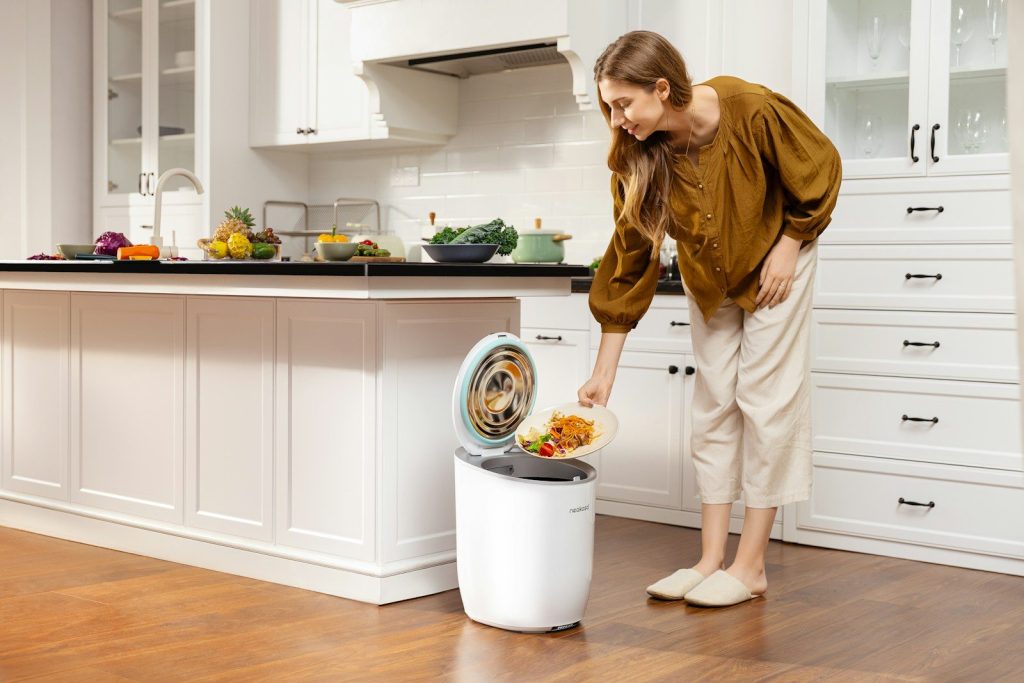
Why wait for the trash to reach the plant? New “Smart Bins” are being installed in airports and malls. When you drop an item in, the bin uses AI to figure out which compartment it belongs in. It even compresses the waste to save space. This prevents the trash from getting mixed up in the first place. But the real goal is a world where “waste” doesn’t even exist.
Turning Old Plastic Into New Oil

Sorting is just the first step. Once the AI has perfectly grouped the plastics, new “chemical recycling” plants can turn them back into raw oil. This oil can then be used to make brand-new plastic that is as strong as the original. It creates a “circular economy” where we never need to pump new oil for plastic ever again. But wait, what if we could build our cities out of something that actually grows?
The Future of Sustainable Manufacturing
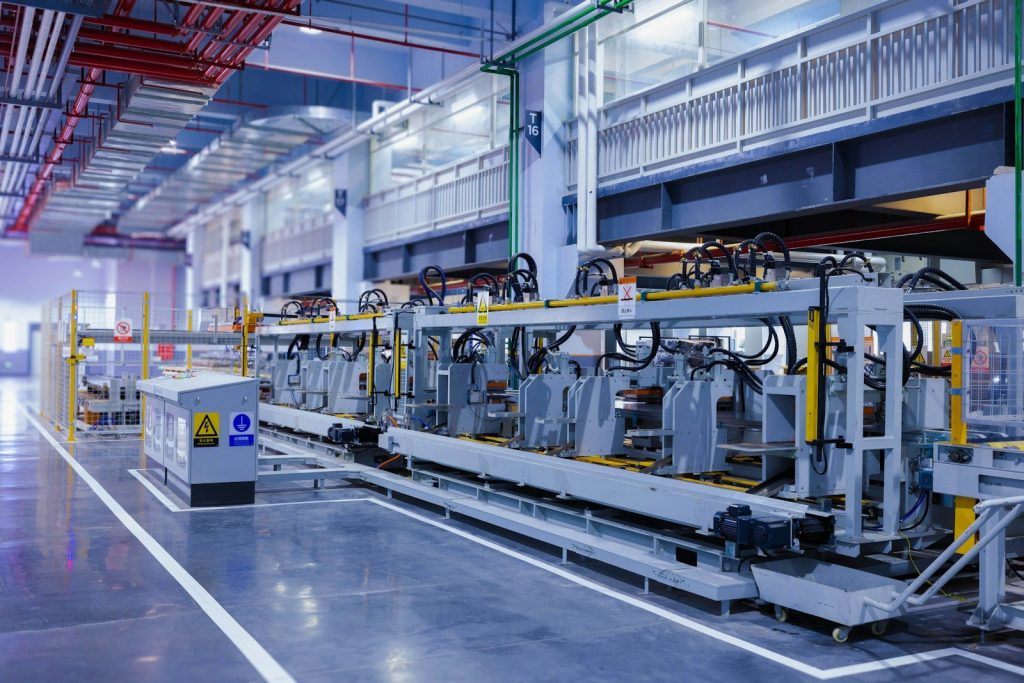
The success of AI trash sorting is proof that technology can fix the problems it created. We are moving toward a world where every piece of waste is a resource. Manufacturing is becoming a closed loop. As we master the recycling of our current world, we are also reinventing the most ancient building material of all time.
Featured Image:Photo by Nathan Cima on Unsplash
Leave a Reply