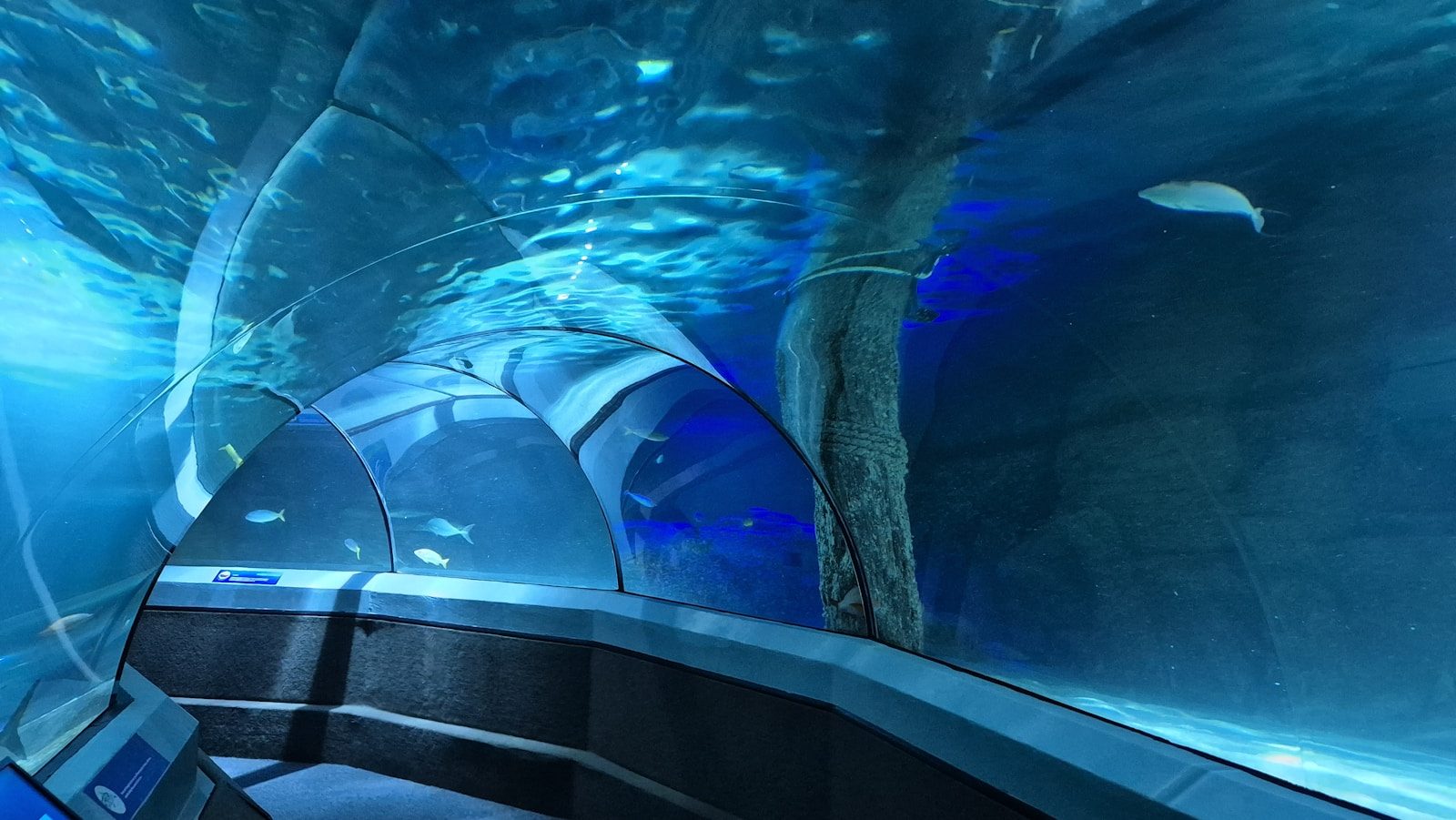
Europe is currently building the world’s longest immersed tunnel. It is a massive project connecting Denmark and Germany. Engineers are skipping the traditional bridge design for something much more ambitious. Instead of digging a hole under the sea floor, they are dropping giant concrete blocks into the water. This 11-mile-long tunnel will cut travel time from 45 minutes by ferry to just seven minutes by train. It is a feat of engineering that sounds like it belongs in a science fiction movie.
The scale of the project is hard to imagine. Workers are manufacturing 89 massive concrete sections in a factory built specifically for this job. Each section is longer than two football fields and weighs as much as several thousand elephants. But how do you keep these giant blocks from floating away or cracking under the pressure of the ocean? You will be shocked when you see the precision tools used to align them on the sea floor.
Why a Bridge was Simply Not Enough
How do people breathe in a train car miles under the ocean? The tunnel includes massive ventilation stations that stick out of the water like modern art sculptures. These towers pull in fresh air and push out stale air using giant fans. They are designed to withstand collisions from massive cargo ships and the crushing force of winter ice. But these towers are not the only things protecting the passengers from the deep.
Dredging the World’s Deepest Underwater Trench
Before a single concrete block could be lowered, workers had to dig a massive trench. This trench is 60 meters wide and deep enough to hide a ten-story building. Dredging ships worked around the clock to move millions of cubic meters of sand and rock. This material wasn’t thrown away; it was used to create new land for a nature reserve. But wait until you see how they handle the risk of a flood inside the tunnel.
The Safety Gates That Can Block the Ocean
Safety is the top priority for a project this expensive. The tunnel features massive flood gates that can seal off sections in seconds. If a leak ever occurred, these steel barriers would stop the water from filling the entire 11-mile span. There are also emergency exits every few hundred meters leading to a separate escape tunnel. It is arguably the safest place to be during a storm. But what about the environmental impact on the fish living nearby?
A High-Tech Solution for Local Marine Life
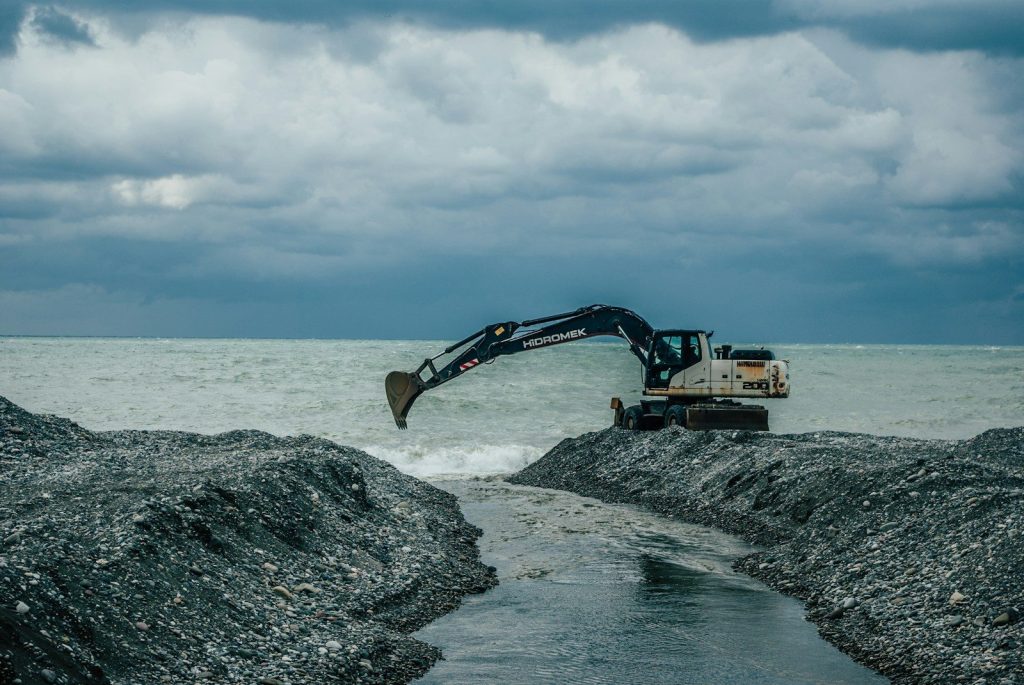
Engineers didn’t just build a tunnel; they built a new home for the sea life. The outside of the concrete sections is textured to encourage coral and seaweed growth. These artificial reefs are already attracting fish back to the construction zone. Special sensors monitor the noise levels to ensure whales and dolphins aren’t disturbed by the work. But the most exciting part is how this tunnel will change the map of Europe forever.
Cutting the Trip from Hours to Minutes
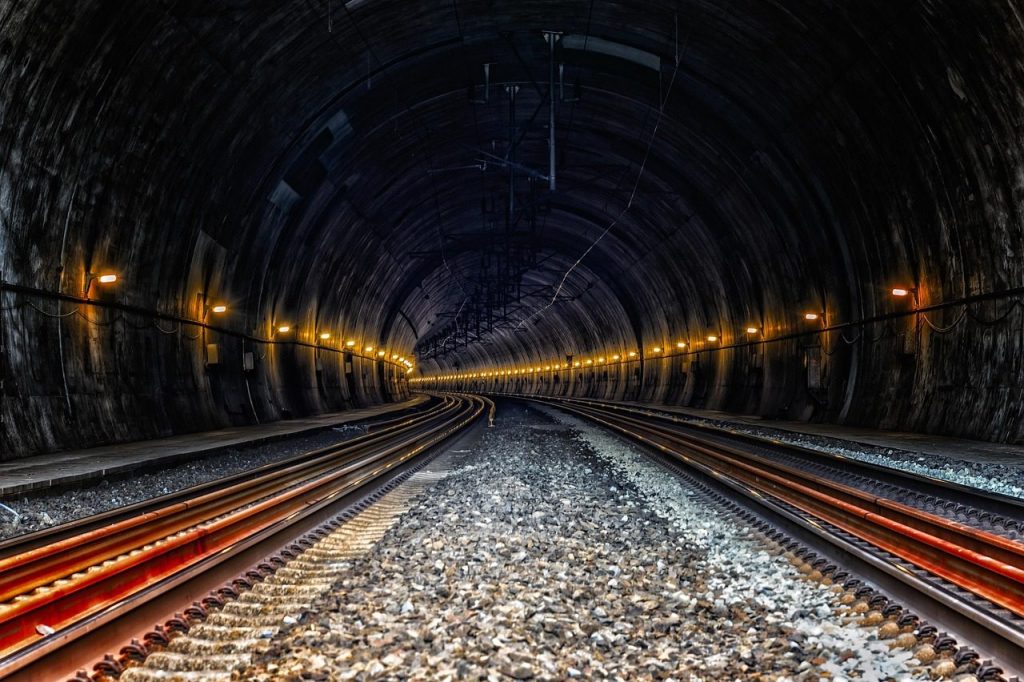
The Fehmarnbelt Link is the final piece of the puzzle for northern European travel. It creates a direct “green corridor” for electric trains between Scandinavia and Central Europe. Millions of tons of cargo will move from trucks to rails, saving massive amounts of carbon. It is a triumph of engineering that will be finished by 2029. While this tunnel handles the earth, another breakthrough is happening with the power that runs it.
Leave a Reply