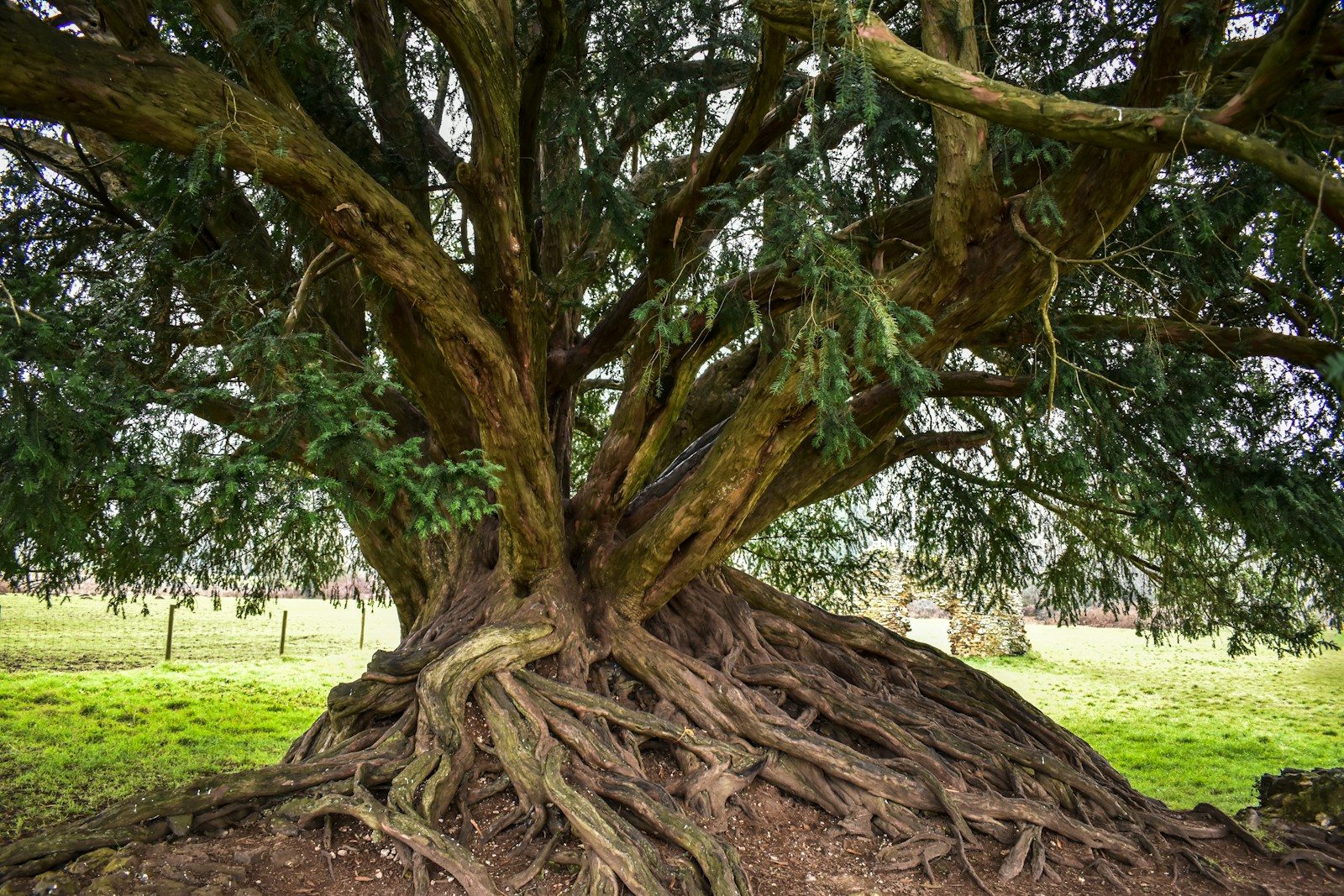
Scientists studying an ancient alerce forest in southern Chile found unusually high fungal richness beneath a tree known as Alerce Abuelo. The tree is estimated to be more than 2,400 years old and has a trunk almost five meters wide, making it one of the oldest and largest individuals examined.
Soil beneath the tree contained 2.25 times the average fungal richness measured per sample in the study. Researchers also identified 361 DNA-based fungal groups found only beneath Alerce Abuelo. These groups are not automatically 361 newly discovered or formally named fungal species.
Fitzroya Cupressoides Ancient Chilean Rainforest
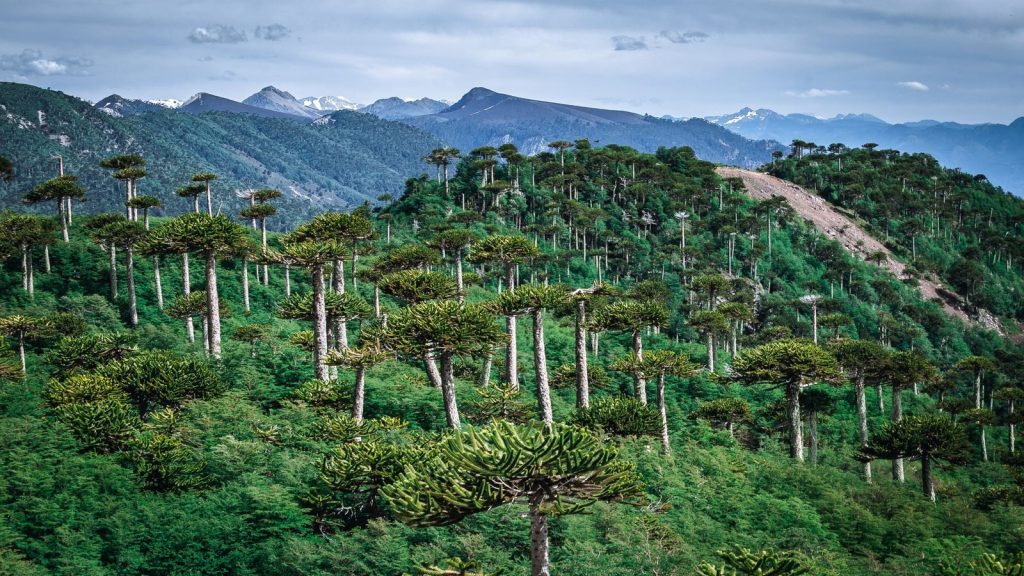
Alerce trees grow in the cool, wet forests of southern Chile and Argentina. The species, scientifically named Fitzroya cupressoides, can survive for more than 3,000 years and reach roughly 50 meters in height. Its forests store carbon, regulate water and support many organisms. Alerce is endangered after centuries of logging and continuing habitat pressure. Fires, road development and climate change now threaten some of the remaining old-growth stands where the longest-lived trees persist.
Soil Sample Collection Forestry Fieldwork
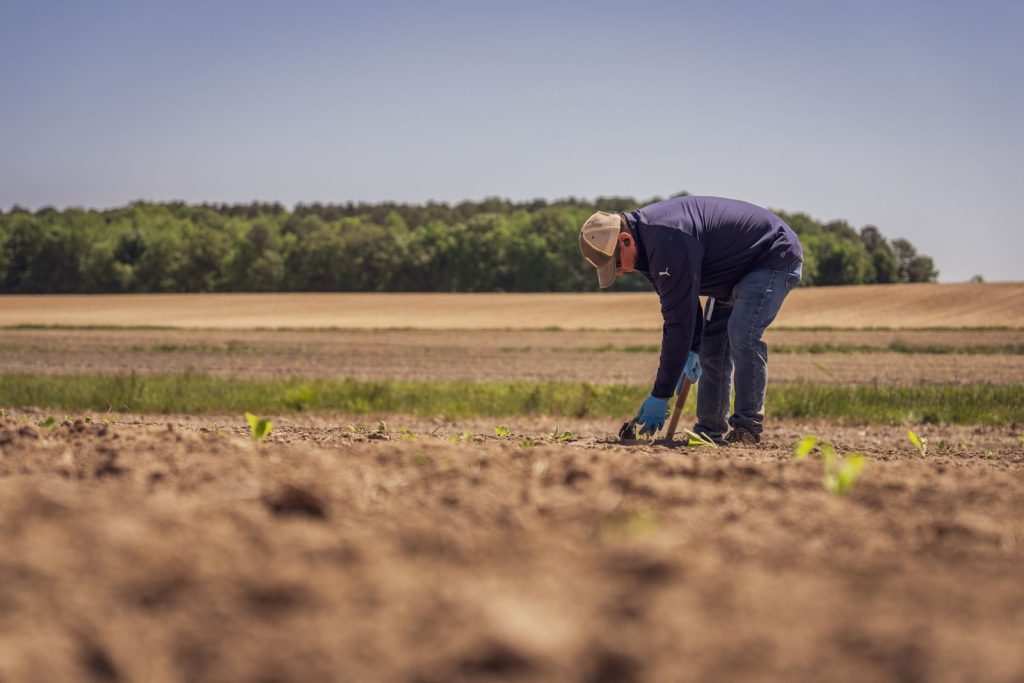
The research team collected soil beneath 31 alerce trees inside Alerce Costero National Park. The sample included saplings, medium-sized trees, and ten large individuals. Researchers collected material directly around each trunk and from nearby points arranged in squares. Alerce Abuelo was so much wider than the other trees that its soil required a larger sampling layout. In total, the design allowed scientists to compare fungal communities with tree diameter, height, estimated biomass, and surrounding soil chemistry.
Soil Environmental DNA Metabarcoding Lab

Researchers extracted DNA from the soil and used metabarcoding to detect fungal genetic sequences. This method can reveal organisms that are difficult to grow or identify by appearance alone. The sequences were grouped into operational taxonomic units or closely related genetic categories. These categories help estimate diversity but do not always correspond exactly to formally recognized species. The team also compared different reference databases because fungal names and classifications can change depending on which collection of known DNA sequences is used.
Arbuscular Mycorrhizal Fungi Root Network
Soil beneath Alerce Abuelo contained far more fungal groups than the average sample taken beneath other trees. Its overall fungal richness was 2.25 times higher, while the richness of arbuscular mycorrhizal fungi was 1.75 times higher. The researchers found positive relationships between fungal richness and tree diameter or biomass. Available phosphorus showed a negative relationship with some diversity patterns, indicating that tree size and soil nutrients may jointly shape the underground community rather than age acting alone.
Mycorrhizal Fungi Tree Roots Symbiosis
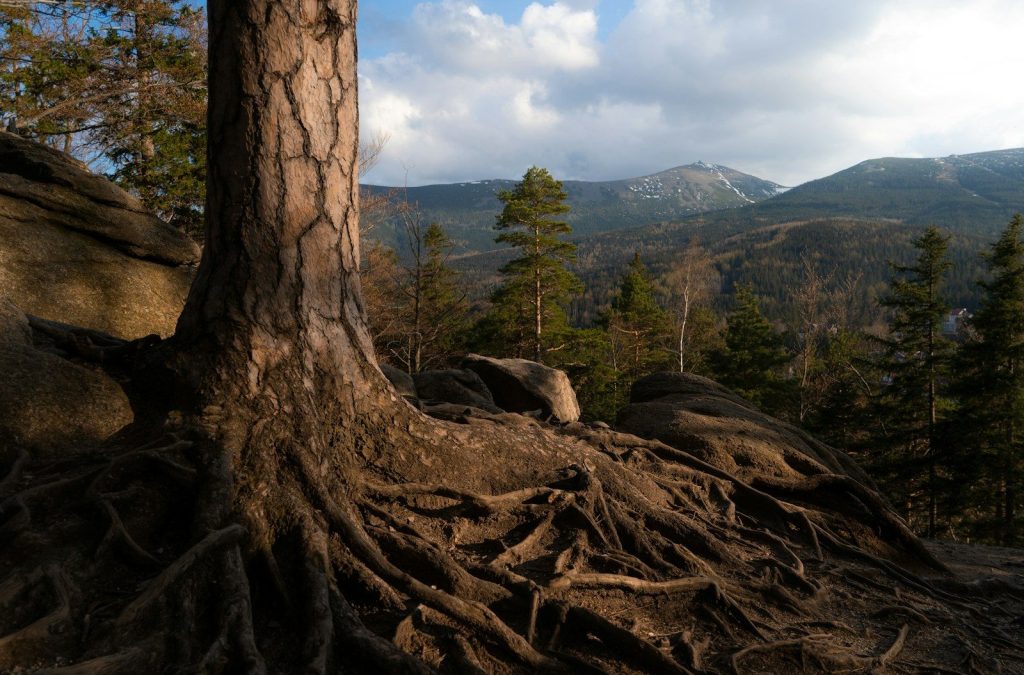
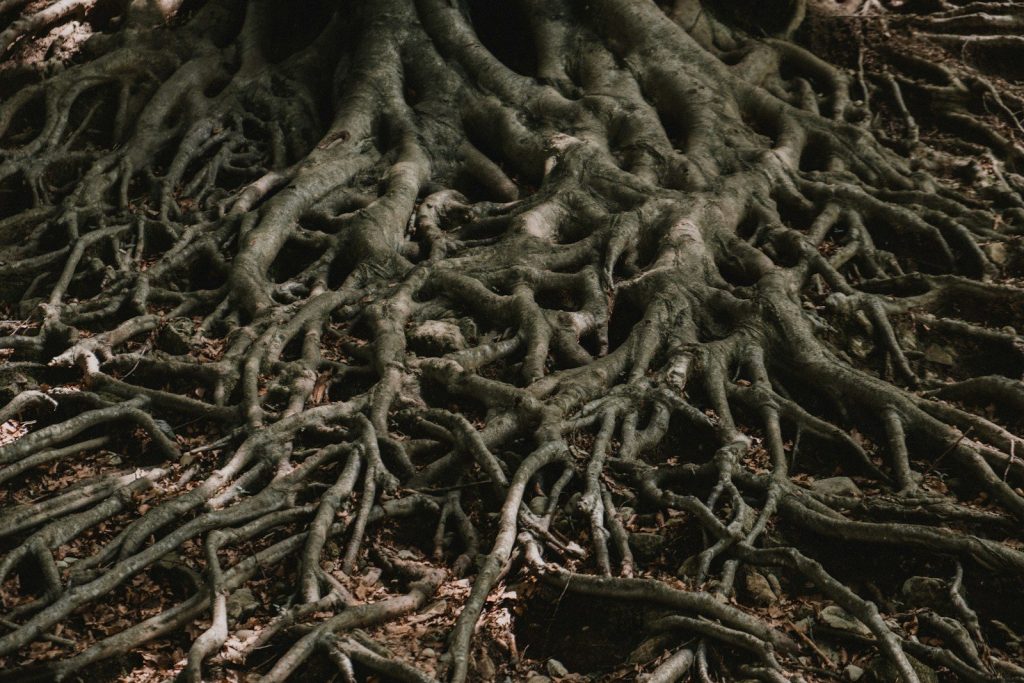
Mycorrhizal fungi form close partnerships with plant roots. The fungi receive carbon compounds produced by the tree through photosynthesis, while their fine underground networks can help the plant obtain nutrients and water. Alerce mainly associates with arbuscular mycorrhizal fungi, which grow structures inside root cells where resources are exchanged. These relationships may support young and ancient trees during environmental stress. The study examined soil communities, however, and did not prove that every detected fungal group was directly connected to the old tree’s living roots.
Old Growth Forest Ecological Conservation
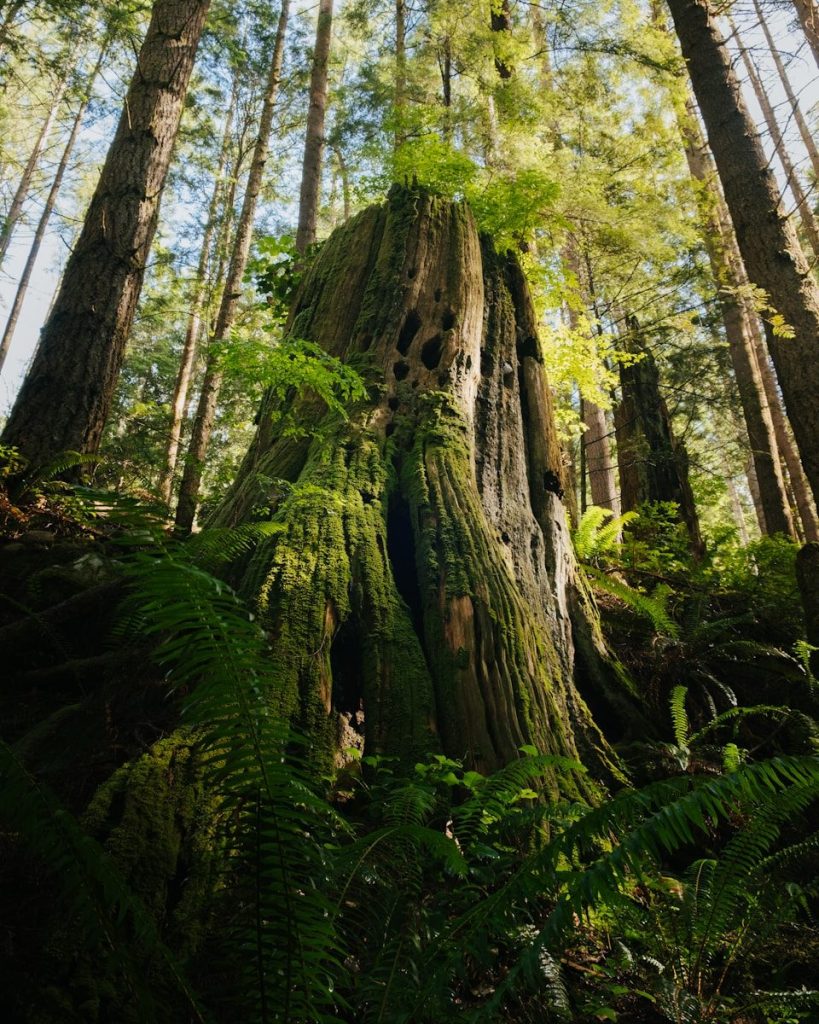
Large trees can influence the soil for centuries by depositing litter, moving water, releasing root compounds and maintaining stable underground habitats. Over long periods, they may accumulate fungal communities adapted to local conditions. Alerce Abuelo also holds far more living biomass than the other trees in the study, providing a large and persistent source of carbon. The researchers concluded that ancient, large-diameter trees may act as umbrella species, protecting underground organisms that could support forest resilience and future restoration.
Chilean Forest Soil Conservation Biological Diversity
The discovery does not reveal a supernatural hidden world or prove that unusual fungi make the tree live for thousands of years. It shows that one exceptionally old tree is linked with remarkable belowground diversity that standard conservation surveys could easily overlook. Protecting ancient forests therefore means safeguarding soil, roots and microscopic organisms as well as trunks and canopies. Removing the oldest trees could erase unique fungal communities before scientists understand their functions or use them to restore damaged ecosystems.
Featured Image: Photo by Grace Tetley on Unsplash
Leave a Reply