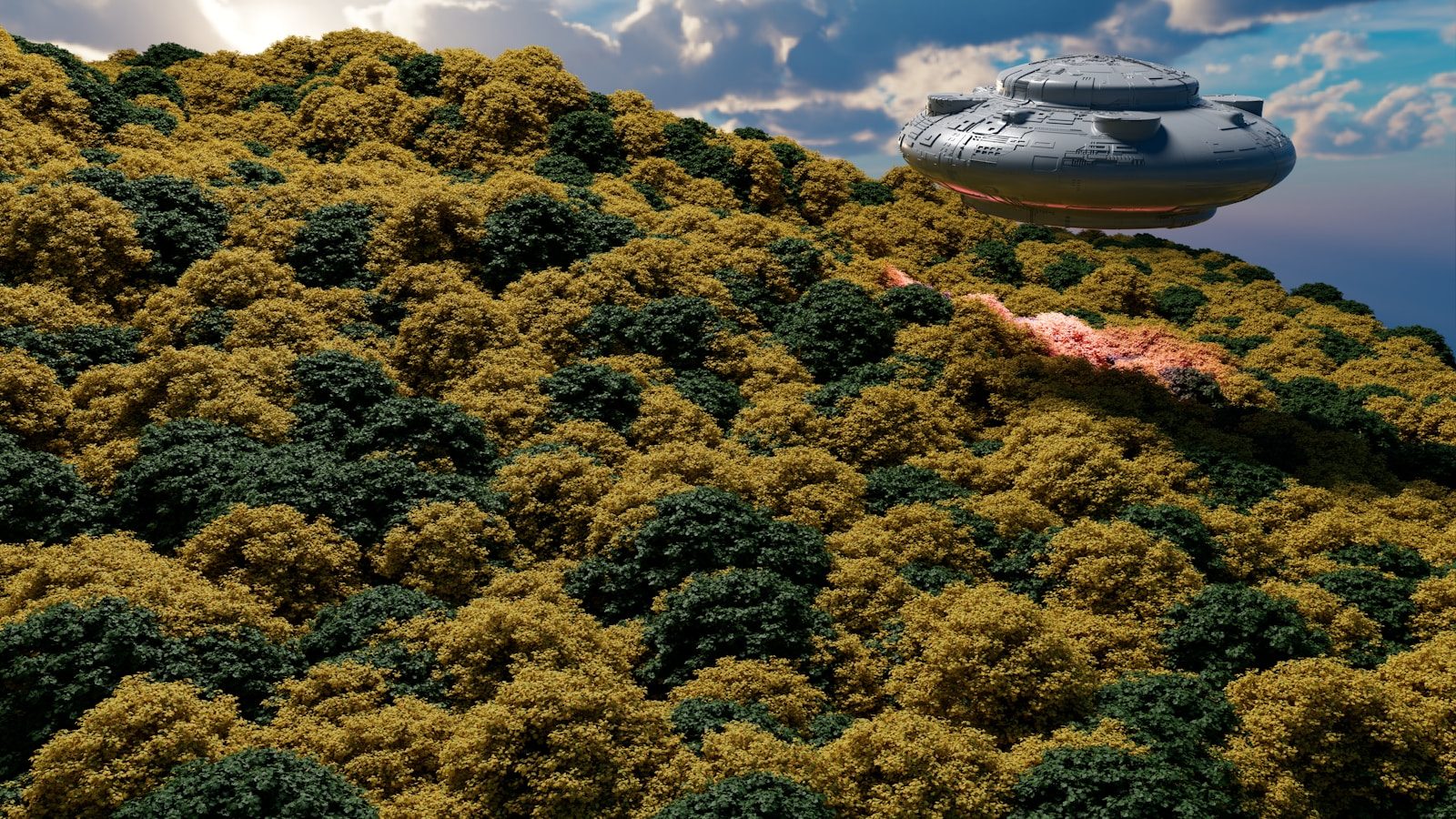
A preprint by Imperial College London physicist Robert Endres examines how difficult it may have been for organized biological information to emerge before evolution began. The paper discusses directed panspermia—the deliberate delivery of life by an advanced civilization—as a logically possible but speculative alternative.
The research presents no alien spacecraft, engineered organism, artificial signal, or geological evidence that extraterrestrials visited or altered Earth. Endres acknowledges that alien intervention adds unsupported assumptions and conflicts with the scientific preference for explanations that require less speculation. The paper raises a question rather than reporting a discovery.
Prehistoric Earth Hydrothermal Vent Abiogenesis
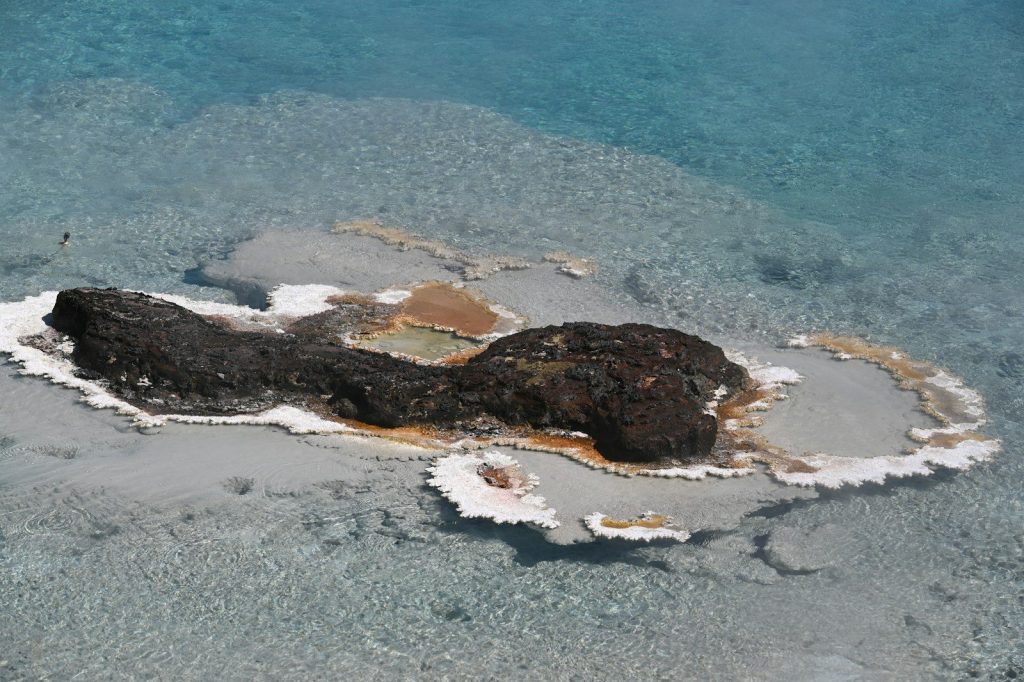
Scientists still do not have a complete explanation for how nonliving chemistry produced the first systems capable of metabolism, heredity, and evolution. The broad field is known as abiogenesis research. Proposed environments include shallow pools, hydrothermal vents, mineral surfaces, ice and cycles of drying and rehydration. Researchers study how simple molecules can concentrate, react and form more complex systems. The absence of a finished explanation does not mean that a supernatural or extraterrestrial alternative has been demonstrated.
Algorithmic Complexity Information Theory DNA
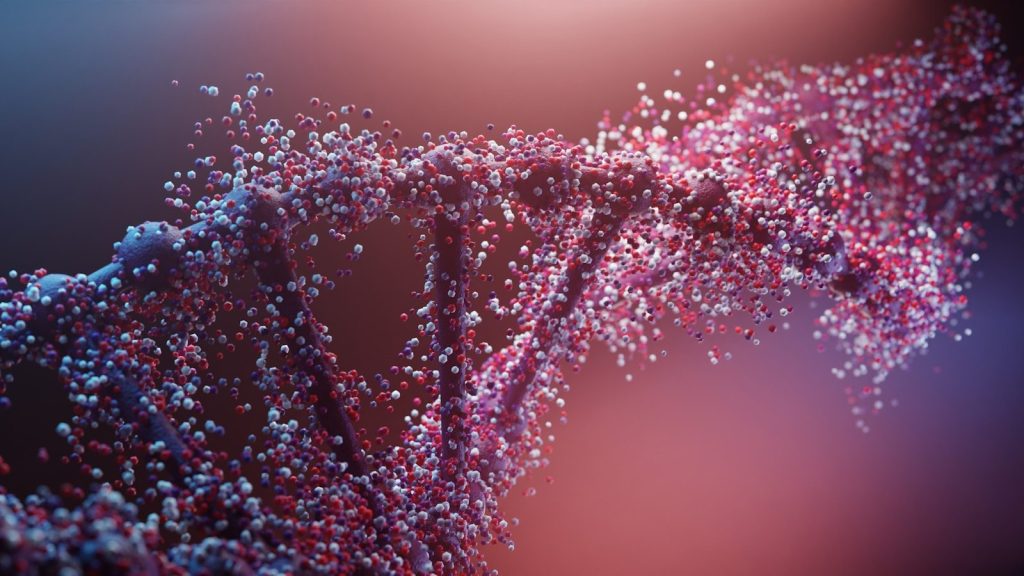
Endres used concepts from information theory and algorithmic complexity to examine the challenge of forming a minimally functional protocell. His model emphasizes the large number of organized components that even a primitive living system might require and the limited time available before the earliest evidence of life appeared. Such calculations depend heavily on assumptions about the first cells, reaction rates, and environmental conditions. They cannot capture every chemical pathway that may have operated on the young Earth.
Prehistoric Chemical Reaction Catalyst Mineral
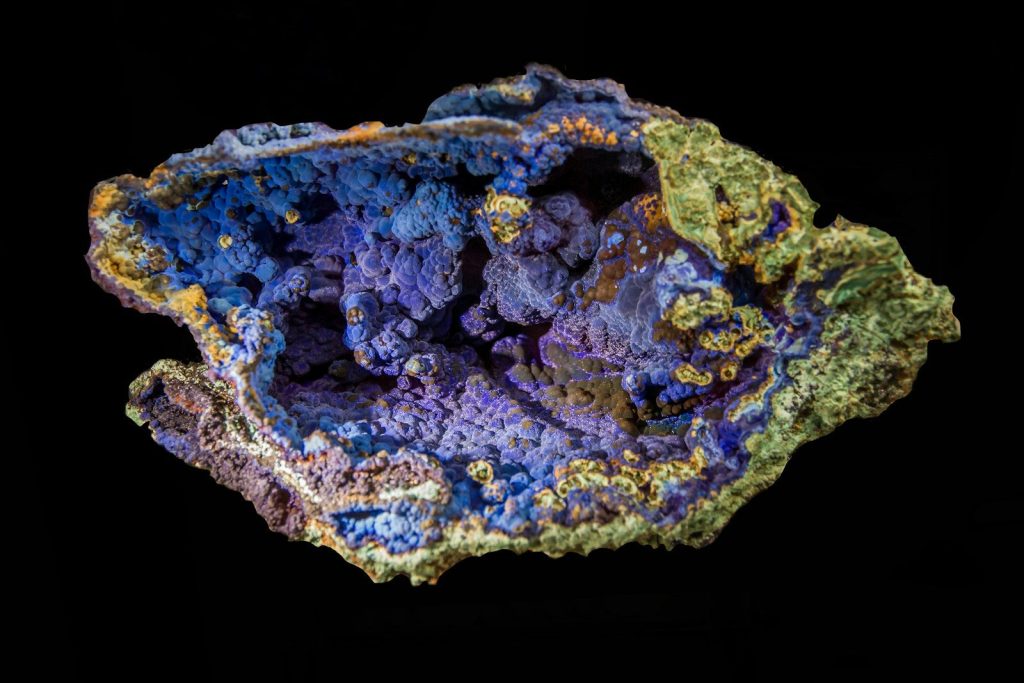
Origin-of-life research does not usually propose that a modern cell appeared in one completely random assembly event. Chemical reactions follow physical rules, and environments can repeatedly concentrate selected molecules. Minerals may act as catalysts, membranes can form spontaneously under some conditions, and energy cycles can favor particular reactions. These processes can narrow the range of possible outcomes. Probability estimates that treat every molecular arrangement as equally random may therefore make natural chemical evolution appear more difficult than realistic laboratory models suggest.
Space Meteorite Carrying Organic Molecules
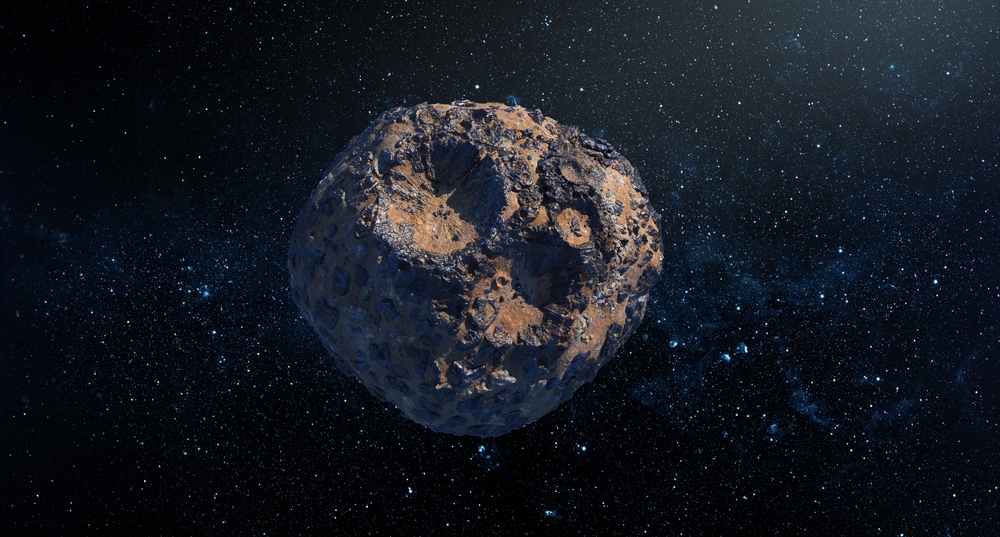
Natural panspermia proposes that microorganisms or prebiotic molecules could move between worlds inside rocks, dust, or comets. Directed panspermia adds an intelligent civilization that intentionally sends living material toward suitable planets. Neither idea is identical to terraforming, which usually means changing a planet’s environment to make it more habitable. Seeding Earth with microorganisms and rebuilding its atmosphere or climate would be very different operations. The preprint discusses possibilities without identifying an actor, method, or historical event.
Early Mars Surface Volcanic Impact Meteorite
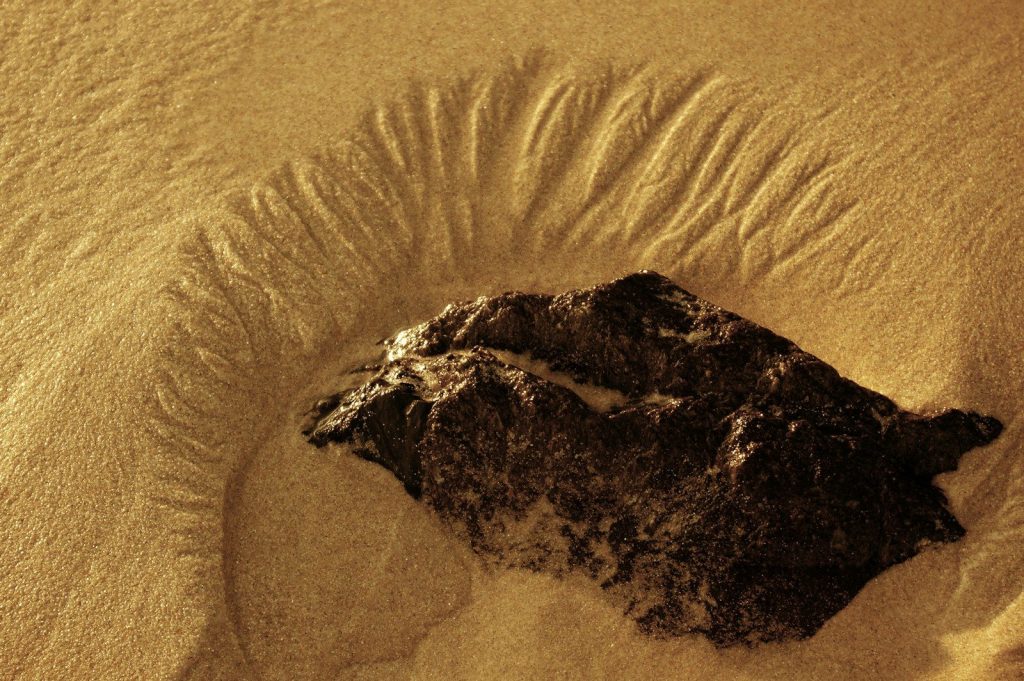
Meteorites prove that rocks can travel naturally from Mars to Earth. Laboratory and computer studies suggest that protected microorganisms could potentially survive some stages of ejection, space travel, and arrival under favorable conditions. This makes early Mars a scientifically discussable source in natural panspermia research. However, no Martian organism has been discovered, and no evidence shows that life arrived from Mars. Even a confirmed transfer would not require intelligent aliens because impacts can launch rocks between planets without deliberate intervention.
Extraterrestrial Origin Of Life Deep Space

Panspermia does not explain the ultimate beginning of life. It moves the location of that beginning to another planet or star system. Researchers would still need to determine how the original organisms formed. Directed panspermia creates additional unanswered questions about the civilization responsible, its origin, technology, and motive. Because those entities have not been observed, the hypothesis currently requires more assumptions than terrestrial chemical evolution. Possibility alone cannot give it the same evidentiary status as explanations supported by experiments and geology.
Ancient Geological Fossilized Microbe Sample
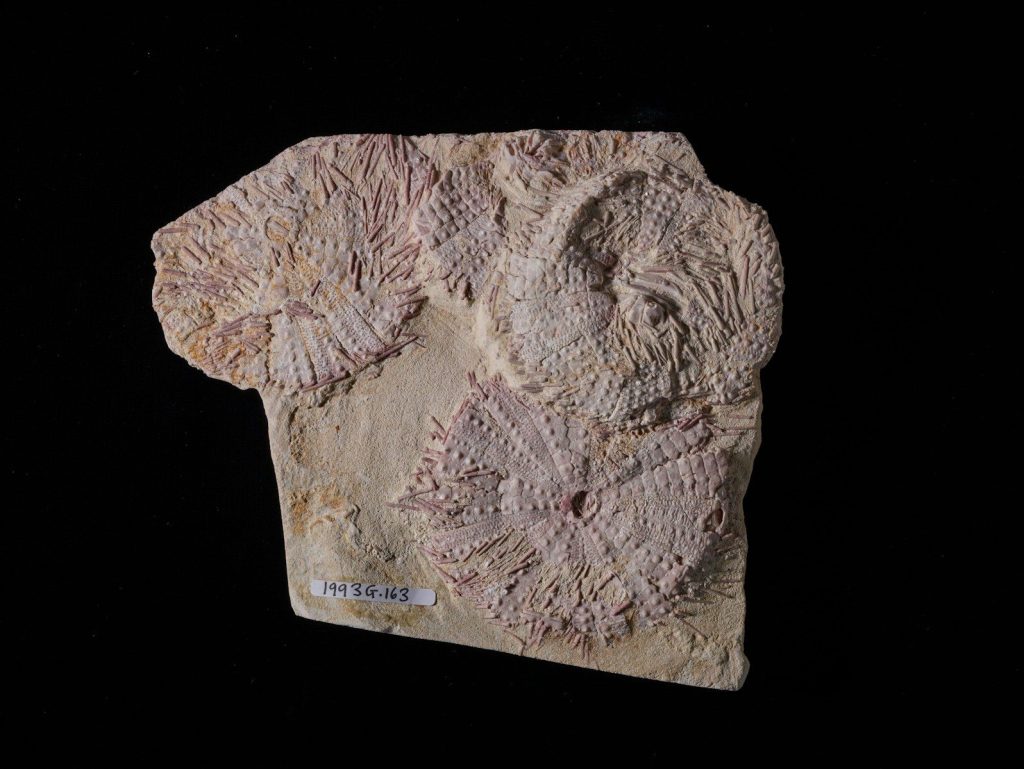
Strong evidence for alien seeding could include a clearly engineered nonhuman artifact from deep geological time, an artificial biological code that natural evolution could not plausibly produce, or a verifiable message embedded within early life. No such evidence has been found. The preprint may encourage useful debate about the information requirements of living systems, but it does not show that aliens started life on Earth. The accurate conclusion is that directed panspermia remains an unverified idea among many origin-of-life discussions.
Featured Image:Photo by Nigel Hoare on Unsplash
Leave a Reply