
Most investors assume that major technology companies expand their workforces whenever overall revenues reach record highs. We expect corporate hiring to track spending growth directly.
But global tech leaders are reducing headcount while simultaneously spending hundreds of billions on computing infrastructure. Capital priorities have undergone a massive shift.
Tech Companies Shift Payroll Budgets Into AI Computing Hardware
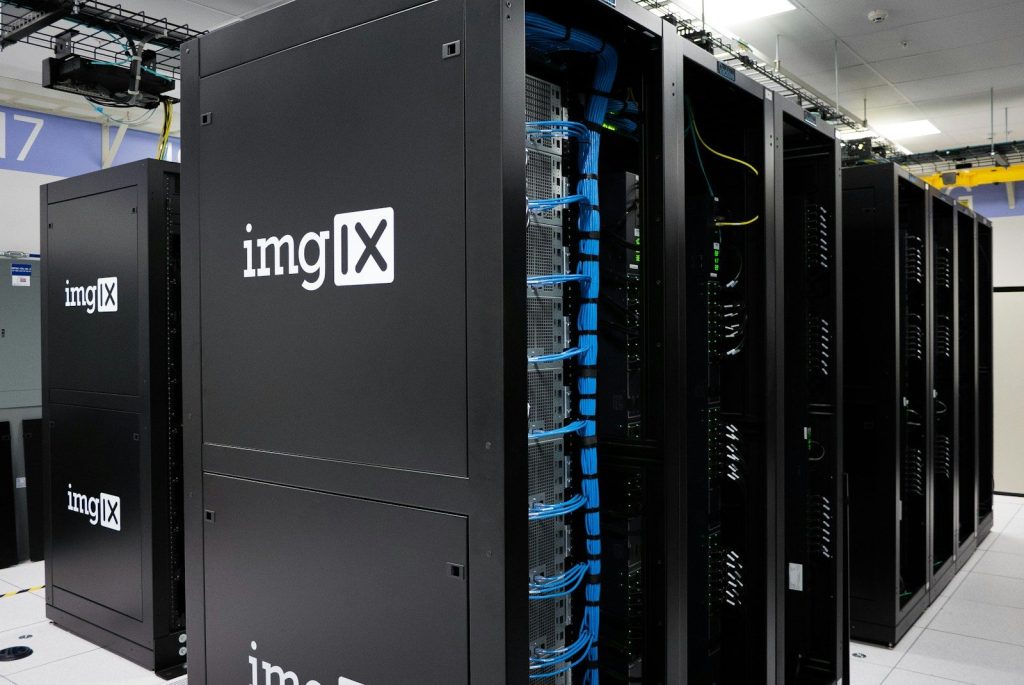
Technology firms across Silicon Valley are redirecting corporate capital away from traditional payroll expenses into physical hardware. Computer demand is soaring. According to annual regulatory filings, major software enterprise Oracle eliminated thousands of roles over twelve months while pouring record capital into cloud infrastructure. Business priorities shifted dramatically. Yet understanding this capital shift requires examining data center hardware needs.
AI Data Centers Require GPUs, Power Lines, and Liquid Cooling

Building next-generation data facilities requires specialized graphics processors, high-capacity power lines, and custom liquid cooling systems. Infrastructure costs are astronomical. According to financial analysis from Goldman Sachs, global tech spending on AI infrastructure is surpassing six hundred billion dollars annually. Investment scales rapidly. But hardware demands are also forcing companies to flatten managerial hierarchies.
Tech Firms Cut Management Layers to Fund Infrastructure

Tech executives are reducing non-technical management layers to fund high-priority hardware investments and streamline decision-making. Middle management is shrinking. According to public statements from Meta, cutting operational roles directly allows companies to reallocate capital into advanced computing infrastructure. Organizations operate leaner. But software development platforms are undergoing a similar structural transformation.
Software Platforms Invest More in Cloud and Coding Tools

Software engineering platforms are adjusting their operational strategies to handle surging demand for automated coding workflows. Automated tools boost output. According to corporate announcements from GitLab, the developer platform restructured its workforce to fund high-demand cloud server infrastructure. Efficiency drove the choice. But financial service platforms soon mirrored this exact capital allocation strategy.
Fintech Companies Redirect Spending Toward AI Systems

Global payment processors and financial tech providers are shifting capital toward automated engineering pipelines and AI partnerships. Digital transactions require speed. According to market reports from DisplaceIndex, platforms like Intuit and PayPal announced multi-year workforce adjustments to refocus investments on AI partnerships. Capital moves toward tech. But securing continuous energy for these cloud facilities creates new challenges.
Tech Giants Sign Energy Deals for Expanding Data Centers

Operating massive clusters of specialized processors demands immense electric power grids and stable energy contracts. Energy access dictates expansion. According to energy sector reports from Bloomberg, tech giants are signing direct power agreements with nuclear and renewable utility providers. Server farms require gigawatts. But market analysts wonder if this heavy hardware spending will deliver expected returns.
Investors Question Returns on Massive AI Infrastructure Spending

Wall Street analysts closely track whether corporate revenue growth from cloud services can justify massive capital expenditure budgets. Return on investment matters. According to equity reports from Morgan Stanley, tech leaders must demonstrate that automated efficiency outweighs heavy infrastructure spending over time. Margins remain tight. Yet industry leaders maintain that building computing capacity remains essential for future competition.
Computing Capacity Becomes Big Tech’s Central Business Priority

The massive reallocation of corporate capital toward server infrastructure represents a fundamental shift in how technology giants operate. While workforce restructuring creates immediate disruption, companies are prioritizing physical compute power to lead the next technological wave. According to financial market research, balancing hardware investments with sustainable growth will define corporate strategy for years to come. This article is for informational purposes only.
Leave a Reply