Category: Business & Tech

  • The Surprising Prediction That Shook Up The Space Industry

    The Surprising Prediction That Shook Up The Space Industry

    Most people assume that space exploration is a slowly growing field split among many competing nations. We believe that orbital transport is far too expensive for any single group to control.

    But a shocking financial projection has revealed an unprecedented reality. One private enterprise is quickly positioning itself to monopolize almost all orbital traffic in the near future.

    An Unbelievable Launch Monopoly
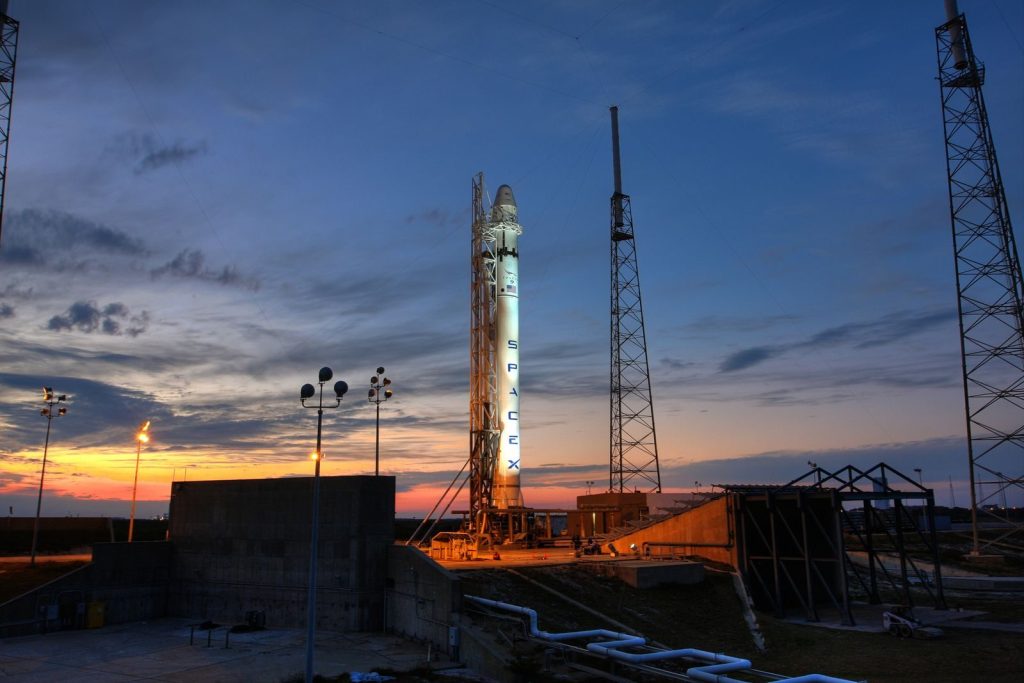
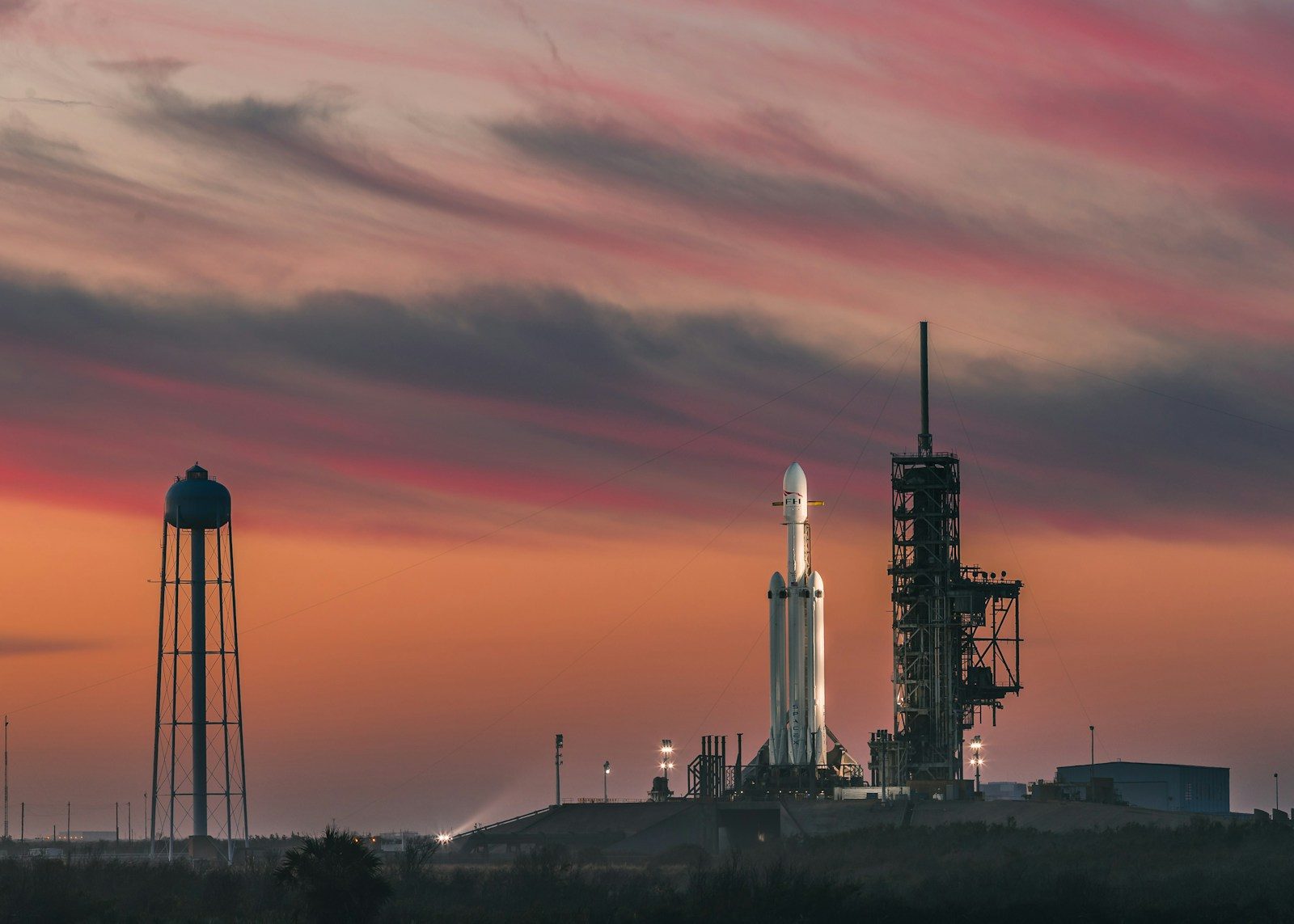
    Solid rocket installed on metal launch construction in spaceport and ready for taking off against colorful sunset sky
    Photo by SpaceX on Pexels

    Orbital cargo volume has reached heights that experts never thought possible. According to space industry reports, one private company is now responsible for over ninety percent of all material launched into orbit. This dominance is staggering. No other business or government agency can match this pace. But the underlying engine of this rapid expansion lies in a single technological choice.

    The Power of Reusability
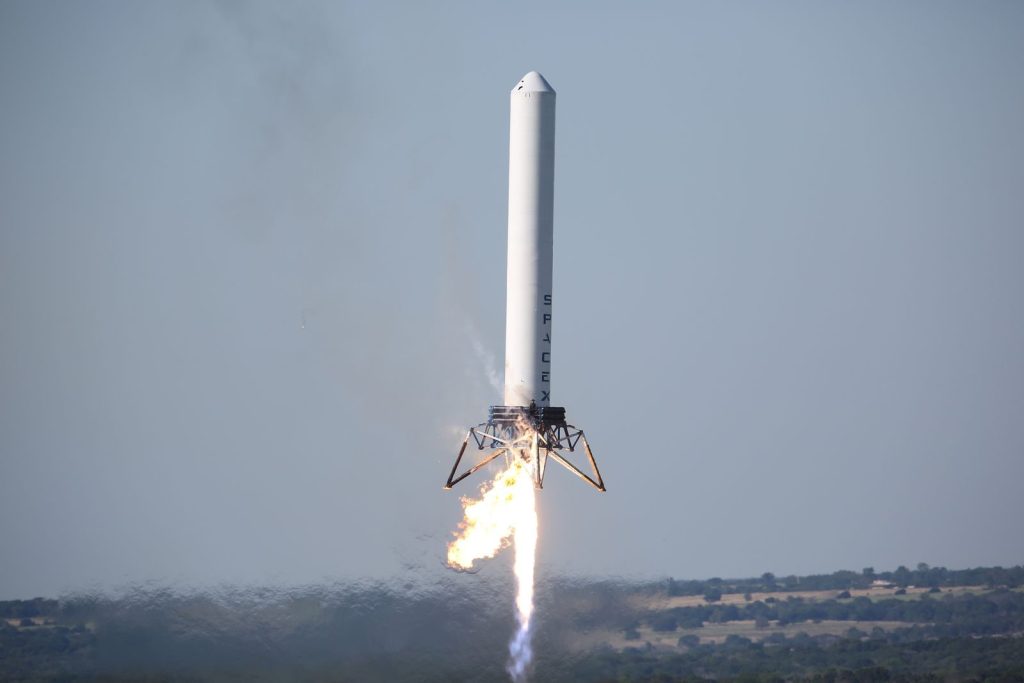
    A powerful rocket launches into the sky, showcasing advanced space technology.
    Photo by SpaceX on Pexels

    For decades, rocket components were treated like disposable items and left to burn in the atmosphere. According to aerospace engineers, reusing booster rockets has cut the cost of reaching space by more than half. They land with precision. This massive financial advantage has allowed the company to outbid every traditional competitor in the market. But this cost-cutting is only the foundation of a much bigger plan.

    Staggering Financial Growth
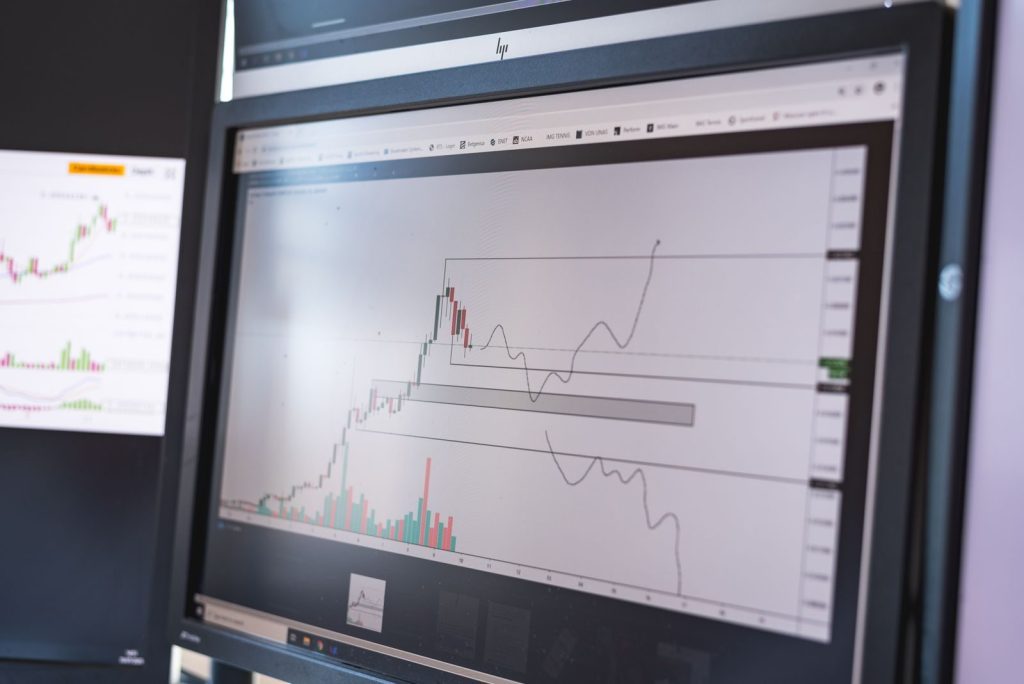
    Close-up of stock market analysis charts on a monitor, showcasing market trends.
    Photo by AlphaTradeZone on Pexels

    Wall Street has been absolutely stunned by the financial scale of this modern space monopoly. According to reports from Bloomberg, the private firm is now valued at well over two hundred billion dollars before even going public. This is unprecedented. This massive war chest allows the company to fund ambitious projects without relying on government cash. But this massive valuation is tied to a global network of satellites.

    The Silent Starlink Engine

    birds flying in the sky during night time
    Photo by Forest Katsch on Unsplash

    Driving this rapid financial growth is not just cargo launches but global internet access. According to market analysts, the Starlink satellite network is quickly becoming the most profitable arm of the entire operation. Millions rely on it. This massive orbital constellation provides high-speed internet to the most remote corners of our planet. But the sheer density of these satellites is creating a brand new problem.

    A Crowded Earth Orbit

    a very big bright star in the sky
    Photo by BoliviaInteligente on Unsplash

    Above us, our sky is rapidly filling with thousands of active metal beacons. According to astronomer associations, the massive number of satellites is beginning to block our view of the deep cosmos. This is a problem. Ground telescopes must constantly filter out bright streaks of light to capture clear images of space. But this cosmic clutter might be the price of reaching a much larger target.

    Satellite Subscription Profits
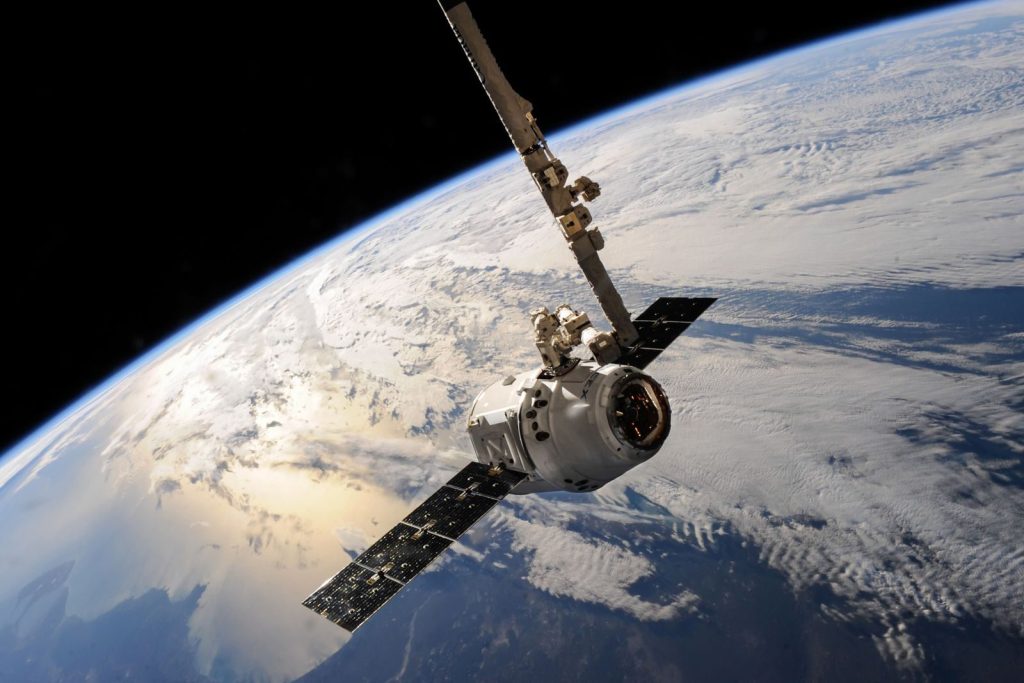
    A satellite glides over Earth showcasing dramatic cloud formations and the vast expanse of space.
    Photo by SpaceX on Pexels

    Satellite subscription profits are quietly funding a massive rocket designed to reach another planet. According to statements from SpaceX leadership, the massive Starship vehicle is the key to building a self-sustaining city on Mars. The scale is massive. This giant steel rocket can carry over one hundred tons of cargo in a single journey. But achieving this goal will require an unprecedented amount of launches.

    Rethinking Space Law

    Close-up of a legal document with a wooden stamp placed on top, highlighting verification.
    Photo by Markus Spiske on Pexels

    As a single company takes control of our orbital pathways, international lawyers are raising urgent questions. According to legal experts, our current space treaties are completely outdated and fail to regulate private corporations. This is a gap. There are very few rules to prevent a private entity from claiming valuable resources on the moon. But global space agencies are starting to draft new agreements.

    A Brand New Era
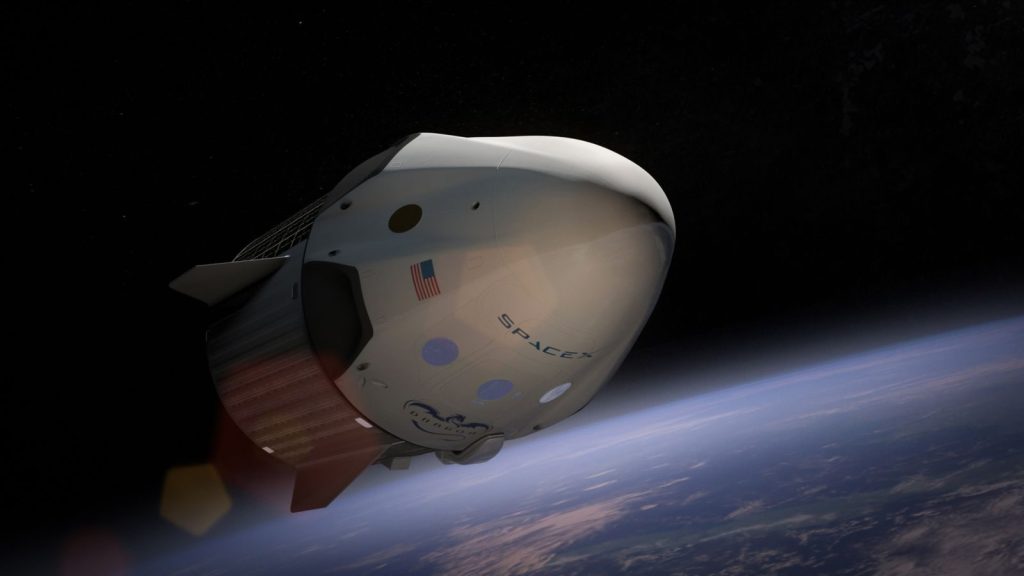
    A SpaceX Dragon spacecraft orbiting Earth, captured in vivid detail against space.
    Photo by SpaceX on Pexels

    The commercial space race is permanently changing how humanity interacts with our solar system. The stars are closer than ever. According to space industry observers, we are living through a massive shift in technological history. Our cosmic journey has only just begun. This article is for informational purposes only.
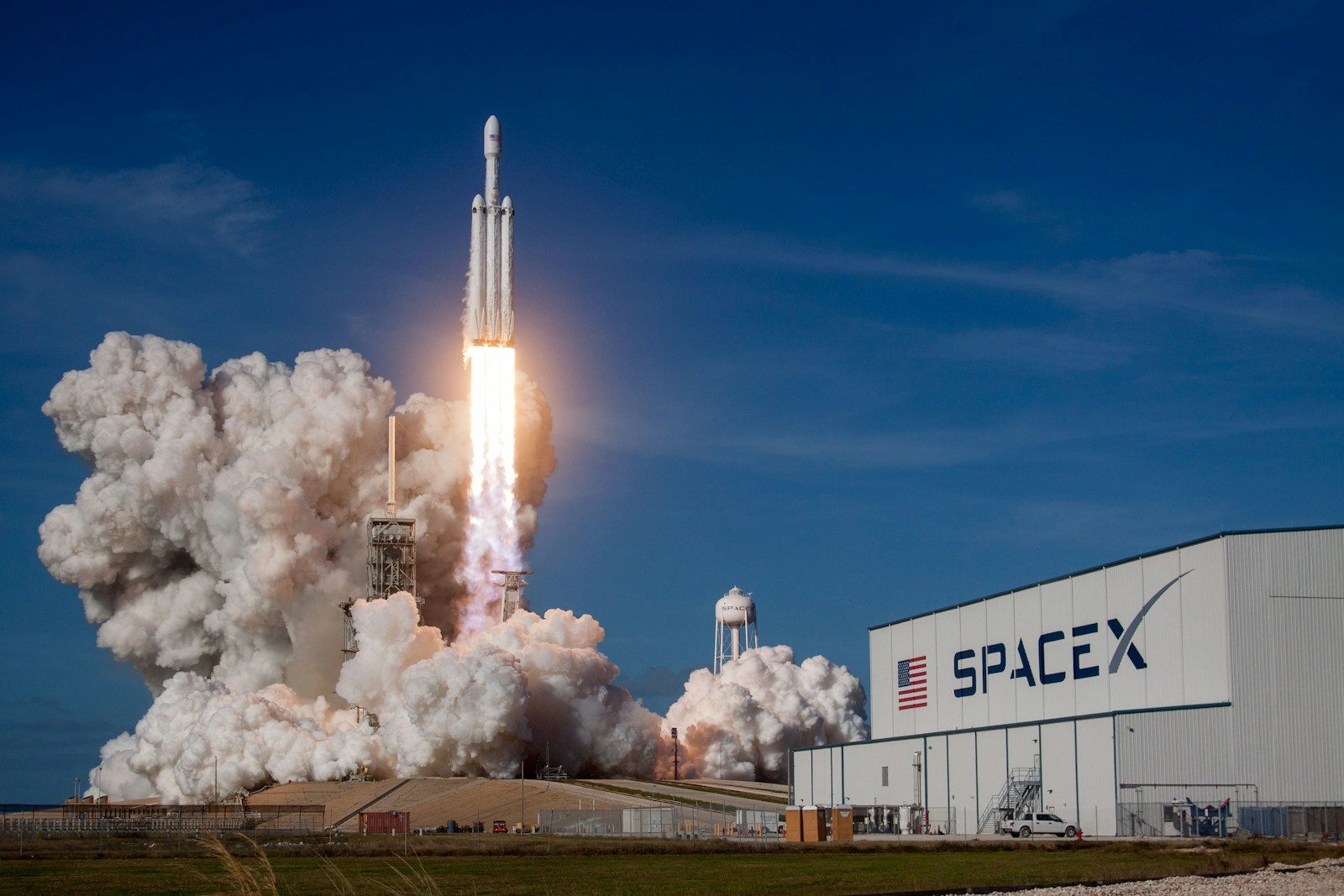

    Featured Image: Photo by SpaceX on Unsplash

  • The Hidden Billion Dollar Bet That Made Space History

    The Hidden Billion Dollar Bet That Made Space History

    Most people assume that space flight is funded strictly by massive government agencies. We believe that only national programs have the cash to reach the stars.

    But a secret investment made years ago by a media heir changed everything. This bold bet triggered the modern private space race and generated a mind-blowing fortune.

    The Gamble Of A Lifetime

    green and white typewriter on black textile
    Photo by Markus Winkler on Unsplash

    Back when private space travel seemed like science fiction, one wealthy investor saw a massive opportunity. He decided to back a struggling rocket startup. According to financial documents released by investment firms, this early backer risked a substantial portion of his net worth on a highly volatile dream. It was very risky. But his belief in the vision would soon pay off.

    Rocket Science Meets Wall Street

    black flat screen computer monitor
    Photo by Vladislav Maslow on Unsplash

    Building rockets from scratch is notoriously expensive, and many early attempts ended in dramatic fiery explosions. Most traditional venture capitalists refused to touch the aerospace industry because the failure rate was too high. According to space business analysts, early funding rounds were incredibly difficult to close. Money was drying up. This made the private backing even more critical for survival.

    The Turning Point For Space

    A stunning view of a rocket leaving a fiery trail as it ascends into the night sky.
    Photo by Dirk Schuneman on Pexels

    Everything changed when the young rocket company finally achieved stable orbit with its custom engines. This success proved that private companies could actually compete with global superpower nations. According to historical launch records, the startup secured major cargo contracts shortly after this breakthrough. They made history. But the commercial potential of this technology was still vastly underestimated.

    A Secret Valuation Explosion

    close-up photo of monitor displaying graph
    Photo by Nicholas Cappello on Unsplash

    Over the next decade, the company expanded its satellite internet network and reusable rocket fleet rapidly. This massive growth caused the private valuation of the business to skyrocket beyond anyone’s wild expectations. According to reports from Bloomberg, the early investor watched his initial millions turn into billions. He was incredibly patient. But the true size of his payout remained hidden for years.

    Cashing In On The Stars

    a one billion dollar bill with the words one billion dollars printed on it
    Photo by Rob on Unsplash

    When an opportunity to sell some of his shares finally arrived, the payoff was absolutely staggering. Experts believe this transaction represents one of the most profitable venture capital trades in history. According to financial reporters at CNBC, the total return on this single investment reached an estimated seven point five billion dollars. That is pure profit. Yet few people understood how he pulled it off.

    The Quiet Empire Builder

    Three mature professionals in a business meeting discussing and signing documents in an office setting.
    Photo by Vlada Karpovich on Pexels

    The man behind this legendary trade was James Murdoch, a prominent media industry executive. While his family focused on news networks, he quietly focused on the frontier of technology and space. According to corporate profile studies, this bold move separated his legacy from the family business entirely. He paved his path. This massive payout gave him the ultimate financial freedom to build his own empire.

    Reinvesting In Future Breakthroughs

    blue and white striped textile
    Photo by Red Zeppelin on Unsplash

    With billions of dollars in fresh capital, the veteran investor is now targeting new technological frontiers. He is focusing heavily on green energy and sustainable technology ventures. According to reports from clean tech funds, his new venture firm is backing startups that combat global climate change. This is the next frontier. But his original orbital bet will always be his biggest success.

    A Blueprint For Innovation

    Rocket assembly at a launch facility with cranes and vehicles.
    Photo by Jay Wedgeworth on Unsplash

    This incredible financial story shows that private capital is reshaping our future in deep space. Bold investments can drive humanity to reach new planets while building historic wealth. According to venture capital experts, more private funding is entering the aerospace market today than ever before. This article is for informational purposes only.
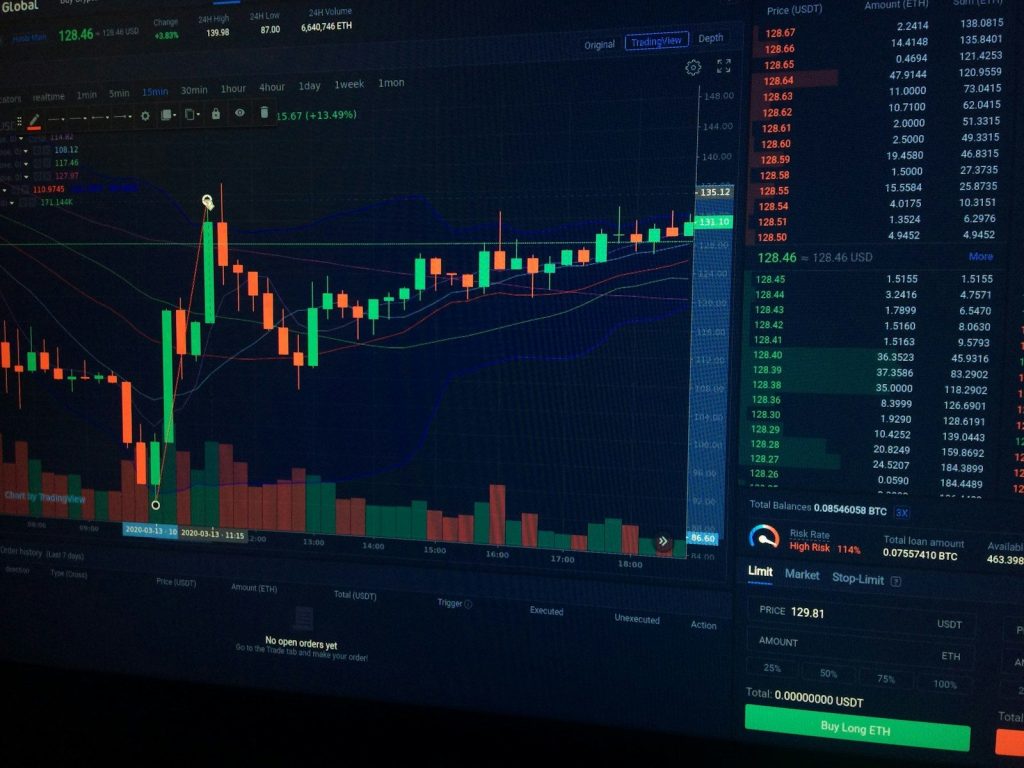
    Featured Image: Photo by SpaceX on Unsplash

  • Why American Car Dealers Cannot Sell Their New Vehicles

    Why American Car Dealers Cannot Sell Their New Vehicles

    Most drivers assume that buying a new car is a standard milestone of adult life. We believe that auto dealerships are constantly running out of hot new inventory.

    But a massive financial shift has completely frozen the automotive market. Dealership lots are quietly overflowing with millions of unsold vehicles that nobody wants.

    Unsold Mountains of Metal

    Aerial view of a large car junkyard with many vehicles.
    Photo by Daniel Miksha on Unsplash

    Dealerships across the nation are facing an unprecedented crisis of excess vehicle inventory. According to reports from Cox Automotive, the total volume of unsold new vehicles has soared beyond three million units. The lots are packed. This represents a staggering ninety-two-day supply of cars, trucks, and massive SUVs. But a far more painful consumer reality is actually driving this immense inventory buildup.

    The Affordability Crisis Hits

    Couple looking stressed over bills at kitchen table.
    Photo by Vitaly Gariev on Unsplash

    The average price of a new car has climbed to levels that typical families cannot afford. According to industry data, the average cost of a new vehicle now hovers around fifty thousand dollars. Prices grew too fast. Buyers are rejecting these massive monthly payments as inflation continues to squeeze household budgets. Yet, the price tag of the car itself is only the first financial blow.

    Auto Insurance Prices Skyrocket

    Close-up image of two people signing an insurance policy document on a wooden desk.
    Photo by Mikhail Nilov on Pexels

    Owning a modern vehicle requires a continuous stream of expensive secondary payments that consumers hate. According to reports from the Bureau of Labor Statistics, car insurance costs have doubled since late 2023. Operating costs are brutal. Many drivers realize that keeping a new car on the road costs as much as their rent. But another structural trap is forcing dealers into a corner.

    The Dealer Financing Trap

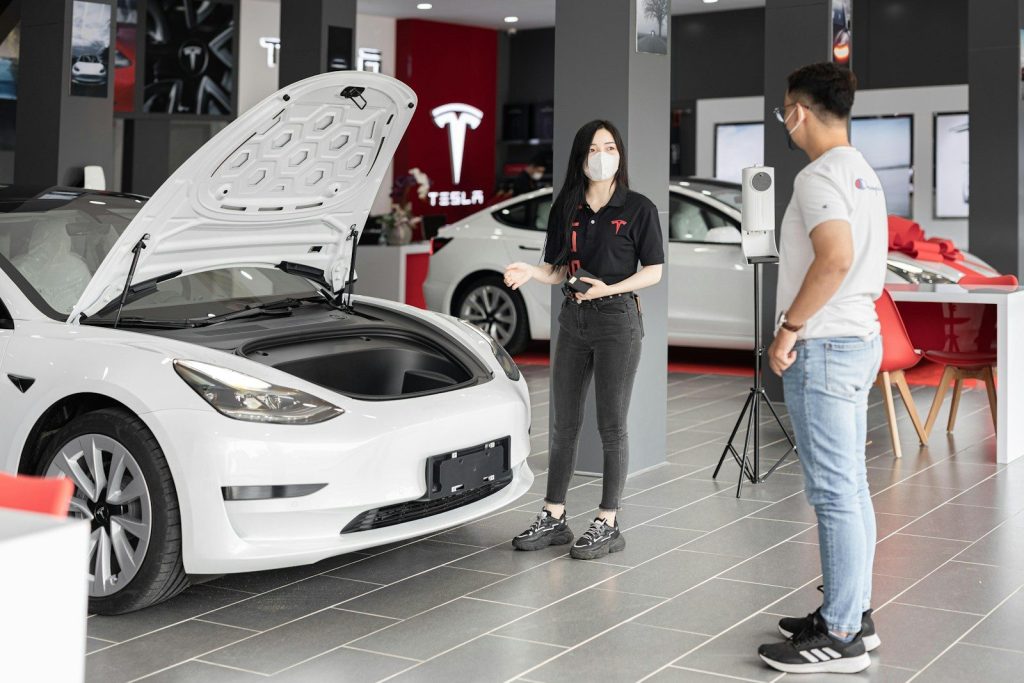
    a man and a woman looking at a car in a showroom
    Photo by I’M ZION on Unsplash

    Dealers do not actually own the glittering cars sitting on their physical lots. According to financial analysts, dealers use specialized loans called floor plan financing to display their inventory. Interest rates are high. When cars sit unsold for months, interest charges slowly eat away at the dealership’s core profits. However, this financial pressure has triggered an even more terrifying wave of defaults.

    Skyrocketing Vehicle Repossessions

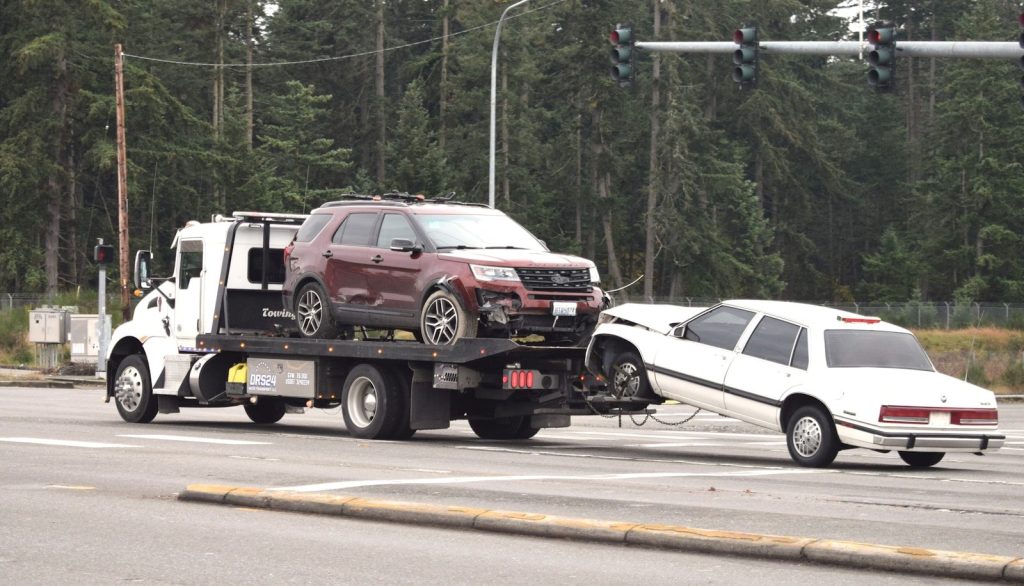
    A tow truck towing a car on the road
    Photo by fr0ggy5 on Unsplash

    Many consumers who bought vehicles during the pandemic are now failing to make their payments. According to national repossession registries, vehicle repossession rates jumped past two and a half million units last year. Cars are vanishing overnight. This marks the highest loan delinquency rate since the Great Recession of 2008. But this rising tidal wave of defaults is creating a massive secondary problem.

    The Used Car Glut

    Aerial view of a junkyard filled with many cars
    Photo by Daniel Miksha on Unsplash

    All those repossessed cars must eventually go somewhere, further depressing the entire automotive market. According to used car platform reports, wholesale auctions are already buckling under the weight of returned inventory. Prices are falling fast. This massive influx of used vehicles makes expensive new models look even less attractive to buyers. But automakers are still refusing to take the most logical step to solve this crisis.

    Resisting Real Price Cuts

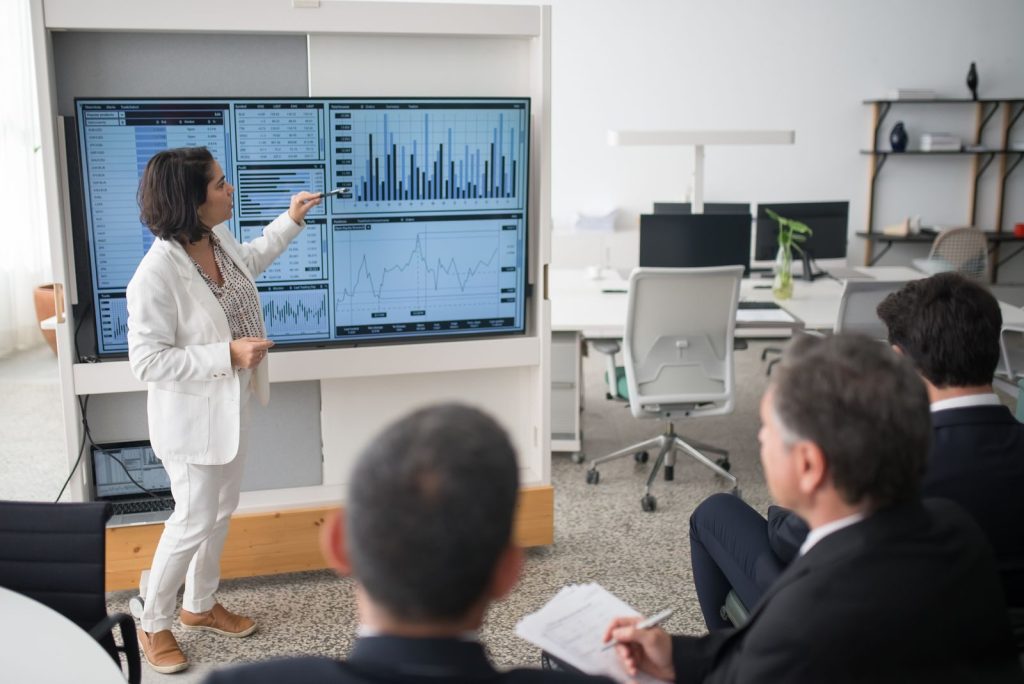
    A woman presents data on a screen to a group of colleagues in an open office environment.
    Photo by Kampus Production on Pexels

    Manufacturers continue to resist dropping their high prices despite the massive collapse in consumer demand. According to automotive market experts, companies prefer offering temporary interest rate incentives rather than lowering the base MSRP. The strategy is failing. Consumers are simply waiting for a major correction before they step foot back on a lot. But this waiting game will soon force a dramatic shift.

    The Great Automotive Reset

    A man sitting in the driver's seat of a car
    Photo by Ali Colak on Unsplash

    According to retail market researchers, the current inventory glut will eventually force dealers to offer massive, unprecedented discounts. High interest rates and rising ownership costs are changing how humans view personal transit forever. We are entering a new era of careful spending. This article is for informational purposes only and does not constitute financial or legal advice.

    Featured Image: Photo by Albert Hyseni on Unsplash

  • The Hidden Bottlenecks That Keep Global Trade Alive

    The Hidden Bottlenecks That Keep Global Trade Alive

    Most people assume that global trade flows freely across the vast and open oceans. We believe that modern technology has made our supply chains indestructible.

    But a single point of failure could bring the global economy to a sudden halt. The entire system relies on a few fragile bottlenecks and deep-sea cables.

    The Vulnerable Arteries

    a large body of water filled with lots of boats
    Photo by Filipe Freitas on Unsplash

    A massive portion of global trade passes through a few extremely narrow waterways. These maritime shipping channels are known as chokepoints. According to reports from the World Bank, over twelve percent of global trade flows through the Suez Canal alone. It is incredibly crowded. A minor disruption here can trigger a massive global crisis.

    The Silent Sea Cables

    teal bookeh lights
    Photo by Sander Weeteling on Unsplash

    While ships carry physical goods, the global financial system relies entirely on underwater internet cables. These thin lines lay exposed on the ocean floor across thousands of miles. According to telecom researchers, these cables transmit over ninety-nine percent of international digital data. They are highly fragile. Cutting just a few of these lines would cause immediate chaos.

    The Threat Of Sabotage

    a close up of a sign on the side of a plane
    Photo by Giu Vicente on Unsplash

    A deliberate attack on these key cables could shut down global stock markets instantly. Finding and repairing a deep-sea cut requires highly specialized ships and weeks of work. According to defense analysts, modern navies are deeply concerned about the lack of cable security. The danger is real. Yet, securing these vast underwater networks is nearly impossible.

    The Panama Canal Crisis

    A close-up of cracked, dry soil illustrating severe drought conditions in Chitrashali, India.
    Photo by Samiran Biswas on Pexels

    Man-made chokepoints are also highly vulnerable to the shifting forces of nature. The Panama Canal relies entirely on fresh water from a nearby lake to operate its massive lock systems. According to the Panama Canal Authority, recent droughts have severely restricted the number of daily transits. Ships are waiting. This environmental bottleneck is forcing companies to find alternative routes.

    The Cost of Redirection

    A large cargo ship sails on a choppy sea.
    Photo by the iop on Unsplash

    Sailing around these vulnerable chokepoints adds thousands of miles and weeks to a journey. This longer route burns massive amounts of extra fuel and drives up shipping costs. According to maritime logistics experts, these delays quickly lead to empty store shelves worldwide. Prices are surging. This demonstrates how fragile our hyper-efficient supply chains have become.

    Redesigning The System

    a line of electrical equipment in a factory
    Photo by Homa Appliances on Unsplash

    To protect against these vulnerabilities, companies are beginning to shift production closer to home. This strategy is known as nearshoring and aims to shorten supply chains. According to a study by McKinsey, building regional networks reduces the risk of global chokepoint failures. The transition is slow. But it may be the only way to secure our future.

    A Fragile Balance

    world map wall decor
    Photo by Louis Hansel on Unsplash

    Our modern way of life depends on a highly complex and delicate global network. Understanding these hidden vulnerabilities is the first step toward building a more resilient world. We must adapt. According to system engineers, we must protect these vital arteries to avoid a total systemic collapse. This article is for informational purposes only.

    Featured Image: Photo by Buddy AN on Unsplash

  • Why Google Engineers Risked Their Careers To Stop Military AI

    Why Google Engineers Risked Their Careers To Stop Military AI

    Most people think that tech workers always cooperate with military defense contracts to boost company profits. We believe that Silicon Valley employees prioritize raw technology over ethics.

    But thousands of employees at one of the world’s largest search engines staged an unprecedented rebellion against a secret drone program. Their historic revolt forced the company to cancel a multi-million-dollar government contract.

    The Secret Drone Partnership

    a small gray helicopter flying over a lush green hillside
    Photo by Ketan Yeluri on Unsplash

    In twenty eighteen, a controversial military contract linking a top consumer tech company to battlefield operations came to light. According to declassified documents, the Department of Defense sought advanced computer vision technology to analyze drone footage automatically. They needed tracking tools. This system would help military analysts identify specific targets in conflict zones, but employees were completely unaware of their own involvement.

    Unveiling Project Maven

    Project Maven Prototype” by swanksalot is licensed under CC BY-NC-SA 2.0

    The internal defense initiative utilized specialized neural networks to classify objects in high-resolution video streams. According to reports from Google, the project focused strictly on non-offensive imagery analysis to help save civilian lives. Employees were highly skeptical. Many workers feared that their search algorithms were being modified to help coordinate lethal military strikes, but the internal tension was about to reach a boiling point.

    The Unprecedented Employee Petition

    Close-up of a person writing on a psychological assessment form with a pencil.
    Photo by Mikhail Nilov on Pexels

    Thousands of engineers and developers signed an open letter demanding that executives pull out of the military contract immediately. According to internal company emails, over four thousand employees put their names on the protest document. The message was clear. They argued that the tech company should never build warfare technology, but management initially tried to downplay their ethical concerns.

    Resignations Shake Tech Culture

    Sleek modern building with a curved glass entrance.
    Photo by Maxim Tolchinskiy on Unsplash

    When standard petitions failed to change corporate policy, several key engineers chose to resign in protest. According to tech industry reports, these high-profile departures damaged the company’s reputation as an ethical workplace. They walked away. This dramatic move forced corporate leadership to address the growing rebellion, but the internal pressure was still rising across global offices.

    Drafting New Ethical Boundaries

    white card on blue textile
    Photo by Brett Jordan on Unsplash

    To restore internal peace, the chief executive announced that the company would not renew its military contract. According to a public statement, the tech giant established a set of strict ethical principles regarding artificial intelligence development. The guidelines are firm. These new rules banned the creation of weapons or technologies that cause direct harm, but other defense contractors were eager to step in.

    The Defense Department Pivot

    The pentagon building with surrounding parking lot and trees.
    Photo by Kevin Doyle on Unsplash

    While one major tech firm pulled back, the military simply shifted its massive contracts to other eager defense suppliers. According to reports from the Pentagon, competitor tech firms quickly absorbed the drone imagery projects. Business kept moving. This rapid transition proved that halting one contract does not stop the wider militarization of software, but the engineers’ revolt had already inspired a global movement.

    A Global Workplace Awakening

    man standing in front of people sitting beside table with laptop computers
    Photo by Campaign Creators on Unsplash

    Tech employees around the world are now organizing to monitor how their software is utilized in foreign conflicts. According to labor organizers, the historic protest changed how Silicon Valley workers view their collective power. They are watching. This ongoing vigilance ensures that ethical conversations remain at the center of modern programming, but the struggle between profit and principles continues to evolve.

    The Ethical Tech Future

    group of people using laptop computer
    Photo by Annie Spratt on Unsplash

    According to tech ethicists, the balance between corporate profit and developer ethics will define the future of software engineering. Safe technology relies on workers speaking up to protect humanity from dangerous applications. This article is for informational purposes only.
    Featured Image: Photo by Marc-Olivier Paquin on Unsplash

  • How Robotic Chefs Are Quietly Replacing Professional Human Cooks

    How Robotic Chefs Are Quietly Replacing Professional Human Cooks

    human chef. We assume that machines can only handle simple fast food items.

    But advanced artificial intelligence and specialized robotic arms are completely disrupting the culinary industry. These clever machines are now preparing elite dining dishes with zero human intervention.

    The Automated Kitchen Revolution

    white and black wooden cabinet
    Photo by Ricardo Gomez Angel on Unsplash

    Busy restaurants often struggle to find reliable kitchen staff to handle high-volume cooking stations. According to the National Restaurant Association, labor shortages continue to impact the hospitality industry globally. Help is arriving. Autonomous cooking units can now fry, grill, and plate complex dishes without getting tired, but these basic kitchen machines are about to get a major cognitive upgrade.

    Learning To Cook With Vision

    two red power tools inside room
    Photo by David Levêque on Unsplash

    Instead of following rigid programs, modern kitchen robots use artificial intelligence to look at their ingredients. According to developers at Chef Robotics, camera systems allow robotic arms to handle oddly shaped vegetables and meat. They see everything. This visual feedback helps the machine adapt its grip and cutting technique in real time, though handling delicate sauces requires an even greater level of precision.

    Perfecting Sensory Food Feedback

    woman in white shirt standing in front of computer
    Photo by CDC on Unsplash

    Human cooks rely heavily on taste and smell to ensure every meal meets high-quality standards. According to a study published in the journal Frontiers in Robotics and AI, scientists are developing artificial sensors that mimic human taste buds. Progress is rapid. These digital sensors analyze salt levels and acidity to adjust seasoning automatically, but translating these physical adjustments into complex movements remains a significant hurdle.

    Mimicking High End Chefs

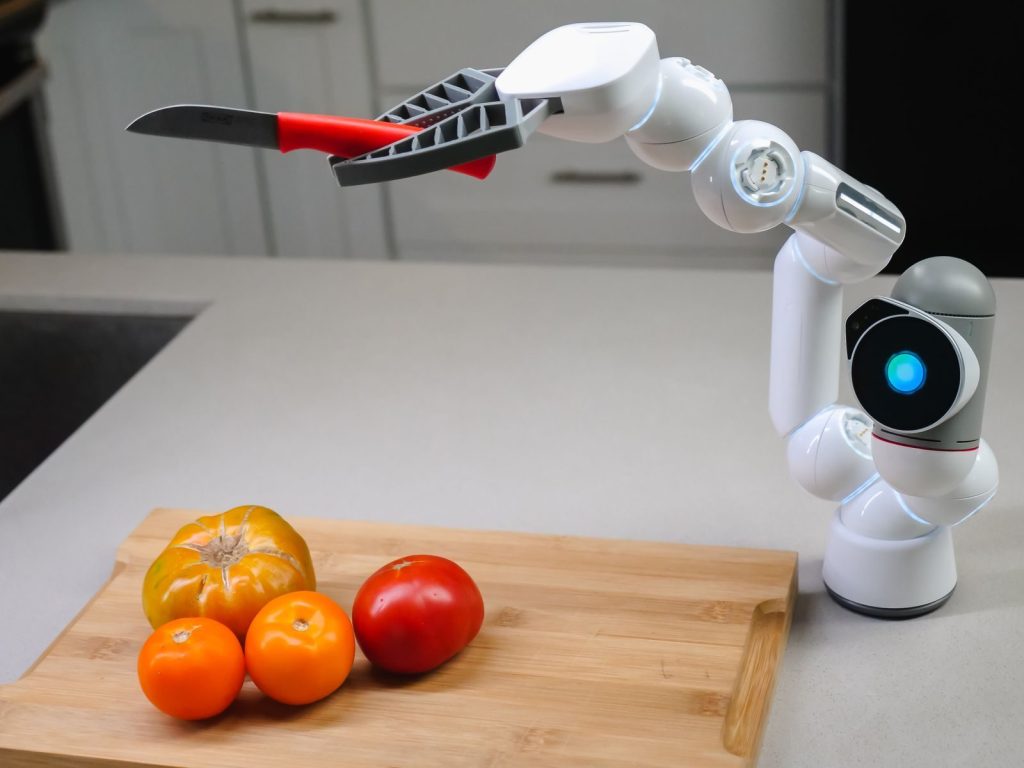
    A futuristic robotic arm with a knife preparing colorful tomatoes in a modern kitchen.
    Photo by Kindel Media on Pexels

    Specialized mechanical arms can now perform complex tasks like folding dough or flipping delicate fish. According to engineering reports from Moley Robotics, their residential robotic kitchen records the physical movements of master chefs and recreates them exactly. The motion is seamless. This level of mimicry allows machines to cook gourmet meals in home kitchens, but the cost of these systems is limiting widespread adoption.

    Solving The Safety Equation

    A robotic arm measuring flour on a modern kitchen counter, highlighting innovation in technology.
    Photo by Kindel Media on Pexels

    Professional kitchens are chaotic environments filled with open flames and sharp knives. According to safety regulators, integrating heavy machinery alongside human workers requires strict safety boundaries. Accidents must be prevented. Developers are designing collaborative robots with soft sensors that instantly stop moving when they touch a person, but these safety innovations are only one part of the changing landscape.

    Ensuring Total Culinary Consistency

    a person holding a tray of food
    Photo by iMin Technology on Unsplash

    High-volume food franchises require absolute uniformity across thousands of different locations. According to industry reports, automated kitchens ensure that every single dish contains the exact same portion and flavor profile. Quality never drops. This level of consistency helps businesses lower waste and increase customer satisfaction, though some culinary traditionalists argue that machines lack the creative spirit of human cooking.

    The Fast Dining Future

    a bunch of hot dogs that are in a refrigerator
    Photo by Denise Jans on Unsplash

    Robotic kiosks are already serving customizable warm bowls and fresh pizzas in major transport hubs. According to market analysts, consumer comfort with automated dining has reached an all-time high. People love speed. This growing acceptance is driving billions of dollars of investment into autonomous kitchen startups, but the long-term impact on human labor remains a critical debate.

    A Brand New Menu

    Person preparing food in a kitchen
    Photo by Jakub Żerdzicki on Unsplash

    According to food tech researchers, robotic culinary systems will work alongside human creators to enhance kitchen efficiency. This transition will allow human chefs to focus on creative recipe development rather than repetitive tasks. This article is for informational purposes only.

    Featured Image: Photo by Kindel Media on Pexels

  • Why Carmakers Are Banning Android Auto From New Vehicles

    Why Carmakers Are Banning Android Auto From New Vehicles

    Most drivers expect that their new vehicles will always connect seamlessly to Apple CarPlay or Android Auto. We assume that car manufacturers will continue to support these popular phone mirroring systems.

    But several major automotive companies are actively banning these smartphone interfaces from their latest models. This dramatic software shift is completely changing how we interact with our dashboards.

    The Dashboard Software Revolt

    a person driving a car
    Photo by I’M ZION on Unsplash

    For years, smartphone mirroring was a mandatory selling point for almost every new car on the market. According to reports from J.D. Power, over ninety percent of car buyers prioritize Apple CarPlay and Android Auto compatibility. The demand remains huge. However, major automotive corporations are now choosing to lock these systems out of their newest designs.

    The Drive For Subscription Revenue

    black 2 din car stereo
    Photo by Ildar Garifullin on Unsplash

    Carmakers want to capture the massive profits currently going directly to Silicon Valley technology giants. According to automotive industry analysts, built-in infotainment systems allow manufacturers to sell digital subscriptions and upgrades directly to drivers. Money is driving this. By cutting out third-party phone systems, companies can charge monthly fees for basic navigation, though this financial strategy risks major consumer backlash.

    The Gold Mine Of Driver Data

    gearstick, car, vehicle, auto, fast, automatic, german, bmw, premium, sale, sell, modern, car wallpapers, m-performance, power
    Photo by rolfvandewal on Pixabay

    Modern vehicles generate massive amounts of valuable data regarding driving habits and entertainment choices. According to market research firms, control over this in-car data represents a multibillion-dollar opportunity for automotive companies. Data is precious. Manufacturers want to analyze this information directly to improve their future vehicles, but losing access to user data threatens the dominance of major search companies.

    The EV Battery Control Factor

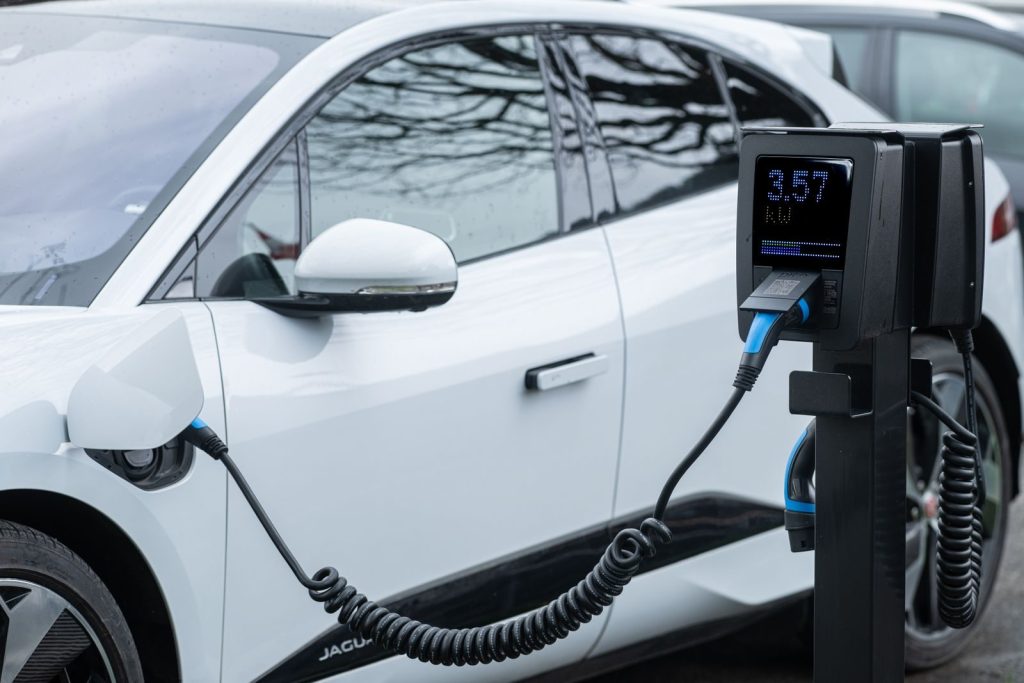
    Close-up of an electric vehicle charging at a station, showcasing energy-efficient technology.
    Photo by smart-me AG on Pexels

    Electric vehicles require deep software integration to optimize range and locate charging stations efficiently. According to engineers at General Motors, built-in navigation software can preheat EV batteries automatically as you drive toward a charger. This is vital. Mirroring systems on your phone cannot access these deep battery sensors, but convincing drivers to use proprietary maps remains a difficult task.

    Developing Custom Operating Systems

    A man sitting in a car using a laptop computer
    Photo by Mehmet Talha Onuk on Unsplash

    Instead of using simple phone screen mirroring, manufacturers are building customized platforms on Google Automotive software. According to software developers, these native operating systems run directly on the vehicle’s onboard computer chips. The performance is smoother. This deep integration allows the system to control both cabin temperature and navigation screens, though software bugs continue to plague early versions.

    The Safety Argument Debate

    the steering wheel and dashboard of a car
    Photo by Jordi Enric Roig Ramis on Unsplash

    Carmakers argue that native software is inherently safer because it reduces dangerous smartphone distractions. According to the National Highway Traffic Safety Administration, driver distraction is a leading cause of highway accidents. Safety comes first. Designers claim that voice-controlled dashboard systems keep eyes on the road, but critics argue that complicated native menus actually increase driver frustration.

    Will Buyers Walk Away

    Man looking at a yellow sports car through window
    Photo by Rana Singh on Unsplash

    Removing highly popular mirroring features could convince loyal customers to buy from competing car brands. According to dealership surveys, some buyers refuse to look at vehicles that lack simple smartphone integration. Opinions are split. While some tech companies are fighting back, car manufacturers show no signs of reversing their decision, and this high-stakes gamble will soon shape the future of transportation.

    A New Dashboard Era

    a car dashboard with a cell phone in the center
    Photo by Dekler Ph on Unsplash

    According to automotive tech researchers, the vehicle dashboard is transitioning from a passive screen into a highly profitable digital marketplace. Drivers must prepare for a future where their cars run on custom subscriptions rather than free phone mirroring. This article is for informational purposes only.

    Featured Image: Photo by David Moffatt on Unsplash

  • SpaceX Stock Crashed Below Its Opening Price Erasing Billions

    SpaceX Stock Crashed Below Its Opening Price Erasing Billions

    SpaceX had one of the most anticipated stock market debuts in recent memory. Investors lined up for a chance to own a piece of Elon Musk’s rocket company, and early enthusiasm pushed the price sky-high.

    But the stock has since collapsed below its opening-day price, wiping out hundreds of billions in market value. What happened — and what it means for the future of the company — is a story nobody saw coming.

    A Debut That Captured the World

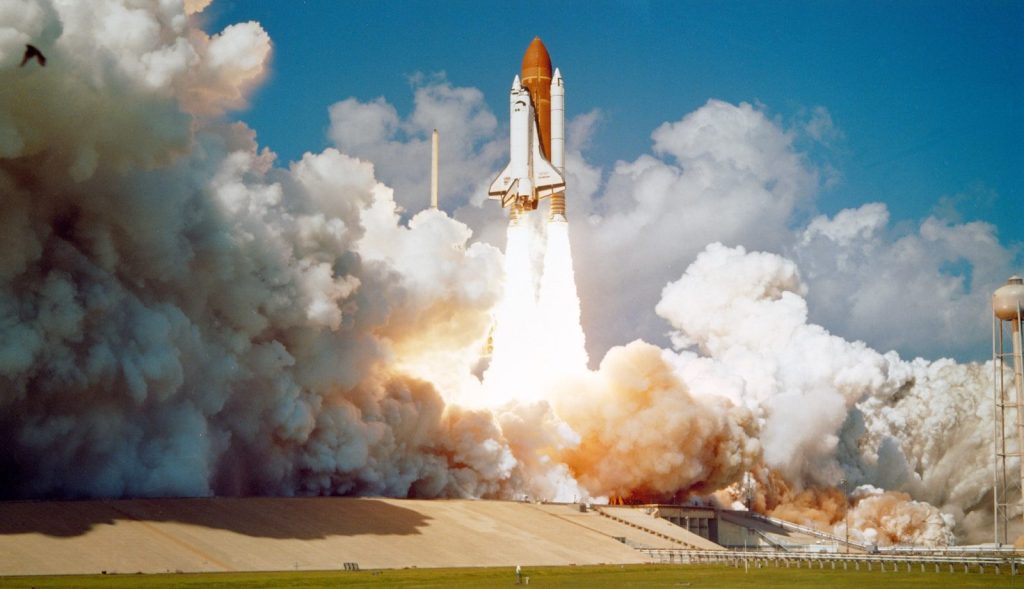
    Space Shuttle Challenger launches from Kennedy Space Center
    Photo by NASA on Unsplash

    When SpaceX shares became publicly available, the excitement was unlike almost anything seen in recent market history. The company had achieved what most aerospace firms only dreamed of — reusable rockets, regular crewed missions, and a dominant position in satellite internet through Starlink. Investors saw a generational opportunity. The opening-day price reflected that optimism at full volume. Massive demand. Sky-high expectations. But markets have a way of correcting stories that outrun reality. The first cracks appeared sooner than most analysts expected.

    When the Selling Started

    a close-up of a screen
    Photo by Anne Nygård on Unsplash

    The decline did not happen overnight, but when it accelerated, it moved fast. According to market data reported by financial analysts tracking the stock, a combination of broader tech sector pressure, rising interest rates, and investor concerns about SpaceX’s revenue timeline contributed to the sell-off. High-growth companies with ambitious long-term projections are particularly vulnerable when market sentiment shifts. SpaceX had all the hallmarks of that profile. The selling fed on itself. And the losses mounted quickly. What made this crash unusual was how far the stock actually fell.

    Below the Opening Price

    black android smartphone on brown wooden table
    Photo by Jamie Street on Unsplash

    Falling below an IPO or opening-day price is a significant psychological and financial marker. It means every investor who bought in on day one is now sitting on a loss. According to financial reporting from market analysts, the drop erased hundreds of billions of dollars in paper value — a figure that places it among the most significant single-company wealth destructions in recent stock market history. Staggering losses. Real consequences. For retail investors who bought at peak prices, the damage has been severe. The reasons behind the crash go deeper than a simple market correction.

    The Starlink Question

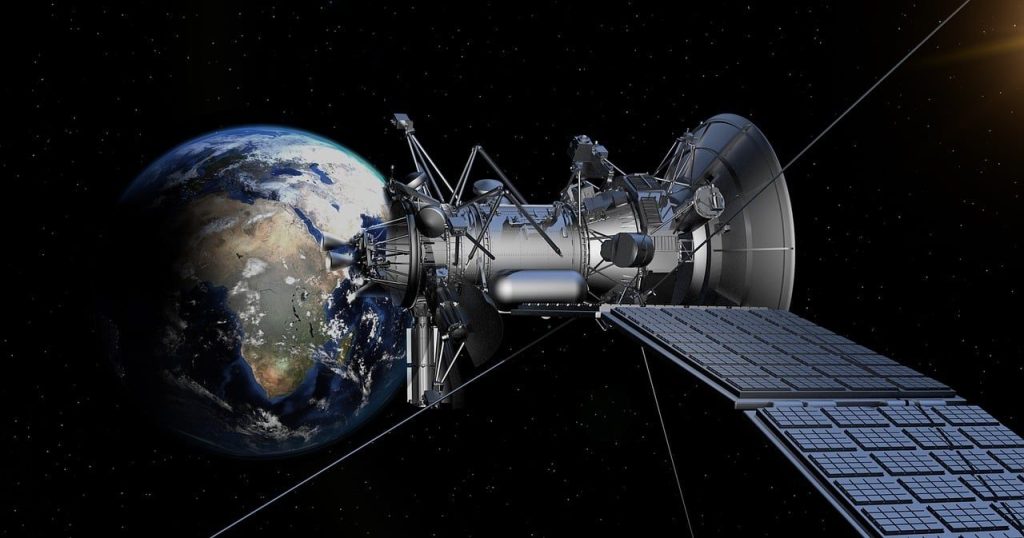
    satellite, moon, earth, planet, universe, atmosphere, background, space travel, night sky, star, space, celestial body, moonlight, astronomy, send, monitor, check, explore, 3d model, space wallpaper, black background, black sky, black earth, black travel, black moon, black stars, black model, black night, black universe, black wallpaper, black body, black check, black planet, satellite, satellite, satellite, satellite, satellite
    Photo by PIRO4D on Pixabay

    A significant part of SpaceX’s valuation has always rested on the future earnings potential of Starlink, its satellite internet division. According to analysts at Morgan Stanley, Starlink was projected to become one of the most valuable businesses on Earth if it captured even a modest share of the global broadband market. But competition has intensified, regulatory challenges have emerged in multiple markets, and the timeline for profitability has stretched. When the anchor holding up a company’s valuation starts to wobble, the whole structure feels it. Elon Musk’s personal brand has also played a complicated role in the stock’s trajectory.

    The Musk Factor

    Business professionals discussing documents in a modern meeting room.
    Photo by Vlada Karpovich on Pexels

    Few CEOs are as inseparable from their companies as Elon Musk is from SpaceX. That cuts both ways. When Musk’s public profile was rising, SpaceX benefited from his gravitational pull on investor attention. But as his political entanglements grew more controversial and his time became divided across Tesla, X, and his government advisory role, some investors began questioning his focus. According to multiple financial commentators, executive distraction is a genuine valuation risk — especially for companies still in their high-growth phase. Perception moves markets. That is simply the reality. The broader tech environment made everything harder at exactly the wrong time.

    A Market That Stopped Being Forgiving

    View of Federal Hall with George Washington statue and people in New York City.
    Photo by Czapp Árpád on Pexels

    The era of near-zero interest rates allowed growth companies to raise money cheaply and trade on future promises rather than present earnings. That era ended. According to the U.S. Federal Reserve’s rate-hiking cycle data, borrowing costs rose sharply from 2022 onward, fundamentally changing how investors value companies with long payoff timelines. SpaceX, for all its genuine achievements, is still years away from the kind of earnings that would justify its peak valuation. In a tighter market, that gap gets punished. Hard. The question now is whether this is a floor or just a stop on the way down.

    What Comes Next for SpaceX

    white and gray space ship under blue sky during daytime
    Photo by Jakub K on Unsplash

    SpaceX remains one of the most technically capable aerospace companies in history. Its Starship program, its Starlink network, and its NASA contracts give it a foundation that most competitors cannot match. According to industry analysts, the long-term case for the company is still credible — but the valuation required patience that some investors simply do not have. Markets overshoot in both directions. The crash does not erase what SpaceX has built. It just reminds everyone that even the most extraordinary companies are not immune to gravity. This article is for informational purposes only and does not constitute financial advice.

    Featured Image: Photo by Leeloo The First on Pexels

  • The Silent Robotic Force Quietly Transforming Our Food

    The Silent Robotic Force Quietly Transforming Our Food

    Most people believe that harvesting delicate fresh fruit requires an absolute human touch. We assume that only human eyes can spot a perfectly ripe apple in a crowded orchard.

    But a new wave of highly advanced autonomous machines is proving this assumption wrong. These gentle giants use artificial intelligence to harvest delicate crops at a relentless pace.

    Gentle Steel Fingers

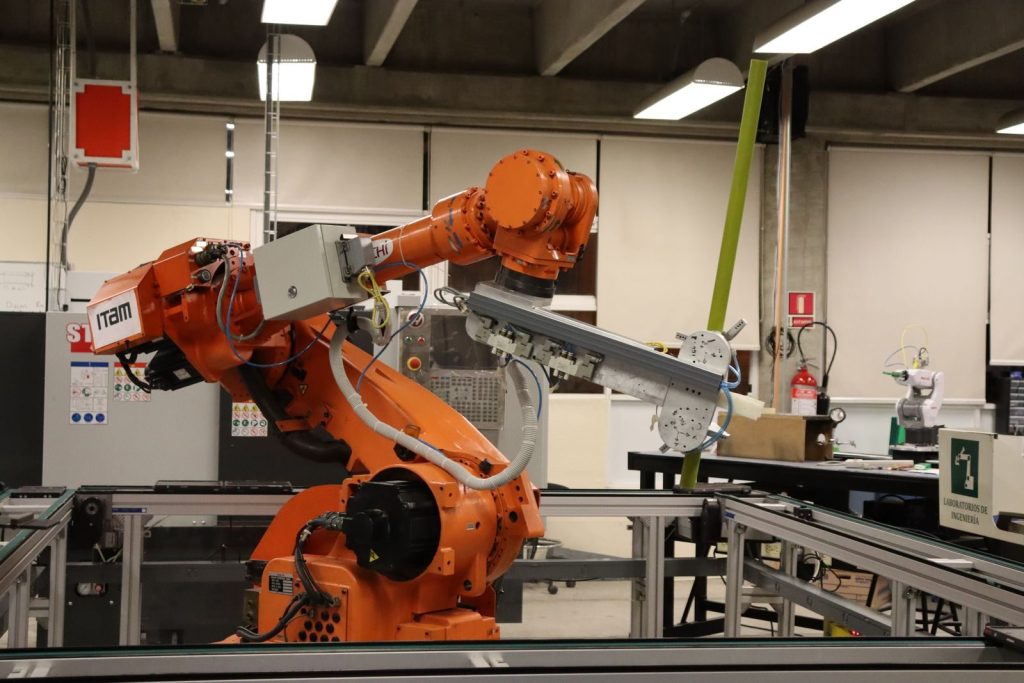
    Industrial robotic arm in a Ciudad de México lab setting, showcasing automation technology.
    Photo by Diego Martinez on Pexels

    Robots traditionally handle heavy steel parts rather than soft agricultural produce. Standard robotic claws would easily crush a ripe piece of fruit during harvest. According to design reports from Fieldwork Robotics, engineers solved this issue by building custom rubber suction grippers. Touch became delicate. But plucking the fruit first requires the robot to find it among the leaves.

    Artificial Sight Breakthrough

    Robot arm playing chess against a human opponent.
    Photo by Amos K on Unsplash

    A machine cannot pick fruit if it cannot distinguish a red apple from a green leaf. Engineers solved this problem by training neural networks on millions of orchard images. According to a study in Computers and Electronics in Agriculture, these cameras calculate ripeness in milliseconds under any weather condition. They are incredibly smart. This advanced vision allows the robot to work continuously after dark.

    Constant Night Shifts

    a group of trees in a field with a sky background
    Photo by Wolfgang Hasselmann on Unsplash

    Human pickers must stop working when the sun sets, and the orchard goes dark. Autonomous machines do not require daylight to locate and harvest crops. According to agricultural analysts, these robots use custom infrared sensors to harvest fruits continuously through the night. They never sleep. This non-stop harvesting helps farm owners solve a critical economic challenge.

    The Farming Crisis

    brown field under blue sky and white clouds during daytime
    Photo by Nick Fewings on Unsplash

    Farmers worldwide face massive labor shortages that threaten to rot entire fields of crops. Rising costs and changing migration laws make finding seasonal workers extremely difficult. According to the Western Growers Association, robotic harvesting offers a vital safety net for struggling farm owners. Solutions are urgent. This growing economic pressure pushes farmers to collect deeper insights about their crops.

    Mapping The Orchard

    Long rows of green trees in an orchard.
    Photo by Sandra on Unsplash

    These advanced robots do not just pick fruit. They also gather massive amounts of agricultural data as they roll through the trees. According to research from Washington State University, onboard systems map the yield of each individual tree in real time. Data is power. This precise crop data helps the machine sort the harvest in real time.

    High Tech Sorting

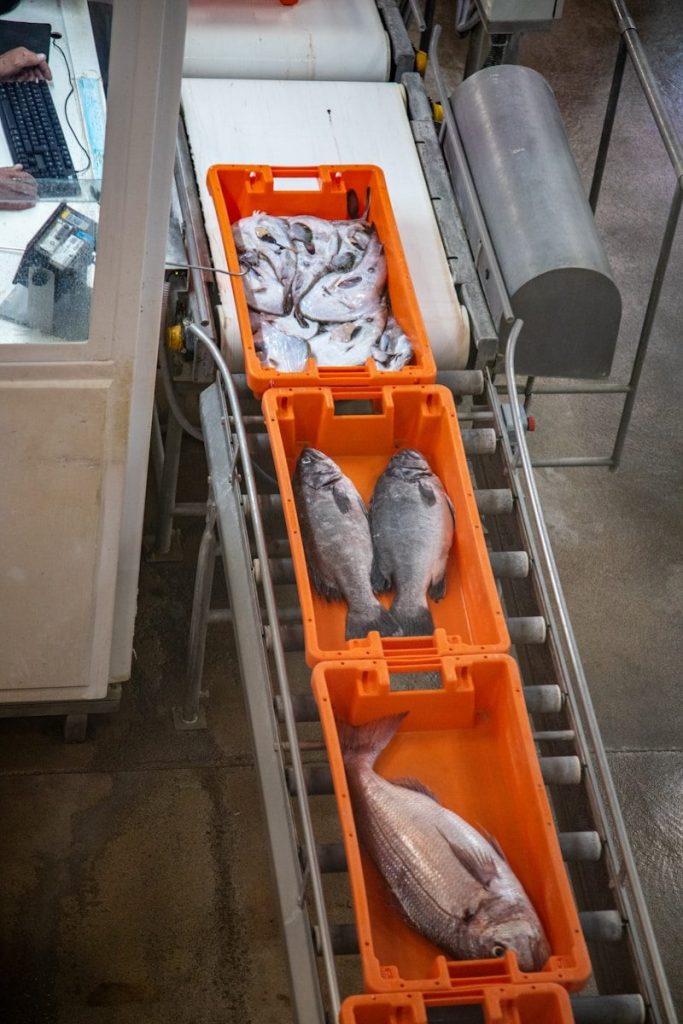
    Fresh fish in orange crates on a processing conveyor belt.
    Photo by Bernd 📷 Dittrich on Unsplash

    Once the machine plucks the fruit, it must sort the harvest immediately to prevent decay. Onboard sorting systems categorize the produce based on size, weight, and minor surface blemishes. According to technology reports, this immediate sorting cuts down on packing house transport times significantly. Speed is key. This automated efficiency points toward a fully autonomous future for global agriculture.

    The Autonomous Harvest

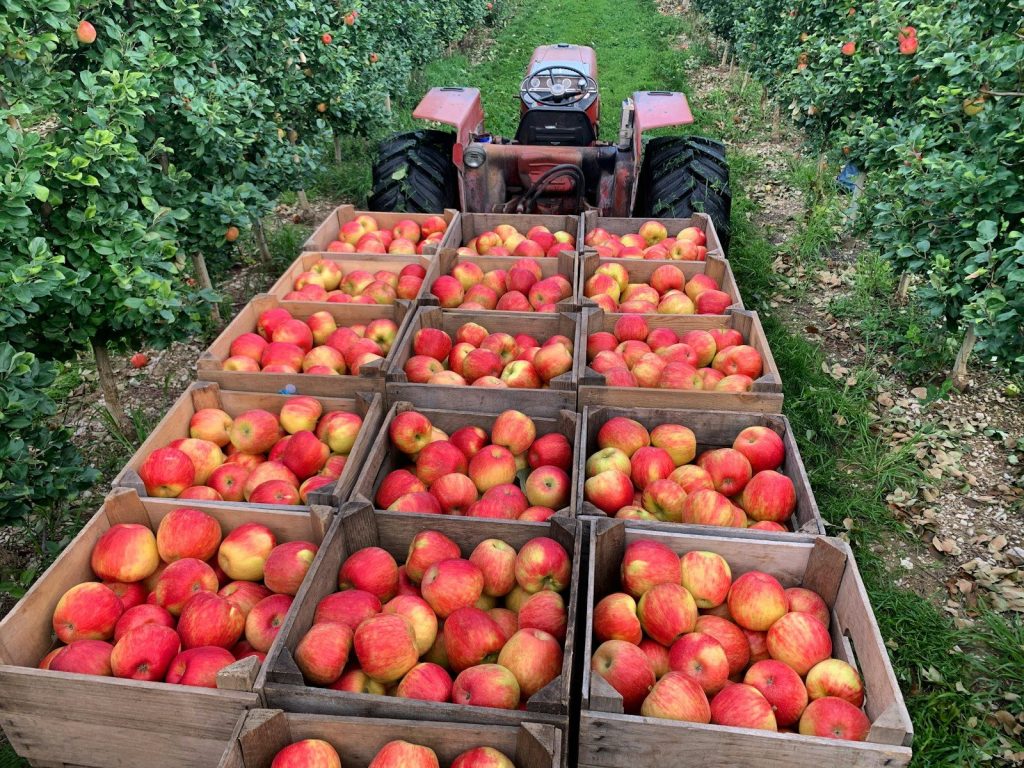
    red apples in black plastic crate
    Photo by Terra Slaybaugh on Unsplash

    The rise of agricultural robotics proves that artificial intelligence is moving far beyond computer screens and entering our physical world. These machines are helping to secure our global food supply. According to agricultural economists, automation will soon become the standard for modern farming. This article is for informational purposes only.

    Featured Image: Photo by Zac Edmonds on Unsplash

  • How Toyota Is Quietly Building A Robotic Super Factory

    How Toyota Is Quietly Building A Robotic Super Factory

    Most people assume that car factories still rely on massive teams of human assembly workers. We believe that building modern trucks requires thousands of manual physical adjustments.

    But a multi-billion dollar manufacturing upgrade in Texas is changing the entire industry. This ultra-modern plant operates on a level of automation that seems almost science fiction.

    The Massive Southern Migration

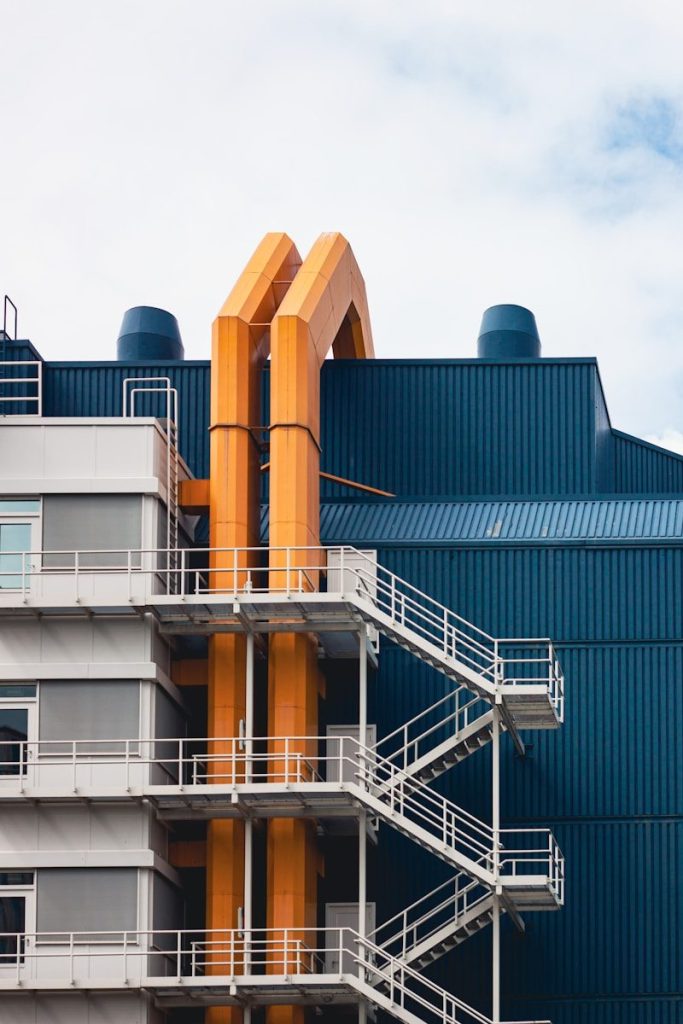
    blue and orange building during daytime
    Photo by Thulfiqar Ali on Unsplash

    Shifting vehicle production across international borders is a massive financial and logistical gamble. The colossal project involves moving heavy supply networks to a centralized hub. According to business reports in Bloomberg, this upgrade relocates key truck lines to a highly automated facility in Texas. The scale is massive. But this geographic shift is driven by a desire for advanced robotic manufacturing.

    Armies Of Autonomous Robots

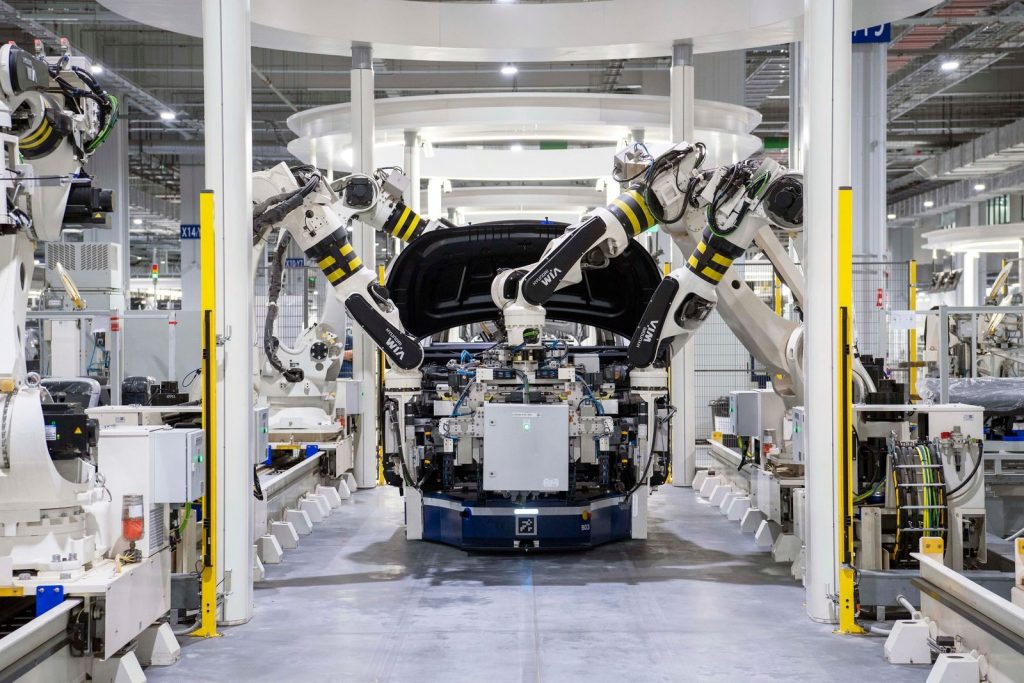
    High-tech robots assembling a car in a modern factory setting, showcasing automation.
    Photo by Hyundai Motor Group on Pexels

    The factory floor no longer looks like a traditional manufacturing line. Autonomous mobile platforms transport heavy steel chassis from one station to the next without human drivers. According to mechanical engineering reports, these digital machines navigate using advanced laser guidance systems. They are relentless. This constant robotic movement ensures that production never slows down for breaks.

    Precision Welding Technology

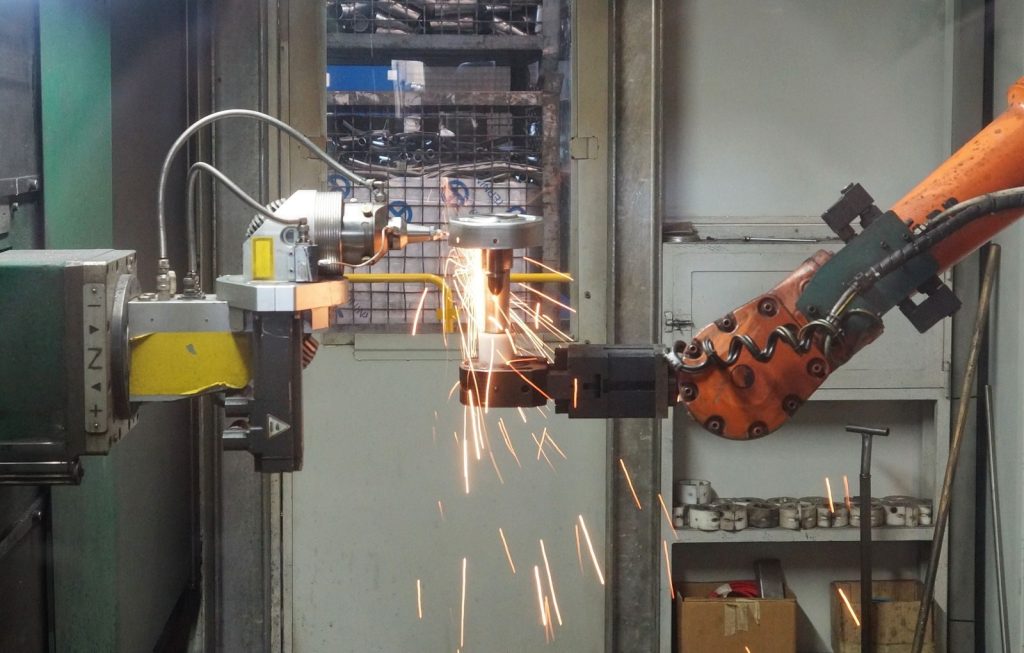
    A robotic arm welding in an industrial setting, emitting bright sparks.
    Photo by alex on Pexels

    Attaching vehicle panels requires extreme physical precision to ensure structural safety. Giant mechanical arms weld steel joints at blistering speeds while scanning for tiny structural defects. According to factory technical documents, these robotic welders measure their physical movements down to the millimeter. They are fast. Yet, powering this massive fleet of robots requires an entirely new grid setup.

    Sourcing The Energy

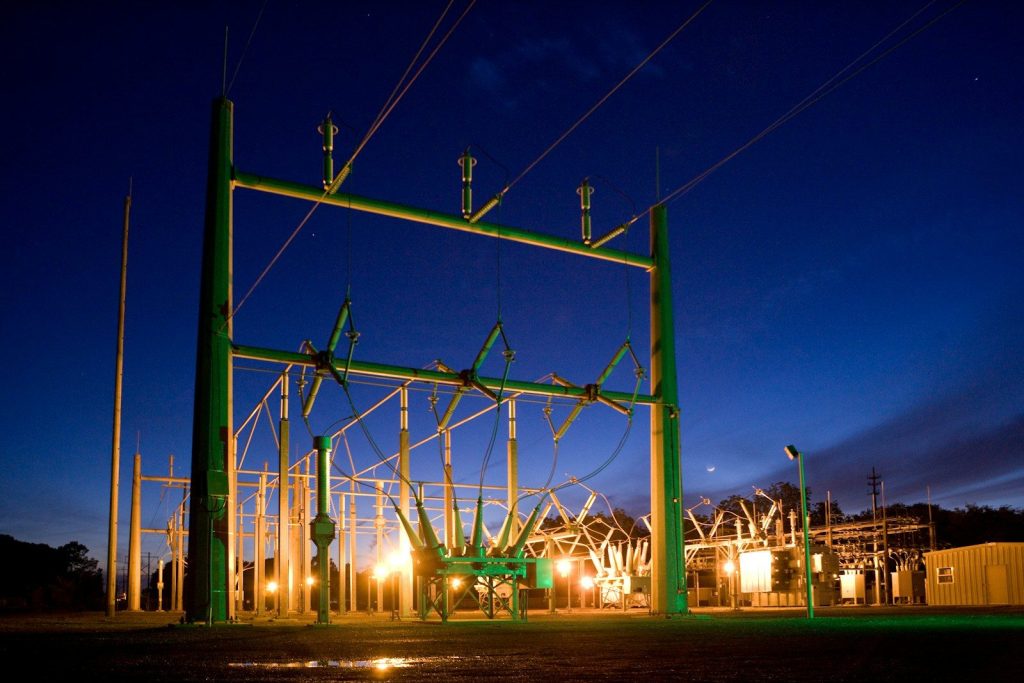
    green and grey transmission tower during nighttime
    Photo by American Public Power Association on Unsplash

    Running hundreds of high-power robotic platforms continuously places an immense load on local electrical systems. The factory must utilize smart energy distribution models to prevent regional power strains. According to local utility files, the facility coordinates its power draw directly with state energy providers. Power is critical. This complex balancing act is essential to keep the assembly lines running smoothly.

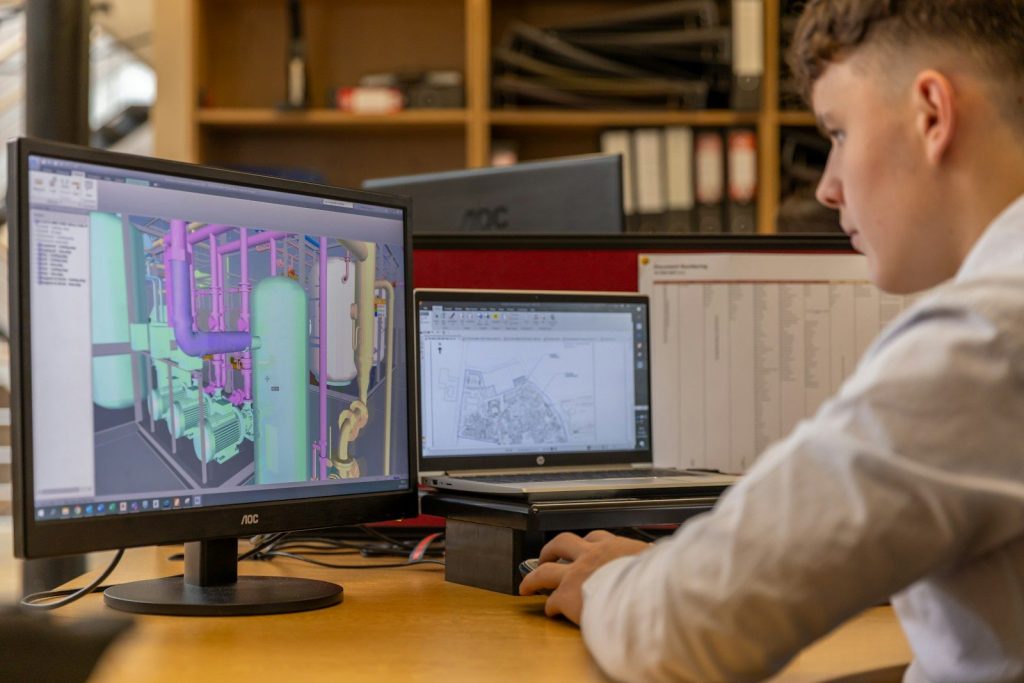
    The Digital Twin

    a man sitting at a desk looking at a computer screen
    Photo by ThisisEngineering on Unsplash

    Before a physical truck even enters production, engineers simulate the entire process in a digital virtual world. This digital twin predicts how parts move and spots potential assembly blockages. According to software design specialists, simulating factory flow reduces physical testing times by up to fifty percent. It is highly efficient. But this hyper-efficient setup is changing the future of human factory labor.

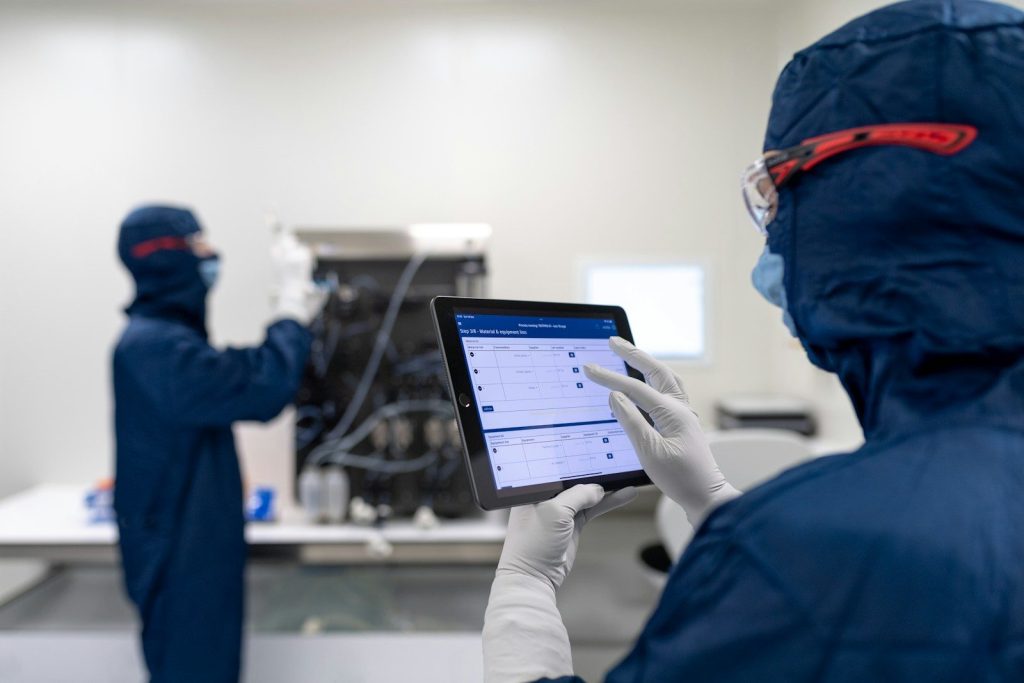
    The Shifting Human Role

    a few people in blue lab coats looking at a computer screen
    Photo by Toon Lambrechts on Unsplash

    While robots handle the heavy lifting, human workers are transitioning to high-tech oversight positions. Staff members use smart tablets to monitor machine diagnostics and program code updates in real time. According to labor analysts, this shift requires factory workers to develop advanced software engineering skills. The work is clean. However, this high-tech transition is triggering intense debates among traditional manufacturing workers.

    Global Supply Networks

    aerial view of boat on water
    Photo by Venti Views on Unsplash

    Sourcing parts for these advanced machines requires a highly coordinated global transport system. A single missing microchip can stall the entire multi-billion dollar assembly line in minutes. According to logistics experts, the factory uses artificial intelligence to predict parts shortages before they occur. The system is smart. This deep digital integration is setting a new standard for global manufacturing.

    The Future Of Making

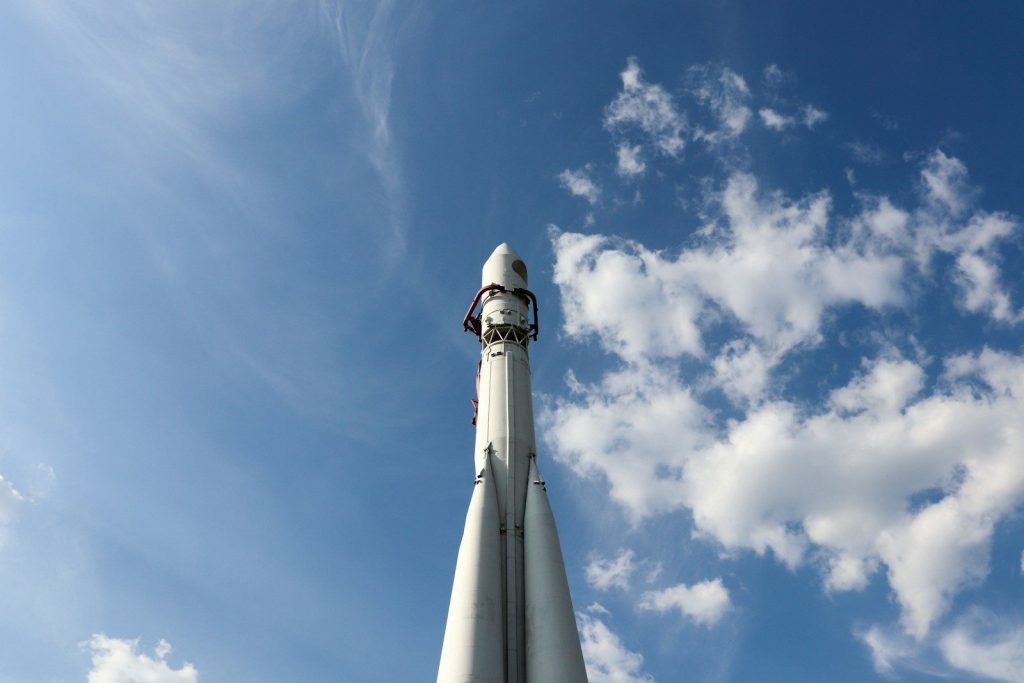
    A large white building with a red star on it
    Photo by Ronald Crow on Unsplash

    The Texas mega-factory proves that the future of heavy industry belongs to automated networks. By merging robotics with smart simulation, carmakers can build stronger vehicles at a fraction of the traditional cost. According to automotive experts, this facility represents the blueprint for all future industrial operations. This article is for informational purposes only.
    Featured Image: Photo by Homa Appliances on Unsplash