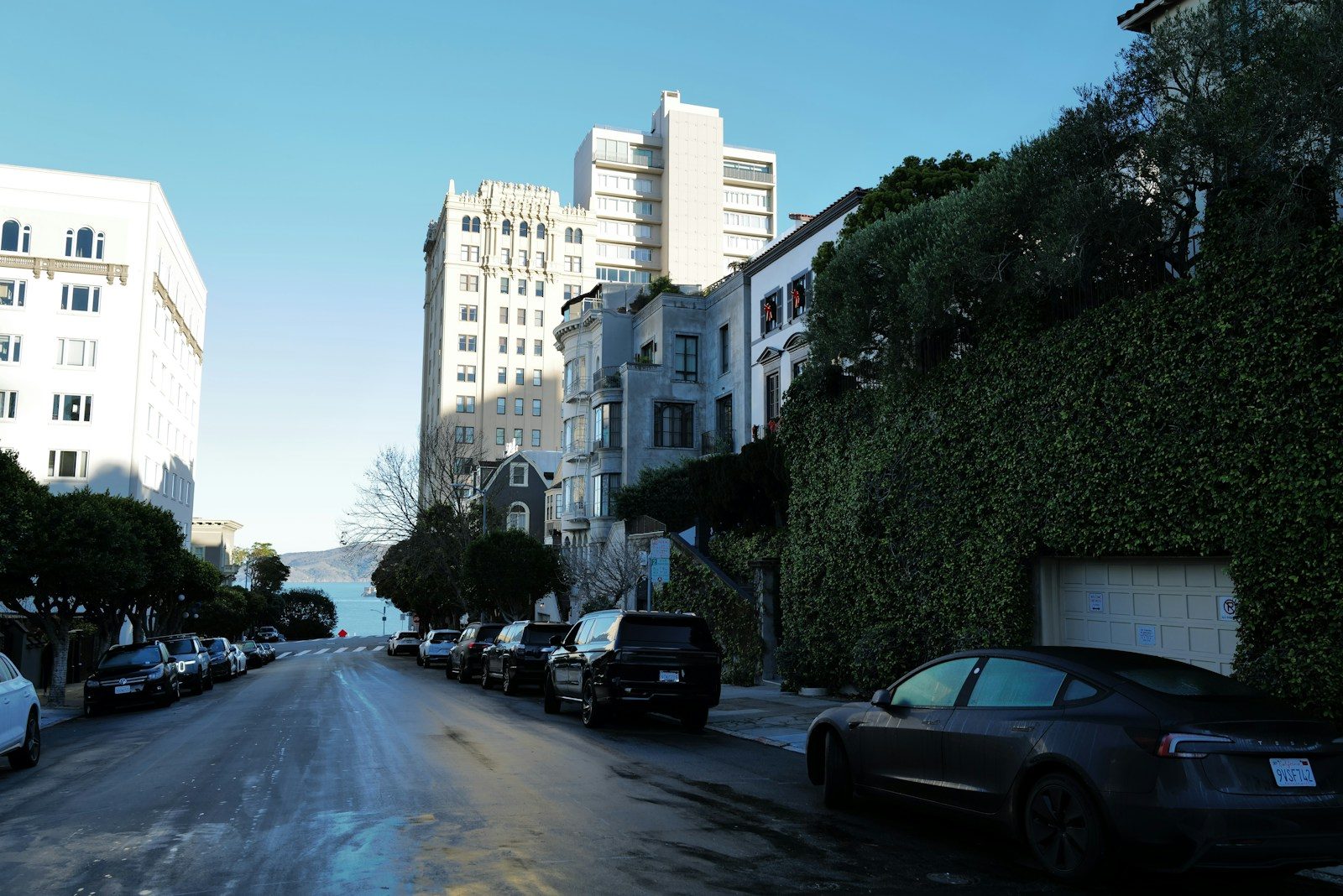
Most residents assume that autonomous vehicles are a highly polished future technology. We believe that self-driving cars navigate our roads with perfect precision.
But a bizarre tech glitch recently turned a quiet suburban street into a robotic traffic jam. A fleet of empty driverless vehicles swarmed a neighborhood without warning.
The Silent Robotic Invasion
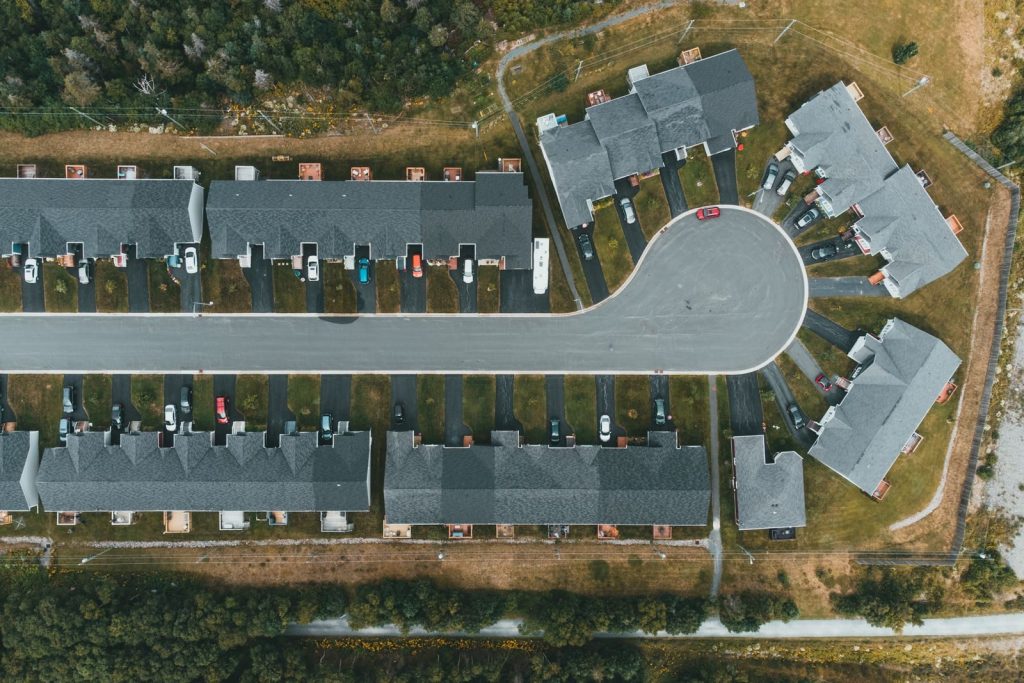
A quiet street in Atlanta suddenly filled with dozens of autonomous taxis. There were no passengers. According to local police reports, the empty vehicles began arriving at midnight and blocked all traffic. The cars sat with blinking lights, refusing to move. This strange robotic gathering left residents feeling highly confused and trapped.
Stalled On The Asphalt
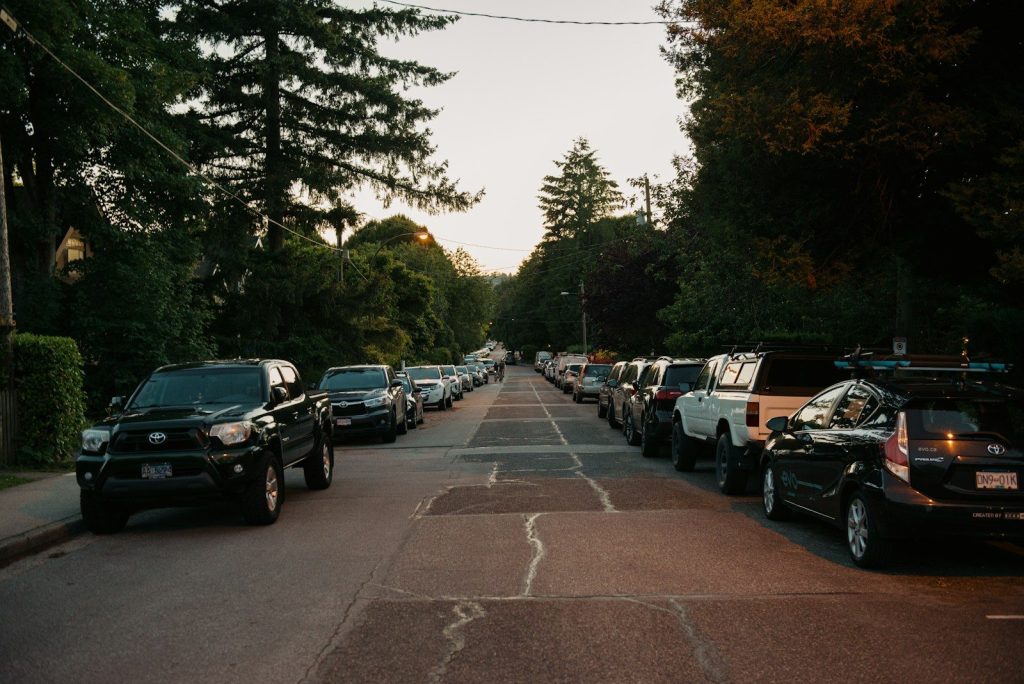
The driverless cars began stacking up bumper to bumper in a giant maze. It was surreal. According to reports from city dispatchers, the automated system kept routing new vehicles to the exact same cul-de-sac. The artificial intelligence could not calculate a way to back out of the tight space. But the software glitch was driven by a far more complex mapping error.
The Virtual Dead End
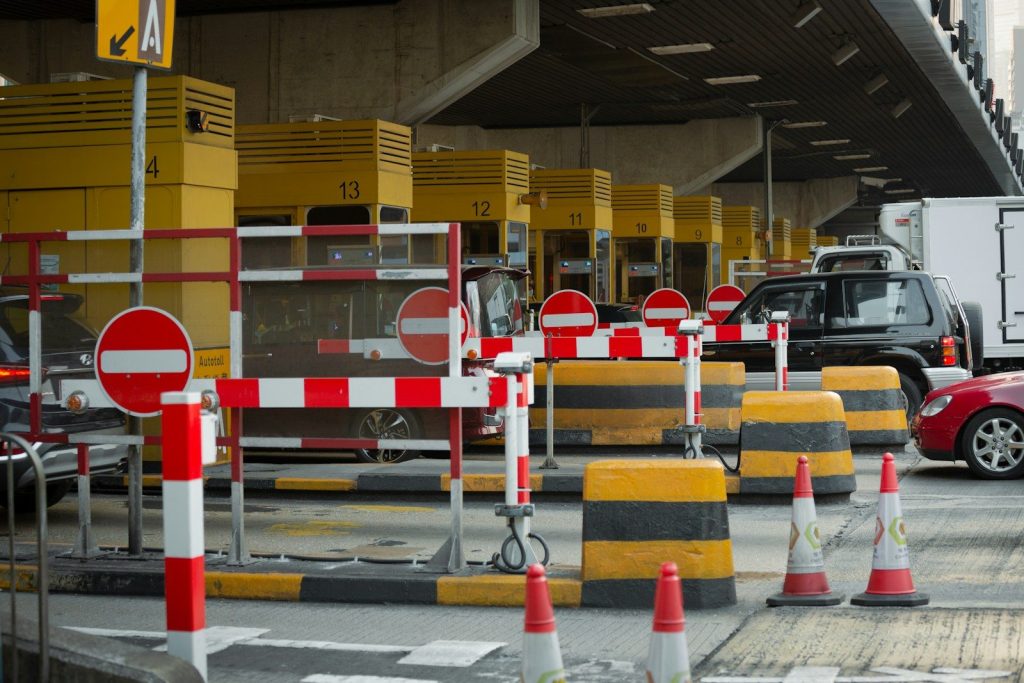
A small construction barrier had temporarily blocked the main exit route. The computers failed. According to tech analysts, the autonomous mapping software did not update in real time. The vehicles kept entering the zone, believing the path was completely clear. This blind trust in the digital map created a massive physical hazard.
When Smart Cars Blindly Trust
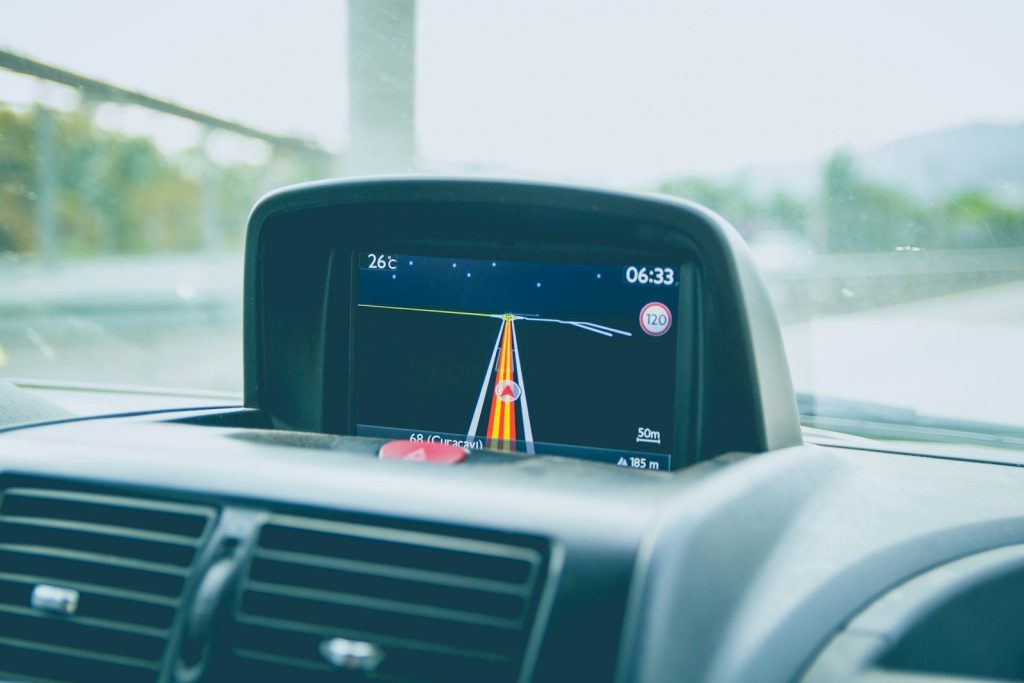
This swarm highlights a major weakness in modern driverless navigation systems. They lack human intuition. According to a study by the Insurance Institute for Highway Safety, automated vehicles struggle to adapt to sudden road changes. When faced with an unexpected obstacle, the software often freezes to prevent collisions. This safety feature can easily backfire in busy city environments.
Reclaiming The Blocked Street
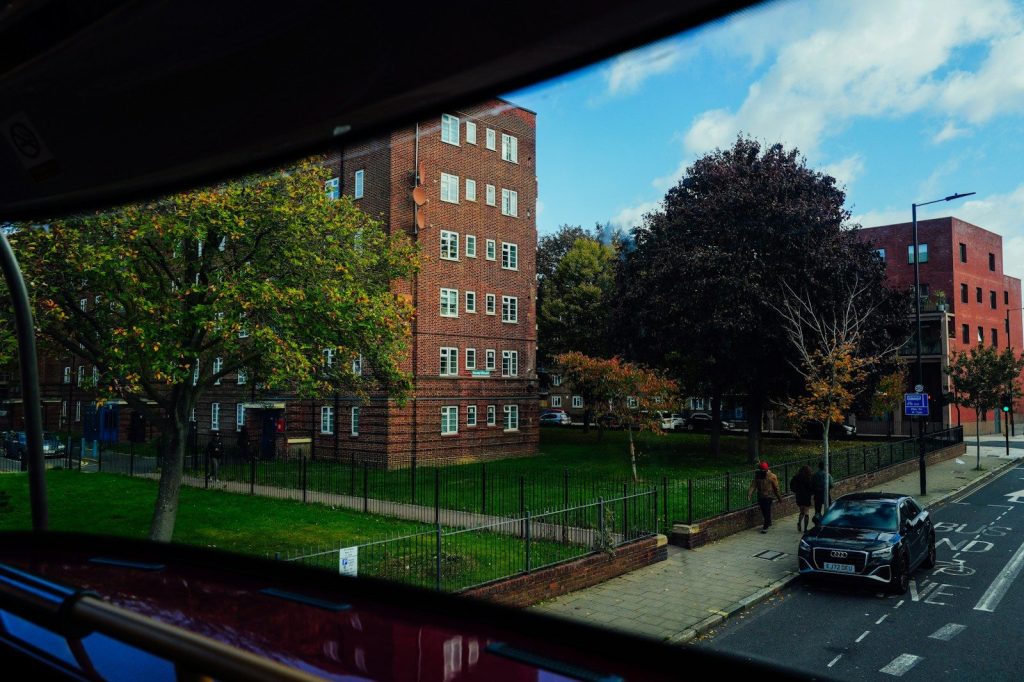
Frustrated residents had to wait hours for the tech company to resolve the jam. The wait was long. According to company statements, engineers had to manually override the system to clear the cul-de-sac. They had to drive each car out of the block one by one. But the incident sparked a major investigation by transit regulators.
Demanding Better City Tech

City officials are now demanding more control over autonomous fleet testing. This is critical. According to municipal reports, local governments must have the power to shut down faulty software during emergencies. We must protect our public roads from unpredictable coding glitches. But the technology is still expanding into new metropolitan areas.
Securing Our Smart Cities
According to industry experts, autonomous vehicles will require advanced vehicle-to-city communication networks to operate safely. Technology must adapt to our real-world unpredictability. This article is for informational purposes only and does not constitute technical advice. By building smarter infrastructure, we can safely share our streets with the robots of tomorrow.
Leave a Reply