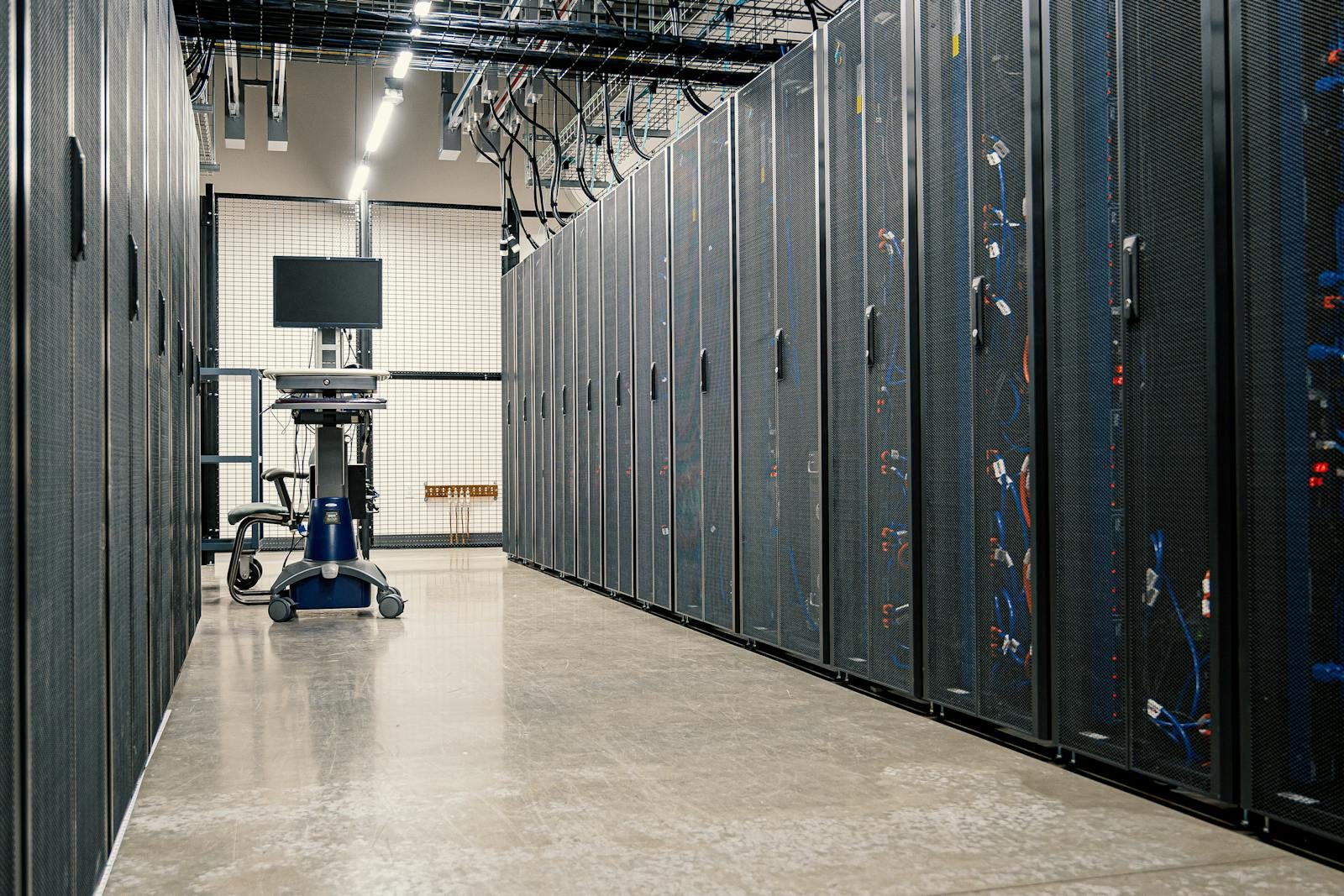
Data centers used to feel like background infrastructure, the kind of thing most people never had to think about. Now they are becoming one of the biggest stories in tech. Every search, video stream, cloud file, phone backup, and AI chatbot depends on buildings packed with servers. Those buildings need land, chips, cooling, water, workers, and a steady flow of electricity.
The AI boom has made the story even bigger. The International Energy Agency says global data center electricity use could double to about 945 terawatt-hours by 2030, growing much faster than overall electricity demand. That means data centers are no longer just quiet warehouses for the internet. They are becoming a major part of how tech, energy, and local communities plan for the future.
The internet needs buildings

The cloud sounds weightless, but it lives inside real buildings. Data centers store photos, run apps, process payments, host websites, and keep digital services moving.
Every time people stream a movie, ask an AI tool a question, or save files online, servers do the work. That makes data centers the physical backbone of modern tech.
AI made demand explode
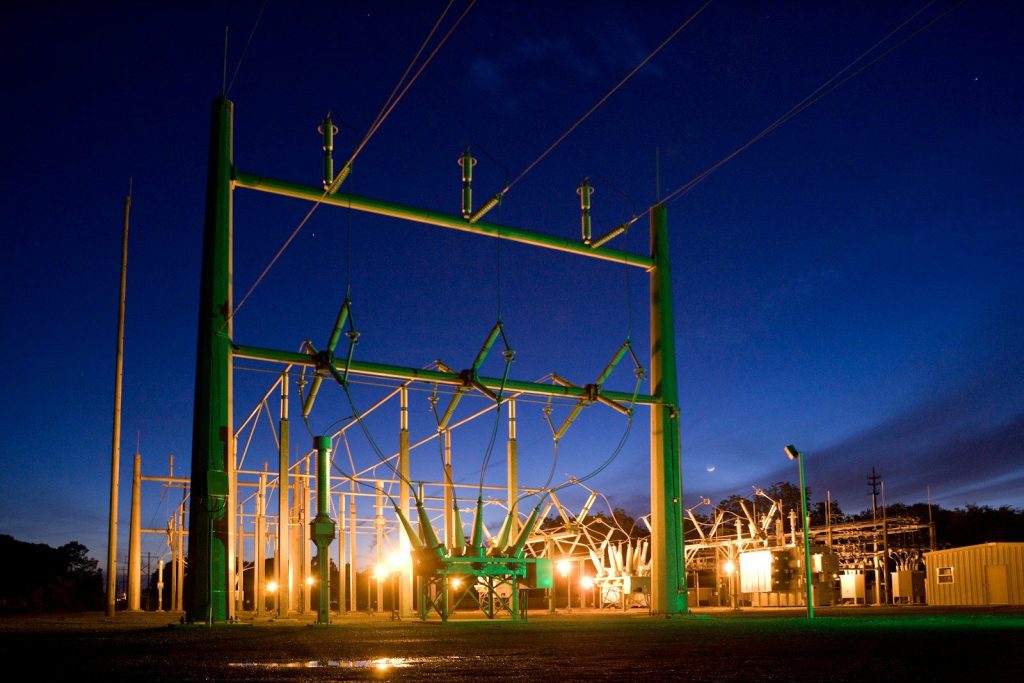
AI systems need huge amounts of computing power. Training large models and answering user requests can require many advanced chips working at once.
McKinsey says global data center demand could more than triple by 2030, reaching at least 170 gigawatts, largely because of AI workloads. That is why companies are racing to build more capacity.
Power is the big question
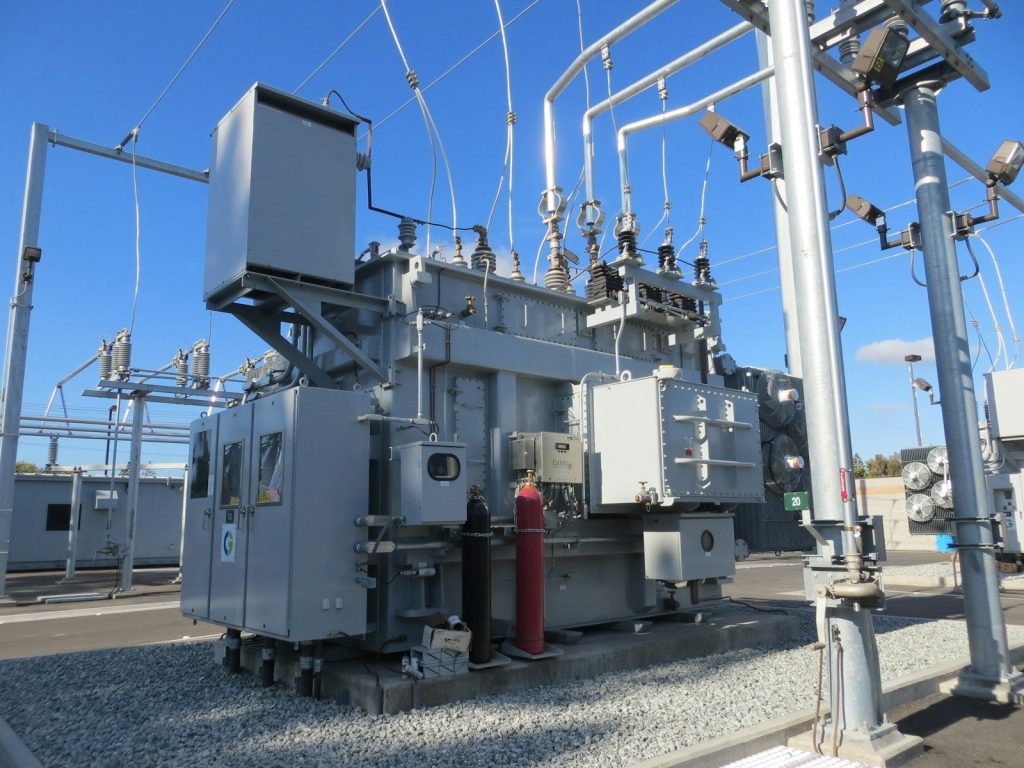
Data centers need steady electricity all day and night. That is simple to say, but hard to deliver when many large projects connect to the grid at once.
The U.S. Energy Information Administration expects U.S. power use to hit record highs in 2026 and 2027, with data centers supporting AI among the drivers. Electricity planning is now part of the tech conversation.
Cooling is a quiet challenge
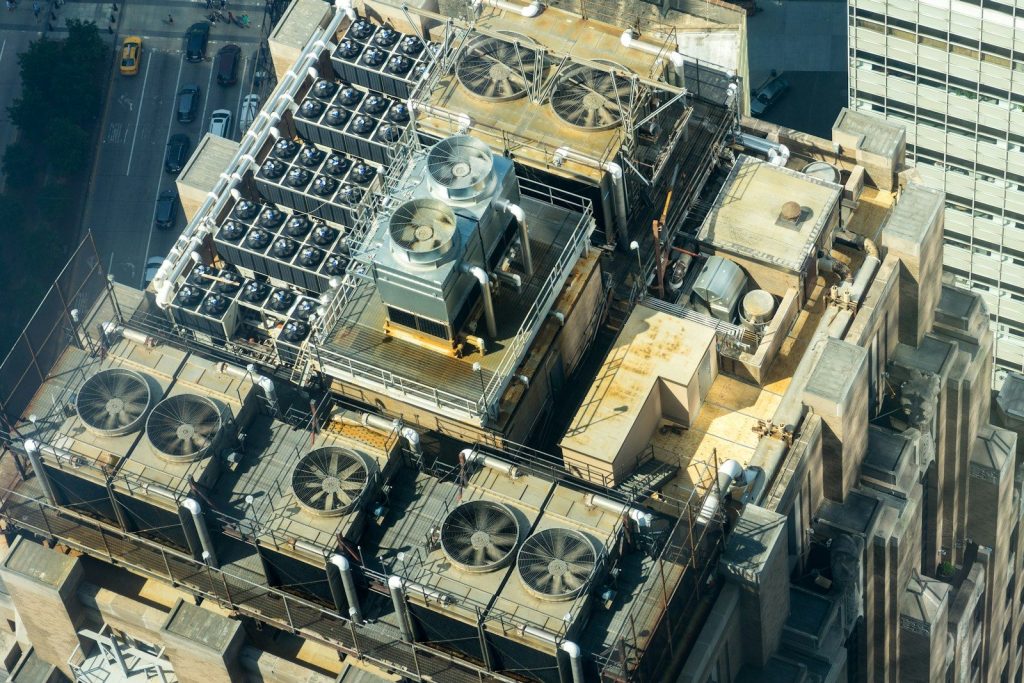
Servers create heat, especially when packed tightly for AI work. If they get too hot, performance and reliability can suffer.
That is why cooling systems matter so much. Many operators are looking at improved airflow, liquid cooling, and smarter building designs to handle higher-density equipment without wasting energy.
Chips changed the layout

Older data centers were often built around general computing needs. AI data centers are different because powerful chips can draw more power and produce more heat in a smaller space.
That changes how buildings are designed. Operators must think about floor strength, rack density, cooling pipes, backup power, and network speed before the servers even arrive.
Location matters more now
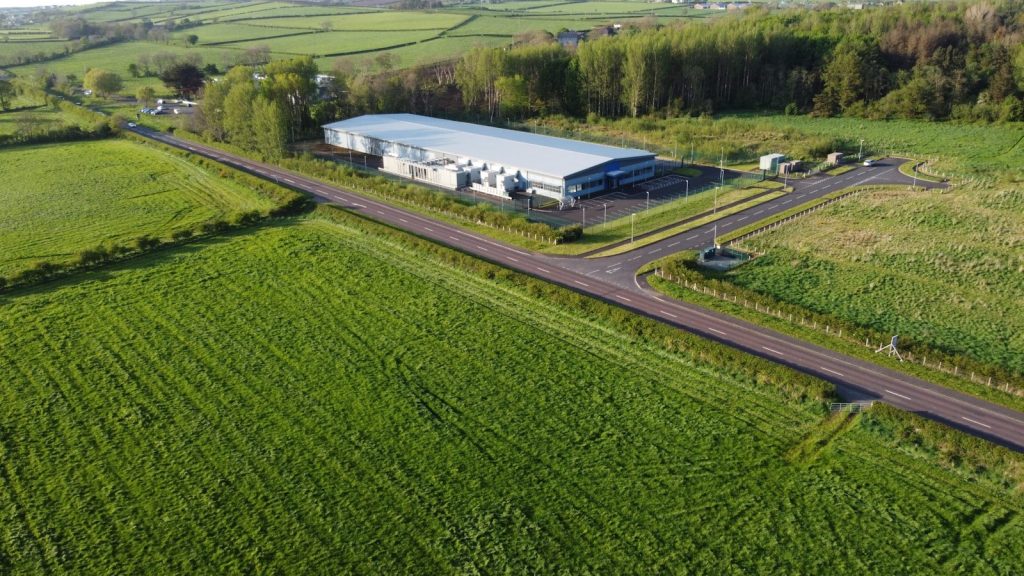
A data center cannot be placed anywhere and work perfectly. It needs power access, fiber connections, enough land, cooling options, permits, and a workforce nearby.
That is why some regions attract clusters of projects. But too much growth in one area can create local stress, especially when the power grid must expand quickly.
Costs are rising fast

Building a data center is expensive, and AI has raised the stakes. Companies need advanced chips, larger power connections, more cooling gear, and longer-term energy plans.
Uptime Institute’s 2025 survey says the industry is facing rising costs, worsening power constraints, staffing challenges, supply chain delays, and pressure from AI demand. Those issues make growth harder to manage.
Energy deals are growing

Tech companies are signing more energy deals because they need reliable power for future growth. Some are looking at renewable energy, nuclear power, battery storage, and other long-term options.
Goldman Sachs Research forecasts global data center power demand could rise 165% by 2030 compared with 2023. That helps explain why energy has become a boardroom issue for tech firms.
Communities feel the impact

Data centers can bring construction jobs, tax revenue, and new business investment. They can also raise questions about land use, power needs, water use, and local infrastructure.
That is why local planning matters. Communities want the benefits of digital growth, but they also want clear answers about how projects will affect everyday services and long-term resources.
The story is just beginning
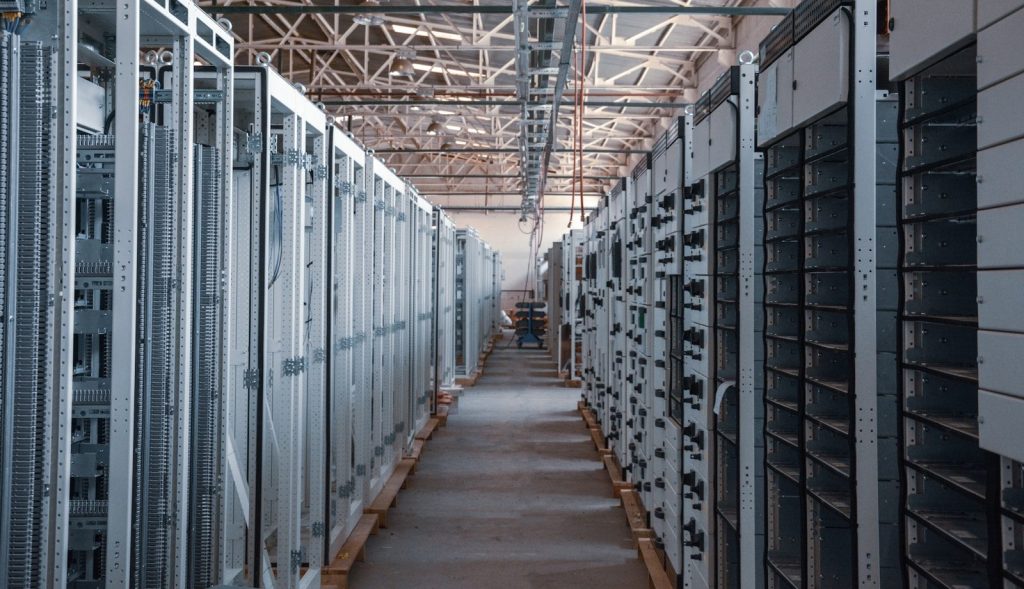
Data centers are becoming one of tech’s biggest hidden stories because they connect so many issues at once. AI, electricity, chips, cooling, real estate, and public planning are all tied together.
For users, the result may look like faster apps and smarter tools. Behind the scenes, though, the real story is the massive infrastructure needed to keep the digital world running.
Leave a Reply