
Science in 2026 is moving on many fronts at once. Space telescopes are getting ready to look deeper into the universe. Climate scientists are watching record ocean heat and rapid changes near the poles. Medical researchers are testing new ways to repair the body, predict illness, and tailor treatments. Meanwhile, particle physicists, ocean explorers, and AI researchers are using better tools to answer questions that once felt out of reach.
What makes this year interesting is not just one giant discovery. It is the mix of stories building at the same time. Some may change what we know about space. Others may shape medicine, energy, weather, or the future of Earth science. These are 10 science stories worth watching closely in 2026.
Roman could reshape space maps
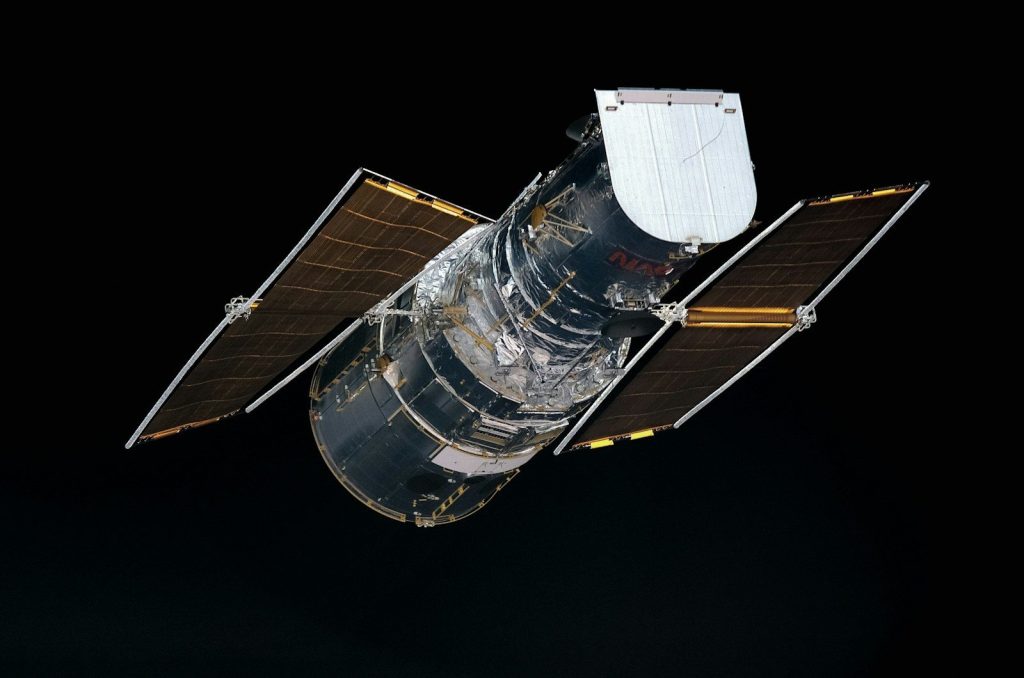
NASA’s Nancy Grace Roman Space Telescope is one of the biggest space stories to watch. NASA said the mission is targeting launch as early as September 2026, ahead of its earlier commitment date.
Roman is designed to survey large parts of the sky and study dark energy, dark matter, and distant planets. If it launches smoothly, it could give scientists a much wider view of the universe than older telescopes alone.
Artemis keeps the moon in focus
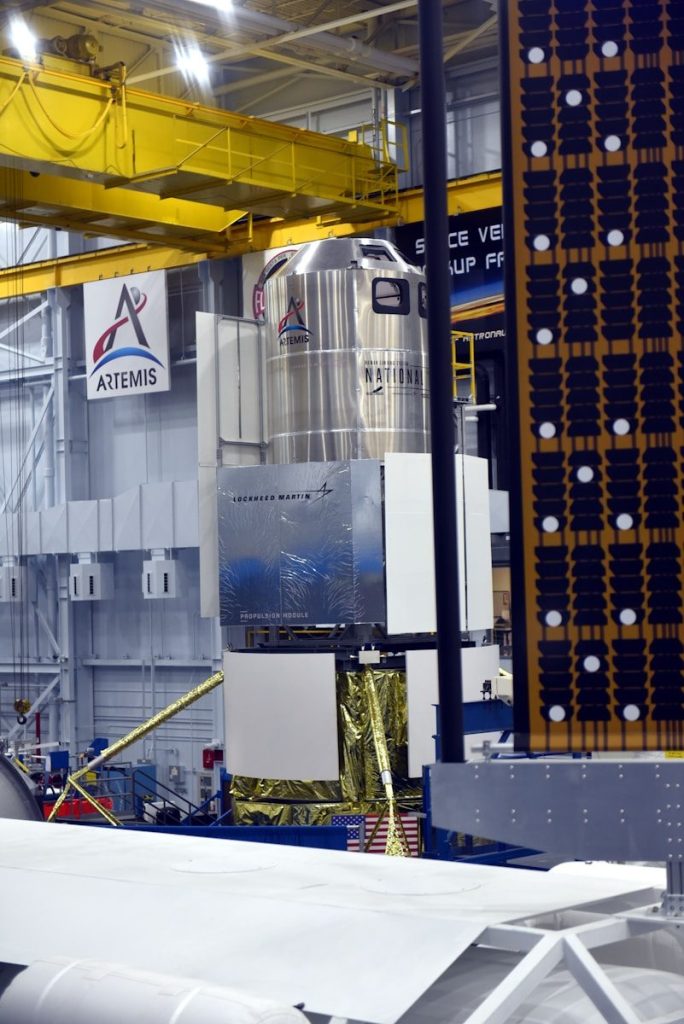
NASA’s Artemis program continues to shape space science in 2026. Recent planning details show Artemis III is now being prepared as a complex test mission focused on key systems needed for future lunar landing work.
That may sound less dramatic than a moonwalk, but it still matters. Testing life support, spacecraft operations, docking, and lander-related steps can help make later moon missions safer and more realistic.
Ocean heat stays in the spotlight

Climate scientists are watching the oceans closely because they store most of the extra heat trapped by Earth’s warming system. The World Meteorological Organization reported that 2025 had record ocean heat content.
That makes 2026 important for tracking what comes next. Warmer oceans can affect storms, sea life, coral reefs, ice melt, and global weather patterns, so even small changes can have wide effects.
Antarctic ice raises new questions

Antarctica’s sea ice has become one of the most closely watched climate signals. Scientists have been studying why the region shifted from years of relative stability to sudden record-low sea ice conditions.
This story matters because Antarctic sea ice helps shape ocean circulation, ecosystems, and heat exchange. If the pattern continues, researchers will need to understand how it affects wildlife and global climate systems.
AI weather tools are growing
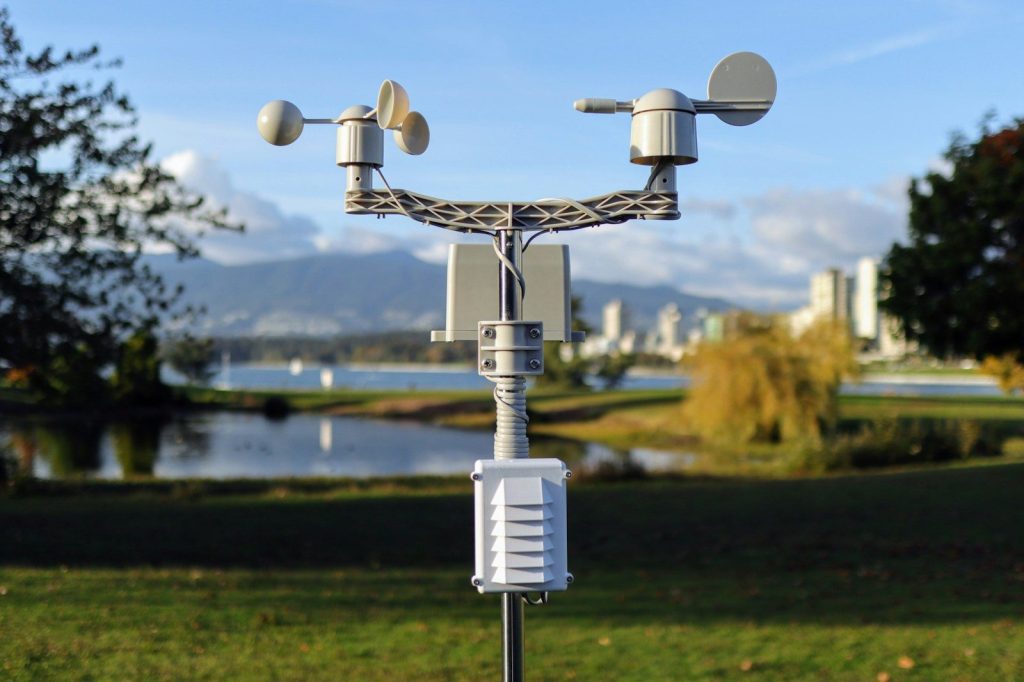
Artificial intelligence is becoming a major tool in weather and climate science. Nature listed AI-powered meteorology among the technologies to watch in 2026, pointing to its promise in local forecasts, storm tracking, and climate modeling.
Better forecasts can help people prepare earlier for heat, floods, storms, and travel disruptions. The big question is how well these systems perform when weather becomes more extreme or unusual.
Lab-grown healing may advance
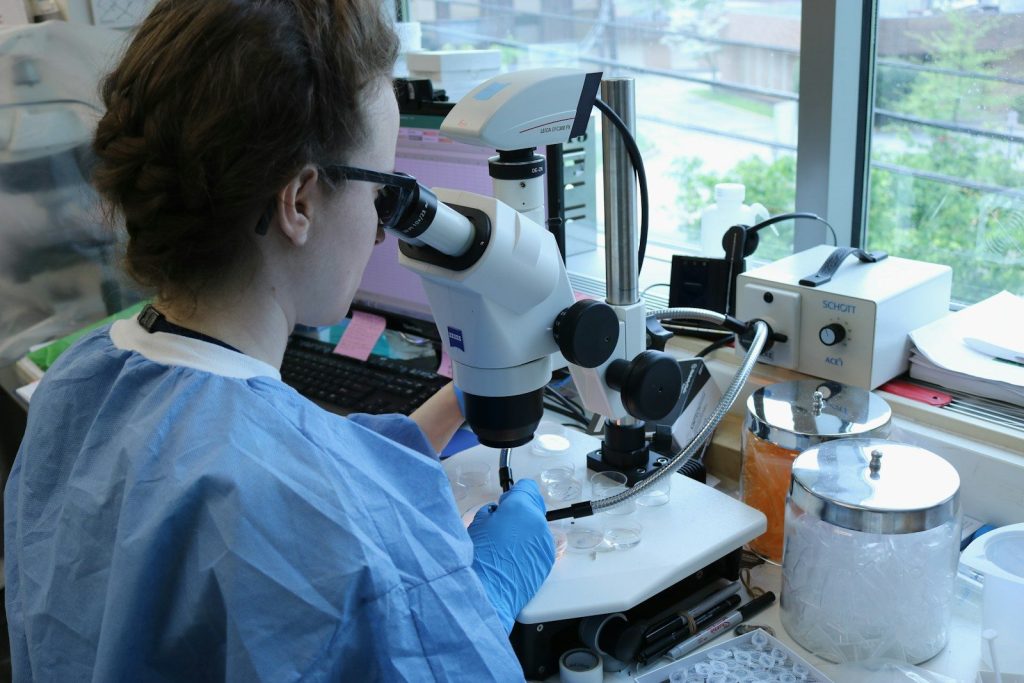
New biomaterials are getting attention for their possible role in future medicine. In 2026, researchers reported an IV-injected biomaterial designed to help repair damaged tissue from inside the body.
This kind of work is still part of a careful research path, not an instant cure. Still, it shows how medicine is moving toward tools that guide the body’s own repair systems in smarter ways.
Organ science is changing fast
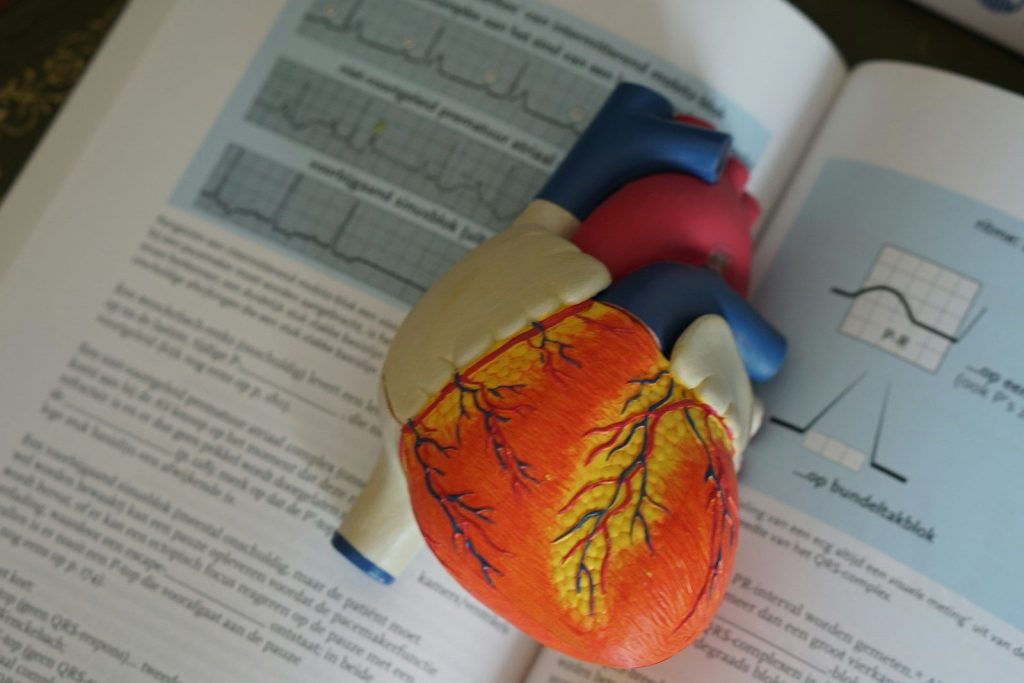
Xenotransplantation, the use of animal organs modified for human transplant needs, is one of the medical technologies scientists are watching in 2026. Nature included it in its list of major technologies to watch this year.
The goal is to help address the shortage of donated organs. Researchers are using gene editing and improved immune-system strategies to make the idea safer and more practical over time.
The deep sea keeps surprising us
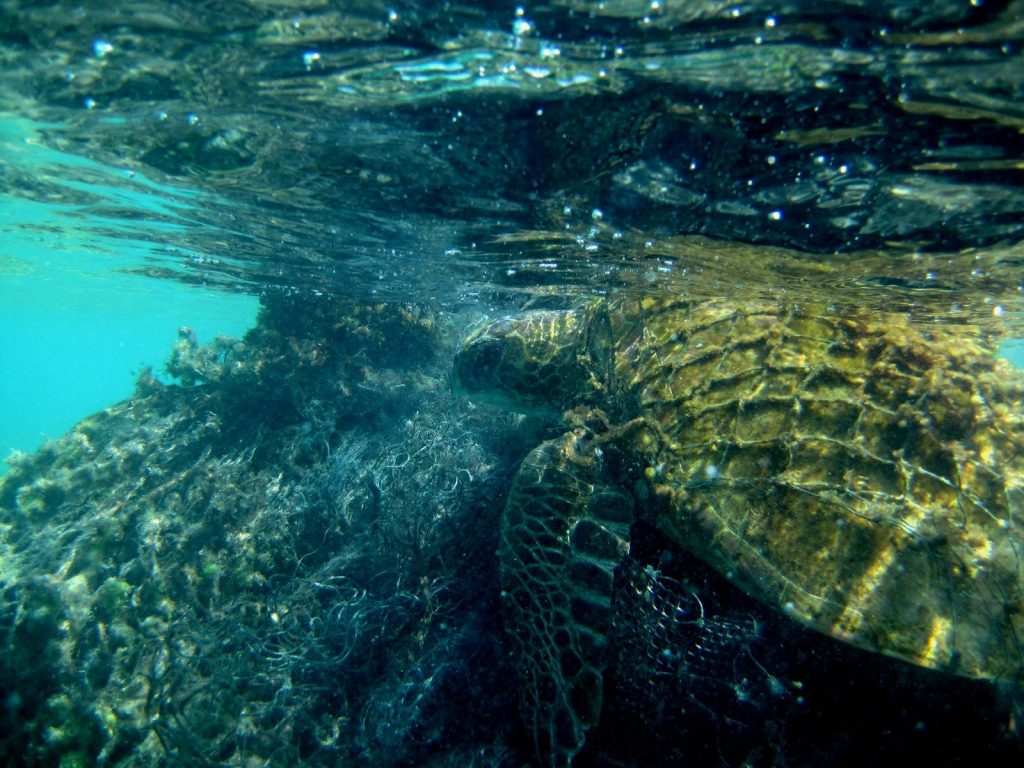
Ocean exploration is still finding life science has never named before. In 2026, researchers announced 24 new deep-sea amphipod species from the Clarion-Clipperton Zone in the Pacific.
Tiny animals can tell big stories. New species help scientists understand deep-sea food webs, biodiversity, and habitats that are hard to reach but important to protect and study.
Particle physics gets sharper
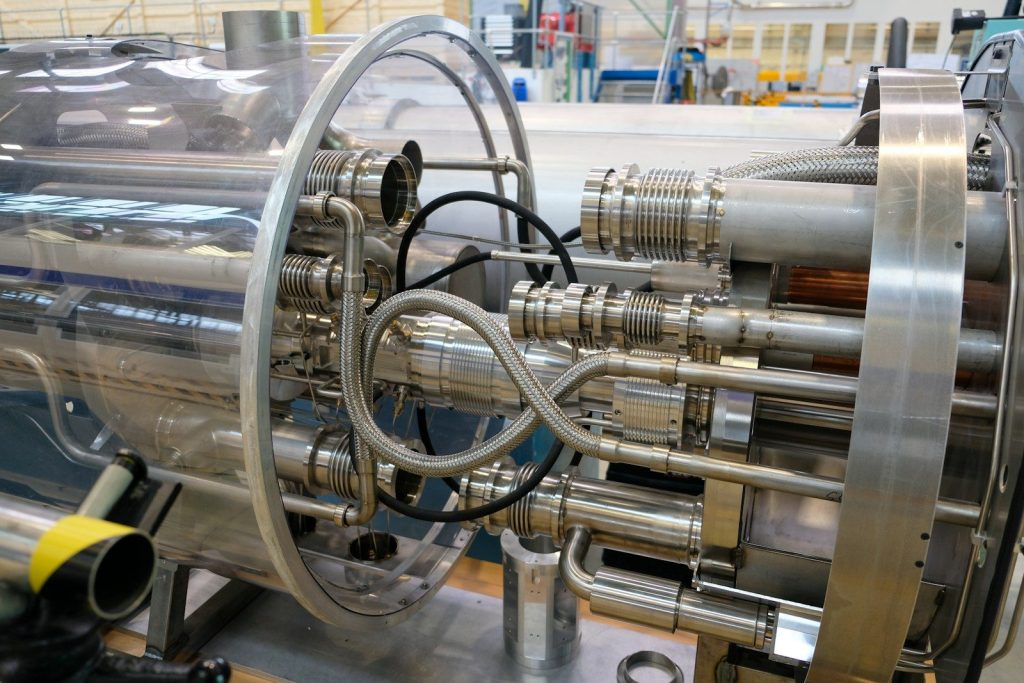
The Large Hadron Collider’s 2026 run is expected to be short but intense, according to CERN. The plan includes proton physics work and cleaner low pile-up data useful for precision measurements.
Precision is the key word. Even when physicists are not announcing a brand-new particle, better measurements can test existing theories and reveal where the next big questions may be hiding.
Quantum moves closer to impact
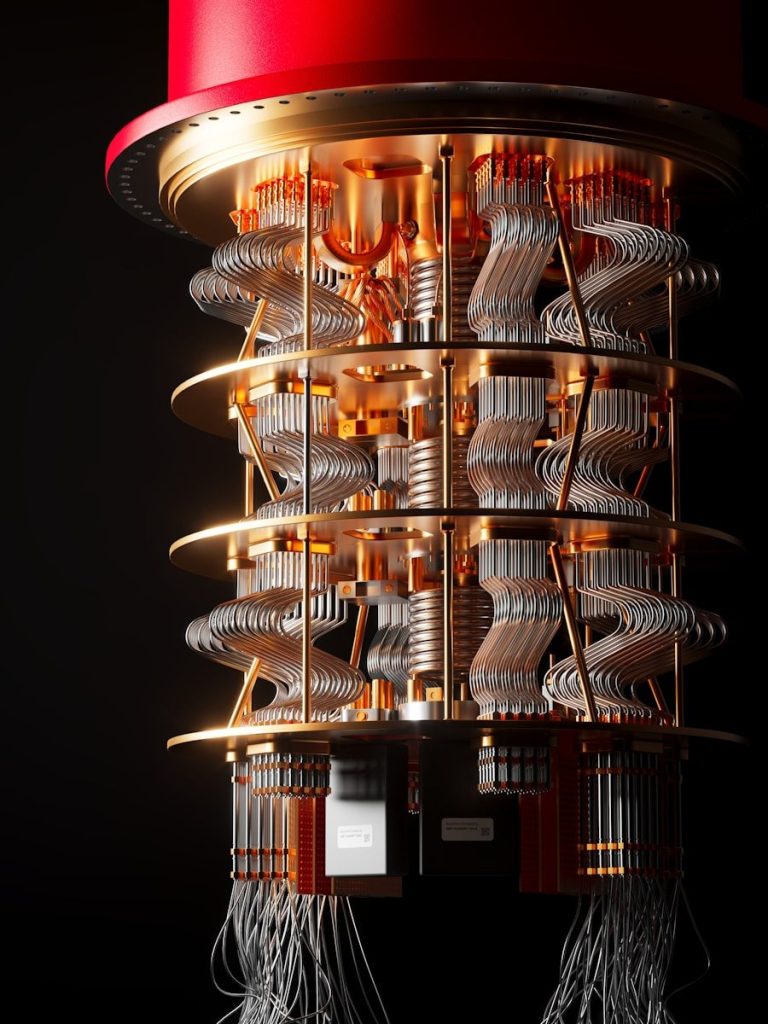
Quantum computing remains one of the most watched science-and-tech fields in 2026. Nature listed quantum computing among the technologies expected to make a splash this year.
The promise is not about replacing regular computers for everyday tasks. It is about solving certain hard problems in chemistry, materials, security, and physics that are difficult for today’s machines.
Asteroid tracking stays important
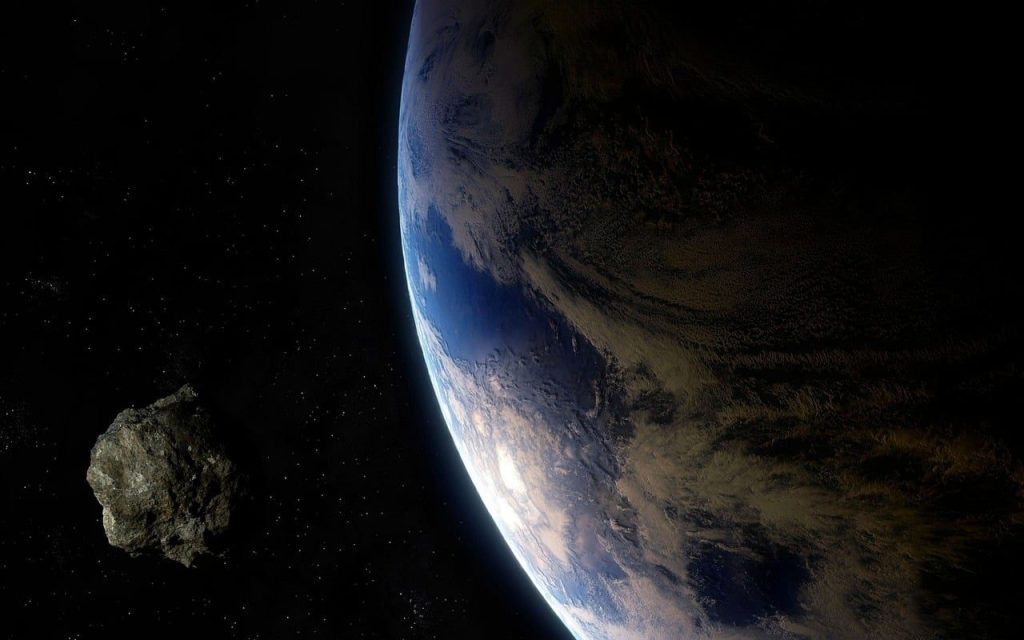
Asteroid tracking remains a quiet but important science story. NASA’s CNEOS calculates orbits, predicts close approaches, and supports impact hazard checks for near-Earth objects.
Most close flybys are harmless, but they still give scientists useful practice. Each observation helps improve prediction tools, public updates, and readiness for the rare object that may need serious attention.
Leave a Reply