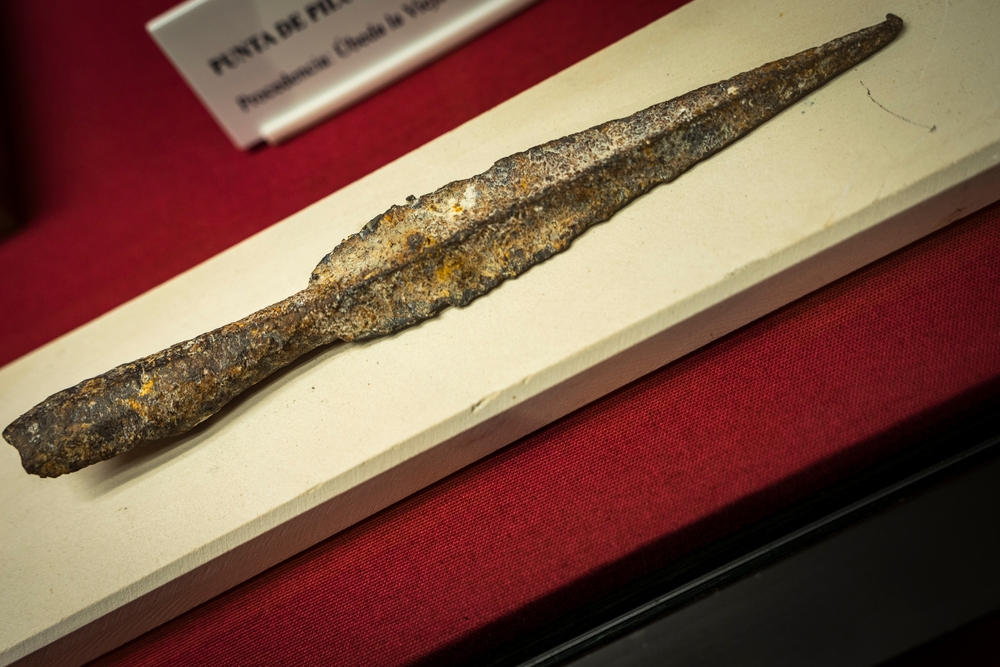
A rectangular stone that had supported an old barn in Morkůvky, Czech Republic, looked ordinary until specialists examined its carved surface. The object was not a building block or decorative slab. It was half of a Late Bronze Age mold designed to cast socketed spearheads, preserving direct evidence of skilled metalworking more than 3,000 years ago.
The homeowner noticed the stone in 2007, but its wider importance became clear through detailed archaeological and geological analysis published in 2025. Researchers studied its shape, heat damage, mineral composition, and manufacturing marks. Their results connected one reused barn stone to Bronze Age weapon production, long-distance material movement, and the Urnfield cultural world of Central Europe.
Old Barn Foundation Stone Excavation
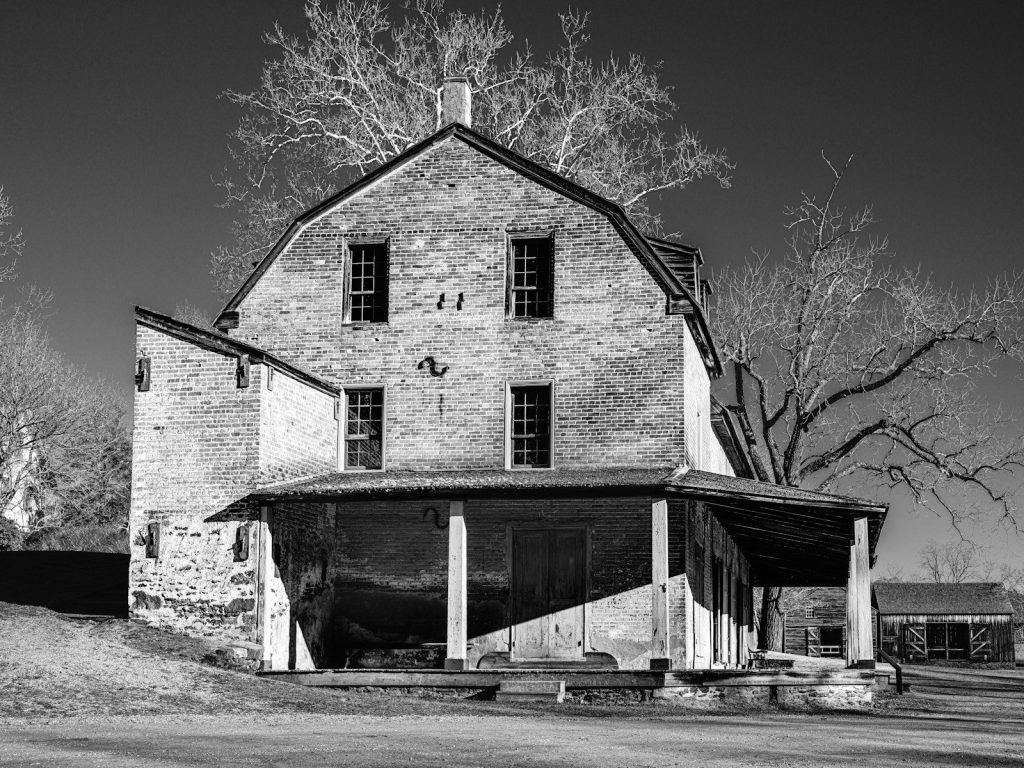
The artifact came from Morkůvky in South Moravia, where a homeowner identified as J. Tomanec found it protruding from the ground near a barn. The gray slab had apparently been reused in the structure’s foundation. Measuring nearly nine inches long and weighing about 2.4 pounds, it carried a carefully cut recess on one face. That negative shape, overlooked when the stone served as construction material, was the first clue that it had once been a specialized tool.
Bronze Age Socketed Spearhead Weapon
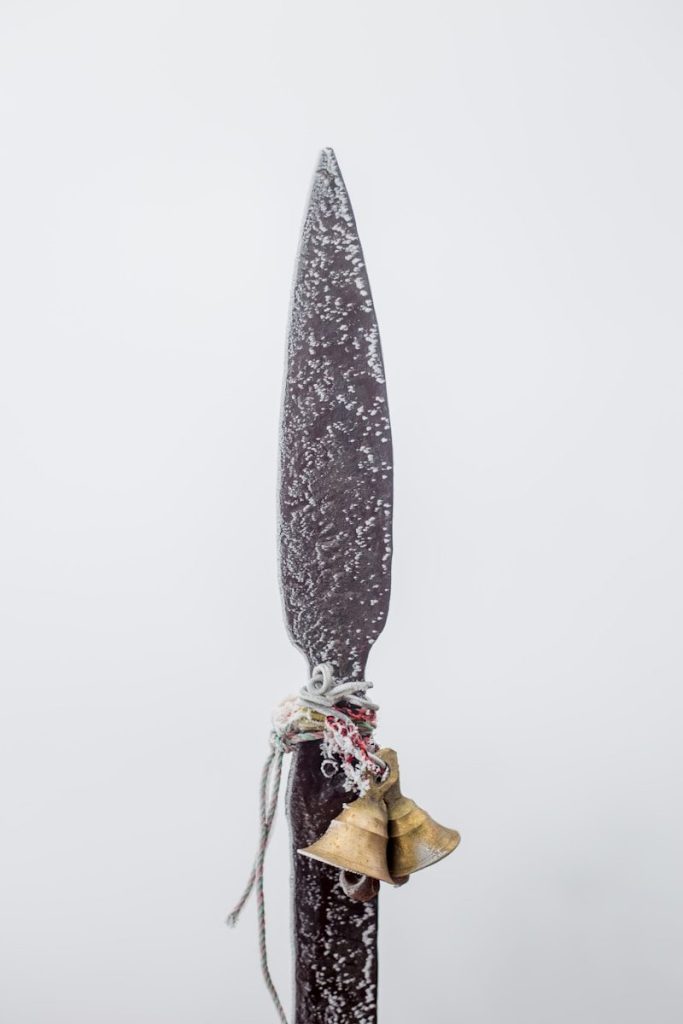
The carved cavity represents a socketed, leaf-shaped spearhead with raised longitudinal ribs along the blade and central ridge. Archaeologists matched the form to weapons common in the Carpathian Basin during the Late Bronze Age. Because only one half of the mold survives, a second matching slab would originally have closed over it. Together, the two pieces created a hollow space into which molten bronze could be poured and shaped into a repeatable weapon form repeatedly.
Molten Bronze Metal Casting Workshop
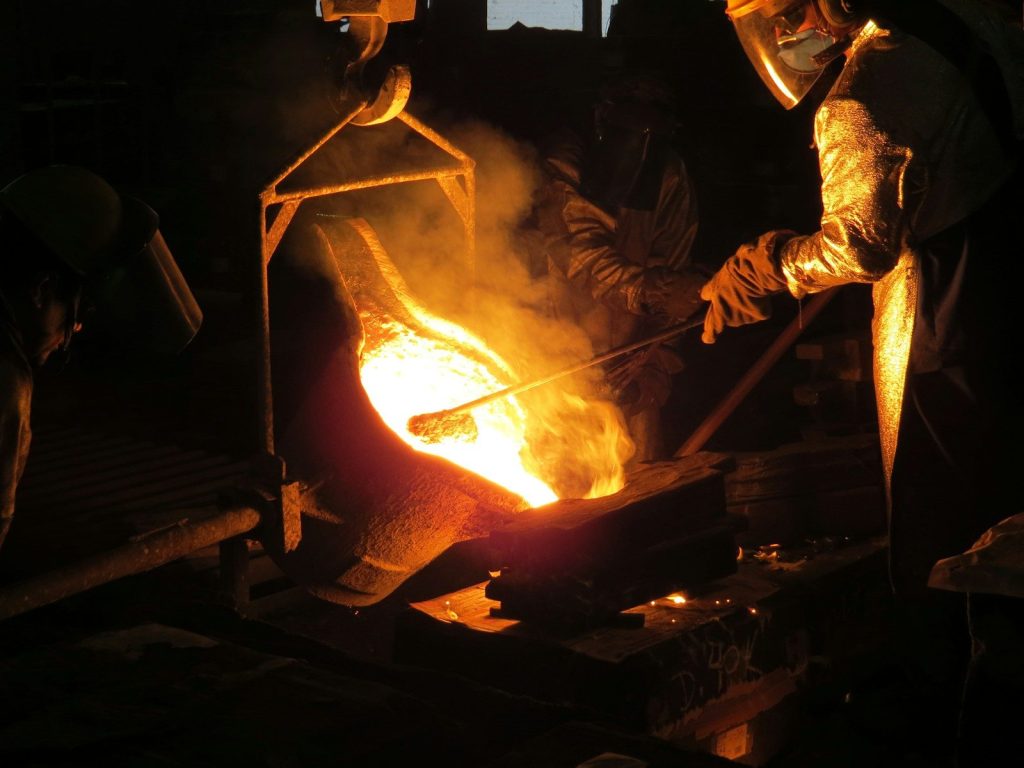
Microscopic traces and X-ray analyses allowed researchers to reconstruct the casting method. The two mold halves were probably stood upright, aligned, and tightened with copper wire before molten bronze entered through the opening. Once the metal cooled, the mold could be separated and the spearhead removed for finishing. This process shows controlled workshop knowledge: the craftsperson had to manage temperature, alignment, metal flow, and repeated heating without cracking the stone or ruining the cast safely.
Ancient Stone Casting Tool Wear
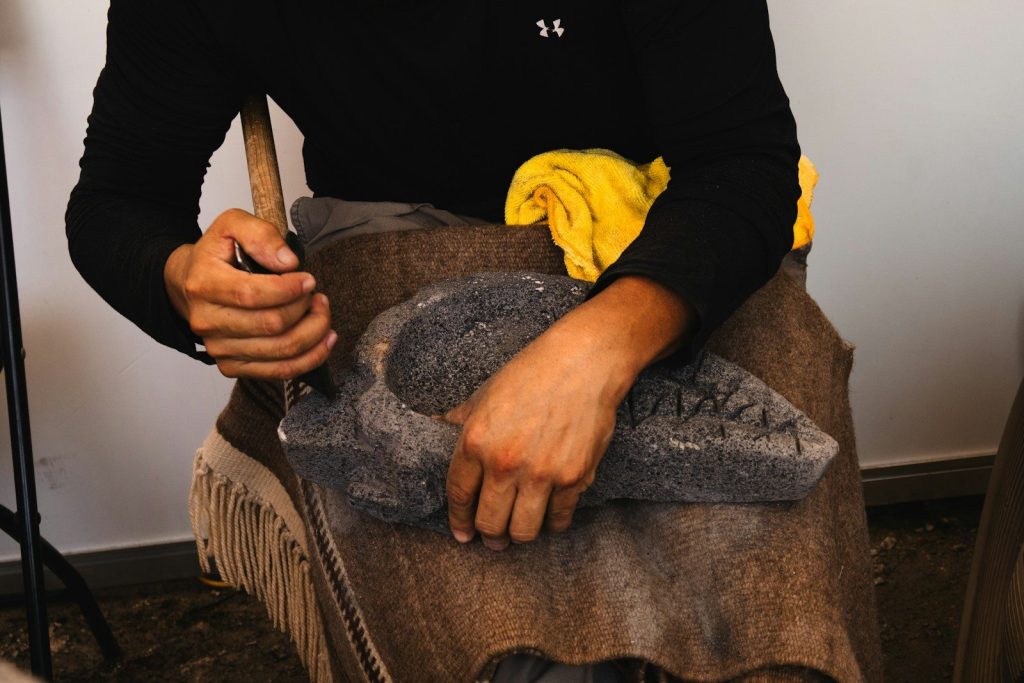
The mold’s surface carries evidence of strong thermal stress linked to repeated and intensive use. That matters because it shows the object was not an experimental carving or ceremonial imitation. It functioned as production equipment. A durable stone mold could create many similar spearheads, helping craftspeople standardize size and design. The surviving wear therefore records activity that rarely appears directly in archaeology: repeated work, high heat, and the practical rhythm of a Bronze Age metalworker’s workshop.
Volcanic Rhyolite Tuff Rock Specimen
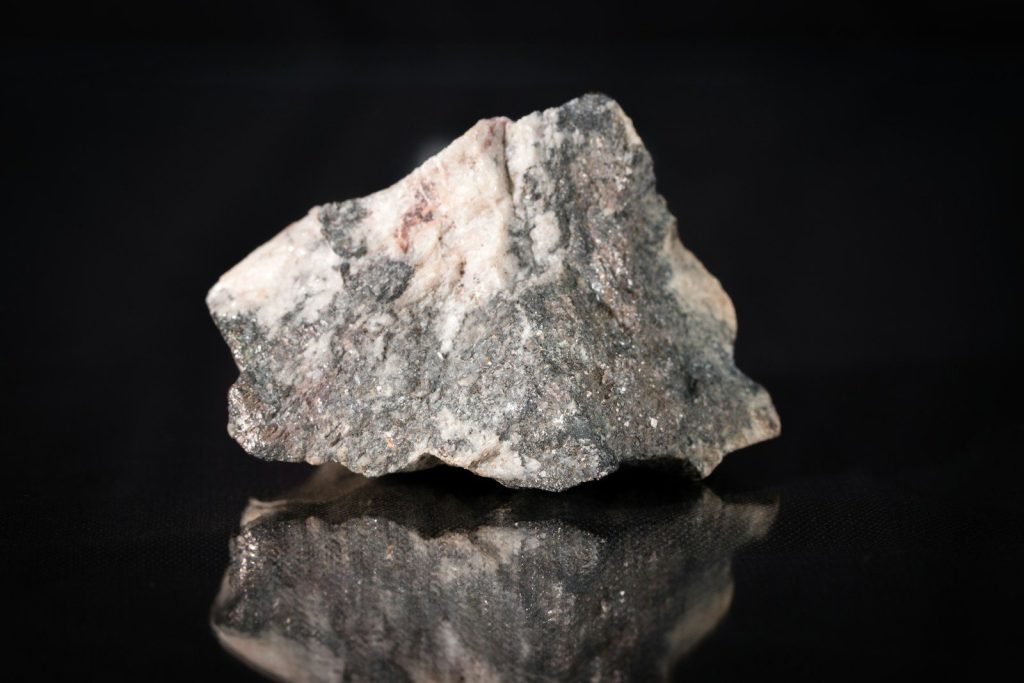
Petrographic and chemical analysis identified the material as rhyolite tuff, a volcanic rock not naturally abundant around Morkůvky. Suitable deposits occur in northern Hungary, supporting a Carpathian origin. The stone, the finished mold, or both therefore traveled a considerable distance before reaching South Moravia. This finding adds to evidence that Late Bronze Age communities exchanged raw materials, technical ideas, and weapon styles across regions rather than operating as isolated local groups over many generations.
Danube Urnfield Culture Artifacts
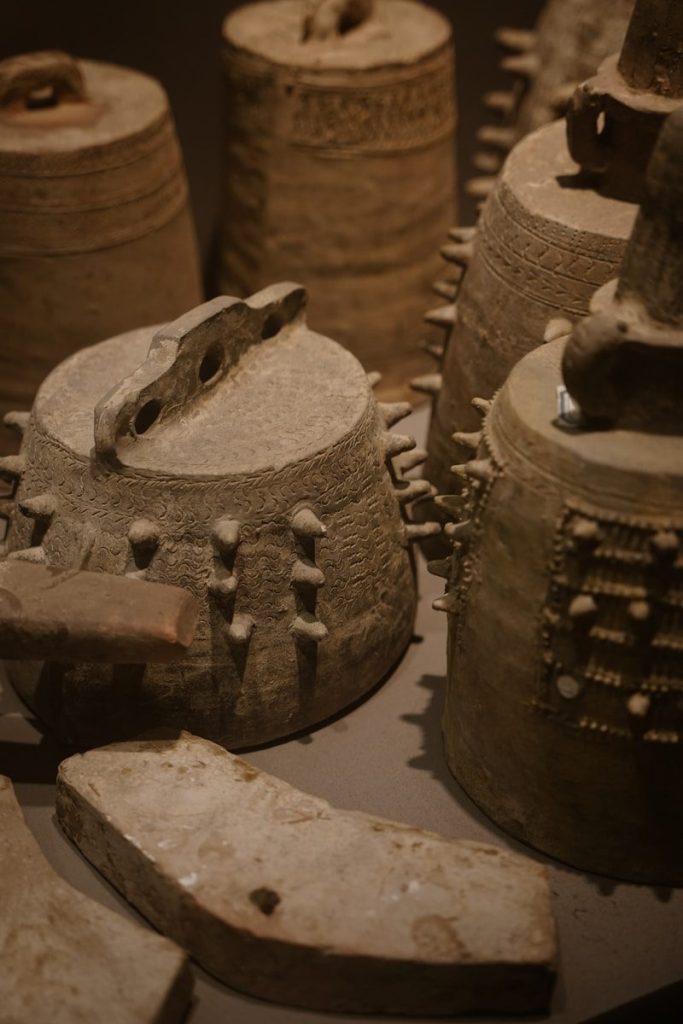
Researchers date the period broadly to around 1350 BCE and associate it with the Middle Danube Urnfield cultural environment. The name “Urnfield” comes from the widespread practice of cremating the dead and placing remains in urns within cemeteries. The period also saw extensive bronze production, fortified settlements, and far-reaching exchange networks. The Morkůvky mold fits that larger pattern while offering unusually specific evidence for how one weapon type was manufactured and circulated across Central Europe.
Bronze Age Metalworking Artifact Analysis
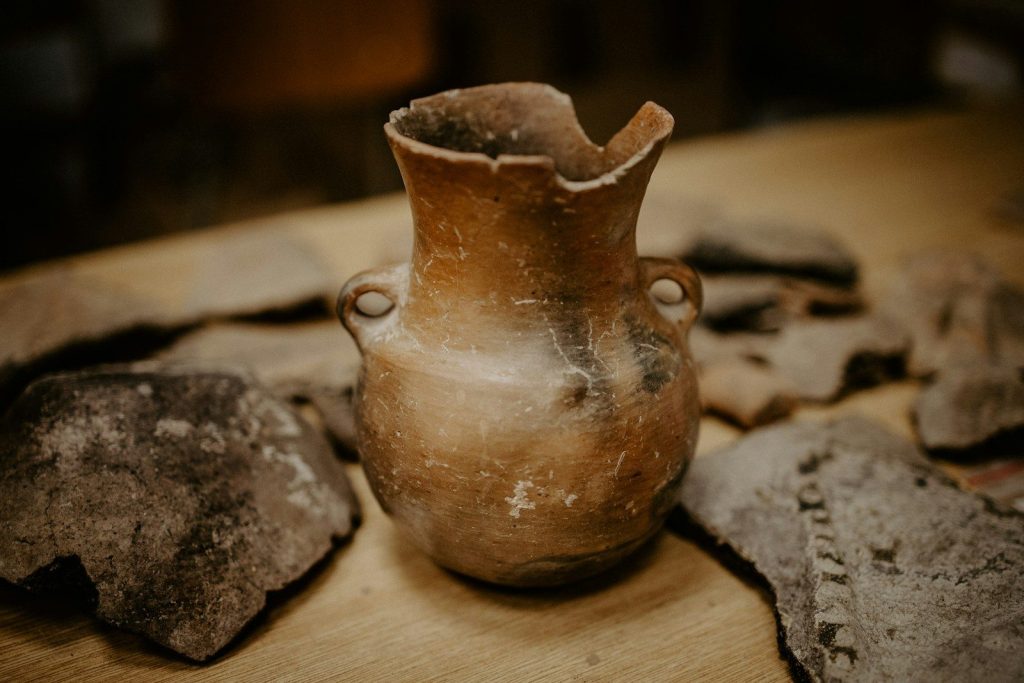
The discovery matters because an ordinary-looking reused stone preserved several kinds of evidence at once. Its carved negative identifies the weapon, heat marks reveal repeated casting, and mineral analysis traces the rock toward the Carpathian region. Archaeologists still do not know the mold’s original workshop or exactly when it entered the barn foundation. Even with that uncertainty, the artifact provides a rare technological snapshot of Bronze Age craft, trade, and warfare hidden inside a modern farm structure. This article is for informational purposes only.
Featured Image: Shutterstock
Leave a Reply