
Most astronomers assumed that potentially habitable worlds were located thousands of light-years away from us. We believed that finding a rocky world near our solar system was highly unlikely.
But astrophysicists have identified an Earth-sized planet orbiting the closest star to our Sun. The discovery brings the search for alien environments right to our cosmic doorstep.
Proxima Centauri Red Dwarf Star
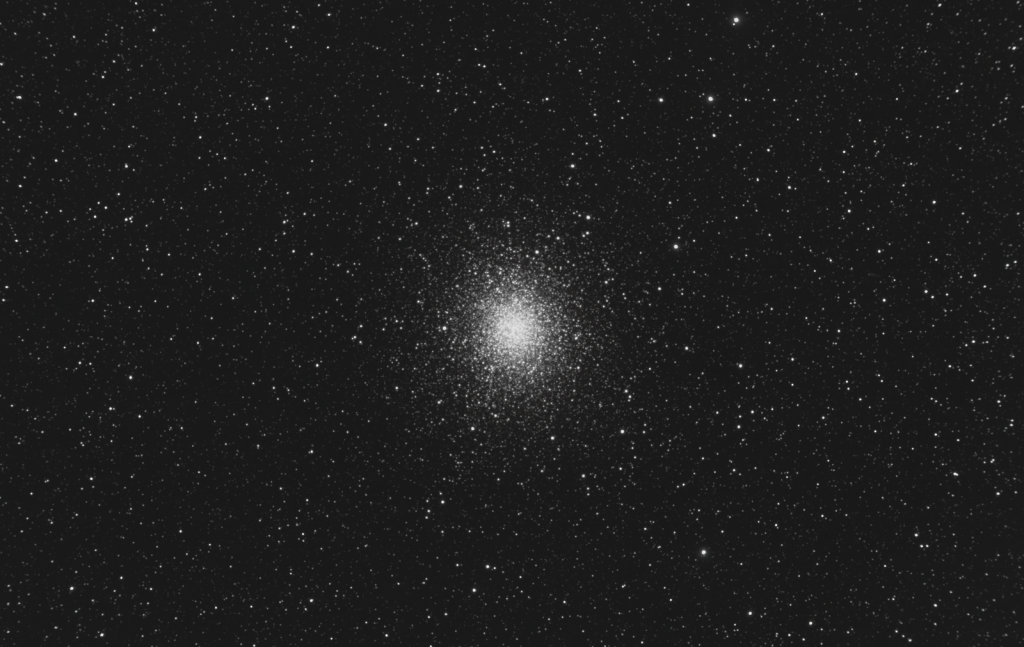
The newly studied exoplanet orbits Proxima Centauri just over four light-years away from Earth. According to the European Southern Observatory, this world sits directly within the habitable zone of its host star. The distance is surprisingly close. Scientists can study its characteristics using modern telescopes. But key details about its environment remained a mystery.
Astronomers Measuring Planet Mass
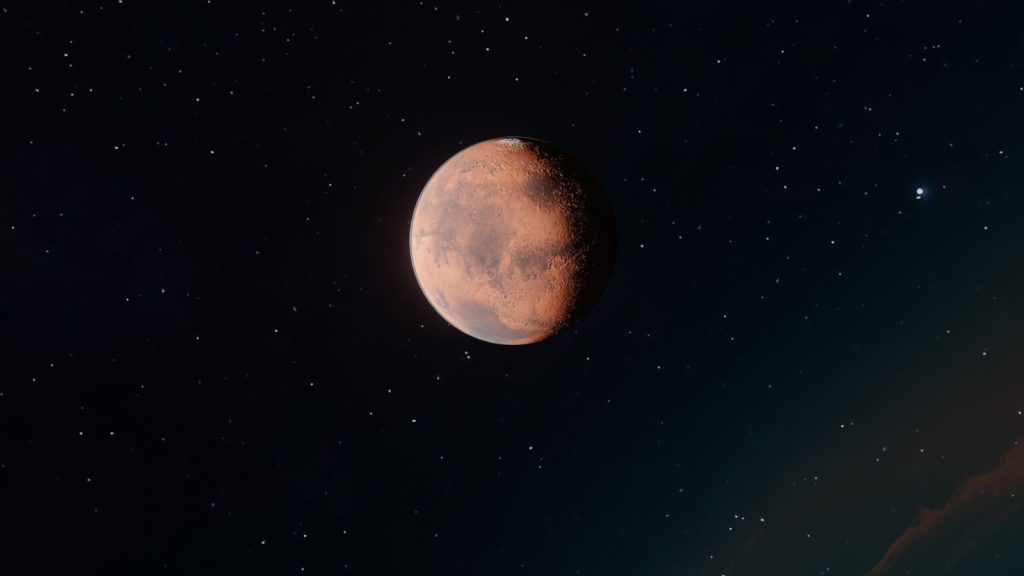
Precision spectrographs allowed astronomers to calculate the exact mass of the alien world. According to reports from the NASA Exoplanet Science Institute, the planet is roughly 1.17 times the mass of Earth. Numbers matter here. This confirmation proves the planet is a solid rocky body rather than a gas giant. Yet its atmosphere presented another complex question.
Ocean Surface On Alien World

Sitting in the habitable zone means temperatures could allow liquid water to pool on the surface. According to research published in Astronomy & Astrophysics, stellar radiation levels are similar to what Earth receives. Conditions might be right. Water is considered the primary ingredient for life as we know it. But the nearby host star presents serious dangers.
Powerful Solar Flare Radiation

Proxima Centauri is a red dwarf star known to emit powerful stellar flares periodically. According to astrophysicists at the Harvard-Smithsonian Center for Astrophysics, these radiation bursts could strip away a planet’s protective atmosphere. Radiation poses a threat. A strong magnetic field would be necessary to protect the surface. Yet researchers suspect the world might hold unexpected defenses.
Planet Magnetic Shield Simulation

Computer simulations help scientists determine if the planet could maintain a protective shield. According to planetary climate models, a molten iron core could generate enough magnetic force to preserve surface water. Defense is possible. This shield would shield potential surface life from harsh cosmic rays. But direct observation requires next-generation technology.
Deep Space Observation Telescope

Advanced space telescopes are currently being deployed to scan the atmosphere of this neighboring world. According to NASA, spectrographic instruments can detect chemical signatures like oxygen, carbon dioxide, and water vapor. Tech is advancing fast. Identifying these gases would provide strong evidence of atmospheric stability. However, visiting this nearby planet remains a massive challenge.
Laser Light Sail Space Probe

Engineers are already designing lightweight laser-driven probes capable of reaching a fraction of the speed of light. According to interstellar propulsion researchers, these tiny spacecraft could reach Proxima Centauri within twenty years. Speed is the goal. They would capture close images of the planet’s surface. But the immediate focus remains on gathering data from Earth.
Stargazing Astronomy Observatory

Discovering an Earth-sized world so close to home transforms our search for life across the universe. According to leading astrophysicists, this planet will remain a prime target for space exploration for decades to come. Humanity looks outward. The discovery proves that rocky worlds are common throughout space. This article is for informational purposes only.
Featured Image: Photo by Vadim Sadovski on Unsplash
Leave a Reply