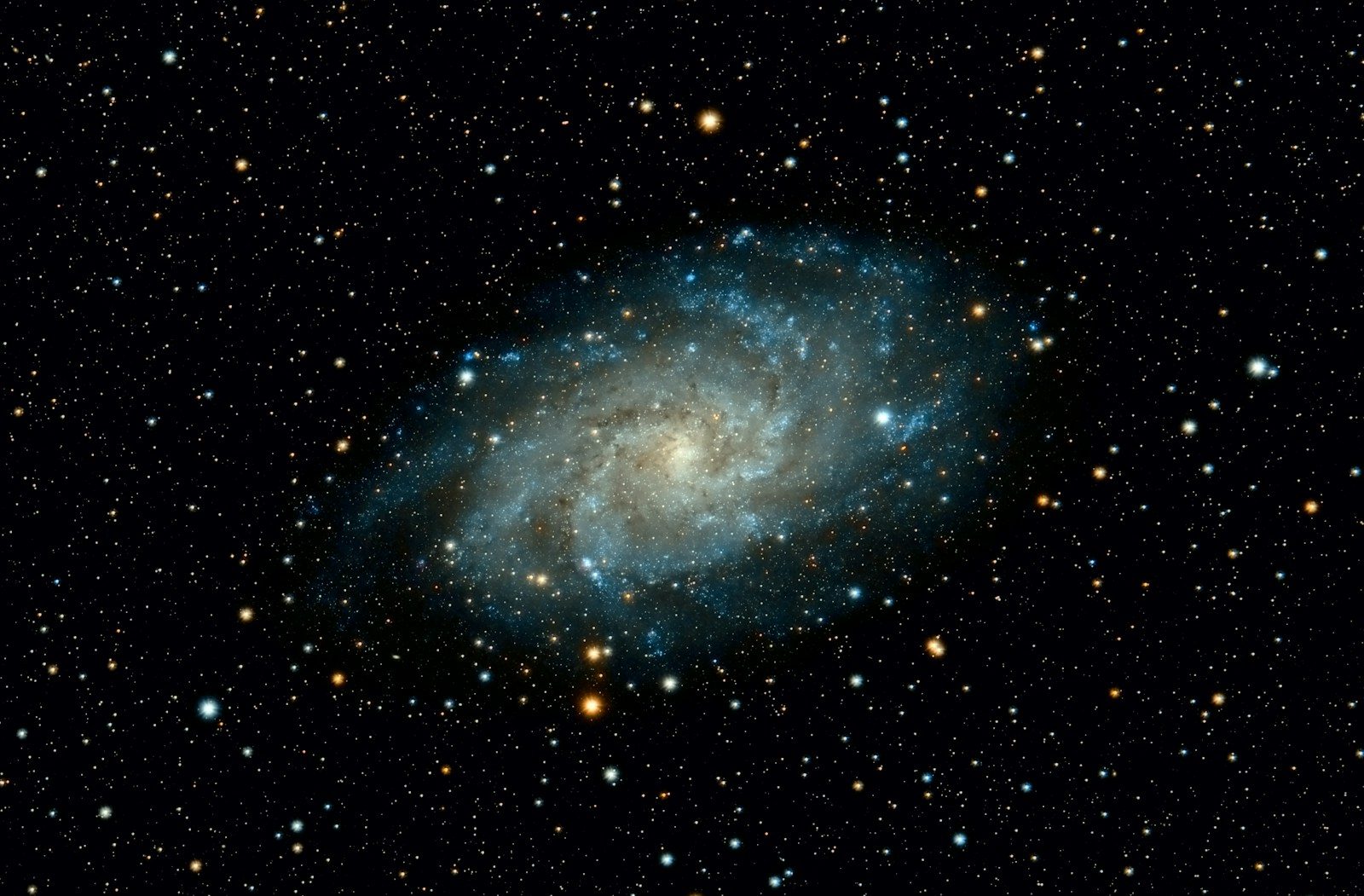
Most people assume that the observable space stretching ninety-three billion light years across represents the entire cosmos. We naturally picture the edge of our telescope view as the absolute limit of reality.
But groundbreaking cosmological calculations suggest the true universe is far larger than previously calculated. Advanced mathematical models indicate space extends vast distances beyond our visible horizon.
Deep Space Galaxy Horizon
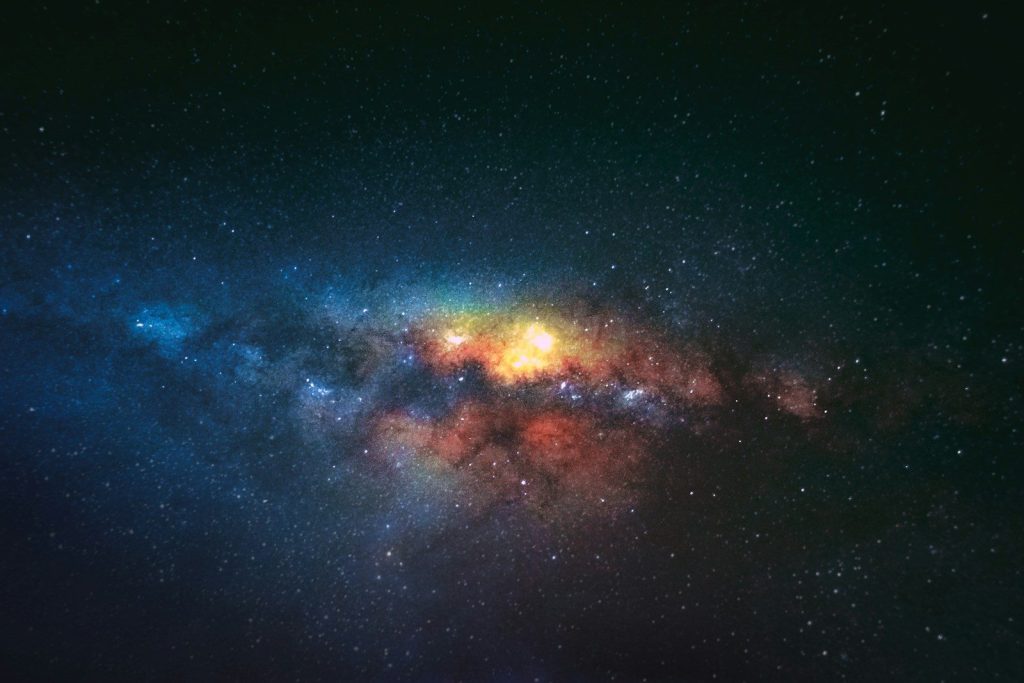
The light we see today has been traveling toward Earth since the Big Bang occurred. According to Oxford University cosmologists, our observable bubble is merely a fraction of the full cosmos. Space is mind-bogglingly vast. Light from distant regions simply has not had enough time to reach us. But mathematical analysis allows scientists to peer beyond that boundary.
Big Bang Cosmic Inflation Illustration
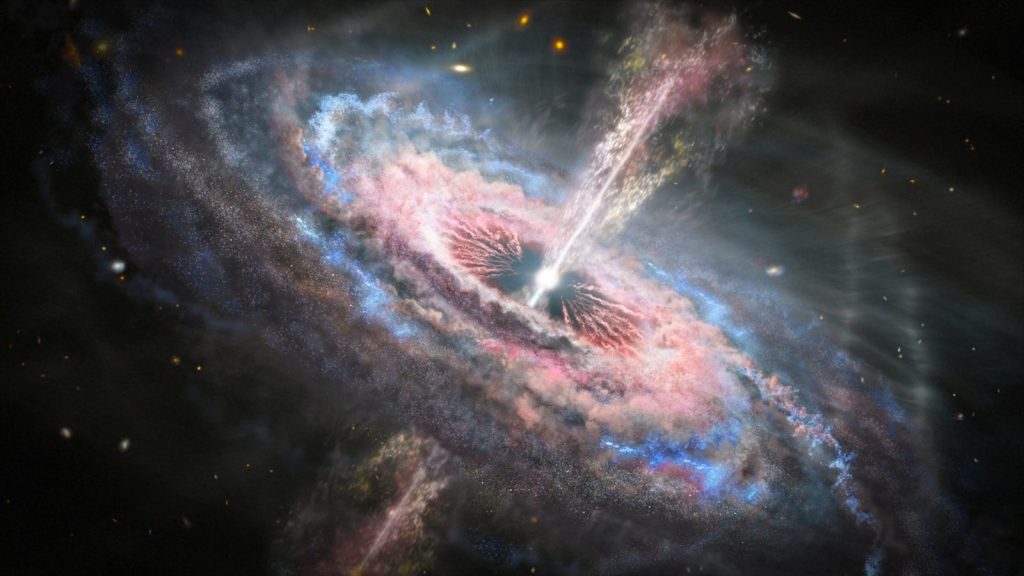
During the first fraction of a second after creation, rapid cosmic expansion stretched space at incredible speeds. According to research published in Monthly Notices of the Royal Astronomical Society, inflation expanded space far faster than light. Expansion was unimaginably fast. This rapid stretching pushed most of the universe far beyond our sight. Yet measurements of cosmic curvature offer critical clues.
Cosmic Microwave Background Map
Astronomers analyze subtle variations in the cosmic microwave background radiation left over from the early universe. According to data from the European Space Agency Planck satellite, space appears remarkably flat across large scales. Flatness indicates immense size. A flat geometry implies that the total volume extends nearly infinitely. But calculating the precise ratio required complex statistical modeling.
Supercomputer Cosmology Simulation

Cosmologists combined Bayesian statistical framework models with satellite observational data to calculate the minimum total size. According to team estimates, the full universe could be at least 150 sextillion times larger than the observable realm. The number is staggering. That is a factor of ten to the power of twenty-three. But scientists wondered if space ever truly ends.
Endless Universe Galaxy Clusters
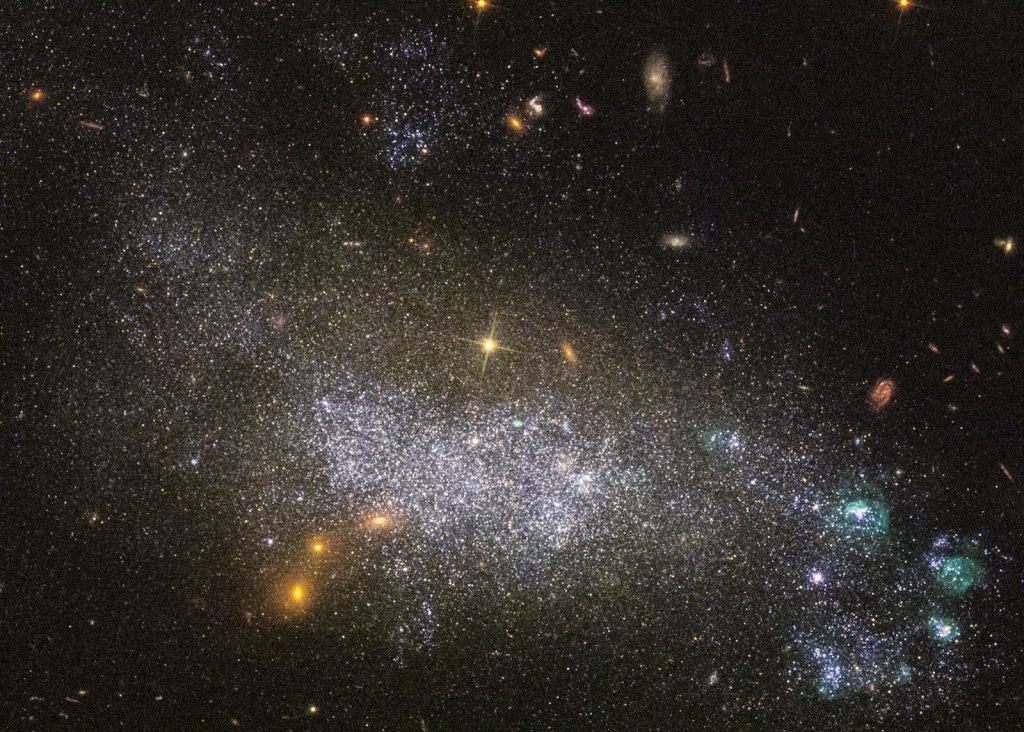
If cosmic inflation operated uniformly, space might extend infinitely without ever repeating or ending. According to theoretical physicists at MIT, an infinite universe contains endless variations of galaxy clusters and structures. Infinity defies simple intuition. Every possible arrangement of matter would eventually repeat across infinite space. Yet physical laws might vary in far-off regions.
Parallel Bubble Universes Concept

Certain inflationary models suggest our universe is just one expanding bubble among countless others in space. According to theoretical physics research, these isolated cosmic domains might operate under entirely different physical constants. Realities could differ completely. Each bubble would form its own vast universe far beyond our reach. But testing these theories requires innovative technology.
Astronaut Viewing Starry Galaxy

Understanding the immense scale of space reshapes how humanity views its place in the cosmos. According to leading astrophysicists, measuring the total size of the universe pushes the boundaries of human knowledge. Exploration never truly ends. Modern cosmology proves there is always more to discover beyond our horizon. This article is for informational purposes only.
Featured Image: Photo by Guillermo Ferla on Unsplash
Leave a Reply