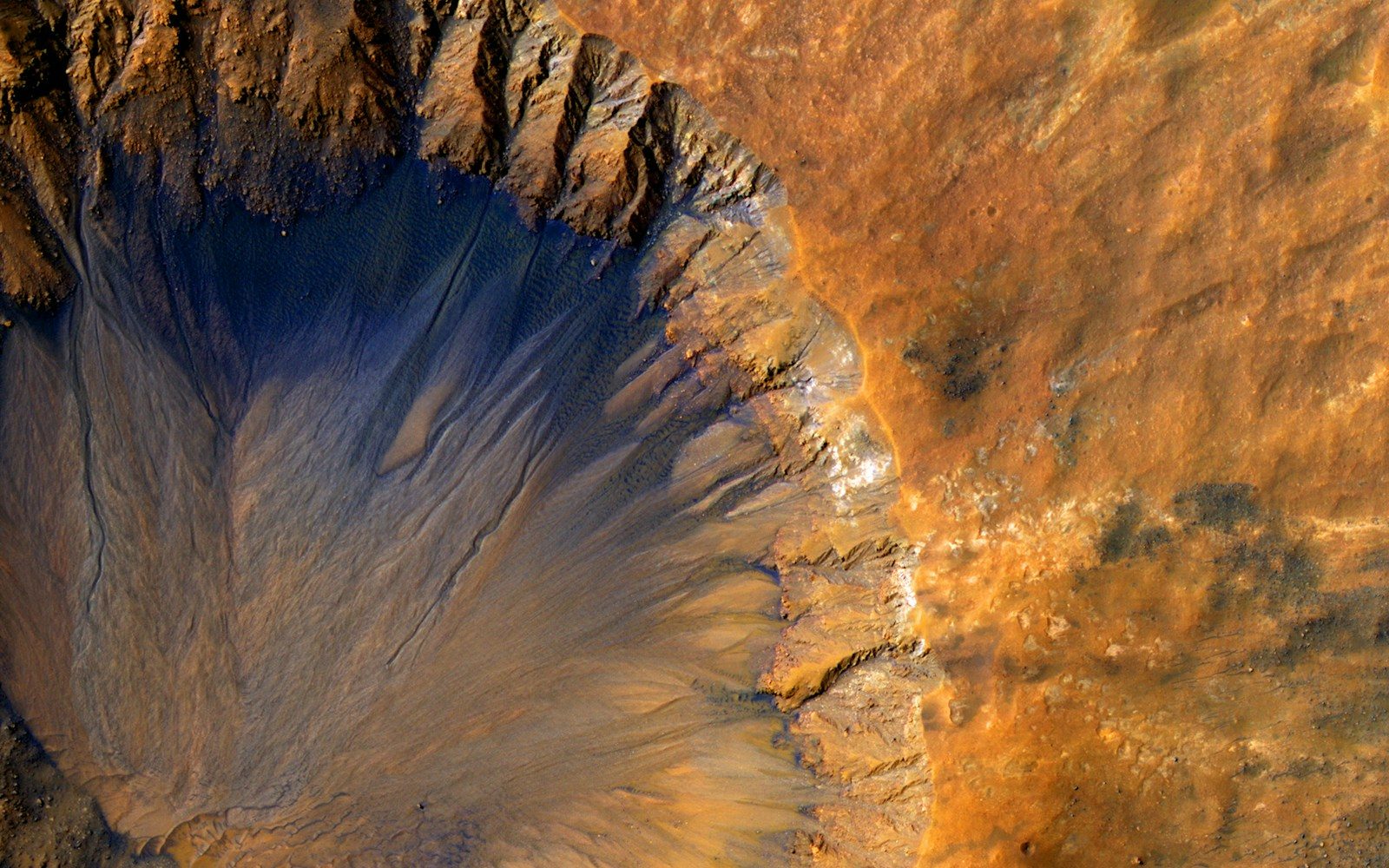
Most scientists assumed that ancient Mars lost all its surface water to space billions of years ago. We believed the Red Planet turned into a completely frozen and dry desert wasteland.
But seismic data gathered deep beneath the surface reveals a massive underground liquid water reservoir. The discovery proves that missing oceans might simply be trapped deep underground.
NASA InSight Lander On Mars
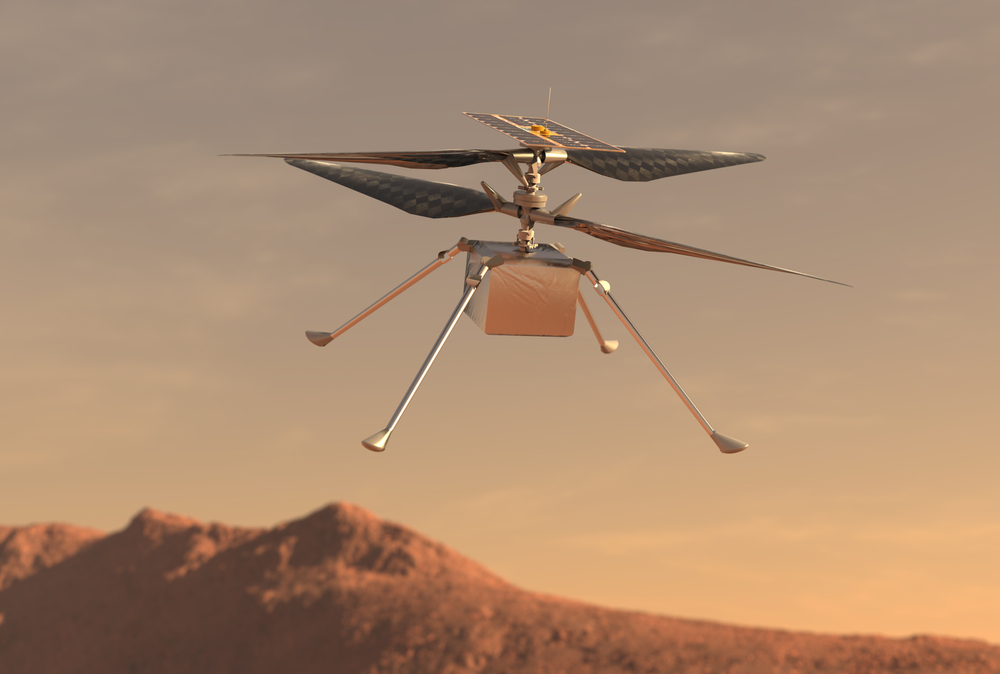
NASA’s InSight lander spent four years recording seismic vibrations caused by meteor impacts and quakes on Mars. According to NASA, these seismic waves traveled deep into the planet’s interior layers. Earthquakes reveal hidden structures. Changes in wave speed allowed geophysicists to map subsurface rock density. But the signal readings surprised the research team.
Deep Underground Rock Layers
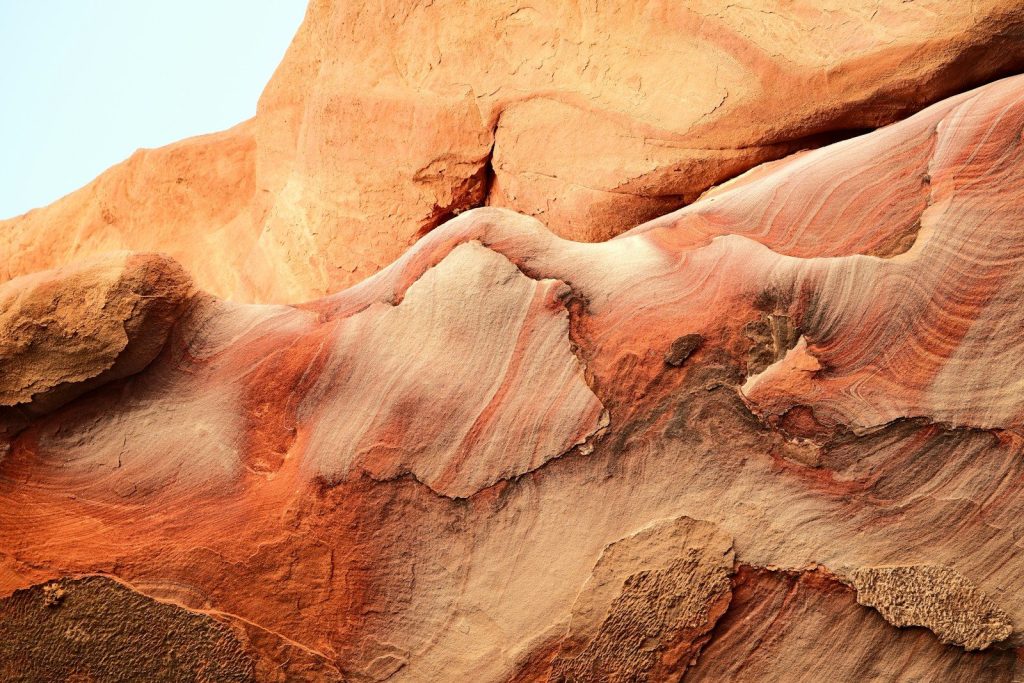
Seismic wave patterns slowed down significantly while passing through middle crustal rock layers. According to study authors from UC San Diego, this slowing indicates liquid water filling cracks within igneous rock. Water changes everything here. The data shows fractured rock saturated with liquid water deep below. Yet determining the depth required careful physics.
Subsurface Liquid Water Reservoir

The water reservoir sits between eleven and twenty kilometers beneath the dusty Martian surface. According to findings published in Proceedings of the National Academy of Sciences, extreme pressure keeps the water liquid. Depth provides heat. Surface temperatures remain freezing, but deep internal heat warms the rock layers. But the sheer volume of water amazed researchers.
Ancient Oceans On Mars
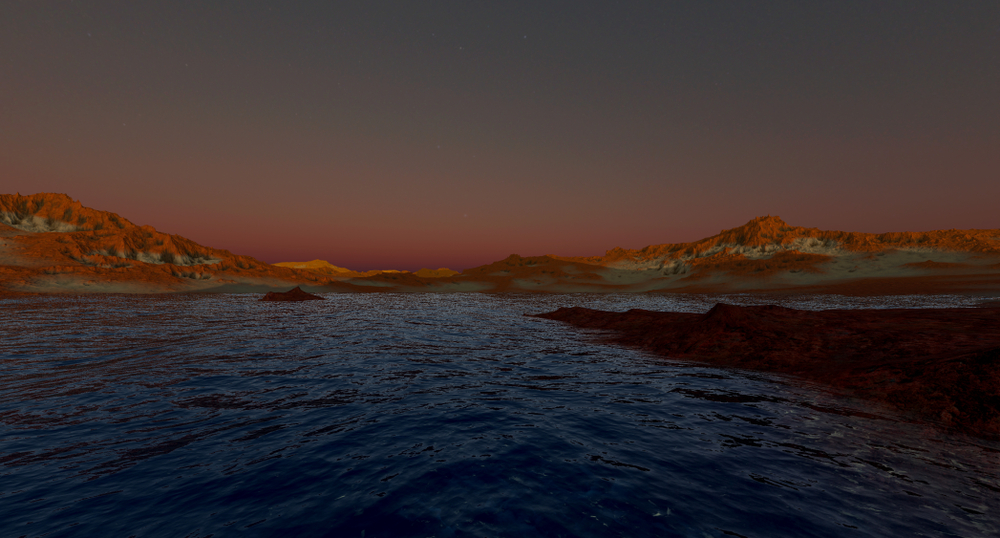
Calculations show this subsurface reservoir holds enough liquid water to cover the entire planet. According to geophysicists at UC Berkeley, the volume could create a global ocean over one kilometer deep. The scale is vast. This finding solves the long-standing mystery of where ancient Martian oceans vanished. However, accessing this water presents an immense challenge.
Industrial Heavy Drilling Rig
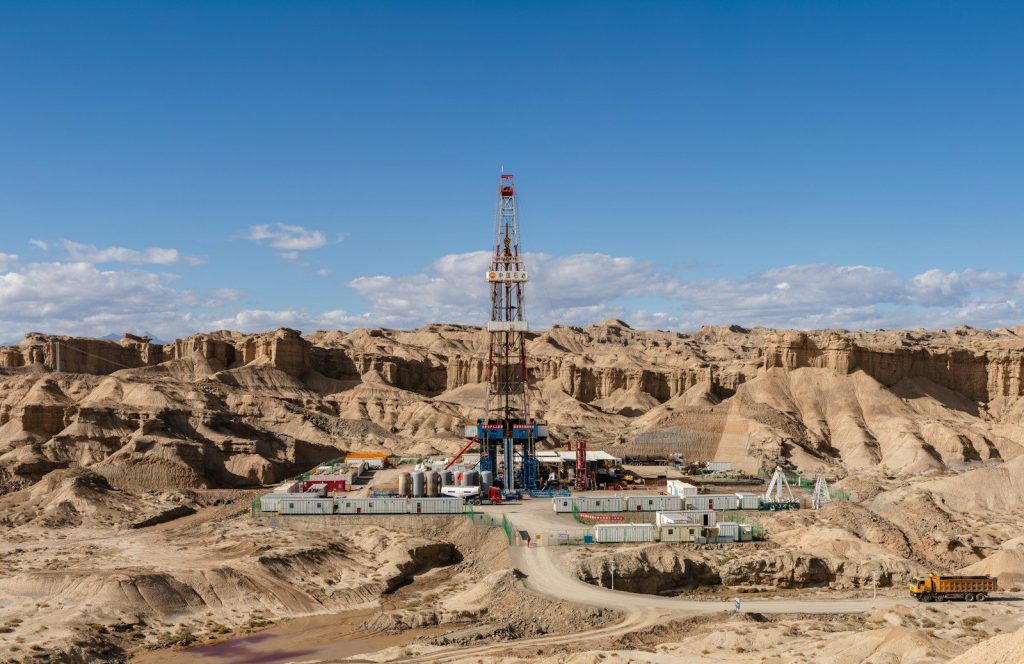
Drilling down over eleven kilometers on another planet exceeds current technological capabilities on Earth. According to planetary engineers, deep drilling rigs require heavy machinery and massive power supplies in space. Mining will be tough. Future astronauts will not easily tap into this deep reservoir for drinking water. But scientists realized this water holds another possibility.
Microscopic Underground Bacterial Life
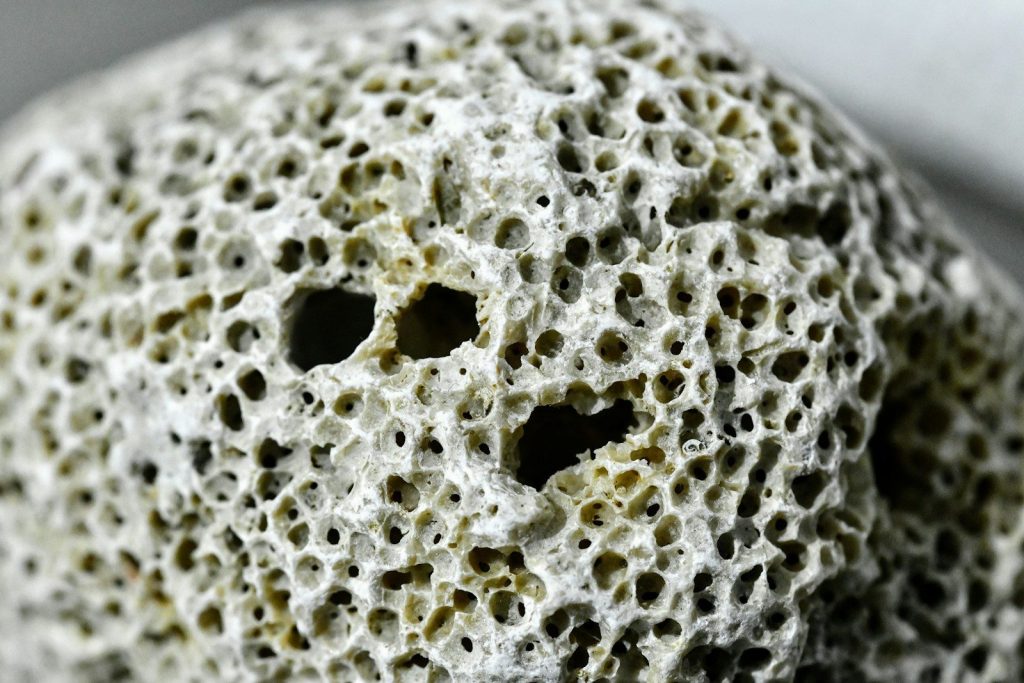
Protected from harsh space radiation, warm liquid water trapped in rock offers a potential habitat for life. According to astrobiologists, deep subsurface environments on Earth shelter thriving microbial colonies. Life adapts in dark spaces. Microbes on Mars could potentially survive in these wet underground cracks. Yet testing this hypothesis requires new exploration methods.
Red Planet Geological History
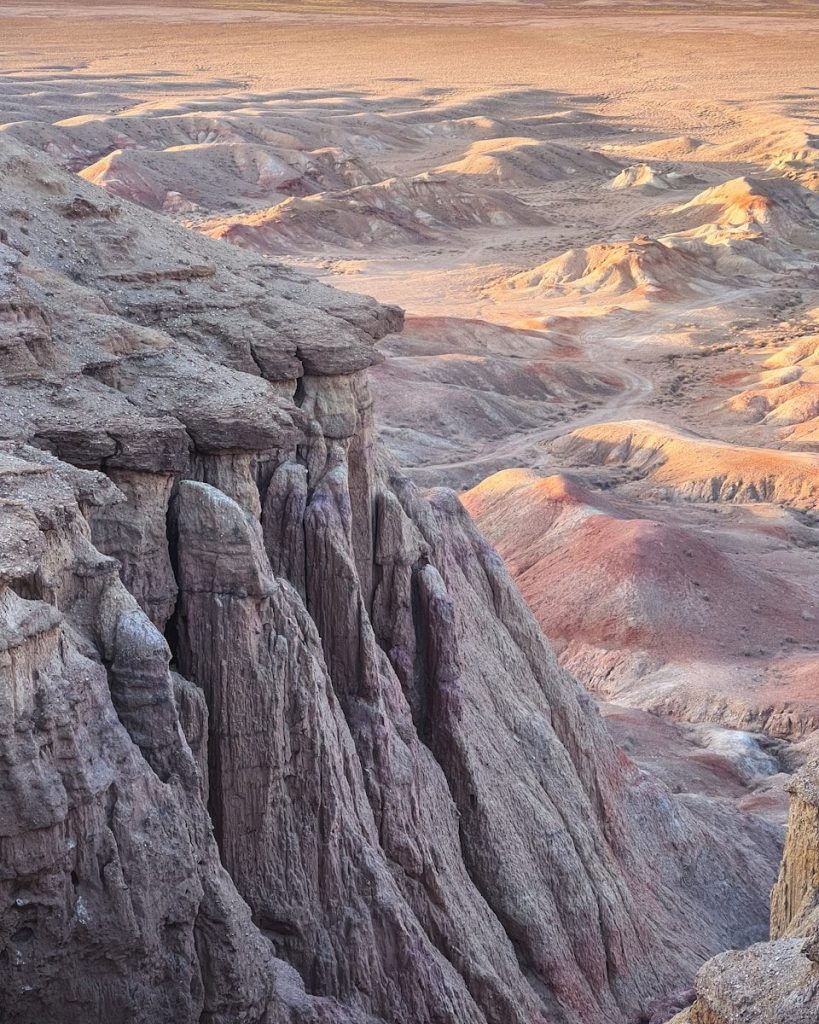
Discovering this vast reservoir changes how scientists reconstruct the evolution of the Martian atmosphere. According to planetary climate researchers, water was absorbed into the crust rather than escaping completely into space. Geology saved the water. This process preserved a record of the planet’s wet past beneath the rocks. But the scientific search continues.
Space Exploration Orbiting Probe

The discovery of a hidden ocean beneath Mars opens a new chapter in planetary exploration. According to NASA scientists, studying internal planetary water helps us understand how terrestrial worlds evolve over time. Science changes our view. The Red Planet continues to reveal its deepest secrets. This article is for informational purposes only.
Leave a Reply