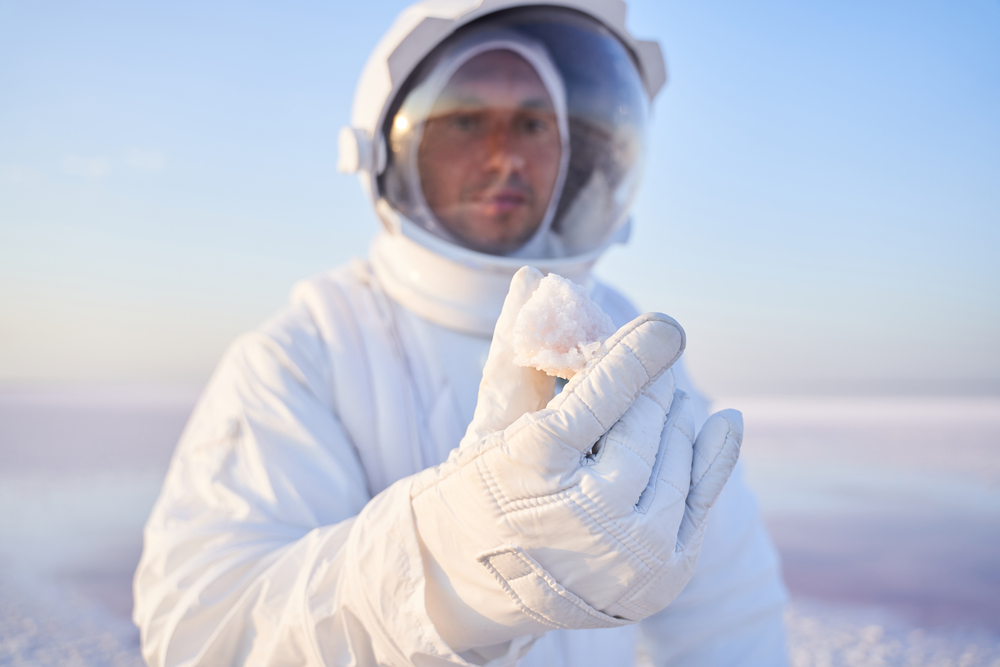
Most people believe that growing crystals requires standard laboratory conditions here on Earth. We expect gravity to hold liquid solutions steady as molecular structures form over time.
But an astronaut aboard the International Space Station recently shared photos of a crystal that seems to defy normal physics. The strange structure grew in ways impossible on our planet.
International Space Station Crystal Discovery

NASA astronaut Don Pettit captured stunning images of crystalline structures forming in microgravity. According to NASA, liquid floating in orbit behaves differently without the downward pull of gravity. Physics acts differently there. Without convection currents pulling denser materials down, atoms align with extraordinary symmetry. Yet scientists needed to understand why these space structures look so unique.
Zero Gravity Molecular Structure

On Earth, gravity creates fluid movement that causes imperfections inside growing crystal lattices. According to the ISS National Laboratory, microgravity removes gravity-driven convection completely. Liquid remains still. This peaceful environment allows molecules to build uniform patterns naturally. But researchers realized this phenomenon offered far more than just visual wonder.
Protein Crystal Medical Laboratory

Protein crystals grown in orbit develop far larger and clearer than Earthbound samples. According to researchers at NASA, these high-purity space crystals help biochemists map complex disease structures. Detail is everything. Scientists can analyze atomic details that remain hidden in Earth labs. Yet medical science was not the only field transformed by orbit experiments.
Semiconductor Microchip Technology

Space-grown crystals also hold massive potential for the future of computer electronics. According to materials science studies from NASA, microgravity manufacturing produces nearly flawless semiconductor materials. Quality reaches new heights. These ultra-pure crystals could eventually power faster and more efficient microprocessors. However, producing materials in space presents massive engineering hurdles.
Automated Space Lab Equipment
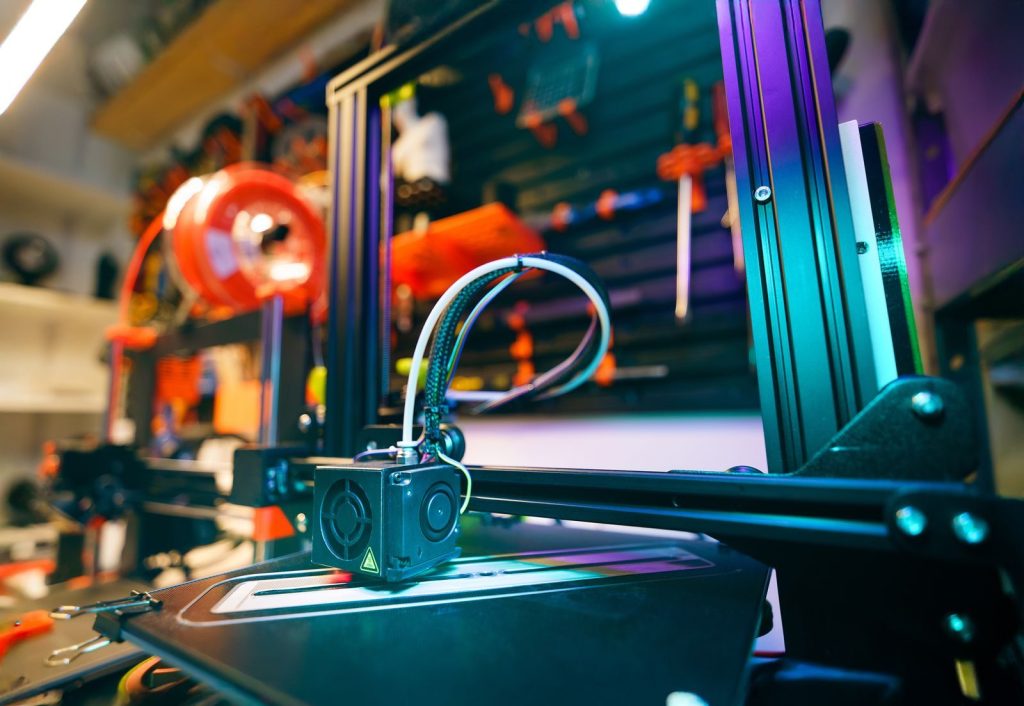
Launching experiments into low Earth orbit requires precise logistics and substantial financial investment. According to reports from the European Space Agency, automated crystal growth chambers now allow continuous testing without human aid. Machines do the work. This innovation lowers operational costs significantly for orbital laboratories. But researchers wondered how commercial spaceflight would impact production.
Futuristic Commercial Space Factory

Private space companies are now designing specialized orbital platforms focused entirely on material manufacturing. According to commercial space industry reports, orbital factories could soon supply specialized crystals directly to Earth markets. Industry is moving fast. Orbital production might soon become a routine industrial process. Yet the ultimate value lies in expanding our knowledge of physics.
Microgravity Physics Science Breakthrough

Images of space-grown crystals show how off-world environments unlock technological breakthroughs. According to NASA scientists, studying matter in microgravity reshapes our understanding of fundamental chemistry. Science continues to advance. These orbiting experiments continue to pave the way for future off-world innovation. This article is for informational purposes only.
Featured Image: Shutterstock
Leave a Reply