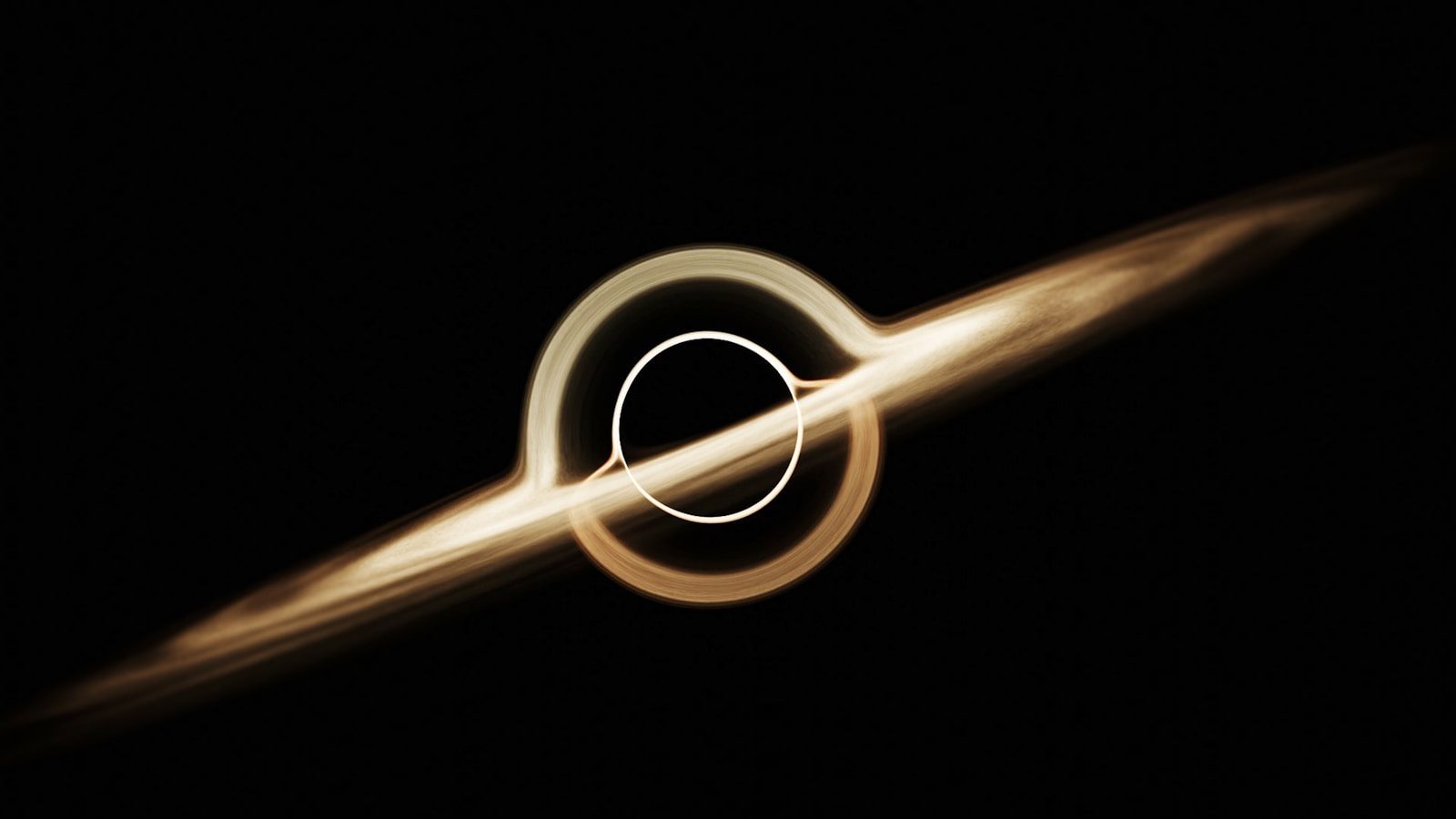
Most people assume that black holes are absolute cosmic vacuums that devour all nearby matter and light completely. We picture these deep gravitational abysses as forever dark and completely invisible across space.
But advanced supercomputer models have revealed how black hole environments produce some of the brightest high-energy flares in the universe. Scientists now understand the exact physics generating these brilliant cosmic rays.
Supermassive Black Hole Accretion Disk
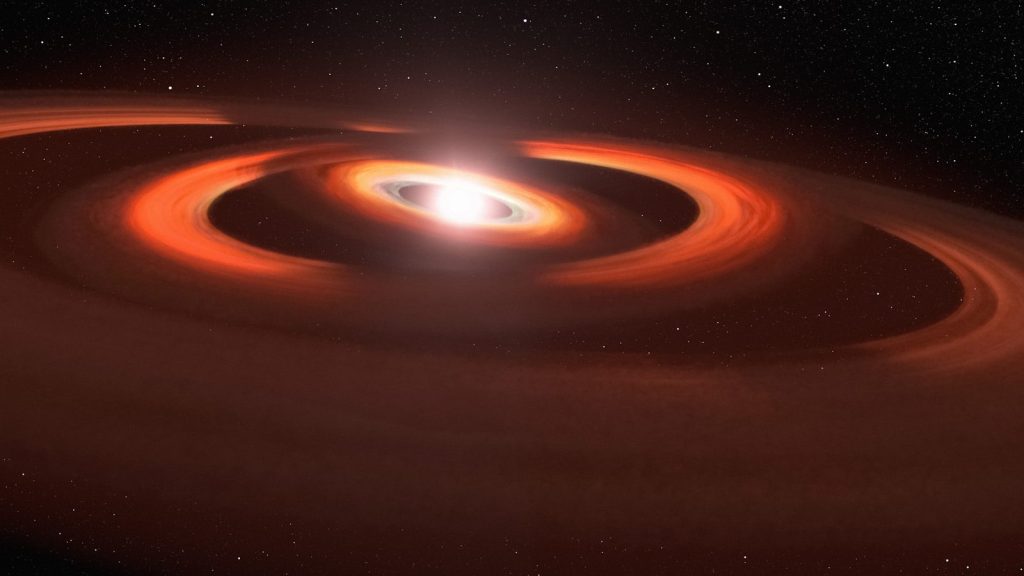
Telescopes frequently record intense X-ray and gamma-ray flashes beaming from regions immediately surrounding supermassive black holes. According to astrophysicists at Princeton University, light originates from superheated gas swirling just outside the event horizon boundary. Matter accelerates rapidly. Gas particles reach extreme speeds as gravity pulls them inward. But gravity alone could not explain sudden powerful energy bursts.
3D Black Hole Magnetic Field Simulation

Computational astrophysicists built complex 3D supercomputer models to track plasma dynamics under extreme magnetic forces near black hole edges. According to research published in Physical Review Letters, magnetic field lines twist and snap violently in superheated plasma gas. Physics gets extreme. This rapid breaking and reconnecting releases immense stored magnetic energy instantly. And that process sparks brilliant radiation flares.
Magnetic Reconnection Plasma Flare
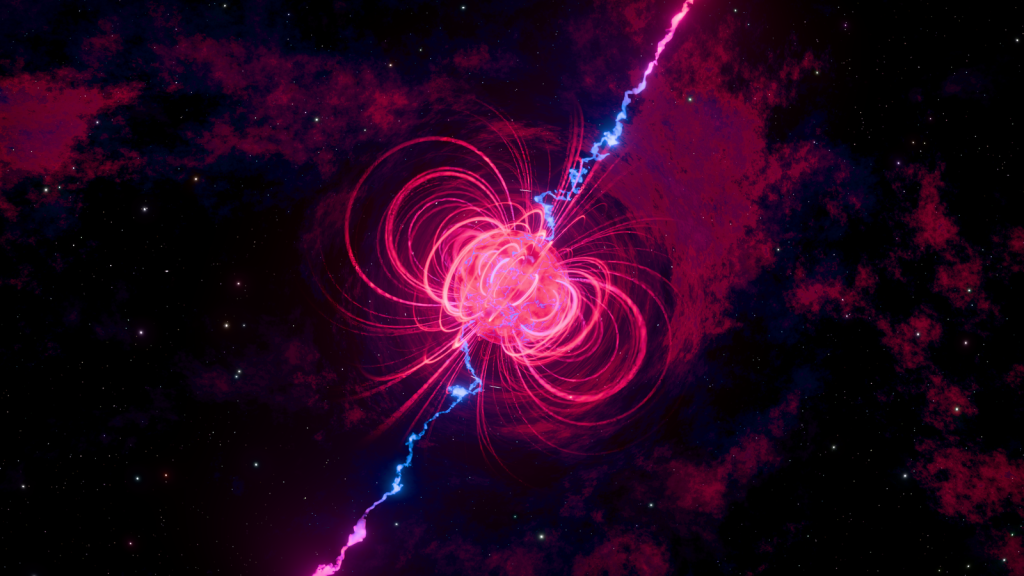
Magnetic reconnection accelerates charged plasma particles to nearly the speed of light within a tiny fraction of a second. According to research teams at Columbia University, these supercharged particles emit high-energy photons that escape into deep space. Particles shoot out. The process acts like a giant particle accelerator powered by magnetic fields. But scientists needed high-resolution models to prove the theory.
Supercomputer Data Center Laboratory
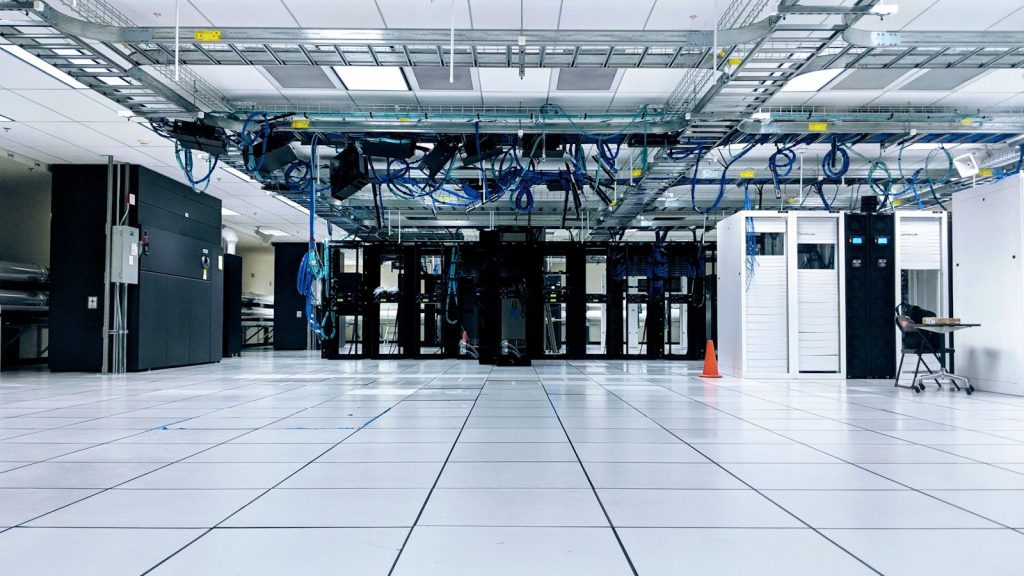
Simulating billions of plasma interactions required months of processing time on national laboratory supercomputers. According to researchers at the Flatiron Institute, high-resolution calculations matched real telescope observations of black hole flares with amazing accuracy. Data matched models. Scientists finally confirmed how magnetic turbulent chaos converts into pure radiation energy. And these flares affect surrounding galaxies deeply.
Black Hole Relativistic Plasma Jet
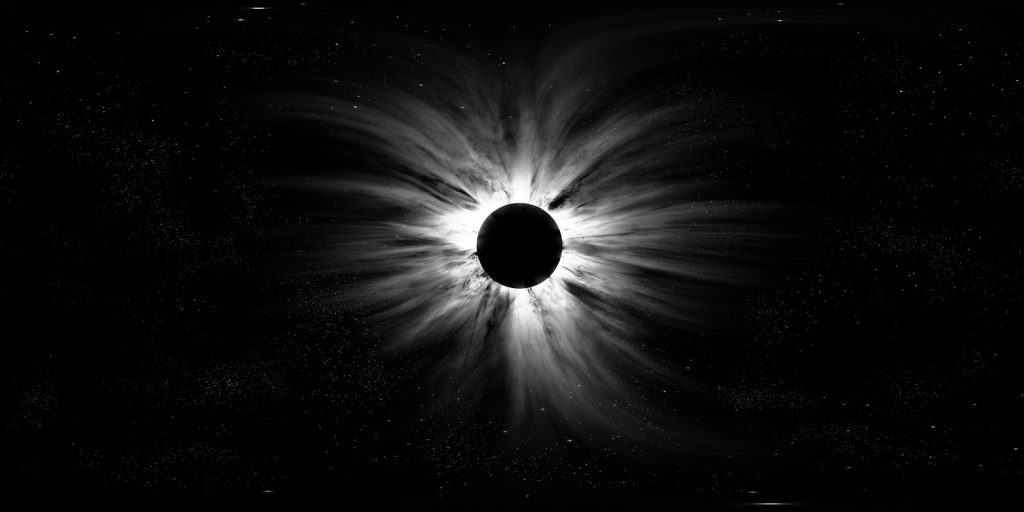
These magnetic fields also channel energetic particles outward into massive jets that extend across thousands of light years. According to NASA astrophysics missions, relativistic jets push gas out of host galaxies and influence star formation rates. Power is immense. Understanding flare dynamics helps explain how black holes shape galactic evolution over billions of years. But observations continue.
Event Horizon Telescope Array
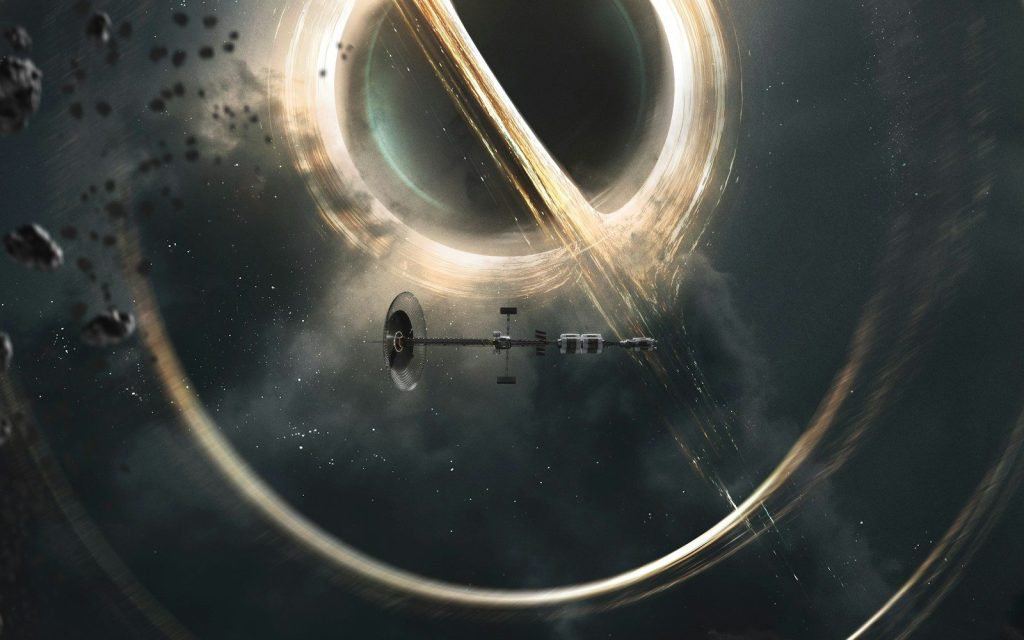
Observational astronomers are comparing these advanced 3D simulations with real radio images gathered by the Event Horizon Telescope network. According to radio astronomers, combining supercomputer models with telescope data provides unprecedented insight into black hole physics. Images confirm theory. Scientists can now map turbulent magnetic plasma flows near actual event horizons. And new discoveries lie ahead.
Theoretical Astrophysics Space Research
Solving the mystery of black hole light generation marks a major milestone in high-energy astrophysics research. According to leading theoretical physicists, supercomputer simulations will continue uncovering fundamental laws governing extreme gravity and magnetic physics. Knowledge expands daily. Black holes remain powerful natural laboratories illuminating the deepest mechanics of our universe. This article is for informational purposes only.
Leave a Reply