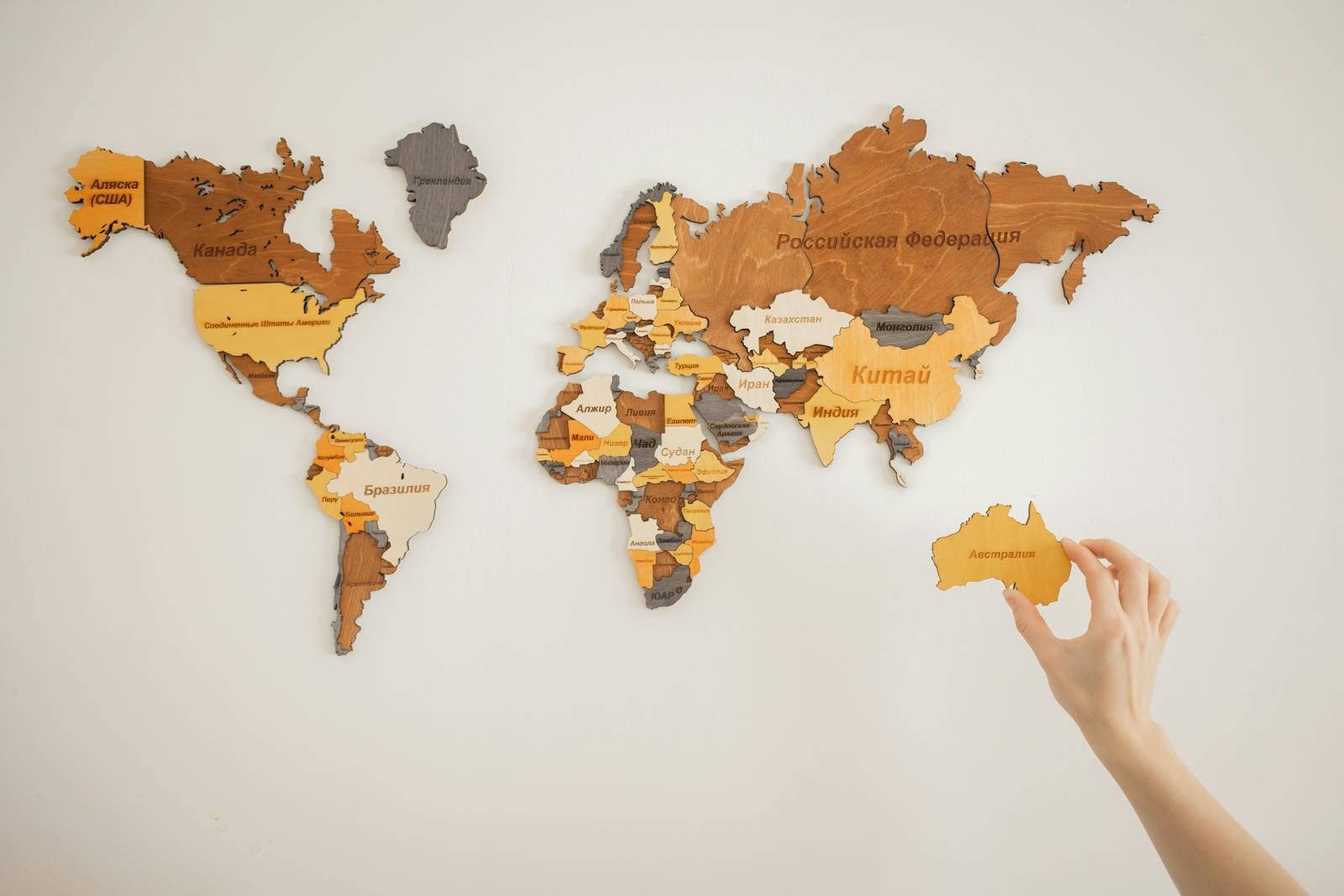
Geopolitical borders shift constantly. Russia has expanded its territory repeatedly throughout history. This expansion left a trail of dramatic conflicts that shaped the modern map. According to historians at the Wilson Center, these actions were driven by a desire for resources and strategic buffer zones. Some of these events are well-known. Others are buried deep in dusty archives. By examining this map, we can understand the origins of modern international tensions. It is a story of power and survival. The sheer scale of this history is absolutely eye-opening. But the first nation on our list fought one of the most intense battles of all.
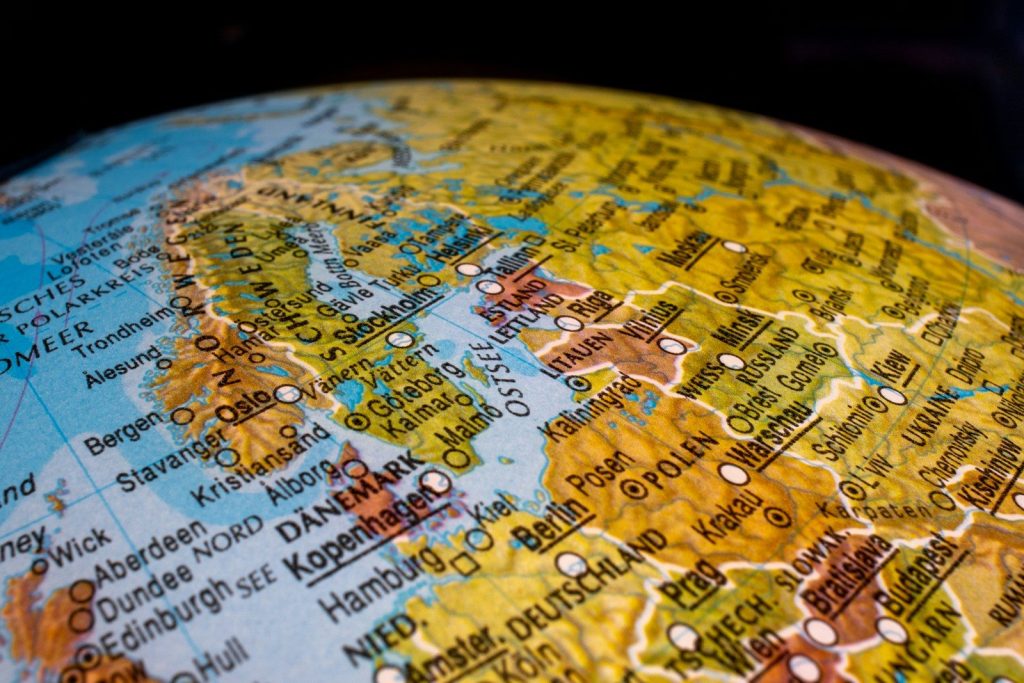
Estonia, Latvia, and Lithuania have a long history of foreign pressure. They spent decades under imperial and Soviet control. According to reports from the Baltic Assembly, these nations faced multiple waves of military occupation during the twentieth century. The strategic coastline of the Baltic Sea made them highly valuable targets. Despite severe political suppression, these nations maintained their distinct cultural identities. They eventually reclaimed their independence during the collapse of the Soviet Union. But this initial conflict was only the beginning of a much larger struggle for regional dominance.
Poland has been invaded and divided multiple times by its powerful neighbors. The country essentially vanished from the map for over a century. According to historical records from the Polish Institute of National Remembrance, the most devastating blow came during the joint German and Soviet invasion of 1939. This aggressive partition tore families apart and destroyed cities. The nation struggled under decades of foreign control before finally breaking free. This dark era still influences Polish security policy today. But another historic neighbor to the north would soon face an even more brutal winter invasion.
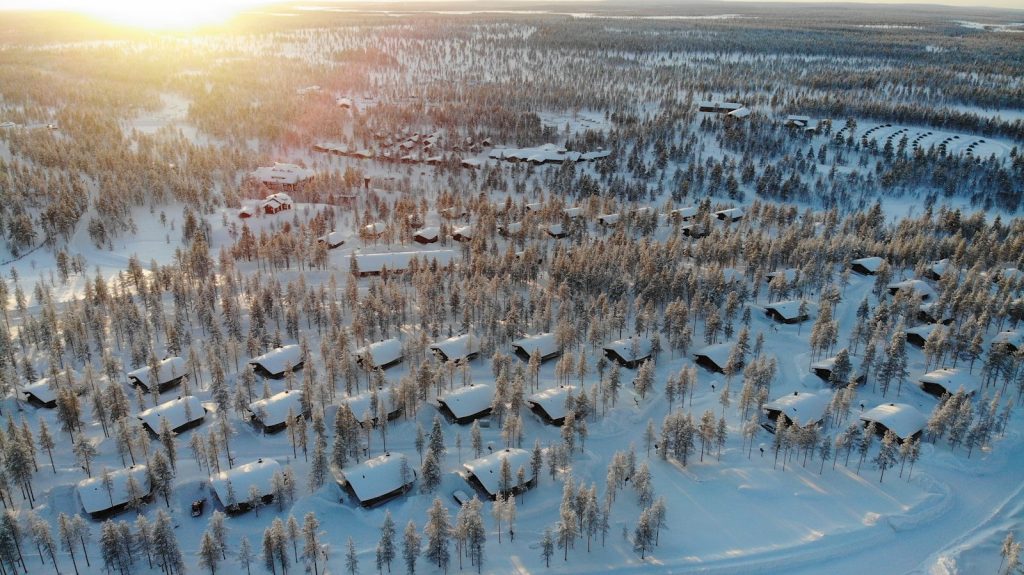
In 1939, the Soviet Union launched a massive surprise attack on Finland. They expected a quick victory. According to records from the Finnish Military Museum, the heavily outnumbered Finnish soldiers used the freezing winter landscape to their advantage. They relied on swift ski patrols and clever camouflage to hold back the invaders. While Finland eventually lost some border territories, it successfully preserved their national independence. It was a stunning achievement that surprised global observers. But the focus of this expansion was about to shift toward the rugged mountains of the south.
Georgia has faced repeated military interventions because of its strategic position between Europe and Asia. The most recent conflict occurred in 2008. According to reports from the Council of Europe, a brief war resulted in Russian troops taking control of two major breakaway regions. This intervention effectively halted Georgia’s efforts to join Western alliances. The local population continues to live under the shadow of this divided territory. It remains a highly volatile flashpoint in modern diplomacy. But another massive intervention in Europe would soon shock the world during the Cold War.
Crushing dissent in Eastern Europe
Hungary and Czechoslovakia attempted to introduce democratic reforms during the Cold War. These peaceful movements were met with swift military force. According to historical archives from the Cold War International History Project, Soviet tanks rolled into Budapest in 1956 and Prague in 1968 to crush the uprisings. These brutal crackdowns sent a clear message to other nations in the Eastern Bloc. It showed that any attempt to stray from Moscow’s control would be stopped. But the most costly conflict was yet to come in a rugged mountain territory.
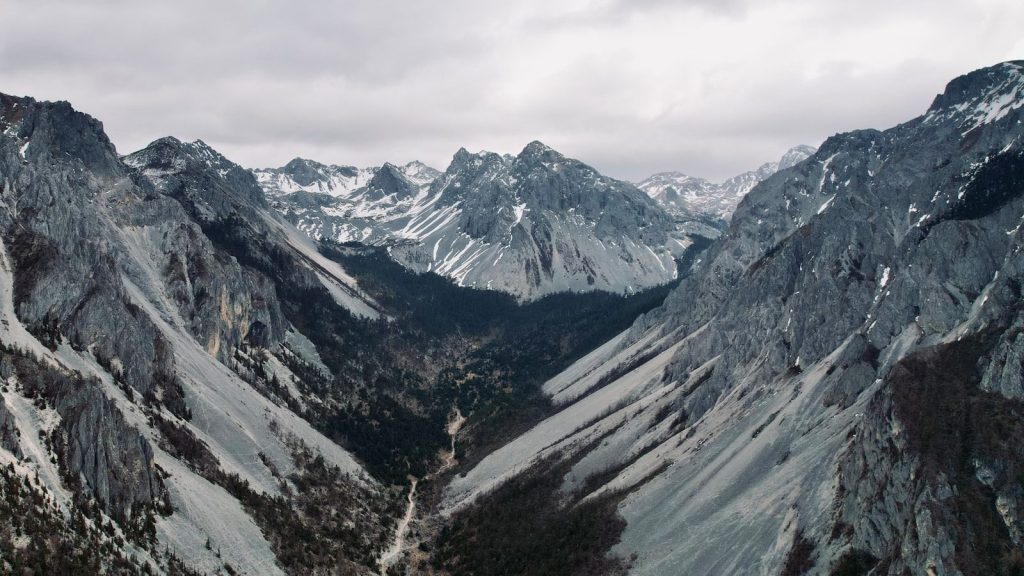
The Soviet Union invaded Afghanistan in 1979 to support a struggling communist government. They quickly became trapped in a long, bloody conflict. According to reports from the national archives, local resistance fighters used the difficult mountain terrain to wage a devastating guerrilla war. The conflict lasted for a decade and cost thousands of lives. It drained the Soviet economy and severely damaged its military reputation. This painful defeat contributed directly to the ultimate collapse of the Soviet state. But the modern era would bring a conflict that completely redefined global politics.
The ongoing conflict in Ukraine has reshaped the modern geopolitical landscape. It began with the annexation of Crimea in 2014. According to reports from the United Nations, the situation escalated into a full-scale military conflict in 2022. This war has caused a massive humanitarian crisis and triggered unprecedented global sanctions against Russia. It represents the largest military conflict in Europe since the Second World War. The resolution of this struggle will decide the future of European security. But looking at this long legacy reveals a final truth about how modern nations survive.
History is a powerful teacher. The story of these invasions shows how geography and power shape human destiny. Understanding these past conflicts helps us navigate the complex tensions of our modern world. It reminds us that peace is fragile and must be actively protected. By studying these events, global leaders can build better alliances and defense systems. The map of our world is still being written, and we must listen to the lessons of the past.
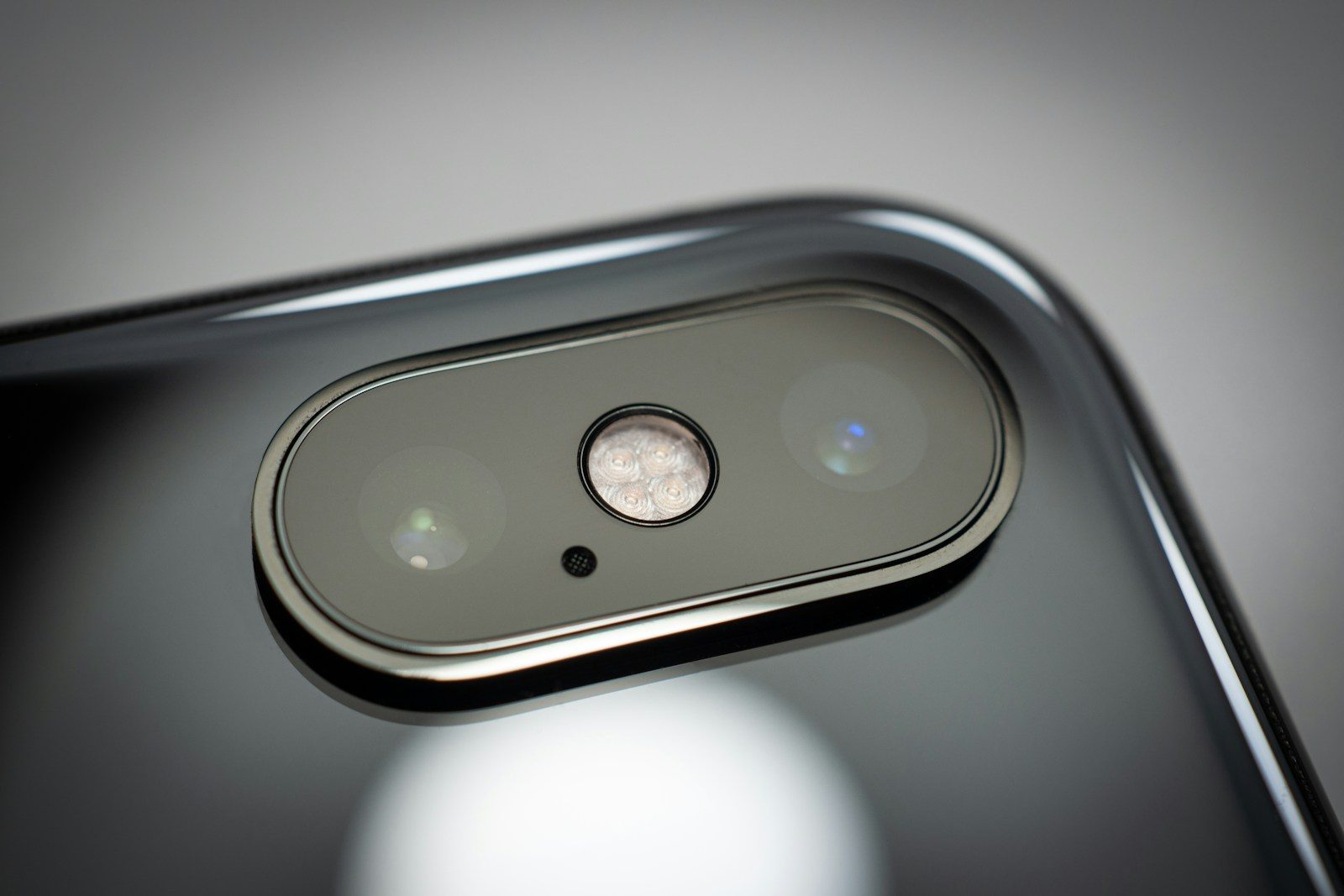
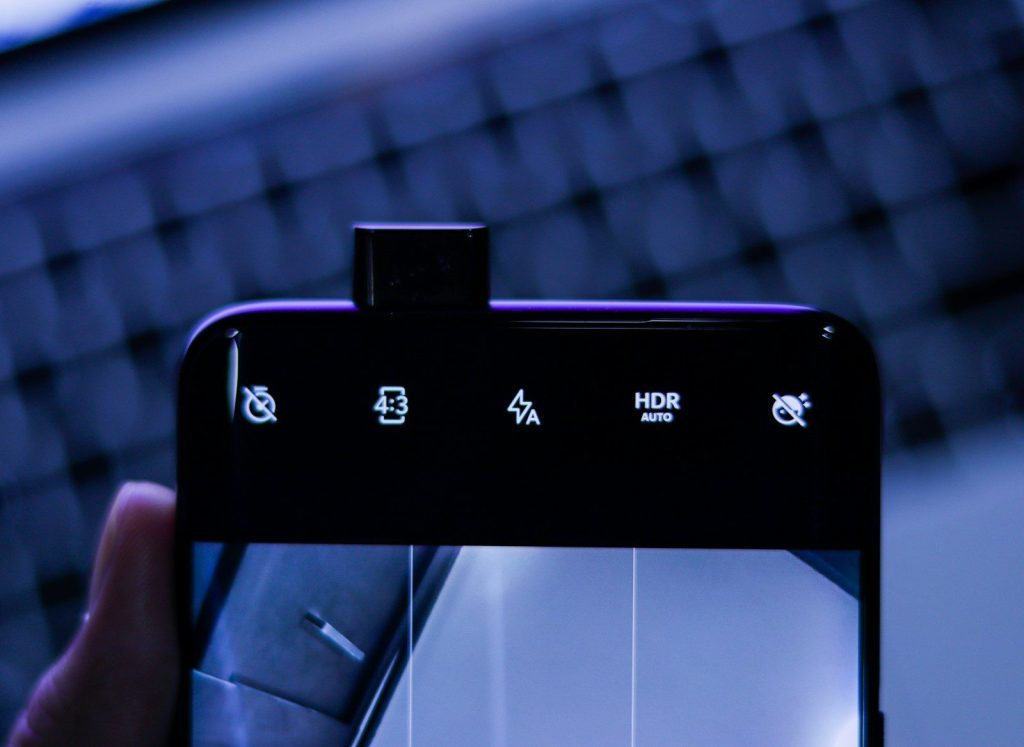
Every smartphone sold in the last decade has a camera pointed directly at your face for most of the hours you are awake. It sits on your desk while you work. It rests on your nightstand while you sleep. It travels with you into every private space you enter.
Most people believe the camera is only active when they consciously open it. That belief is wrong — and the evidence is not from conspiracy theorists. It comes from security researchers at major universities, from court documents in corporate litigation, and from disclosures made by Apple and Google themselves in response to legal pressure.
Apps that you have installed on your phone can access your camera without displaying any visible indicator that they are doing so. They can capture still images and video. Some can process that footage in real time. And the technical mechanism that prevents this from happening — a small indicator light — has been demonstrated to be bypassable under specific conditions.
The people who know the most about device security have made very specific choices about what they keep near their phones and what they cover. What they know — and what you are about to read — changes how you will think about the device in your pocket for a long time.
The Research Paper That Quietly Started a Panic in 2023
In 2023, researchers at the Graz University of Technology published findings that forced Apple to issue an emergency patch to iOS. The vulnerability — which they named “LeftoverLocals” — allowed malicious apps to access data being processed by the phone’s graphics processing unit.
That included camera data. Depending on the device and the operating system version, an app with no camera permissions could theoretically access fragments of camera processing that remained in GPU memory after another app had used the camera — without triggering any permission request or indicator light.
Apple patched the vulnerability. But the significance of the finding went beyond one bug. It demonstrated that the permission system most users rely on as their primary protection — the pop-up that says “App X would like to access your camera” — is not the only pathway to camera data on a modern smartphone.
The researchers did not claim this was being exploited in the wild at scale. What they demonstrated was that the assumption of total camera inactivity when the camera app is closed is not technically guaranteed. That distinction matters more than most users realize.
Your Front Camera Can Record Without the Indicator Light
The green indicator dot that appears on iPhones and newer Android devices when the camera is active was introduced specifically to address concerns about unauthorized access. Apple added it in iOS 14 in 2020. Google added a similar indicator to Android 12 in 2021.
What most users do not know is that the indicator operates at the software level — not the hardware level. This distinction is critical.
A hardware-level indicator is a physical circuit that lights up whenever electrical current flows to the camera sensor. It cannot be bypassed by software. Several laptop manufacturers use this design for their webcam lights.
A software-level indicator is controlled by the operating system itself. It activates when the camera API is called through normal channels. In 2019, security researcher Felix Krause demonstrated that iOS apps could, at the time, activate the camera in certain conditions without triggering the indicator. Apple subsequently addressed the specific exploit he identified.
But the fundamental architecture — software controlling the indicator rather than hardware — remains unchanged in most smartphones. What was patched was a specific method. The underlying limitation of software-controlled indicators is structural.
The Apps That Were Caught Accessing Cameras Without Permission
This is not theoretical. It has happened — and companies have paid significant fines for it.
In 2020, Google paid a settlement after YouTube was found to have accessed camera and microphone data from children’s devices without proper consent under COPPA — the Children’s Online Privacy Protection Act. The settlement totaled 170 million dollars.
Facebook — now Meta — faced a class action lawsuit in 2020 after users reported their cameras activating while they were browsing the Instagram feed without ever opening the camera function. Meta attributed the behavior to a software bug. A patch was released. The lawsuit proceeded regardless.
TikTok — in its FTC settlement from 2023 — acknowledged collecting biometric data, including face geometry from users, a category of data that requires camera access. The extent to which that collection occurred without clear user understanding was part of the regulatory action.
None of these cases proved malicious, and continuous surveillance. What they collectively demonstrated is that the gap between “the app has camera permission” and “the app is using the camera right now” is not always transparent to the user — and sometimes not even to the platform’s own engineering teams.
Apps From Certain Countries Operate Under Different Rules
This is where the risk calculus changes significantly — and where government agencies have been most vocal.
Apps developed in countries with different legal frameworks around data collection and government access are subject to entirely different standards than apps built in the European Union, the United States, or the United Kingdom. Most critically, they may be subject to laws that require them to provide government intelligence agencies with access to data collected from users — including camera and microphone data — without disclosing that access to the users themselves.
This is the core argument behind the United States government’s actions against TikTok. The concern was never that TikTok was obviously doing something wrong. It was that the legal framework governing ByteDance — TikTok’s Chinese parent company — creates a structural obligation to share user data with Chinese government authorities on request, with no notification requirement to users or to foreign governments.
The same concern applies to dozens of other apps that are widely installed but receive far less scrutiny than TikTok did. The question is not whether you trust the app. The question is who the app is legally required to answer when a government makes a demand.
The Piece of Black Tape That Security Experts Actually Use
This is not a joke. It is documented behavior among the people who know the most about device security.
James Comey — former director of the FBI — told an audience at a conference in 2016 that he puts tape over his laptop webcam. He said he saw an FBI agent do it and thought it was a reasonable practice. Coming from the head of the organization responsible for the most significant domestic surveillance operations in the United States, it was a remarkable endorsement of physical countermeasures.
Mark Zuckerberg was photographed in 2016 with his laptop visible in the background. Both the webcam and the microphone port had tape applied. This was the CEO of the company that owns Facebook, Instagram, and WhatsApp — applications through which billions of people share their lives — covering his own camera as a precaution.
For smartphones, the equivalent is a sliding camera cover — a small physical device that attaches over the front-facing camera and can be manually slid open and closed. Unlike software settings, it cannot be bypassed by an app update or a remote exploit.
It is the oldest and most reliable security measure available. It has zero technical complexity. And the people who understand the technical landscape best are the ones most likely to be using it.
Your Camera Can Process Sound Even When the Microphone Is Muted
Modern smartphone cameras include image stabilization sensors — small gyroscopes and accelerometers that detect movement so the camera can compensate for it. These sensors are exquisitely sensitive. They are designed to detect even the smallest physical vibrations.
Sound is a physical vibration.
Researchers at MIT demonstrated in a study called “Visual Microphone” that it is theoretically possible to reconstruct audio from video footage of nearby objects — plants, bags of chips, a glass of water — by analyzing the microscopic vibrations caused by sound waves hitting their surfaces. The camera, in effect, became a microphone.
More practically, in 2023, researchers at Georgia Tech demonstrated that the motion sensors in a smartphone — not the microphone, but the gyroscope — could be used to pick up speech within approximately one meter. No microphone permission required. No camera permission required. Motion sensor data is accessible to apps without a permission prompt on most Android devices.
This does not mean every app is recording your conversations through your motion sensor. It means the assumption that muting your microphone creates silence is not technically complete — and the people designing data collection systems are aware of every alternative pathway that exists.
Apple and Google Both Confirmed Parts of This Risk
Neither Apple nor Google has ever publicly stated that unauthorized camera access is impossible. What both companies have done — repeatedly, in response to legal pressure and security research — is patch specific vulnerabilities as they are identified.
Apple’s App Store review process includes checks for camera access calls that occur outside normal user interaction. Google’s Play Protect system scans for similar patterns. Both systems catch a significant portion of malicious behavior before apps reach users.
But both companies have also publicly acknowledged that the review process is not perfect. Malicious apps have passed review. Bugs have created unintended access pathways. The indicator systems are software-dependent rather than hardware-guaranteed.
Both companies have also responded to government requests for user data — including in cases involving camera and audio data — through legally mandated processes that they are not always permitted to disclose to the users whose data was accessed.
The companies building the safest smartphones on the market are the same companies acknowledging, in legal filings and security bulletins, that complete protection from camera access is a goal — not a guarantee.
Which means what you do with your device physically matters more than most users have been told.
The Three Settings You Need to Change Before Tonight
The risk is real. But so is the protection. These three changes — each taking under two minutes — dramatically reduce the camera access exposure on any smartphone.
First: Audit every app that currently has camera permission. On iPhone, go to Settings — Privacy and Security — Camera. On Android, go to Settings — Privacy — Permission Manager — Camera. Any app that does not obviously require camera access to function — social media apps, shopping apps, utility apps — should have permission revoked immediately.
Second: Enable the microphone and camera usage indicators in your notification settings and check them periodically. Both iOS and Android now display a recent-access log showing which apps accessed your camera or microphone and when. If an app you did not consciously use appears on that list, it is worth investigating.
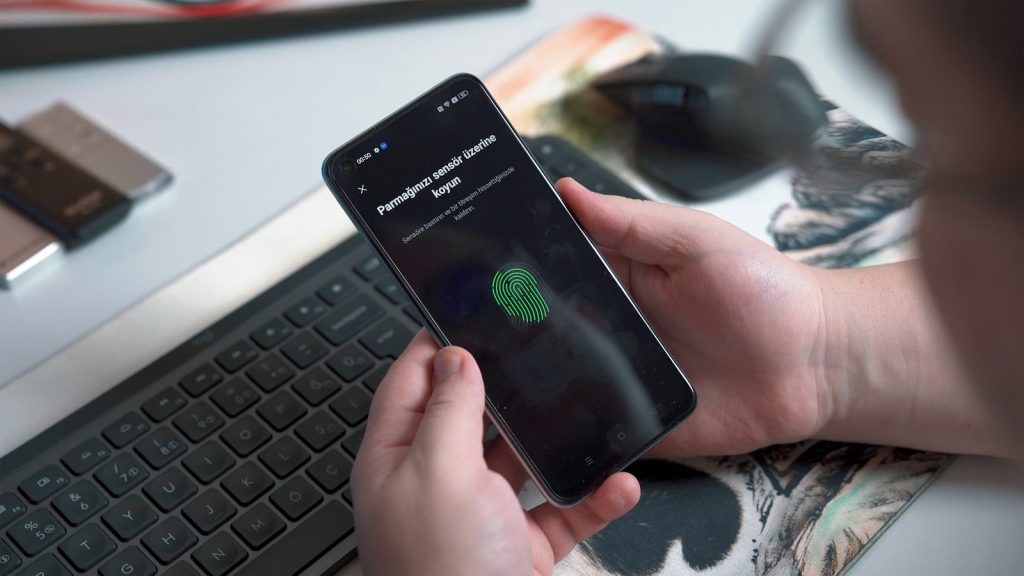
Third: For your front-facing camera specifically — the one most likely to capture your face — consider a physical camera cover. They are inexpensive, universally compatible, and provide the only form of protection that cannot be overridden by a software update, a policy change, or a government request.
The threat to your camera is not science fiction. The engineers who understand it best have already taken these steps. The question now is simply whether you will too — before someone else makes that decision for you.
You open Facebook, Instagram, or X to check what is new. Five minutes later, you are furious about something. Ten minutes after that, you are still scrolling — even angrier. You did not plan to feel this way. But someone else did.
This is not an accident. It is not a side effect. The rage you feel every time you open a social media app is the intended outcome of a system built by some of the brightest engineers in Silicon Valley — engineers who were specifically tasked with finding out what emotion drives the most engagement.
They found it. It was not joy. It was not curiosity. It was not inspiration. It was anger. And once they found that, they quietly built it into the foundation of every major social media platform on the planet. What they did next — and what it has done to society — is something the platforms have spent billions trying to keep you from fully understanding.
The original pitch was simple. Social media would help you stay in touch with people you care about. That was the marketing. That was the story told to regulators, to the public, and to advertisers.
Behind closed doors, the real metric was always different. It was called “engagement,” and engagement meant time spent on the platform. More time meant more ads. More ads meant more money. Connecting friends was just the vehicle. Keeping you scrolling was always the destination.
The system needed to figure out what content made you scroll the longest. It ran billions of tests. It studied behavioral data from hundreds of millions of users. The answer it kept arriving at was the same every time — posts that provoked an emotional reaction outperformed everything else. And the emotion that provoked the strongest reaction was not happiness.
But what exactly did the data show — and who inside these companies actually saw it first?
In 2017, a leaked internal document from Facebook shook the advertising industry. The document — obtained by The Australian — showed Facebook executives boasting to advertisers that their algorithm could identify teenagers at their most emotionally vulnerable moments. Moments of insecurity. Moments of worthlessness. Moments of anxiety.
The platform could detect these states and then deliver content at exactly the right time to maximize engagement. Facebook denied that the memo reflected its actual practices. But the document existed. It had been written by their own team.
That same year, a former Facebook vice president named Chamath Palihapitiya stood on a stage at Stanford and said something that made headlines around the world. He said the company had created “dopamine-driven feedback loops” that were tearing apart the social fabric of society. He said he felt tremendous guilt. He said he did not let his own children use the product he had helped build.
The man who helped build the machine refused to let his own family near it. That detail alone should tell you everything.
Anger Spreads Six Times Faster Than Any Other Emotion
Researchers at MIT published a study in 2018 that analyzed 126,000 stories shared on Twitter over a period of ten years. The findings were precise and deeply unsettling.
False news spreads six times faster than true news. And the emotion most responsible for that spread was not curiosity or excitement — it was moral outrage. Stories that triggered anger were the ones that moved fastest, farthest, and to the largest audiences.
The platforms knew this. Their own internal research confirmed it. And rather than engineer systems to slow the spread of rage-triggering content, they quietly did the opposite. They refined the algorithm to serve more of it, because more of it meant more engagement, and more engagement meant more revenue.
One internal Facebook study found that adding a simple “angry” reaction button — the red face emoji you tap when something infuriates you — dramatically increased the time users spent on the platform. That button was not added as a courtesy. It was added because it worked.
And what the platforms built next made all of this look mild by comparison.
Your Feed Is a Carefully Engineered Emotional Trap
Every post you see in your feed has been ranked. Not chronologically. Not by who you follow most closely. It has been ranked by how likely it is to make you react — specifically, react with anger or moral outrage.
The algorithm assigns each piece of content a score. That score is based on your own behavioral history. Every post you paused on. Every comment you left. Every video you rewatched. Every time your finger stopped mid-scroll. All of that data has been used to build a detailed model of exactly what makes you emotional.
Then that model is used to feed you more of it. Constantly. In a loop that gets tighter and more precise every time you interact.
You are not browsing a feed. You are inside a system that has studied your emotional vulnerabilities for years and is using that knowledge to keep your nervous system in a permanent low-grade state of agitation.
The engineers who built this system understood exactly what they were doing. And what some of them chose to do about it is the part of this story nobody talks about.
The Engineers Who Built It Refused to Use It Themselves
This is not speculation. It is a pattern documented across multiple interviews, books, and congressional testimonies.
Tristan Harris, a former design ethicist at Google, left the company specifically because of what he had seen being built into the attention economy. He spent years afterward publicly explaining how the systems work and why they are, in his words, “a race to the bottom of the brain stem.” He now runs the Center for Humane Technology and has testified before the United States Senate.
Aza Raskin — the designer who invented the infinite scroll feature used by virtually every major social media platform — publicly stated he regrets inventing it. He calculated that infinite scroll alone causes 200,000 extra hours of scrolling per day globally. He never intended it to be used that way.
Sean Parker, founding president of Facebook, said in a 2017 interview that the platform was designed from the beginning to consume as much of your time and conscious attention as possible. He called it a “social-validation feedback loop.” He said it was built deliberately and with full awareness of the psychological consequences.
These are the people who built the machine. They left it. And then there are the people who are still inside it — targeting children.
Children Are the Intended Primary Target of This System
In 2021, whistleblower Frances Haugen handed tens of thousands of internal Facebook documents to the United States Securities and Exchange Commission and to the press. The documents — which became known as the Facebook Papers — revealed something that shocked even seasoned journalists who had been covering the company for years.
Facebook’s own internal research showed that Instagram was making body image issues worse for one in three teenage girls. The company’s researchers documented this. The executives saw the findings. Instagram kept the features that caused the harm because those features drove engagement.
The platforms have repeatedly tried to limit their own minimum-age requirements — while simultaneously deploying teams specifically tasked with making their products more appealing to users under the age of 13.
In 2024, attorneys general from 41 US states sued Meta, alleging the company had deliberately designed its platforms to addict children. Meta disputed the characterization. The lawsuits are ongoing.
What is not disputed is that the same rage-optimization system that affects adults operates on children’s developing brains with significantly more power — and significantly more lasting damage.
Australia passed legislation in late 2024 banning children under the age of 16 from social media platforms — the most aggressive action taken by any democratic government against the industry to date. The platforms had lobbied aggressively against the law. It passed anyway.
Norway introduced mandatory “cooling off” periods on engagement-triggering notifications for users under 18. The United Kingdom’s Online Safety Act — which came into full force in 2024 — now requires platforms to conduct risk assessments for harms to children and impose restrictions on algorithmic content delivery to minors.
In the United States, progress has been slower. Multiple bills have been introduced. Several have stalled. The platforms spend hundreds of millions of dollars annually on lobbying. The same companies that internal documents show knew what they were doing — and continued — are spending that money specifically to limit the regulations that would slow them down.
The international momentum is building. But the system is still running. Right now. On your phone.
Which means the question left is not whether it is affecting you. It already is. The question is what you can actually do about it — and the answer is more specific than you might think.
There is a way out. It is not glamorous, and it does not involve deleting every app. But it does require understanding that the algorithm learns from every single action you take — including the ones you think do not count.
Every time you scroll past a rage-inducing post without engaging, you weaken its signal. Every time you close the app instead of reacting, you send data that reduces the weight of outrage content in your feed. The system is a learning machine. It can be taught differently — but only if you are deliberate about it.
Practical steps that cybersecurity and digital wellness researchers consistently recommend: turn off all notifications except direct messages from specific people; set a hard time limit using the platform’s own built-in tools; never engage with content that makes you angry within the first ten seconds of seeing it; actively seek and engage with content that makes you feel something other than outrage.
The algorithm that was designed to keep you angry can be redirected. It takes approximately two weeks of consistent behavior change before the feed noticeably shifts.
The machine learned your anger. It can unlearn it. But only you can make that happen.
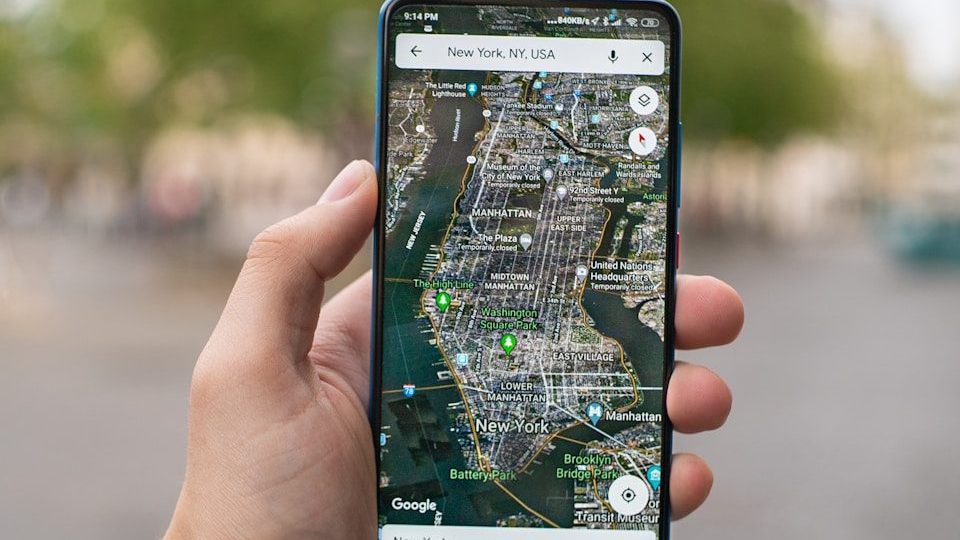
Open Google Maps right now. Go to your account settings. Find the section called Timeline.
What you are about to see is a complete, date-stamped, location-by-location record of almost everywhere you have physically been — possibly for years. Every coffee shop. Every doctor’s office. Every late-night drive. Every address you visited and never told anyone about.
Google has been quietly building this record since 2009. It is stored on Google’s servers. It has been handed to the police without a warrant in documented court cases. It has been used as evidence in criminal trials. It has been accessed by third-party advertisers to build targeting profiles of extraordinary detail.
Most people who discover their Timeline for the first time feel two things simultaneously. The first is amazement — the level of detail is startling. The second is a cold, sinking feeling — the realization that this information has existed for years without them consciously knowing it was being collected.
You did not sign a form agreeing to this specifically. You ticked a box during setup that most people do not read. That was enough.
The Timeline Feature Most People Have Never Actually Opened
Google Maps Timeline — previously called Location History — is not hidden. It is simply never mentioned. Google does not send you a notification saying your movements have been logged. There is no annual summary email. There is no prominent dashboard.
It sits quietly inside the Google Maps app under your profile icon. For users who enabled location tracking at any point — during a Google account setup, during an Android phone configuration, or while granting Maps permission to access location services — the Timeline may contain years of detailed movement data.
The records show the time you arrived somewhere. The time you left. The route you took. The mode of transport the system estimated you used. The name of the business, if it is registered on Google Maps. Sometimes the system will label locations — “Work,” “Home,” “Gym” — based on how frequently you visit.
It reads like a diary. One you never wrote — but that was written for you, automatically, without your active awareness.
The question is how far back it goes — and the answer depends on when you first activated location services on any Google-connected device.
This Data Has Already Been Used in Real Criminal Trials
This is not theoretical. It has happened — in documented, verified court cases — multiple times.
In 2020, a man in Florida was arrested for murder based partly on Google Timeline data that placed him near the crime scene at the time of the killing. His defense argued he had never consented to that level of surveillance. The data was admitted as evidence.
In multiple other cases, prosecutors used “geofence warrants” — a legal mechanism that allows law enforcement to request from Google the location data of every device that was present within a specific geographic area during a specific time window. Not a named suspect’s device. Every device in the area.
In 2023, a federal court ruled that geofence warrants of the type routinely used by law enforcement were unconstitutional under the Fourth Amendment. But hundreds of cases had already used this data before that ruling. And the data Google holds on you existed long before any court considered whether collecting it was appropriate.
Your location data is not just an advertising tool. It is potential legal evidence — and it has already been used as exactly that against people who had no idea it existed.
Advertisers Are Buying a Detailed Map of Your Physical Life
Google’s business model depends on advertising. Its advertising system is built on data. And location data is among the most valuable data an advertiser can purchase — because it tells them not just who you are online, but what you physically do in the real world.
A company selling gym memberships can target people whose location data shows they previously visited a gym but stopped going. A car dealership can target people who visited competing dealerships in the past 60 days. A hospital system can target people whose location history shows repeated visits to a specialist’s office.
This level of targeting is currently legal in most countries. Google’s advertising documentation describes location-based targeting in straightforward commercial language. What it does not include is a clear, plain-English explanation of the fact that these targeting categories were built using the historical location records of real people moving through their real daily lives.
The person who bought coffee at the same place every morning for two years before switching brands — their location data helped an advertiser figure out how to get them back. They never agreed to be part of that analysis. They just walked into a coffee shop.
Google Shared Your Location With Police Without Telling You
The practice has a name: a geofence warrant. And until 2023, it was used tens of thousands of times across the United States — often without the knowledge of the people whose data was accessed.
Law enforcement would identify a location where a crime occurred — a bank robbery, an assault, a protest — and submit a warrant to Google requesting the anonymized location data of every device present in that area during the relevant time window. Google would provide the data. Officers would then narrow down the list to persons of interest. If a suspect was identified, they would request a second warrant to unmask the identity behind the anonymized device.
In several documented cases, innocent people were identified as suspects based solely on the fact that their location data placed them near a crime scene. At least one person — a cyclist in Arizona named Jorge Molina — was arrested, held for six days, and released only when police identified the actual suspect. His location data had placed him near the scene because he regularly cycled through that neighborhood.
He had done nothing wrong. His location data, collected by a service he used for navigation, made him a suspect in a murder investigation.
The 43-Second Process to Delete All of It Right Now
You can delete your Google Location History. The process is straightforward and takes under a minute once you know where to look.
Open Google Maps. Tap your profile photo in the top right corner. Select “Your Timeline.” On the Timeline screen, tap the three-dot menu in the top right corner. Select “Settings and privacy.” Scroll to “Delete all Location History” and confirm.
You can also turn off future location collection. In the same settings screen, find “Location settings” and select “Location is on.” On the next screen, you can set it to “Off.” This stops Google from logging future location data for your account.
Google also offers an auto-delete option — setting your location history to automatically delete after three months or 18 months rather than storing it indefinitely. This option is in the same settings section.
One important note: deleting your Timeline data removes it from your personal view. Whether it is fully purged from Google’s server infrastructure — or retained in aggregated, anonymized form — is a question Google has not answered with complete public transparency.
Which brings up the final thing most people never consider.
When you delete your Google Timeline, you remove your own access to that history. What happens on Google’s servers is a different conversation entirely.
Google’s privacy policy states that some data may be retained in backup systems for a period of time after deletion. It also states that data may be retained to comply with legal obligations — meaning if law enforcement has issued a preservation request for your location data, Google is legally required to hold it even if you delete it from your end.
Additionally, Google collects location data through multiple systems simultaneously. Even with Location History turned off, Google can still infer your location from your IP address, from Wi-Fi networks you connect to, from the location tags on photos you upload to Google Photos, and from location data embedded in searches you perform on Google.com.
A 2018 investigation by the Associated Press found that Google continued to store location data even when users had explicitly disabled Location History — a finding that led to a 391 million dollar settlement with attorneys general from 40 US states in 2022.
Turning off one setting does not make you invisible. But knowing which settings to change, in combination, comes significantly closer to limiting what Google can see.
What the People Who Know Most About This Have Done
Privacy researchers, cybersecurity professionals, and journalists who cover surveillance technology make specific choices that the average user never considers.
They do not use Google Maps as their default navigation app. They use alternatives like Apple Maps — which does not retain location history on Apple’s servers by default — or open-source options like OsmAnd that store navigation data only on the device itself.
They disable location access for every app that does not require it to function. Weather apps, shopping apps, news apps, and social media apps routinely request location access. Denying it costs you nothing.
They regularly audit their Google account’s “Data and Privacy” dashboard — available at myaccount.google.com — which shows a full breakdown of every category of data Google is currently collecting. Most people who visit this page for the first time are surprised by the length of the list.
The most important realization is not that Google is uniquely malicious. It is that the system was designed to collect by default, retain by default, and share with third parties by default — and that reversing any of those defaults requires the user to actively choose to do so.
Most people never make that choice because they never knew the defaults existed.
Antarctica is famously known as a frozen desert. It is a land of endless ice and howling winds. However, researchers are currently warning that a dramatic transformation is occurring on the white continent. Scientists have spent decades tracking ice loss, but this new discovery is entirely biological. It is a silent change that is rapidly altering the landscape. According to researchers from the University of Exeter, two native flowering plants are spreading at an unprecedented rate. This sudden burst of green life is not a sign of recovery. Instead, it is a highly alarming warning signal that the delicate polar ecosystem is reaching a critical tipping point. The physical reality of this change is forcing climate experts to rethink how fast the region is warming. But this green expansion is only the first layer of a much deeper, more volatile problem that could impact the entire planet.
Moss and flowering plants are reclaiming the rocky shores of Antarctica. They are growing faster than ever before. According to a study published in the journal Current Biology, the growth rate of these plants has surged over the past decade. The research team analyzed satellite data and ground measurements to confirm the change. This greening is happening in areas where ice has recently melted away. It is a visual representation of rising global temperatures. But the greening of the landscape is only the first phase of a much larger ecosystem shift.
The polar climate is experiencing unprecedented heat spikes. These sudden warm spells are lasting longer during the summer months. According to reports from the British Antarctic Survey, some regions have seen temperature anomalies far above seasonal averages. This persistent warmth allows plants to flourish where ice once ruled. It is a dramatic change for a continent that has been frozen for millions of years. But this sudden warmth is also inviting unwanted visitors that do not belong in this fragile, icy desert.
Invasive species are finding a new home in the warming soils of Antarctica. They are hitchhiking on the boots and bags of tourists and researchers. According to a study by the University of Stellenbosch, foreign grass seeds and insects are successfully taking root in the region. These hardy invaders can easily outcompete the native polar species. They threaten to permanently alter the simple food webs of the continent. But there is a biological threat on the horizon that is even more terrifying than invasive plants.
A highly contagious virus has officially breached the icy borders of Antarctica. It is targeting the vulnerable wildlife populations. According to reports from the Spanish National Research Council, avian influenza was recently detected in dead seabirds on the Antarctic Peninsula. This deadly pathogen presents a severe threat to massive penguin colonies that have no immunity to the disease. The virus can spread rapidly through crowded nesting grounds. Meanwhile, the physical landscape is shifting in a way that could rewrite global coastal maps.
Giant floating platforms of ice are fracturing into the Southern Ocean. These ice shelves act as natural barriers that hold back massive land-bound glaciers. According to researchers at the National Snow and Ice Data Center, several major shelves have disintegrated rapidly in recent years. Without these barriers, glaciers can slide into the sea at an accelerated pace. This process directly contributes to global sea-level rise. Some experts believe one specific giant glacier is on the verge of a catastrophic collapse.
The Thwaites Glacier is roughly the size of Florida. It is melting from below because of warm ocean currents. According to a study by the International Thwaites Glacier Collaboration, deep channels are allowing warm water to eat away at the glacier’s underbelly. If this entire ice block collapses, it could raise global sea levels by several feet. This would trigger immediate flooding in coastal cities worldwide. But scientists have just spotted another clue that suggests the deep ocean is breaking down even faster.
The deep-water currents of Antarctica are slowing down. These currents act as a global conveyor belt that distributes nutrients and oxygen across the oceans. According to research published in the journal Nature, this circulation system has weakened by thirty percent since the 1990s. The slowdown is caused by a massive influx of fresh water from melting glaciers. This change could disrupt marine life across the globe. But scientists are already looking at how we must adapt to this rapidly shifting reality.
The changes happening in Antarctica are not isolated events. They are early warnings that affect every corner of our planet. Understanding these polar transformations is crucial for predicting the future of our climate. By studying these rapid shifts, scientists are working hard to build better climate models and warning systems. This knowledge can help coastal communities prepare for the rising tides ahead. The frozen continent is telling a story of change, and the world must listen carefully.
The United States is a nation built on the dreams and hard work of immigrants. Throughout history, individuals from all corners of the globe have arrived on American shores looking for opportunity. In return, they have completely transformed the country’s science, technology, art, and business landscapes. These trailblazers prove that diversity is America’s greatest strength. They have founded multi-billion-dollar companies, advanced medical science, and shaped popular culture. By studying their incredible journeys, we can see how the American Dream continues to inspire global innovation. But who are these remarkable figures? Many of the products you use every day and the ideas you value most came from these visionary minds. The first story begins with an immigrant who literally wired the modern world with his groundbreaking inventions.
Nikola Tesla arrived in New York in 1884 with little more than a book of poetry and a few coins in his pocket. He had big dreams. According to historical records from the Smithsonian Institution, the Serbian inventor went on to develop alternating current electricity. This system still powers the modern world today. Tesla also pioneered wireless communication and early robotics. Despite facing severe financial struggles and intense rivalry, his genius could not be suppressed. His contributions laid the foundation for the entire electrical grid we rely on every single second. But another brilliant European immigrant would soon escape war to revolutionize our understanding of the universe. This physicist became the ultimate symbol of scientific genius.
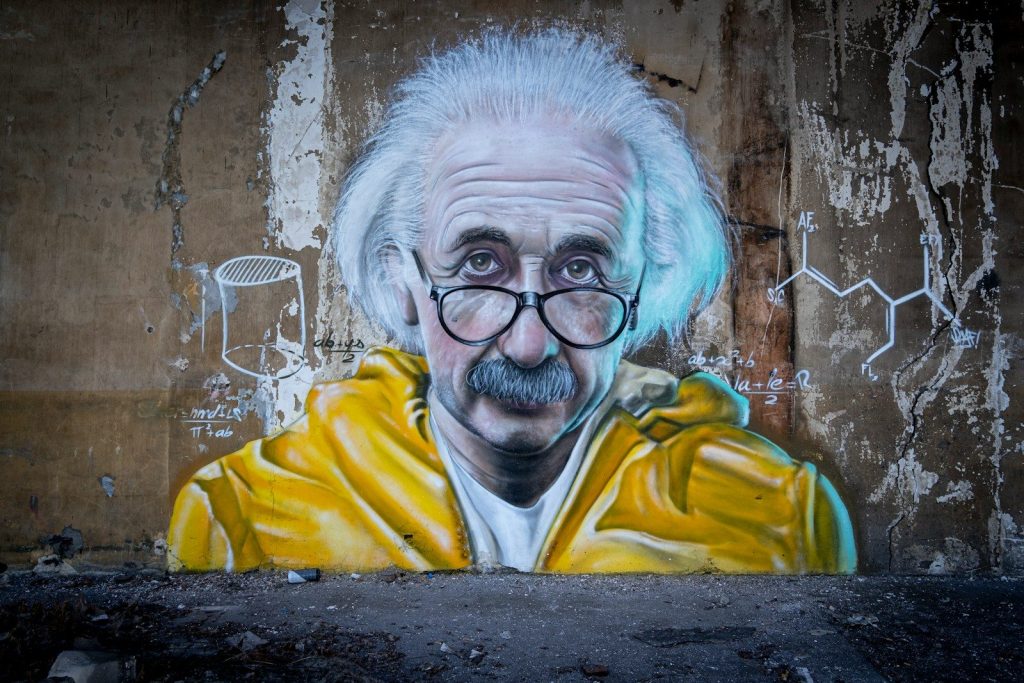
Albert Einstein fled Nazi Germany in 1933 to accept a position at Princeton University. It was a historic move. According to historical records, the Jewish physicist brought his revolutionary theory of relativity to American shores. This work completely reshaped the field of modern physics and ushered in the atomic age. Einstein was also a passionate advocate for civil rights and humanitarian causes in his adopted home. His iconic name became globally synonymous with high intellect and creativity. But immigration has also driven the modern tech revolution in Silicon Valley. The co-founder of the world’s most popular search engine was born in the Soviet Union.
Sergey Brin was just six years old when his family immigrated to the United States from the Soviet Union to escape anti-Semitism. It was a difficult transition. According to reports from Forbes, Brin co-founded Google in a Stanford University dorm room. This search engine revolutionized how humanity accesses information and built one of the most valuable companies on Earth. Brin’s story is a classic example of how welcoming young minds can lead to massive economic growth. He helped turn Silicon Valley into the technological capital of the world. However, another modern visionary from Africa is pushing the boundaries of space travel. This immigrant is currently working to put humans on Mars.
Elon Musk was born in South Africa and immigrated to the United States after studying in Canada. He has a massive vision. According to reports from Bloomberg, Musk has founded several revolutionary companies, including SpaceX and Tesla. His vision has single-handedly forced the global auto industry to transition to electric vehicles. His rockets have also privatized space travel and lowered the cost of satellite launches. While his public persona is often controversial, his impact on modern engineering is undeniable. But immigrants have also shaped the foods we eat and the household brands we love. A young immigrant from Germany built a company that still dresses millions of Americans today.
Levi Strauss immigrated to America from Bavaria in 1847 to escape difficult economic conditions. He was very ambitious. According to historical reports from the Smithsonian, he traveled to San Francisco during the gold rush to open a dry goods business. There, he partnered with a tailor to invent the first pair of riveted blue jeans. This sturdy work pants design became a global symbol of American style and culture. Today, his company remains a massive household brand. But another immigrant would use his culinary passion to build a global food empire. This chef introduced a classic Italian product that became an American staple.
Ettore Boiardi arrived at Ellis Island from Italy in 1914 as a teenager. He possessed amazing skills. According to historical archives, his culinary talents quickly earned him a job as a head chef at top New York restaurants. He eventually opened his own restaurant and began canning his famous pasta sauce for customers to take home. This led to the creation of the massive food brand Chef Boyardee. His face still grins from millions of grocery store shelves across the nation. But immigrants have also reached the highest levels of American government and diplomacy. This female trailblazer became the first woman to serve as Secretary of State.
Madeleine Albright arrived in the United States as a young refugee escaping the horrors of World War II and communism in Czechoslovakia. It was a long journey. According to reports from the Department of State, she rose through the ranks of academia and politics to become the country’s first female Secretary of State. Her fierce intelligence and diplomatic skill shaped American foreign policy during a critical era of global transition. Albright was a passionate champion of democracy and human rights until her passing. Her remarkable life proves that immigrants can serve their adopted nation with unmatched loyalty. But our final story is about a brilliant creator who defined the sound of American patriotism. This composer wrote one of the most famous patriotic songs in American history.
Irving Berlin fled severe persecution in Russia and arrived in New York City in 1893. He loved his new home. According to historical records, the young immigrant taught himself to play the piano and began writing songs. He went on to compose classic hits like God Bless America and White Christmas. His music captured the very heart and soul of his adopted country during both war and peace. Berlin always expressed deep gratitude to the nation that welcomed his family with open arms. Ultimately, these diverse immigrant voices prove that America is not defined by where we come from, but by what we build together.
Smart homes can make daily life easier, but they also add more little doors into your home network. Cameras, speakers, lights, thermostats, doorbells, plugs, and TVs may all connect to the internet. That means each one needs a little care, not just a quick setup and forget-it approach.
The good news is that smart home safety does not have to be hard. Federal guidance from the FTC and CISA points to simple habits like changing default passwords, updating devices, using strong Wi-Fi encryption, and keeping guest devices separate from your main network. These small checks can lower risk without making your home feel complicated. Think of them like checking locks before bed: quick, simple, and worth doing.
Many smart devices and routers come with default login details. Those settings are meant to help with setup, but they are not meant to stay forever.
CISA warns that default usernames and passwords may be easy to find online or even printed on the device. Change them to something long, unique, and hard to guess before adding more gadgets to your home.
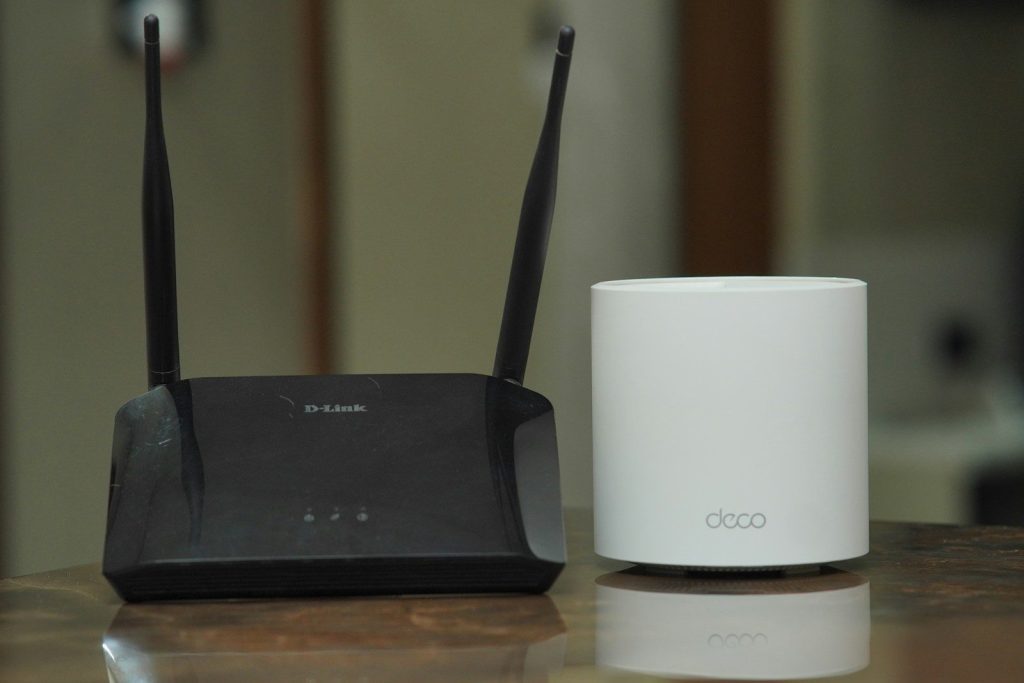
Your router is the front door for your connected home. If it is outdated, every smart device behind it may be easier to reach.
The FTC recommends checking for router hardware and software updates, along with changing default settings. Make router updates part of your regular home routine, just like replacing air filters or testing smoke alarms.
A weak Wi-Fi setup can make even good smart devices less safe. Your home network should use modern encryption, not old settings that are easier to break.
The FTC says WPA3 Personal is the newer and best available option, while WPA2 Personal is also recommended when WPA3 is not available. Check your router settings and avoid older security modes when possible.
Visitors, old tablets, and random smart gadgets do not always need access to your main network. A guest network gives them a separate space to connect.
CISA recommends enabling the guest Wi-Fi option when your router offers it. Use a separate long, random, and unique password for that network so your main devices stay better protected.
Smart home apps may ask for access to your location, microphone, camera, contacts, or notifications. Some permissions make sense, but others may not be needed for daily use.
Open your phone settings and check what each app can access. If a light bulb app does not need your location all the time, change it. Less access usually means fewer privacy worries.
Many smart home systems connect through an online account. If that account is weak, someone may control settings, view activity, or change connected features.
Use a strong password and turn on multifactor authentication when the app offers it. The FTC has encouraged stronger steps like unique passwords and multifactor authentication for internet-connected devices and services.
Old smart plugs, cameras, bulbs, and speakers can linger in apps long after you stop using them. That clutter can make it harder to know what is still connected.
Delete retired devices from your smart home apps and factory reset them before giving them away. If a device no longer receives updates, consider disconnecting it from your network instead of leaving it online.
Smart cameras and doorbells are useful, but they deserve extra attention because they collect sensitive home activity. A quick settings review can make them feel safer to use.
Check who has account access, where recordings are stored, and whether alerts are too broad. NIST notes that smart home privacy and security choices can include better control over what data devices collect.
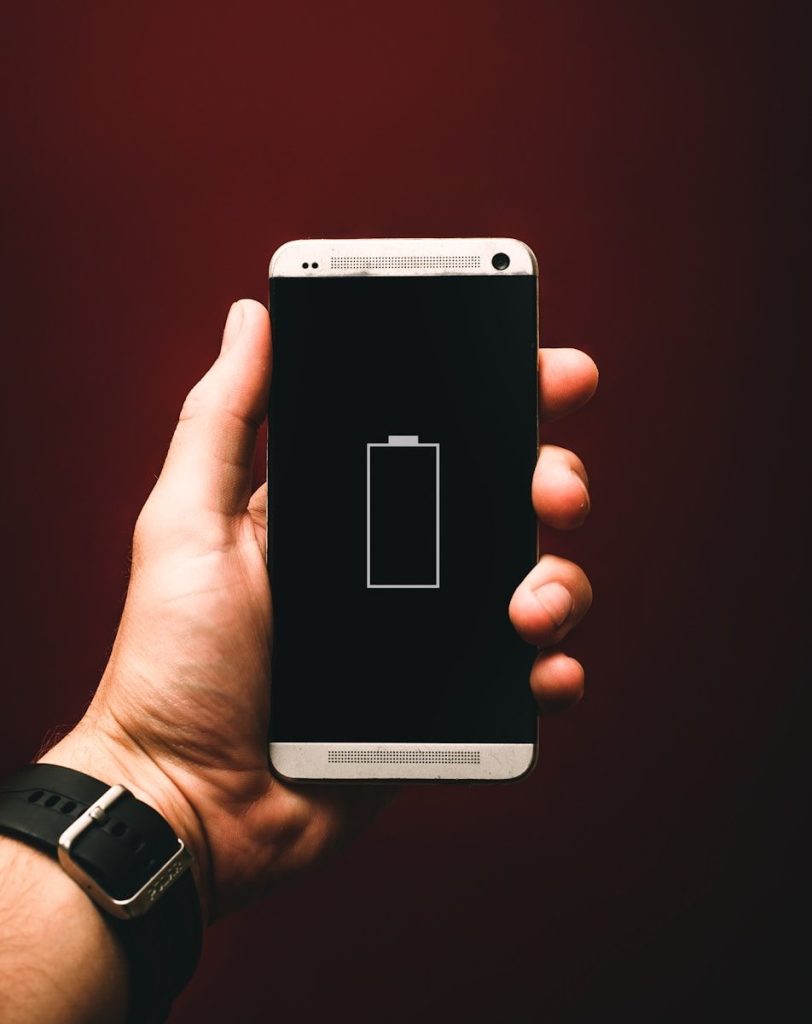
Phone battery advice can get confusing fast. Some people say you should drain your phone to zero. Others say never charge it overnight. Then there are tips about brightness, heat, fast charging, background apps, and battery-saving modes. The truth is simpler: modern phones are smart, but daily habits still matter.
Most phones use lithium-ion batteries, and those batteries slowly age with time, heat, charging patterns, and heavy use. You do not need to baby your phone every minute, but a few easy changes can help it last longer between charges and stay healthier over the years. Apple, Google, and Samsung all point to the same basic ideas: avoid extreme heat, use built-in battery tools, watch power-hungry apps, and charge in ways that reduce stress when possible.
Heat is one of the biggest battery enemies. Apple says exposing a device to temperatures above 95°F can permanently reduce battery capacity, which means the phone may not last as long on each charge.
That matters during normal life. Do not leave your phone baking on a car dashboard, under direct sun, or under a pillow while charging. A cooler phone is usually a happier phone.
Old battery advice said you should drain a device fully before charging it again. That does not fit modern phone batteries. Deep draining every day can add extra stress and make your phone feel less reliable.
A better habit is topping up before the battery gets very low. You do not need to panic at every low-battery warning, but regularly running down to zero is not a smart long-term routine.
Your phone already has tools that help manage power in the background. Google says Adaptive Battery and battery optimization help apps use battery only when needed, and these settings are usually on by default.
It is still worth checking. If your phone is draining fast, look at the battery settings and see which apps are using the most power. One busy app can quietly shorten your day.
The screen is one of the biggest battery users on most phones. A very bright display looks nice, but it can drain power faster, especially during long scrolling, video watching, or navigation.
Auto-brightness can help by adjusting the screen based on your surroundings. You can also lower the brightness by hand when indoors. This small habit often makes a real difference without changing how you use the phone.
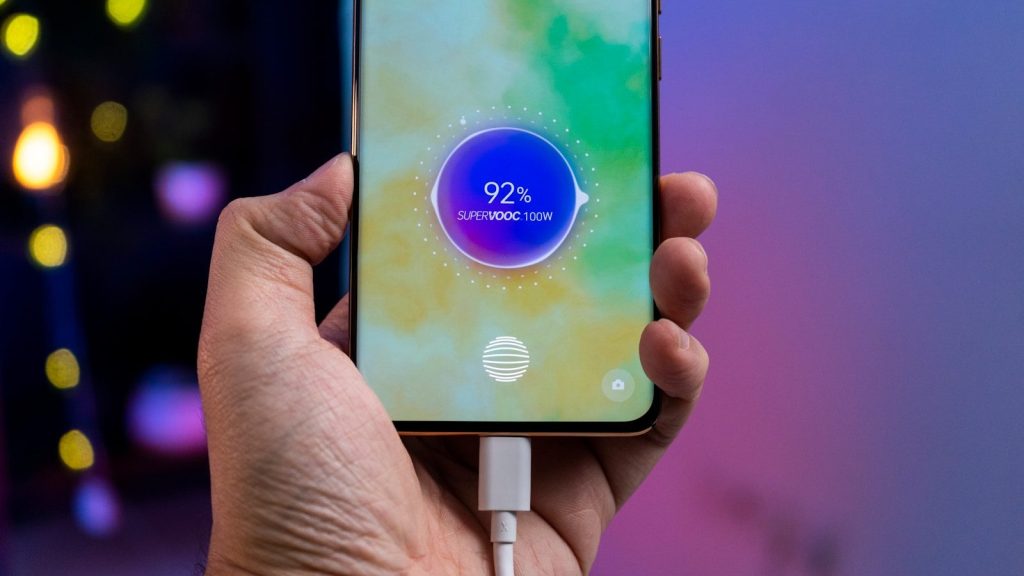
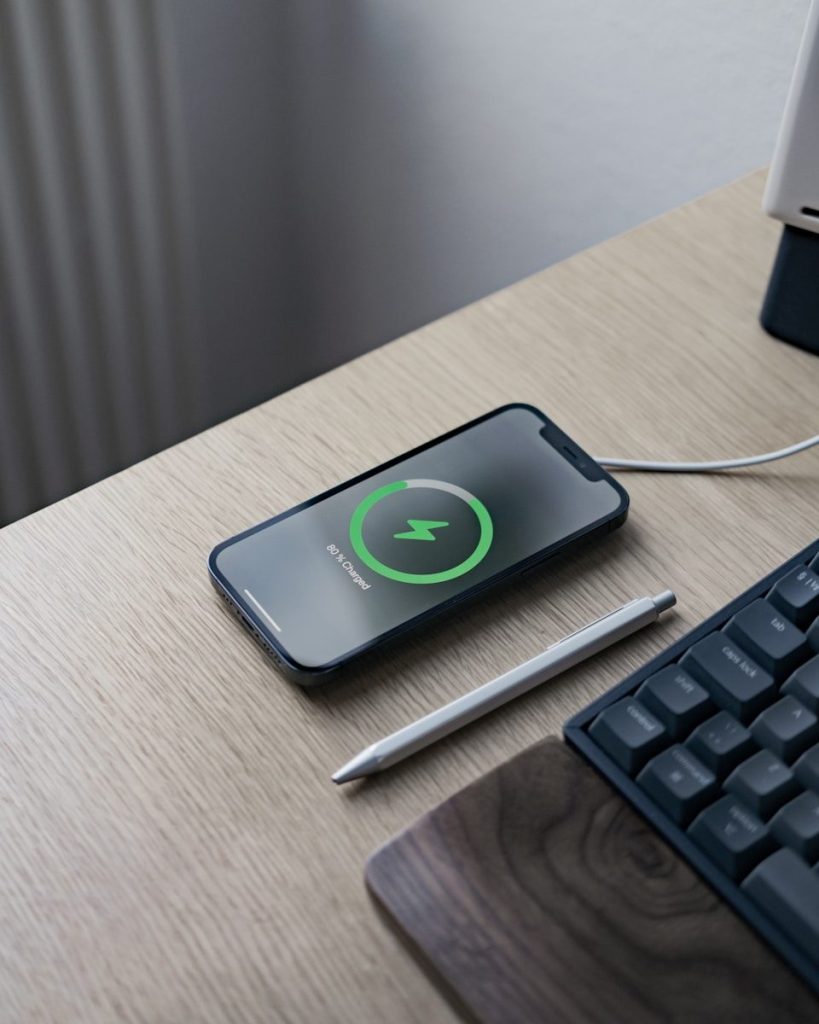
A charger is not just a simple plug. Charging speed and safety can depend on the cable, adapter, phone model, and supported charging standard. Samsung notes that fast charging requires compatible adapters, cables, and supported devices.
Cheap or worn-out chargers can also cause problems. Use reliable accessories from trusted brands, and replace damaged cables. A loose or frayed cable is not worth the risk.
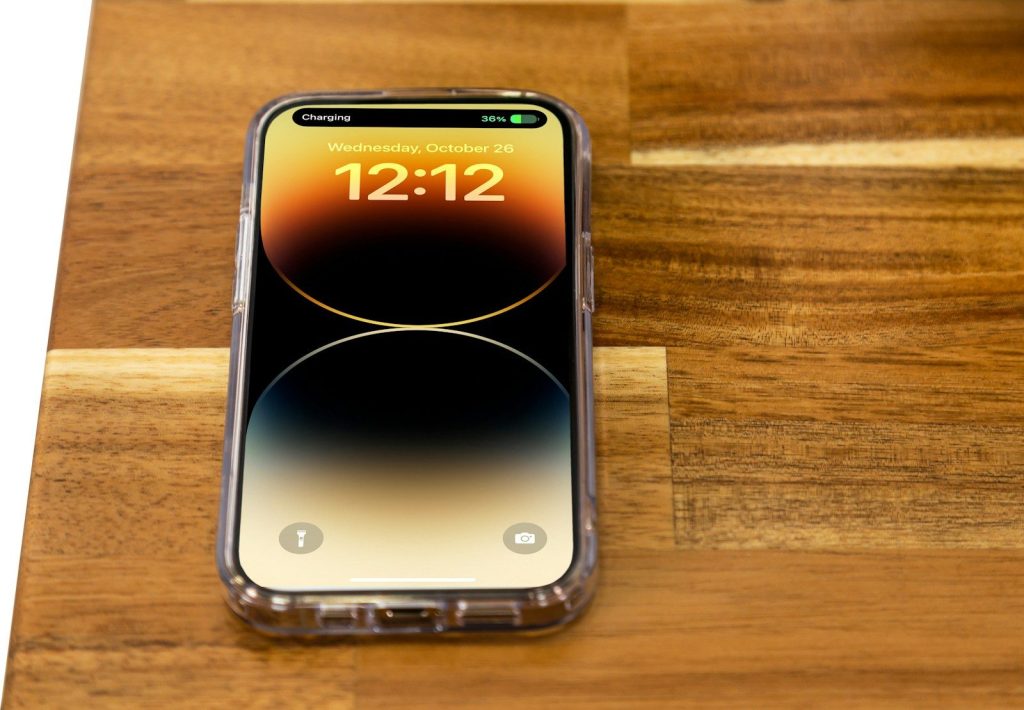
Many phones now include features that slow or limit charging to reduce battery wear. Apple offers charging features meant to help reduce battery aging, and newer Pixel phones include charging optimization options such as Adaptive Charging or an 80% limit on supported models.
These tools are helpful if you charge overnight or keep your phone plugged in often. You still get a usable phone, but the battery may face less stress over time.
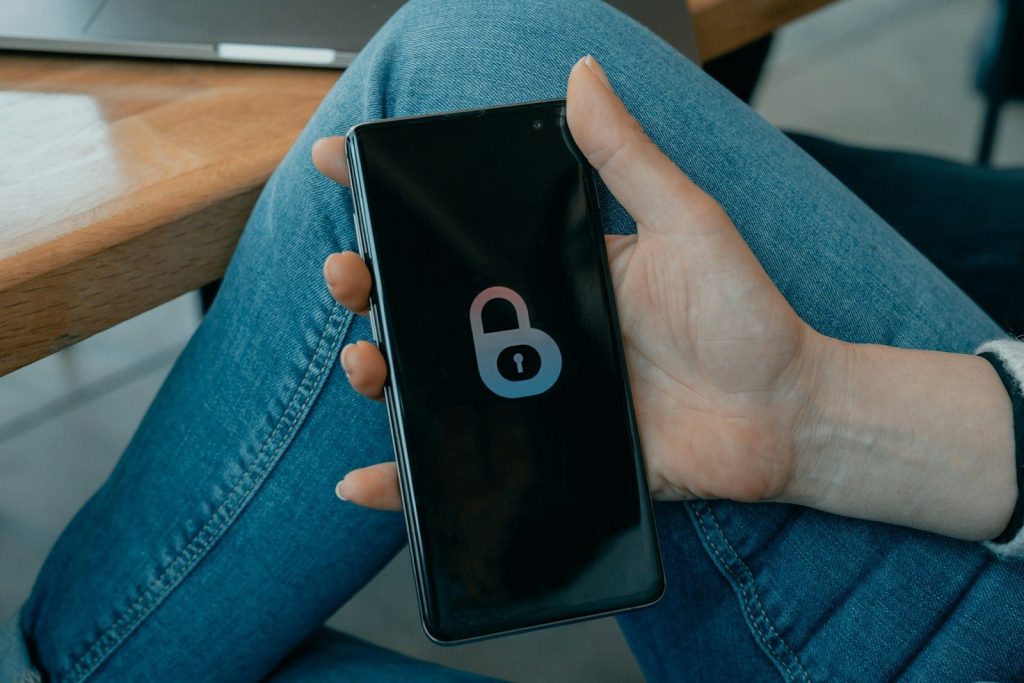
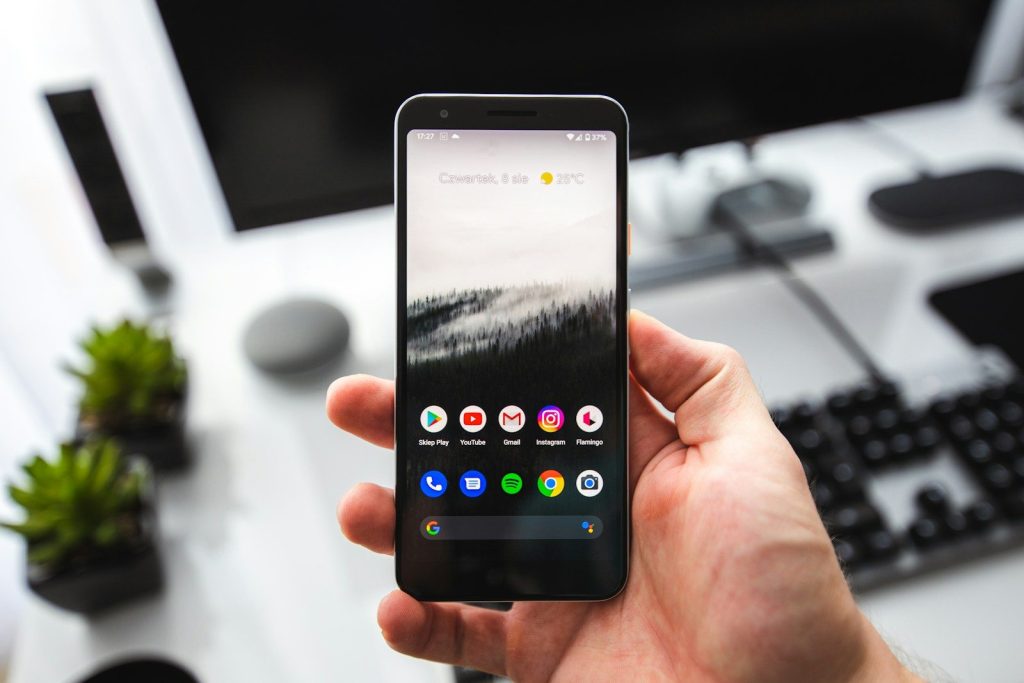
Your phone knows a lot about your daily life, from where you go to which apps use your camera, microphone, contacts, photos, and files. That can feel a little overwhelming, especially when apps ask for permissions in the middle of normal use. Android helps by putting many privacy controls directly in Settings, so you can review what apps can access and change those choices later.
You can check recent permission use, limit location sharing, remove permissions from apps you no longer use, and quickly adjust camera or microphone access. These tools do not mean every app is perfect, but they do give users more say over what stays private and what gets shared. Google says Android’s Privacy Dashboard can show recent access to sensitive permissions like camera, microphone, and location.
Android lets you review app permissions from one place instead of hunting through every app one by one. You can open Permission Manager and see which apps have access to things like location, camera, microphone, contacts, and files.
That makes privacy feel less hidden. If an app has access it no longer needs, you can change the setting. You are not stuck with the choice you made when the app was first installed.
The Privacy Dashboard helps show which apps recently used sensitive permissions. That can include access to your camera, microphone, and location, depending on your device and Android version.
This is helpful because privacy problems are often hard to spot. A quick look at recent access can reveal whether an app is using a permission more often than expected. From there, you can decide what to allow.
Not every app needs your exact location. Android gives users the option to share approximate location with apps instead of precise location when exact tracking is not needed.
That small choice can make a big difference. A weather app may only need your general area, while a navigation app may need more detail. Android lets you match the permission to the real purpose.
Android includes privacy indicators that show when an app is using the camera or microphone. On supported devices, these signs appear near the top of the screen while the sensor is active.
That gives users a simple warning signal. If you see an indicator and do not expect it, you can check which app is responsible and adjust its access. It turns invisible activity into something easier to notice.
Some Android permissions can be granted only for one use. For example, an app may get temporary access to your location, camera, or microphone, then need to ask again later.
This is useful for apps you do not fully trust yet, or for features you only use once in a while. You can finish the task without giving the app long-term access to sensitive information.
Android can reset permissions for apps you have not used in a while. That helps reduce old access you may have forgotten about, especially from apps sitting quietly on your phone.
It is a practical safety net. People often download apps for one trip, one event, or one task, then never open them again. Android helps make sure those apps do not keep unnecessary permissions forever.
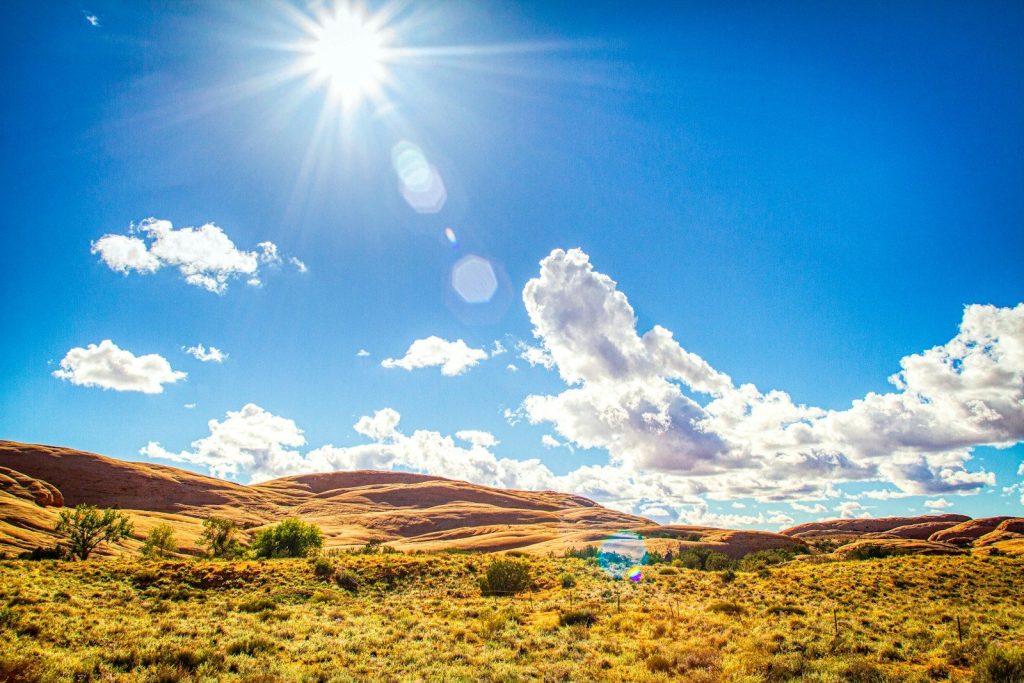
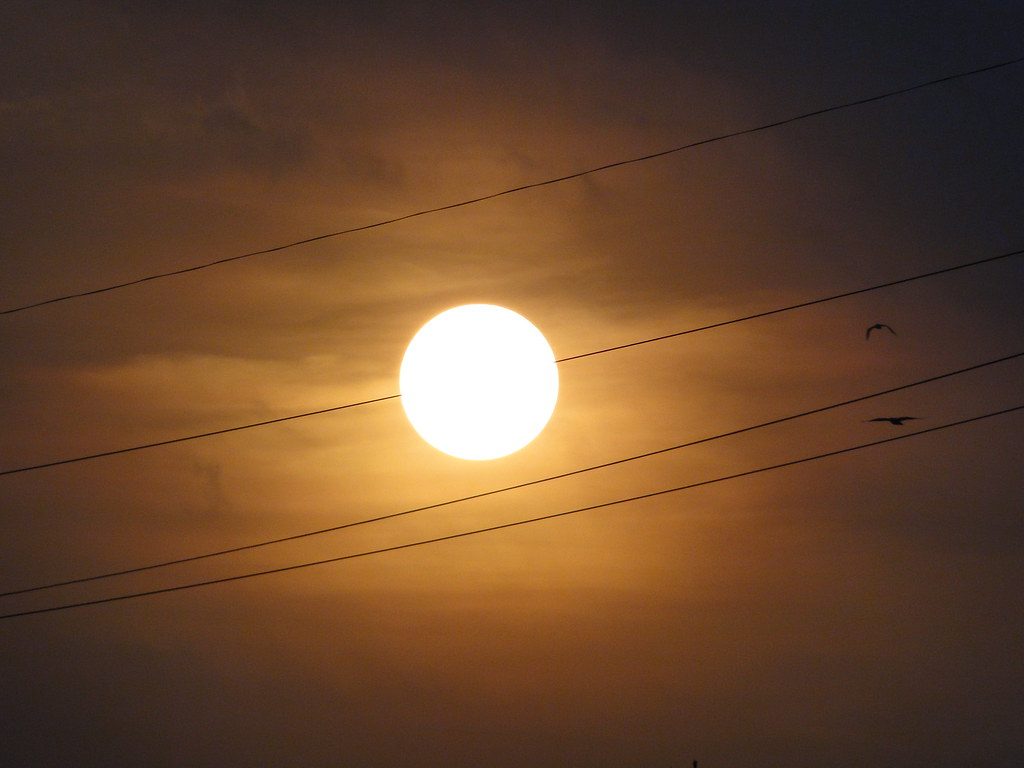
The Sun feels familiar because we see it every day, but its influence does not stop at daylight or warm weather. It sends out light, heat, charged particles, magnetic activity, and a steady stream of solar wind that spreads across the solar system. That energy helps shape Earth’s climate, powers photosynthesis, drives space weather, and even affects how scientists search for life on planets around other stars.
NASA explains that space weather from the Sun can affect Earth and the rest of the solar system, even from about 93 million miles away. At its strongest, solar activity can disturb satellites, radio signals, and power systems. The same star that supports life can also create challenges for technology, astronauts, and distant worlds.
Life on Earth depends heavily on sunlight. Plants, algae, and some bacteria use the Sun’s energy to make food, which supports many food chains across land and oceans.
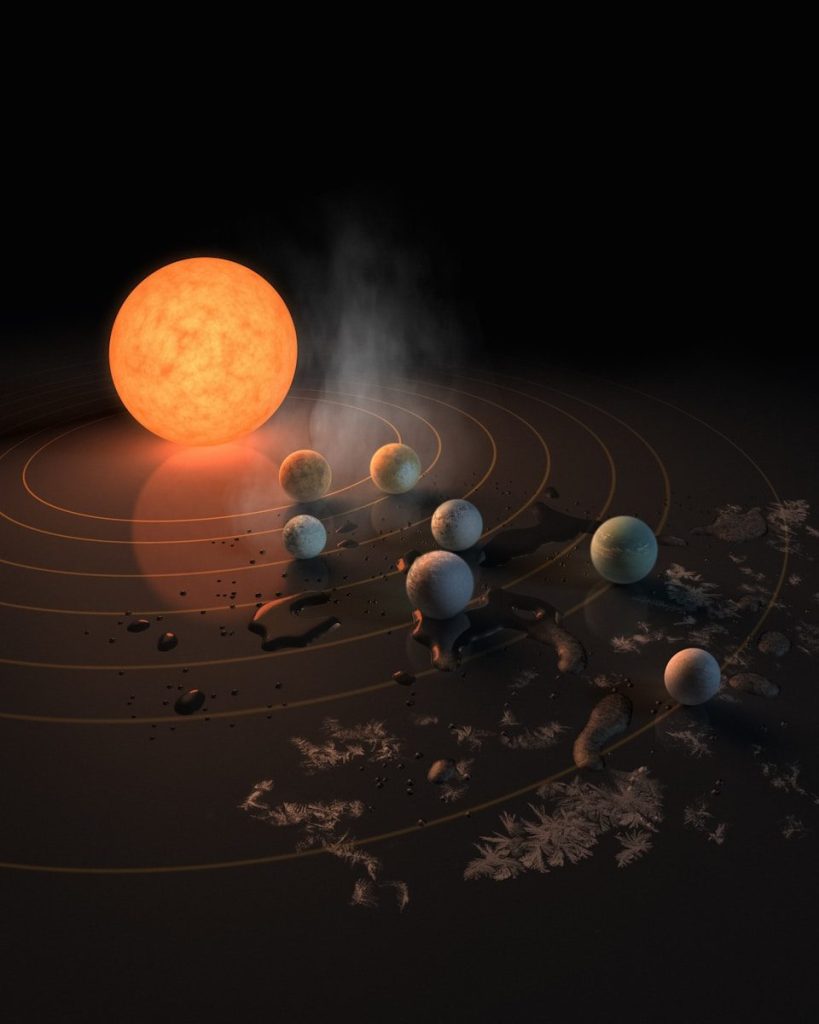
That same idea matters beyond Earth, too. When scientists study distant planets, they often ask whether a star gives enough steady energy for liquid water and long-term habitability. NASA says the habitable zone is the distance from a star where liquid water could exist on a planet’s surface.
A planet’s distance from its star can decide whether it is too hot, too cold, or possibly mild enough for life. This “just right” region is often called the habitable zone.
But distance is only part of the story. A planet also needs the right atmosphere, useful chemistry, and some protection from harmful radiation. NASA notes that habitable conditions can include liquid water, nutrients, a stable energy source, and an atmosphere that shields against radiation.
The Sun constantly releases a stream of charged particles called solar wind. This flow travels far beyond Earth and helps shape the space environment around planets, moons, and spacecraft.
Solar wind is not something people can see directly, but its effects are real. It can interact with magnetic fields, stir up auroras, and carry the Sun’s influence deep into the solar system. ESA notes that spacecraft and ground systems continually monitor solar wind and space weather.
Auroras are one of the most beautiful signs that the Sun reaches Earth in more ways than sunlight. They happen when charged particles interact with Earth’s upper atmosphere near the poles.
Earth’s magnetic field helps guide some of that activity toward polar regions. ESA explains that solar wind can enter deeper into the upper atmosphere through polar openings in Earth’s magnetosphere, helping create the colorful displays we call auroras.
Solar storms can affect modern life because so much technology depends on space-based and radio systems. Strong solar activity may disrupt radio communication, GPS, satellites, and electric power systems.
NOAA says solar flares can produce strong X-rays that degrade or block high-frequency radio waves. Its Space Weather Prediction Center also tracks impacts on GPS, satellites, radio communication, aviation, and electric power systems.
Astronauts and spacecraft face a harsher environment than people on Earth. Without Earth’s atmosphere and magnetic shield, solar particles and radiation become much bigger concerns.
That is why space agencies watch the Sun closely. Solar storms can affect spacecraft electronics, communication links, and crew safety during missions. Better forecasting helps mission teams plan safer routes, adjust schedules, and protect equipment before strong space weather arrives.
The Sun creates a huge region around the solar system called the heliosphere. This bubble is shaped by solar wind and helps separate our solar system from much of the surrounding interstellar space.
Scientists study the heliosphere because it affects how high-energy particles move through the solar system. Research cited by ScienceDaily describes the heliosphere as a first shield against some galactic cosmic rays, which may play a role in making the solar system more habitable.
The Sun is also a guide for studying life around other stars. By learning how our star affects Earth, scientists can better judge whether planets around distant stars may be friendly to life.
Some stars are calmer, while others flare more often. That matters because strong radiation and space weather can change a planet’s atmosphere over time. NASA says more than 5,800 exoplanets have been confirmed, giving scientists many worlds to compare.
The Sun is not just the center of our solar system. It is a powerful force that shapes planets, protects space, disrupts technology, and gives life a chance to grow.
That makes it important far beyond Earth. Every solar flare, stream of solar wind, and quiet beam of sunlight helps scientists understand how stars influence worlds. The more we learn about the Sun, the better we understand what life may need elsewhere.