Blog

  • Why This New Wall-Dweller is Actually Your Best Friend

    Why This New Wall-Dweller is Actually Your Best Friend

    Most people scream when they see a small, scaly creature dart across their living room wall. We have been taught to fear anything that crawls, but it is time for a change of heart. Scientists are discovering that the common House Gecko is one of the most beneficial roommates you can have. These “wall-dwellers” are actually highly efficient, natural pest control systems that work for free.

    Instead of reaching for a can of toxic bug spray, you might want to thank the gecko for its service. They are moving into urban areas in record numbers, adapting to our brightly lit homes. They are not just “uninvited guests”—they are your first line of defense against much scarier things. But what exactly are they hunting while you are asleep?

    The Tiny Predator That Eats Your Biggest Nightmares
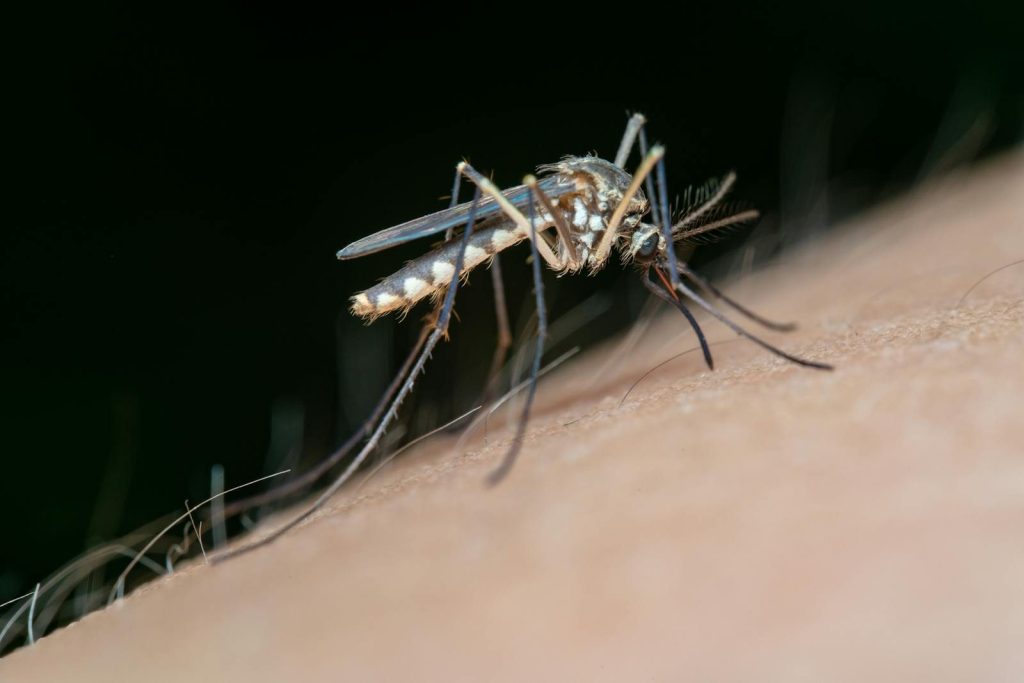
    Close-up view of a mosquito feeding on human skin in a detailed macro shot.
    Photo by Jimmy Chan on Pexels

    While you are sleeping, your gecko is on a mission. A single house gecko can eat dozens of insects in a single night. Their favorite snacks include mosquitoes, houseflies, and even young cockroaches. These are the same pests that carry diseases and cause allergies in humans.

    Geckos are the “silent ninjas” of the animal kingdom. They use their specialized toe pads to walk on ceilings and glass, allowing them to hunt in places other predators can’t reach. Having a gecko is like having a non-toxic, self-cleaning insect trap. But how do they manage to stay on the ceiling without falling on your head?

    The Science Of The World’s Stickiest Feet

    bacteria, microbiology, organism, biology, science, medicine, healthcare, microscopic, disease, genetic, bacteria, bacteria, bacteria, bacteria, bacteria
    Photo by qimono on Pixabay

    The gecko’s ability to walk on walls is so incredible that NASA and medical researchers are studying it. They don’t use glue or suction. Instead, their feet are covered in millions of microscopic hairs that use “Van der Waals forces” to stick to surfaces at an atomic level.

    This means they can hold their entire body weight with just one toe. Scientists are now trying to copy this “gecko-grip” to create better bandages and climbing gear for humans. Your wall-dweller is a living piece of high-tech engineering. But if they are so great, why do they make those strange clicking sounds at night?

    They Are One Of The Only Lizards That Can Talk

    microphone, music, speech, concert, studio, sound, mic, equipment, karaoke, broadcasting, communication, record, radio, live, audio, voice, vocal, musical, party, gray music, gray community, gray party, gray communication, gray microphone, gray radio, gray concert, microphone, microphone, mic, mic, mic, mic, mic, karaoke, radio, radio
    Photo by lincerta on Pixabay

    Unlike most reptiles that are completely silent, geckos are very vocal. If you hear a series of “chik-chik-chik” sounds coming from your walls, it’s not a ghost—it’s your gecko talking to its friends. They use these sounds to defend their territory and find mates.

    In many cultures, hearing a gecko is considered a sign of good luck. They are social creatures that have learned to live alongside humans without causing any trouble. They don’t bite, they aren’t poisonous, and they don’t eat your food. They just want your bugs. But there is a secret reason why they love your LED lights so much.

    Why Urban Geckos Are Actually Getting Smarter

    buttlefly, light, blue, luz, naturaleza, belleza, luz, luz, luz, luz, luz
    Photo by santiagopazan032 on Pixabay

    Geckos that live in cities have adapted in a fascinating way. They have learned that outdoor porch lights and indoor lamps are “buffets” for bugs. They will wait patiently near a light source for hours, knowing that their dinner will eventually fly right to them.

    Studies show that city geckos are more aggressive and better hunters than their forest cousins. They have hacked our lifestyle to make their own lives easier. They are even beginning to recognize the humans who live in the house. But is it true that they can grow their tails back like a magic trick?

    The Miracle Of The Regenerating Tail
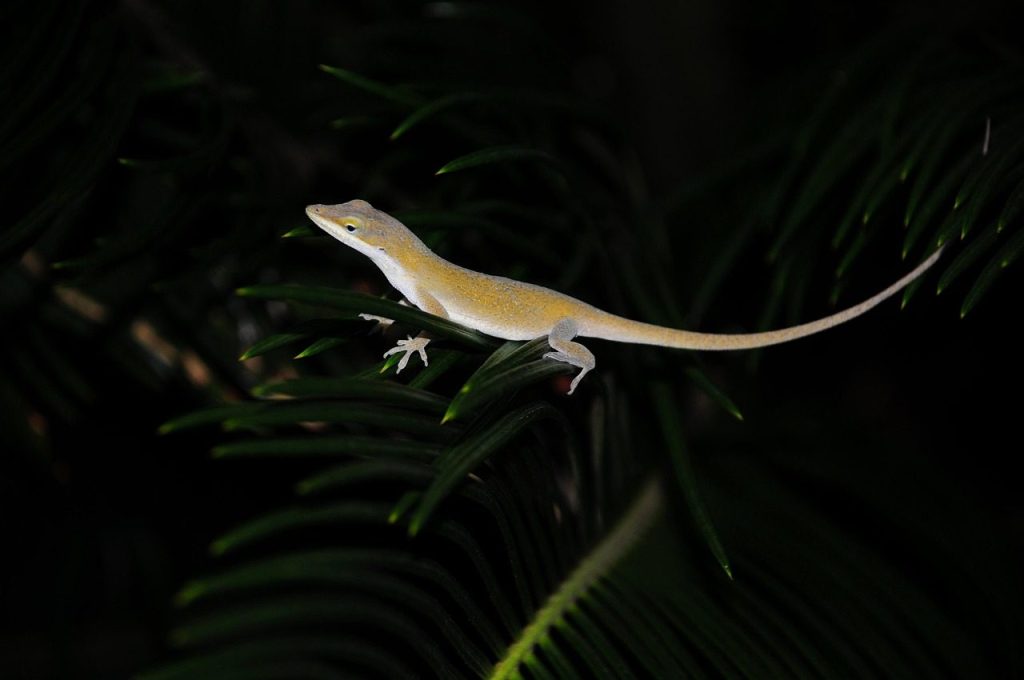
    lizard, reptile, nature, wildlife, plant, garden
    Photo by anselmo7511 on Pixabay

    If a predator (or a scared human) tries to grab a gecko, the gecko can instantly drop its tail. The tail keeps wiggling on the floor to distract the enemy while the gecko makes a clean escape. Within a few weeks, a brand-new tail grows back, complete with new bones and nerves.

    Doctors are studying this regeneration to see if we can eventually help humans regrow damaged tissue or even limbs. Every time you see a gecko with a short, stubby tail, you are looking at a survivor. They are tough, smart, and essential to our ecosystem. But what happens if you have too many of them in one room?

    How To Be A Good Roommate To Your Gecko

    person holding green leaf plant
    Photo by Kasturi Laxmi Mohit on Unsplash

    If you want to keep your “pest control team” happy, the best thing you can do is leave them alone. Avoid using heavy pesticides, as these can poison the geckos when they eat the bugs. Make sure they have a small gap or crack where they can hide during the day.

    Once they know your home is safe, they will stick around for years. You’ll notice fewer spiders in the corners and fewer flies in the kitchen. It’s a win-win situation for everyone. But while geckos are climbing our walls, something much larger is moving upward in Australia.

    Why We Need To Protect Our Scaly Neighbors

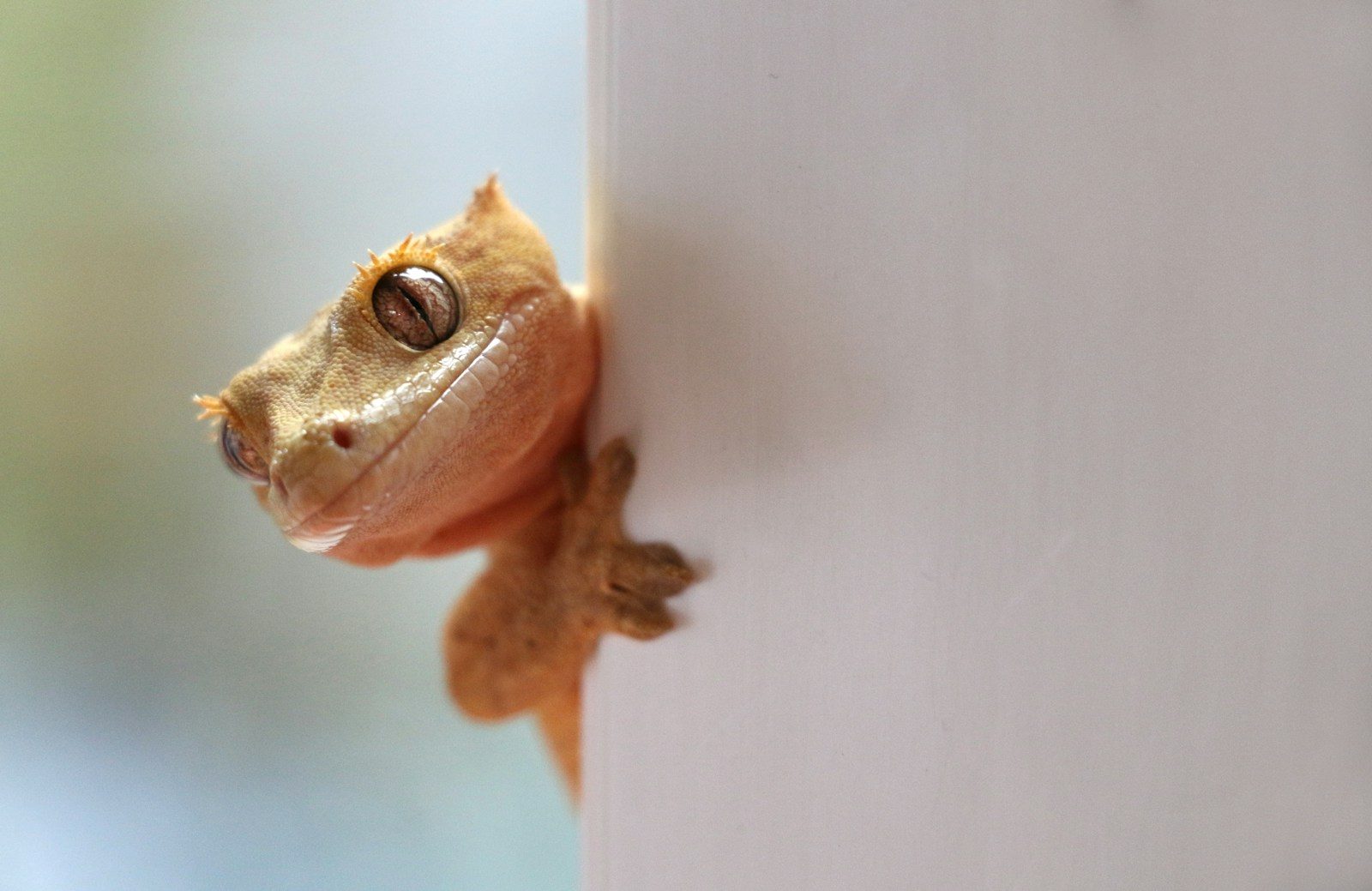
    gecko, reptile, terrarium, lizard, scales, macro, worm, animal, wild animal, wildlife, nature, animal world, wildlife photography, close up, portrait
    Photo by torstensimon on Pixabay

    As we build more cities, we are destroying the natural habitats of many animals. Geckos are one of the few species that are actually helping us bridge that gap. They show us that nature can thrive even in a concrete jungle.

    Next time you see a “wall-dweller,” don’t reach for the broom. Give them a nod of respect. They are keeping your home healthy, one bug at a time. They are the best friends you never knew you had. But why are Australia’s giant stone pillars starting to rise out of the sand?

    Featured Image: Photo by Pierre Bamin on Unsplash

  • Their Webs Are Now Used as Bio-Sensing Microphones

    Their Webs Are Now Used as Bio-Sensing Microphones

    For years, we thought spider webs were just sticky traps for flies. But in 2026, scientists discovered that these intricate structures are actually the world’s most sensitive natural microphones. Researchers have successfully used the silk of a common garden spider to pick up sub-vocalizations and distant sounds that even high-tech human devices miss. Because the silk is so thin and flexible, it vibrates in response to the tiniest air particles. These vibrations can be translated into digital audio with incredible clarity.

    This isn’t just a cool lab experiment. This discovery is hitting the news as a massive breakthrough for bio-sensing technology. We are looking at a future where our sensors are woven into our clothing or even our environment using natural materials. The physics behind how these webs capture sound is making engineers rethink everything they knew about acoustics. It turns out the spider has been listening to us all along, and we are just now learning how to hear back. But how does a piece of protein actually talk to a computer?

    The Secret Strength of Silk

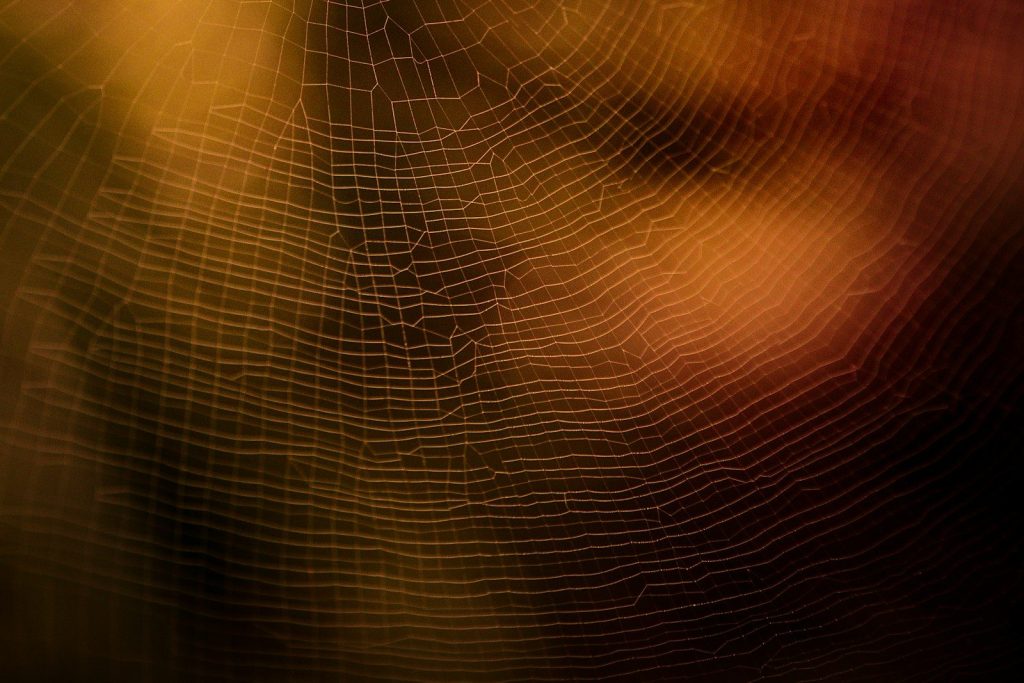
    spider web in close up photography
    Photo by Joe Dudeck on Unsplash

    Spider silk is five times stronger than steel and more flexible than nylon. This combination makes it the perfect material for a vibrating sensor. In 2026, engineers have learned how to coat this silk with a microscopic layer of gold to make it conductive. When sound waves hit the web, it moves, creating an electrical signal that a computer can read. It is a masterpiece of biological engineering that humans are finally beginning to copy. But wait until you see how this “ear” can detect movement from miles away.

    Nature’s Most Sensitive Antenna

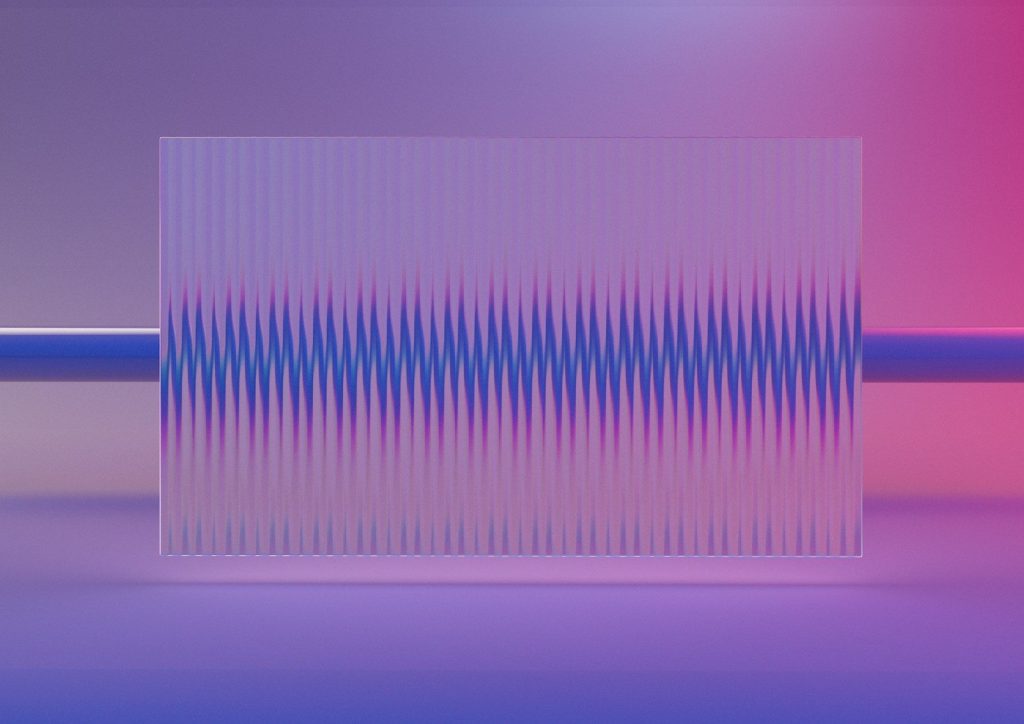
    a blurry image of a square shaped object
    Photo by and machines on Unsplash

    Unlike metal microphones that can be heavy and blunt, a spider web microphone is almost weightless. It can detect frequencies that are too low for humans to hear. This makes it an incredible tool for tracking weather patterns or even underground tremors. Scientists are calling it a “Hyper-Antenna” that could help us predict earthquakes before they happen. It captures the rhythm of the planet in real-time. But this technology is also about to change how we help people with hearing loss.

    The Future of Hearing Aids

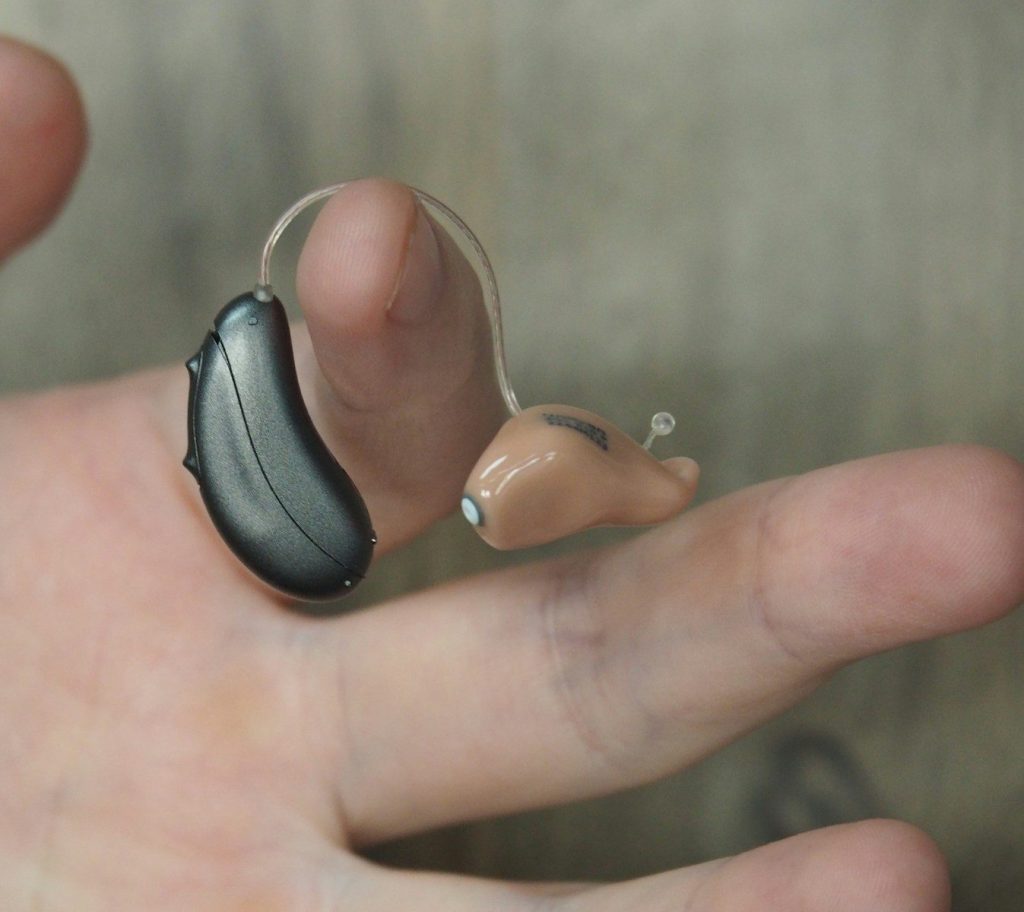
    a person holding a fake banana in their hand
    Photo by Mark Paton on Unsplash

    Traditional hearing aids often struggle with background noise. Because the spider web sensor is so precise, it can “lock on” to a single voice in a crowded room. Doctors are currently testing the first prototypes of “Bio-Hears.” These devices use synthetic spider silk to provide a natural, high-definition hearing experience. It is a game-changer for millions of people who feel isolated by their hearing loss. But the web isn’t just for listening to people; it is also a silent guard.

    Invisible Security in Your Home

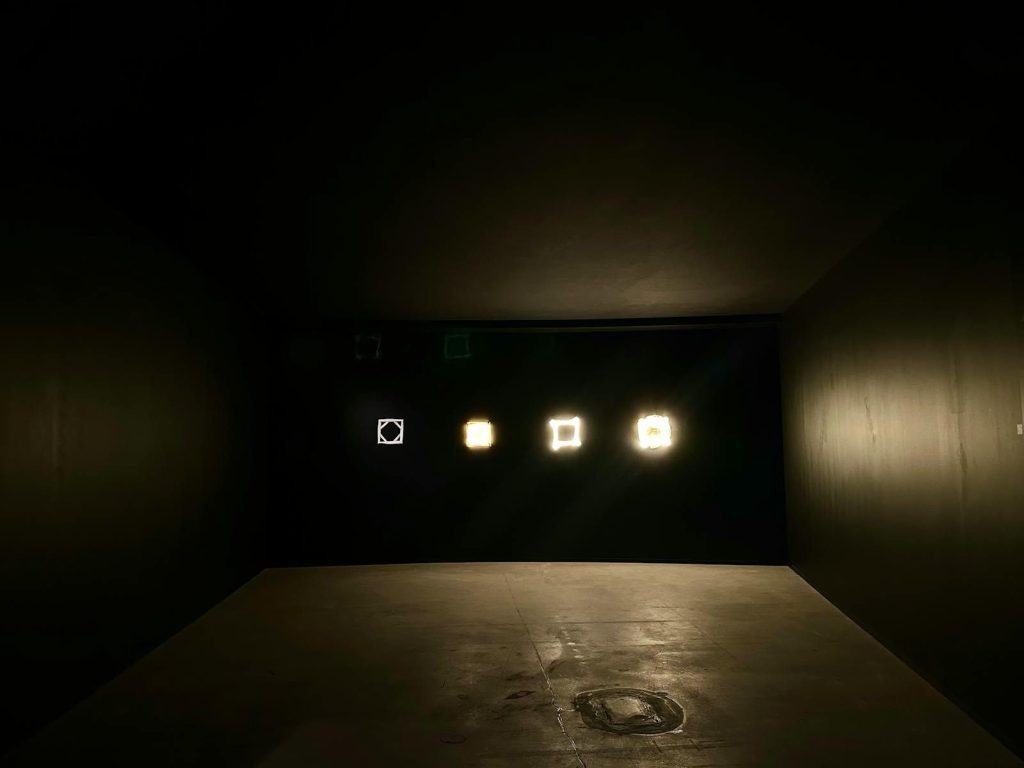
    An artistic display of illuminated geometric shapes in a dark room setting.
    Photo by Rola Al Homsi on Pexels

    Imagine a security system that has no cameras and no visible wires. By weaving bio-sensing silk into the wallpaper or curtains, your home can “feel” the vibrations of anyone walking through the room. It can distinguish between a family member and an intruder based on the rhythm of their footsteps. This 2026 tech provides total privacy because it doesn’t “see” you—it only “hears” your presence. It is the ultimate invisible bodyguard. But how does this help the animals outside?

    A Revolution for Environmental Monitoring

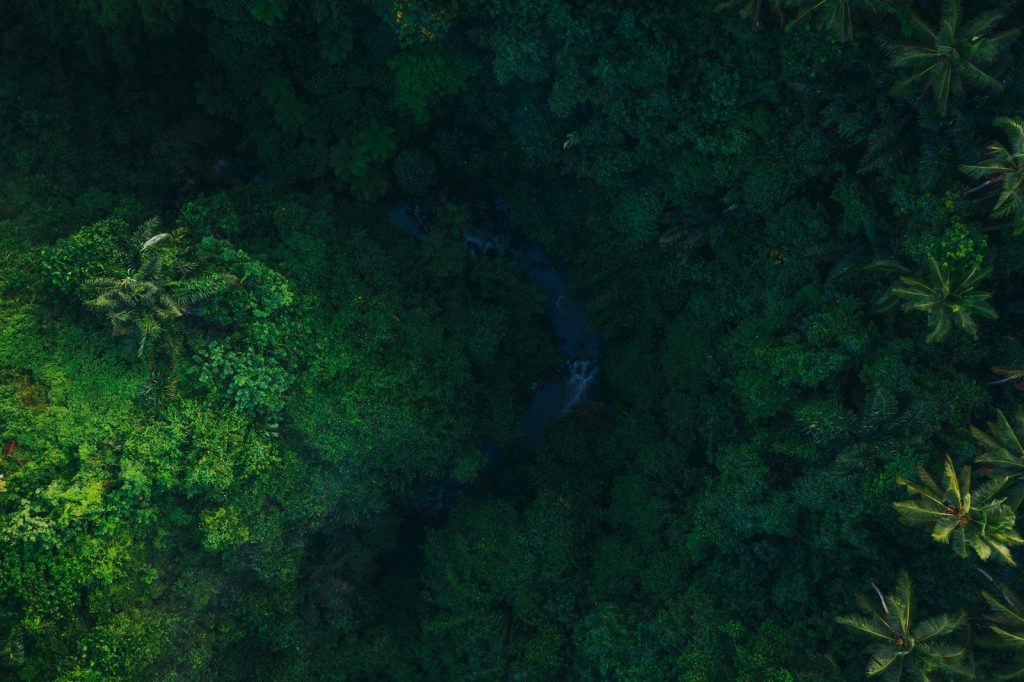
    an aerial view of a river in the middle of a forest
    Photo by Geio Tischler on Unsplash
    Conservationists are now deploying “Smart Webs” in the rainforest to monitor endangered species. These sensors can hear the heartbeat of a bird or the movement of an insect from hundreds of yards away. This allows researchers to track animal populations without ever disturbing them. It is giving us a front-row seat to the secrets of the wild. We are building a digital map of the earth’s health. But there is a dark side to being able to hear everything.

    The Privacy Debate of 2026

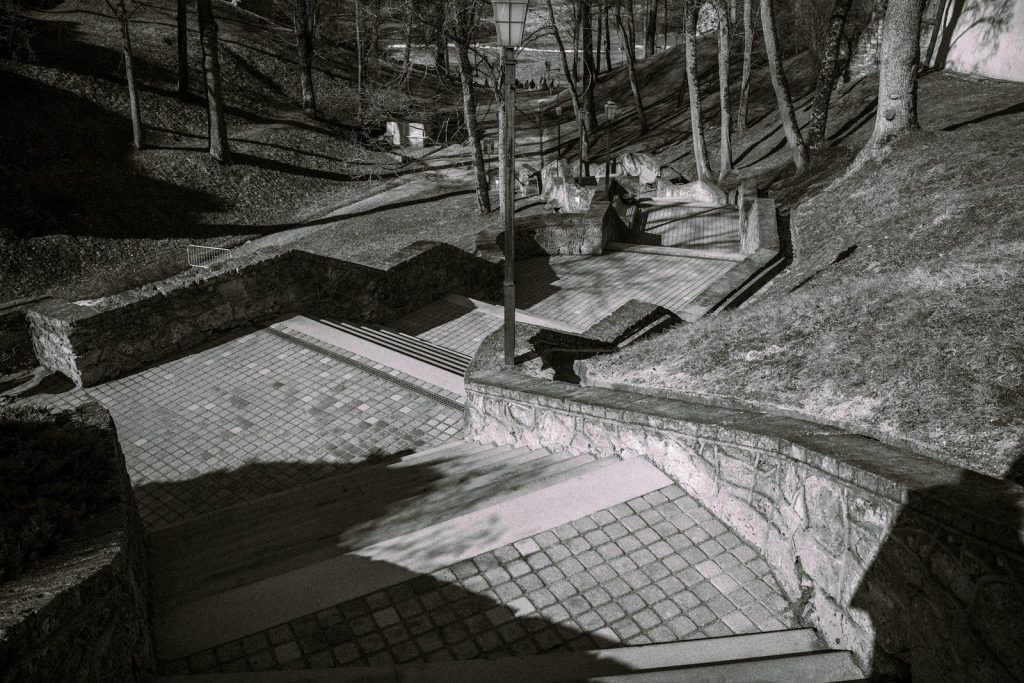
    Stone steps and pathways in a wooded park
    Photo by Kristians Greckis on Unsplash
    If everything is a microphone, is anywhere truly private? This new technology has sparked a massive debate about surveillance. Some fear that governments could use these sensors to listen to conversations in public parks or even through open windows. We have to decide how much we trust our technology as it becomes part of the air we breathe. It is a high-stakes conversation that is just beginning. But the spider web isn’t the only nature secret being unlocked.

    The Spider Web Sensor is Here

    Modern male model posing in futuristic attire under blue lighting in a studio setting.
    Photo by Michelangelo Buonarroti on Pexels

    We are standing at the beginning of a new era of communication. The spider web microphone is proof that the best technology is often found in our own backyards. As we move into 2027, expect to see these bio-sensors appearing in everything from your phone to your car. The world is getting louder, and we are finally learning how to listen. But while we master sound, another creature has discovered the secret to living forever. Are you ready to meet the animal that never dies?

    Featured Image: Photo by Nathan Dumlao on Unsplash
  • How the Hunga Tonga Eruption Just Taught Us to Save the Sky

    How the Hunga Tonga Eruption Just Taught Us to Save the Sky

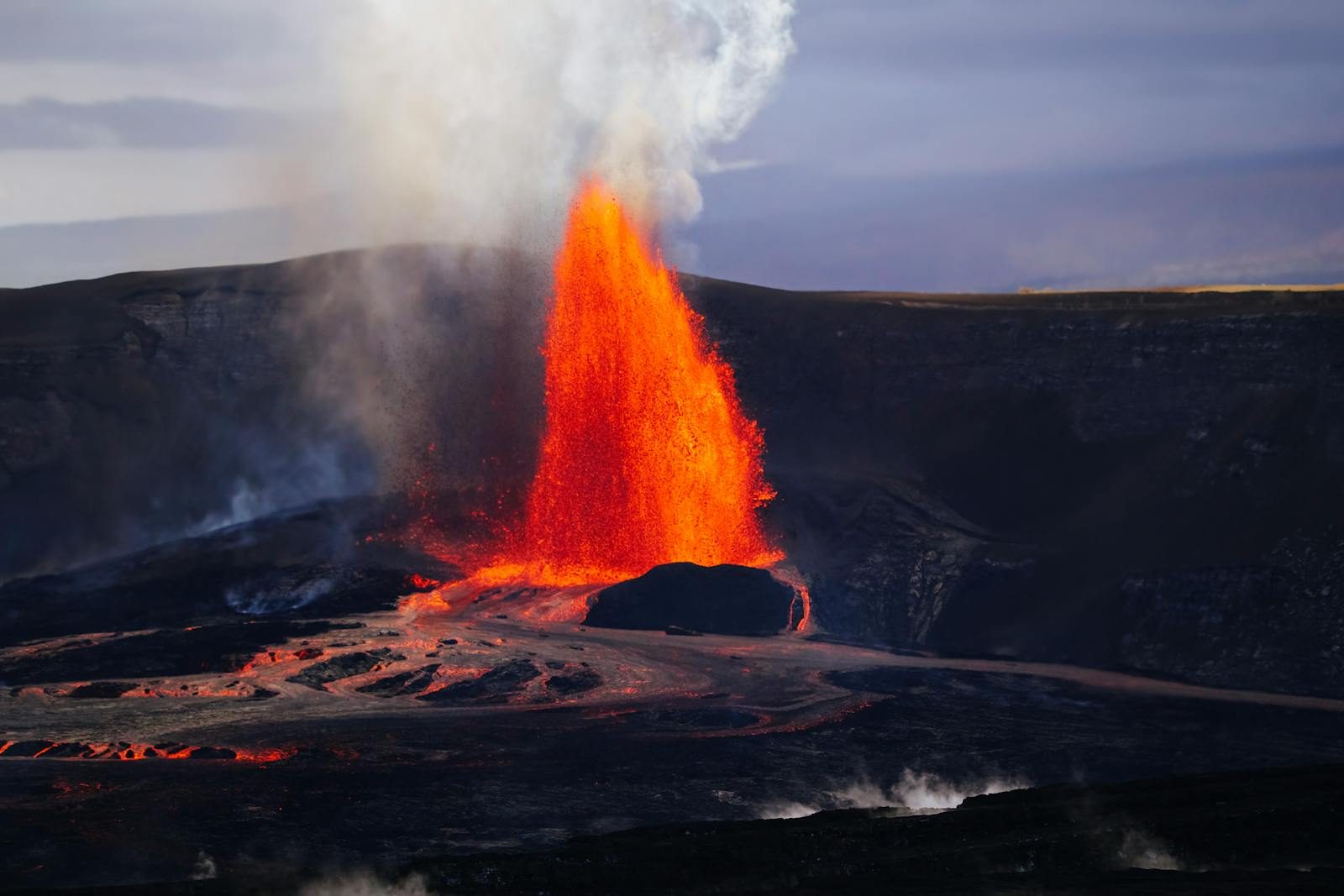
    When the Hunga Tonga-Hunga Ha’apai volcano exploded in 2022, it was the loudest sound heard on Earth in over a century. It sent a shockwave around the globe and shot a massive plume of ash into the atmosphere. But scientists have just realized that this disaster was actually a giant, accidental experiment. Instead of just releasing dust, the volcano pumped an unprecedented amount of water vapor into the stratosphere. This event has given researchers a “perfect map” for how we might eventually cool the planet on purpose.

    By studying how that moisture moved and interacted with the sun’s rays, experts are learning how to create a “sunshade” for the Earth. It sounds like something out of a disaster movie, but the data is very real. We are now looking at a future where we might use specialized planes to mimic this volcanic effect to stop global warming. But before we start spraying the sky, we have to understand the terrifying side effects the volcano left behind.

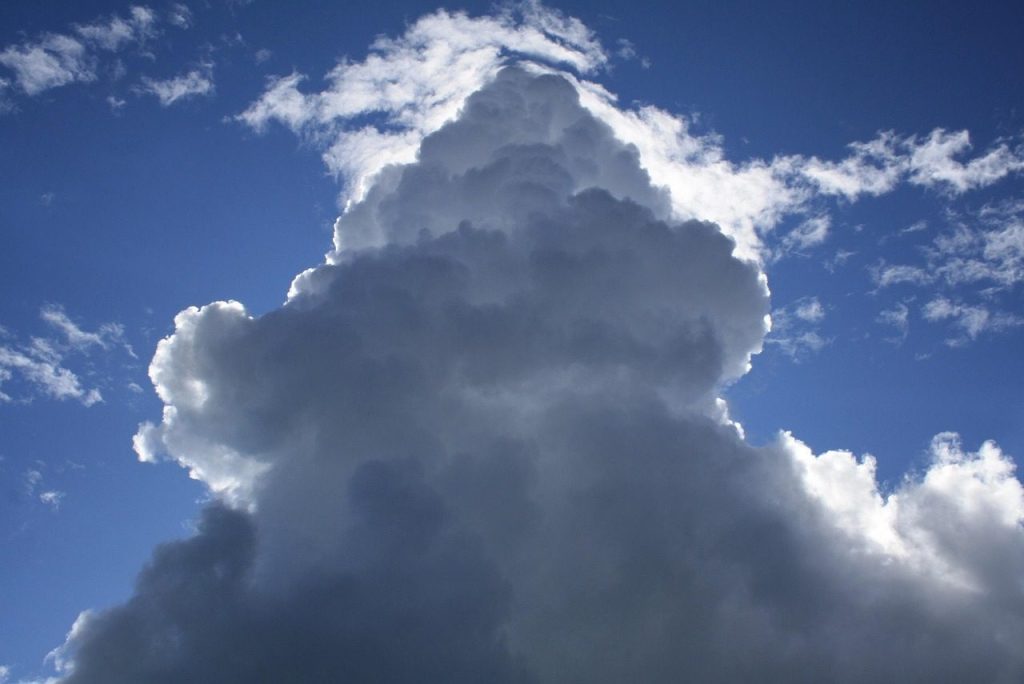
    The Giant Water Balloon In The Atmosphere

    cloud, sky, sky clouds, blue, blue sky clouds, nature, weather, blue sky, environment, blue sky background, cloudscape, cumulus, fluffy, meteorology, dramatic, heaven, sunlight, high, stratosphere, atmosphere, blue heaven
    Photo by bassoon12345 on Pixabay

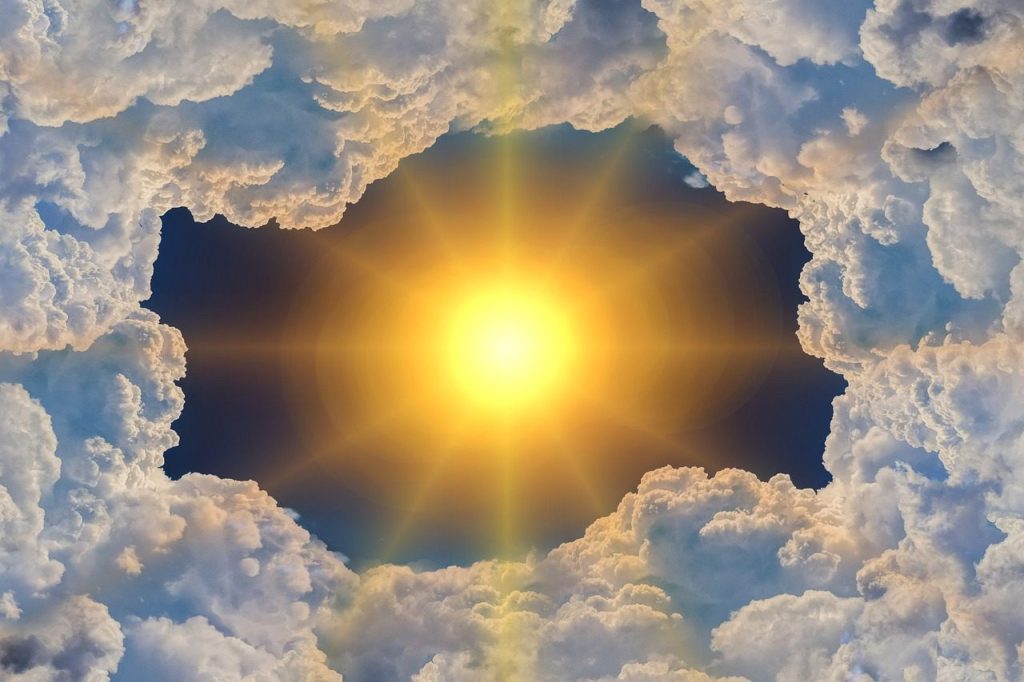
    The Tonga eruption was unique because it happened underwater. Most volcanoes release sulfur, which cools the Earth. Tonga released water, which actually traps heat. Scientists found that the eruption increased the amount of water in the stratosphere by 10 percent in just a few days.

    This huge “water balloon” is now acting like a temporary greenhouse over our heads. It is helping researchers see exactly how different gases move through the upper atmosphere. This information is vital if we ever want to release cooling particles to save the sky. However, the volcano also did something to the air that has doctors very worried.

    Why The Ozone Layer Just Had A Major Scare

    sun, cloud, climate, climate change, climate fluctuation, hole in the ozone layer, nature, ozone, ozone layer, weather, hot, heat, sunburn
    Photo by geralt on Pixabay

    Shortly after the eruption, the ozone layer above the Pacific took a hit. The water vapor from the volcano triggered chemical reactions that temporarily thinned our protection against UV rays. Scientists watched in real-time as the “hole” moved across the ocean.

    This taught us that any attempt to “save the sky” could accidentally destroy our protection from the sun. It is a delicate balance that we are only just beginning to understand. But this scary moment has provided a huge clue about which chemicals are safe to use and which are not. But can we really trust a computer model to predict what happens next?

    Using Volcanic Lessons To Build A Sunshield

    A close up of a blue and black globe
    Photo by Stone John on Unsplash

    Researchers are now taking the “Tonga Data” to design a new type of climate technology. They want to use tiny particles called aerosols to reflect sunlight back into space. This would be a controlled version of what the volcano did naturally.

    If we can get the formula right, we could potentially lower the Earth’s temperature by several degrees within a decade. It is the most ambitious engineering project in human history. The volcano showed us that it is physically possible to change the sky. But there is a massive debate brewing about who gets to hold the “remote control” for the world’s weather.

    The Risk Of Changing The Color Of The Sun

    the sun is setting over a mountain range
    Photo by The DK Photography on Unsplash
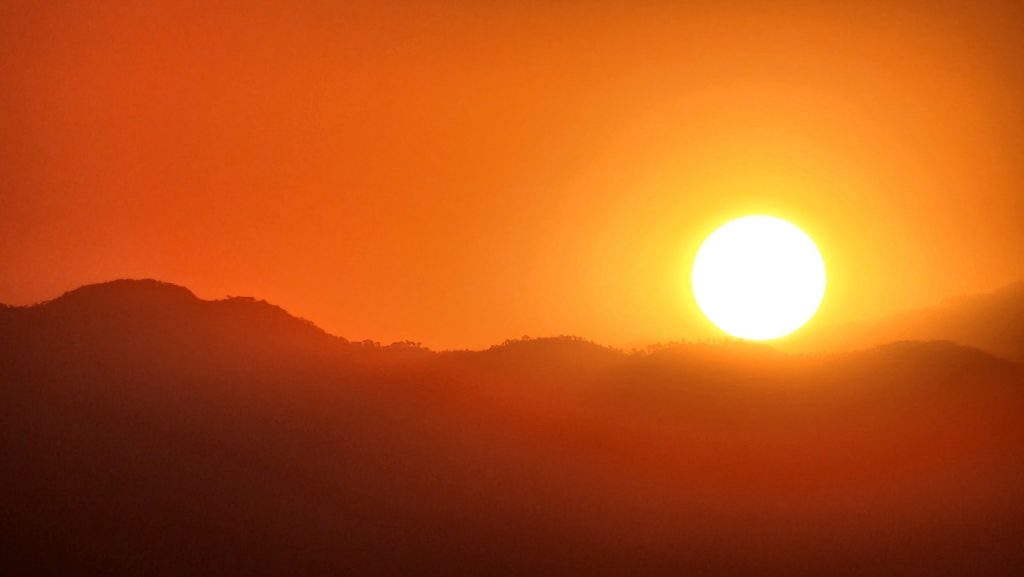
    If we follow the volcano’s lead and fill the sky with particles, the sky might not look blue anymore. Some models suggest it could turn milky white or even a light shade of red. This would change how plants grow and how animals migrate.

    The Tonga eruption gave us a sneak peek at this “faded” sky. Scientists are currently measuring how the light changed in the months following the blast. We have to decide if we prefer a hot blue sky or a cool white one. But there is another hidden benefit to this volcanic dust that no one expected.

    A New Way To Predict Deadly Superstorms

    a lightning storm is seen over a city at night
    Photo by Frankie Lopez on Unsplash
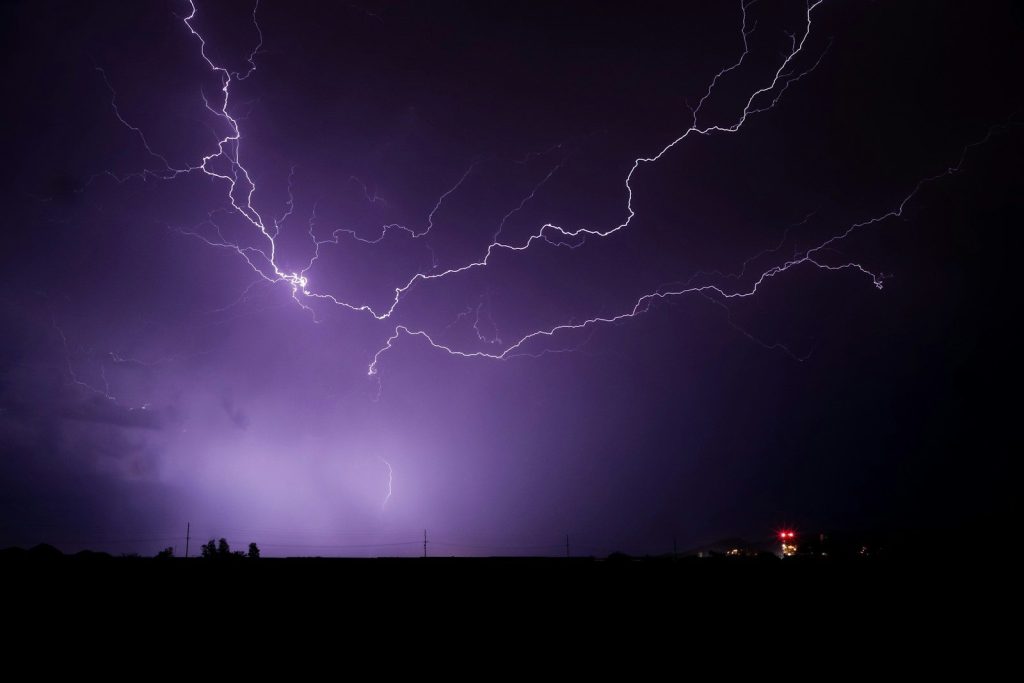
    The Tonga data is also helping us understand how extreme heat in the atmosphere creates lightning. The eruption produced a record-breaking 2,600 flashes of lightning per minute. By studying this, meteorologists can better predict when a regular storm is about to turn into a deadly supercell.

    The “Tonga lesson” is making our weather apps much more accurate. We are using the volcano’s energy to save lives on the ground today. But as we look up at the clouds, we are realizing that the biggest threat might actually be coming from the bottom of the world.

    Turning A Natural Disaster Into A Global Plan

    satellite, moon, earth, planet, universe, atmosphere, background, space travel, night sky, star, space, celestial body, moonlight, astronomy, send, monitor, check, explore, 3d model, space wallpaper, black background, black sky, black earth, black travel, black moon, black stars, black model, black night, black universe, black wallpaper, black body, black check, black planet, satellite, satellite, satellite, satellite, satellite
    Photo by PIRO4D on Pixabay

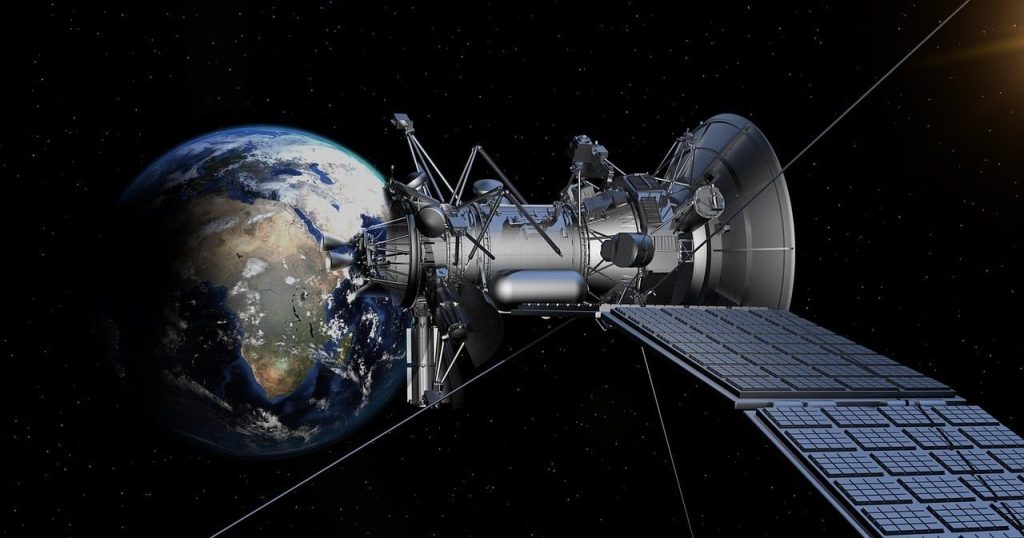
    International space agencies are now working together to build a permanent satellite network based on the Tonga findings. They want to monitor the “sky health” every single second. This would allow us to see the early signs of a climate tipping point before it is too late.

    The volcano was a wake-up call that we can’t ignore. It proved that the atmosphere is much more sensitive than we thought. We have a plan, but we are racing against a clock that is ticking faster every year. What happens if the next eruption is even bigger?

    Why This Volcanic Lesson Is Our Best Hope

    sky, clouds, cloudy sky, weather, light, space, cloudscape, sunlight, environment, climate, outdoors, lilac, nature, space, space, space, space, space
    Photo by akashskyprince on Pixabay

    Despite the risks, the Tonga eruption has given us a chance to survive. We now have the “instructions” for how the atmosphere handles massive changes. It has turned our fear of climate change into an engineering challenge that we can actually solve.

    We are no longer guessing how to save the sky; we are calculating it. The volcano was a disaster, but the knowledge it left behind is a gift. The question is, are we brave enough to use it? While we worry about the sky, a secret is melting beneath the ice.

    Featured Image: Photo by James Lee on Pexels

  • These New Scans Reveal A Deadly Secret Beneath The Pacific Ocean

    These New Scans Reveal A Deadly Secret Beneath The Pacific Ocean

    The Pacific Ocean hides some of the most violent forces on Earth. For decades, scientists have monitored the “Ring of Fire,” but our maps of the seafloor have always been blurry and incomplete. That has just changed. A new fleet of high-tech sonar drones has just completed the most detailed scan of the Cascadia Subduction Zone in history. This fault line, which runs from Canada down to Northern California, is a “silent giant” that hasn’t had a major eruption in over 300 years.

    The new scans have revealed something frightening. The fault line is not a single smooth line, as we once thought. It is a rough, high-pressure “megathrust” zone that is currently locked tight. The images show massive amounts of stress building up in areas that were previously invisible to our sensors. This isn’t just an academic discovery. It is a warning that the “Big One” could be much more powerful than anyone predicted. How can a sound wave show us the future of a disaster?

    The New Technology That Can See Through Rock

    A dark room with a blue light coming from the ceiling
    Photo by Алекс Арцибашев on Unsplash
    In the past, we mapped the ocean floor using ships that stayed on the surface. This was like trying to map a city from a plane flying through thick fog. The new sonar drones dive deep, hovering just a few feet above the tectonic plates. They use “multi-beam” sound waves to create a 3D model of the Earth’s crust with centimeter-level precision.

    These scans can see through layers of sediment to the solid rock underneath. What they found was a series of “hidden” fractures that have never been mapped before. These fractures act like zippers that could unzip all at once during a quake. But why is this fault line different from the famous San Andreas?

    Why This Fault Line Is A Sleeping Giant

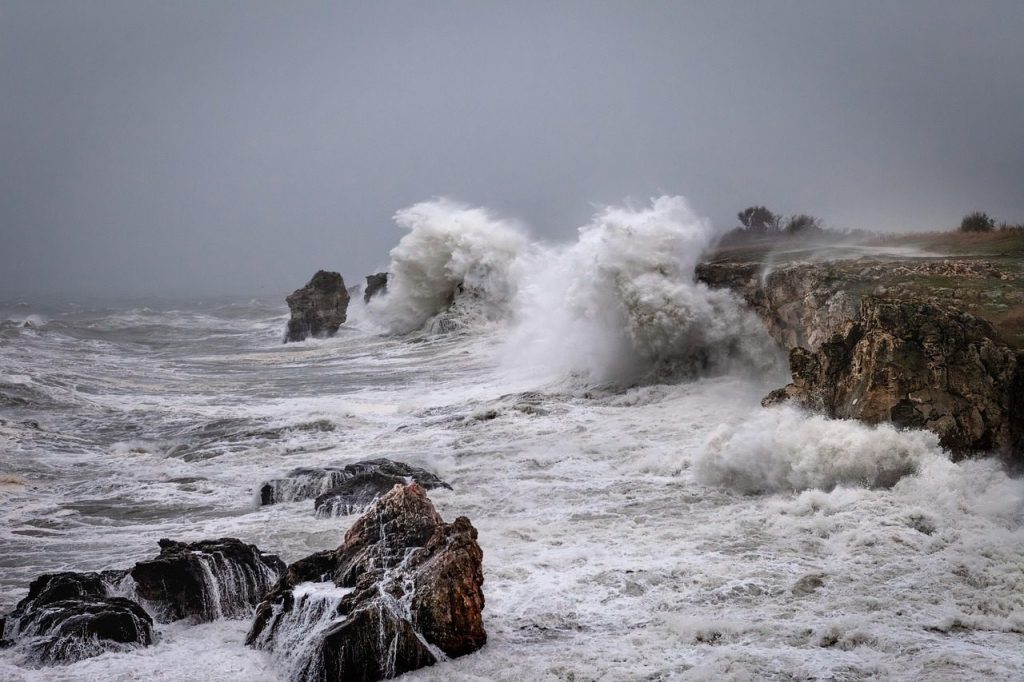
    big waves, storm, coast, nature, water, rocks, land, seascape, sea, ocean, storm, storm, storm, storm, storm, sea, sea, ocean
    Photo by AlKalenski on Pixabay

    The San Andreas fault in California is a “transform” fault, where plates slide past each other. It causes a lot of damage, but it rarely triggers tsunamis. The Cascadia fault is a “subduction” zone, where one plate is being forced under another. This builds up a massive amount of vertical energy.

    When it finally snaps, the seafloor will jump up by as much as 30 feet. The new scans show that the plates are “bulging” upward, like a spring being compressed. We are currently living in the longest period of silence this fault has seen in 10,000 years. This silence isn’t a good sign—it means the tension is reaching a breaking point.

    The Terrifying Discovery Of The “Locked” Zones

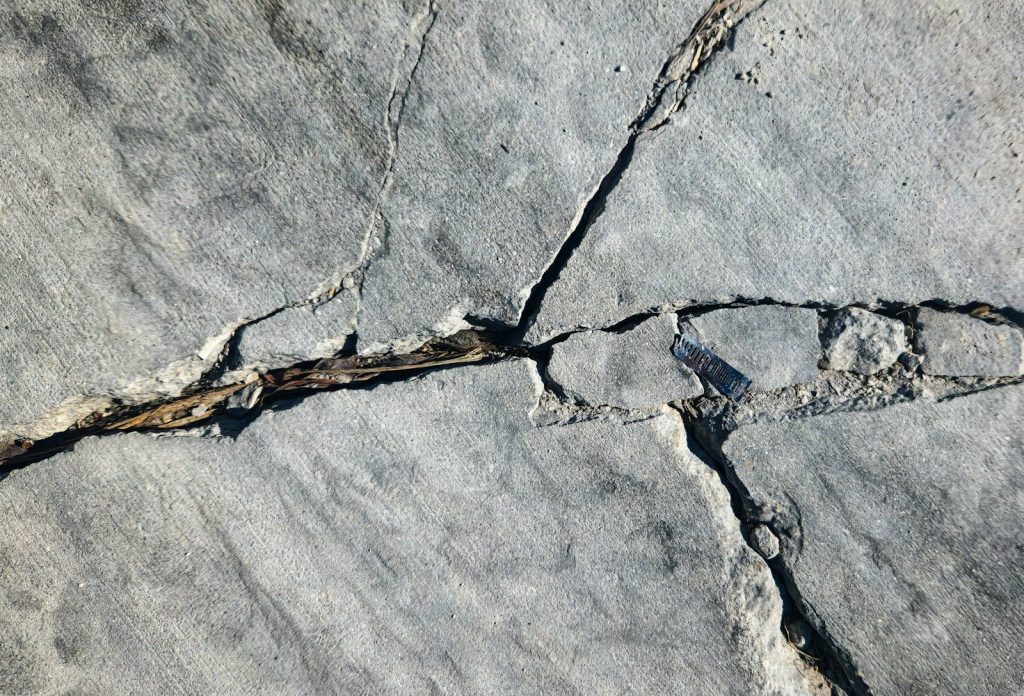
    A crack in a rock with a tree branch sticking out of it
    Photo by Zoshua Colah on Unsplash
    The most concerning part of the scan is the “locked” zones. These are areas where the plates are so rough that they can’t slide at all. They are completely stuck. The drones detected “micro-tremors” happening all around these zones, which is a sign that the surrounding rock is starting to crack.

    If these locked zones break simultaneously, the resulting earthquake would be a Magnitude 9.0 or higher. That is 30 times more powerful than the earthquake that destroyed San Francisco in 1906. The scans show that the largest locked zone is positioned directly off the coast of major cities. What happens when the ground starts to move?

    A Tsunami That Could Reach The Other Side Of The World

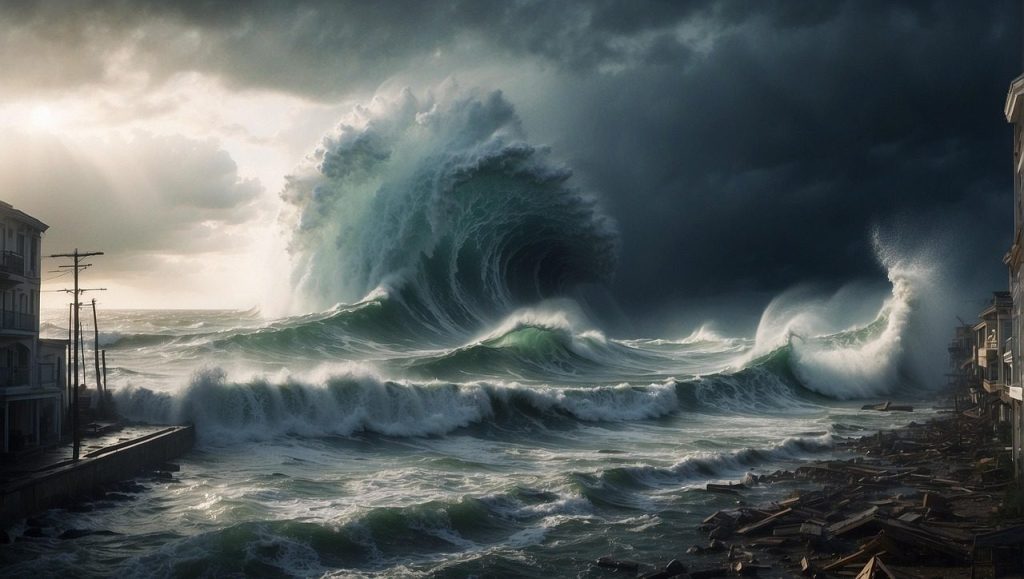
    ai generated, tsunami, sea, wave, destruction, nature, ai generated, ai generated, ai generated, ai generated, ai generated, tsunami, tsunami, wave
    Photo by alfaunicorn81 on Pixabay

    The new models suggest that a Cascadia quake would send a wall of water across the entire Pacific. While the West Coast would be hit within 15 minutes, the wave would reach Japan and Hawaii a few hours later. The scans help us see the exact shape of the seafloor, which tells us which way the water will move.

    By knowing the “path of the wave,” we can create better evacuation maps. However, the scans also show that some coastal areas are “sinking” as the fault pushes them down. This means the tsunami will reach much further inland than we previously thought. Are we prepared for a wave that spans an entire ocean?

    The “Silent Quakes” That Give Us Hope

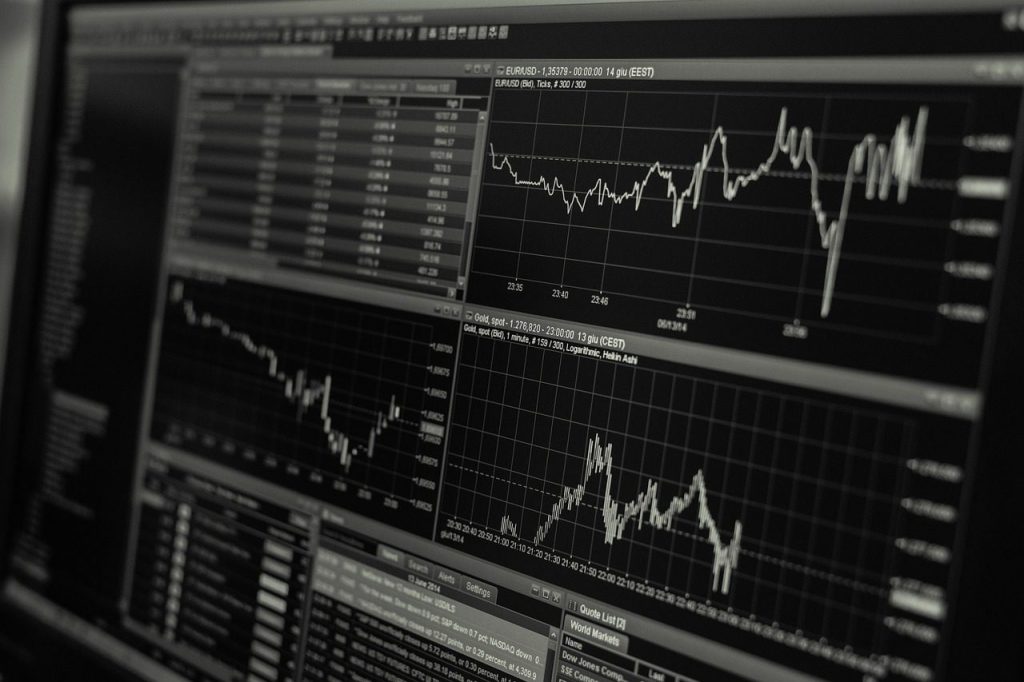
    stock, trading, monitor, business, finance, exchange, investment, market, trade, data, graph, economy, financial, currency, chart, information, technology, profit, forex, rate, foreign exchange, analysis, statistic, funds, digital, sell, earning, display, blue, accounting, index, management, black and white, monochrome, stock, stock, stock, trading, trading, trading, trading, trading, business, business, business, finance, finance, finance, finance, investment, investment, market, data, data, data, graph, economy, economy, economy, financial, technology, forex
    Photo by 3844328 on Pixabay

    It’s not all bad news. The drones also discovered “Slow Slip Events.” These are tiny earthquakes that happen over several weeks instead of seconds. They are too small for humans to feel, but the drones can hear them. These silent quakes release a little bit of the pressure without causing damage.

    Scientists are now trying to figure out if we can trigger more of these “slow slips” to prevent a major disaster. If we can find a way to lubricate the fault line, we might be able to “bleed off” the energy. But the technology to do that doesn’t exist yet. For now, the best we can do is watch and wait.

    Why This Scan Is A Game Changer For Homeowners

    Underneath a large bridge with city skyline beyond
    Photo by Zoshua Colah on Unsplash
    If you live anywhere near the Pacific Northwest, these scans are about to change your life. Insurance companies and city planners are already using this data to rewrite building codes. We now know exactly which neighborhoods are built on “liquefaction” zones—areas where the ground will turn into liquid during a quake.

    While it might be scary to find out your house is in a danger zone, this information will save lives. It allows people to retrofit their homes and cities to strengthen their bridges. Knowledge is the only defense we have against the earth’s raw power. But how much time do we have left?

    The Final Countdown To The Big One

    coffee, coffee grinder, cup, clock, coffee cup, time, dark, alarm clock
    Photo by RuslanSikunov on Pixabay

    The data from the scans suggest we are in the “window of occurrence.” Geologically speaking, this fault line is overdue. Every day that passes without a quake is another day that the pressure builds. The researchers are now deploying more drones to monitor the “locked” zones in real-time.

    We are entering an era of “predictive seismology.” We might soon be able to give a 24-hour warning before the ground starts to shake. Until then, the golden rule remains: be prepared. The ocean has revealed its secret, and now it’s up to us to listen.

    Featured Image: Photo by USGS on Unsplash

  • New Soil Samples Prove This Ancient Civilization Did Not Die From Drought

    New Soil Samples Prove This Ancient Civilization Did Not Die From Drought

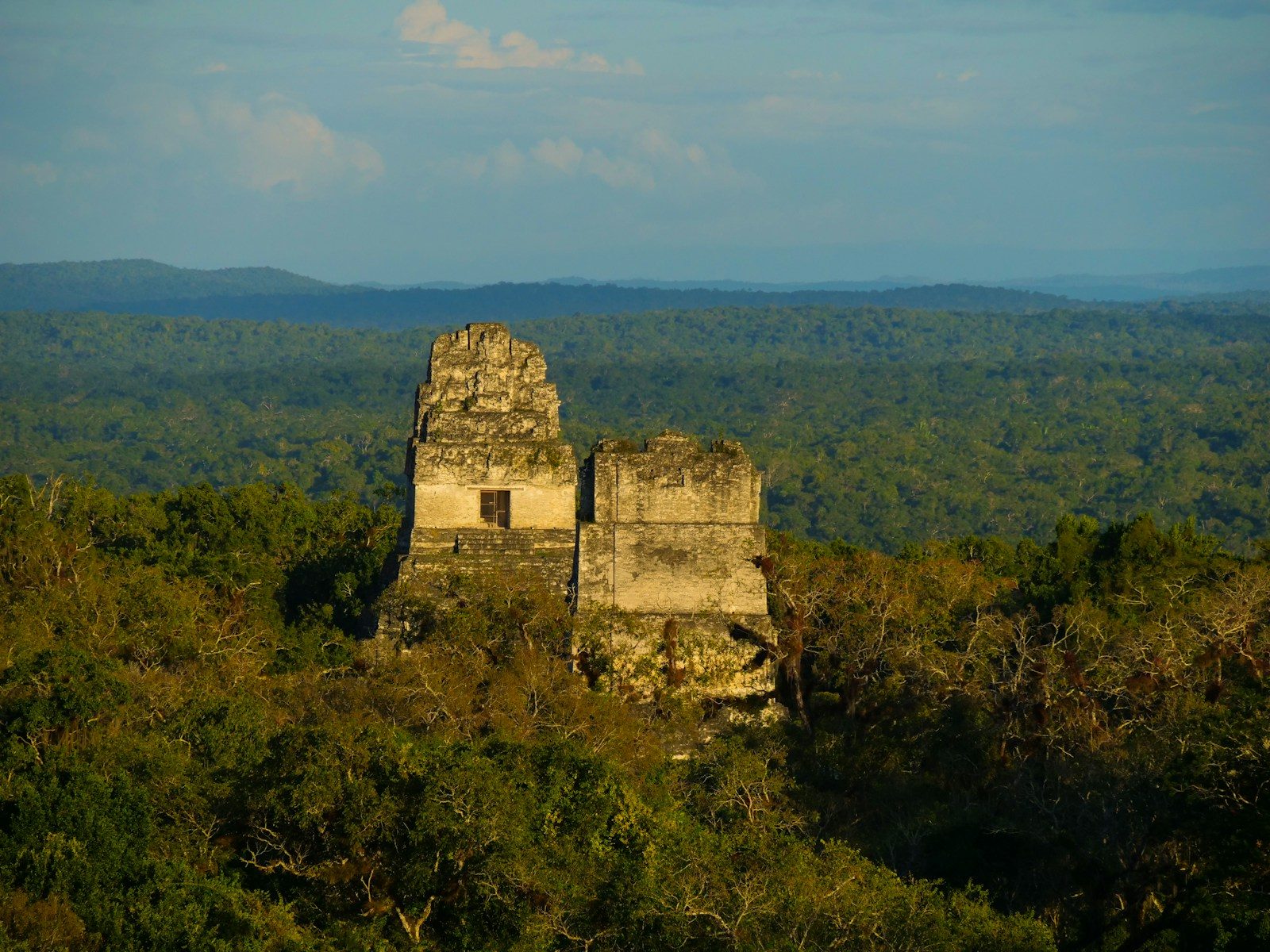
    For decades, the collapse of the Mayan Empire has been one of history’s greatest “whodunnits.” The standard theory taught in schools is that a massive, prolonged drought dried up their reservoirs and killed their crops. It was a story of environmental failure that served as a warning for our modern world. But a team of scientists digging deep into the mud of ancient lake beds has just found evidence that completely debunks the drought theory. By analyzing “fossilized” soil samples, they have discovered that the water levels during the collapse were actually quite high.

    The dirt doesn’t lie. These new samples show that the Maya were actually surrounded by lush vegetation and plenty of rainfall right up until their cities were abandoned. If it wasn’t thirst that killed them, then what caused millions of people to walk away from their homes? The answer was hidden inside the chemical composition of the soil itself. It reveals a much more complex and tragic story than we ever imagined.

    The Old Theory That Was Just Blown To Pieces

    a person holding a piece of wood in their hand
    Photo by Botond Czapp on Unsplash

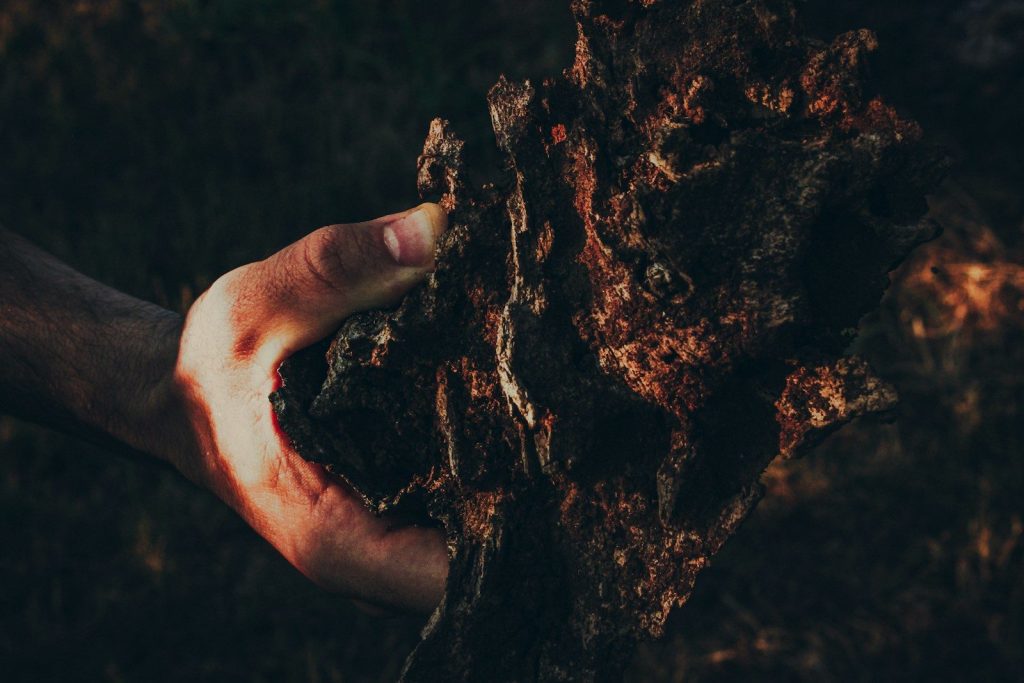
    The “drought theory” was based on tree ring data from hundreds of miles away. It was a guess that seemed to make sense. But when scientists took core samples from the actual earth where the Maya lived, they found a different story. The layers of mud from the 9th century are packed with pollen from water-loving plants.

    This proves that the wetlands were thriving during the supposed “dry” period. The Maya didn’t run out of water; they were actually living in a tropical paradise. So, why did they stop building their giant pyramids? The secret wasn’t in the sky, but in the ground they were walking on.

    Why The Dirt Samples Reveal A Toxic Secret

    sulfur, crystals, yellow, geology, mineral, sulfur, sulfur, sulfur, sulfur, sulfur
    Photo by jhenning on Pixabay

    When researchers looked closer at the soil chemistry, they found something alarming: mercury. High levels of this toxic metal were found in the ground surrounding almost every major Mayan city. This wasn’t a natural occurrence. The Maya used cinnabar, a bright red mineral containing mercury, to paint their buildings and their own bodies.

    Over centuries, this poison washed into their water systems and soaked into their farmland. They were essentially living in a toxic waste dump of their own making. The soil samples show that the ground was becoming deadlier every year. But mercury poisoning was only part of the problem.

    The “Perfect Storm” Found Inside The Core Samples

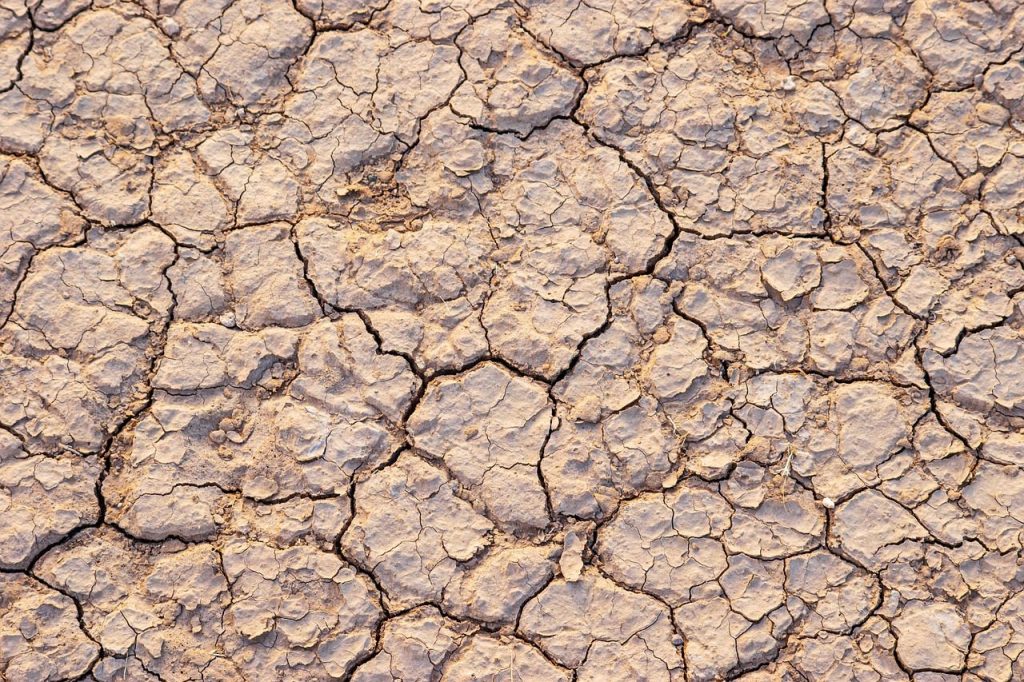
    desert, soil, dry, dirt, land, earth, crack, ground, nature, terrain, arid, cracked, crack, crack, crack, crack, crack, ground, arid
    Photo by RamsayMedia on Pixabay

    The soil didn’t just show poison; it showed a massive increase in salt levels. The Maya used an intensive farming method called “slash and burn.” While this worked for a while, the soil samples reveal that it eventually destroyed the nutrients in the earth. To keep the crops growing, they had to use more and more fertilizers that eventually turned the soil salty and useless.

    It was a slow-motion disaster. Their “super-farms” were failing even though it was raining every day. The population was growing, but the land was dying. This created a crisis that no amount of prayer to the gods could fix. But there is one more detail in the mud that changed everything.

    The Hidden Evidence Of A Social Revolution

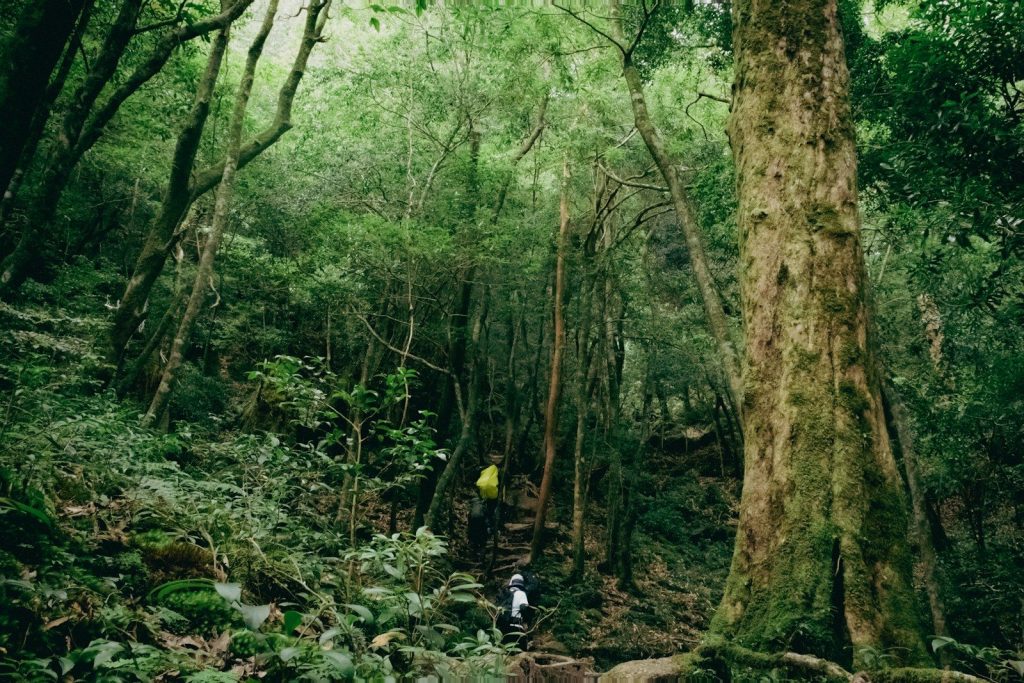
    Hikers ascend a lush, dense forest trail.
    Photo by Jayant on Unsplash

    In the final layers of soil from the “collapse” era, scientists found a sharp drop in luxury goods and a surge in common tools. This suggests that the people didn’t just die off—they revolted. The soil around the palaces shows signs of intentional burning and destruction.

    The regular citizens were likely fed up with their leaders, who kept demanding more food from failing farms. They didn’t starve to death in their beds; they fought back and then moved away to find better land. The “collapse” wasn’t an ending, but a mass migration. But where did millions of people go?

    Why Modern Farmers Are Studying Ancient Mud

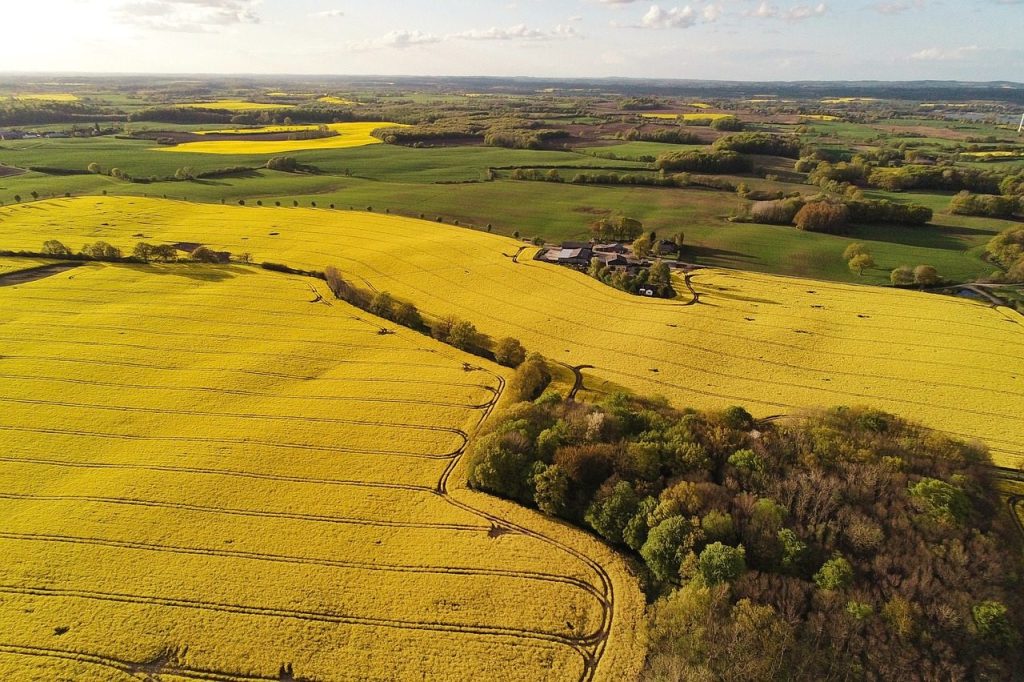
    oilseed rape, fields, drone, aerial view, eve, forest, holstein, nature, agriculture, farm yard, yellow, green, flight, quadcopter, country life, ripe blossom
    Photo by Rainerh11 on Pixabay

    The story of the Maya is being used today to save our own farms. We are currently using the same “intensive” methods that ruined the Mayan soil. By studying these ancient samples, modern agriculturalists are learning how to prevent “soil exhaustion.”

    We have found that the Maya eventually learned to fix their soil in smaller villages, away from the big cities. These “survivor farms” used a mix of different crops that kept the earth healthy. It turns out that the small-scale farmers were the ones who truly knew how to survive. Is our modern food system making the same mistakes?

    The Maya Never Actually Disappeared

    woman sitting near vegetable stand
    Photo by Jeison Higuita on Unsplash

    One of the biggest myths is that the Maya “vanished.” In reality, millions of Maya descendants still live in Central America today. The soil samples prove that they simply changed their way of life. They moved from giant, toxic cities to sustainable forest gardens.

    They gave up their kings and their pyramids for a life that was better for the planet. The “mystery” of their collapse is only a mystery because we were looking at it from the wrong perspective. We thought they failed because their cities died, but they actually succeeded by leaving them behind. But what about the other civilizations that didn’t make it?

    What The Next Dig Might Reveal About Our Future

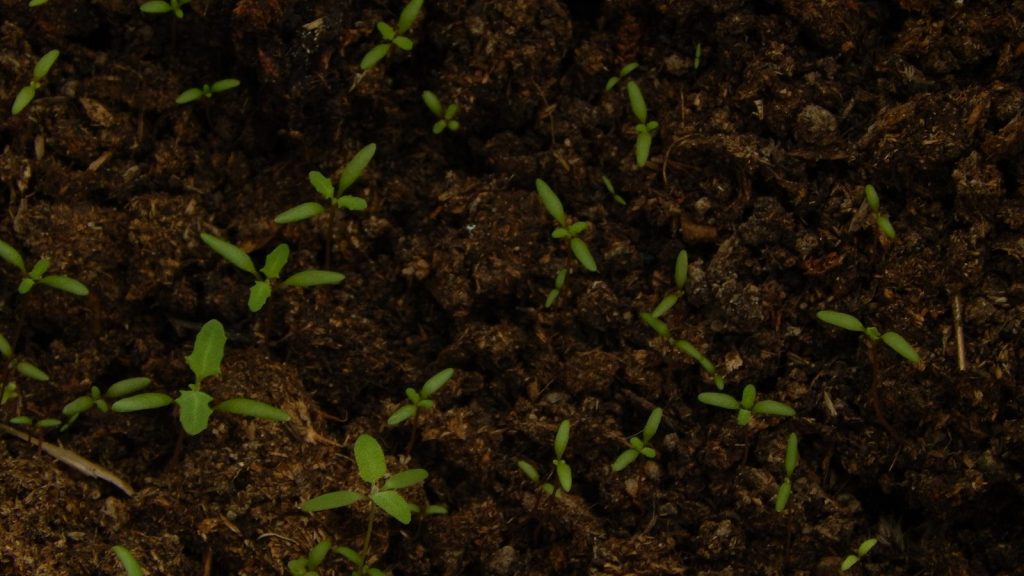
    Tiny green sprouts emerging from dark soil
    Photo by sourmarb on Unsplash

    Scientists are now taking soil samples from ancient cities all over the world. From the Indus Valley to Angkor Wat, the story is the same. It is rarely just one thing, like a drought or a war. It is almost always a slow decay of the ground beneath their feet.

    As we look at our own changing climate, these dirt samples are a crystal ball. They tell us that as long as the soil is healthy, civilization can survive anything. Aber if we lose the earth, we lose everything. Are we set to listen to what the mud tells us?

    Featured Image: Photo by Florian Delée on Unsplash

  • Did This Massive Asteroid Impact Actually Create Our Oldest Epic Poems?

    Did This Massive Asteroid Impact Actually Create Our Oldest Epic Poems?

    For centuries, historians believed that ancient epic poems like the Iliad and the Epic of Gilgamesh were purely the work of human imagination. They were seen as stories of gods and monsters used to explain the world. But a group of geologists and archaeologists has just presented a theory that is turning history on its head. They have found evidence of a massive asteroid impact that occurred exactly when these oral traditions were starting to form. This wasn’t just a small meteor shower. It was a world-altering event that turned the sky black and caused massive tsunamis.

    The researchers argue that the “wrath of the gods” described in these poems was actually a literal description of a space rock hitting the Earth. The fire from the sky, the shaking of the mountains, and the floods that wiped out cities were not myths; they were eyewitness accounts. This discovery suggests that our greatest literature is, in fact, a hidden record of a stellar catastrophe. But how did they link a hole in the ground with a poem written thousands of years ago?

    A Fire In The Sky That Changed Human History

    meteor, asteroid, space, disaster, comet, astronomy, meteorite, universe, star, galaxy, falling, night sky, cosmos, sky, science, night, shooting, trail, bright, nature, tail, glow, starry, glowing, effect, earth, fire, smoke, armageddon, planet, globe, worldwide, catastrophic, impact, rock, black sky, black earth, black fire, black science, black stars, black galaxy, black night, black smoke, black universe, black globe, black rock, black natural, black planet
    Photo by AlexAntropov86 on Pixabay

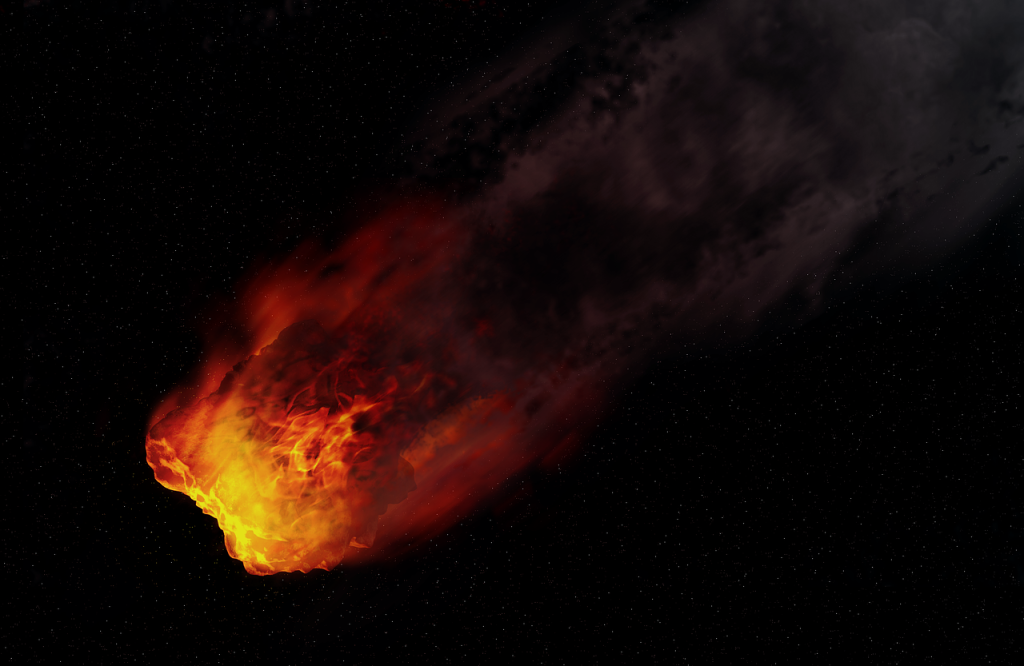
    About 4,000 years ago, something bright appeared in the sky over the Middle East. According to the new data, an asteroid roughly the size of a football stadium slammed into the Earth’s atmosphere. It exploded with the force of hundreds of nuclear bombs. To the people living below, it would have looked like the sun had fallen from the heavens.

    The explosion would have flattened forests for hundreds of miles and sent a shockwave around the world. This fits the descriptions in ancient manuscripts of a “heavenly fire” that consumed entire armies. This event was so terrifying that it burned into the collective memory of every survivor. But where is the physical proof of such a gigantic explosion?

    The Crater That Was Hiding In Plain Sight

    abandoned, airplane, wreck, wreckage, crashed, crash, decay, iceland, aircraft, broken, dilapidated, abandoned, abandoned, abandoned, airplane, airplane, airplane, crash, iceland, iceland, iceland, iceland, iceland, aircraft, broken, broken, broken
    Photo by Pexels on Pixabay

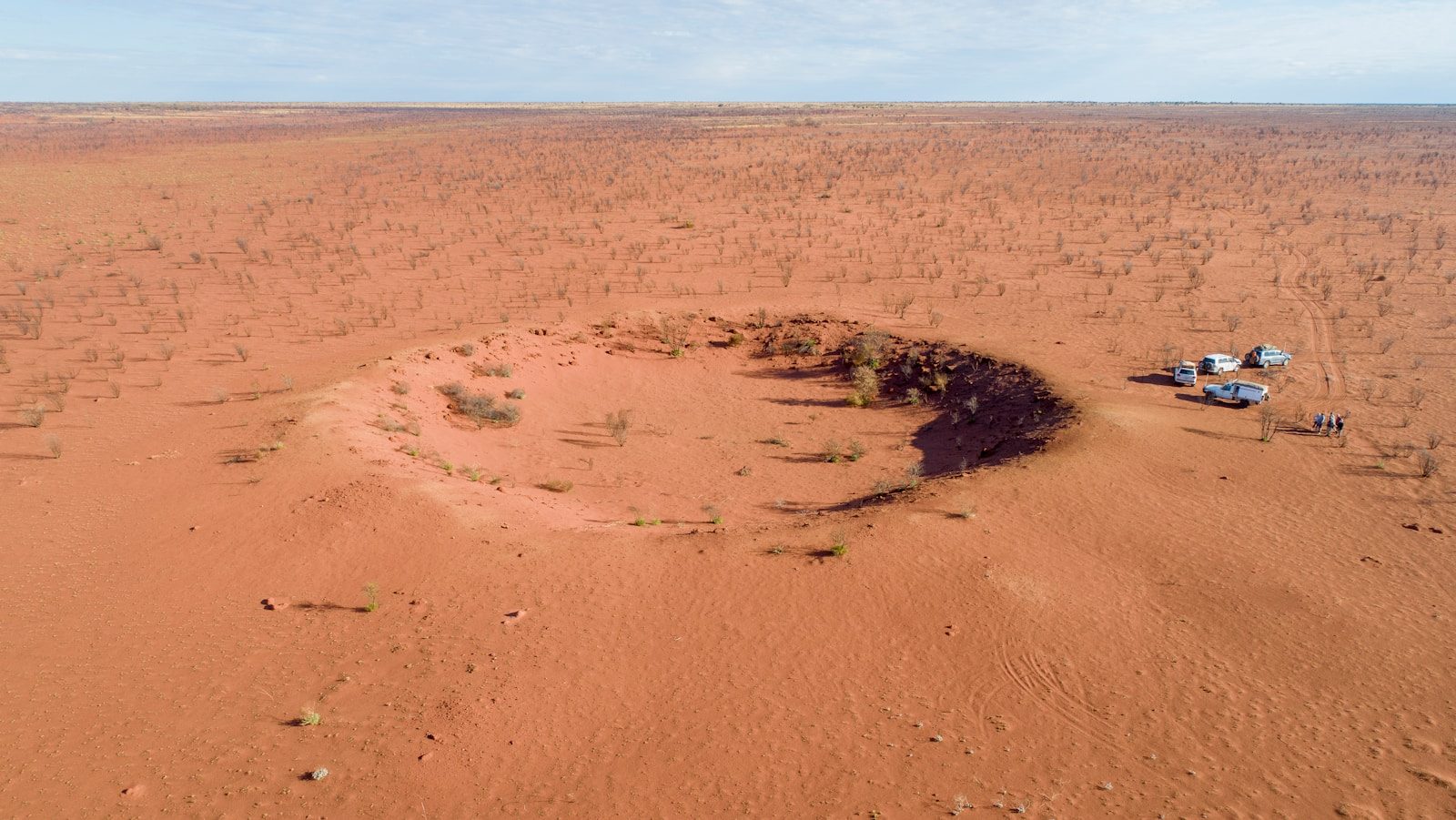
    For years, a strange circular depression in Iraq was dismissed as a simple salt flat. However, recent soil samples have revealed “shocked quartz” and high levels of iridium. These are the tell-tale signs of an asteroid strike. The crater, known as the Umm al-Binni structure, perfectly matches the timeline of the collapse of the Akkadian Empire.

    This empire was one of the most powerful in history, and it suddenly disappeared without explanation. Ancient poems from that time describe a “dark wind” and a “curse from the sky” that made the land barren. We now know that the “curse” was likely the dust and soot from the asteroid impact. But what about the famous stories of the Great Flood?

    The Real Origin Of The Great Flood Myths

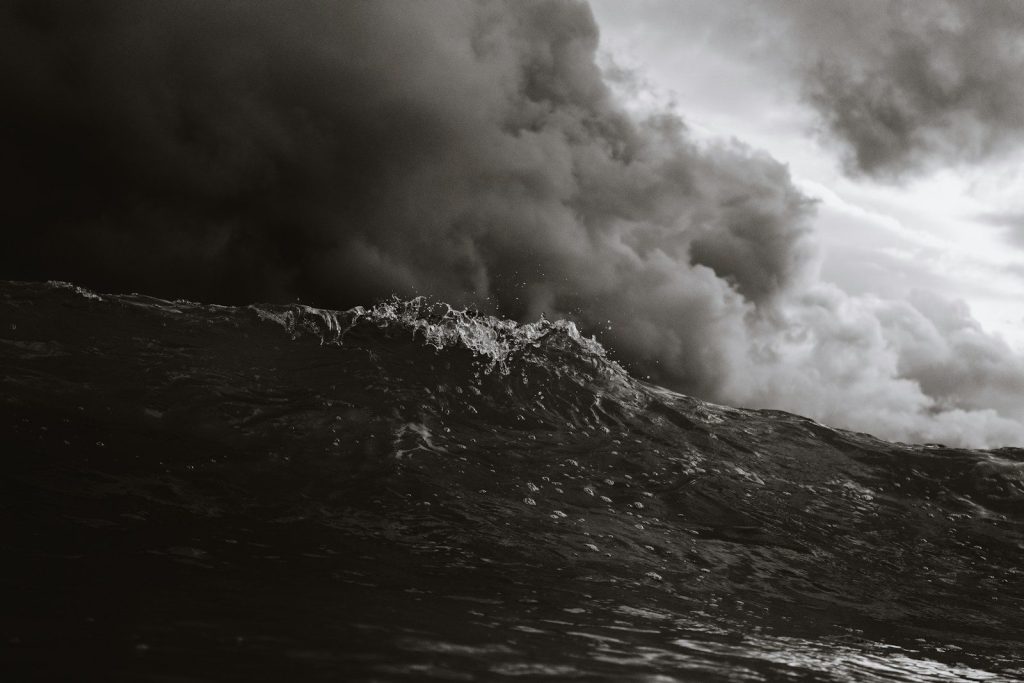
    grayscale photo of beach waves
    Photo by Matt Hardy on Unsplash

    Almost every ancient culture has a story about a massive flood that nearly wiped out humanity. Scientists now believe these stories were inspired by the asteroid hitting the ocean. An impact in the sea would have triggered “mega-tsunamis” hundreds of feet high. These waves would have traveled miles inland, destroying everything in their path.

    To a person living in a coastal village 4,000 years ago, it would have seemed like the entire world was underwater. The Epic of Gilgamesh contains a detailed account of a hero building a boat to survive a six-day storm. The details in the poem match the meteorological effects of a major impact. But could a poem really stay accurate for thousands of years?

    Why Oral Traditions Are More Accurate Than We Thought

    old books, book, old, library, education, archive, book shelf, antique, old books, book, book, book, book, book, library, education, education
    Photo by jarmoluk on Pixabay

    We used to think that “oral history” was like a game of telephone, where the story changes every time it is told. But new research into indigenous cultures shows that these stories are actually incredibly stable. Some groups have accurately described volcanic eruptions that happened 10,000 years ago.

    The epic poems were a way for ancient people to preserve lifesaving information. By turning the asteroid impact into a story about gods, they ensured that the warning would be carried down through generations. It served as a cosmic “safety manual’ disguised as entertainment. But the asteroid didn’t just bring fire and water; it also changed the same air we breathe.

    The Decade Without A Summer

    mountains, snow, nature, winter, trees, plane, cliff, forest, snow storm, glaicer, frozen water, rocks, dark clouds, landscape, lost, travel
    Photo by Mollyroselee on Pixabay

    After the impact, the Earth would have entered a “mini-ice age.” The dust in the atmosphere would have blocked out the sun for years. Crops would have failed, and millions would have starved. This “long winter” is described in Norse mythology as Fimbulwinter, a three-year winter that precedes the end of the world.

    Archaeologists have found evidence of a massive drop in global temperature around 2200 BC. This corresponds to the tree ring data from Europe and Asia. The asteroid didn’t just hit a spot on the map; it hit the global thermostat. This explains why so many civilizations collapsed at exactly the same time. How did the survivors describe the object itself?

    Identifying The “Dragons” Of The Ancient Sky

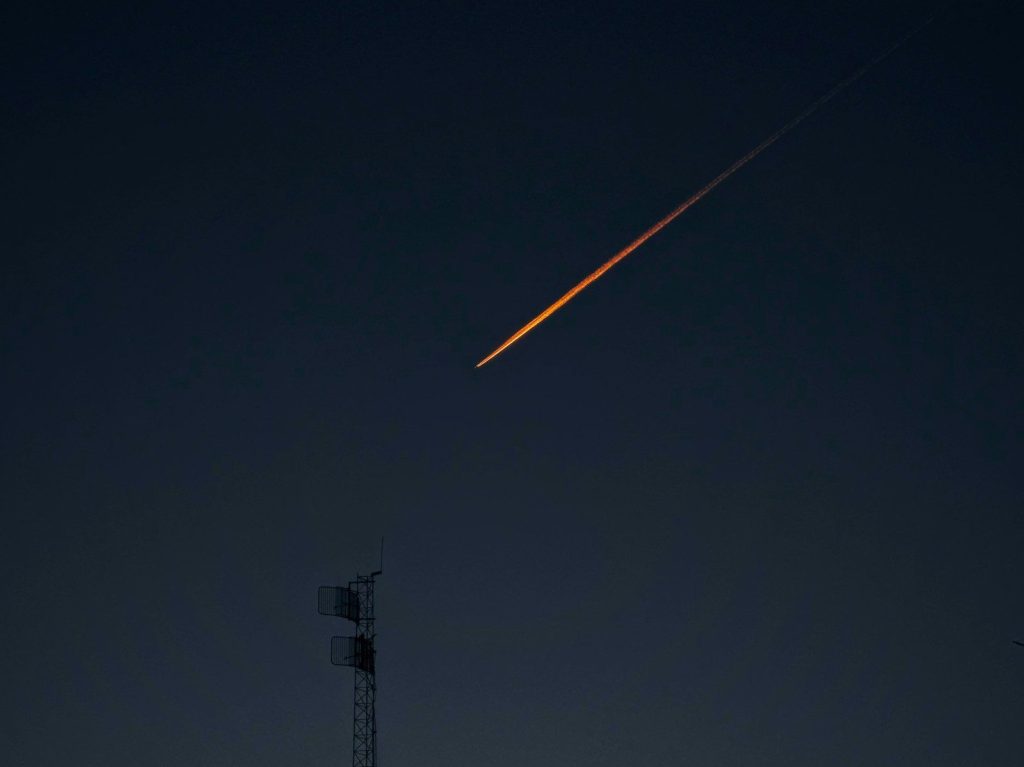
    An airplane contrail glows orange against a dark sky.
    Photo by Wolf Lieff on Unsplash

    In many ancient poems, heroes fight giant, fire-breathing dragons that descend from the clouds. If you watch a large meteor enter the atmosphere, it leaves a long, glowing tail of smoke and fire. To someone with no concept of space, this would look exactly like a serpent or a dragon.

    The “breath” of the dragon was the intense heat that set fields on fire before the impact. By re-reading these poems through the lens of astronomy, we are finding a literal record of the sky. The dragons weren’t monsters; they were pieces of the solar system. Does this mean we need to re-examine all of our myths?

    The Hidden Warning For Our Modern World

    moon, space, earth, universe, stars, cosmos, planet, galaxy
    Photo by Interline_Graphics on Pixabay

    The realization that an asteroid shaped our culture is a wake-up call. These ancient poems aren’t just about the past; they are a reminder of what could happen in the future. We live in a cosmic shooting gallery, and we have been hit before.

    The “gods” that the ancients feared are still out there, floating in the darkness of space. Our ancestors used poetry to remember the danger. Today, we use telescopes. But the message remains the same: the sky can fall at any moment. Are we doing enough to make sure we don’t become the subject of a future civilization’s epic poem?

    Featured Image: Photo by Stephen Mabbs on Unsplash

  • The Roman Port Re-emerging from the Sea

    The Roman Port Re-emerging from the Sea

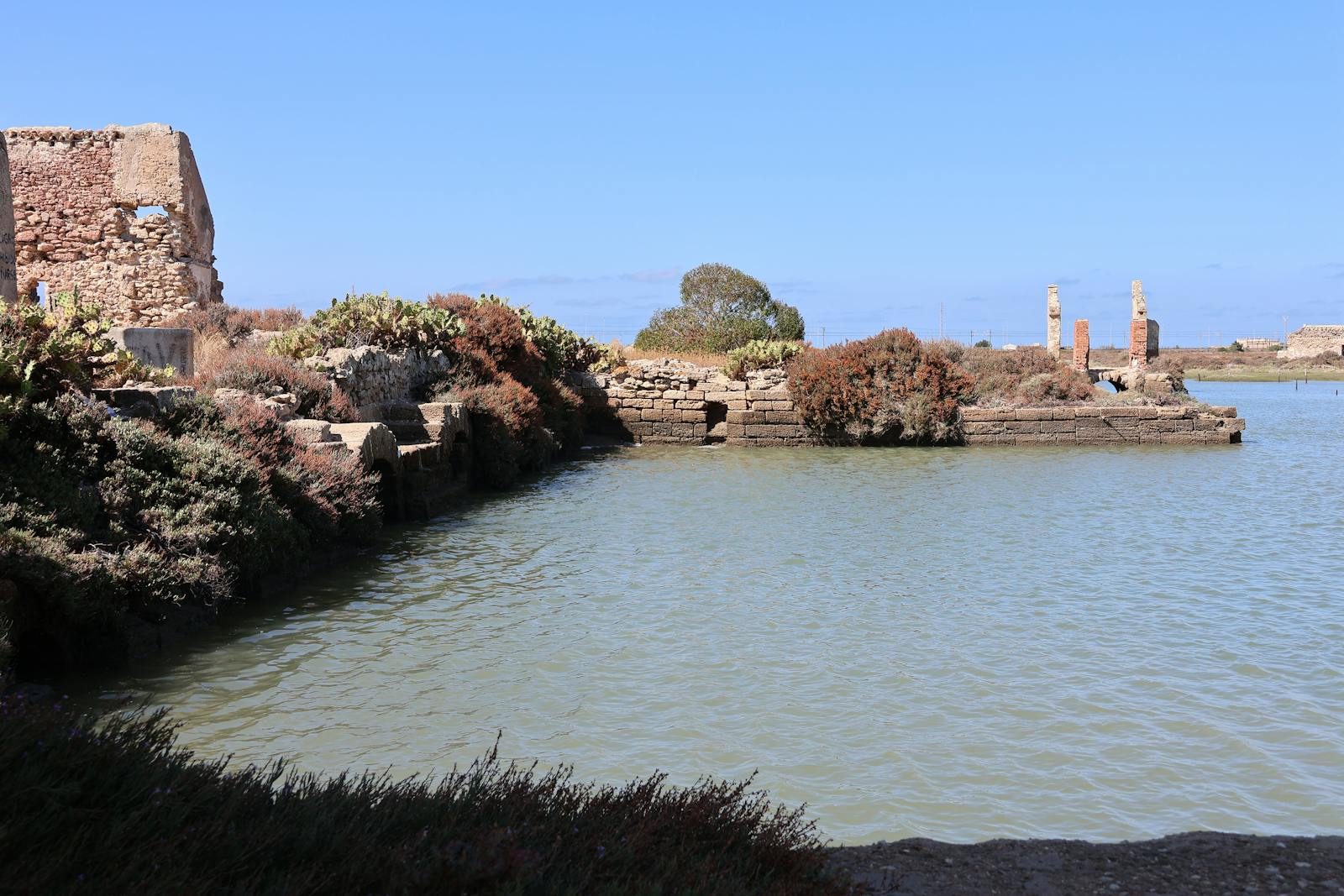
    The ocean is usually a place where history goes to be forgotten. But along the coast of Italy, the tide is starting to give back what it stole 2,000 years ago. A massive Roman port, once the most important naval base in the Mediterranean, is re-emerging from the waves. This isn’t just a few scattered stones; it is a sprawling industrial complex of docks, warehouses, and grand villas. Known as Baiae, this “Vegas of the Roman World” was once the playground for emperors like Nero and Caesar before it was swallowed by a shifting coastline and volcanic activity.

    Now, due to a geological phenomenon called “bradyseism,” the ground is actually pushing back up. People walking along the beach are finding that they can see ancient mosaic floors just inches below the water. Divers are swimming through underwater hallways that were once filled with the most powerful people on Earth. This re-emergence is providing a “perfectly preserved” look at Roman engineering that has been frozen in salt water for two millennia. But the real secret isn’t the gold; it’s the concrete.

    The Concrete That Gets Stronger in the Sea

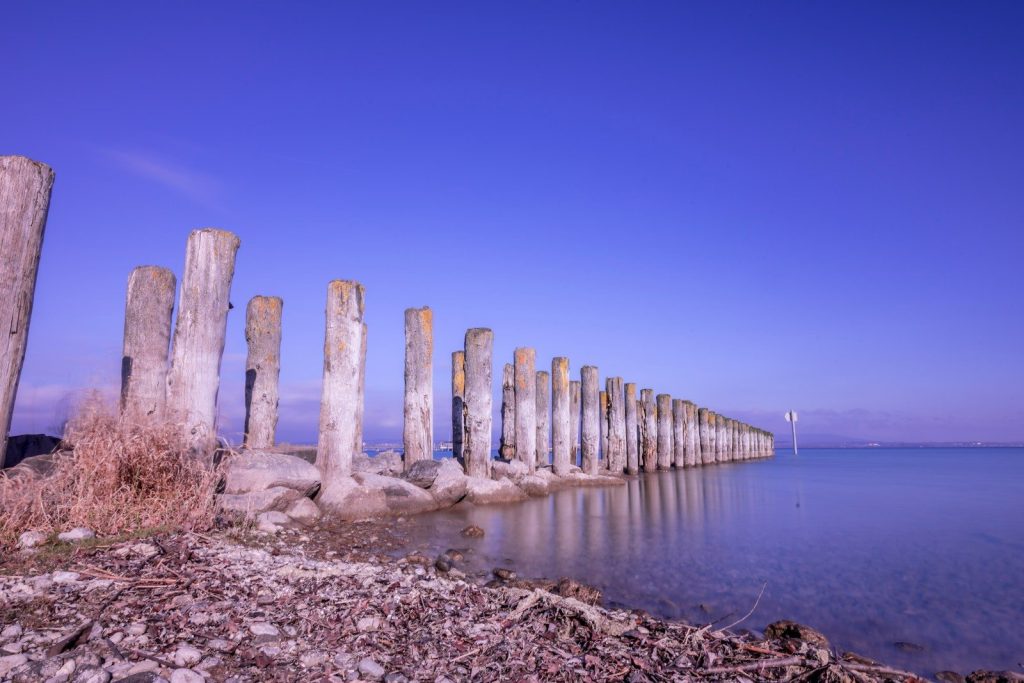
    a long row of wooden posts sitting on top of a beach
    Photo by Pascal Debrunner on Unsplash

    Modern concrete starts to crumble in salt water within 50 years. But the Roman docks of Baiae are still perfectly intact after 2,000 years. Scientists have just discovered the secret: they used volcanic ash from nearby Mount Vesuvius. This ash creates a chemical reaction with the salt water that actually grows new minerals inside the concrete, making it stronger over time. We are literally studying these re-emerging walls to learn how to build better sea walls for our modern cities. The Romans solved a problem we are still struggling with today. But what were they hiding in those luxury villas?

    The Sunken Playground of the Emperors

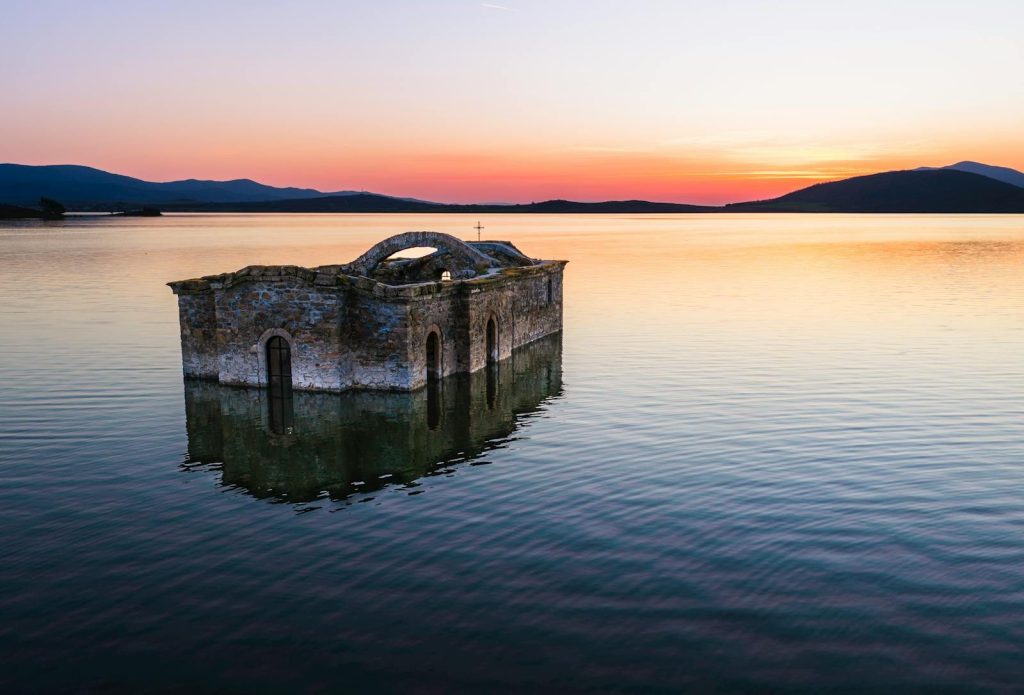
    A stunning sunset view of a submerged church in Sliven, Bulgaria.
    Photo by Yassen Kounchev on Pexels

    Baiae wasn’t just a port; it was a resort for the elite. The re-emerging ruins include massive thermal baths and banquet halls where the wealthy would feast for days. Archaeologists have found statues of gods and goddesses that look as if they were carved yesterday. The salt water has acted as a shield, protecting the delicate marble from the air. We are seeing the true decadence of the Roman Empire, right down to the “heated floors” that were powered by the nearby volcanoes. But the port also carried a much darker cargo.

    The Trade Hub for an Empire’s Greed

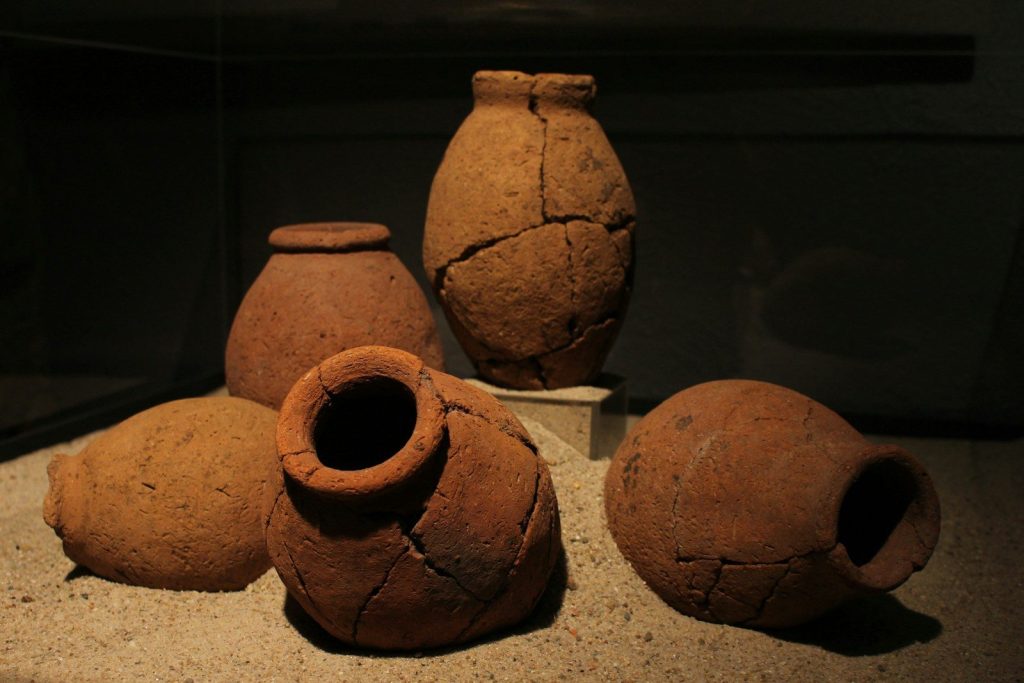
    brown pots
    Photo by Rafał Rudol on Unsplash

    Through these docks, the Romans imported everything from Egyptian grain to African lions. It was the “Amazon Hub” of the ancient world. The re-emerging warehouses are still full of giant clay jars, or “amphorae,” that once held wine, olive oil, and fish sauce. By studying the residue inside these jars, we are learning exactly what the Romans were eating and where it came from. It is a map of global trade that existed long before the modern world. But there is a hidden danger in the port that is also re-emerging.

    The Volcanic Fire Still Burning Below

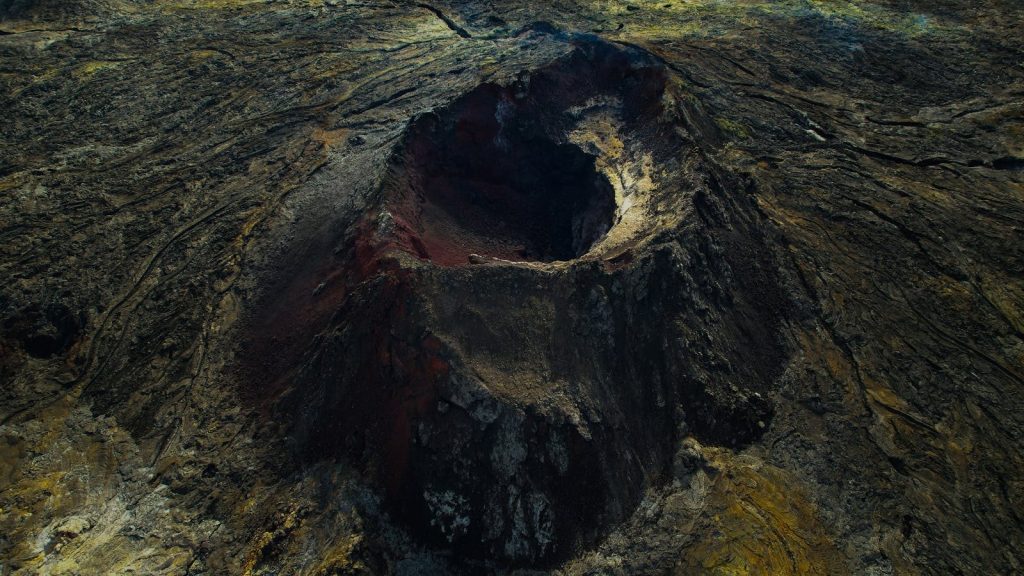
    Stunning aerial view of a volcanic crater in Iceland's rugged terrain.
    Photo by Björn Austmar Þórsson on Pexels

    The same volcanic energy that gave the Romans their concrete and their hot baths is what destroyed the city. Baiae sits on the “Phlegraean Fields,” a massive super-volcano that is still active today. The ground is constantly moving up and down as the magma “breathes” below. The re-emergence of the port is a sign that the pressure is building up again. While archaeologists are excited, local residents are worried. The city is a beautiful warning that the Earth can take back what it gives at any moment. But wait until you see the “ghost ships” found in the mud.

    Ships That Never Made It Home

    sunken ship
    Photo by Olga ga on Unsplash

    As the water recedes, the outlines of ancient Roman galleys are appearing in the silt. These ships were likely sunk during the massive earthquakes that eventually drowned the city. Inside these wrecks, researchers are finding the personal belongings of the sailors—shoes, dice for games, and even small religious charms. It makes history feel much more personal. These were real people who lost their lives in a sudden disaster. We are finally telling their stories for the first time. But is the port about to disappear again?

    The Race to Map the Sunken City

    A scuba diver explores the underwater world.
    Photo by Niklas Jonasson on Unsplash

    Geologists say the ground will eventually sink back down. We are living in a brief “window of time” where the port is visible. Teams of scientists are using 3D scanners to create a digital twin of Baiae before it returns to the abyss. They want to ensure that even if the physical city is gone, the data will live on forever. This digital heritage will allow future generations to “walk” through the port in virtual reality. It is the ultimate merger of ancient history and future tech. But what if this isn’t the only city coming back?

    The End of the Sunken Mystery

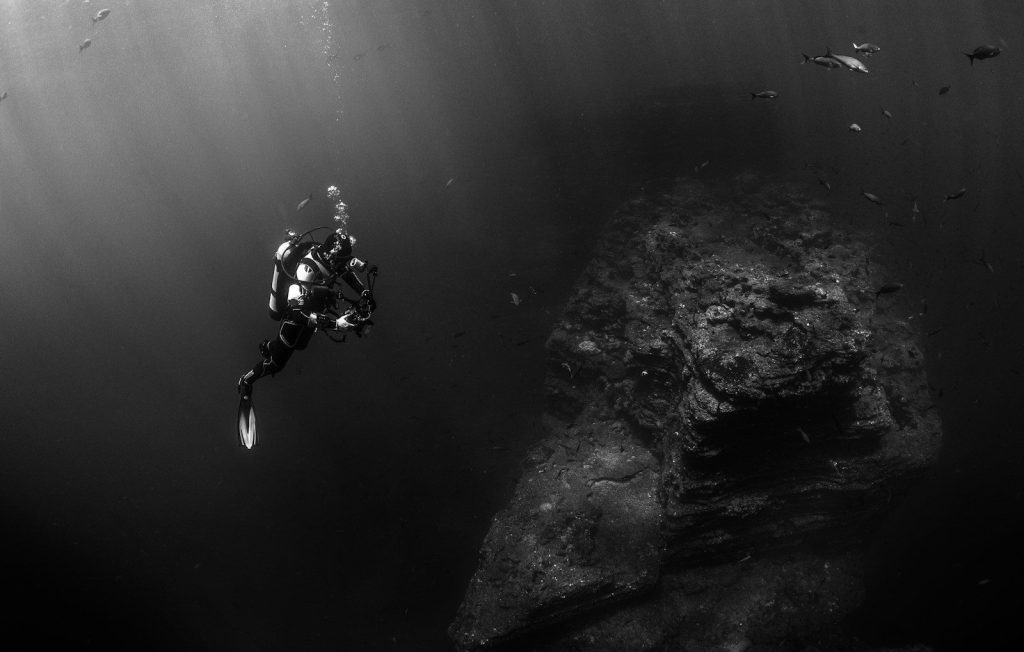
    grayscale photo of person scuba diving
    Photo by Talia Cohen on Unsplash

    The re-emergence of Baiae is a reminder that history is never truly gone; it’s just waiting for the right moment to return. This Roman port is teaching us about engineering, trade, and the raw power of our planet. As the waves retreat, we are forced to confront our own relationship with the sea. Will our cities one day re-emerge for a future civilization to study? The clock is ticking, and the tide is always moving. Are you ready for the next big discovery that is already hitting the news?

    Featured Image: Photo by Antonio Garcia Prats on Pexels

  • Why Doctors Are Blasting Deadly Viruses With Sound Waves Now

    Why Doctors Are Blasting Deadly Viruses With Sound Waves Now

    Space is usually seen as a chaotic mess of gas and dust. But astronomers have just stumbled upon something that changes everything we thought we knew about the universe. A team of international scientists has identified a specific, complex chemical pattern that is repeating across different galaxies. This signature is not just a random coincidence. It is showing up in places so far apart that they should have no connection at all. It is like finding the exact same fingerprint on two people who live on opposite sides of the planet.

    This discovery was made using a new type of deep-space telescope that can see through thick clouds of cosmic smoke. What they found was a specific ratio of carbon and hydrogen molecules that matches the conditions on early Earth. This suggests that the building blocks for life are not just a lucky accident. They might be a standard part of how the universe is built. But if this pattern is everywhere, why did it take us so long to find it?

    The Signal That No One Can Explain

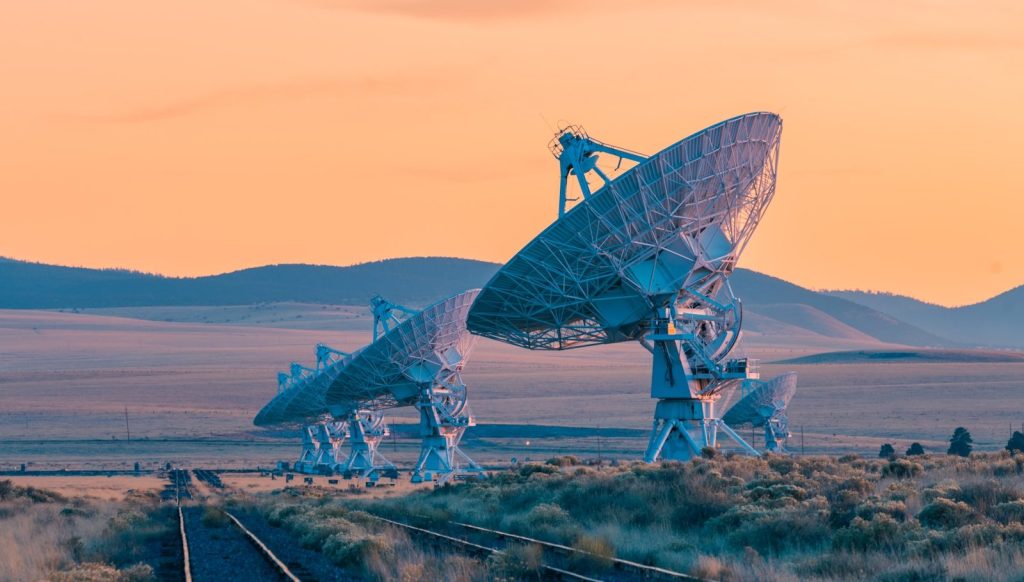
    a group of satellite dishes
    Photo by Yifu Wu on Unsplash

    The mystery started when a radio telescope picked up a faint but steady chemical signature from a distant nebula. Scientists initially thought it was a glitch in their equipment. However, when they pointed the telescope at a completely different part of the sky, the exact same chemical sequence appeared. This “cosmic code” seems to be etched into the fabric of the stars themselves.

    It is as if the universe is using a specific recipe for every galaxy it creates. This challenges the idea that every star system develops on its own. Researchers are now wondering if there is a hidden law of physics that forces these chemicals to form in this exact way. But the real shock came when they compared this data to our own solar system.

    Why This Pattern Defies The Laws Of Physics

    Abstract glowing purple energy lines on dark background
    Photo by Marek Pavlík on Unsplash

    In traditional chemistry, things are supposed to be random over such vast distances. Heat, gravity, and radiation should tear these delicate chemical bonds apart. Yet, this pattern remains perfectly intact across billions of light-years. It is essentially a “chemical ghost” that refuses to disappear.

    Some physicists argue that this proves the universe is much more organized than we ever dared to imagine. It suggests that there is an invisible “grid” or structure that guides how matter forms in the void. This discovery has left experts questioning if our current models of the Big Bang are missing a major piece of the puzzle. But could this be more than just a chemical reaction?

    Is This A Universal Map For Life?

    space, exoplanet, interstellar, exoplanet, exoplanet, exoplanet, exoplanet, interstellar, interstellar, interstellar, interstellar, interstellar
    Photo by Melmak on Pixabay

    The most exciting theory is that this pattern is a roadmap for biology. If the same chemicals are forming in the same way everywhere, it means the chances of alien life just skyrocketed. We are no longer looking for a needle in a haystack. We are looking for a pattern that we already know how to recognize.

    If these “pre-life” chemicals are standard throughout the cosmos, then planets like Earth might be common. This pattern could be the reason why life started here so quickly after the planet formed. Scientists are now racing to see if this signature is present in the atmosphere of nearby exoplanets. But there is a darker possibility that some researchers are beginning to whisper about.

    The Mathematical Impossibility Of The Cosmic Code

    metaverse, vr, virtual reality, virtual, technology, woman, headset, reality, illusion, simulation, reaching, 3d, future, digital, metaverse, metaverse, metaverse, metaverse, metaverse
    Photo by Riki32 on Pixabay

    When you run the numbers, the odds of this pattern appearing by chance are trillions to one. It is so precise that it looks like it was designed. This has led some scientists to explore the “Simulation Theory.” They wonder if this repeating code is a sign that our universe is actually a programmed reality.

    If we are living in a simulation, a repeating pattern would be like seeing the same line of code used in different parts of a video game. While this sounds like science fiction, the mathematical evidence is hard to ignore. Every time we look deeper, the pattern becomes even more perfect. But what if the pattern isn’t a code, but a memory?

    A Connection To The Very Beginning Of Time

    a very large star in the middle of the night
    Photo by Javier Miranda on Unsplash

    Some researchers believe this pattern dates back to the first second after the Big Bang. They think it might be a “fossilized” vibration from the birth of the universe. If this is true, the pattern could tell us exactly how the cosmos was created. It is like finding a piece of the original eggshell from which the universe hatched.

    By studying this chemical signature, we are essentially looking back in time. It provides a direct link to a moment when the entire universe was smaller than an atom. However, understanding this ancient signal requires a level of technology we are only just beginning to build. Does this mean our history is written in the stars?

    The Global Race To Decode The Stars

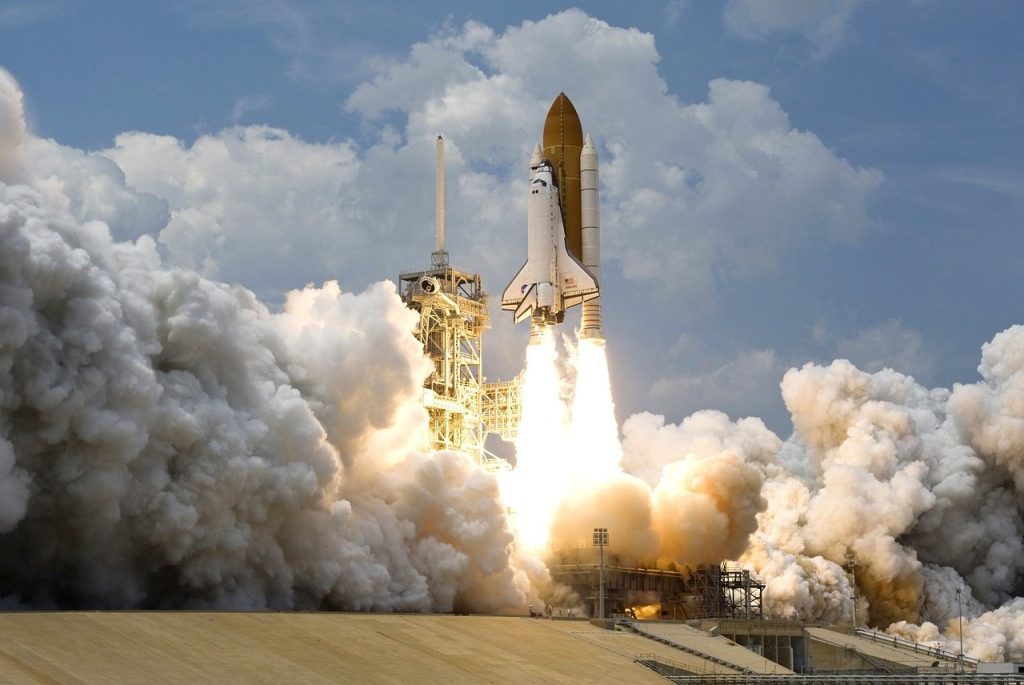
    rocket launch, rocket, take off, space shuttle, rocketship, space shuttle launch, nasa launch, space travel, john f kennedy space center, cape canaveral, florida, usa, rocket launch, rocket, rocket, rocket, rocket, rocket
    Photo by WikiImages on Pixabay

    Now that the pattern has been confirmed, every major space agency is changing its mission goals. NASA and the European Space Agency are planning new probes to search for this specific chemical ratio. They want to know if it changes as we get closer to the center of our galaxy.

    This is no longer just a hobby for astronomers; it is a matter of understanding our place in the world. The first country to fully decode this pattern will have the ultimate key to the universe. But as we look further away, we are finding that the pattern is starting to move.

    What Happens When The Pattern Changes?

    time, clock, fantasy, journey, dream, surreal, clock, journey, journey, journey, journey, journey
    Photo by TheDigitalArtist on Pixabay

    In the most distant galaxies ever recorded, the pattern looks slightly different. This suggests that the “laws” of the universe might be evolving over time. It is a terrifying thought for physicists who rely on constant rules. If the rules of the universe can change, then anything is possible.

    We are standing at the edge of a new era of discovery. Everything we thought was solid is now in question. The secret chemical pattern is just the first clue in a much larger mystery. Are we ready to find out what lies at the end of this cosmic trail?

    Featured Image: Photo by Nataliya Smirnova on Unsplash

  • New Metal Makes Green Hydrogen Cheaper Than Fossil Fuels

    New Metal Makes Green Hydrogen Cheaper Than Fossil Fuels

    For decades, the dream of a world powered by water has felt like a distant fantasy. Green hydrogen is the ultimate fuel because it produces zero emissions, but it has always had one massive flaw. It is simply too expensive to make. To pull hydrogen from water, scientists usually need precious metals like platinum or iridium. These materials cost a fortune and keep green energy out of reach for the average person. However, a group of researchers just announced a discovery that changes the math forever. They have developed a new metal alloy that can split water molecules without the high price tag. This “miracle metal” is made from common materials you can find almost anywhere. It performs just as well as platinum but at a fraction of the cost. If this technology scales up, the era of gasoline might end much sooner than we thought. But what exactly is this mystery material made of?

    The Hidden Cost Holding Back A Clean Energy Revolution

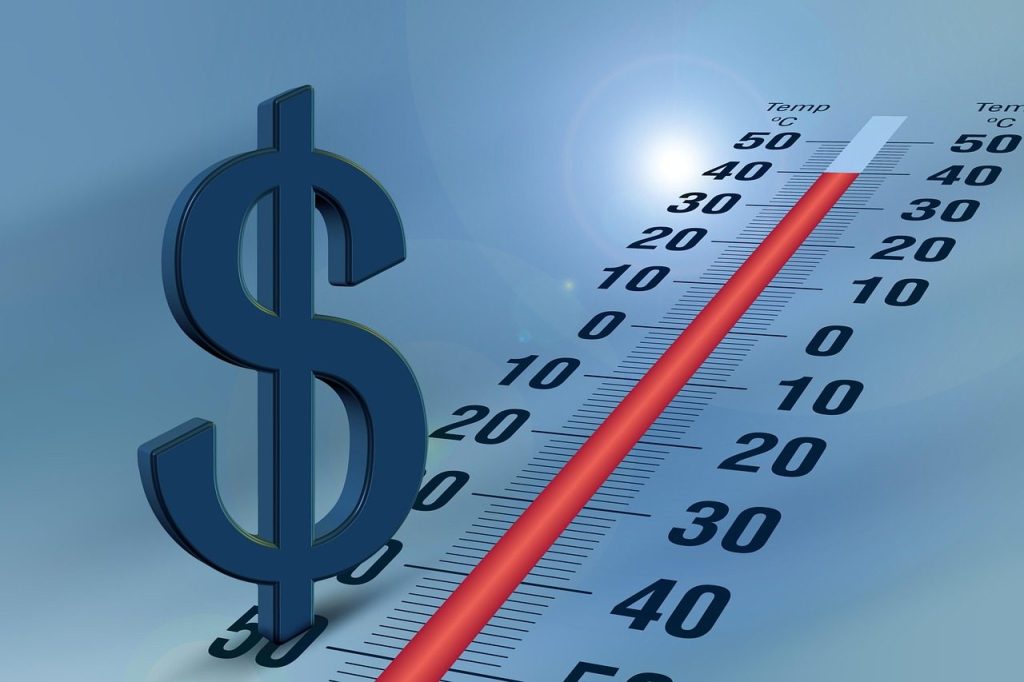
    dollar, cost, finance, calculator, question of cost, climate costs, thermometer, global warming, temperature, impact, climate change, climate, national economy, climate protection, business, cost, cost, cost, cost, cost, thermometer, global warming, global warming, climate change, climate
    Photo by geralt on Pixabay

    To understand why this is a big deal, you have to look at the current price of “green” hydrogen. Right now, it is roughly three times more expensive than natural gas. The main reason is the equipment used to create it. Electrolyzers act like giant batteries that separate hydrogen from oxygen. Inside these machines, the most critical components are coated in rare metals. Iridium is one of the rarest elements on Earth, and its price fluctuates wildly. As long as we rely on these “royal metals,” green hydrogen will stay a luxury item. Scientists knew they had to find a cheaper alternative, or the planet would stay hooked on oil. They spent years testing different combinations, but most cheap metals would simply dissolve or rust during the process. That was until they tried a very unusual recipe.

    Why Common Metals Failed To Solve The Hydrogen Puzzle

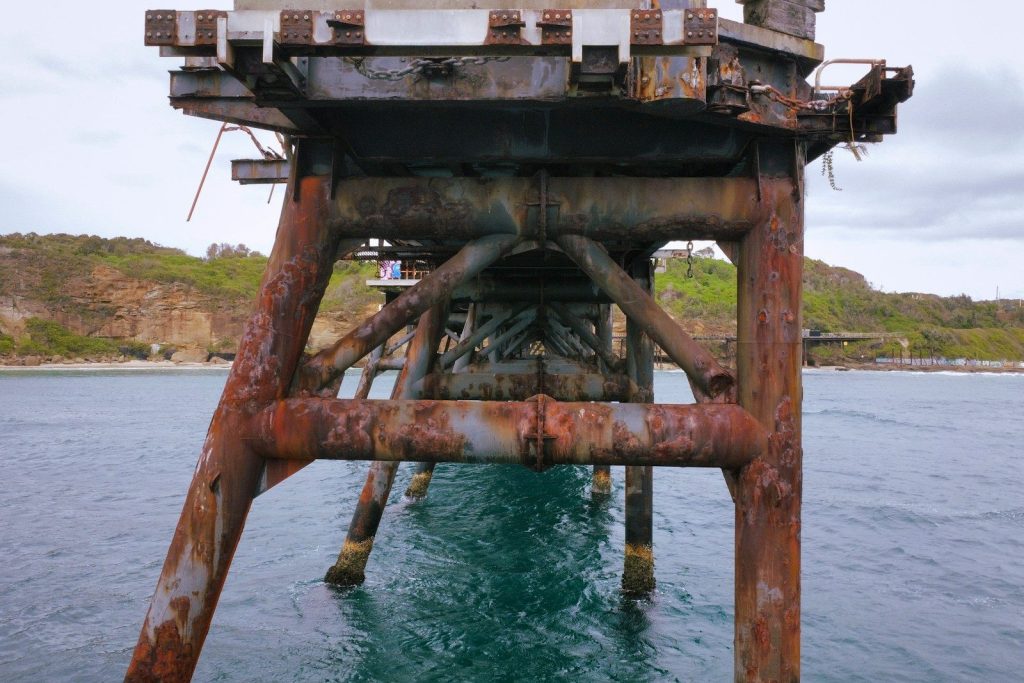
    a rusted metal structure in the middle of a body of water
    Photo by Josh Bradshaw on Unsplash

    It seems like an easy fix to just use iron or nickel instead of platinum. After all, these metals conduct electricity and are very cheap. The problem is the harsh environment inside an electrolyzer. The process of splitting water creates a highly acidic and corrosive atmosphere. Most common metals fall apart within minutes of being turned on. It is like trying to build a bridge out of sugar while it is raining. Researchers were stuck in a loop of finding metals that were either cheap but fragile or strong but unaffordable. They needed something that could survive the “acid bath” while remaining active enough to trigger the chemical reaction. The breakthrough didn’t come from a single metal but from a chaotic mixture that defies logic.

    A Secret Discovery Found In A High Entropy Alloy

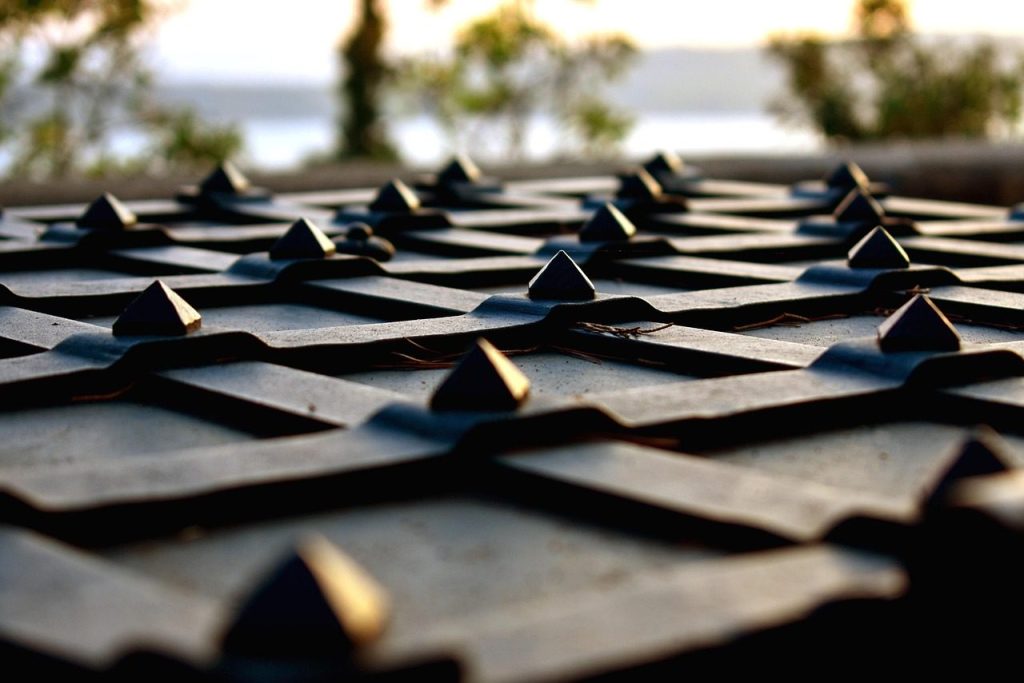
    texture, metal, pyramids, old, rust, material, iron, metallic, pattern, steel, surface, structure, rough, antique, vintage, rusty, craft, wrought
    Photo by marijana1 on Pixabay

    How This Cheap Alloy Smashes Through The Efficiency Barrier

    a group of people standing next to each other
    Photo by Robynne O on Unsplash

    Efficiency is the name of the game in the energy world. In the past, cheap catalysts were not only fragile but also slow. They required a lot of electricity to produce just a little bit of hydrogen. This meant you were spending more on power than the fuel was worth. The new high-entropy alloy changes that. It has a unique atomic structure that allows hydrogen atoms to pop off the surface with almost zero resistance. It is like turning a gravel road into a high-speed glass highway. Tests show that this metal can run for thousands of hours without losing its edge. This means factories can produce massive amounts of fuel 24 hours a day with very little maintenance. The result is a flood of cheap energy that could make fossil fuels obsolete. But is the world ready for a fuel that is cheaper than gas?

    Why Oil Companies Are Watching This Simple Molecule

    oil refinery, petroleum, industrial, buildings, architecture, landscape, silhouette, oil refinery, oil refinery, oil refinery, petroleum, petroleum, petroleum, petroleum, industrial, industrial, industrial, industrial, industrial
    Photo by GDJ on Pixabay

    The global energy market is worth trillions of dollars, and hydrogen is the biggest threat to the status quo. Unlike electricity stored in batteries, hydrogen can be shipped in tankers and stored in giant tanks just like oil. This means we can use it to power massive cargo ships, airplanes, and heavy trucks that batteries can’t handle. Up until now, oil companies haven’t been worried because the costs were too high. This new metal changes the timeline completely. If hydrogen becomes cheaper than diesel, every shipping company on Earth will switch overnight to save money. We are looking at a future where the world’s most powerful industries have to adapt or disappear. However, some people are asking if we can actually build enough of these machines to make a difference.

    The Real Reason Your Future Car Might Run On Water

    man in black suit standing beside silver mercedes benz coupe
    Photo by Mohd Hammad on Unsplash

    While electric cars are popular, they have some downsides, like long charging times and heavy batteries. Hydrogen cars can be refilled at a pump in less than five minutes. They have the same range as a gas car but only emit pure water vapor from the tailpipe. The only thing stopping them was the lack of cheap hydrogen. With this new metal discovery, “water-fueled” cars become a financial win for the driver. You could potentially fill your tank for half the price of gasoline. This isn’t just about being green; it’s about being smart with your wallet. Major car manufacturers are already pivoting their designs to take advantage of this breakthrough. But there is one final question about how safe this new fuel really is for the average person.

    Can This New Metal Save The Planet In Time?

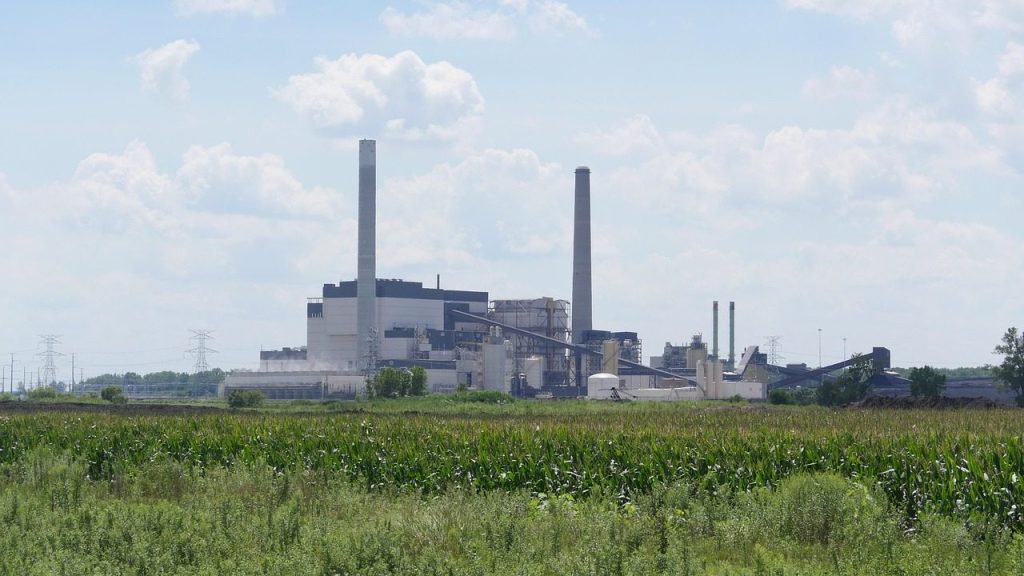
    omaha, nebraska, electric, power, planet, coal, generating, electricity, clean, burning, industrial, industry, pollution, blue pollution, blue planet, blue clean, blue industry, omaha, omaha, omaha, omaha, omaha, nebraska, nebraska
    Photo by dnavarrojr on Pixabay

    The race against climate change is a race against the clock. We need solutions that work now, not in fifty years. The beauty of this new alloy is that it uses existing manufacturing techniques. We don’t need to invent new factories to make it; we just need to change the recipe of the metals we are already melting. This means we could see large-scale hydrogen plants popping up within the next few years. It provides a path to decarbonize the “un-fixable” parts of our economy, like steel making and heavy shipping. The transition from oil to water is no longer a matter of “if” but “when.” We are standing on the edge of the biggest energy shift since the Industrial Revolution. But what happens to the global economy when energy suddenly becomes almost free?

    Featured Image: Photo by Vincent Botta on Unsplash

  • This Man Just Searched Google Using Only His Thoughts

    This Man Just Searched Google Using Only His Thoughts

    The boundary between the human mind and the digital world has officially vanished. For the first time in history, a human being has successfully navigated the internet and performed a Google search without moving a single muscle. This is not a scene from a science fiction movie; it is a medical reality that is happening right now. Scientists have successfully implanted a tiny device that translates brain signals into digital commands. This allows a person to control a computer cursor just by thinking about it.

    For decades, we have used our hands to communicate with machines. We moved from keyboards to mice, and then to touchscreens. But this new breakthrough skips the body entirely. It creates a direct “telepathic” link between a person’s neurons and the global web. The implications are staggering, and the technology is surprisingly less invasive than you might think. But how did they manage to get a computer chip inside a human brain without a dangerous surgery?

    No Skull Drilling Required For This Digital Upgrade

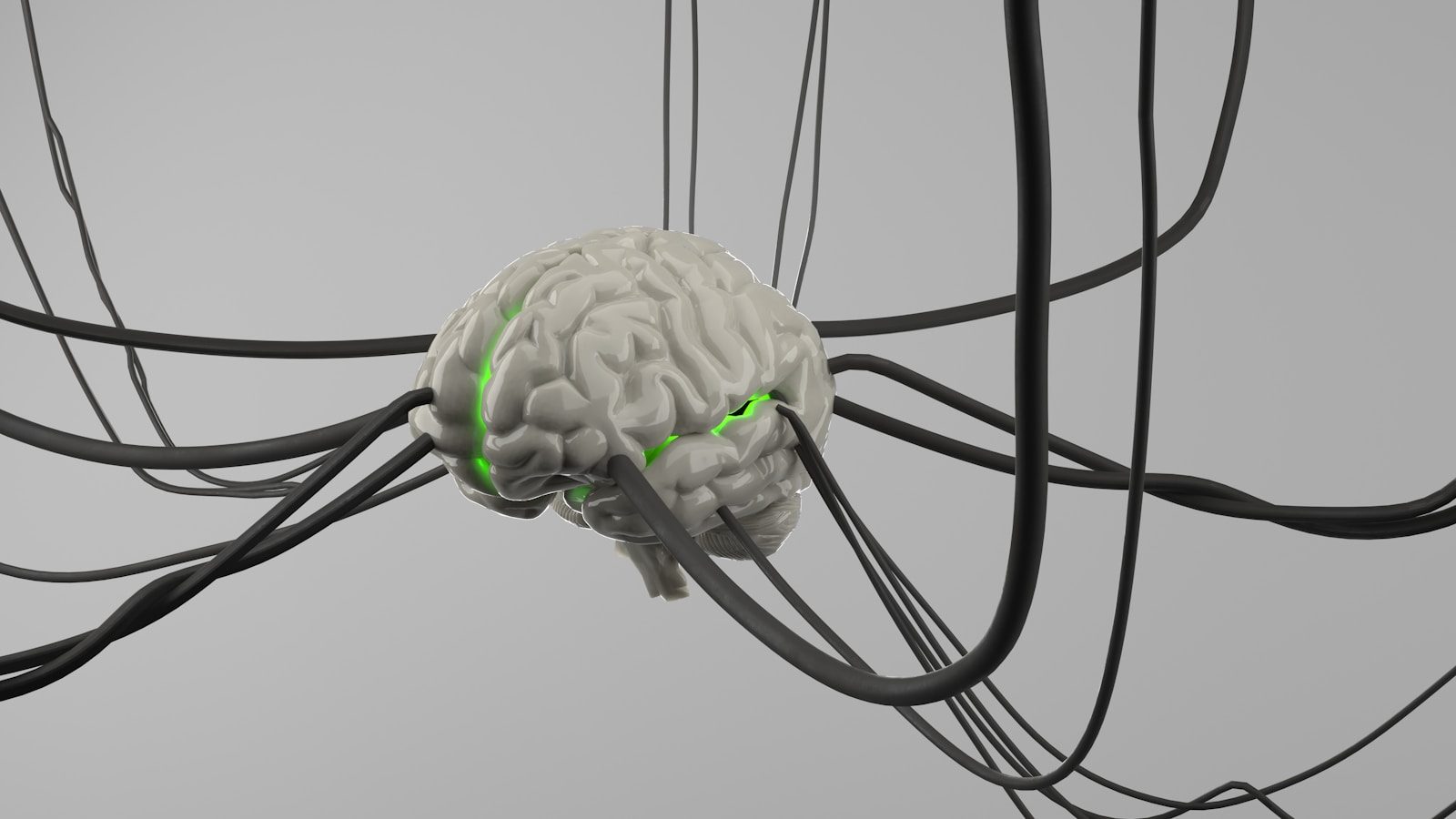
    synapse, brain, neurons, network, neuron, mind, biology, science, thinking, anatomy, ai generated, neurons, neurons, neurons, neurons, neurons, neuron
    Photo by TheDigitalArtist on Pixabay

    Most people assume that connecting a brain to a computer requires a massive, risky operation. They imagine surgeons drilling holes into a skull to plant wires. However, this breakthrough used a much smarter approach. Researchers utilized a device called a “stentrode.” Instead of going through the bone, they inserted the device through the jugular vein in the neck. They then threaded it up into the brain’s blood vessels.

    Once the device was in place, it expanded to sit against the walls of the vein. This allows it to “listen” to the electrical signals of the brain without ever touching sensitive brain tissue. It acts like a digital microphone for your thoughts. This method is much safer and heals much faster than traditional brain surgery. Once the device is settled, the user has to undergo a very specific kind of training. Do you think you could learn to move a cursor with your mind?

    Training Your Brain To Click A Digital Button

    men's gray sweatshirt close-up photography
    Photo by Tarn Nguyen on Unsplash

    Having the implant is only half the battle. The human brain does not naturally know how to talk to a Windows PC or a Mac. The patient had to spend weeks training their mind to associate specific thoughts with specific actions. For example, imagining the movement of a foot might be the signal to “click” on a search result. The computer learns the unique electrical signature of that thought and executes the command.

    At first, the process is slow and requires intense focus. But over time, the brain adapts. The patient described the feeling as a new kind of “muscle memory” that doesn’t involve muscles. Eventually, thinking about a search term becomes as natural as breathing. The speed of these mental commands is already starting to rival physical typing. But is it actually accurate enough for everyday use?

    The World Record For Mental Typing Speed

    ai generated, holographic, interface, digital, reflection, cybernetics, vision, data, stream, human, sight, futuristic, tech, augmented reality, visualization, illuminated, network, coding, biotechnology, advanced, neon, circuitry, science, hologram, augmented reality, augmented reality, augmented reality, augmented reality, augmented reality, hologram
    Photo by Vilkasss on Pixabay

    Accuracy is the biggest hurdle for brain-computer interfaces. If the computer misreads a thought, the user could end up clicking the wrong link or deleting an important file. Surprisingly, the latest tests show that this technology is becoming incredibly precise. Patients are now able to type dozens of characters per minute just by imagining the letters. This is faster than many people can type on a smartphone with their thumbs.

    The “Google Search” test was the ultimate proof of concept. The patient was able to navigate to the search bar, think of a query, and browse the results without any errors. This level of control opens up the entire digital world to people who have lost the ability to move. While this is a victory for science, the primary goal was to solve a much more heartbreaking problem.

    Restoring A Voice To The Silent Minority

    persons left hand on white textile
    Photo by Aamir Suhail on Unsplash

    The first people to receive these implants are those living with paralysis or conditions like ALS. For these individuals, the mind is perfectly healthy, but the “wires” connecting it to the body are broken. They are often “locked in,” unable to speak or move despite being fully conscious. This technology acts as a bridge, bypassing the damaged nerves to give them back their independence.

    Being able to search Google means being able to self-diagnose, communicate with family, and stay informed. It is the difference between being a passive observer and an active participant in the world. The joy expressed by the first patients was overwhelming. But as the technology proves successful, people are starting to ask if healthy people will want these implants too.

    Will We All Become Mind Readers Soon?

    artificial intelligence, brain, think, control, computer science, electrical engineering, technology, developer, computer, man, intelligent, controlled, printed circuit board, board, information, data, function, microprocessor, person, data exchange, digital, communication, web, network, programming, server, script, artificial intelligence, artificial intelligence, brain, brain, technology, technology, technology, technology, technology, computer
    Photo by geralt on Pixabay

    If a computer can read your intent to click a button, could it eventually read your private thoughts? This is the big question haunting the tech industry. As we move closer to a world where brain implants are common, the line between private reflection and public data becomes thin. Researchers insist that the device only listens for specific “command” signals, not a continuous stream of consciousness.

    However, the potential for “thought-jacking” or hacking a brain interface is a real concern for cybersecurity experts. We are entering an era where we might need a “firewall” for our own minds. Despite these fears, the convenience of a “screenless” life is a massive draw for big tech companies. Could your next smartphone actually be hidden inside your head?

    The End Of The Smartphone Era As We Know It

    a close up of a piece of luggage with text on it
    Photo by Google DeepMind on Unsplash

    We are currently addicted to our screens, but many experts believe the “Age of the Glass Rectangle” is ending. If you can search Google, send a text, or dim your lights just by thinking about it, you don’t need a physical device in your pocket. This breakthrough is the first step toward “invisible” technology. We could soon live in a world where information is simply there when you need it.

    Imagine walking down the street and having directions appear in your mind’s eye, or instantly knowing the answer to any question without looking down. It sounds like a superpower, but it is the logical conclusion of the path we are on. The first human “Google search” was just the spark. The real question is whether our society is ready for the fire that comes next.

    Are We Ready To Merge With The Machine?

    future, eye, robot eye, machine, futuristic, like a robot, droid, robots, android, brown eye, brown robot, brown future, brown like, future, future, future, future, future, robot eye, robot eye, futuristic, robots, robots, robots, android
    Photo by AngelBeez on Pixabay

    The success of the first mind-controlled Google search proves that the “Cyborg” future isn’t a fantasy anymore. We have successfully linked human biology with digital intelligence. As these devices become smaller, faster, and even more reliable, the gap between “human” and “computer” will continue to shrink. We are standing at the edge of a new evolution for our species.

    This technology offers a miracle for the paralyzed and a new frontier for everyone else. It challenges our ideas of privacy, identity, and what it means to be human. We are no longer just using tools; we are becoming the tools. But before we all sign up for our own brain chips, there is one final detail that might change your mind about the whole thing.

    Featured Image: Photo by Bhautik Patel on Unsplash