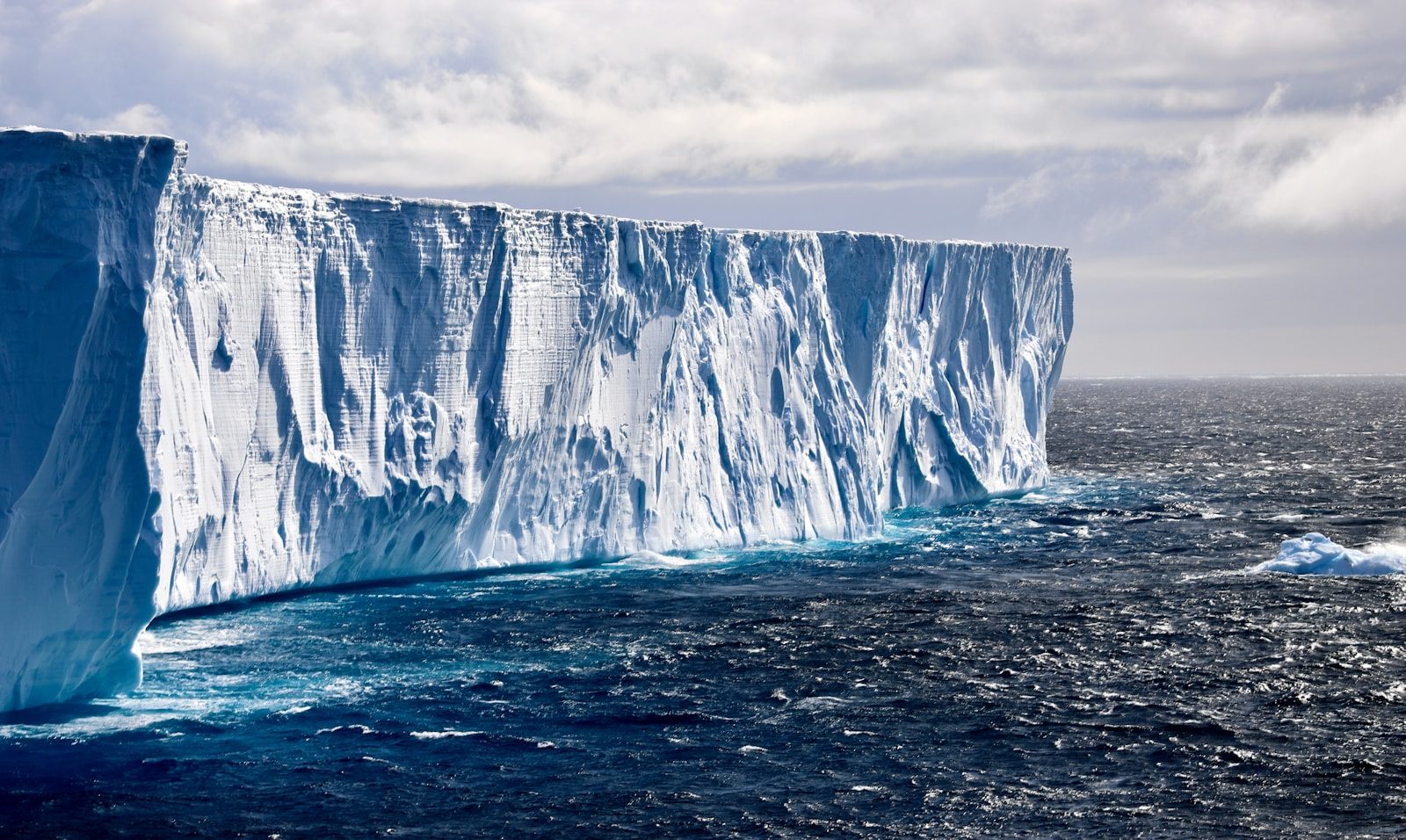
Antarctica is famously known as a frozen desert. It is a land of endless ice and howling winds. However, researchers are currently warning that a dramatic transformation is occurring on the white continent. Scientists have spent decades tracking ice loss, but this new discovery is entirely biological. It is a silent change that is rapidly altering the landscape. According to researchers from the University of Exeter, two native flowering plants are spreading at an unprecedented rate. This sudden burst of green life is not a sign of recovery. Instead, it is a highly alarming warning signal that the delicate polar ecosystem is reaching a critical tipping point. The physical reality of this change is forcing climate experts to rethink how fast the region is warming. But this green expansion is only the first layer of a much deeper, more volatile problem that could impact the entire planet.
The white continent is turning green.
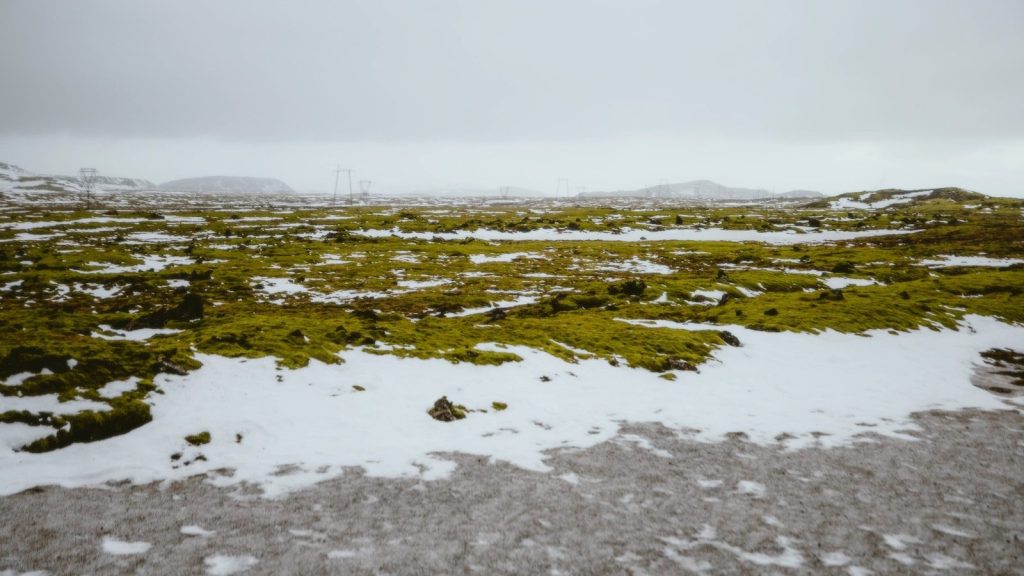
Moss and flowering plants are reclaiming the rocky shores of Antarctica. They are growing faster than ever before. According to a study published in the journal Current Biology, the growth rate of these plants has surged over the past decade. The research team analyzed satellite data and ground measurements to confirm the change. This greening is happening in areas where ice has recently melted away. It is a visual representation of rising global temperatures. But the greening of the landscape is only the first phase of a much larger ecosystem shift.
Rising temperatures spark an eco-panic
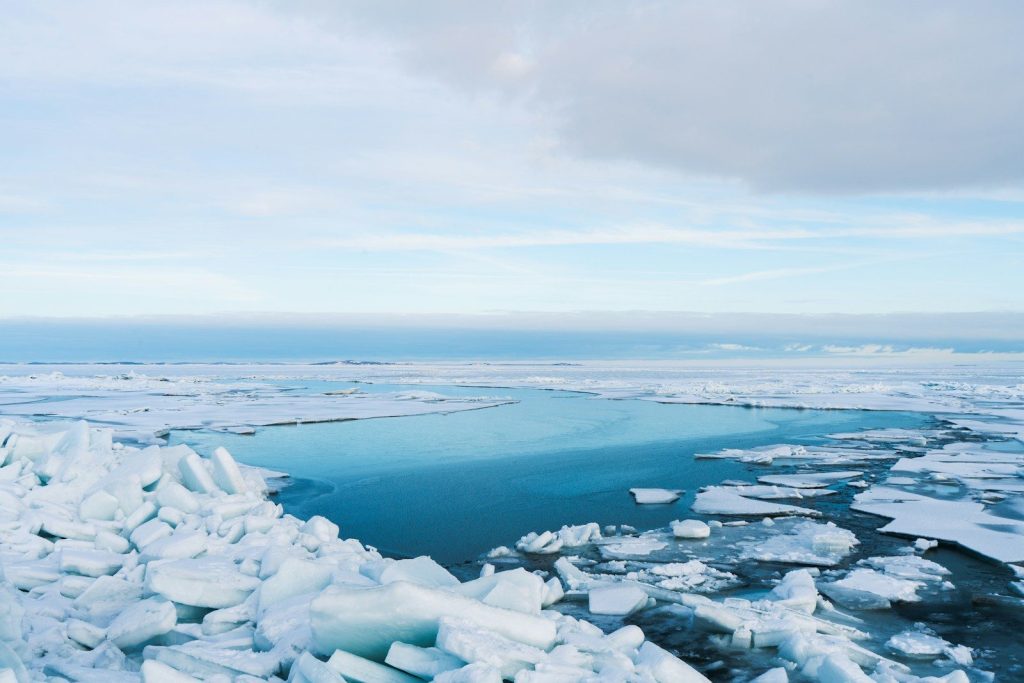
The polar climate is experiencing unprecedented heat spikes. These sudden warm spells are lasting longer during the summer months. According to reports from the British Antarctic Survey, some regions have seen temperature anomalies far above seasonal averages. This persistent warmth allows plants to flourish where ice once ruled. It is a dramatic change for a continent that has been frozen for millions of years. But this sudden warmth is also inviting unwanted visitors that do not belong in this fragile, icy desert.
Dangerous invaders are moving south.
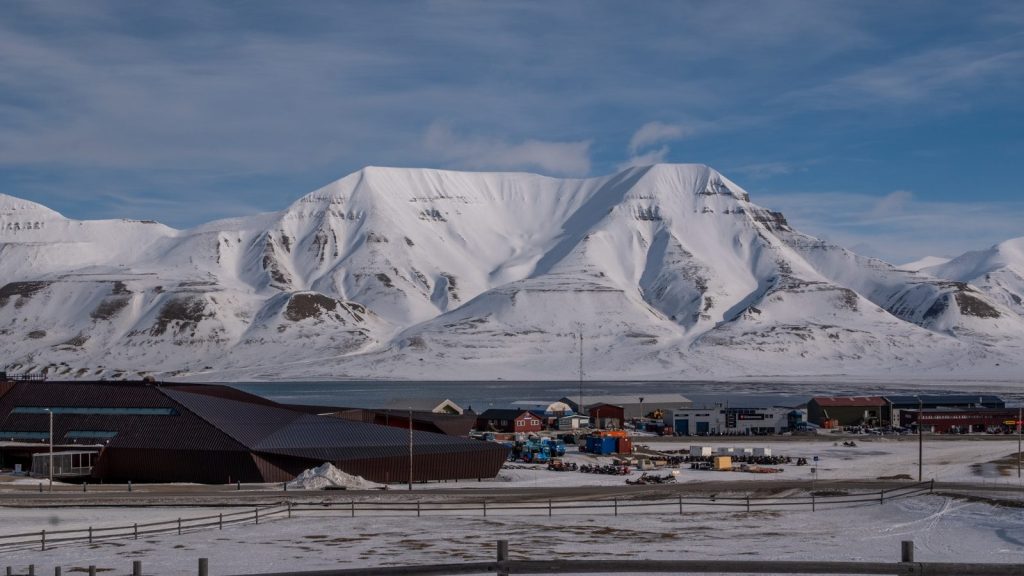
Invasive species are finding a new home in the warming soils of Antarctica. They are hitchhiking on the boots and bags of tourists and researchers. According to a study by the University of Stellenbosch, foreign grass seeds and insects are successfully taking root in the region. These hardy invaders can easily outcompete the native polar species. They threaten to permanently alter the simple food webs of the continent. But there is a biological threat on the horizon that is even more terrifying than invasive plants.
A deadly biological crisis arrives.
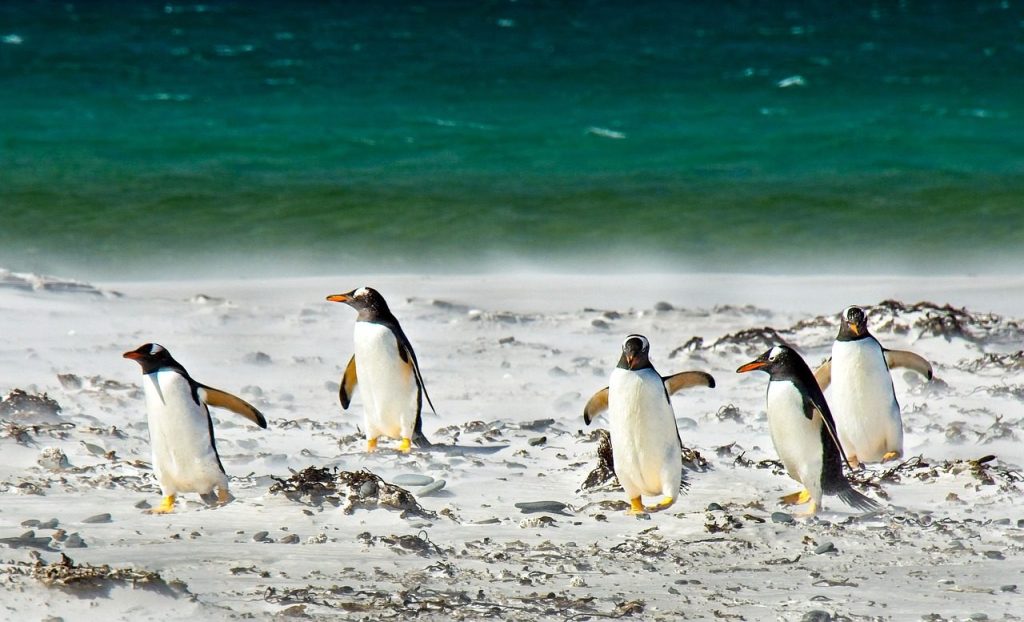
A highly contagious virus has officially breached the icy borders of Antarctica. It is targeting the vulnerable wildlife populations. According to reports from the Spanish National Research Council, avian influenza was recently detected in dead seabirds on the Antarctic Peninsula. This deadly pathogen presents a severe threat to massive penguin colonies that have no immunity to the disease. The virus can spread rapidly through crowded nesting grounds. Meanwhile, the physical landscape is shifting in a way that could rewrite global coastal maps.
The collapse of the ancient ice shelves
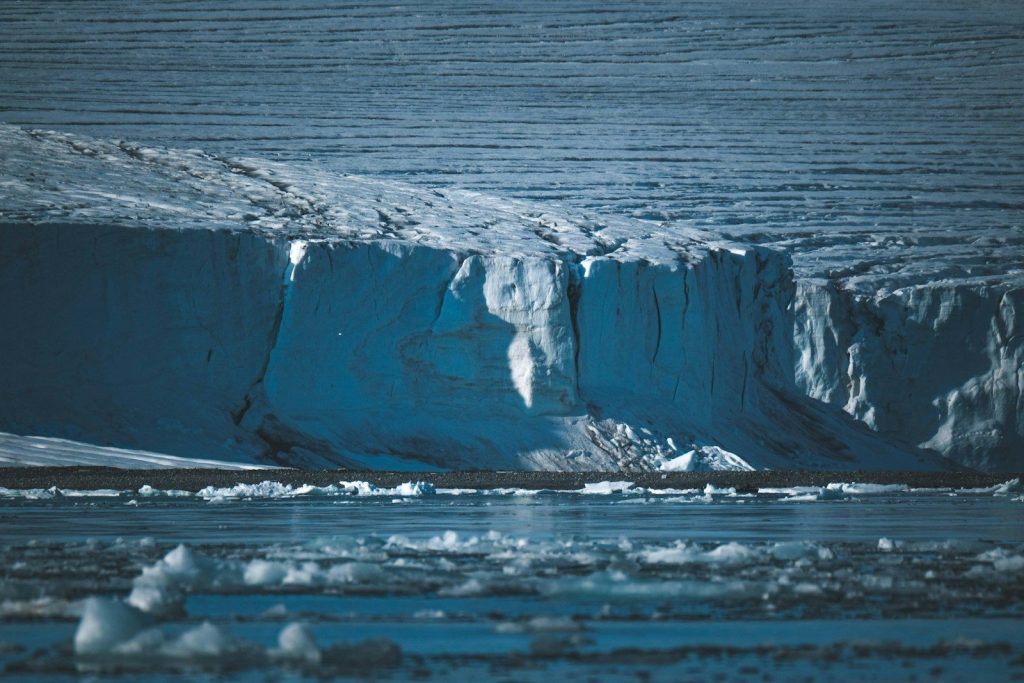
Giant floating platforms of ice are fracturing into the Southern Ocean. These ice shelves act as natural barriers that hold back massive land-bound glaciers. According to researchers at the National Snow and Ice Data Center, several major shelves have disintegrated rapidly in recent years. Without these barriers, glaciers can slide into the sea at an accelerated pace. This process directly contributes to global sea-level rise. Some experts believe one specific giant glacier is on the verge of a catastrophic collapse.
The terrifying countdown of the doomsday glacier
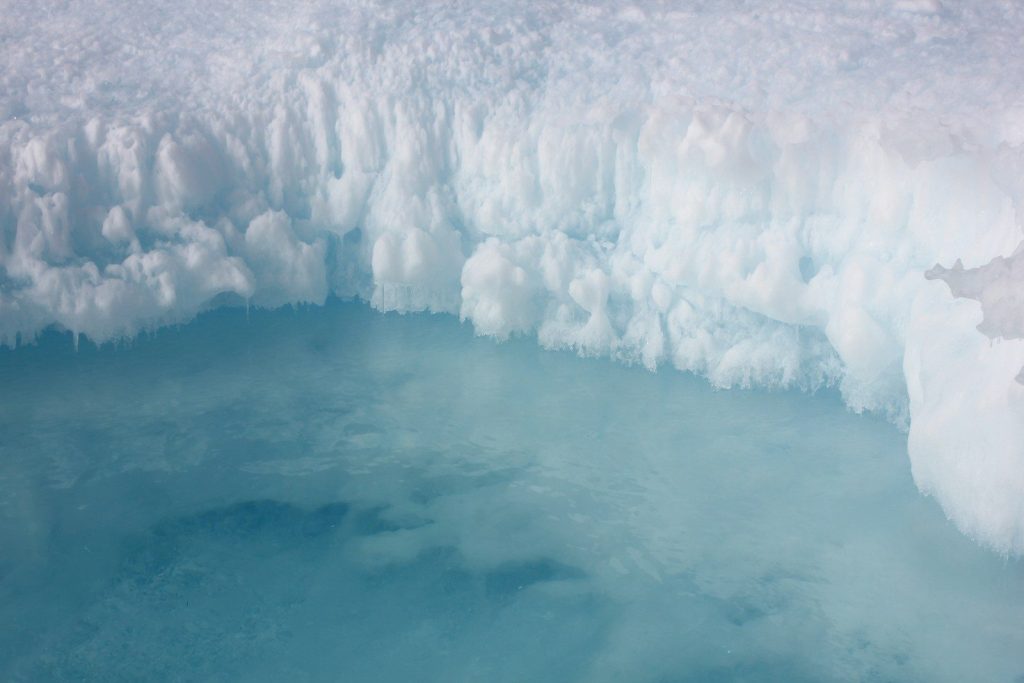
The Thwaites Glacier is roughly the size of Florida. It is melting from below because of warm ocean currents. According to a study by the International Thwaites Glacier Collaboration, deep channels are allowing warm water to eat away at the glacier’s underbelly. If this entire ice block collapses, it could raise global sea levels by several feet. This would trigger immediate flooding in coastal cities worldwide. But scientists have just spotted another clue that suggests the deep ocean is breaking down even faster.
Sinking currents threaten the global ocean.
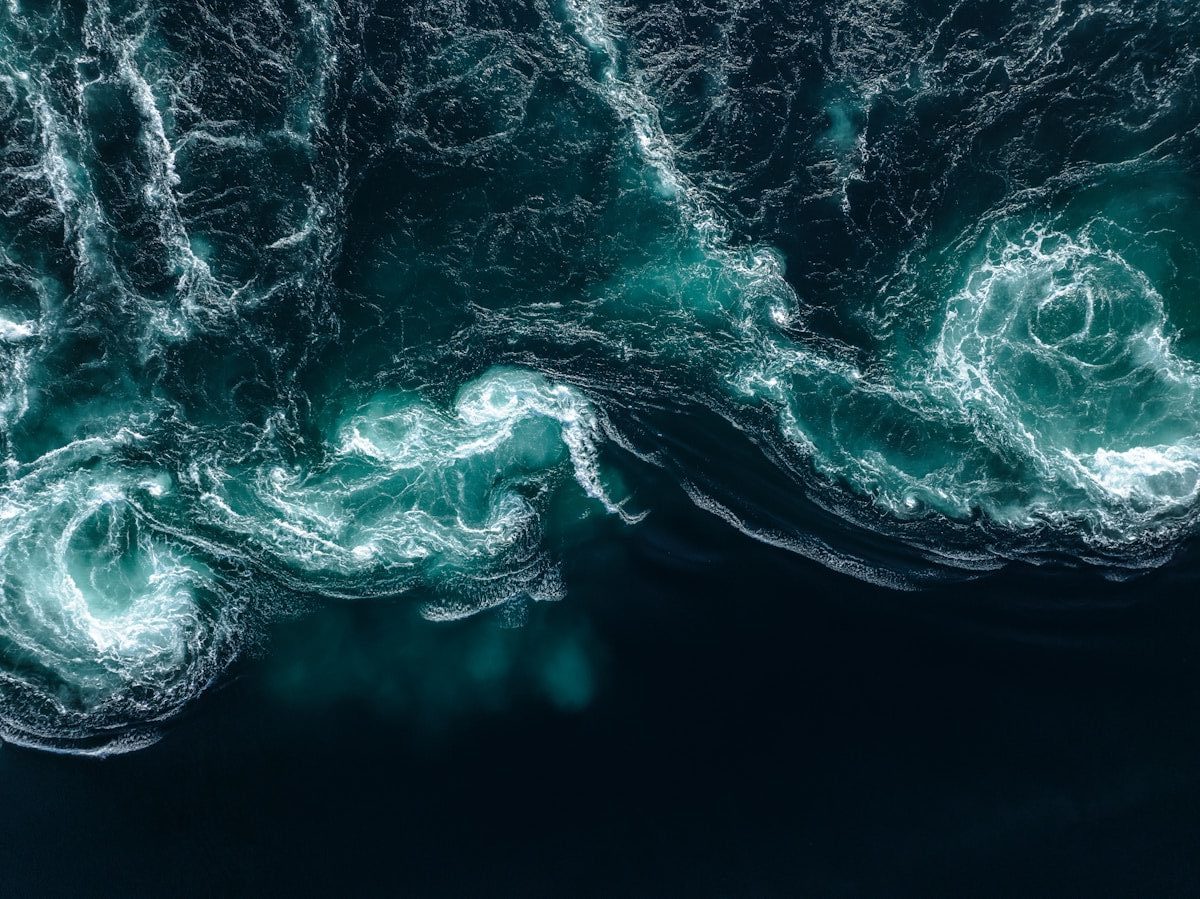
The deep-water currents of Antarctica are slowing down. These currents act as a global conveyor belt that distributes nutrients and oxygen across the oceans. According to research published in the journal Nature, this circulation system has weakened by thirty percent since the 1990s. The slowdown is caused by a massive influx of fresh water from melting glaciers. This change could disrupt marine life across the globe. But scientists are already looking at how we must adapt to this rapidly shifting reality.
Adapting to a rapidly changing world
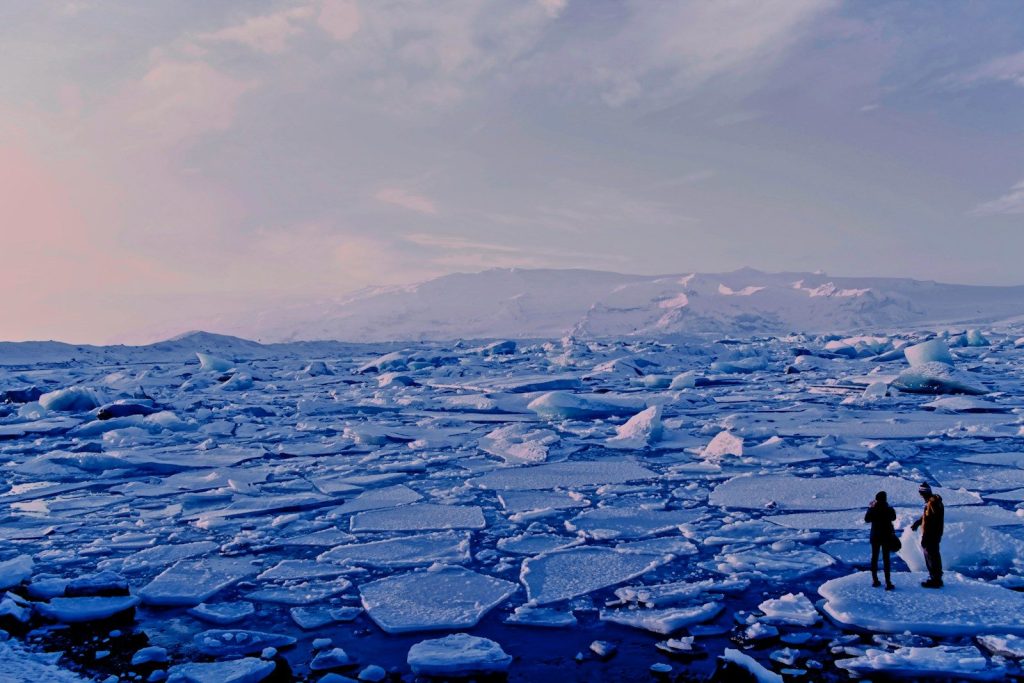
The changes happening in Antarctica are not isolated events. They are early warnings that affect every corner of our planet. Understanding these polar transformations is crucial for predicting the future of our climate. By studying these rapid shifts, scientists are working hard to build better climate models and warning systems. This knowledge can help coastal communities prepare for the rising tides ahead. The frozen continent is telling a story of change, and the world must listen carefully.
Leave a Reply