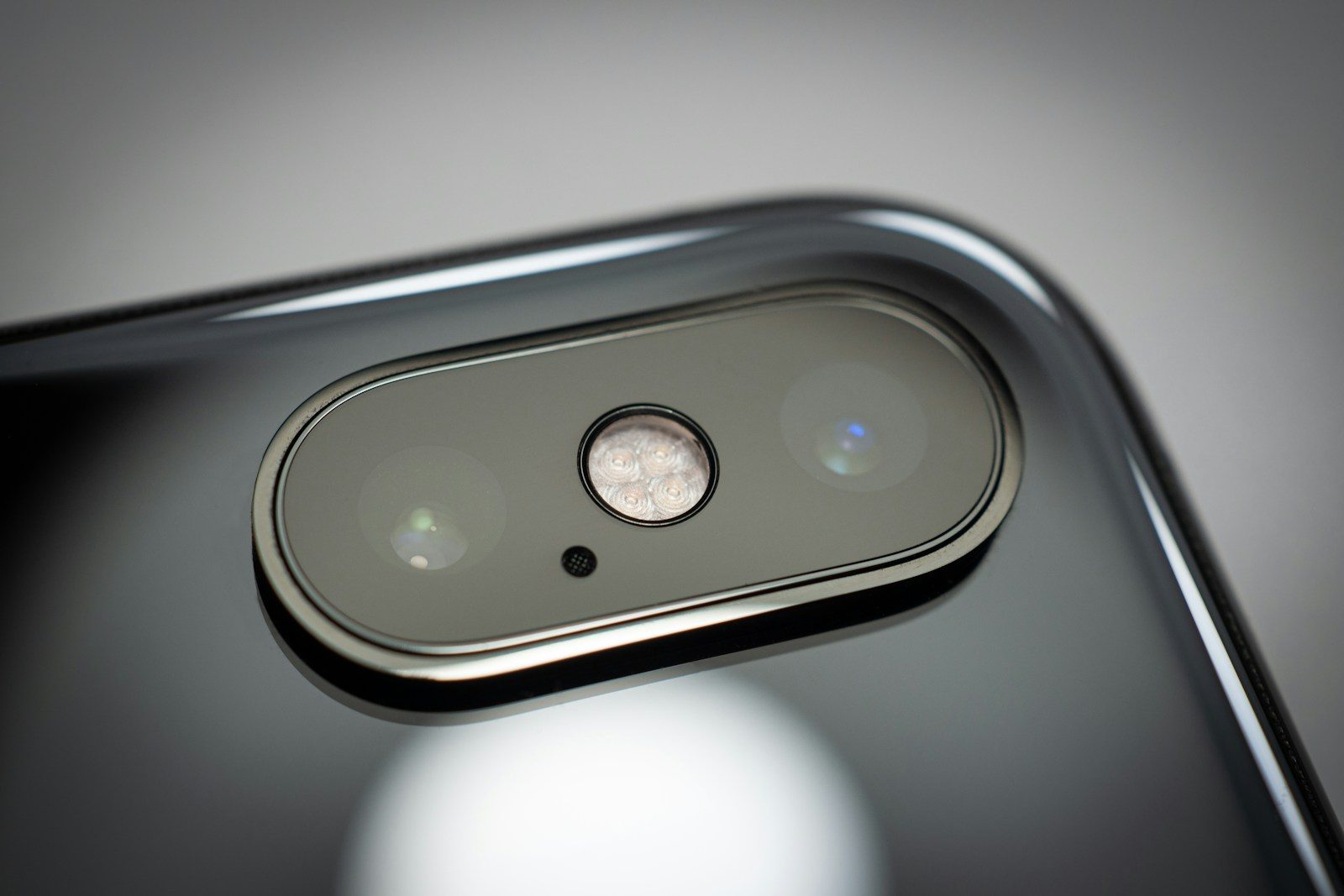
Every smartphone sold in the last decade has a camera pointed directly at your face for most of the hours you are awake. It sits on your desk while you work. It rests on your nightstand while you sleep. It travels with you into every private space you enter.
Most people believe the camera is only active when they consciously open it. That belief is wrong — and the evidence is not from conspiracy theorists. It comes from security researchers at major universities, from court documents in corporate litigation, and from disclosures made by Apple and Google themselves in response to legal pressure.
Apps that you have installed on your phone can access your camera without displaying any visible indicator that they are doing so. They can capture still images and video. Some can process that footage in real time. And the technical mechanism that prevents this from happening — a small indicator light — has been demonstrated to be bypassable under specific conditions.
The people who know the most about device security have made very specific choices about what they keep near their phones and what they cover. What they know — and what you are about to read — changes how you will think about the device in your pocket for a long time.
The Research Paper That Quietly Started a Panic in 2023
In 2023, researchers at the Graz University of Technology published findings that forced Apple to issue an emergency patch to iOS. The vulnerability — which they named “LeftoverLocals” — allowed malicious apps to access data being processed by the phone’s graphics processing unit.
That included camera data. Depending on the device and the operating system version, an app with no camera permissions could theoretically access fragments of camera processing that remained in GPU memory after another app had used the camera — without triggering any permission request or indicator light.
Apple patched the vulnerability. But the significance of the finding went beyond one bug. It demonstrated that the permission system most users rely on as their primary protection — the pop-up that says “App X would like to access your camera” — is not the only pathway to camera data on a modern smartphone.
The researchers did not claim this was being exploited in the wild at scale. What they demonstrated was that the assumption of total camera inactivity when the camera app is closed is not technically guaranteed. That distinction matters more than most users realize.
Your Front Camera Can Record Without the Indicator Light
The green indicator dot that appears on iPhones and newer Android devices when the camera is active was introduced specifically to address concerns about unauthorized access. Apple added it in iOS 14 in 2020. Google added a similar indicator to Android 12 in 2021.
What most users do not know is that the indicator operates at the software level — not the hardware level. This distinction is critical.
A hardware-level indicator is a physical circuit that lights up whenever electrical current flows to the camera sensor. It cannot be bypassed by software. Several laptop manufacturers use this design for their webcam lights.
A software-level indicator is controlled by the operating system itself. It activates when the camera API is called through normal channels. In 2019, security researcher Felix Krause demonstrated that iOS apps could, at the time, activate the camera in certain conditions without triggering the indicator. Apple subsequently addressed the specific exploit he identified.
But the fundamental architecture — software controlling the indicator rather than hardware — remains unchanged in most smartphones. What was patched was a specific method. The underlying limitation of software-controlled indicators is structural.
The Apps That Were Caught Accessing Cameras Without Permission
This is not theoretical. It has happened — and companies have paid significant fines for it.
In 2020, Google paid a settlement after YouTube was found to have accessed camera and microphone data from children’s devices without proper consent under COPPA — the Children’s Online Privacy Protection Act. The settlement totaled 170 million dollars.
Facebook — now Meta — faced a class action lawsuit in 2020 after users reported their cameras activating while they were browsing the Instagram feed without ever opening the camera function. Meta attributed the behavior to a software bug. A patch was released. The lawsuit proceeded regardless.
TikTok — in its FTC settlement from 2023 — acknowledged collecting biometric data, including face geometry from users, a category of data that requires camera access. The extent to which that collection occurred without clear user understanding was part of the regulatory action.
None of these cases proved malicious, and continuous surveillance. What they collectively demonstrated is that the gap between “the app has camera permission” and “the app is using the camera right now” is not always transparent to the user — and sometimes not even to the platform’s own engineering teams.
Apps From Certain Countries Operate Under Different Rules
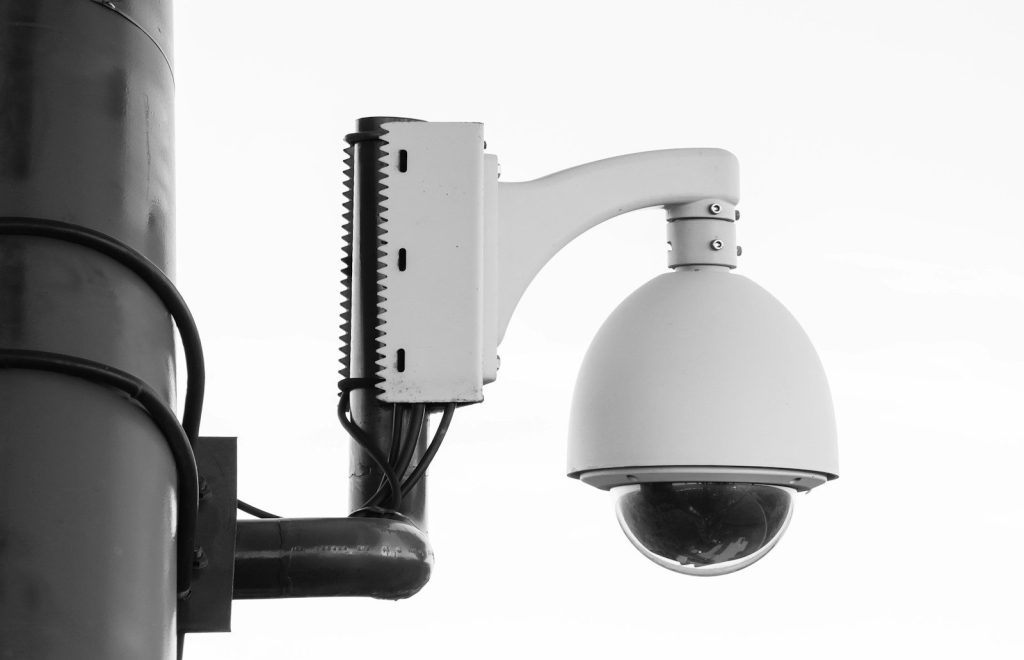
This is where the risk calculus changes significantly — and where government agencies have been most vocal.
Apps developed in countries with different legal frameworks around data collection and government access are subject to entirely different standards than apps built in the European Union, the United States, or the United Kingdom. Most critically, they may be subject to laws that require them to provide government intelligence agencies with access to data collected from users — including camera and microphone data — without disclosing that access to the users themselves.
This is the core argument behind the United States government’s actions against TikTok. The concern was never that TikTok was obviously doing something wrong. It was that the legal framework governing ByteDance — TikTok’s Chinese parent company — creates a structural obligation to share user data with Chinese government authorities on request, with no notification requirement to users or to foreign governments.
The same concern applies to dozens of other apps that are widely installed but receive far less scrutiny than TikTok did. The question is not whether you trust the app. The question is who the app is legally required to answer when a government makes a demand.
The Piece of Black Tape That Security Experts Actually Use
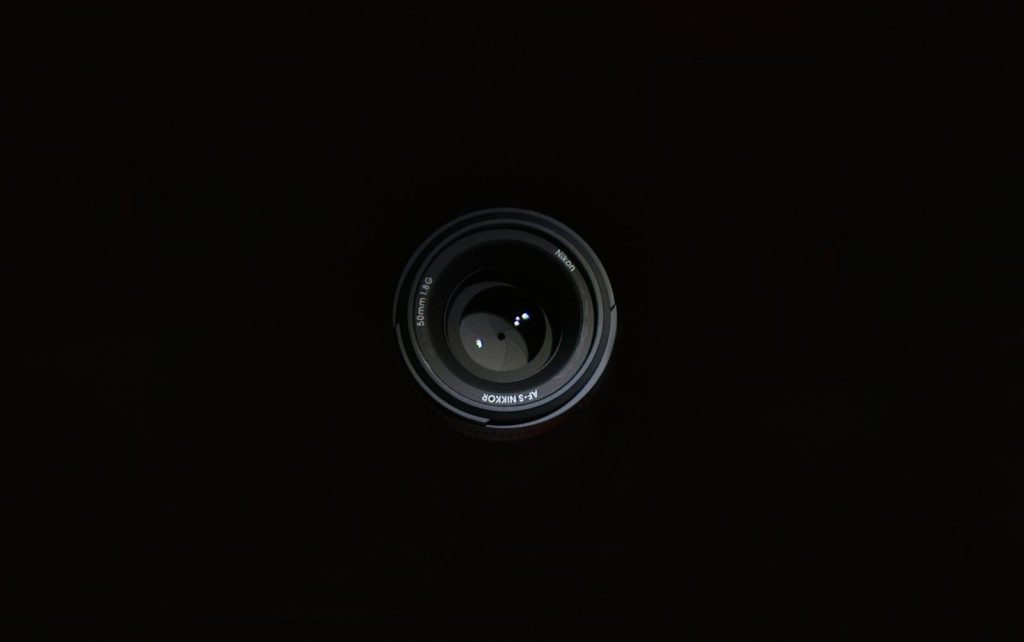
This is not a joke. It is documented behavior among the people who know the most about device security.
James Comey — former director of the FBI — told an audience at a conference in 2016 that he puts tape over his laptop webcam. He said he saw an FBI agent do it and thought it was a reasonable practice. Coming from the head of the organization responsible for the most significant domestic surveillance operations in the United States, it was a remarkable endorsement of physical countermeasures.
Mark Zuckerberg was photographed in 2016 with his laptop visible in the background. Both the webcam and the microphone port had tape applied. This was the CEO of the company that owns Facebook, Instagram, and WhatsApp — applications through which billions of people share their lives — covering his own camera as a precaution.
For smartphones, the equivalent is a sliding camera cover — a small physical device that attaches over the front-facing camera and can be manually slid open and closed. Unlike software settings, it cannot be bypassed by an app update or a remote exploit.
It is the oldest and most reliable security measure available. It has zero technical complexity. And the people who understand the technical landscape best are the ones most likely to be using it.
Your Camera Can Process Sound Even When the Microphone Is Muted

Modern smartphone cameras include image stabilization sensors — small gyroscopes and accelerometers that detect movement so the camera can compensate for it. These sensors are exquisitely sensitive. They are designed to detect even the smallest physical vibrations.
Sound is a physical vibration.
Researchers at MIT demonstrated in a study called “Visual Microphone” that it is theoretically possible to reconstruct audio from video footage of nearby objects — plants, bags of chips, a glass of water — by analyzing the microscopic vibrations caused by sound waves hitting their surfaces. The camera, in effect, became a microphone.
More practically, in 2023, researchers at Georgia Tech demonstrated that the motion sensors in a smartphone — not the microphone, but the gyroscope — could be used to pick up speech within approximately one meter. No microphone permission required. No camera permission required. Motion sensor data is accessible to apps without a permission prompt on most Android devices.
This does not mean every app is recording your conversations through your motion sensor. It means the assumption that muting your microphone creates silence is not technically complete — and the people designing data collection systems are aware of every alternative pathway that exists.
Apple and Google Both Confirmed Parts of This Risk
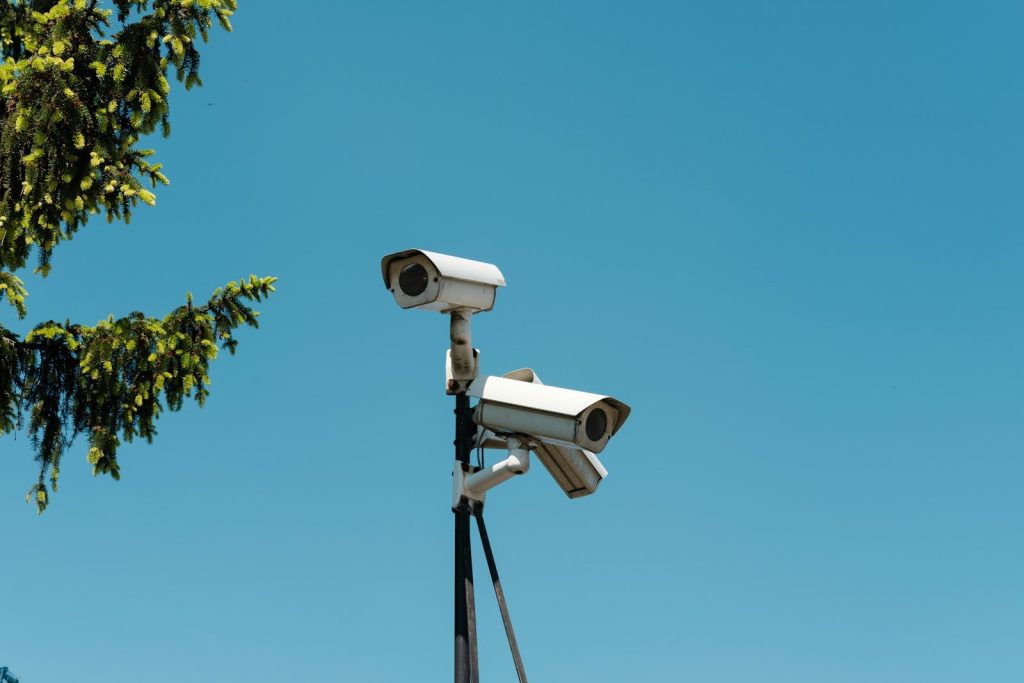
Neither Apple nor Google has ever publicly stated that unauthorized camera access is impossible. What both companies have done — repeatedly, in response to legal pressure and security research — is patch specific vulnerabilities as they are identified.
Apple’s App Store review process includes checks for camera access calls that occur outside normal user interaction. Google’s Play Protect system scans for similar patterns. Both systems catch a significant portion of malicious behavior before apps reach users.
But both companies have also publicly acknowledged that the review process is not perfect. Malicious apps have passed review. Bugs have created unintended access pathways. The indicator systems are software-dependent rather than hardware-guaranteed.
Both companies have also responded to government requests for user data — including in cases involving camera and audio data — through legally mandated processes that they are not always permitted to disclose to the users whose data was accessed.
The companies building the safest smartphones on the market are the same companies acknowledging, in legal filings and security bulletins, that complete protection from camera access is a goal — not a guarantee.
Which means what you do with your device physically matters more than most users have been told.
The Three Settings You Need to Change Before Tonight

The risk is real. But so is the protection. These three changes — each taking under two minutes — dramatically reduce the camera access exposure on any smartphone.
First: Audit every app that currently has camera permission. On iPhone, go to Settings — Privacy and Security — Camera. On Android, go to Settings — Privacy — Permission Manager — Camera. Any app that does not obviously require camera access to function — social media apps, shopping apps, utility apps — should have permission revoked immediately.
Second: Enable the microphone and camera usage indicators in your notification settings and check them periodically. Both iOS and Android now display a recent-access log showing which apps accessed your camera or microphone and when. If an app you did not consciously use appears on that list, it is worth investigating.
Third: For your front-facing camera specifically — the one most likely to capture your face — consider a physical camera cover. They are inexpensive, universally compatible, and provide the only form of protection that cannot be overridden by a software update, a policy change, or a government request.
The threat to your camera is not science fiction. The engineers who understand it best have already taken these steps. The question now is simply whether you will too — before someone else makes that decision for you.
Featured Image: Photo by Matthias Oberholzer on Unsplash
Leave a Reply