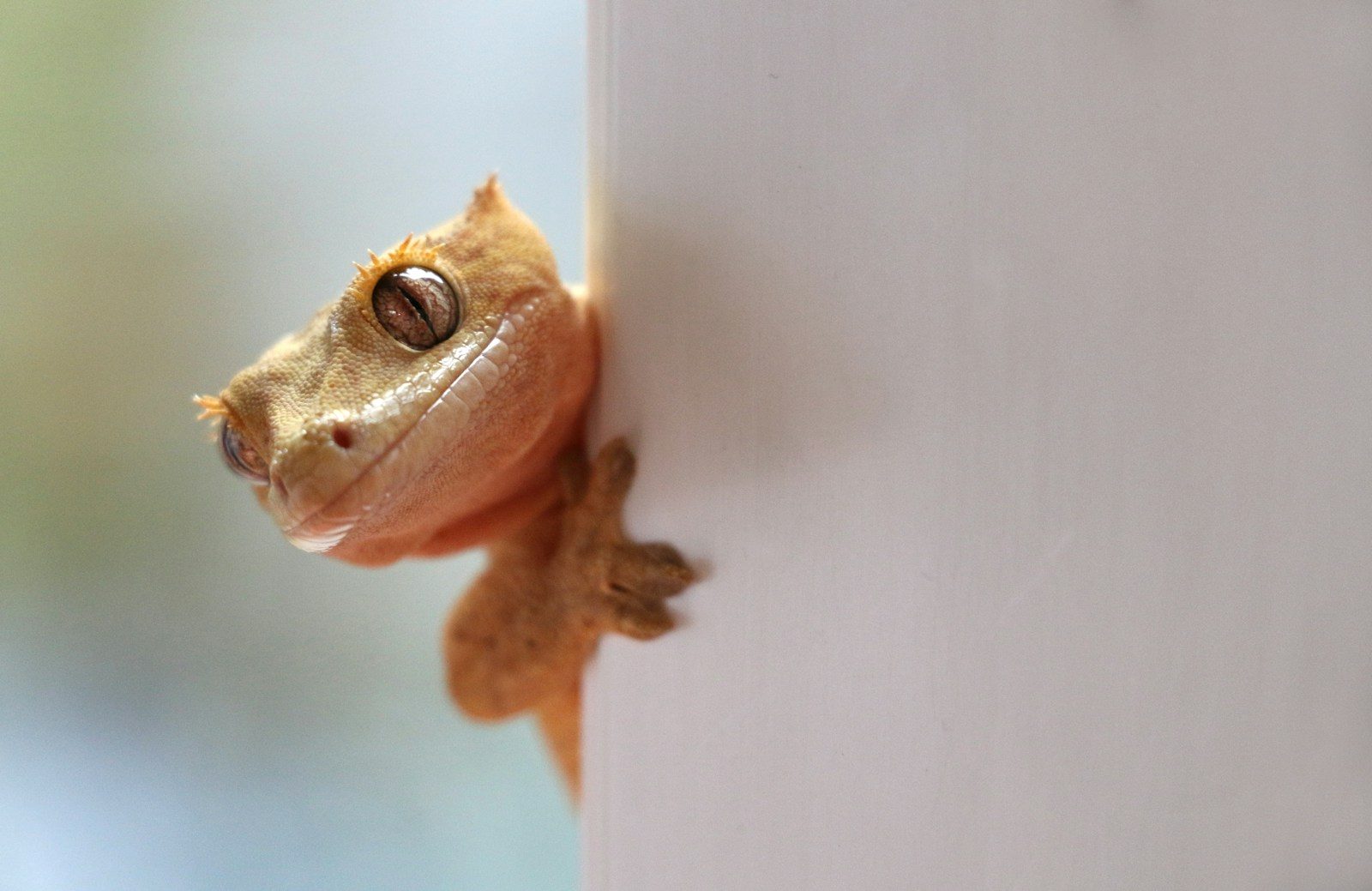
Most people scream when they see a small, scaly creature dart across their living room wall. We have been taught to fear anything that crawls, but it is time for a change of heart. Scientists are discovering that the common House Gecko is one of the most beneficial roommates you can have. These “wall-dwellers” are actually highly efficient, natural pest control systems that work for free.
Instead of reaching for a can of toxic bug spray, you might want to thank the gecko for its service. They are moving into urban areas in record numbers, adapting to our brightly lit homes. They are not just “uninvited guests”—they are your first line of defense against much scarier things. But what exactly are they hunting while you are asleep?
The Tiny Predator That Eats Your Biggest Nightmares
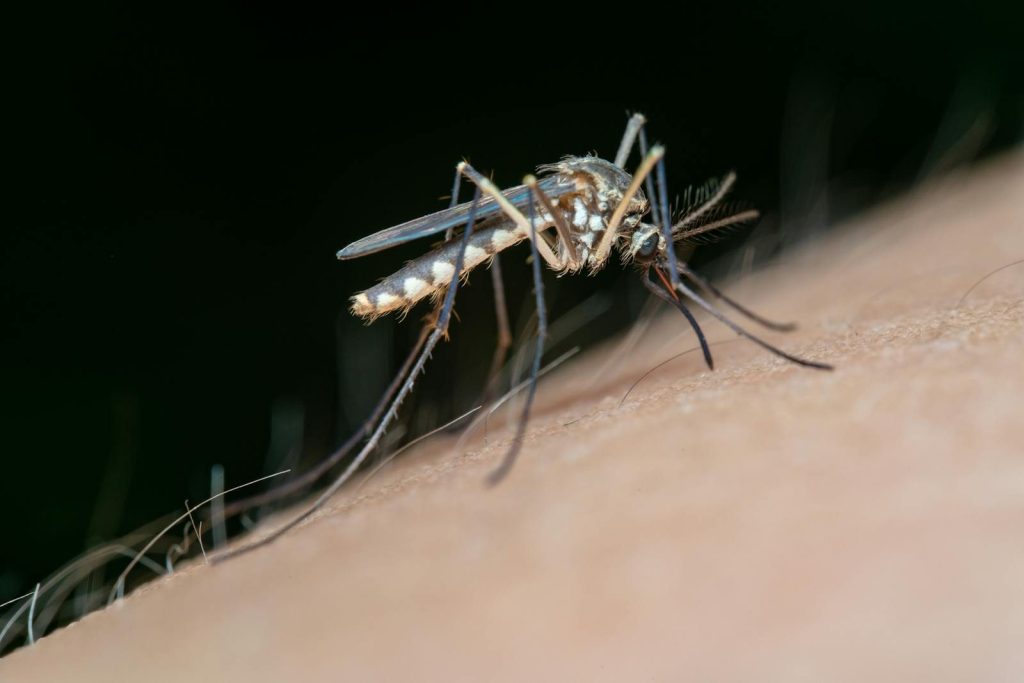
While you are sleeping, your gecko is on a mission. A single house gecko can eat dozens of insects in a single night. Their favorite snacks include mosquitoes, houseflies, and even young cockroaches. These are the same pests that carry diseases and cause allergies in humans.
Geckos are the “silent ninjas” of the animal kingdom. They use their specialized toe pads to walk on ceilings and glass, allowing them to hunt in places other predators can’t reach. Having a gecko is like having a non-toxic, self-cleaning insect trap. But how do they manage to stay on the ceiling without falling on your head?
The Science Of The World’s Stickiest Feet

The gecko’s ability to walk on walls is so incredible that NASA and medical researchers are studying it. They don’t use glue or suction. Instead, their feet are covered in millions of microscopic hairs that use “Van der Waals forces” to stick to surfaces at an atomic level.
This means they can hold their entire body weight with just one toe. Scientists are now trying to copy this “gecko-grip” to create better bandages and climbing gear for humans. Your wall-dweller is a living piece of high-tech engineering. But if they are so great, why do they make those strange clicking sounds at night?
They Are One Of The Only Lizards That Can Talk

Unlike most reptiles that are completely silent, geckos are very vocal. If you hear a series of “chik-chik-chik” sounds coming from your walls, it’s not a ghost—it’s your gecko talking to its friends. They use these sounds to defend their territory and find mates.
In many cultures, hearing a gecko is considered a sign of good luck. They are social creatures that have learned to live alongside humans without causing any trouble. They don’t bite, they aren’t poisonous, and they don’t eat your food. They just want your bugs. But there is a secret reason why they love your LED lights so much.
Why Urban Geckos Are Actually Getting Smarter

Geckos that live in cities have adapted in a fascinating way. They have learned that outdoor porch lights and indoor lamps are “buffets” for bugs. They will wait patiently near a light source for hours, knowing that their dinner will eventually fly right to them.
Studies show that city geckos are more aggressive and better hunters than their forest cousins. They have hacked our lifestyle to make their own lives easier. They are even beginning to recognize the humans who live in the house. But is it true that they can grow their tails back like a magic trick?
The Miracle Of The Regenerating Tail
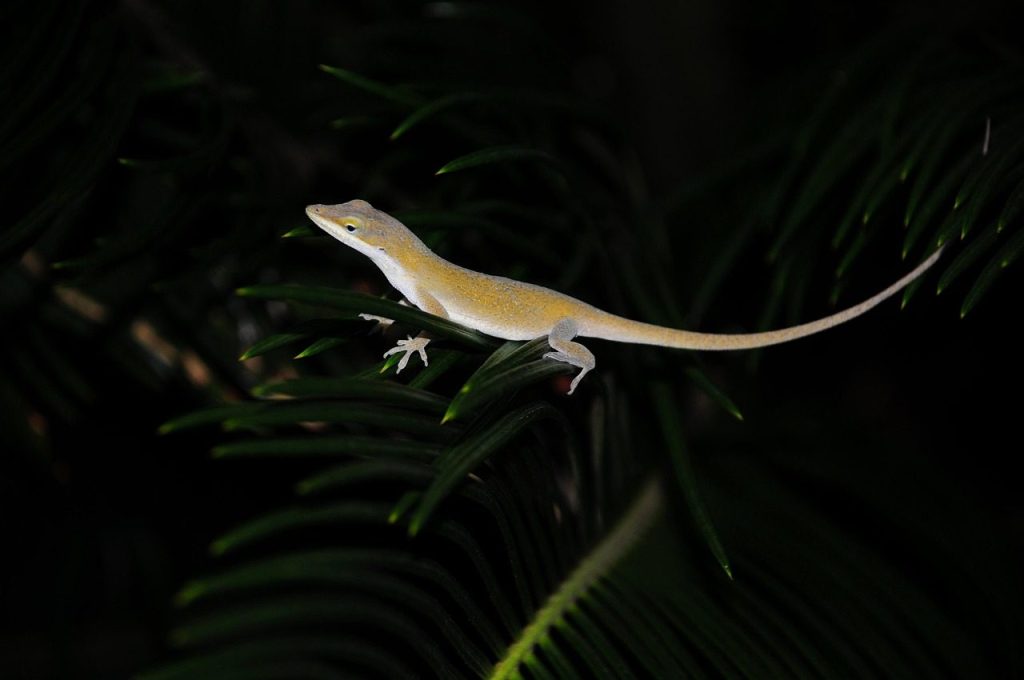
If a predator (or a scared human) tries to grab a gecko, the gecko can instantly drop its tail. The tail keeps wiggling on the floor to distract the enemy while the gecko makes a clean escape. Within a few weeks, a brand-new tail grows back, complete with new bones and nerves.
Doctors are studying this regeneration to see if we can eventually help humans regrow damaged tissue or even limbs. Every time you see a gecko with a short, stubby tail, you are looking at a survivor. They are tough, smart, and essential to our ecosystem. But what happens if you have too many of them in one room?
How To Be A Good Roommate To Your Gecko

If you want to keep your “pest control team” happy, the best thing you can do is leave them alone. Avoid using heavy pesticides, as these can poison the geckos when they eat the bugs. Make sure they have a small gap or crack where they can hide during the day.
Once they know your home is safe, they will stick around for years. You’ll notice fewer spiders in the corners and fewer flies in the kitchen. It’s a win-win situation for everyone. But while geckos are climbing our walls, something much larger is moving upward in Australia.
Why We Need To Protect Our Scaly Neighbors
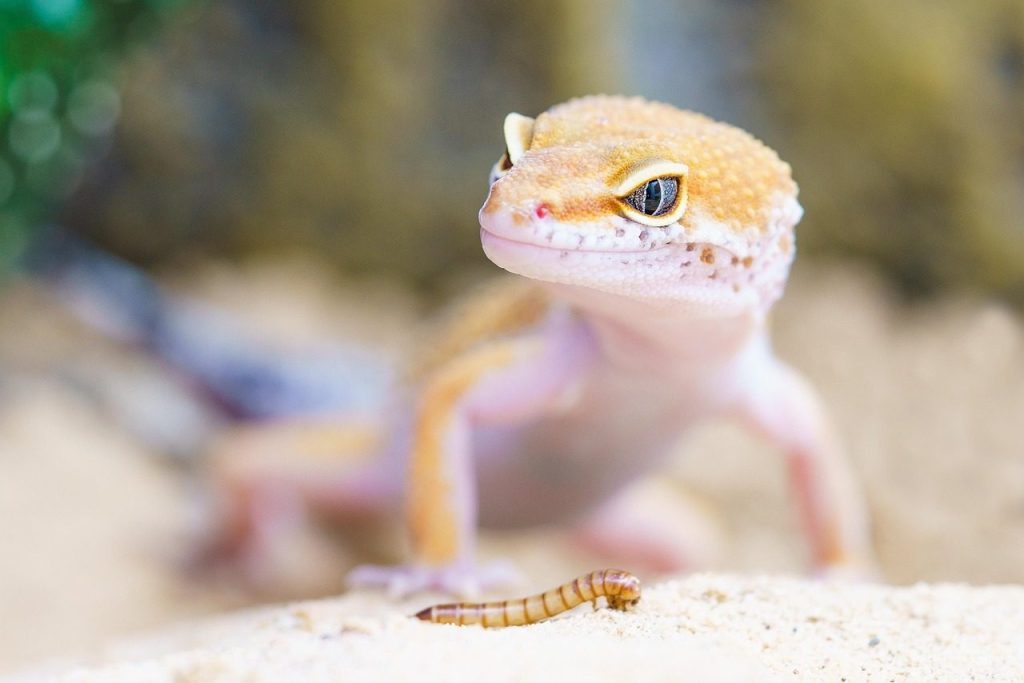
As we build more cities, we are destroying the natural habitats of many animals. Geckos are one of the few species that are actually helping us bridge that gap. They show us that nature can thrive even in a concrete jungle.
Next time you see a “wall-dweller,” don’t reach for the broom. Give them a nod of respect. They are keeping your home healthy, one bug at a time. They are the best friends you never knew you had. But why are Australia’s giant stone pillars starting to rise out of the sand?
Featured Image: Photo by Pierre Bamin on Unsplash
Leave a Reply