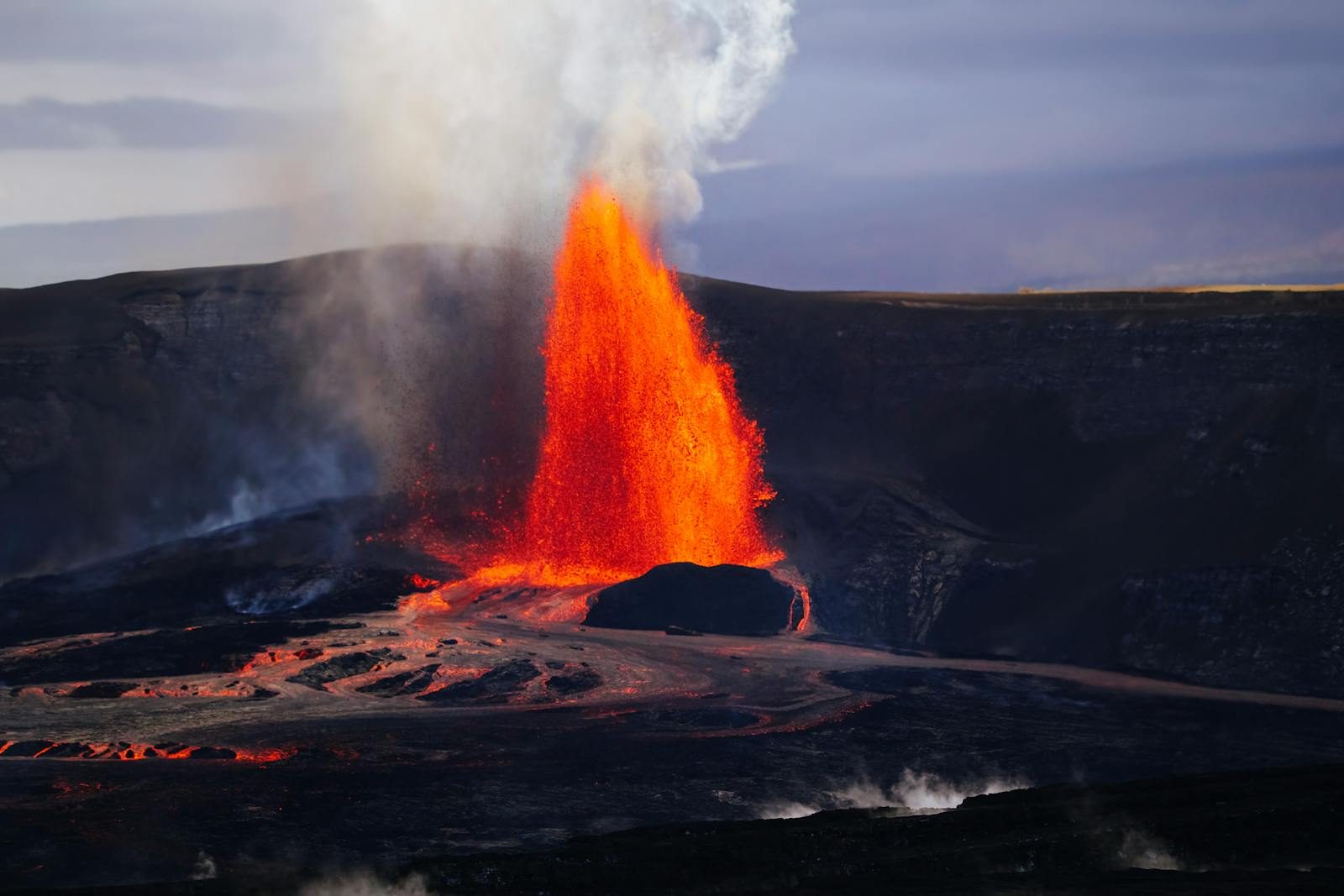
When the Hunga Tonga-Hunga Ha’apai volcano exploded in 2022, it was the loudest sound heard on Earth in over a century. It sent a shockwave around the globe and shot a massive plume of ash into the atmosphere. But scientists have just realized that this disaster was actually a giant, accidental experiment. Instead of just releasing dust, the volcano pumped an unprecedented amount of water vapor into the stratosphere. This event has given researchers a “perfect map” for how we might eventually cool the planet on purpose.
By studying how that moisture moved and interacted with the sun’s rays, experts are learning how to create a “sunshade” for the Earth. It sounds like something out of a disaster movie, but the data is very real. We are now looking at a future where we might use specialized planes to mimic this volcanic effect to stop global warming. But before we start spraying the sky, we have to understand the terrifying side effects the volcano left behind.
The Giant Water Balloon In The Atmosphere
The Tonga eruption was unique because it happened underwater. Most volcanoes release sulfur, which cools the Earth. Tonga released water, which actually traps heat. Scientists found that the eruption increased the amount of water in the stratosphere by 10 percent in just a few days.
This huge “water balloon” is now acting like a temporary greenhouse over our heads. It is helping researchers see exactly how different gases move through the upper atmosphere. This information is vital if we ever want to release cooling particles to save the sky. However, the volcano also did something to the air that has doctors very worried.
Why The Ozone Layer Just Had A Major Scare
Shortly after the eruption, the ozone layer above the Pacific took a hit. The water vapor from the volcano triggered chemical reactions that temporarily thinned our protection against UV rays. Scientists watched in real-time as the “hole” moved across the ocean.
This taught us that any attempt to “save the sky” could accidentally destroy our protection from the sun. It is a delicate balance that we are only just beginning to understand. But this scary moment has provided a huge clue about which chemicals are safe to use and which are not. But can we really trust a computer model to predict what happens next?
Using Volcanic Lessons To Build A Sunshield
Researchers are now taking the “Tonga Data” to design a new type of climate technology. They want to use tiny particles called aerosols to reflect sunlight back into space. This would be a controlled version of what the volcano did naturally.
If we can get the formula right, we could potentially lower the Earth’s temperature by several degrees within a decade. It is the most ambitious engineering project in human history. The volcano showed us that it is physically possible to change the sky. But there is a massive debate brewing about who gets to hold the “remote control” for the world’s weather.
The Risk Of Changing The Color Of The Sun
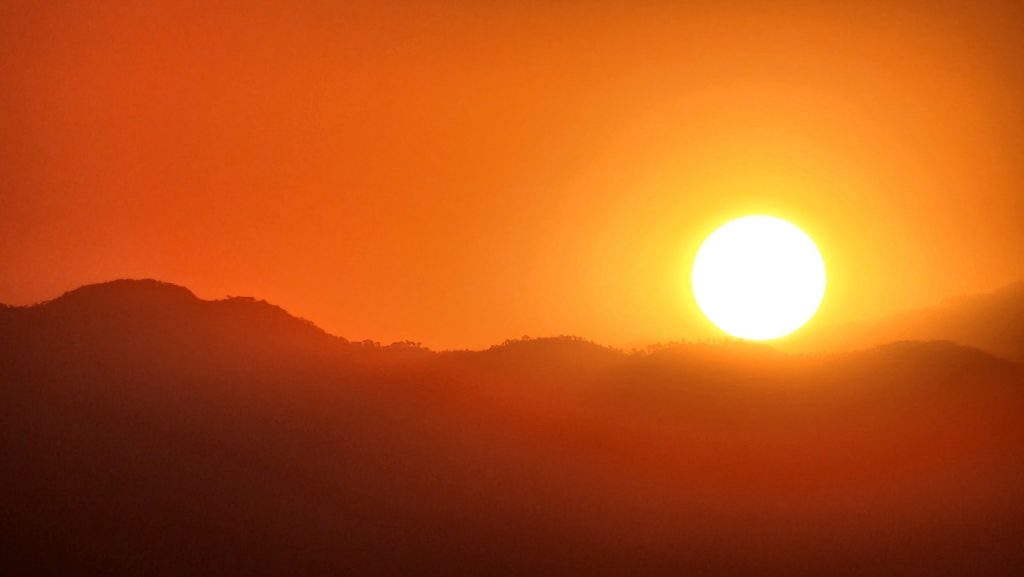
If we follow the volcano’s lead and fill the sky with particles, the sky might not look blue anymore. Some models suggest it could turn milky white or even a light shade of red. This would change how plants grow and how animals migrate.
The Tonga eruption gave us a sneak peek at this “faded” sky. Scientists are currently measuring how the light changed in the months following the blast. We have to decide if we prefer a hot blue sky or a cool white one. But there is another hidden benefit to this volcanic dust that no one expected.
A New Way To Predict Deadly Superstorms
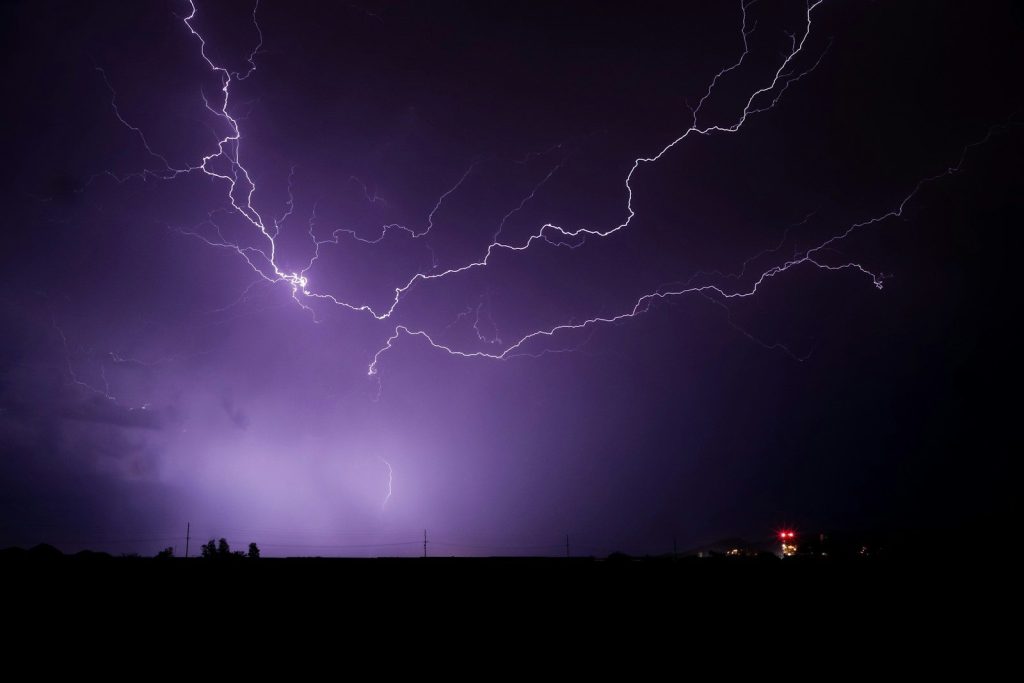
The Tonga data is also helping us understand how extreme heat in the atmosphere creates lightning. The eruption produced a record-breaking 2,600 flashes of lightning per minute. By studying this, meteorologists can better predict when a regular storm is about to turn into a deadly supercell.
The “Tonga lesson” is making our weather apps much more accurate. We are using the volcano’s energy to save lives on the ground today. But as we look up at the clouds, we are realizing that the biggest threat might actually be coming from the bottom of the world.
Turning A Natural Disaster Into A Global Plan
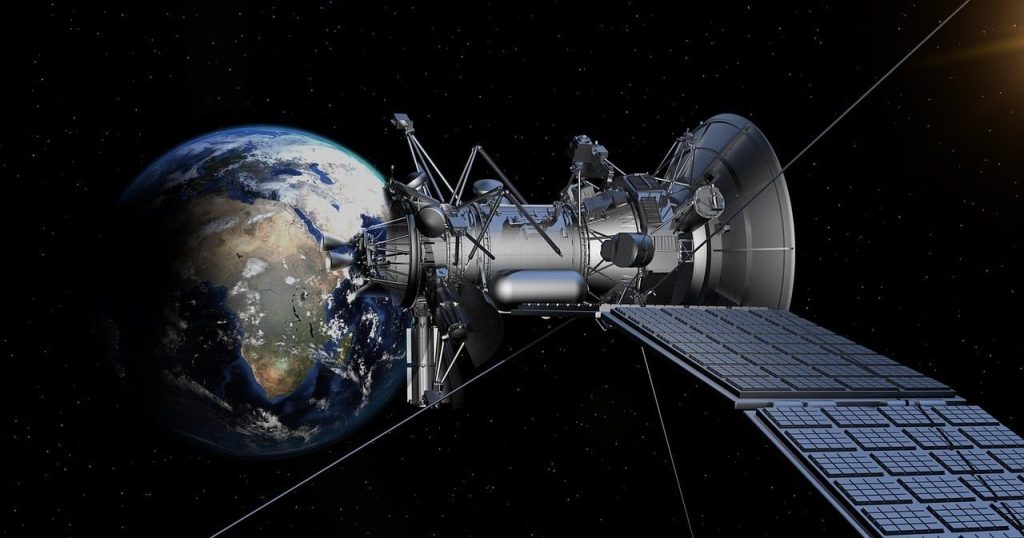
International space agencies are now working together to build a permanent satellite network based on the Tonga findings. They want to monitor the “sky health” every single second. This would allow us to see the early signs of a climate tipping point before it is too late.
The volcano was a wake-up call that we can’t ignore. It proved that the atmosphere is much more sensitive than we thought. We have a plan, but we are racing against a clock that is ticking faster every year. What happens if the next eruption is even bigger?
Why This Volcanic Lesson Is Our Best Hope
Despite the risks, the Tonga eruption has given us a chance to survive. We now have the “instructions” for how the atmosphere handles massive changes. It has turned our fear of climate change into an engineering challenge that we can actually solve.
We are no longer guessing how to save the sky; we are calculating it. The volcano was a disaster, but the knowledge it left behind is a gift. The question is, are we brave enough to use it? While we worry about the sky, a secret is melting beneath the ice.
Leave a Reply