For centuries, historians believed that ancient epic poems like the Iliad and the Epic of Gilgamesh were purely the work of human imagination. They were seen as stories of gods and monsters used to explain the world. But a group of geologists and archaeologists has just presented a theory that is turning history on its head. They have found evidence of a massive asteroid impact that occurred exactly when these oral traditions were starting to form. This wasn’t just a small meteor shower. It was a world-altering event that turned the sky black and caused massive tsunamis.
The researchers argue that the “wrath of the gods” described in these poems was actually a literal description of a space rock hitting the Earth. The fire from the sky, the shaking of the mountains, and the floods that wiped out cities were not myths; they were eyewitness accounts. This discovery suggests that our greatest literature is, in fact, a hidden record of a stellar catastrophe. But how did they link a hole in the ground with a poem written thousands of years ago?
A Fire In The Sky That Changed Human History
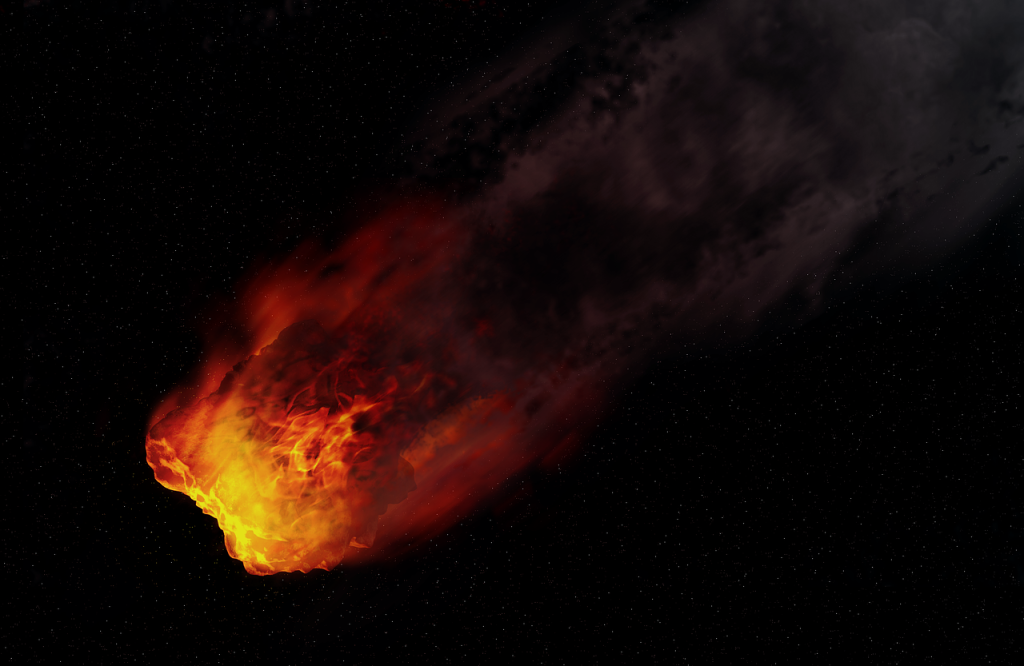
About 4,000 years ago, something bright appeared in the sky over the Middle East. According to the new data, an asteroid roughly the size of a football stadium slammed into the Earth’s atmosphere. It exploded with the force of hundreds of nuclear bombs. To the people living below, it would have looked like the sun had fallen from the heavens.
The explosion would have flattened forests for hundreds of miles and sent a shockwave around the world. This fits the descriptions in ancient manuscripts of a “heavenly fire” that consumed entire armies. This event was so terrifying that it burned into the collective memory of every survivor. But where is the physical proof of such a gigantic explosion?
The Crater That Was Hiding In Plain Sight

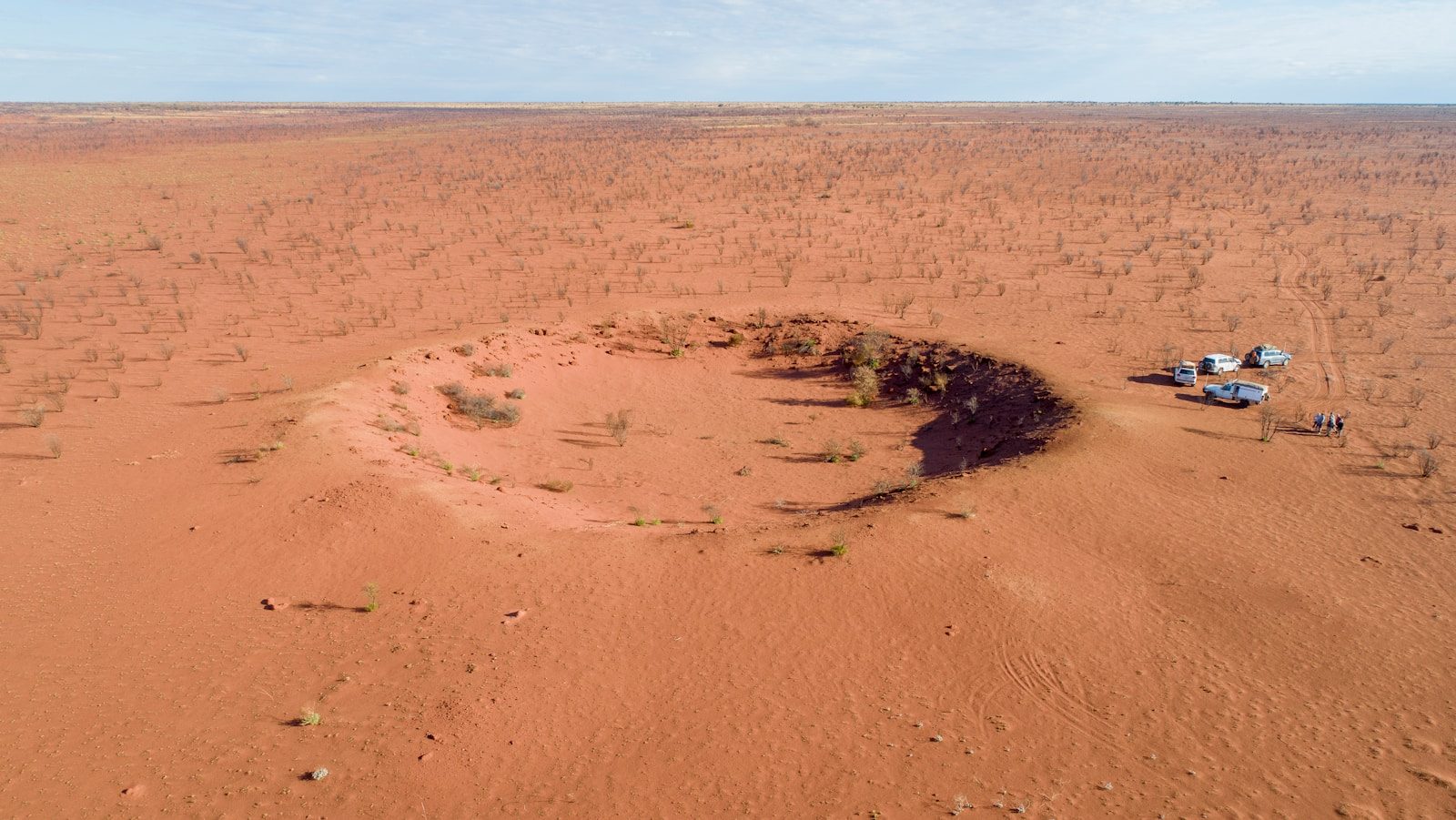
For years, a strange circular depression in Iraq was dismissed as a simple salt flat. However, recent soil samples have revealed “shocked quartz” and high levels of iridium. These are the tell-tale signs of an asteroid strike. The crater, known as the Umm al-Binni structure, perfectly matches the timeline of the collapse of the Akkadian Empire.
This empire was one of the most powerful in history, and it suddenly disappeared without explanation. Ancient poems from that time describe a “dark wind” and a “curse from the sky” that made the land barren. We now know that the “curse” was likely the dust and soot from the asteroid impact. But what about the famous stories of the Great Flood?
The Real Origin Of The Great Flood Myths
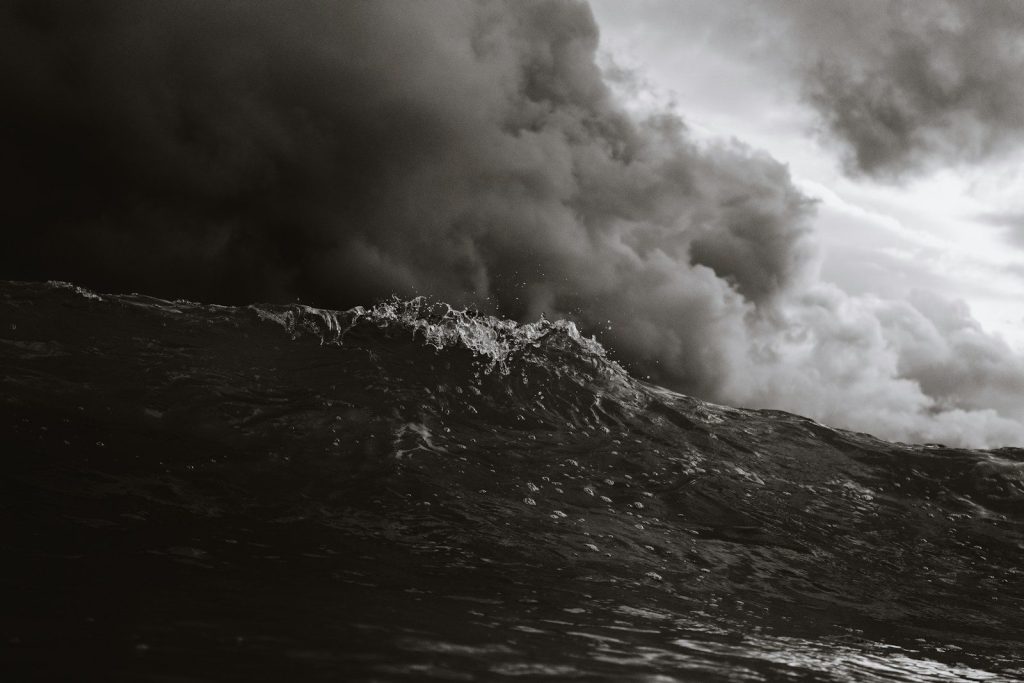
Almost every ancient culture has a story about a massive flood that nearly wiped out humanity. Scientists now believe these stories were inspired by the asteroid hitting the ocean. An impact in the sea would have triggered “mega-tsunamis” hundreds of feet high. These waves would have traveled miles inland, destroying everything in their path.
To a person living in a coastal village 4,000 years ago, it would have seemed like the entire world was underwater. The Epic of Gilgamesh contains a detailed account of a hero building a boat to survive a six-day storm. The details in the poem match the meteorological effects of a major impact. But could a poem really stay accurate for thousands of years?
Why Oral Traditions Are More Accurate Than We Thought

We used to think that “oral history” was like a game of telephone, where the story changes every time it is told. But new research into indigenous cultures shows that these stories are actually incredibly stable. Some groups have accurately described volcanic eruptions that happened 10,000 years ago.
The epic poems were a way for ancient people to preserve lifesaving information. By turning the asteroid impact into a story about gods, they ensured that the warning would be carried down through generations. It served as a cosmic “safety manual’ disguised as entertainment. But the asteroid didn’t just bring fire and water; it also changed the same air we breathe.
The Decade Without A Summer

After the impact, the Earth would have entered a “mini-ice age.” The dust in the atmosphere would have blocked out the sun for years. Crops would have failed, and millions would have starved. This “long winter” is described in Norse mythology as Fimbulwinter, a three-year winter that precedes the end of the world.
Archaeologists have found evidence of a massive drop in global temperature around 2200 BC. This corresponds to the tree ring data from Europe and Asia. The asteroid didn’t just hit a spot on the map; it hit the global thermostat. This explains why so many civilizations collapsed at exactly the same time. How did the survivors describe the object itself?
Identifying The “Dragons” Of The Ancient Sky
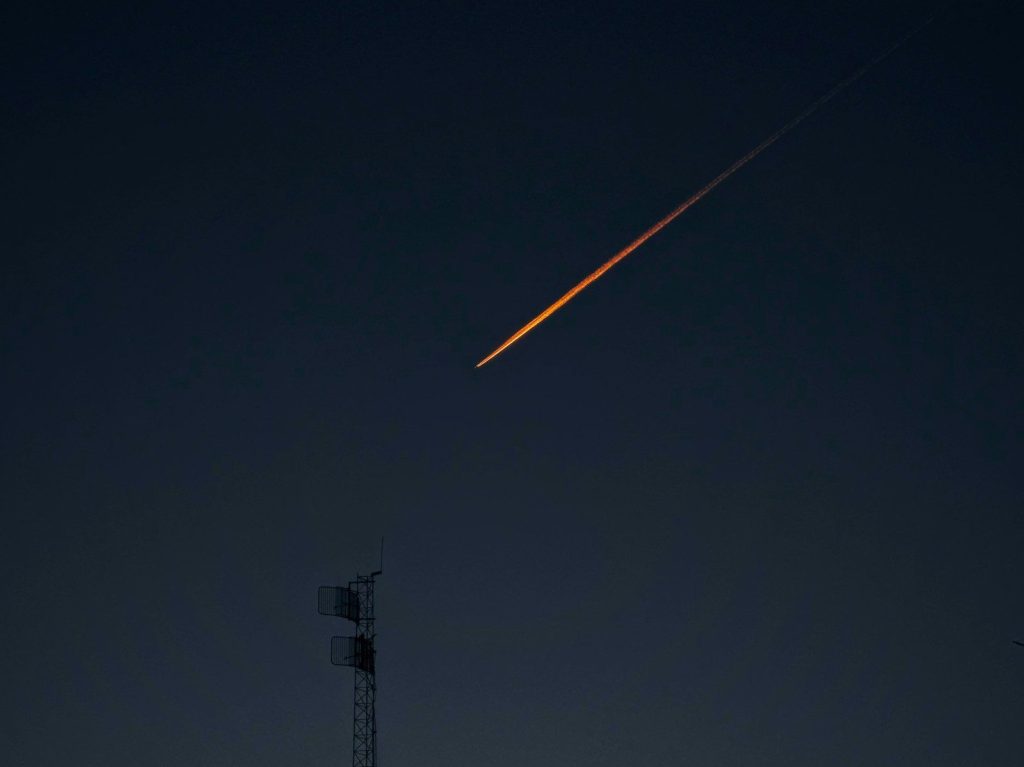
In many ancient poems, heroes fight giant, fire-breathing dragons that descend from the clouds. If you watch a large meteor enter the atmosphere, it leaves a long, glowing tail of smoke and fire. To someone with no concept of space, this would look exactly like a serpent or a dragon.
The “breath” of the dragon was the intense heat that set fields on fire before the impact. By re-reading these poems through the lens of astronomy, we are finding a literal record of the sky. The dragons weren’t monsters; they were pieces of the solar system. Does this mean we need to re-examine all of our myths?
The Hidden Warning For Our Modern World
The realization that an asteroid shaped our culture is a wake-up call. These ancient poems aren’t just about the past; they are a reminder of what could happen in the future. We live in a cosmic shooting gallery, and we have been hit before.
The “gods” that the ancients feared are still out there, floating in the darkness of space. Our ancestors used poetry to remember the danger. Today, we use telescopes. But the message remains the same: the sky can fall at any moment. Are we doing enough to make sure we don’t become the subject of a future civilization’s epic poem?
Featured Image: Photo by Stephen Mabbs on Unsplash
Leave a Reply