Blog

  • The world’s 8 fastest trains, from bullet trains to Maglev Systems

    The world’s 8 fastest trains, from bullet trains to Maglev Systems

    Humans have always possessed an intense need for fast ground travel. Steam engines are long gone. Today, aerospace engineering and advanced electromagnetics have allowed designers to build passenger trains that slide through the air at incredible speeds. These massive rail systems connect major cities in minutes. They rely on clean electricity to bypass the busy gridlocks of modern highways. This is a story of extreme physical engineering. According to reports from the International Union of Railways, high-speed rail networks are expanding rapidly worldwide. They are rewriting the rules of modern economic geography. By looking at these fast machines, we can see the future of transit. But the fastest vehicle on our list does not use wheels.

    Breaking friction barriers with magnetic levitation

    The Shanghai Transrapid maglev train” by Lars Plougmann is licensed under CC BY-SA 2.0

    Magnetic levitation, or Maglev, represents the ultimate peak of modern rail engineering. These trains have no wheels. According to technical reports from Central Japan Railway, powerful magnets lift the train above the track. This completely eliminates mechanical friction. The vehicle glides on a cushion of air, allowing it to reach speeds over three hundred miles per hour. It requires massive amounts of power. But the lack of physical wear and tear makes the system incredibly durable. It feels like flying on the ground. But traditional bullet trains are still breaking records using advanced steel wheels.

    The aerodynamic nose of the bullet train

    white and red DB train subway
    Photo by Daniel Abadia on Unsplash

    Japan’s famous Shinkansen trains are globally celebrated for their high safety records. They have a unique shape. The long, bird-like nose of the train is designed to prevent loud sonic booms in narrow tunnels. This phenomenon is called a tunnel micro-pressure wave. According to aerodynamic studies, shaping the nose like the beak of a kingfisher bird allows the train to slice through the air smoothly. This clever design also reduces energy consumption. It shows how biomimicry can solve difficult modern engineering hurdles. The trains run with perfect precision. But a European competitor was about to set a legendary world speed record.

    Pioneering high speed across the European plains

    a silver and red train traveling down train tracks
    Photo by 7 on Unsplash

    France’s TGV has been a massive leader in high-speed rail transit for decades. It holds a stunning record. A modified TGV test train reached an incredible speed of three hundred and fifty-seven miles per hour. This remains the fastest speed for wheeled trains. Germany’s Intercity Express, or ICE, also connects major European hubs with similar high-speed luxury. These systems rely on dedicated tracks. This isolation allows them to maintain high speeds without interfering with slow freight trains. It is a highly efficient network. Meanwhile, a massive Asian nation has built the largest high-speed network in history.

    China’s massive grid of ultra-fast travel

    people in train station showing white and blue train
    Photo by Steenium on Unsplash

    China has constructed over twenty-eight thousand miles of high-speed rail in record time. It is a massive achievement. Their flagship Fuxing Hao trains routinely travel at speeds up to two hundred and forty-nine miles per hour. They connect Beijing and Shanghai in hours. According to data from the China State Railway Group, these trains feature advanced sensory systems that monitor track alignment in real time. This technology ensures absolute safety at extreme speeds. The grid continues to expand into remote western provinces. It has transformed the national economy. But pushing these massive machines faster requires fighting against a powerful physical law.

    The mechanical struggle against air resistance

    a silver and red train traveling down train tracks
    Photo by 7 on Unsplash

    Air resistance is the primary barrier to increasing the speed of modern passenger trains. It increases with speed. According to basic aerodynamic equations, the power needed to overcome drag increases with the cube of the velocity. This means doubling speed requires eight times more power. Designers must use lightweight composite carbon materials to keep the train’s total mass as low as possible. They also use sleek, flush windows. This prevents tiny air pockets from creating turbulence along the sides of the cars. Every millimeter of design matters. But speed is completely useless if you cannot stop the train safely during an emergency.

    Safeguarding passengers during seismic events

    Close-up of an industrial control panel with colorful buttons in a factory setting.
    Photo by Fernando Narvaez on Pexels

    High-speed trains operate in regions that are highly prone to powerful earthquakes. Japan faces this constant threat. According to safety reports, the Shinkansen network is linked to a highly advanced early warning seismometer system. It detects the very first primary waves. The system instantly cuts power to the overhead lines, triggering powerful emergency electromagnetic brakes on every single car automatically. This reaction happens seconds before the actual ground starts to shake. It has prevented serious derailments for over fifty years of operations. It is a triumph of safety. This incredible safety record is powered by highly advanced clean energy systems.

    How clean energy powers the rails

    train rail tracks near trees during daytime
    Photo by Çağlar Oskay on Unsplash

    High-speed rail is one of the most environmentally friendly ways to travel long distances. It produces low emissions. According to reports from the International Energy Agency, high-speed rail is twelve times more efficient than flying. The trains run entirely on clean electricity. Many networks are integrating solar panels along the tracks to feed power directly into the grid. This creates a highly self-sustaining loop. It offers a powerful template for how we can build sustainable transport systems for future generations. The benefits are truly massive. But engineers are already working on a technology that could bypass the air barrier completely.

    Designing the future of hyperloop transit

    subway, metro, tunnel, lights, urban, city, paris, france, subway, metro, paris, paris, paris, paris, paris
    Photo by Photos_by_Paul on Pixabay

    The next major step in ground travel is to run trains inside vacuum tubes. This is the hyperloop. By removing ninety-nine percent of the air, we can eliminate aerodynamic drag almost entirely. This would allow ground speeds to exceed six hundred miles per hour. Private aerospace companies are currently building testing facilities in several deserts. It represents a massive engineering challenge. If successful, it will completely redefine how we connect cities and countries in the near future.

    Featured Image: Photo by Sergay Train on Unsplash
  • The most dangerous dinosaurs that once ruled the world

    The most dangerous dinosaurs that once ruled the world

    Millions of years ago, our planet was a deeply hostile place. Giants walked the earth. These prehistoric creatures developed incredible weaponry, including razor-sharp teeth, crushing jaws, and lethal claws, to survive in a brutal landscape. Modern paleontology has reconstructed their terrifying hunting habits. By studying fossilized bones and footprints, scientists can calculate their speed and bite force. This research reveals highly optimized biological killers. According to studies published in the journal Science, these predators dominated their ecosystems with absolute authority. They were the ultimate biological machines of their era. By looking at their evolutionary designs, we can understand how they successfully ruled the globe. But the most famous predator on our list relied on pure crushing power.

    The crushing bite of the tyrant king

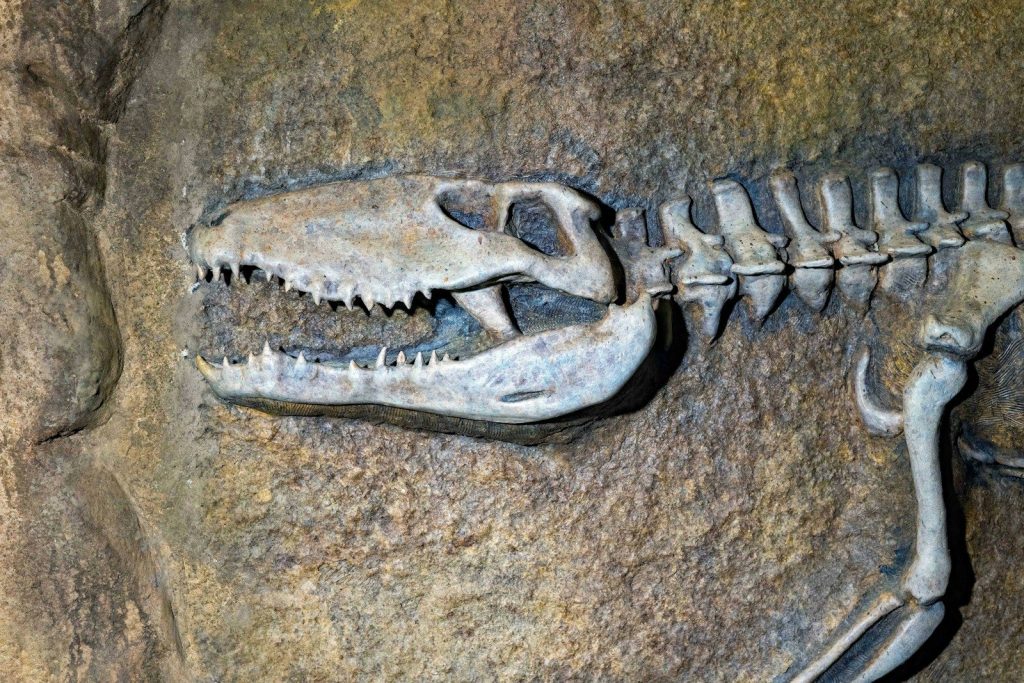
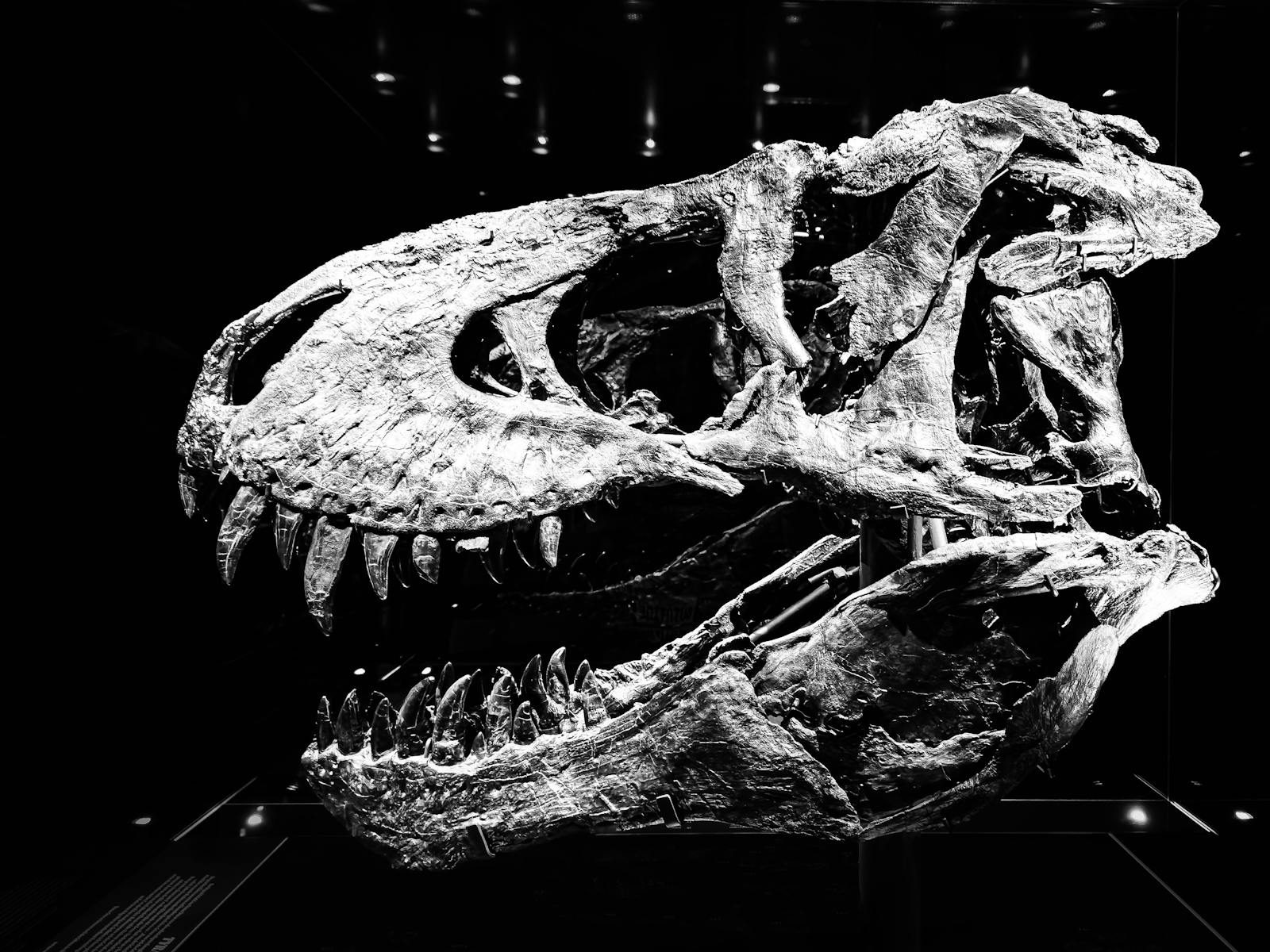
    A skeleton of a dinosaur is shown in a museum
    Photo by David Clode on Unsplash

    Tyrannosaurus rex was the ultimate apex predator of the late Cretaceous period. He was built for crushing power. According to research from Oklahoma State University, his bite force exceeded twelve thousand pounds of pressure. That force could easily shatter solid bones. He possessed thick, banana-shaped teeth that could pierce flesh and lock onto struggling prey. His sense of smell was highly developed. This allowed him to track targets over massive distances in the dense forests. He was an unstoppable biological tank. But another massive predator in the south developed a different way to kill.

    Slicing claws of the deep southern giant

    a skeleton of a bird in the dirt
    Photo by Trnava University on Unsplash

    Giganotosaurus lived in what is now Argentina millions of years before the T. rex. He was slightly larger. Instead of bone-crushing jaws, this predator possessed thin, serrated teeth that acted like sharp kitchen knives. He used them to slice through soft flesh. This slicing strategy allowed him to cause massive blood loss, letting large herbivores weaken before he moved in for the kill. He could run at speeds up to thirty miles per hour. This made him incredibly agile despite his massive, multi-ton body. He ruled South America with ease. But a different giant preferred the warm waters of ancient swampy rivers.

    The semi-aquatic terror of the ancient rivers

    body of water during daytime
    Photo by Jonas Hoss on Unsplash

    Spinosaurus was the largest carnivorous dinosaur known to science, even bigger than the T. rex. He possessed a massive sail. According to fossil discoveries in Morocco, he spent most of his life hunting in deep river networks. His jaws resembled those of modern crocodiles. They were packed with straight, conical teeth that were perfect for catching slippery, massive fish. He had strong arms with curved claws. This allowed him to swipe at prey and hold them down in the water. He was the king of the swamps. But smaller predators relied on speed and teamwork to bring down massive targets.

    Pack hunting strategy of the agile raptors.

    A forest filled with lots of green trees
    Photo by Bernd 📷 Dittrich on Unsplash

    Utahraptor was a terrifying predator that was built for speed and agility. He was no simple lizard. He possessed a massive, curved claw on each foot that measured up to nine inches in length. He used this weapon to kick and slash. According to fossil trackway analysis, these predators may have hunted in highly coordinated packs to take down giant sauropods. Their intelligence was likely far higher than that of other reptiles. This allowed them to plan complex ambushes in the dense brush. They were the ultimate tactical hunters. But even the most dangerous predators had to face incredibly tough defenses.

    The armored battering rams of the Cretaceous

    A skeleton of a dinosaur laying on the ground
    Photo by Zachary on Unsplash

    Dinosaurs like Ankylosaurus were not predators, but they were incredibly dangerous to attack. They were built like tanks. Ankylosaurus possessed a massive bone club at the end of its tail that could shatter legs. A single swipe could cripple a T. rex. Triceratops also possessed three massive horns on its head to impale attacking carnivores. These defensive weapons forced predators to be careful. It was a constant evolutionary arms race between weapons of attack and shields of defense. The landscape was incredibly volatile. But danger also hovered in the skies above the ancient world.

    Airborne predators that dominated the skies

    bird flying under white clouds during daytime
    Photo by Max van den Oetelaar on Unsplash

    Quetzalcoatlus was a giant pterosaur that was the size of a modern fighter jet. He had a massive beak. According to biomechanical research, this flying giant could launch himself into the air in seconds. He scanned the ground for small dinosaurs. He would swoop down and swallow them whole, using his massive height to dominate the landscape. His wingspan measured over thirty-six feet wide. This allowed him to glide effortlessly across oceans to find new hunting grounds. He was a silent threat from above. But how do modern scientists calculate these ancient killer instincts so accurately?

    How modern fossil science calculates killer instincts

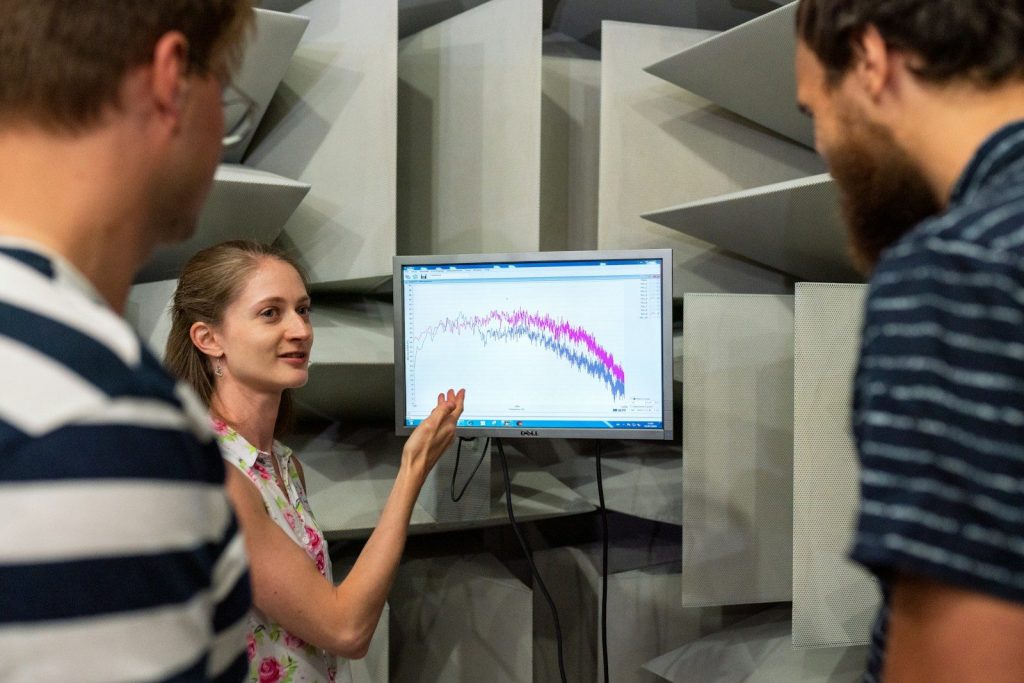
    woman in white and red floral sleeveless top standing beside black flat screen tv
    Photo by ThisisEngineering on Unsplash

    Paleontologists do not just guess how these dinosaurs behaved during their lives. They use advanced physics modeling. According to studies from the University of Manchester, computer simulations can reconstruct muscle movements from bone marks. This tells us their maximum running speeds. CT scans of fossil skulls also reveal the shape and size of their brains. This shows their sensory capabilities. We can see exactly how they tracked prey and interacted with their environments. It is a highly precise science. This advanced technology allows us to understand the final chapter of their reign.

    A legacy of ultimate adaptation

    green trees on green grass field during daytime
    Photo by Syed Ali on Unsplash

    The dinosaurs ruled our planet for over one hundred and forty million years. They were exceptionally successful. Their reign was ended only by a sudden, catastrophic asteroid impact that changed the global climate. Yet, their descendants are still here today. Modern birds carry the genetic legacy of those fierce theropods inside their cells. They remind us of a wild, ancient world. Studying these giants teaches us about the fragile, changing nature of life on earth.

    Featured Image: Photo by Christian Zimmermann on Pexels

  • He died… then was sent back with a warning

    He died… then was sent back with a warning

    The line between life and death is much thinner than we think. Every day, medical science pushes boundaries. Some patients who suffer cardiac arrest report experiencing a vivid journey before doctors pull them back to life. This is a story of a profound near-death experience. One survivor claimed he left his physical body and received a vital warning. His heart had completely stopped beating for minutes. According to clinical research published by cardiac specialists, these reports are surprisingly common among individuals who survive a flatline. Brain researchers are trying hard to understand these strange experiences. They want to know if NDEs are biological tricks or something much deeper. This article is for informational purposes only and does not constitute medical advice.

    The sudden silence of a flatline

    a red emergency sign lit up in the dark
    Photo by Jake on Unsplash

    A sudden medical crisis can silence a healthy beating heart in an instant. It happens without warning. Emergency room doctors sprint into action to perform chest compressions and deliver powerful electric shocks. The monitor displays a flat, green line. For the patient, this moment represents the absolute end of normal sensory input as the brain starves of vital oxygen. Yet, some survivors report that their consciousness does not fade. They claim they enter a state of complete, peaceful awareness instead. They watch the busy medical team from above. What happens next goes far beyond any known physical explanation.

    Stepping into a realm beyond medicine

    a blurry photo of a person walking down a tunnel
    Photo by Thomas Kinto on Unsplash

    Survivors often describe leaving the cold emergency room behind entirely. They feel no physical pain. Many report traveling through a dark space toward a brilliant, warm light that radiates intense love. This transition feels incredibly real and comforting. They meet deceased relatives or comforting figures who communicate with them using thoughts rather than spoken words. The environment looks more vivid than any Earth landscape. Time seems to stop behaving like a straight line of seconds. It is a profound, comforting realm. But this peaceful journey is interrupted by a sudden, jarring message.

    A profound message from the dark

    silhoutte of persion
    Photo by Niels Smeets on Unsplash

    The traveler is told that their time on earth is not yet completely finished. They must go back. But before they return, they receive a warning about how humanity must change its busy lifestyle. They are told that we focus on the wrong priorities. We chase material wealth and power instead of focusing on love, connection, and the protection of our fragile planet. This warning is deeply etched into their memory. The message feels like an absolute command that must be shared. They are suddenly pulled away. The violent return to the physical body is a painful shock to the system.

    The shocking return of a heartbeat

    Hospital room with three beds and medical equipment
    Photo by Irshad Pathan on Unsplash

    Back in the hospital room, a sudden gasp of air signals a successful resuscitation. The heart monitor starts to beep steadily again. The patient opens their eyes to find a team of exhausted doctors standing over them. They are back in their body. But the profound weight of the experience stays with them as they recover in the intensive care unit. They try to explain what they saw to the nurses. Most staff members write it off as a simple side effect of medication. Yet, the survivor knows it was entirely real. This mismatch between subjective experience and hospital reality drives many survivors to seek scientific answers.

    How clinical science explains the unexplainable

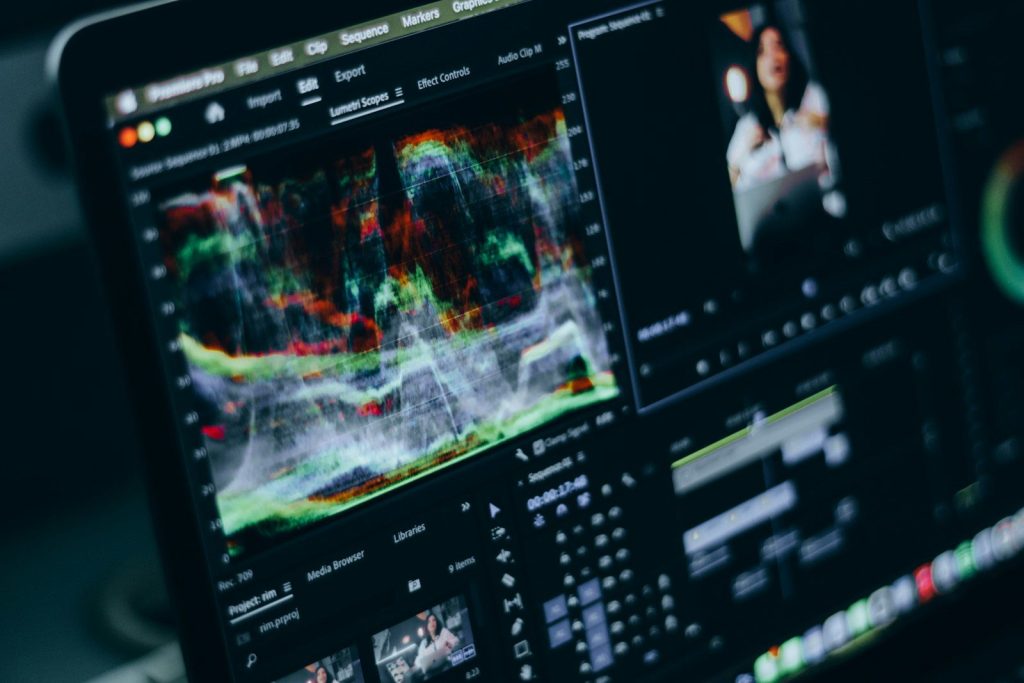
    a computer screen with a bunch of images on it
    Photo by Salah Regouane on Unsplash

    Brain scientists offer several logical, physical explanations for these vivid near-death experiences. They study brain chemistry closely. According to NDE studies from the NYU Grossman School of Medicine, the dying brain experiences a sudden surge of activity. This neural spike can create incredibly realistic hallucinations. The lack of oxygen triggers the release of natural chemicals that block pain and fear. This process creates a deep sense of peace. Some researchers believe that the brain is simply trying to comfort itself during death. But this theory has major gaps. Certain clinical details continue to puzzle even the most skeptical brain experts.

    Medical anomalies that puzzle brain experts

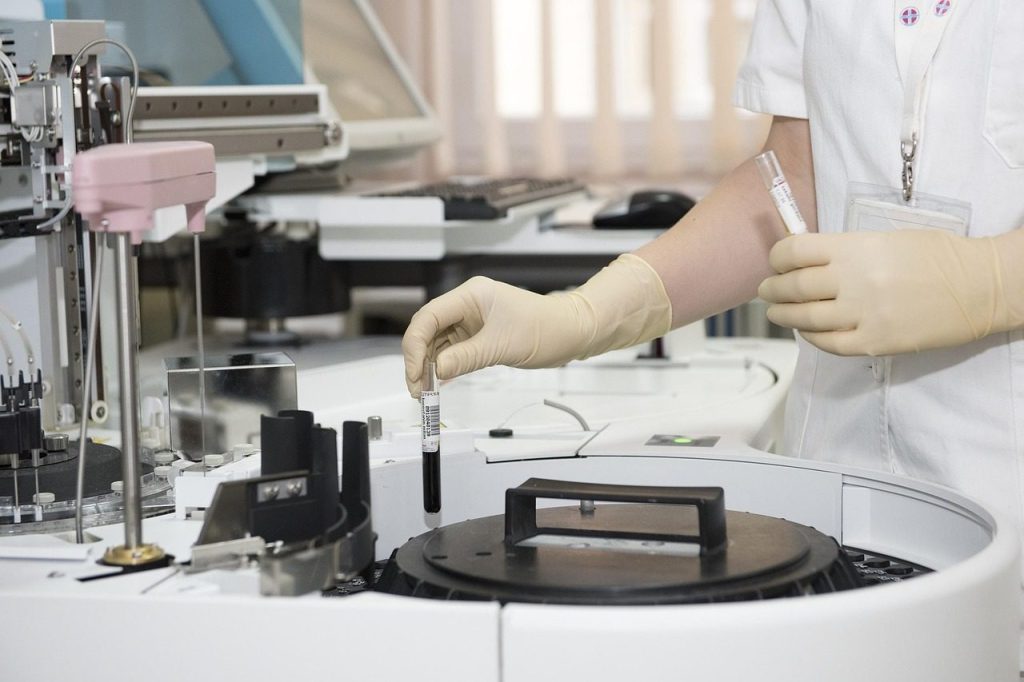
    laboratory, test tubes, healthcare worker, hospital, healthcare professional, medical professional, medical technology, medical, health, medicine, healthcare, laboratory, laboratory, laboratory, laboratory, laboratory, hospital, hospital, hospital, hospital, medical, medical, medical, medical, health, health, medicine, medicine, medicine, healthcare, healthcare, healthcare
    Photo by DarkoStojanovic on Pixabay

    Some NDE survivors can accurately describe events that happened while they were clinically dead. They recall conversations between doctors. According to NDE researcher Dr. Sam Parnia, patients have recalled specific medical tools used during their resuscitation. This happened when their brain showed zero electrical activity. How a flatlined brain can form structured, long-term memories remains a massive scientific mystery. It challenges our basic understanding of human consciousness. Many doctors are starting to look at these claims with open minds. They see a pattern of transformation. The lasting impact on a survivor’s life is often the most convincing evidence of all.

    Living life with a permanent shift

    meditate, woman, yoga, zen, nature, meditating, relax, relaxing, wellness, yoga pose, meditation, peaceful, silhouette, sunset, tranquil, calm
    Photo by Pexels on Pixabay

    People who survive NDEs rarely return to their old way of living. They make massive lifestyle changes. Many quit high-stress corporate jobs to pursue careers in counseling, teaching, or environmental work. They no longer fear death. They focus on spreading love and helping their communities, just as the warning commanded. These stories remind us of what truly matters. By listening to their messages, we can learn to appreciate the brief gift of life.

    Featured Image: Photo by Jr Korpa on Unsplash

  • How macOS Tahoe could change Mac routines

    How macOS Tahoe could change Mac routines

    Your Mac routine may soon feel a little more personal, a little faster, and a lot more connected to your iPhone. macOS Tahoe brings a new look called Liquid Glass, plus updates that are built around everyday habits like finding files, taking calls, checking live updates, and moving through apps with fewer clicks.

    Apple says Tahoe includes its biggest update ever to Spotlight, new Continuity tools, a Phone app for Mac, and expanded Apple Intelligence features. That means the biggest changes are not only about how the Mac looks. They are also about how quickly you can get normal things done, from sending a message to checking a flight or starting a task without opening several apps.

    Your desktop may feel cleaner

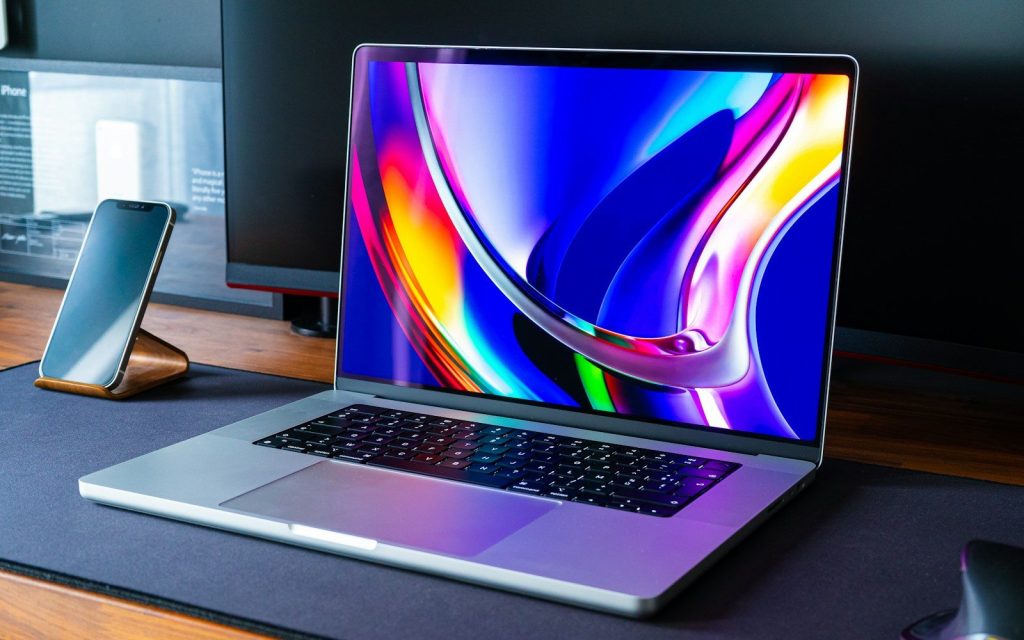
    a laptop computer sitting on top of a wooden desk
    Photo by Mohamed Kerroudj on Unsplash

    macOS Tahoe introduces Apple’s Liquid Glass design, which gives menus, toolbars, sidebars, and other parts of the system a more transparent, layered look. Apple says the goal is to keep the Mac familiar while helping content stand out more clearly.

    That could change simple routines like opening Finder, switching apps, or working in Safari. Instead of feeling like a totally new system, Tahoe seems designed to make the Mac look fresher without forcing users to relearn every basic move.

    Spotlight becomes a shortcut hub

    macbook air on brown wooden table
    Photo by Gaby on Unsplash

    Spotlight may become more than a place to search for apps and files. Apple says Tahoe lets users take hundreds of actions directly from Spotlight, such as sending emails, creating notes, and getting to content faster.

    That could save time for people who prefer the keyboard. Instead of opening an app, finding the right menu, and clicking through steps, you may be able to start common tasks from one search box.

    Phone calls come to Mac

    woman in green and white floral tank top wearing black framed eyeglasses
    Photo by Herzon Carranza on Unsplash

    The Phone app arrives on Mac through Continuity, letting users access iPhone call features from their computer. Apple says it includes familiar sections like Recents, Favorites, Contacts, and Voicemail.

    For daily routines, that could make the Mac feel more like a communication center. If your iPhone is nearby, you may be able to handle calls while keeping your hands on the keyboard and your work in front of you.

    Live updates move up front

    Macbook screen shows macos software update downloading
    Photo by Herry Sucahya on Unsplash

    Live Activities from iPhone can now appear in the Mac menu bar. Apple gives examples like a flight, ride, order, or sports score, with more details opening through iPhone Mirroring when clicked.

    That could reduce the habit of picking up your phone every few minutes. Instead of switching devices to check something in progress, your Mac can keep small real-time updates visible while you keep working.

    Control Center gets personal

    A modern laptop displaying a dark-themed dashboard
    Photo by Neil Fernandez on Unsplash

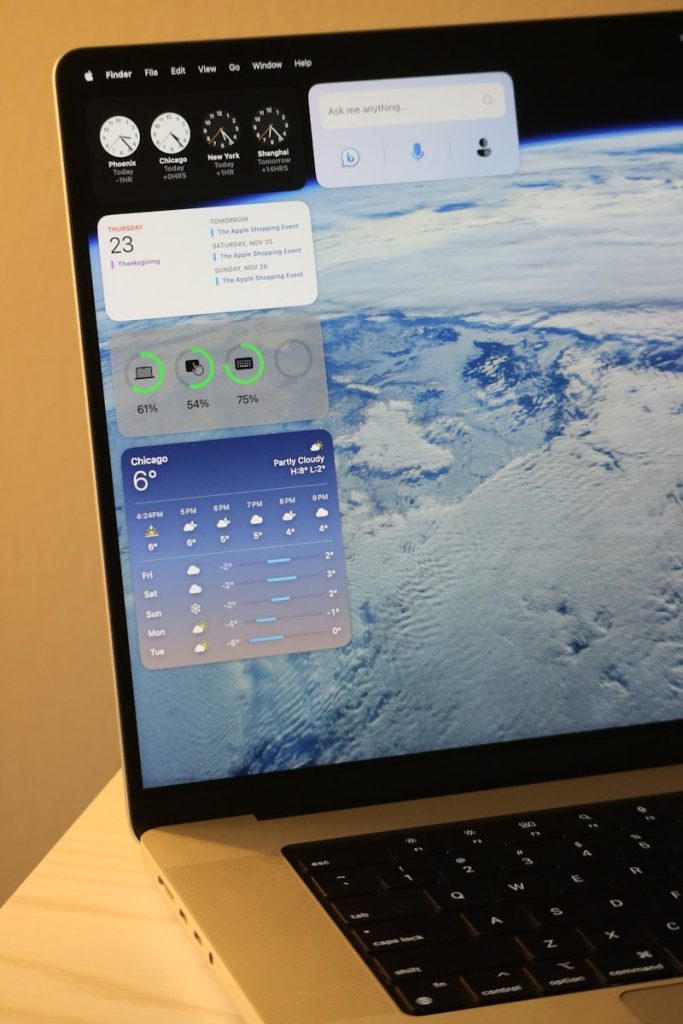
    Tahoe adds more ways to customize the menu bar and Control Center. Apple says users can choose which controls appear and how they are arranged, including support for some third-party controls.

    This can help make quick settings feel less cluttered. If you often adjust Wi-Fi, sound, focus modes, display brightness, or other tools, your most-used controls can sit closer to where you need them.

    Folders become easier to spot

    black and silver dell laptop computer
    Photo by Rahadiansyah on Unsplash

    macOS Tahoe adds new color options for folders, app icons, and widgets. Apple also says users can change folder colors and add a symbol or emoji to give folders a clearer identity.

    That sounds small, but it could help people who manage school files, work projects, family photos, or creative folders. A visual cue can make the right folder easier to find at a glance.

    Shortcuts get smarter

    an open laptop computer sitting on top of a wooden desk
    Photo by Vincent Y @USA on Unsplash

    Shortcuts become more powerful in Tahoe with intelligent actions and deeper Apple Intelligence support. Apple says users can tap into Apple Intelligence models to help automate more complex tasks.

    For everyday use, that could mean less repeating the same steps. A student, office worker, or creator could build routines that organize notes, prepare files, or start a work setup with fewer manual clicks.

    Translation feels more built in

    a person holding a cell phone with a text message on the screen
    Photo by Jametlene Reskp on Unsplash

    Apple Intelligence expands in Tahoe with Live Translation for text and audio. Apple Support says it can translate text in Messages, show live captions in FaceTime, and provide spoken translations during Phone calls.

    That could be useful for families, coworkers, students, and travelers who communicate across languages. Instead of jumping between separate tools, translation may feel more connected to the apps people already use.

    Journal joins the Mac

    MacBook beside iPhone X on brown table
    Photo by Sean Lim on Unsplash

    Tahoe brings Journal to Mac, giving users another place to write daily entries and collect thoughts. Apple Support lists Journal and Games as new app experiences in macOS Tahoe.

    On a Mac, Journal may feel better for longer writing than it does on a phone. A full keyboard, larger screen, and desktop workflow could make it easier to turn small memories into a regular habit.

    Games get one home

    Person playing a racing game on a laptop.
    Photo by Daniel Romero on Unsplash

    The Games app in macOS Tahoe gives users a place to organize games on the Mac. Apple Support says the app helps users keep their games together in one location.

    That could make casual gaming feel less scattered. Instead of hunting through different launchers, folders, or store pages, Mac users may have a simpler starting point when they want a quick break.

  • Why Apple’s Liquid Glass design matters

    Why Apple’s Liquid Glass design matters

    Apple’s Liquid Glass design is not just a shiny new look. It is Apple’s broadest software design update in years, built around a translucent material that reflects and refracts what is behind it. Apple introduced it in June 2025 for iOS 26, iPadOS 26, macOS Tahoe 26, watchOS 26, tvOS 26, and visionOS 26. The goal is to make buttons, menus, icons, widgets, and controls feel more alive while keeping Apple devices familiar.

    That matters because design affects how people use technology every day. When a phone, tablet, watch, laptop, and TV share the same visual language, switching between them can feel smoother. Liquid Glass is Apple’s attempt to make its whole software world feel more connected, modern, and personal.

    Apple is changing the look

    The number 26 is displayed on a red background.
    Photo by Diego PH on Unsplash

    Liquid Glass gives Apple software a softer, clearer, and more layered style. Instead of flat buttons and simple panels, many parts of the interface now look like glass over content.

    That shift matters because Apple rarely changes its design language this widely. It affects the way apps, controls, widgets, and menus appear across many devices, not just one product.

    It works across devices

    a tablet computer sitting on top of a table
    Photo by 绵 绵 on Unsplash

    Apple says Liquid Glass is designed across iPhone, iPad, Mac, Apple Watch, Apple TV, and Vision Pro. That makes it more than a small visual refresh.

    For users, this can make each device feel like part of the same family. A button or menu may look more familiar when you move from your phone to your Mac or iPad.

    It puts content first

    Apple Store shop front
    Photo by Laurenz Heymann on Unsplash

    A major goal of Liquid Glass is to keep focus on the content. Apple says the material can transform around controls and navigation so apps feel more expressive without fully taking over the screen.

    That sounds subtle, but it matters. If done well, the design can make photos, videos, maps, and messages feel more open while still keeping important controls nearby.

    Icons feel more personal

    Two cell phones sitting next to each other on a table
    Photo by Amanz on Unsplash

    Liquid Glass also changes app icons and widgets. On macOS Tahoe 26, Apple says users can customize the desktop and Dock with icons and widgets made from layered Liquid Glass.

    This gives devices a more personal feel. Instead of every screen looking stiff or plain, users get more visual depth, shine, and customization while keeping the basic Apple layout familiar.

    Menus look lighter

    A person holding a cell phone in their hand
    Photo by Amanz on Unsplash

    On Mac, Liquid Glass affects areas like the Dock, sidebars, toolbars, and menu bar. Reports from Apple’s WWDC coverage noted that macOS Tahoe 26 uses a more transparent menu bar to help the display feel bigger.

    That can change how a computer feels during daily use. A lighter interface may make the screen seem less crowded, especially on laptops where every inch matters.

    It borrows from Vision Pro

    a pair of goggles sitting on top of a table
    Photo by Roméo A. on Unsplash

    Liquid Glass fits naturally with Apple’s Vision Pro design style. VisionOS already uses depth, layers, and glass-like surfaces because mixed reality needs menus that float over digital and real-world spaces.

    Bringing that feeling to iPhone, iPad, and Mac helps Apple connect its future devices with its current ones. The design makes regular screens feel a little closer to spatial computing.

    Developers must adapt

    two men sitting in front of a laptop computer
    Photo by Flipsnack on Unsplash

    Liquid Glass is not only for Apple’s own apps. Apple’s developer documentation gives guidance so app makers can design experiences that fit the new visual style.

    That matters because third-party apps shape daily use. Banking apps, weather apps, note apps, and shopping apps may all need updates so they do not feel outdated beside Apple’s redesigned system apps.

    Readability still matters

    A close up of a cell phone with a keyboard
    Photo by Samuel Angor on Unsplash

    A glassy interface can look beautiful, but it must stay easy to read. Text, buttons, and menus need enough contrast so people can use them quickly.

    This is why Apple’s design choices matter beyond style. A great interface should feel fresh without making basic tasks harder. The best version of Liquid Glass will balance beauty with clear everyday use.

    It can make devices feel newer

    Smartphone with cartoon dinosaur wallpaper on keyboard
    Photo by Max Bvp on Unsplash

    A software redesign can make older hardware feel refreshed. Even if the device itself has not changed, a new interface can make the experience feel more modern.

    That is important for Apple users who keep devices for years. A visual update can add a sense of newness without requiring everyone to buy new hardware right away.

    It sets Apple’s next chapter

    space black case Apple Watch, silver MacBook Pro, jet black iPhone 7 Plus, and silver iMac with corresponding boxes
    Photo by Julian O’hayon on Unsplash

    Liquid Glass matters because it gives Apple a shared design base for the years ahead. It can support phones, tablets, computers, watches, TVs, and future screen experiences with one connected style.

    For everyday users, the change may start with prettier buttons and smoother menus. Over time, it could shape how Apple’s whole ecosystem looks, feels, and works together.

  • The most powerful animals in the world

    The most powerful animals in the world

    We often measure strength by physical size. We think of massive elephants lifting heavy logs or blue whales cruising through the deep ocean. But true physical power is a matter of mechanical engineering. When you scale down the animal kingdom, some of the smallest creatures possess jaw-dropping strength. They leverage biological hydraulics, muscle density ratios, and clever skeletal structures to perform superhuman feats. According to research published in the journal Science, these animals are highly optimized biological machines. They can generate forces that would instantly crush human bones. By studying how they move, robotic engineers are learning how to build better machines. The secrets behind their physical power are hidden deep inside their anatomy.

    The Hydraulic Power of the Tiny Leafcutter Ant

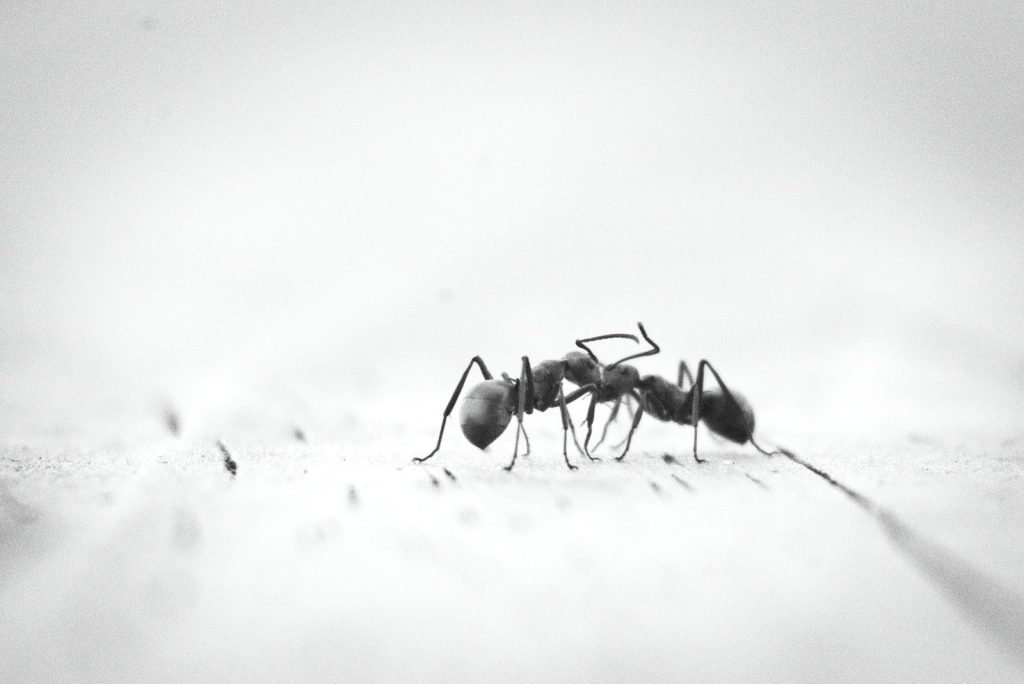
    micro photography of two black ants on white panel
    Photo by Thomas Kinto on Unsplash

    An ant can carry up to fifty times its own body weight. For a human, this would be like lifting a large car over your head. They do not have massive muscles. Instead, they rely on a highly specialized neck joint. According to a study by Ohio State University, the joint tissue of a leafcutter ant can withstand pressures up to five thousand times the ant’s weight. Their muscles are also packed tightly inside a rigid exoskeleton. This acts like a natural hydraulic press, multiplying their physical force. But another insect uses a completely different physical mechanism to jump.

    The High-Tech Spring Inside the Flea

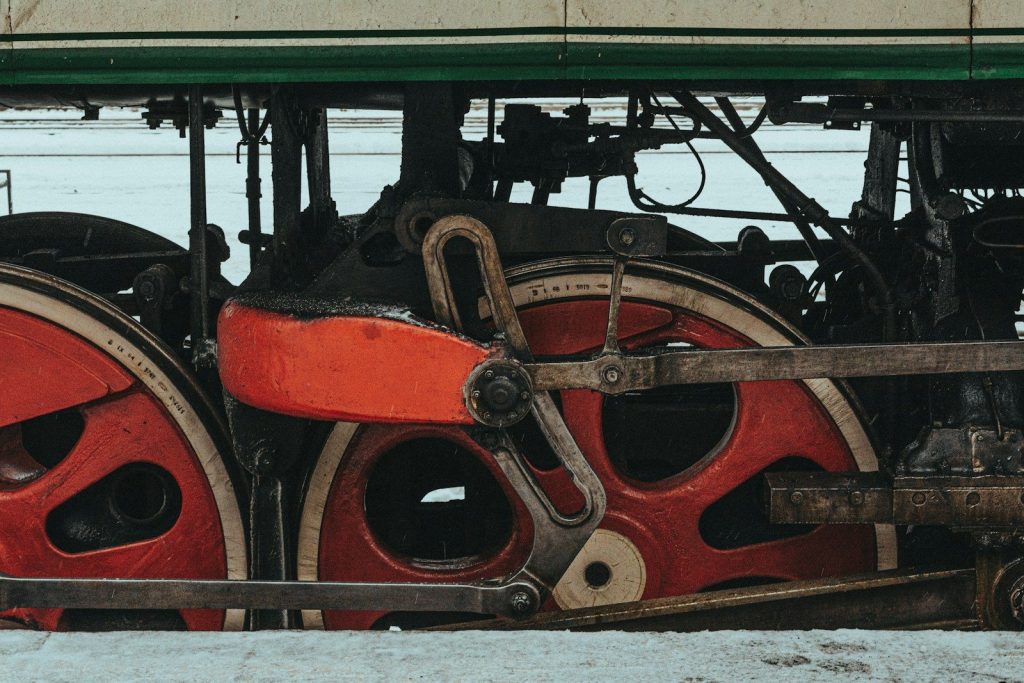
    a close up of the wheels of a train
    Photo by Ivan Lopatin on Unsplash
    A flea can jump over one hundred times its own height. This is a mechanical puzzle because muscle tissue cannot contract fast enough to generate that kind of speed. To solve this, the flea uses a natural elastic protein called resilin. Resilin is the most elastic rubber-like substance known to science. According to research from the University of Cambridge, the flea slowly bends its legs to store energy in this protein. It then releases a tiny catch, snapping the legs back instantly. It is the biological equivalent of a loaded crossbow. But birds of prey rely on a different type of mechanical force.

    The Crushing Leverage of the Golden Eagle

    brown and white eagle in tilt shift lens
    Photo by Ingo Doerrie on Unsplash

    The grip of a golden eagle is more than ten times stronger than a human hand. They can easily crush the bones of their prey mid-flight. They achieve this power through a clever pulley system in their legs. When an eagle bends its knees to land, its tendons naturally tighten like steel cables. According to the National Audubon Society, this mechanical lock requires almost no muscle energy to maintain. The bird can clamp down with immense force simply by using its body weight. But the ocean holds a creature with an even faster strike.

    The Ultrasonic Shockwave of the Mantis Shrimp

    A scuba in a cave with a green light
    Photo by Victor Oonk on Unsplash

    The mantis shrimp does not just punch its prey. It creates a physical explosion underwater. It can swing its club-like appendages at the speed of a twenty-two caliber bullet. This movement is so fast that it vaporizes the surrounding water, creating a tiny flash of light and heat. According to a study in the Journal of Experimental Biology, this process is called cavitation. The resulting shockwave is often strong enough to crack aquarium glass. This power relies on a saddle-shaped structure on its back that acts like a composite spring. But some mammals rely on raw muscle density.

    The Dense Power of the Silverback Gorilla

    black gorilla on brown tree branch during daytime
    Photo by Greg Gollin on Unsplash

    A silverback gorilla is estimated to be six times stronger than an adult human. They can easily snap thick tree branches and roll heavy boulders. This strength is a result of their high muscle-to-fat ratio. According to evolutionary biologists, gorillas possess a higher percentage of fast-twitch muscle fibers. These fibers generate massive amounts of power quickly, although they tire out faster. Their bones are also much thicker than ours, providing the sturdy anchor points needed for these heavy muscles. But a marine giant relies on a different kind of leverage.

    The Heavy Torque of the Blue Whale Tail

    whale, humpback, humpback whale, ocean, mammal, sea, animal, marine, water, nature, watching, wildlife, life, tail, fin, wild, splash, underwater, travel, tourism
    Photo by 1790462 on Pixabay

    The blue whale is the largest animal to ever exist on Earth. Moving a body that weighs up to two hundred tons requires immense torque. The whale’s tail, or fluke, is made of dense fibrous tissue that contains no bones. According to marine scientists at the University of British Columbia, this tail acts like a massive hydrofoil. When the whale moves its tail up and down, it generates incredible thrust by catching the water currents. This allows them to travel thousands of miles without exhausting their energy reserves. But the land has its own champion of slow, steady power.

    The Silent Strength of the African Elephant

    brown elephant on green grass field during daytime
    Photo by Wolfgang Hasselmann on Unsplash

    An elephant’s trunk contains over forty thousand individual muscles. For comparison, the entire human body has only about six hundred and fifty. This incredible muscle density allows the trunk to be both delicate and strong. According to National Geographic, an elephant can use its trunk to pick up a single blade of grass or lift a heavy tree trunk. It relies on a biological concept called a muscular hydrostat. Because water is incompressible, the elephant can stiffen its trunk by contracting specific muscles. This creates a highly flexible, solid lever.

    What Nature Machines Can Teach Our Engineers

    automation, engineers, engineering, technology, industry, computer, industrial, automated, power, innovation, work, energy, design, smart, electronic, process, network, tool, mechanical, production, icon, manipulation, team work, system, business, robotic, automation, automation, automation, automation, automation, engineering, innovation, innovation
    Photo by RavindraPanwar on Pixabay

    Human technology has come a long way, but our machines are still clunky compared to animals. Roboticists are currently using these biological designs to build flexible search-and-rescue drones. They are copying the ant’s neck joint and the shrimp’s spring mechanism to create resilient materials. By studying the physical laws of nature, we can build a more efficient world. The next major breakthrough in engineering is already walking, crawling, or swimming right beside us.

    Featured Image: Photo by Ricardo Ferro on Unsplash

  • Homeland Security filmed a UFO over Puerto Rico – then it hit the ocean

    Homeland Security filmed a UFO over Puerto Rico – then it hit the ocean

    UFO sightings are common. But high-quality military sensor footage of these objects is incredibly rare. In 2013, a US Homeland Security aircraft was flying a routine patrol near Aguadilla, Puerto Rico. Suddenly, the crew noticed a strange thermal signature on their radar. They activated their high-definition infrared camera to track the object. The video they captured has puzzled scientists and military experts for over a decade. It shows a small, metallic object moving at high speeds across the land. Then, it does something that defies our understanding of physics. It plunges directly into the ocean without slowing down. The scientific analysis of this footage is raising serious questions about advanced technology.

    A Routine Patrol Catches a Wild Anomaly

    a plane with smoke coming out of it flying in the sky
    Photo by Trac Vu on Unsplash

    The flight crew was searching for illegal drug smuggling vessels. They were flying a DHC-8 maritime patrol aircraft equipped with advanced thermal imaging systems. According to a detailed report by the Scientific Coalition for UAP Studies, the camera tracked the object for over three minutes. The object was estimated to be about three to five feet in diameter. It moved at speeds ranging from forty to one hundred and twenty miles per hour. It had no wings, no visible engines, and no heat plume. Yet, it glided effortlessly over the landscape. But its behavior near the coast was about to shock the crew.

    Plunging Into the Ocean Without a Splash

    blue sea under blue sky and white clouds during daytime
    Photo by Jenna Bash on Unsplash

    The object approached the Atlantic Ocean. Instead of turning or climbing, it flew directly into the water. According to thermal data, the object did not slow down as it transitioned from air to sea. There was no visible impact splash, and no steam. This is a physical anomaly. When an object hits water at high speed, the density change usually causes massive deceleration or structural failure. The object moved through the water at almost the same speed it flew through the air. But the camera continued to track its underwater path.

    The Mystery of Transmedium Propulsion

    Biplane flying through dramatic clouds at sunset
    Photo by Matias Luge on Unsplash

    Scientists refer to objects that can travel through both air and water as transmedium craft. Our best modern submarines cannot fly. Our best fighter jets would instantly crash if they hit the ocean. The physics of moving through water requires heavy, streamlined structures to handle immense pressure. The physics of flight require lightweight materials and aerodynamic lift. According to research published by the American Institute of Aeronautics and Astronautics, combining these two capabilities requires advanced materials we do not possess. But the object had one more surprise for the observers.

    Splitting in Two Under the Waves

    A diver swims through clear blue ocean water.
    Photo by WILLIAN REIS on Unsplash

    As the thermal camera tracked the object underwater, the signature suddenly changed. It appeared to split into two distinct targets. Both objects then continued to travel side by side through the water. They moved with perfect coordination, suggesting they were controlled or programmed. This split happened without any loss of velocity. Scientists analyzing the video ruled out camera glare or sensor glitches. The physical evidence points to a highly organized mechanical reaction. But critics have offered a much simpler explanation.

    The Scientific Debate Over Wind Drifting

    hot air balloon during daytime
    Photo by Kairat Murataliev on Unsplash

    Many skeptics argue that the object was not an advanced craft at all. They believe it was a simple party balloon or a runaway drone. According to skeptic reports, the object’s apparent high speed could be an optical illusion caused by the movement of the airplane. This is called the parallax effect. If the wind was blowing hard enough, a balloon could appear to zip across the ground. But this theory struggles to explain how a lightweight balloon could enter the ocean and continue moving against powerful waves. The data continues to divide the scientific community.

    Why Government Agencies Take These Videos Seriously

    a man and a woman with ear phones in their ears
    Photo by Virginia Berbece on Unsplash

    This video was not captured by an amateur with a smartphone. It was recorded by a multimillion-dollar military sensor system operated by trained personnel. The Department of Homeland Security has never officially explained the footage. It was leaked to the public by members of the flight crew who wanted answers. According to statements from the Pentagon’s All-domain Anomaly Resolution Office, tracking transmedium anomalies is now a high-priority national security objective. They want to know if foreign adversaries have developed silent, water-resistant propulsion systems.

    What the Puerto Rico Incident Tells Us

    black and orange power tool
    Photo by NEW DATA SERVICES on Unsplash

    The Aguadilla footage remains one of the most compelling cases in modern military history. It provides clear, calibrated data of an object performing maneuvers that challenge our current engineering limits. Whether it was a highly advanced drone or something completely unknown, it proves that our skies hold secrets. As sensor technology improves, we will likely capture more of these events. The answers we find might change how we build our own aircraft in the future.

    Featured Image: Photo by Abdur Ahmanus on Unsplash

  • The best diets for a healthy life

    The best diets for a healthy life

    Everyone wants a longer life. We buy expensive supplements and try extreme workout routines to stay healthy. But the real secret to longevity is much simpler. Scientists have spent decades studying places called Blue Zones. These are regions where people routinely live past one hundred years. They do not rely on expensive technology. Instead, their daily eating habits keep their bodies running smoothly. A report by U.S. News and World Report ranks these plant-focused lifestyles among the healthiest in the world. But this is not just about eating your vegetables. There is a deep biological reaction happening inside their cells. The way these foods interact with our DNA is absolutely mind-boggling.

    Turning on the Cellular Cleanup Crew

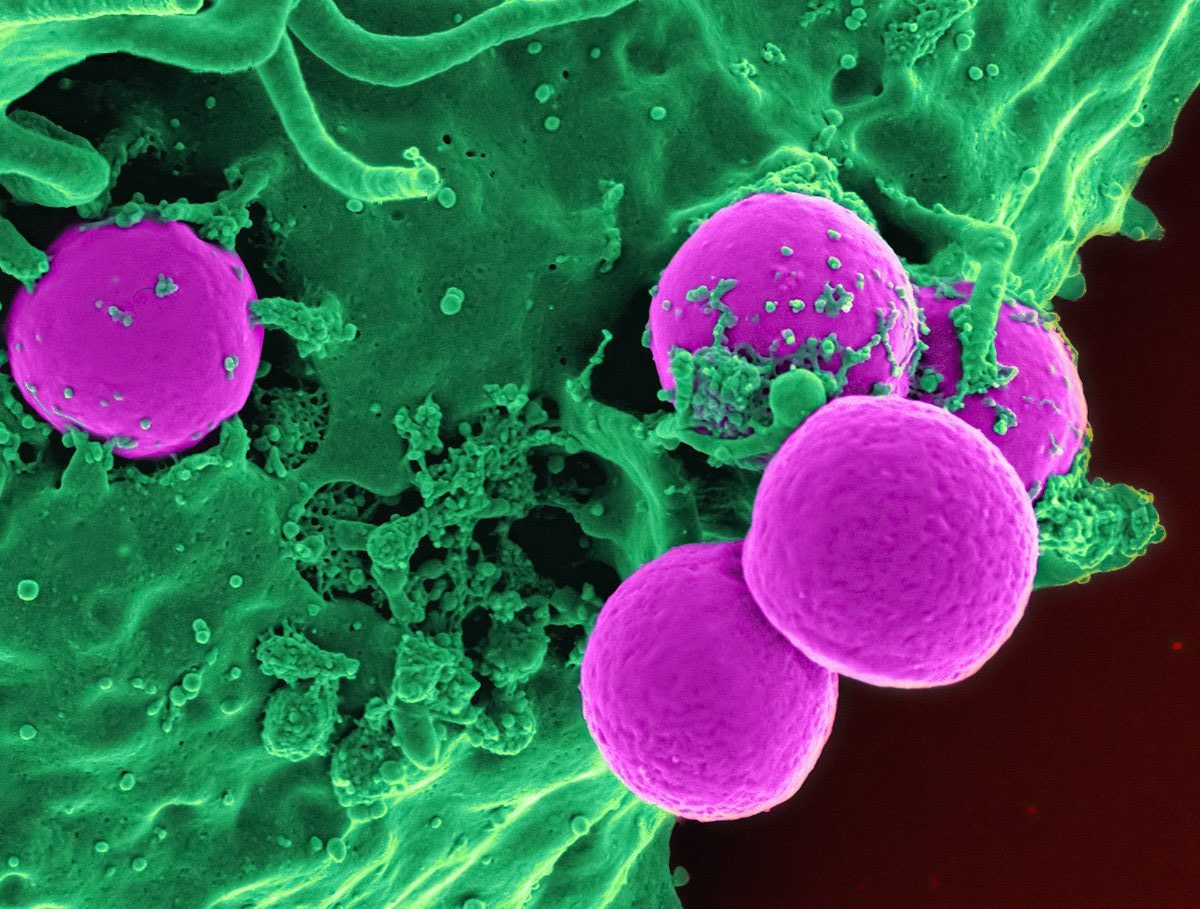
    a group of purple and green cells in a blood vessel
    Photo by National Institute of Allergy and Infectious Diseases on Unsplash

    Fast food keeps your body constantly digesting. On the other hand, the simple foods eaten in Okinawa and Sardinia do something different. They give your digestive tract a break. This triggers a process called autophagy. According to researchers at Harvard University, autophagy is your body’s way of clearing out damaged cells. It acts like a tiny biological recycling truck. The cells reuse the good parts and throw away the trash. This cellular cleanup prevents chronic diseases before they can even start. But the specific plants they eat hold another secret.

    The Strange Science of Sirtuin Activation

    red grape fruits
    Photo by Alexander Schimmeck on Unsplash

    Blue Zone residents eat a lot of foods rich in polyphenols. These natural compounds are found in olive oil, red grapes, and cocoa. When you eat them, they activate a family of proteins called sirtuins. Scientists call these the longevity genes. A study published in the journal Nature suggests that sirtuins help repair damaged DNA. They also regulate metabolic health and reduce inflammation. Without these active proteins, your cells age much faster. But there is a specific bean that acts as a powerhouse for this process.

    Why a Simple Bean Protects Your Chromosomes

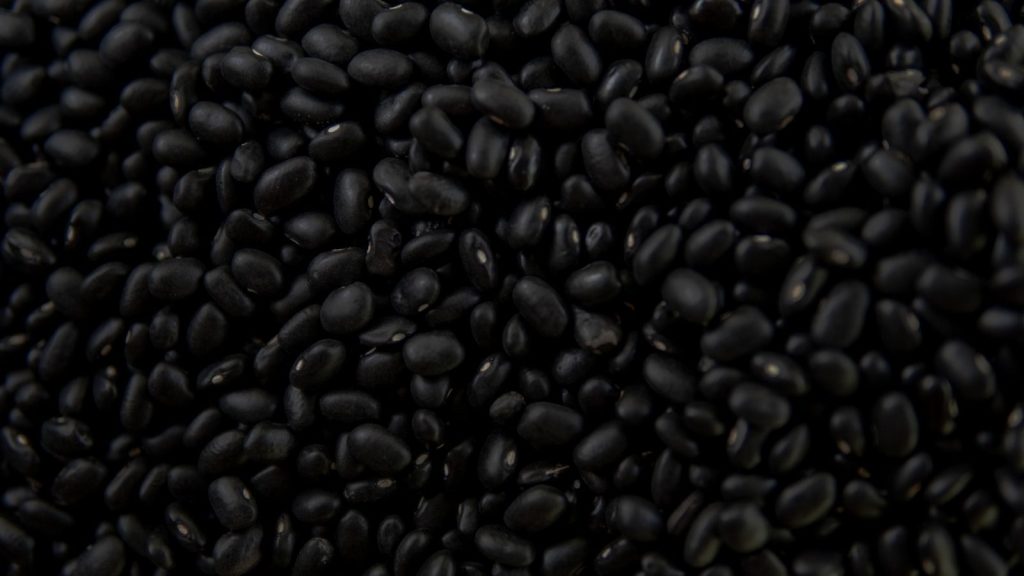
    a pile of black beans sitting on top of a table
    Photo by Junior Bazzo on Unsplash

    The humble legume is the true king of Blue Zone eating. People in Nicoya, Costa Rica, eat black beans almost every day. These beans are packed with complex carbohydrates and prebiotic fiber. This fiber actually protects your telomeres. Telomeres are the protective caps on the ends of your chromosomes. Think of them like the plastic tips on shoelaces. According to a study from Brigham Young University, longer telomeres are directly linked to a longer lifespan. The simple act of digesting beans might be keeping your genetic code intact. But the gut microbiome is where the real magic happens.

    Feeding the Secret Army in Your Gut

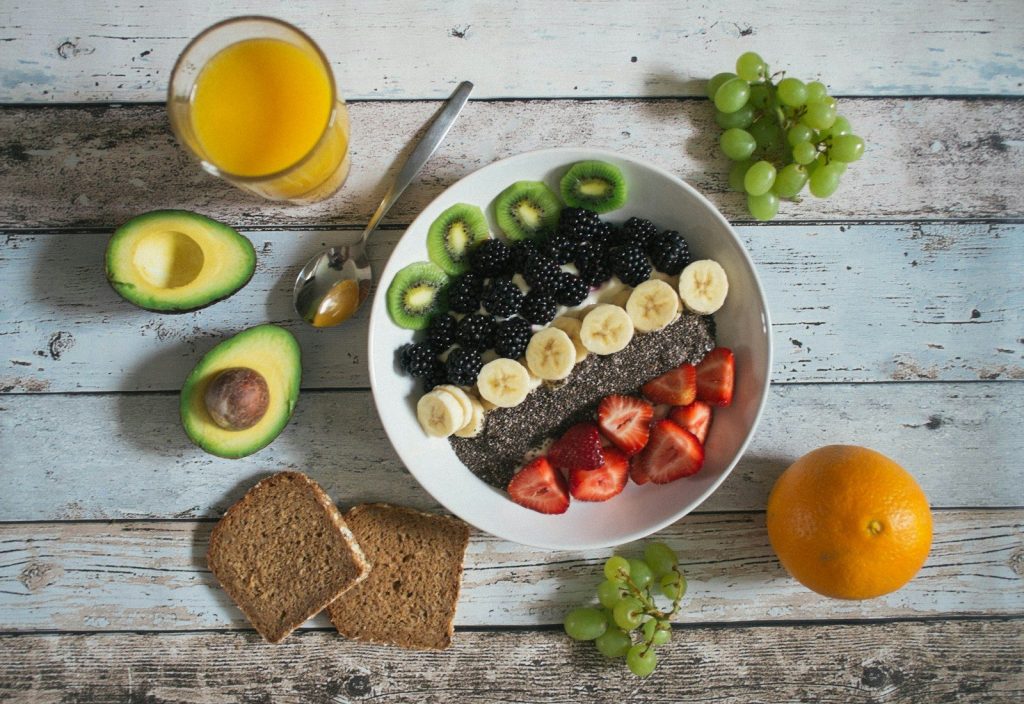
    fruit lot on ceramic plate
    Photo by Jannis Brandt on Unsplash

    Okinawans eat a diet rich in sweet potatoes and fermented soy. This creates an incredibly diverse gut microbiome. You have trillions of tiny microbes living in your stomach. When you feed them the right fiber, they produce short-chain fatty acids. According to the Cleveland Clinic, these compounds strengthen your gut barrier. They also communicate directly with your brain to regulate mood and hunger. A weak gut barrier leads to systemic inflammation. That inflammation is a quiet killer. But there is another dietary habit that keeps their blood sugar perfectly balanced.

    The Mathematical Wisdom of Eighty Percent Full

    white ceramic plate and silver fork
    Photo by Mikael Cho on Unsplash

    In Okinawa, people practice a tradition called Hara Hachi Bu. This means they stop eating when they feel eighty percent full. This is not just a polite social rule. It has a profound impact on insulin sensitivity. When you overeat, your pancreas is flooded with insulin to process the excess sugar. Over time, your cells become resistant to this hormone. According to the American Diabetes Association, insulin resistance is a major driver of heart disease. Eating slightly less keeps your metabolic engine running cool. But what about the liquids they drink?

    The Daily Flush of Herbal Infusions

    person pouring tea on white teacup
    Photo by Barrett Baker on Unsplash

    People in Ikaria, Greece, drink wild herbal teas every afternoon. They brew rosemary, dandelion, and sage. These are not just tasty beverages. They act as natural diuretics that keep blood pressure low. According to a study by the Athens University Medical School, these teas are packed with antioxidants. They help flush excess sodium and toxins from the kidneys. This daily routine keeps the cardiovascular system free of stress. But there is one final piece to the puzzle.

    The Hidden Power of Natural Dietary Sourcing

    green plants
    Photo by Erwan Hesry on Unsplash

    Blue Zone communities do not eat processed food. They eat what they grow in their backyard gardens. This means their food is packed with natural minerals that are missing from supermarket shelves. They avoid synthetic preservatives that can damage blood vessels. Their bodies recognize every single ingredient they consume. This simple relationship with food keeps them active well into their nineties. The lessons they teach us could change how we look at our own plates.

    Building Your Personal Strategy for Longevity

    meal, food, nourishment, feed, logo, pictorial, letters, image letters, health, nutrient, vitamins, protein, logo, logo, logo, logo, logo, nutrient, protein, protein, protein
    Photo by stux on Pixabay

    You do not have to move to Greece to live like a centenarian. Start by swapping processed snacks for fresh walnuts or pumpkin seeds. Eat a handful of beans with your dinner. Focus on whole foods and listen to your body’s natural fullness signals. These tiny changes can have a massive impact on your cellular health over time. Your body is ready to heal if you give it the right tools.

    Featured Image: Photo by Sofia Lasheva on Unsplash

  • Key foods to help prevent clogged arteries

    Key foods to help prevent clogged arteries

    Clogged arteries are a silent threat. Over time, fatty deposits and calcium build up inside your blood vessels. This restricts vital blood flow to your heart and brain. Many people assume that surgery or heavy medication is the only way to fix this problem. But modern vascular biology suggests a different path. According to the American Heart Association, your diet plays a massive role in plaque prevention. Some specific foods act like physical and chemical sweepers inside your bloodstream. They do not just prevent new plaque from forming. They actually help stabilize and clear existing blockages. The science behind how these everyday foods interact with your vascular walls is fascinating.

    The Gas That Relaxes Your Blood Vessels

    a large green leafy plant
    Photo by Victor Birai on Unsplash

    Your blood vessels are lined with a delicate layer of cells called the endothelium. This layer relies on a gas called nitric oxide to stay healthy. Nitric oxide tells your blood vessels to relax and widen. This improves your overall circulation and lowers blood pressure. Green leafy vegetables like spinach and arugula are packed with natural nitrates. Your body converts these nitrates into nitric oxide. According to a study published in The Journal of Nutrition, this process prevents plaque from sticking to your artery walls. But there is a fruit that takes this protection even further.

    How Pomegranate Molecules Act as Plaque Shields

    red and white heart shaped decors
    Photo by Mockup Graphics on Unsplash

    Pomegranates are a true marvel of vascular science. They are loaded with unique antioxidants called punicalagins. These molecules are incredibly powerful. According to clinical trials published by the National Institutes of Health, pomegranate juice can actually reduce the thickness of arterial plaque. It stops bad cholesterol from oxidizing in your blood. Oxidized cholesterol is the sticky substance that starts the clogging process. By blocking this oxidation, the fruit keeps your vessel walls smooth and clean. But a tiny seed in your pantry might offer a similar level of protection.

    The Physical Scrubber in Your Morning Oats

    two bowls of oatmeal with fruits
    Photo by Brooke Lark on Unsplash

    Oatmeal is more than just a warm breakfast. It contains a very specific type of soluble fiber called beta-glucan. When you eat oats, this fiber forms a thick gel in your digestive tract. This gel binds to cholesterol-rich bile acids and carries them out of your body. According to the Mayo Clinic, this process forces your liver to pull cholesterol from your blood to make more bile. This naturally lowers your circulating bad cholesterol. It prevents the raw materials of plaque from ever reaching your arteries. But another common kitchen ingredient fights vascular damage in a different way.

    The Sulfated Defense of Raw Garlic

    Top view of whole organic unpeeled aromatic garlic bulbs lying in row on white clean marble surface before cooking process
    Photo by www.kaboompics.com on Pexels

    Garlic has been used as medicine for thousands of years. Modern science now knows why. When you crush or chop garlic, it releases a compound called allicin. Allicin reacts with your red blood cells to produce hydrogen sulfide. According to research from Emory University, this gas helps dilate blood vessels and prevents blood clots from forming. It also stops smooth muscle cells in your arteries from multiplying, which is a key step in plaque buildup. A tiny clove can provide a massive shield for your heart. But a popular snack can also help you maintain this defense.

    Why Walnuts Keep Your Arteries Flexible

    a close up of a bunch of walnuts
    Photo by engin akyurt on Unsplash

    Walnuts are shaped like tiny brains, but they are great for your heart. They are incredibly rich in alpha-linolenic acid, which is an essential omega-three fatty acid. Your body cannot make this fat on its own. According to a study in the Journal of the American College of Cardiology, eating walnuts improves the elasticity of your arteries. It allows them to expand and contract with ease. This reduces the mechanical wear and tear on your vessel walls. But you must also look to the ocean for ultimate vascular protection.

    The Marine Acid That Fights Vessel Inflammation

    fish, fillet, nature, vegetables, redfish, recipe, cook, food
    Photo by eatde on Pixabay

    Fatty fish like salmon and sardines are packed with two crucial fatty acids. These are EPA and DHA. These marine oils target systemic inflammation inside your vascular system. Plaque is not just fat. It is actually an inflammatory response to damaged vessel walls. According to the World Health Organization, regular fish consumption is linked to a significant drop in cardiovascular events. These healthy fats stabilize plaque, making it less likely to rupture and cause a crisis. But there is a simple way to combine all these foods.

    Designing Your Daily Plan for Vascular Health

    flat lay photography of man making vegetable and fruit salad
    Photo by Jessica Lewis 🦋 thepaintedsquare on Unsplash

    Protecting your arteries does not require a complicated medical regimen. Start by adding a spoonful of ground flaxseeds to your morning oats. Enjoy a handful of walnuts instead of chips in the afternoon. Drizzle extra virgin olive oil over leafy greens for dinner. These simple daily habits keep your blood flowing smoothly and your vessels clean. Your heart works hard for you every single second. Giving it the right fuel is the easiest way to ensure a long, active life.

    Featured Image: Photo by Julia Zolotova on Unsplash

  • Why Longevity Experts Avoid These Supposedly Healthy Foods

    Why Longevity Experts Avoid These Supposedly Healthy Foods

    We are constantly bombarded with advice on what to eat to live a longer life. Health food stores are packed with colorful packages promising eternal youth. But many of these trendy items are actually doing the exact opposite. Longevity experts who study the world’s oldest populations are sounding the alarm. They have identified several common health foods that can actually accelerate cellular aging. These deceptive products trigger chronic inflammation and disrupt your metabolic pathways. They slowly damage your delicate blood vessels without any warning signs. By cutting these silent offenders out of your diet, you can protect your DNA. This simple adjustment can help you maintain high energy levels as you get older. The first major offender might be sitting in your pantry right now.

    The Hidden Sugar Trap of Protein Bars

    Top view of homemade nut muesli bars on parchment paper, a perfect healthy snack.
    Photo by Vladimir Gladkov on Pexels

    Protein bars look like the perfect post-workout snack. However, many commercial brands contain as much sugar as a standard chocolate bar. They are packed with high-fructose corn syrup and artificial sweeteners. According to research from the Harvard T.H. Chan School of Public Health, excess sugar promotes cellular aging. It causes insulin spikes that stress your pancreas over time. This sweet trap can lead to chronic metabolic issues. But your morning breakfast bowl hides an even bigger health secret.

    Glucation Hazards in Crispy Breakfast Cereals

    white soup on stainless steel bowl
    Photo by Dom . on Unsplash

    Many people eat whole-grain cereals to protect their hearts. But the extreme heat used to manufacture these flakes destroys their natural nutrients. This industrial process creates advanced glycation end products. These harmful compounds damage your skin’s collagen and stiffen your blood vessels. Longevity experts suggest swapping processed cereals for slow-cooked steel-cut oats instead. This simple swap protects your cellular health. But a common cooking oil might be doing silent damage.

    The Inflammatory Threat of Seed Oils

    a white table topped with different types of food
    Photo by Tucker Good on Unsplash

    Vegetable and seed oils are promoted as heart-healthy alternatives to butter. But oils like canola, corn, and soy are highly processed. They contain massive amounts of omega-six fatty acids. While your body needs some omega-6, an excess can trigger chronic systemic inflammation. This inflammation is a primary driver of age-related diseases. Experts suggest using extra virgin olive oil or avocado oil instead. This adjustment keeps your cardiovascular system running smoothly.

    Agave Nectar is Not a Safe Sugar Substitute

    clear glass bottle pouring red liquid on clear drinking glass
    Photo by Benyamin Bohlouli on Unsplash

    Agave nectar is often marketed as a natural, low-glycemic sweetener. But this syrup is incredibly high in fructose. In fact, it can contain up to ninety percent fructose. Unlike glucose, fructose must be processed entirely by your liver. This process can lead to fatty liver disease and insulin resistance. Longevity researchers suggest using small amounts of raw honey or real maple syrup instead. But another popular beverage might surprise you with its impact.

    The Toxic Load of Commercial Fruit Juices

    Refreshing orange juice being poured from a glass pitcher into a jar, set against a turquoise background.
    Photo by DS stories on Pexels

    Drinking a glass of fresh orange juice seems like a great way to get vitamin C. But juicing removes all the beneficial fiber from the fruit. This leaves you with a concentrated dose of liquid sugar. Your body absorbs this liquid sugar instantly, causing a massive blood sugar spike. This rapid rise damages your blood vessels and exhausts your metabolism. It is much better to eat the whole fruit instead to keep your digestion balanced.

    The Hidden Chemicals in Diet Soda

    blue and silver can with water droplets
    Photo by NIKHIL on Unsplash

    Diet sodas promise zero calories and zero guilt. But they rely on powerful artificial sweeteners like aspartame. These chemicals can disrupt your delicate gut microbiome. A damaged gut microbiome can weaken your immune system and increase systemic inflammation. According to studies published in Nature, artificial sweeteners can also trigger intense food cravings. This can lead to unexpected weight gain over time.

    Building a Simple Foundation for Long Life

    blue berries on white background
    Photo by Hanna Balan on Unsplash

    Protecting your longevity does not require a complicated diet. Focus on eating whole, unprocessed foods that come straight from the earth. Choose leafy greens, wild fish, and plenty of fresh berries. These natural foods deliver the essential antioxidants your cells need to repair themselves. By avoiding modern processed substitutes, you can support your body’s natural healing systems. This simple approach is the ultimate secret to a long, vibrant life.

    Featured Image: Photo by Vanessa Loring on Pexels