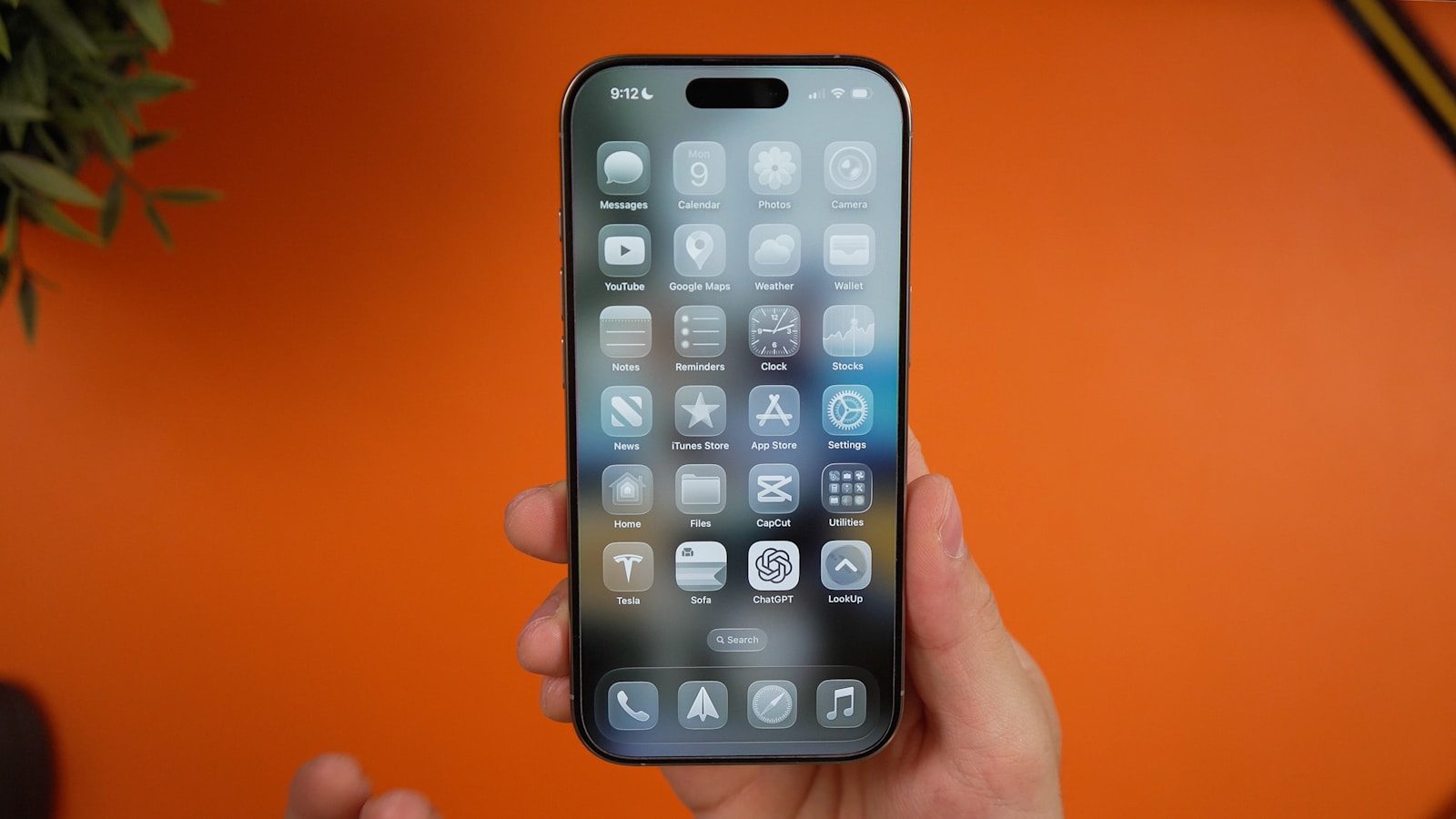
Apple’s Liquid Glass design is not just a shiny new look. It is Apple’s broadest software design update in years, built around a translucent material that reflects and refracts what is behind it. Apple introduced it in June 2025 for iOS 26, iPadOS 26, macOS Tahoe 26, watchOS 26, tvOS 26, and visionOS 26. The goal is to make buttons, menus, icons, widgets, and controls feel more alive while keeping Apple devices familiar.
That matters because design affects how people use technology every day. When a phone, tablet, watch, laptop, and TV share the same visual language, switching between them can feel smoother. Liquid Glass is Apple’s attempt to make its whole software world feel more connected, modern, and personal.
Apple is changing the look
Liquid Glass gives Apple software a softer, clearer, and more layered style. Instead of flat buttons and simple panels, many parts of the interface now look like glass over content.
That shift matters because Apple rarely changes its design language this widely. It affects the way apps, controls, widgets, and menus appear across many devices, not just one product.
It works across devices
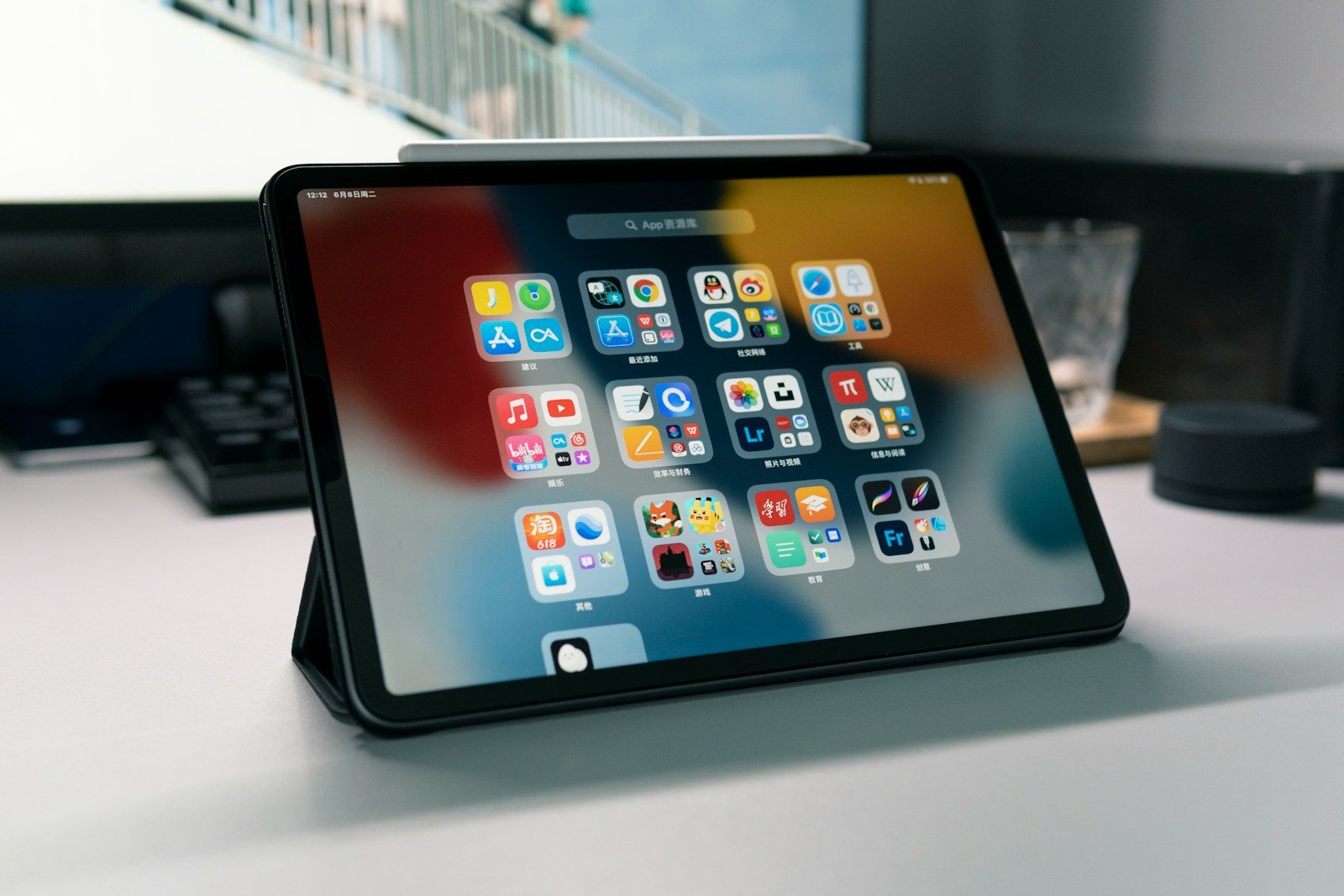
Apple says Liquid Glass is designed across iPhone, iPad, Mac, Apple Watch, Apple TV, and Vision Pro. That makes it more than a small visual refresh.
For users, this can make each device feel like part of the same family. A button or menu may look more familiar when you move from your phone to your Mac or iPad.
It puts content first
A major goal of Liquid Glass is to keep focus on the content. Apple says the material can transform around controls and navigation so apps feel more expressive without fully taking over the screen.
That sounds subtle, but it matters. If done well, the design can make photos, videos, maps, and messages feel more open while still keeping important controls nearby.
Icons feel more personal
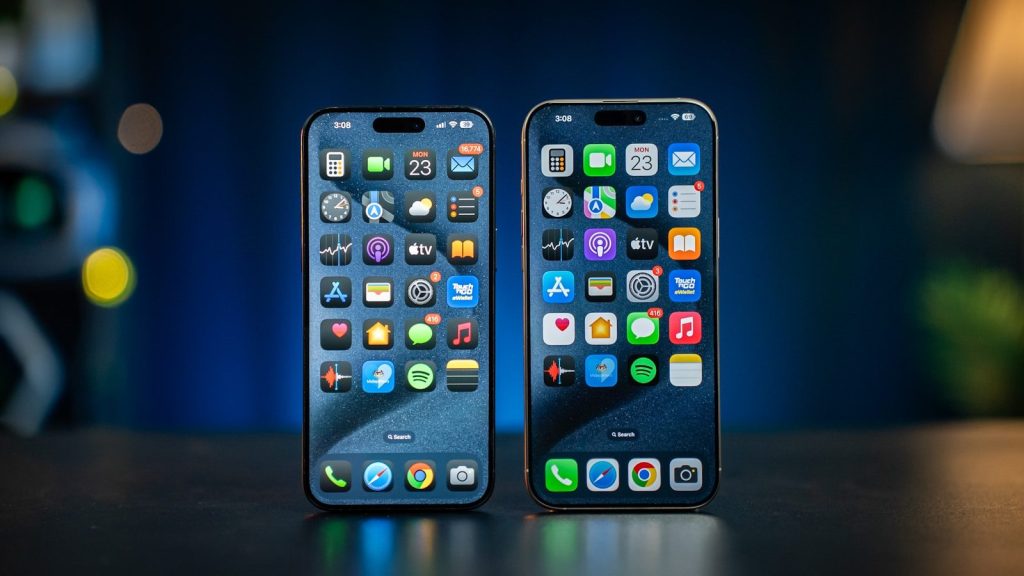
Liquid Glass also changes app icons and widgets. On macOS Tahoe 26, Apple says users can customize the desktop and Dock with icons and widgets made from layered Liquid Glass.
This gives devices a more personal feel. Instead of every screen looking stiff or plain, users get more visual depth, shine, and customization while keeping the basic Apple layout familiar.
Menus look lighter
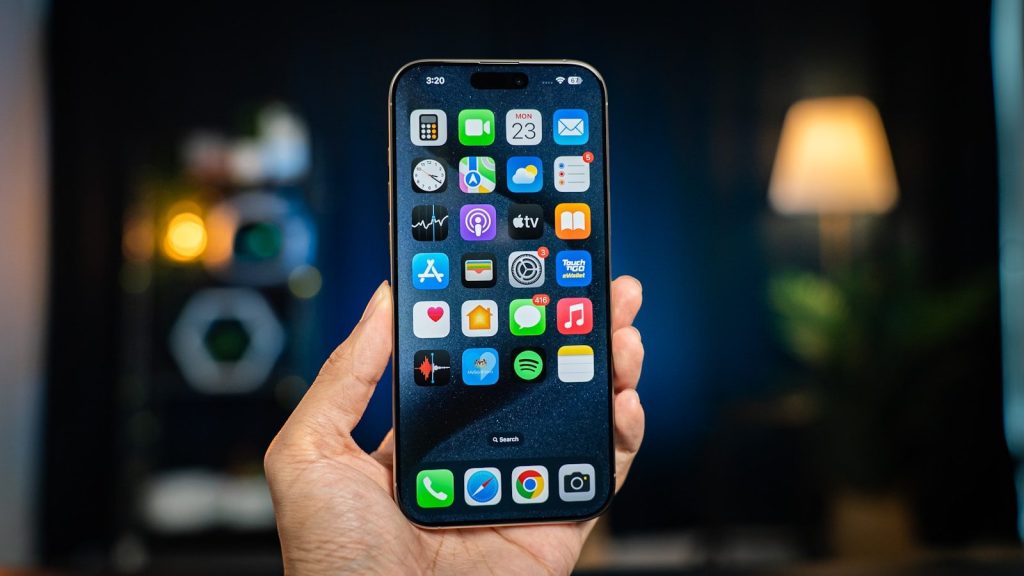
On Mac, Liquid Glass affects areas like the Dock, sidebars, toolbars, and menu bar. Reports from Apple’s WWDC coverage noted that macOS Tahoe 26 uses a more transparent menu bar to help the display feel bigger.
That can change how a computer feels during daily use. A lighter interface may make the screen seem less crowded, especially on laptops where every inch matters.
It borrows from Vision Pro
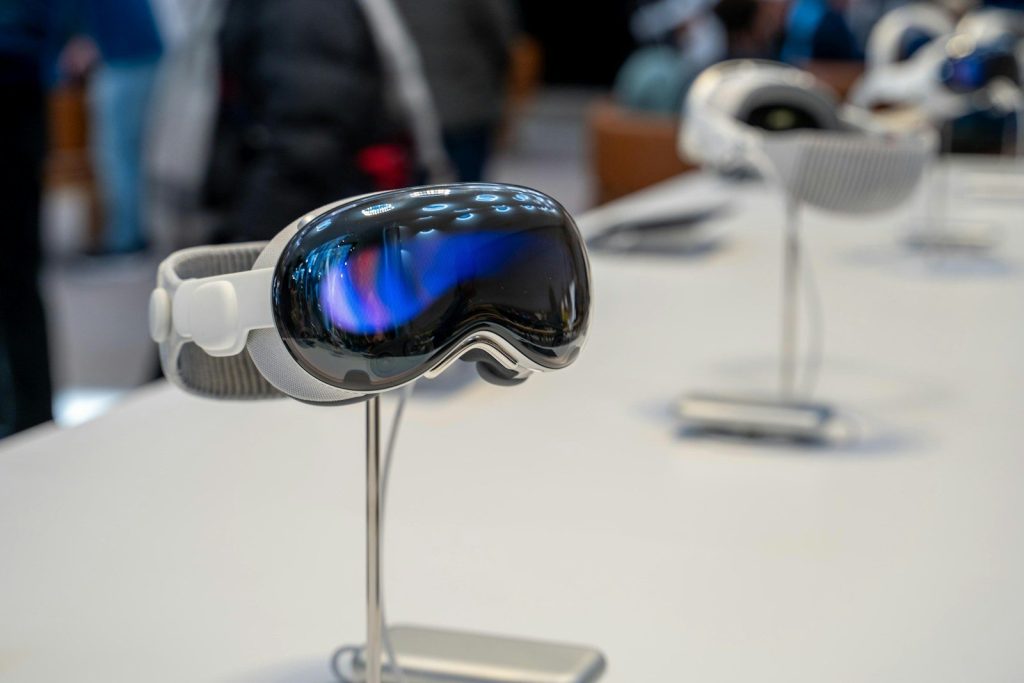
Liquid Glass fits naturally with Apple’s Vision Pro design style. VisionOS already uses depth, layers, and glass-like surfaces because mixed reality needs menus that float over digital and real-world spaces.
Bringing that feeling to iPhone, iPad, and Mac helps Apple connect its future devices with its current ones. The design makes regular screens feel a little closer to spatial computing.
Developers must adapt

Liquid Glass is not only for Apple’s own apps. Apple’s developer documentation gives guidance so app makers can design experiences that fit the new visual style.
That matters because third-party apps shape daily use. Banking apps, weather apps, note apps, and shopping apps may all need updates so they do not feel outdated beside Apple’s redesigned system apps.
Readability still matters
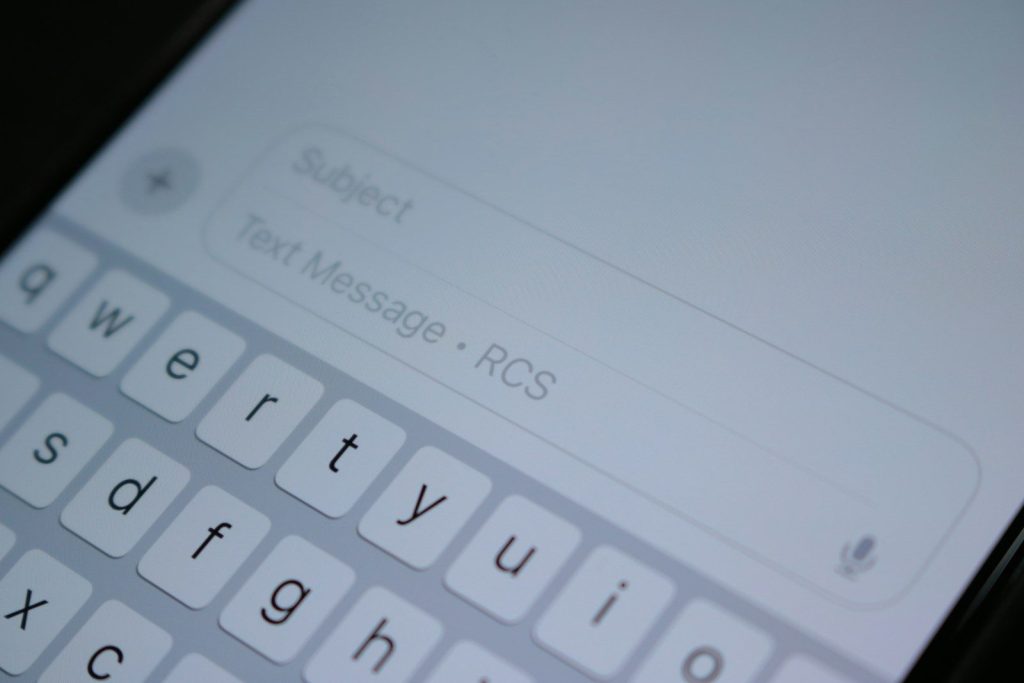
A glassy interface can look beautiful, but it must stay easy to read. Text, buttons, and menus need enough contrast so people can use them quickly.
This is why Apple’s design choices matter beyond style. A great interface should feel fresh without making basic tasks harder. The best version of Liquid Glass will balance beauty with clear everyday use.
It can make devices feel newer
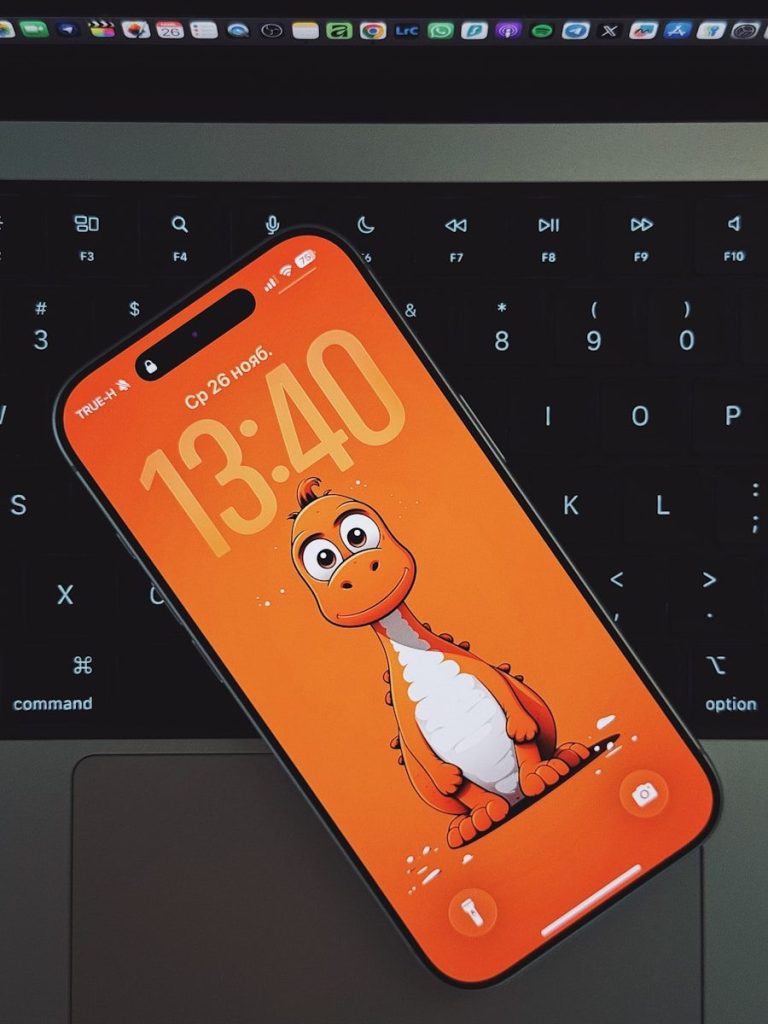
A software redesign can make older hardware feel refreshed. Even if the device itself has not changed, a new interface can make the experience feel more modern.
That is important for Apple users who keep devices for years. A visual update can add a sense of newness without requiring everyone to buy new hardware right away.
It sets Apple’s next chapter
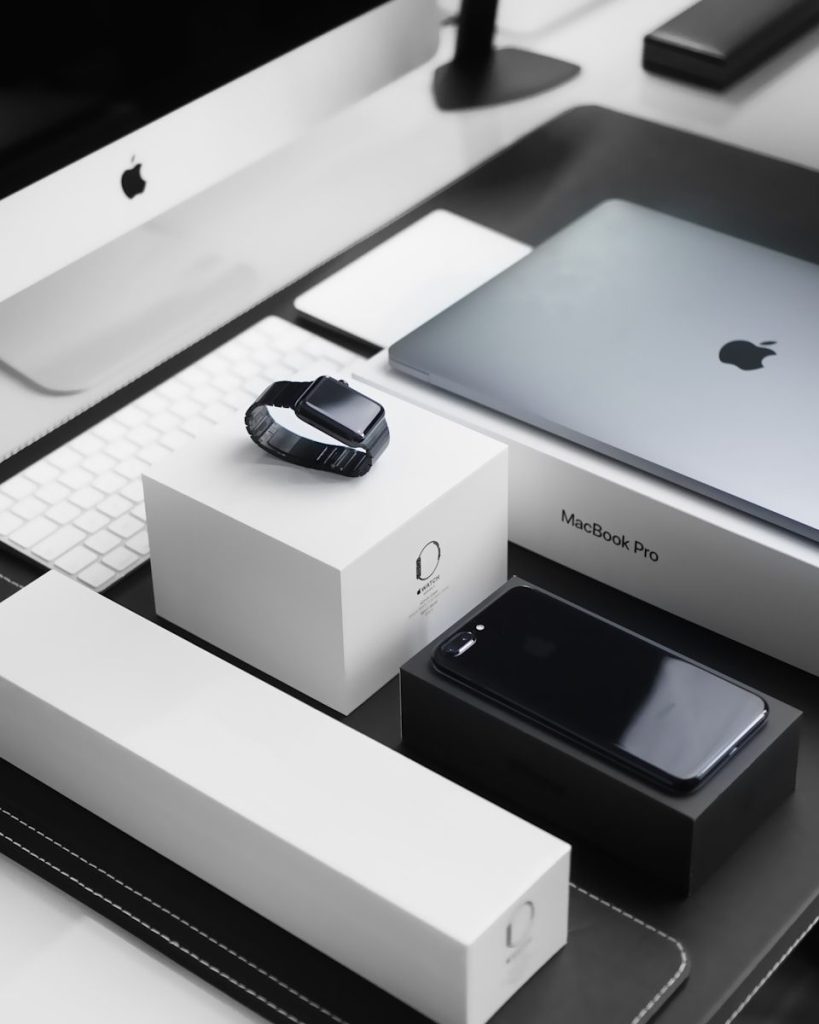
Liquid Glass matters because it gives Apple a shared design base for the years ahead. It can support phones, tablets, computers, watches, TVs, and future screen experiences with one connected style.
For everyday users, the change may start with prettier buttons and smoother menus. Over time, it could shape how Apple’s whole ecosystem looks, feels, and works together.
Leave a Reply