Blog

  • Why an Accidental Find Under a French Church Shocked Experts

    Why an Accidental Find Under a French Church Shocked Experts

    A team of restoration workers in Dijon, France, recently made a startling discovery under the floorboards of an ancient church. They were trying to repair structural damage caused by salt and moisture. When they pulled up a heavy section of stone, they found a hidden staircase. This secret passage led them directly into a dark, sealed burial vault. What started as a routine maintenance project quickly transformed into an extraordinary archaeological dig. Researchers have spent months uncovering layers of history that span over a thousand years. This single church has preserved secrets from the Middle Ages and the Roman Empire. The findings have stunned experts and are completely rewriting the history of the region. It is a powerful reminder that ancient secrets can lurk directly beneath our feet. But the journey into this hidden world began with a disastrous modern mistake.

    A Botched Restoration Wreaks Havoc on History
    a close up of a cobblestone pavement
    Photo by Chris Curry on Unsplash

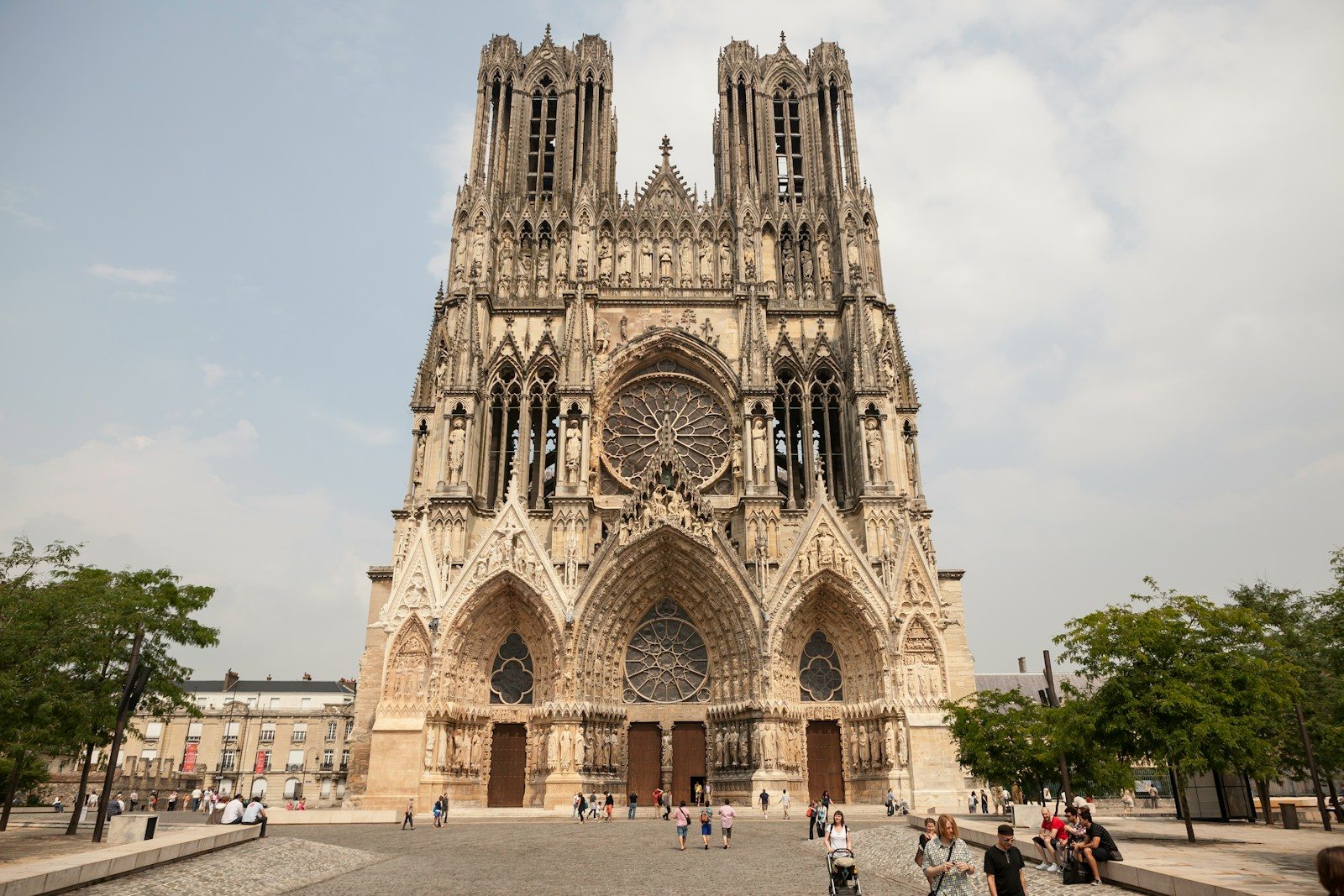
    The Saint-Philibert Church has stood in Dijon for over eight hundred years. It is a beautiful Romanesque building with a long and troubled past. After the French Revolution, the church was decommissioned and used to store salt. This salt slowly seeped into the stone foundations over the centuries. In the 1970s, workers installed a heated concrete slab in a misguided attempt to restore the building. This concrete trapped the moisture and caused the stone walls to split apart. This structural disaster forced experts to take drastic action.

    Uncovering a Secret Pathway Below the Floor

    grayscale photo of cathedral interior
    Photo by David Edkins on Unsplash

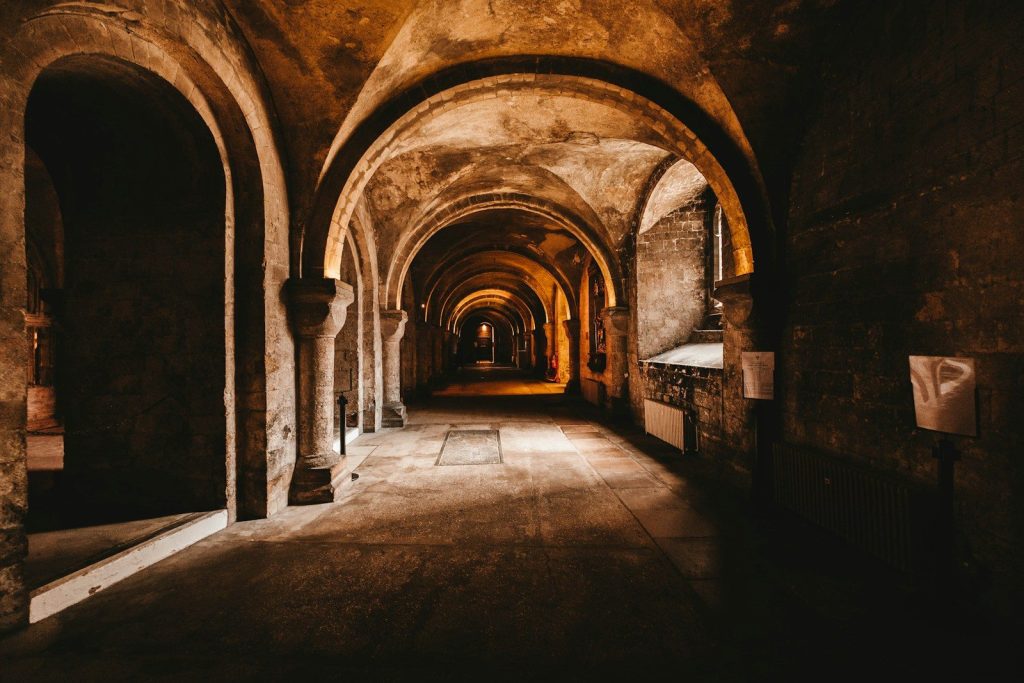
    Archaeologists from the French National Institute for Preventive Archaeological Research stepped in to help. They carefully removed the destructive concrete slab to assess the damage. Beneath the floor, they noticed a strange structural alignment. They cleared away loose soil and uncovered a staircase that was not on any of the church plans. This stone pathway was at least four hundred years old. It had been sealed and forgotten since the 1940s. The team carefully descended the dark stairs to see what was at the bottom.

    A Sealed Vault Packed With Human Remains
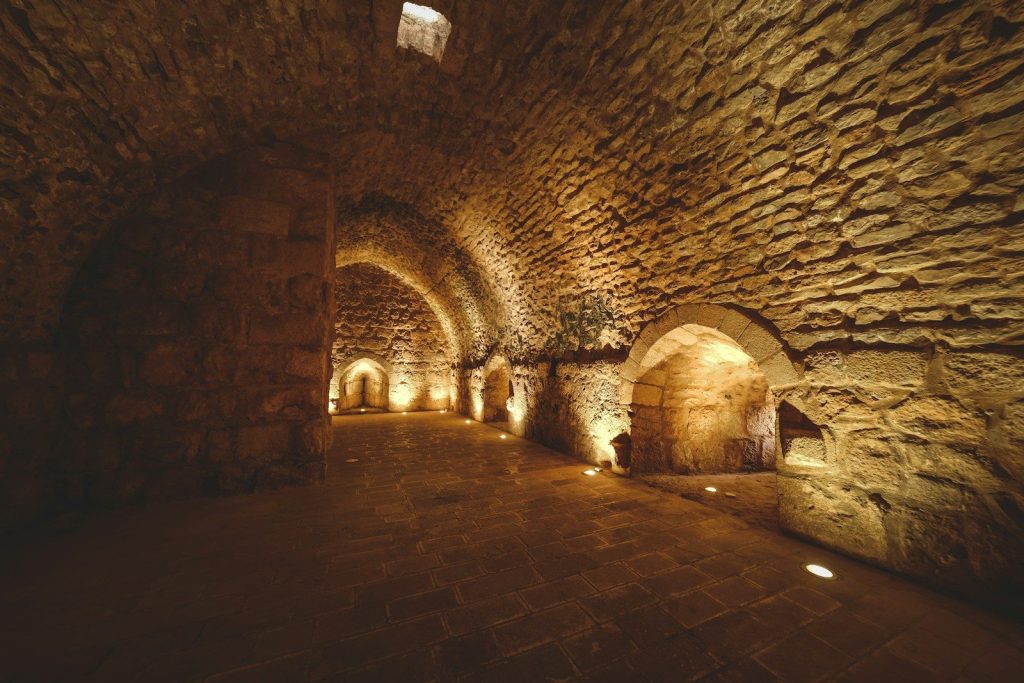
    a dimly lit tunnel with stone walls and cobblestones
    Photo by Francesco Ungaro on Unsplash

    At the bottom of the staircase, the team discovered a massive burial vault. This dark chamber was the final resting place of dozens of individuals. The room contained the coffins of both children and adults. Surprisingly, the bones of earlier burials had been pushed to the sides of the vault. This was done to make room for the newly deceased when space became scarce. This macabre arrangement suggests a sudden influx of deaths. But what could have caused so many people to die at once?

    The Somber Clues of a Historical Catastrophe
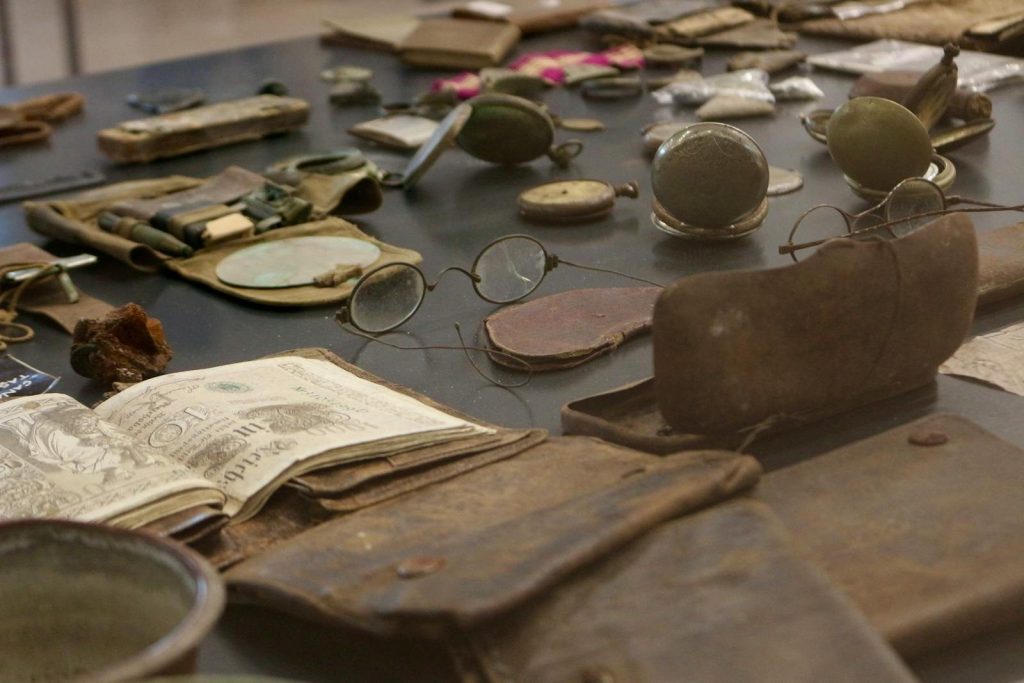
    A detailed view of antique artifacts including glasses and documents on display.
    Photo by Uğur Çetinkaya on Pexels

    The researchers analyzed the remains to determine how these people died. They found very few luxury items inside the coffins, apart from two rosaries and some small coins. This lack of wealth suggests these were ordinary citizens rather than elite clergy. Experts believe these mass burials were the result of a sudden historical catastrophe. A severe pandemic or a devastating famine likely overwhelmed the community. This forced them to bury their loved ones quickly in a shared space. However, this vault was only the first layer of history.

    Digging Deeper Into the Medieval Past
    a close up of a rock formation with a bird perched on top of it
    Photo by dami2n on Unsplash

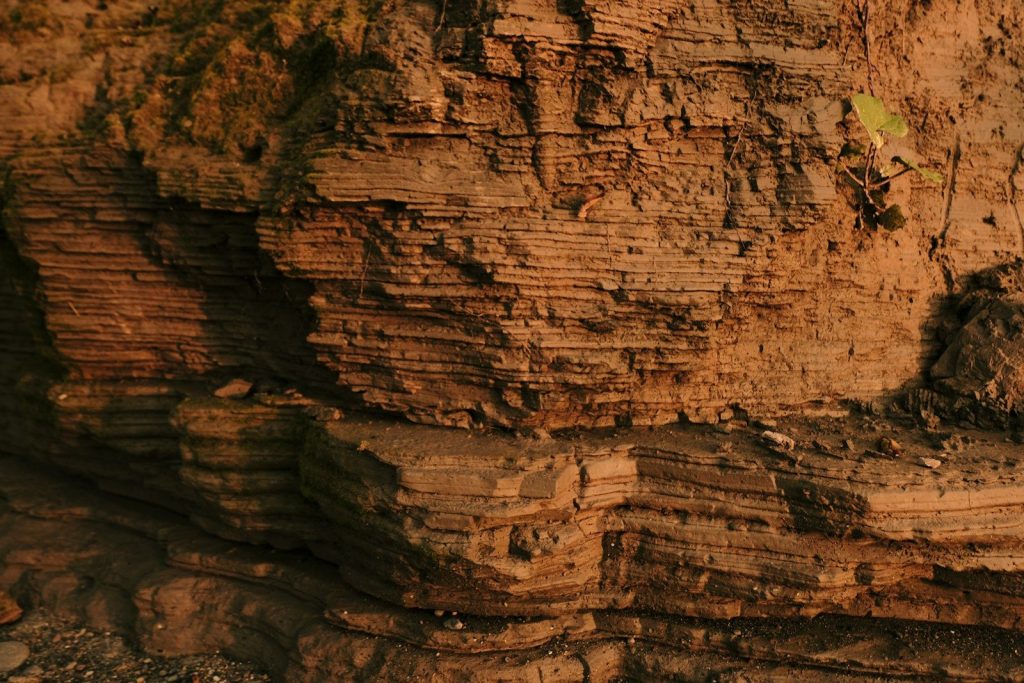
    Digging deeper, the team excavated beneath the vault floor. They carefully dug through the soil and uncovered another layer of graves. This time, they found slab tombs dating from the eleventh to the thirteenth centuries. These graves were even older than the current Romanesque church itself. This proved that the location had been used for sacred burials long before the current building was constructed. It was a fascinating discovery. But the earth was holding an even older secret.

    Sarcophagi From the Dawn of the Middle Ages
    a close up of a statue on a building
    Photo by Liligance on Unsplash

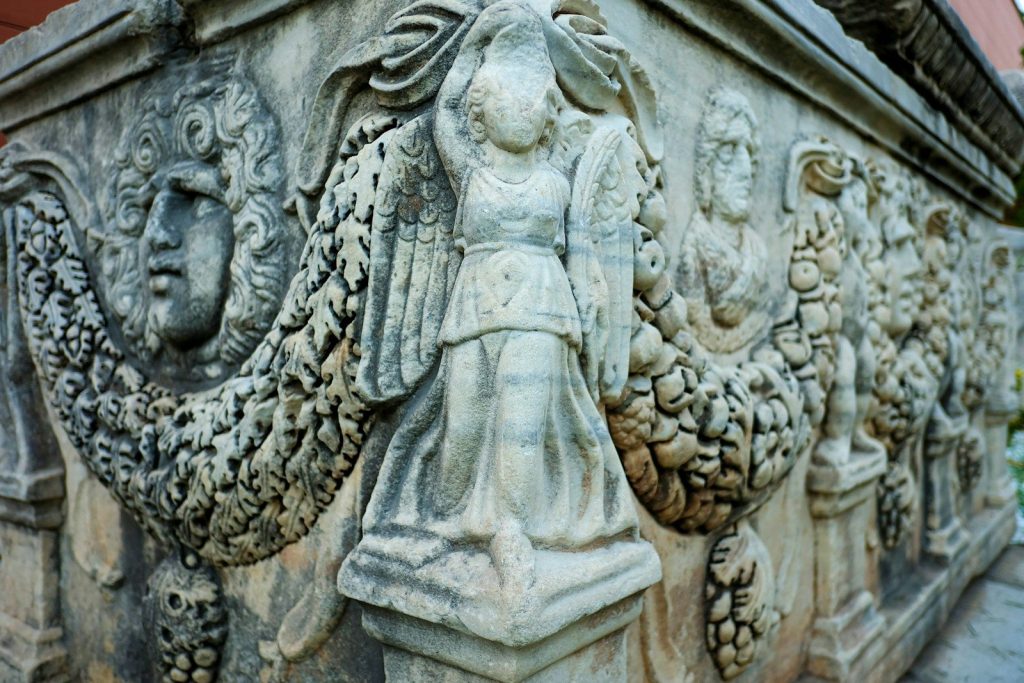
    As the archaeologists dug deeper, they struck heavy stone. They uncovered six ancient sarcophagi dating from the sixth to the eighth centuries. This era is known as the Merovingian period, the very dawn of the Middle Ages. Some of these stone coffins were beautifully sculpted, indicating they belonged to wealthy individuals. Their presence proved that this spot had been considered sacred for over fourteen hundred years. This incredible timeline shocked the researchers. But the site still had architectural secrets to share.

    Tracing the Footprints of a Lost Church
    Weathered ruins of an old church facade set against a moody stormy sky.
    Photo by praveen kumar on Pexels

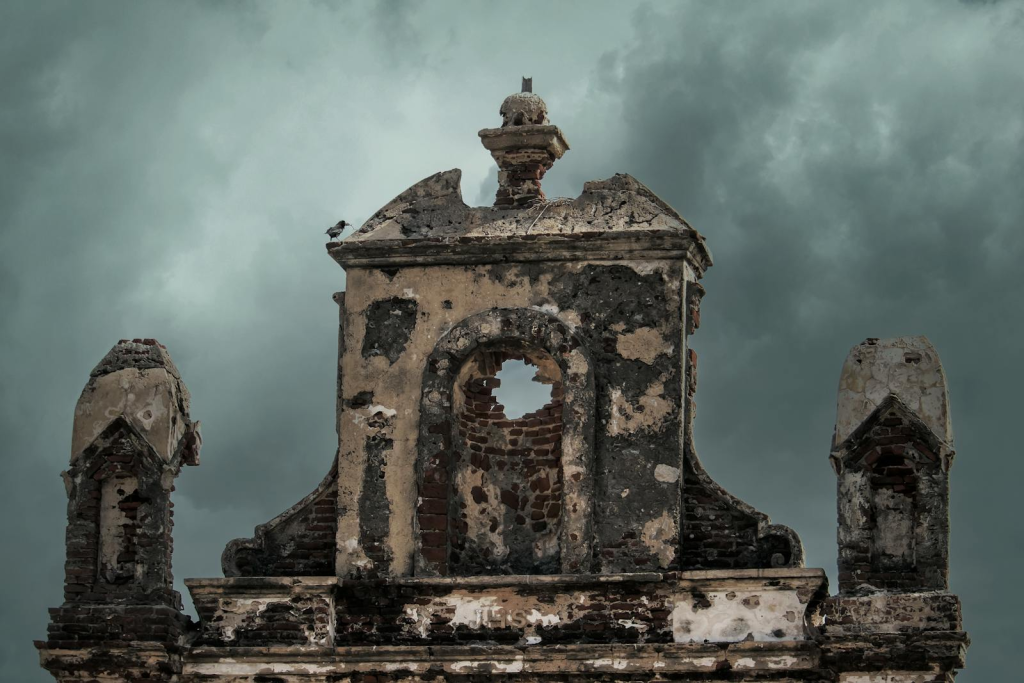
    Below the sarcophagi, the team uncovered ancient masonry. They found walls built in a unique herringbone pattern typical of the tenth century. This masonry is the footprint of an earlier church that existed before the current structure. A brief excavation in 1923 first hinted at this building, but it was never fully explored. Now, we have direct evidence of how this sacred space evolved over time. Each generation built its place of worship directly on top of the old one. This vertical layout creates a spectacular puzzle.

    A Vertical Time Capsule of French History

    grayscale photography of building
    Photo by Margarida CSilva on Unsplash

    The Saint-Philibert Church is no longer just a place of worship. It is a stunning vertical time capsule of French history. From ancient Roman-style sarcophagi to medieval tombs and early modern vaults, the site preserves a continuous story of human life. This accidental discovery has given historians a rare opportunity to study how burial practices changed over a thousand years. It shows how the past is always waiting to be found. The secrets of Dijon are finally seeing the light of day.

    Featured Image: Photo by Reno Laithienne on Unsplash

  • How Ancient Humans Actually Looked Will Shatter Your Assumptions

    How Ancient Humans Actually Looked Will Shatter Your Assumptions

    We often imagine our ancient ancestors as wild and beastly. History textbooks frequently depict them with exaggerated features and blank stares. But a revolution in forensic archaeology is completely shattering these old ideas. Scientists are now using cutting-edge DNA analysis and 3D printing to rebuild ancient faces. The results are absolutely stunning. These reconstructed individuals do not look like aliens or cavemen. They look like people you would easily pass on the street today. This scientific breakthrough bridges a gap of thousands of years. It allows us to look directly into the eyes of individuals who lived long before modern civilization. This process combines rigorous biology with delicate art to reveal our shared humanity. But this incredible journey begins with the work of one master sculptor.

    The Swedish Artist Rebuilding the Past

    man sculpting man's eye
    Photo by Palash Jain on Unsplash

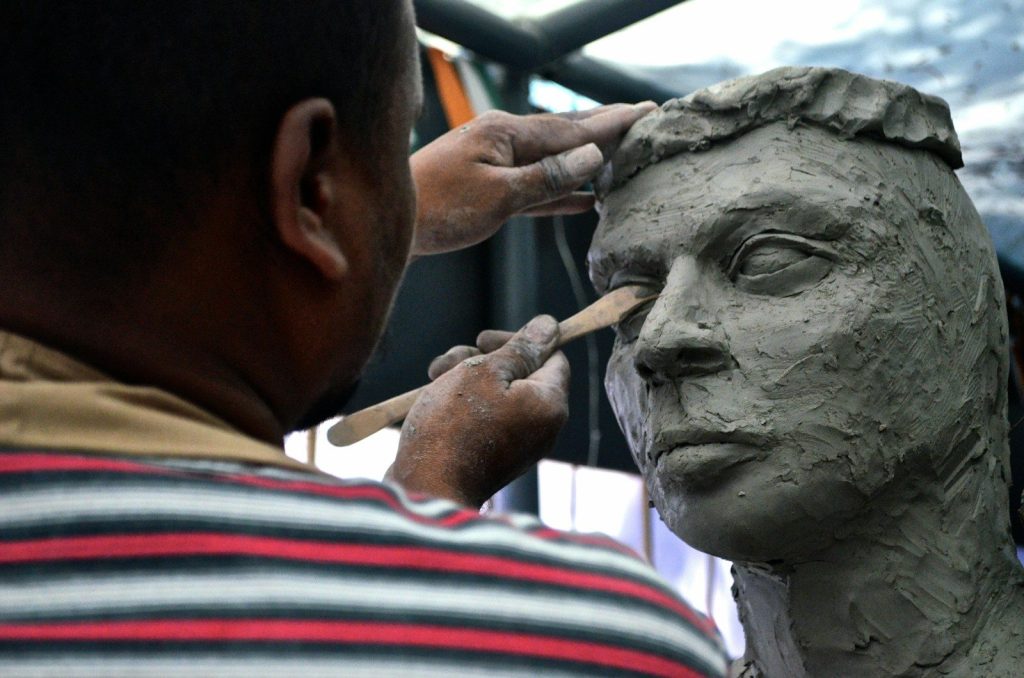
    Oscar Nilsson is a forensic artist and archaeologist who has perfected this craft. He works directly with skulls recovered from ancient burial sites. First, he creates an exact 3D-printed replica of the skull to avoid damaging the original bone. He then uses forensic data to determine the thickness of the facial tissue. Nilsson carefully applies clay layer by layer to represent muscles and skin. This tedious process takes hundreds of hours to complete. The first face he brought to life shocked the scientific world.

    Recreating a Teenager From the Stone Age

    Two lifelike stone sculptures of faces against a leafy backdrop, showcasing artistic craftsmanship.
    Photo by Magda Ehlers on Pexels

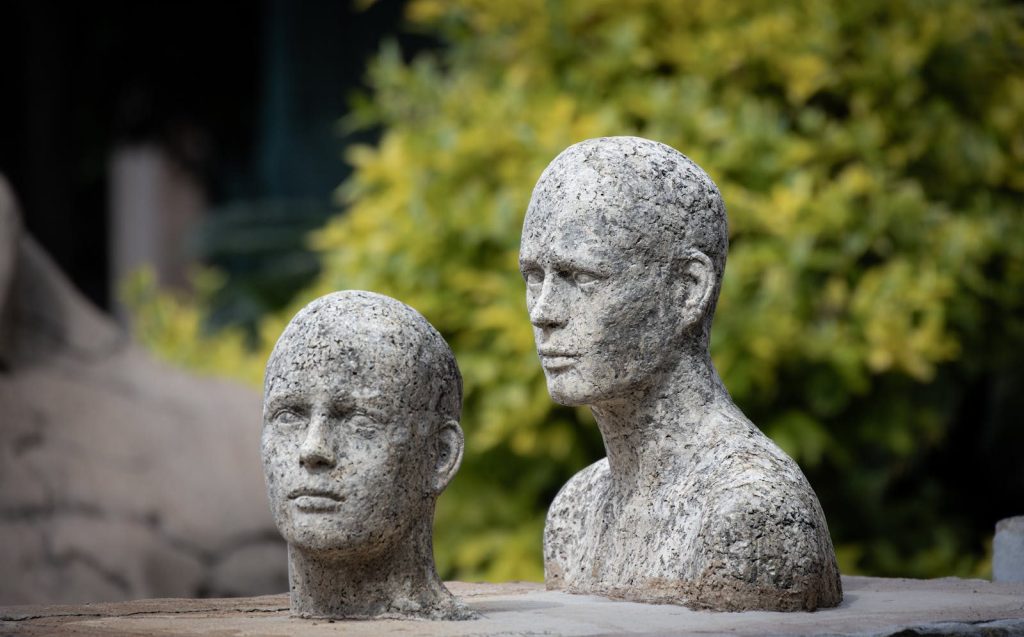
    One of his most famous projects was a teenager named Avgi. She lived in Greece around seven thousand BCE. This was during a period when humans were transitioning from hunting to farming. Nilsson used her skull to reconstruct her facial features. She had a prominent jaw and a fierce, determined expression. Seeing her face allowed historians to connect with her on a deeply personal level. She was not just a collection of bones anymore. But a different reconstruction from England revealed an even more surprising detail.

    The Surprising Features of a Neolithic Woman

    girl, portrait, smile, hair, model, person, woman, female, long hair, profile, monochrome, black and white, studio photography, smile, smile, smile, smile, smile, hair, hair, hair, profile, profile
    Photo by xusenru on Pixabay

    Nilsson reconstructed the face of a woman who lived in England around thirty-six hundred BCE. She is known as the Whitehawk Woman. DNA analysis of nearby remains revealed fascinating details about her appearance. She had dark skin, dark hair, and striking light eyes. This combination of features challenged the traditional assumptions of what early Europeans looked like. It proved that ancient populations were incredibly diverse. This genetic evidence is reshaping historical narratives. Yet, another face from the Roman era had a tragic story to tell.

    The Troubled Life of a Romano-British Woman

    topless woman with head resting on palm
    Photo by Zulmaury Saavedra on Unsplash

    The Patcham Woman lived in Britain around two hundred and fifty AD. Her skeleton was found with a nail driven into the back of her head, suggesting a violent death. Despite her tragic end, her reconstructed face looks remarkably peaceful. She has soft features and a gaze that feels incredibly modern. Looking at her face makes her struggles feel real and immediate. It reminds us that ancient people experienced the same complex emotions we do. But the next reconstruction showed a different kind of strength.

    A Saxon Warrior With a Familiar Face

    man in white crew neck shirt
    Photo by Mitchell Griest on Unsplash

    A fierce warrior named the Stafford Road Man lived around five hundred AD. He died in his forties and was buried with his favorite weapons. His skull showed signs of severe dental issues and physical stress. Yet, his reconstructed face reveals a rugged, handsome man with a thick beard. He looks like someone you might meet at a local coffee shop today. This striking familiarity makes the distant past feel incredibly close. But the artist did not stop in Europe.

    Bringing a Peruvian Queen Back to Life

    woman in brown shirt painting
    Photo by Raimond Klavins on Unsplash

    Traveling to South America, the artist reconstructed a Wari Queen. She lived in Peru about twelve hundred years ago. Her tomb was found filled with gold, silver, and precious stones. This proved she was a woman of immense power and status. Her face reveals strong, noble features that match her royal standing. Reconstructing her face allowed the local community to connect with their ancestral heritage in a new way. But how can we be sure these faces are accurate?

    The Rigorous Science Behind the Art

    white and black electronic device
    Photo by Tom Claes on Unsplash

    This process is not a matter of artistic guesswork. Nilsson relies on precise scientific charts that detail tissue depth for different demographics. He looks at forensic indicators on the skull to determine muscle attachments. DNA analysis provides clues about eye color, skin tone, and hair texture. This combination of science and art ensures the reconstructions are as accurate as possible. It is a beautiful fusion of disciplines. This high-tech method is changing how we view our place in history.

    Looking Directly Into Our Own History

    a close up of a person's eye with a black background
    Photo by Aliyah Jamous on Unsplash

    Reconstructing these faces does something that skeletons cannot. It forces us to recognize ancient humans as our equals. They had families, worries, and dreams just like us. These lifelike sculptures remove the distance created by thousands of years. They remind us that history is not just about dates and battles. It is a story of real people who built the foundation of our world. When we look at them, we are truly looking at ourselves.

    Featured Image: Photo by Vilkasss on Pixabay

  • Why an Intact Spanish Tomb Rewrites Bronze Age Trade

    Why an Intact Spanish Tomb Rewrites Bronze Age Trade

    A team of researchers in Spain has recently made an extraordinary discovery. They uncovered a massive stone tomb that has remained completely intact for five thousand years. This monument is known as Dolmen I and lies in Malaga. It is a prehistoric marvel that is rewriting our understanding of ancient Europe. The structure is packed with unique artifacts and ancient human remains. What makes this find so special is its incredible state of conservation. It has survived the passage of five millennia without being looted or destroyed. Scientists from the University of Cadiz are currently studying the site. They are finding objects that should not exist in this region. These exotic treasures suggest that prehistoric humans were connected to vast trade networks that stretched across continents. The secrets hidden inside this stone chamber are changing history. The story of this discovery began with a massive pile of stones.

    A Megalithic Giant Unearthed in Malaga

    gray rock formation on green grass field under gray cloudy sky
    Photo by K. Mitch Hodge on Unsplash

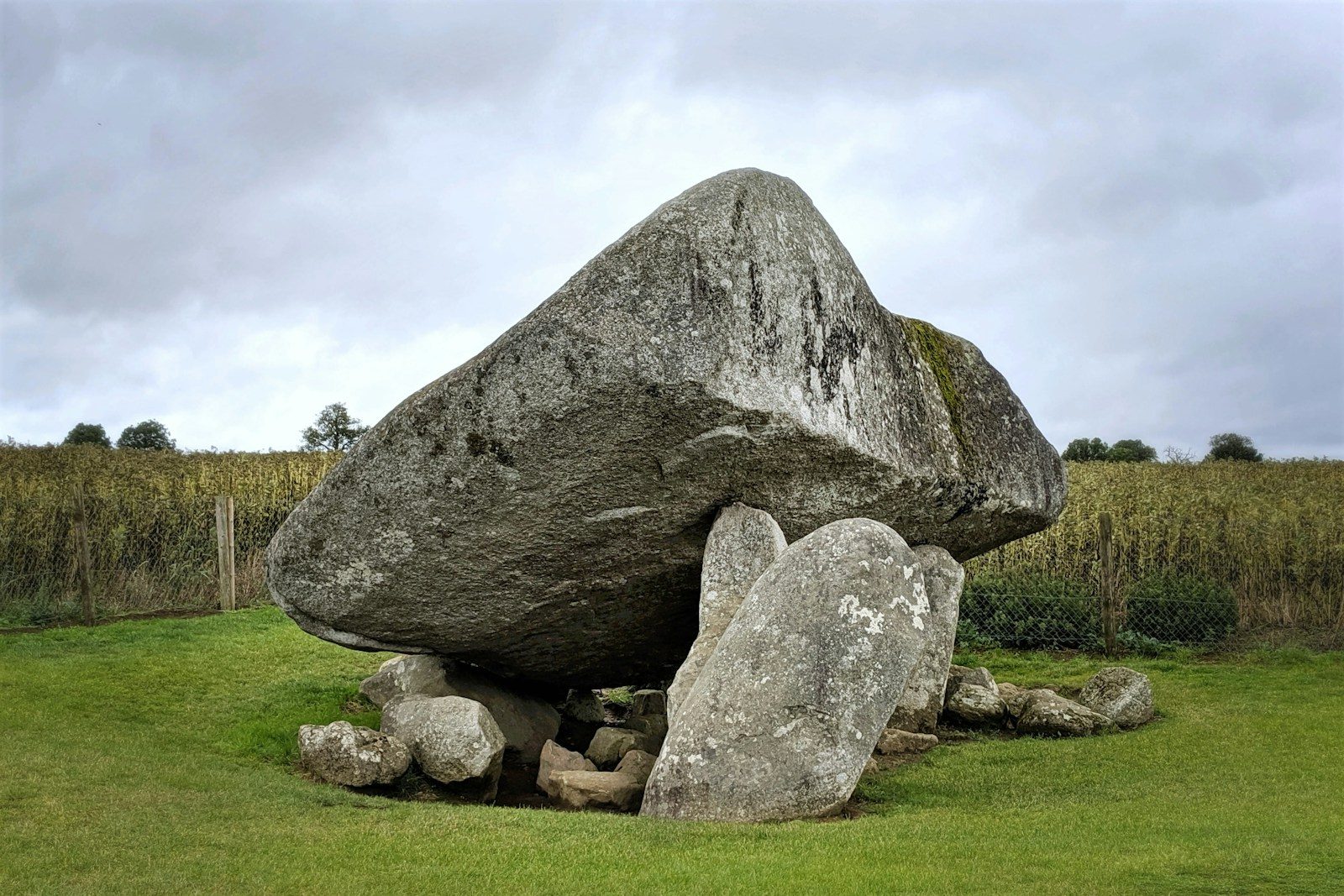
    The stone monument is truly monumental. It measures nearly forty-two feet in length, which is comparable to the size of a large bus. Builders constructed the tomb using upright stone slabs that stand over six feet tall. This required incredible physical effort and coordination. The entire structure was buried under a massive mound of sand and small stones. This clever design kept the interior safe from both weather and grave robbers. But the real surprises were waiting inside the complex chambers.

    Unlocking the Lifestyles of Prehistoric Communities

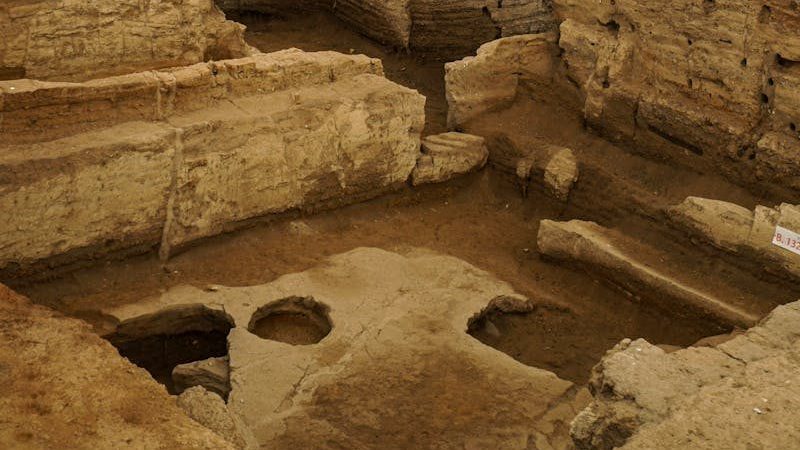
    Explore the ancient ruins at the renowned Çatalhöyük archaeological site in Türkiye.
    Photo by Talha Aytan on Pexels

    Archaeologists were thrilled by the preservation of the tomb. Many ancient graves are disturbed by modern farming or construction. This monument remained untouched. Eduardo Vijande, a lead researcher on the project, explained that this conservation allows us to study the exact burial rituals of these communities. They can see precisely where and how objects were placed. The team uncovered several distinct rooms within the tomb. These compartments held a dark secret that began to emerge during the dig.

    Collective Burials and the Mystery of the Bones

    brown concrete building
    Photo by Malcolm Lightbody on Unsplash

    This tomb was not built for a single king. It served as a collective burial ground for the entire community. Archaeologists located multiple container rooms called ossuaries. These rooms held the bones of many different individuals. The community buried their loved ones together over several generations. This practice shows a deep sense of social unity. But the dead were not buried alone. They were surrounded by exotic items that shocked the research team.

    The Shocking Presence of Exotic Amber and Ivory

    a close up of a mixture of brown and yellow crystals
    Photo by engin akyurt on Unsplash
    Finding luxury goods was a massive shock. Yet, the container rooms held raw ivory and beautiful amber. These materials are not native to southern Spain. Ivory came from African elephants, while amber traveled from the Baltic regions of northern Europe. This proves that these ancient people were not isolated. They had access to luxury items from distant lands. This discovery reveals a highly organized system of exchange. But these precious materials were not the only valuable items found inside.

    Deadly Flint Weapons Crafted With Amazing Skill

    a close up of the tip of a leaf against a blue sky
    Photo by diego fabra on Unsplash

    Deadly weapons also filled the tomb. Archaeologists recovered carved flint arrowheads and large-format blades. They even found a massive two-handed weapon similar to an axe. These flint pieces were crafted with incredible precision. They served as symbols of protection or prestige for the deceased. The presence of these weapons shows that the community valued hunting and warfare. However, a different type of artifact pointed to a peaceful connection with the sea.

    Sea Shells Used as Prehistoric Status Symbols

    sea shells, shells, sea, sea shell, ocean, nature, seashell, summer, texture, pattern, brown sea, brown texture, brown summer, brown ocean, brown pattern, sea shells, sea shells, sea shells, sea shells, sea shells, shells, sea shell, seashell
    Photo by Anestiev on Pixabay

    Coastal materials also made an appearance. The researchers found beautiful sea shells buried alongside the bones. This was a surprising find because the tomb sits far inland. Juan Jesus Cantillo, another professor involved in the study, noted that these shells were highly valued. They served as status symbols of prestige. Having objects from the sea in an inland area proves the existence of long-distance trade. These networks connected coastal communities with inland settlements. This shows that ancient trade was much more complex than we thought.

    Reshaping Our View of Ancient European Society

    mountains, peak, aerial view, dolomites, italy, shelter, house, nature, landscape
    Photo by winluk on Pixabay

    The discovery of the Dolmen I is a major breakthrough. It proves that prehistoric people in Spain were part of a sophisticated, interconnected world. They designed massive structures, traded across continents, and honored their dead with prestigious items. This tomb acts as a beautiful time capsule of a forgotten era. It shows that ancient humans were far more advanced than history books suggest. We are only beginning to uncover the full story of their remarkable lives.

    Featured Image: Photo by Howard Walsh on Unsplash

  • Why This Extreme Hollywood Fortress Survived the Wrecking Ball

    Why This Extreme Hollywood Fortress Survived the Wrecking Ball

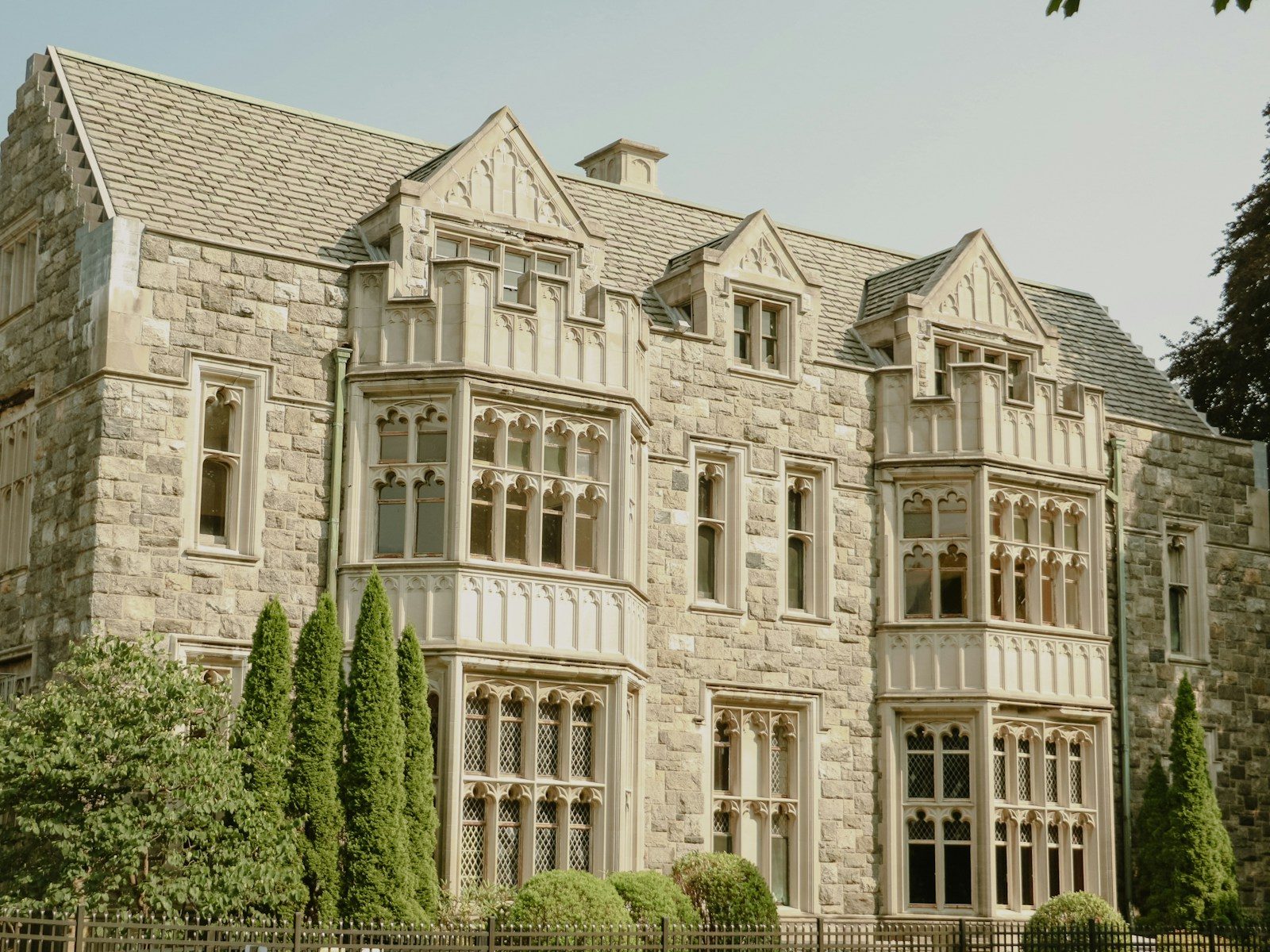
    Los Angeles is a city that constantly tears down its own past. Glamorous mid-century mansions routinely fall to modern bulldozers. Yet, a massive fifty-five million dollar Tudor Revival estate in the heart of Hollywood has miraculously survived. This stone fortress stands as a dramatic defiance of modern real estate trends. Built during the golden age of cinema, it preserves ancient European craft techniques that have completely vanished today. Historians consider the property an architectural triumph. Its survival was not just a matter of luck. A series of eccentric owners fought desperately to protect every hand-carved beam and secret passageway from demolition. The home reveals how medieval fantasy captured the imagination of early Hollywood. The secrets behind its heavy oak doors are finally coming to light.

    A Medieval Castle Built in the Golden Age of Cinema

    Captivating view of the iconic Hollywood Theatre in Portland, OR at sunset.
    Photo by Jason Schliecher on Pexels

    Wealthy movie moguls in the 1920s rejected simple beach houses. They wanted grand monuments instead. Builders imported entire truckloads of weathered stone and ancient timber directly from England. They assembled the structure like a medieval puzzle. This colossal construction project took years to complete. The builders used reinforced steel to make the massive stone walls earthquake-proof. This hidden structural choice saved the home from natural disasters. But the greatest threats to its survival were actually human.

    The Hidden Masterpieces of European Stone Carving

    Cozy and stylish living room interior with a marble fireplace, modern furniture, and plants.
    Photo by Gustavo Galeano Maz on Pexels

    Modern houses often rely on prefabricated materials. This Tudor estate features unique limestone fireplaces hand-sculpted by European artisans. The walls display intricate wood panels that took months to carve. Walking through the halls feels like stepping into a royal court. You will find massive leaded glass windows that frame the California sunshine. This level of craftsmanship is impossible to replicate today. However, one specific room holds a feature that most modern buyers never expect.

    Secret Passages From the Era of Prohibition

    stairway, spiral stairs, architecture, stairs, staircase, spiral stairway, spiral staircase, fibonacci stairs, fibonacci stairway, fibonacci staircase, architecture, stairs, stairs, stairs, stairs, stairs, staircase, staircase, spiral staircase, spiral staircase
    Photo by 16692474 on Pixabay

    The 1920s were a wild time in Los Angeles. This estate hides several concealed rooms behind heavy oak bookcases. Guests could slip away into private chambers without being noticed. A narrow stone staircase leads directly down to a hidden underground cellar. Bootleggers used these secret pathways to store forbidden liquor during Prohibition. The current owners preserved these eccentric rooms exactly as they were. But these fun architectural features were not the only things keeping the estate safe.

    Fending Off the Celebrity Wrecking Balls

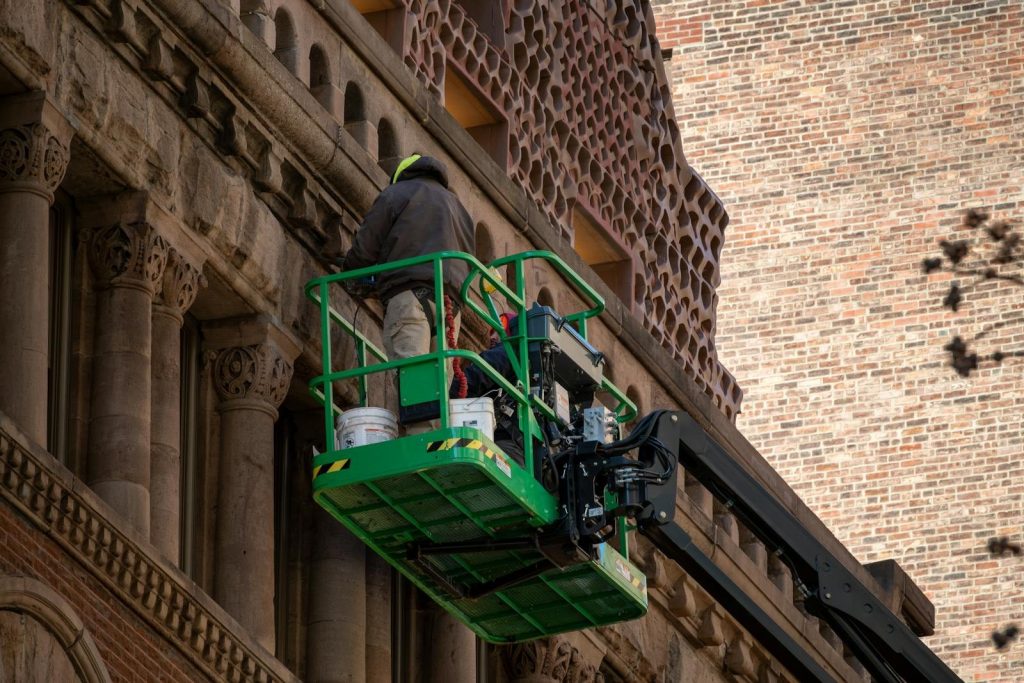
    High-rise building restoration project using modern lift equipment.
    Photo by _ Whittington on Pexels

    Many historic Hollywood estates are purchased by celebrities who quickly gut them. This property avoided that tragic fate. A succession of wealthy preservationists purchased the home over the decades. They refused to modernize the historic floor plans. Instead of adding sleek minimalist lines, they restored the original plasterwork. This dedication saved the estate from the wrecking ball. Yet, the outside of the home is just as historic as the interior.

    A Rare English Forest in Urban Los Angeles

    Sunlight filtering through tall green trees in a forest.
    Photo by Junpeng Ouyang on Unsplash
    Step outside, and the dry California heat seems to disappear. The estate is surrounded by a dense canopy of ancient oaks and towering redwoods. Landscape architects designed these sprawling grounds to look like a wild English park. This lush forest requires immense care to survive the dry climate. It offers a cool sanctuary from the surrounding concrete jungle. This preservation effort shows that luxury is not just about expensive modern appliances. A hidden treasure in the garden reveals a forgotten lifestyle.

    Why Preserving the Past Trumps Modern Luxury

    a room with a table and chairs
    Photo by Ries Bosch on Unsplash

    Many billionaires today are tired of glass box mansions. They want character and historic weight. This Tudor estate proves that true luxury is irreplaceable. You cannot buy history at a store. Investing millions into restoration keeps a beautiful piece of the past alive. Experts believe this trend is reshaping the luxury real estate market. The focus has officially shifted from building bigger to protecting what remains. But this leaves us with one final mystery.

    The Lasting Legacy of Hollywood Historical Architecture

    a large building with a clock on the top of it
    Photo by Diogo Brandao on Unsplash

    This extraordinary property is more than a home. It is a living museum that teaches us about early American craftsmanship. By saving these grand structures, we keep our cultural storytelling alive. The estate stands as a testament to the artists who shaped the look of early Los Angeles. It reminds us that some things are worth protecting at all costs. Future generations will continue to marvel at this beautiful stone fortress.

    Featured Image: Photo by Eli Monjaras on Unsplash
  • Why This 5300-Year-Old Tool Shattered Egyptian History

    Why This 5300-Year-Old Tool Shattered Egyptian History

    A tiny metal object lay in a quiet university museum for nearly a century. Archaeologists in the 1920s dismissed it as a simple copper tool. They described it in a single brief line of a catalog and stored it away. However, a groundbreaking study by Newcastle University has completely shattered this old narrative. Researchers have discovered that this artifact is a highly advanced five thousand three hundred year old rotary tool. This is a bow drill that dates back long before the first pharaohs ruled Egypt. This remarkable find pushes the timeline of advanced engineering back by two thousand years. It proves that prehistoric craftsmen were using sophisticated mechanical concepts much earlier than anyone believed. The tiny object is currently rewriting history textbooks around the world. But the path to this discovery began with a closer look at a very dusty grave.

    A Forgotten Relic From a Predynastic Grave

    a wall with pots and pans
    Photo by Artur Alexander Holmski on Unsplash
    Archaeologists excavated the cemetery at Badari in Upper Egypt nearly a century ago. They opened Grave 3932 and found the remains of an adult male. Among his possessions was a short copper rod wrapped in leather. The excavators did not think much of it at the time. They cataloged it as a little hand awl and moved on. The object sat in a storage drawer at the University of Cambridge for decades. But modern technology was about to expose a massive secret.

    Microscopic Lines Reveal a Spinning Motion

    microscope, medical, lab, science, research, biotechnology, microbiology, laboratory, equipment, analysis, microscope, microscope, microscope, microscope, microscope, lab, biotechnology, biotechnology, biotechnology, microbiology, microbiology, microbiology, microbiology, laboratory
    Photo by OsloMetX on Pixabay

    A team of European researchers decided to re-examine the tiny object. They placed the metal rod under high magnification. The results shocked them. The tip of the tool did not show the typical wear of a simple pushing instrument. Instead, they spotted fine parallel lines and rounded edges. This wear pattern could only be caused by a rapid spinning motion. This meant they were looking at the earliest known rotary metal drill in Egyptian history. But how did the ancient craftsmen make it spin so fast?

    The Fragile Clues of an Ancient Bowstring

    gray surface
    Photo by JF Martin on Unsplash
    The answer lay in the fragile material wrapped around the metal shaft. Six small coils of dried leather still cling to the copper. Scholars previously ignored these fibers. The new study suggests these coils are actually the remains of a bowstring. A craftsman would wrap a flexible cord around the shaft and attach it to a wooden bow. Moving the bow back and forth caused the drill to spin at high speeds. This simple mechanism was incredibly powerful. But why did the metal itself puzzle the research team?

    An Advanced Chemical Recipe for Metal

    an abstract orange and purple background with lots of smaller orange shapes
    Photo by Rick Rothenberg on Unsplash

    Highly unusual metal recipes were used instead of standard copper. Researchers analyzed the tool using portable X-ray technology to find its composition. They discovered a highly unusual mixture. The drill contains copper blended with arsenic and nickel. It also features notable amounts of silver and lead. This advanced alloy created a much harder metal than pure copper. It was perfect for boring through tough wood and stone. The origin of these metals points to something even more surprising.
    Prehistoric Networks Reaching Beyond the Nile

    An aerial view of a river running through a valley
    Photo by Himmel S on Unsplash

    These unique materials did not come from their backyard. The presence of silver and lead suggests access to distant trade routes. These materials likely came from the Eastern Desert or across the Mediterranean Sea. This shows that predynastic Egyptians were not isolated. They participated in complex networks of trade and resource gathering. This allowed them to gather the ingredients needed for high-quality tools. But how did they use this drilling power in their daily lives?

    Building Masterpieces Long Before the Pharaohs

    a close up of a wall with egyptian writing on it
    Photo by Amador Loureiro on Unsplash

    A rapid rotary drill changed everything for ancient workers. They could easily drill precise holes in delicate beads and stone vessels. This technology also made complex woodworking and furniture making possible. Beautiful artwork and structures from later Egyptian dynasties relied heavily on this exact tool. But this recent discovery shows the technology did not start with the grand kingdoms. It was already fully mature during prehistoric times. This realization forces us to ask a big question about ancient history.

    Rewriting the Timeline of Human Innovation

    clear hour glass on white and brown textile
    Photo by ROCCO STOPPOLONI on Unsplash

    Prior to this study, the earliest evidence of Egyptian bow drills came from later paintings. These images date to the New Kingdom, which was thousands of years later. Historians assumed that rotary drilling was a relatively late invention. This single tiny tool proves that theory wrong. It pushes the history of advanced mechanical tools back by two thousand years. The continuity of this design shows that the bow drill was a massive success. But this discovery also highlights a major issue in modern archaeology.

    The Hidden Treasures Waiting in Modern Museums

    a couple of people sitting on a bench in a room
    Photo by Konstantin Ignatovich on Unsplash

    We do not always need to dig up new sites to find history. Millions of artifacts sit in museum storage drawers without being properly analyzed. This five thousand three hundred year old drill is a perfect example. A single line in a century-old catalog completely missed its true significance. Modern science is giving us the tools to look closer at what we already have. The next major historical breakthrough might be waiting in a quiet museum basement down the street.

    Featured Image: Photo by Tomasz Zielonka on Unsplash

  • Did Roman Voyagers Reach Mexico Centuries Before Columbus?

    Did Roman Voyagers Reach Mexico Centuries Before Columbus?

    History books tell a very simple story. Christopher Columbus reached the New World in 1492. But a tiny terracotta artifact found in a sealed Mexican tomb threatens to shatter this timeline. This is the Tecaxic-Calixtlahuaca Head. It is a small bearded clay face. Curiously, it does not resemble any indigenous Mesoamerican art style. It has European features and a classic Roman beard. For decades, archaeologists have debated its origin. Some believe it proves ancient Roman voyages across the Atlantic. Others smell a hoax. The scientific evidence is highly controversial. It raises questions that mainstream historians struggle to answer. The mystery began during a routine excavation in central Mexico.

    Archaeologists Uncover an Unlikely Bearded Face

    man's face statue
    Photo by DDP on Unsplash

    José García Payón excavated a pyramid site in 1933. This was in the Toluca Valley. He was clearing a sealed burial tomb. Among the pre-Columbian pottery, he found something shocking. It was a tiny terracotta head. The figure had a thick beard. Mesoamerican artists rarely depicted facial hair. This style was completely foreign. Payón documented the find immediately. A European art specialist would later identify the exact origin of this face.

    Artistic Styles Match the Ancient Roman Empire

    grayscale photo of child holding on white metal fence
    Photo by Paolo Chiabrando on Unsplash

    German archaeologist Bernard Andreae examined the artifact. He was a leading expert on classical Roman art. Andreae concluded the head was, without a doubt, Roman. He analyzed the hair and beard. They matched the fashion of the Severan Dynasty around 200 AD. The execution was identical to Mediterranean art. But style is not physical proof. Scientists needed to test the clay itself to verify its true age.

    Physics Testing Verifies the Artifact is Ancient

    grayscale photo of man standing in front of sewing machine
    Photo by Austrian National Library on Unsplash

    Researchers sent clay samples to a lab in Germany. They performed thermoluminescence testing. This scientific method measures light energy to date pottery. The results shocked the team. The test dated the head to between 900 BCE and 1200 CE. This range is wide. However, it officially proved the artifact was ancient. It existed before any European contact. The mystery of its burial location was about to deepen.

    Intact Clay Layers Prove No Modern Interference

    a dirt field with a white line in the middle of it
    Photo by Wolfgang Hasselmann on Unsplash

    The tomb was sealed. Payón found the head beneath three intact layers of clay. These layers were completely undisturbed. This indicates that nobody could have sneaked the head into the grave in modern times. The burial took place around 1500. This was just before Cortés arrived. So how did a Roman object cross the ocean? One theory involves the power of the sea.

    Atlantic Currents May Have Carried Ancient Ships

    ocean waves crashing on shore during daytime
    Photo by César Couto on Unsplash

    Ancient Mediterranean ships were highly durable. Roman, Phoenician, and Berber vessels routinely traveled the African coast. Sometimes storms struck. A ship blown off course could get caught in powerful Atlantic currents. These currents flow directly toward South America. A drifting vessel might have crossed the sea accidentally. Local people would have scavenged the shipwreck. They could have traded the terracotta head inland. But critics point to a darker possibility.

    A Historic Hoax or Excavation Prank

    person holding magnifying glass
    Photo by Mick Haupt on Unsplash

    Mainstream archaeologists remain highly skeptical. They point out a major problem. No other Roman coins, weapons, or ruins have ever been found in the Americas. This makes a full voyage unlikely. Some scholars suggest a hoax. They believe an excavation worker may have planted the artifact as a prank. Payón was not always supervising the trenches. However, the sealed clay layers make a modern prank nearly impossible. This bizarre scientific standoff continues to puzzle researchers today.

    The Mystery Remains Unsolved in Mesoamerica

    a person standing on a stone structure surrounded by trees
    Photo by Laura LaBrie on Unsplash

    The terracotta head is an archaeological anomaly. It defies explanation. Without further discoveries, we cannot prove ancient contact. Yet, we cannot easily dismiss the physical evidence either. The artifact rests silently in a Mexican museum. It remains a fascinating puzzle. Perhaps future excavations will finally solve the riddle of its transatlantic journey. Until then, history keeps its secrets.

    Featured Image: Photo by Marv Watson on Unsplash

  • Ancient Lake Fleet Reveals Prehistoric Bioengineering Secrets

    Ancient Lake Fleet Reveals Prehistoric Bioengineering Secrets

    Deep beneath the cold waters of Lake Mendota, a stunning historical treasure has emerged. It changes everything. Archaeologists have discovered an entire fleet of ancient dugout canoes buried in the silt. These vessels are old. Some were built before the Great Pyramid of Giza was constructed in Egypt. They reveal a highly sophisticated civilization. These ancient builders possessed advanced knowledge of forestry and materials science. It looks like prehistoric bioengineering. The scale of this discovery is actively rewriting American history. It proves native communities were highly skilled travel networks. The story of this find began with an unexpected dive. A single researcher spotted a strange shape in the deep water.

    A Diver Spots Something Strange Underwater

    Divers explore a coral reef underwater with bubbles rising.
    Photo by Ekaterina Zlotnikova on Unsplash

    Tamara Thomsen went for a dive in 2021. She is a maritime archaeologist with the Wisconsin Historical Society. Suddenly, she spotted wood. It did not look like a fallen tree trunk. Closer inspection revealed a carefully hand-carved dugout canoe. This initial find was twelve hundred years old. It was a major discovery. However, nobody realized that this single vessel was just the tip of an ancient iceberg. An even older craft was waiting nearby.

    Carbon Dating Reveals a Prehistoric Timeline

    grayscale photography of scientist using microscope in the zoological division
    Photo by The New York Public Library on Unsplash

    Researchers returned to the lake. They quickly uncovered a second canoe. This one was three thousand years old. By 2025, the team had identified sixteen ancient canoes in the exact same waters. Carbon dating provided a shocking timeline. The oldest canoe was crafted around five thousand two hundred years ago. This puts its creation in 3000 BCE. That is the exact era when writing was first invented in ancient Sumer. This prehistoric boat building required incredible skills. But the real surprise was the wood they used. The builders intentionally manipulated living trees to make their boats water-resistant.

    Wounded Oak Trees Created Waterproof Vessels

    brown and black tree trunk
    Photo by omid armin on Unsplash

    Half of the canoes were made of oak. Red oak is usually a terrible choice for watercraft because it absorbs water and rots quickly. But these ancient builders knew a natural secret. When an oak tree is wounded, it produces tyloses. This cellular outgrowth blocks the movement of water inside the wood. It acts like a natural sealant. The ancient builders were bioengineering their timber. This was not a coincidence. They purposefully damaged trees to trigger this response. The evidence of this intentional wounding is still visible in the wood fibers today.

    Ancient Builders Used Clever Wood Selection Methods

    a close-up of a tree stump
    Photo by Olga Kovalski on Unsplash

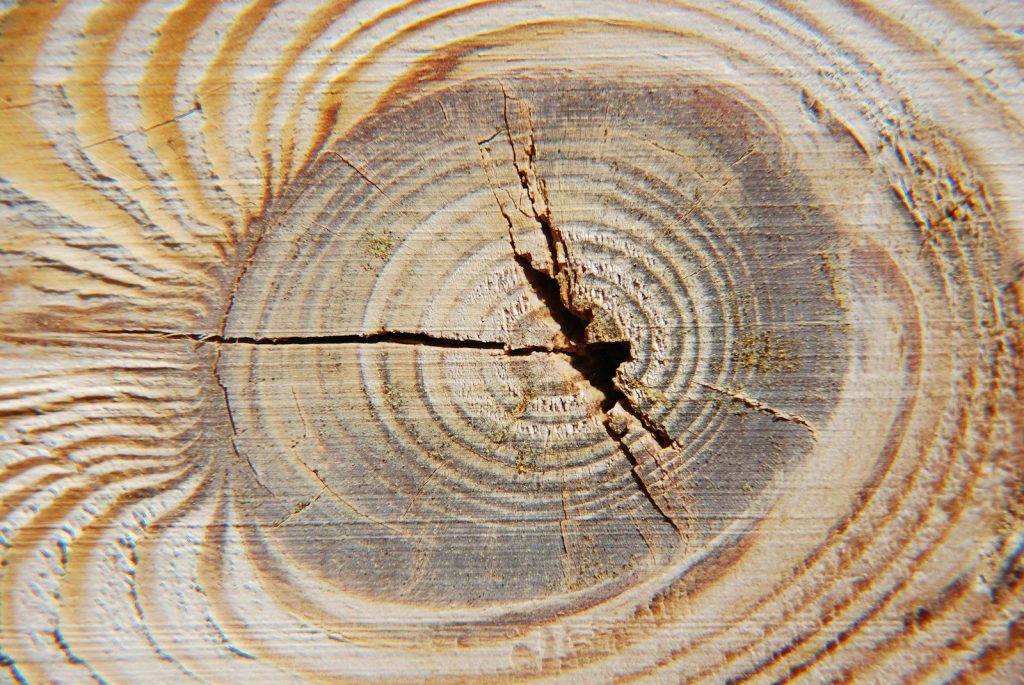
    Scientists analyzed the wood growth rings. They found clear signs of controlled wounding. Builders cut into living trees during their active growth cycles. This forced the oaks to produce protective tyloses. They harvested them years later. This shows an incredibly deep understanding of forest biology. These people worked with nature across generations. It was a highly organized system. This planning extended far beyond just preparing the wood. The canoes were placed in very specific patterns across the lake floor.

    Lake Mendota Served as a Sophisticated Highway

    a group of boats in a lake
    Photo by Jay Alexander on Unsplash

    The canoes were found in two distinct groupings. They were not scattered randomly. Archaeologists believe these locations were strategic landing points. Lake Mendota acted as a busy regional highway. It connected different communities. The canoes allowed people to travel easily between points of interest. This was a sophisticated transport network. It was much faster than walking through dense prehistoric forests. But who actually owned these valuable boats? The answer reveals a beautiful community culture.

    A Prehistoric Bike Share in the Lakes

    Green rowboat rests on a sandy shore near lake.
    Photo by Guillaume Didelet on Unsplash

    These boats did not belong to single individuals. Archaeologists believe they were shared community assets. They were stored at designated public points. This functioned exactly like a modern community bike-share program. Anyone could use a canoe to travel. When they finished, they returned it to the landing. This communal system required high levels of social trust. It made travel highly accessible. These trips were not just for fun. They were essential for survival. The artifacts found inside the canoes prove exactly what they were catching.

    Net Sinkers Prove Thriving Fishing Traditions

    fishing, nets, rope, fish, catch, sea, fisherman, fishnet, equipment, fishing-net, nature, ocean
    Photo by LunarSeaArt on Pixabay

    Researchers found stone net sinkers inside some dugouts. These heavy stones weighted down fishing nets. This proves that the ancient lake dwellers harvested fish on a massive scale. They fed large populations. The lake was a rich pantry. Canoes made it possible to access the deepest, most productive waters. This sustained communities for thousands of years. Today, this heritage is finally being rescued. Scientists are working directly with the descendants of these ancient boat builders.

    Working Hand in Hand with First Nations

    Two men looking at a document outdoors
    Photo by Mugabi Owen on Unsplash

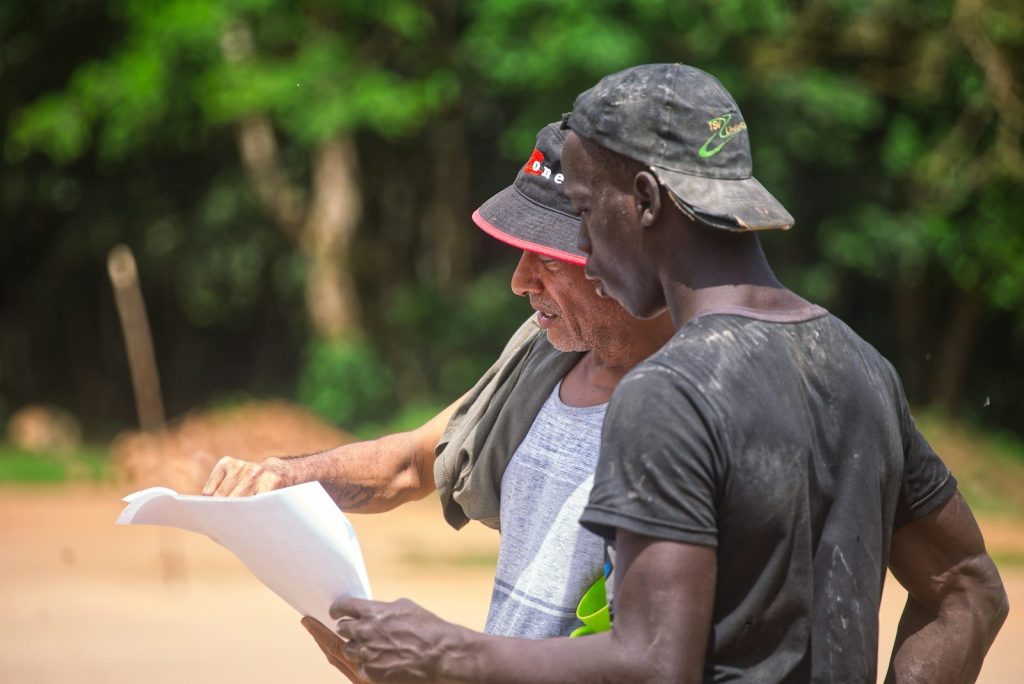
    The Wisconsin Historical Society is collaborating with local tribes. This includes the Bad River Band of Lake Superior Chippewa. Tribal preservation officers are helping retrieve the wood. They ensure the canoes are treated with respect. This partnership blends modern science with ancestral knowledge. The recovered canoes are currently being chemically preserved. This prevents rotting. It will take several years to complete the preservation process. But it ensures that this incredible story of ancient engineering will live on forever.

    Featured Image: Photo by Batuhan Kocabaş on Pexels

  • Does This Ancient Fermented Bread Benefit Your Digestion?

    Does This Ancient Fermented Bread Benefit Your Digestion?

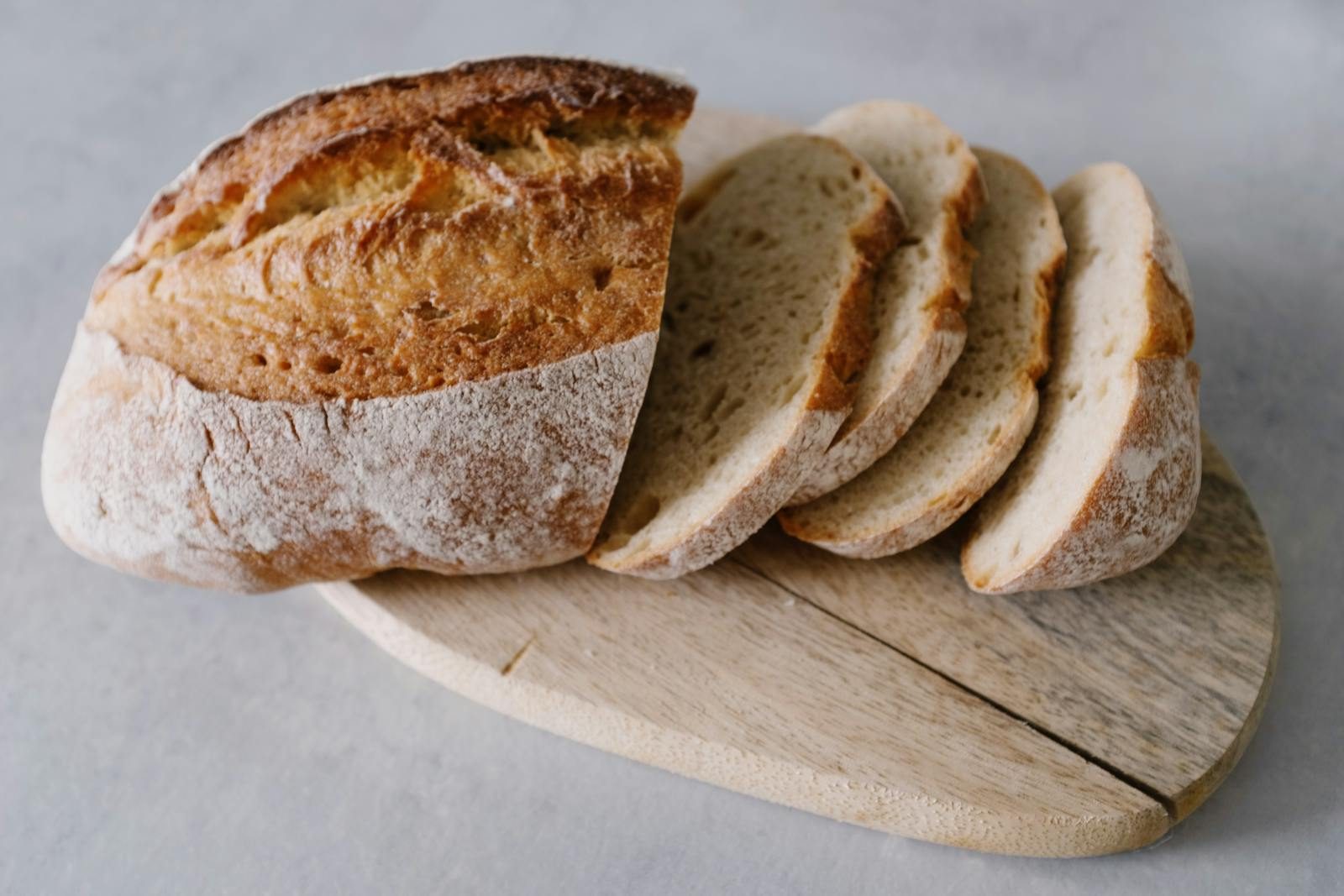
    Bread has a bad reputation. Many modern health guides tell us to avoid wheat entirely to protect our stomachs. They warn of weight gain and blood sugar spikes. But an ancient, slow-fermented loaf is completely rewriting the rules of nutrition. Sourdough is different. It does not rely on modern commercial yeast. Instead, a wild starter culture of living bacteria rises the dough slowly over many hours. This long fermentation process completely transforms the flour before baking. The loaf is delicious. It is also incredibly gentle on your digestive tract. Science is finally proving what ancient bakers knew all along. Sourdough acts as a living food. The secret lies in wild lactic acid bacteria.

    Wild Fermentation Activates Living Bacteria

    sourdough starter, baking, bread starter, yeast, bake, nutrition, sourdough starter, sourdough starter, sourdough starter, sourdough starter, sourdough starter, yeast, yeast, yeast, yeast
    Photo by JillWellington on Pixabay

    Sourdough starters are alive. They contain millions of beneficial lactic acid bacteria and wild yeasts. These microbes feast. They consume the natural sugars found in wheat flour. As they eat, they produce organic acids. This lactic acid gives sourdough its famous signature tang. The resulting acidic environment does something amazing to the bread structure. It breaks down difficult proteins. One of those tough proteins is gluten. This process helps explain why so many people can digest sourdough easily.

    Lactic Acid Breaks Down Tough Gluten

    dough, flour, knead, bake, loaf, yeast, kitchen, chef, baker, dough, flour, knead, yeast, yeast, chef, baker, baker, baker, baker, baker
    Photo by congerdesign on Pixabay

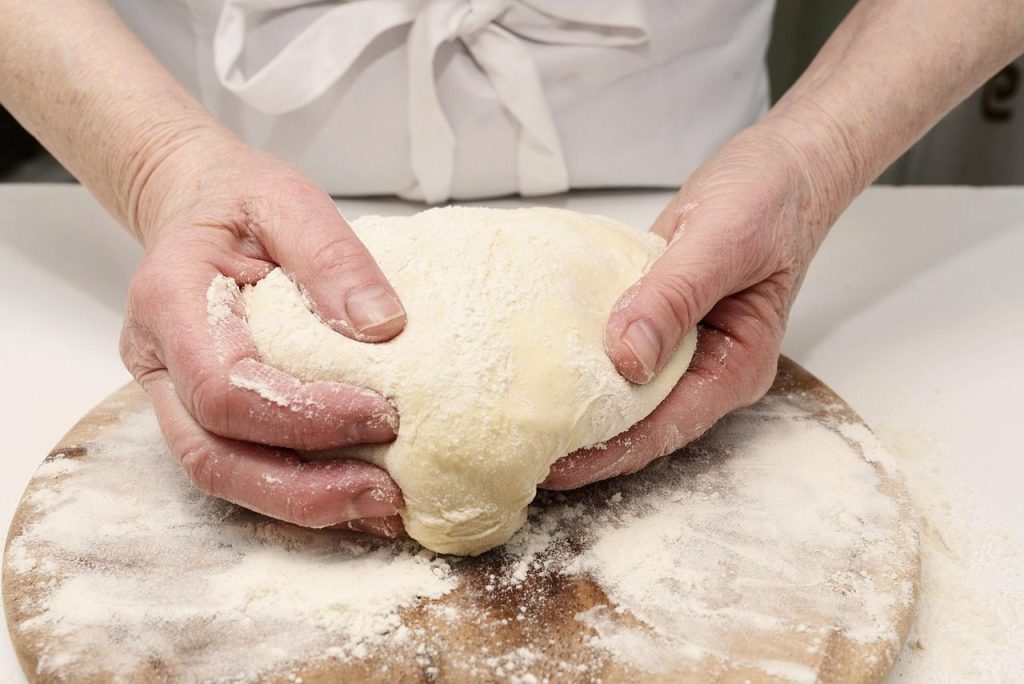
    Gluten is hard to digest. Modern commercial bread is rushed through factory production in under an hour. This rush leaves gluten intact. True sourdough fermentation takes up to twenty-four hours. During this long rest, the living bacteria break down complex gluten proteins into simpler amino acids. Your stomach does less work. Many people with mild sensitivities can enjoy authentic sourdough without any bloating. But gluten is not the only digestive irritant that gets neutralized. Another group of sneaky carbohydrates is about to vanish.

    Fewer FODMAPs Mean Less Bloating

    anatomy, x-ray, human body, health, genetics, background, stomach, digestive system, microbiota, digestion, stomach, digestive system, digestive system, digestive system, digestive system, digestive system
    Photo by julientromeur on Pixabay

    FODMAPs are fermentable sugars. These short-chain carbohydrates are notoriously difficult for your small intestine to absorb. They sit in your gut. This stagnation causes painful gas, bloating, and cramps. It is a major issue for anyone with irritable bowel syndrome. Fortunately, sourdough bacteria consume these troublesome sugars during fermentation. The bacteria do the work. This digestive relief is a massive benefit. But this living bread also does wonders for your blood sugar. The science behind this blood glucose reaction is incredibly simple.

    Starch Digestion Slows Down Significantly

    a person blood glucose testing using gluco-meter
    Photo by Sweet Life on Unsplash

    Standard white bread causes blood sugar spikes. It digests rapidly. According to Mayo Clinic reports, sourdough bread has a much lower glycemic index than industrial loaves. The organic acids slow down starch absorption. This means glucose is released gradually into your bloodstream over several hours. You avoid sudden crashes. Your insulin levels stay steady. This makes sourdough a safer option for energy management. Beyond blood sugar, your gut microbiome is waiting for a feast.

    Prebiotics Feed Your Beneficial Gut Flora

    a field of grass with the sun shining in the background
    Photo by Anton Palmqvist on Unsplash

    Baked bread lacks live bacteria. The extreme heat of the oven kills off the active cultures. But do not worry. The fermentation process leaves behind powerful prebiotics that survive the baking process. These special fibers feed your existing gut microbes. They act as fuel. Nourishing your microbiome supports your immune system. This living bread also helps unlock hidden nutrients trapped inside the grain. You are about to absorb far more minerals than usual.

    Fermentation Unlocks Trapped Micronutrients

    bread, slices, organic, healthy, nutritious, sliced bread, white bread, brown bread, bread slices, wheat bread, food, bread, bread, bread, bread, bread
    Photo by sofi5t on Pixabay

    Grains contain phytic acid. This natural compound is an anti-nutrient. It binds tightly to essential minerals like iron, zinc, and magnesium. Your body cannot absorb them. Fortunately, sourdough fermentation activates an enzyme called phytase. This enzyme destroys phytic acid completely. It releases the trapped minerals. You absorb far more nourishment from a sourdough slice than from standard factory bread. But you must be careful when buying your next loaf. The commercial bread aisle is full of clever impostors.

    Choosing the Best Sourdough for Your Health

    cooking, ingredients, flat lay, bake, baking, baking ingredients, whisk, cooking utensils, eggs, orange slices, orange, sugar, salt, cooking, cooking, cooking, cooking, baking, baking, baking, baking, baking, sugar, salt, salt
    Photo by sontung57 on Pixabay

    Fake sourdough is common. Many large commercial bakeries use chemical sour flavorings and industrial yeast to mimic the real thing. They skip the long fermentation. This shortcut deprives you of all the digestive benefits. To find the real deal, look closely at the ingredient list. Authentic loaves contain only flour, water, salt, and wild culture. Avoid added yeast or vinegar. Real sourdough takes time. Your health is worth the wait. Enjoy your toast knowing your gut is happy.

    Featured Image: Photo by ready made on Pexels

  • Are Stealth Foods Clogging Your Arteries Without You Knowing?

    Are Stealth Foods Clogging Your Arteries Without You Knowing?

    Your arteries might be in danger. Many people cut out greasy burgers and fries to keep their hearts pumping smoothly. That is a great start. However, several common foods can secretly raise your bad cholesterol without a single warning sign. These silent offenders look healthy. Yet, they slowly deposit fatty plaque inside your delicate blood vessels over time. Read labels carefully. The American Heart Association urges everyone to inspect the nutrition facts on every package. Look deeper. Our list reveals the most deceptive foods you should avoid. Watch out. The first offender might be sitting on your kitchen counter right now.

    The Saturated Trap of Fast Casual Meals

    raw meat on white ceramic plate
    Photo by Eiliv Aceron on Unsplash

    Processed meats are a major threat. Sausages and packaged deli cold cuts contain incredibly high levels of saturated fat. They also pack sodium. These bad ingredients cause your liver to manufacture a dangerous amount of cholesterol. This triggers immediate swelling. Many people eat these meats daily in quick lunch wraps. Is your lunch safe? Your morning breakfast pastry hides an even bigger secret.

    Baked Goods are Hiding Trans Fats

    a group of cupcakes with frosting
    Photo by Valeriano G on Unsplash

    Store-bought pastries look delicious. However, many commercial cakes and cookies rely on partially hydrogenated vegetable oils. These are trans fats. They are the absolute worst offender for your cardiovascular health. They damage vessels. These artificial lipids actively raise your bad cholesterol while lowering the good kind. Your heart suffers. A common cooking spread in your fridge might be doing the exact same thing.

    Full-Fat Dairy and Arterial Plaque

    sliced cheese on brown wooden chopping board
    Photo by Andra C Taylor Jr on Unsplash

    Butter tastes delicious. But whole milk products are packed with dense saturated fats that your body struggles to clear. They clog arteries. Regularly eating full-fat cheese can raise your bad cholesterol levels significantly. Scientists agree on this. The Journal of the American College of Cardiology published key research about this threat. Reduce your intake. The golden side dish you order with your burger holds a greasy secret.

    The Hidden Cost of Golden Fried Foods

    a white plate topped with french fries next to a sandwich
    Photo by engin akyurt on Unsplash

    Deep frying ruins food. Restaurant fryers heat vegetable oils over and over at extreme temperatures. This process alters lipids. It creates harmful trans fats that stick to your delicate artery walls. Avoid fast food fries. These damaged fats promote chronic inflammation inside your cardiovascular system. Eat fresh instead. Next, a seemingly light seafood dish might surprise you with its hidden impact.

    Shellfish and the Butter Connection

    a white plate topped with grilled shrimp and veggies
    Photo by Md Shohan Ridoy on Unsplash

    Shrimp contain natural cholesterol. However, these sea creatures are naturally very low in saturated fats. They should be healthy. But the real danger lies in how we prepare them. Chefs love butter. Drenching fresh seafood in heavy cream destroys its natural health profile. Do not fry them. Additionally, a popular evening beverage can also throw your system off balance.

    Excess Alcohol Disrupts Your Fat Metabolism

    three glasses of alcohol on a bar with a view of a city
    Photo by Ambitious Studio* | Rick Barrett on Unsplash

    Evening drinks feel relaxing. But drinking too much alcohol can heavily damage your hard-working liver. This organ regulates fats. When alcohol enters your system, your liver must stop filtering fats to clear out the toxins. Your heart suffers. Fortunately, protecting your cardiovascular system does not require starvation. Start swapping foods. Simple daily food swaps can easily put you back on track.

    Simple Dietary Swaps to Safeguard Your Heart

    Fresh vegetables and a bottle of wine.
    Photo by Jon Druker on Unsplash

    You can heal today. Start by swapping butter for heart-healthy extra virgin olive oil. Choose lean proteins. Skinless poultry and grilled fish are excellent alternatives to processed deli meats. Eat more fiber. Foods like oats, lentils, and fresh vegetables actively bind cholesterol in your digestive tract. This blocks absorption. Your hardworking heart will definitely thank you for making the smart change.

    Featured Image: Photo by Daria-Yakovleva on Pixabay

  • What Really Happens If You Eat An Avocado Daily?

    What Really Happens If You Eat An Avocado Daily?

    Avocados are everywhere right now. People mash them on toast and blend them into healthy green smoothies. But is eating this creamy green fruit every single day actually good for you? Nutritionists have been studying this trend closely. They want to know how daily consumption impacts your digestion, heart, and brain. The results are incredibly surprising. Eating avocados regularly might transform your body from the inside out in ways you never expected. This dietary habit affects several major biological systems. We analyzed the latest clinical research to find out the truth. Your digestive system is the very first thing to experience a shift.

    A Sudden Spike in Crucial Nutrients

    sliced fruits on black plate
    Photo by Jan Landau on Unsplash

    Your body needs vitamins. Avocados are packed with several essential nutrients that many modern diets lack. They deliver folate. Just half of this fruit provides ten percent of your daily potassium needs. These elements repair cells. They keep your daily energy levels incredibly steady. But your blood is not the only thing getting a boost. Your stomach is about to undergo a massive change.

    Your Gut Bacteria Thrives on Rich Fiber

    fruit lot on ceramic plate
    Photo by Jannis Brandt on Unsplash

    Fiber keeps digestion moving. One single avocado contains about fourteen grams of natural dietary fiber. That is nearly half of your recommended daily value. The Journal of Nutrition published a fascinating study on this exact topic. Researchers tracked over one hundred adults. Daily avocado consumption significantly increased the beneficial microbes in their stomachs. This microflora keeps your gut safe. Yet, this digestive shift is only the first major benefit. Your circulatory system is about to feel the effects.

    Potassium Helps Calm Your Nervous System

    a bunch of bananas sitting on top of a white table
    Photo by Gabriel Mihalcea on Unsplash

    Your heart needs potassium. This critical mineral regulates blood pressure by helping your body flush out excess sodium. It relaxes blood vessels. Most adults do not consume enough potassium in their everyday meals. Avocados help bridge this nutritional gap. Keeping your blood pressure at a stable level protects you from strokes. But potassium is not the only heart protector here. The healthy fats in this fruit are doing something even more impressive.

    Monounsaturated Fats Protect Your Heart

    cooked food with sliced vegetables in white bowl
    Photo by Hermes Rivera on Unsplash

    Avocados contain high fat. However, these are healthy monounsaturated fats that your body uses for clean energy. They keep arteries clear. The American Heart Association tracked over one hundred thousand people for several decades. Their data revealed that regular avocado eaters reduced cardiovascular disease risk by sixteen percent. This is a massive drop. Replacing butter with fresh avocado shields your heart. This simple adjustment also has a dramatic impact on your cholesterol levels.

    Bad Cholesterol Levels Begin to Drop

    text
    Photo by Maxim Tolchinskiy on Unsplash

    Bad cholesterol damages blood vessels. It forms hard plaques that restrict your vital blood flow over time. You must fight this. Studies show that daily avocado consumption actively lowers oxidized bad cholesterol levels. This specific lipid is highly associated with arterial clogging. Meanwhile, avocados keep your heart-protective good cholesterol high. This balance cleans your circulatory system. But the benefits do not stop at your chest. Your brain is also about to get a powerful dose of protection.

    Carotenoids Give Your Brain a Boost

    a close up of a potted plant on a table
    Photo by Rens D on Unsplash

    Avocados contain powerful antioxidants. These organic compounds shield your delicate brain cells from everyday damage. Lutein is the key player here. A clinical study proved that eating an avocado daily raises lutein levels in your blood. This boost supports sharp memory. It keeps your mind young as you get older. It protects your eyes, too. But eating this heavy fruit can also help you manage your weight. The reason behind this weight control seems totally backward.

    Healthy Fats Keep Hunger Away Longer

    a woman sitting at a table with a plate of fruit and pancakes
    Photo by Priscilla Du Preez 🇨🇦 on Unsplash

    These green fruits are calorie-dense. One medium fruit packs roughly three hundred calories. Yet, they actually prevent weight gain. The unique combination of rich fiber and monounsaturated fats keeps your appetite quiet. This feeling is called satiety. It stops you from reaching for unhealthy processed snacks later in the afternoon. You stay full for hours. But you must still be careful. Eating an avocado daily can sometimes backfire if you do not watch your portions.

    Finding Your Ideal Daily Avocado Portion

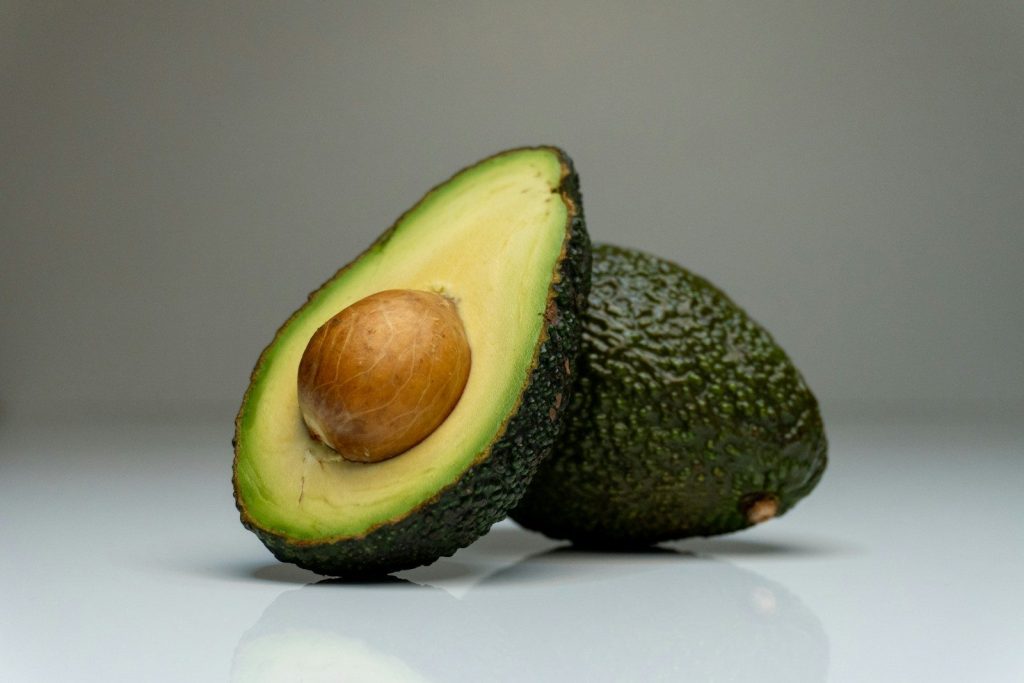
    an avocado cut in half on a white surface
    Photo by John Vid on Unsplash

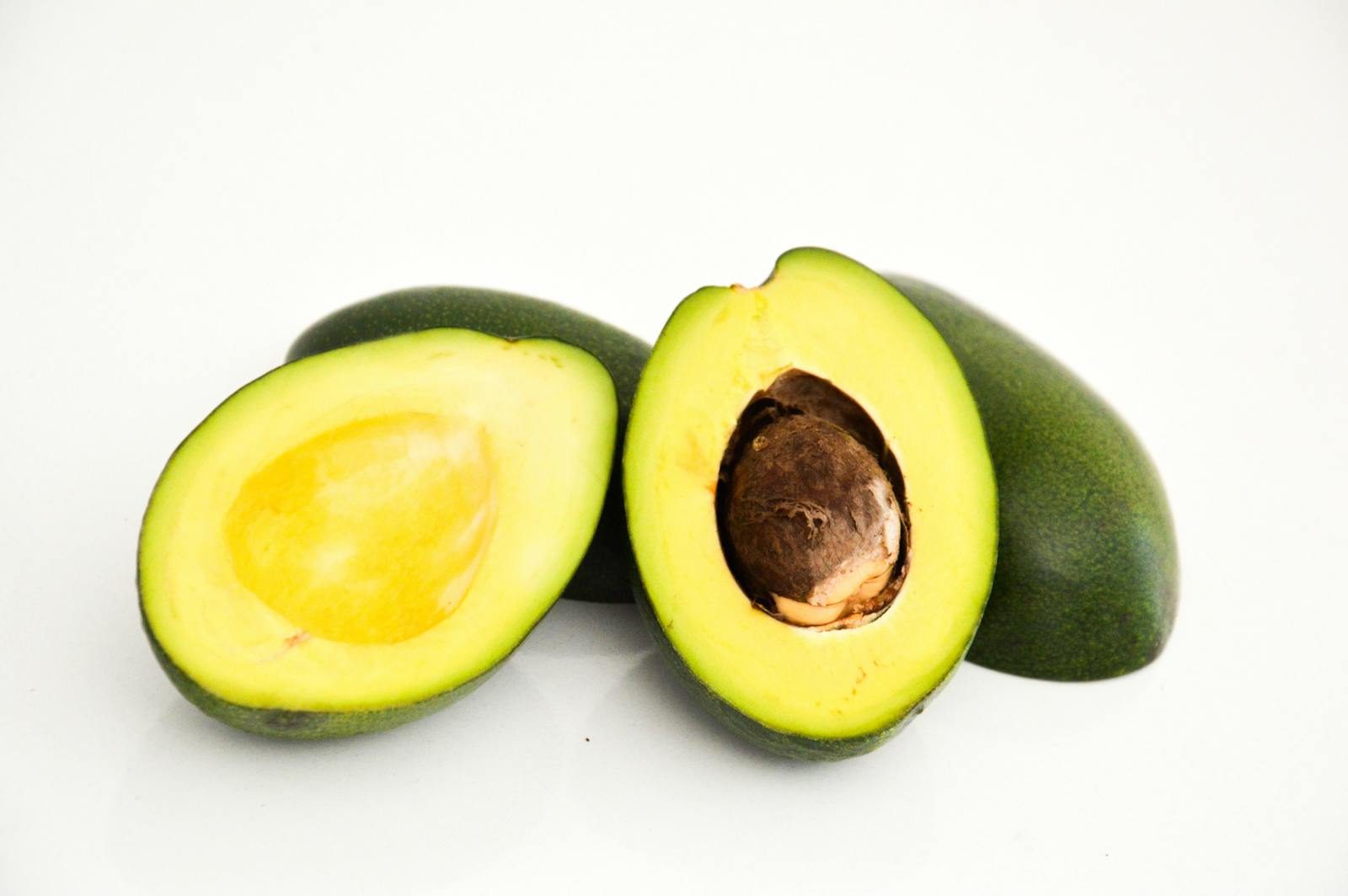
    Portion control is key. While avocados are incredibly nutritious, their high fat content means calories can pile up quickly. Dietitians suggest eating one-half of a fruit daily. This moderate serving size unlocks all the digestive, cardiac, and brain benefits. You avoid weight gain entirely. Pair your green slices with fresh salads or lean eggs. Adding this superfood to your plate is a simple step toward long-term wellness. Your body will feel the difference.

    Featured Image: Photo by Dilara on Pexels