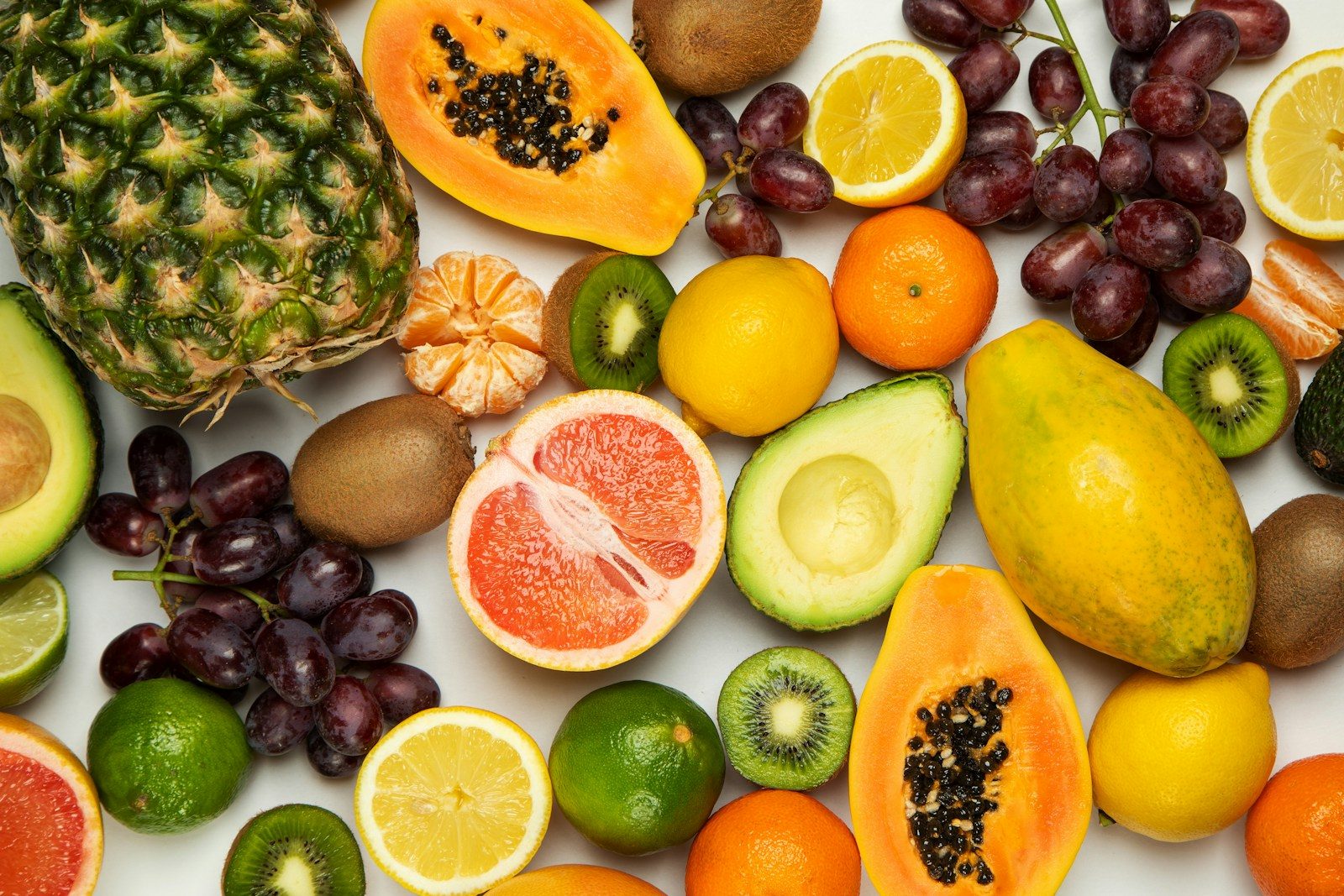
Clogged arteries are a silent threat. Over time, fatty deposits and calcium build up inside your blood vessels. This restricts vital blood flow to your heart and brain. Many people assume that surgery or heavy medication is the only way to fix this problem. But modern vascular biology suggests a different path. According to the American Heart Association, your diet plays a massive role in plaque prevention. Some specific foods act like physical and chemical sweepers inside your bloodstream. They do not just prevent new plaque from forming. They actually help stabilize and clear existing blockages. The science behind how these everyday foods interact with your vascular walls is fascinating.
The Gas That Relaxes Your Blood Vessels
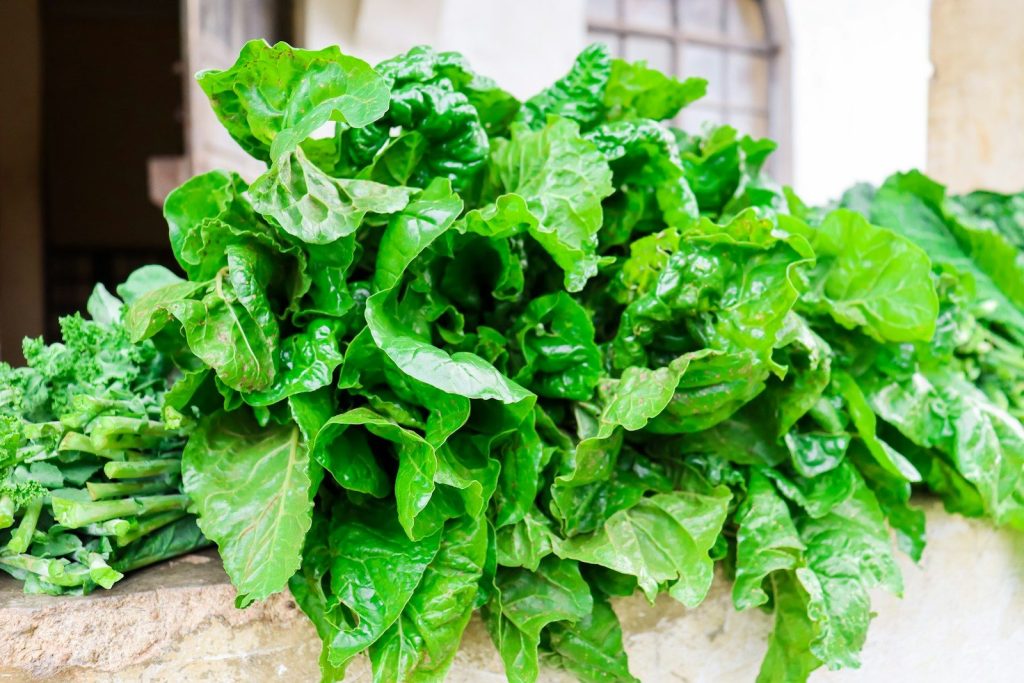
Your blood vessels are lined with a delicate layer of cells called the endothelium. This layer relies on a gas called nitric oxide to stay healthy. Nitric oxide tells your blood vessels to relax and widen. This improves your overall circulation and lowers blood pressure. Green leafy vegetables like spinach and arugula are packed with natural nitrates. Your body converts these nitrates into nitric oxide. According to a study published in The Journal of Nutrition, this process prevents plaque from sticking to your artery walls. But there is a fruit that takes this protection even further.
How Pomegranate Molecules Act as Plaque Shields
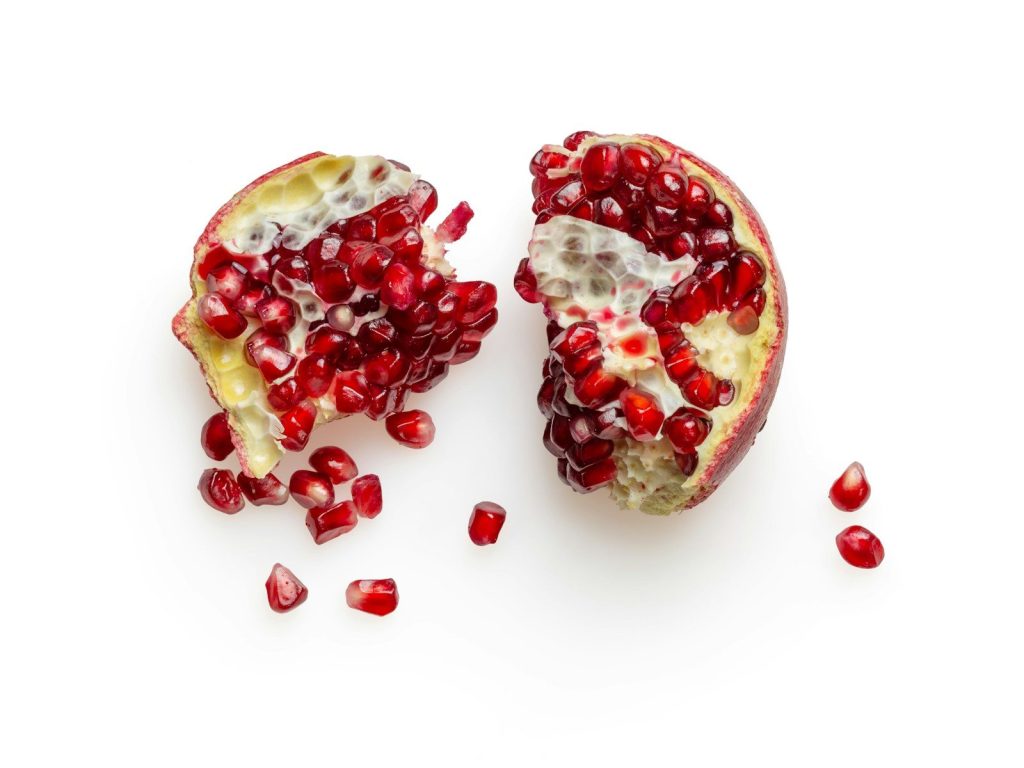
Pomegranates are a true marvel of vascular science. They are loaded with unique antioxidants called punicalagins. These molecules are incredibly powerful. According to clinical trials published by the National Institutes of Health, pomegranate juice can actually reduce the thickness of arterial plaque. It stops bad cholesterol from oxidizing in your blood. Oxidized cholesterol is the sticky substance that starts the clogging process. By blocking this oxidation, the fruit keeps your vessel walls smooth and clean. But a tiny seed in your pantry might offer a similar level of protection.
The Physical Scrubber in Your Morning Oats
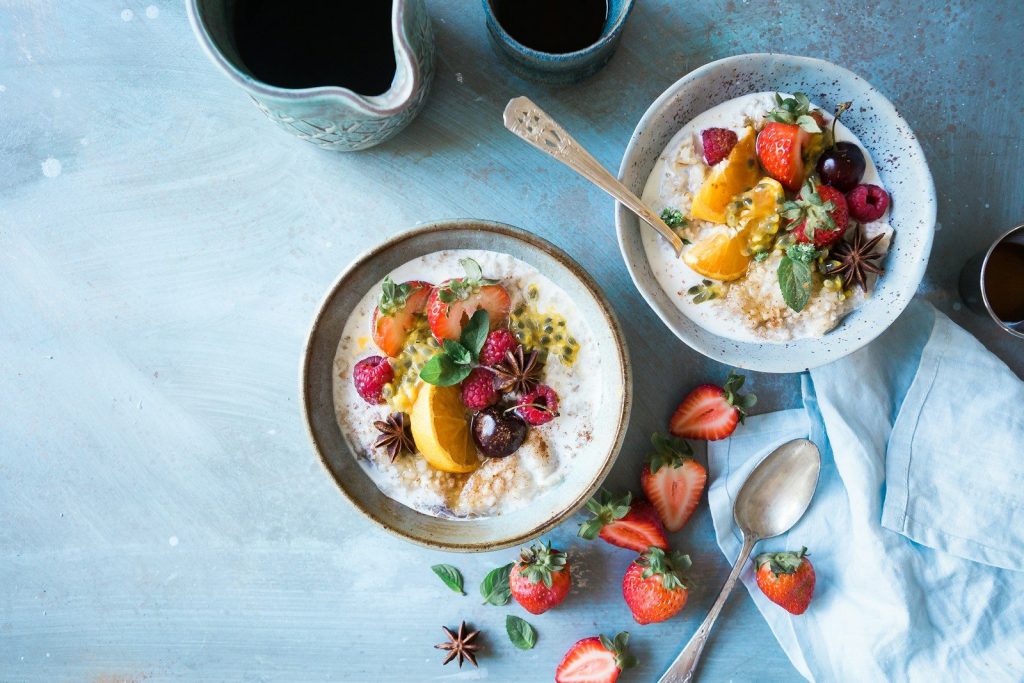
Oatmeal is more than just a warm breakfast. It contains a very specific type of soluble fiber called beta-glucan. When you eat oats, this fiber forms a thick gel in your digestive tract. This gel binds to cholesterol-rich bile acids and carries them out of your body. According to the Mayo Clinic, this process forces your liver to pull cholesterol from your blood to make more bile. This naturally lowers your circulating bad cholesterol. It prevents the raw materials of plaque from ever reaching your arteries. But another common kitchen ingredient fights vascular damage in a different way.
The Sulfated Defense of Raw Garlic
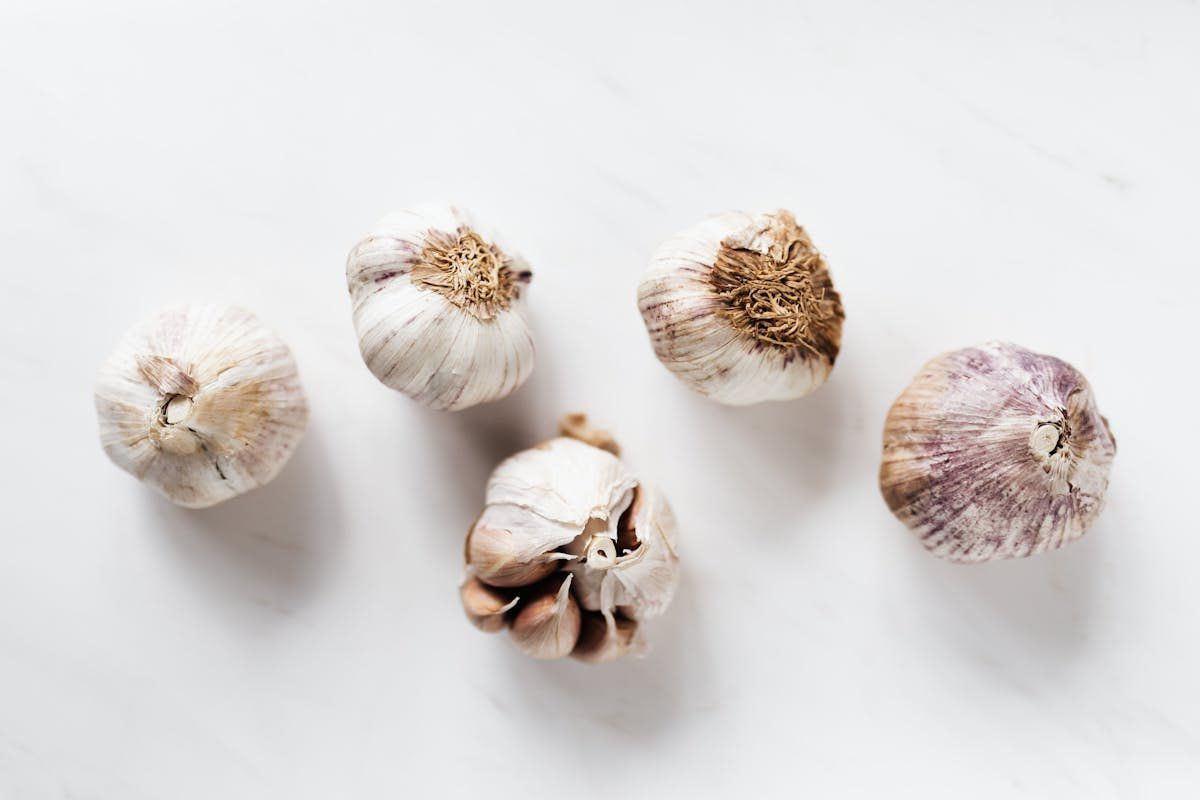
Garlic has been used as medicine for thousands of years. Modern science now knows why. When you crush or chop garlic, it releases a compound called allicin. Allicin reacts with your red blood cells to produce hydrogen sulfide. According to research from Emory University, this gas helps dilate blood vessels and prevents blood clots from forming. It also stops smooth muscle cells in your arteries from multiplying, which is a key step in plaque buildup. A tiny clove can provide a massive shield for your heart. But a popular snack can also help you maintain this defense.
Why Walnuts Keep Your Arteries Flexible
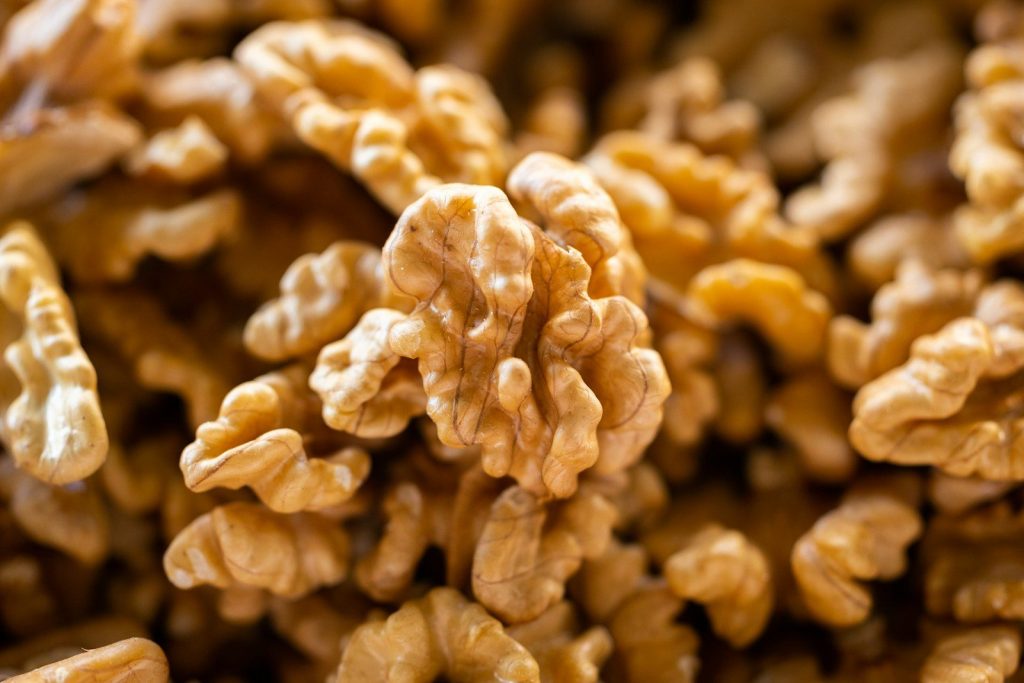
Walnuts are shaped like tiny brains, but they are great for your heart. They are incredibly rich in alpha-linolenic acid, which is an essential omega-three fatty acid. Your body cannot make this fat on its own. According to a study in the Journal of the American College of Cardiology, eating walnuts improves the elasticity of your arteries. It allows them to expand and contract with ease. This reduces the mechanical wear and tear on your vessel walls. But you must also look to the ocean for ultimate vascular protection.
The Marine Acid That Fights Vessel Inflammation
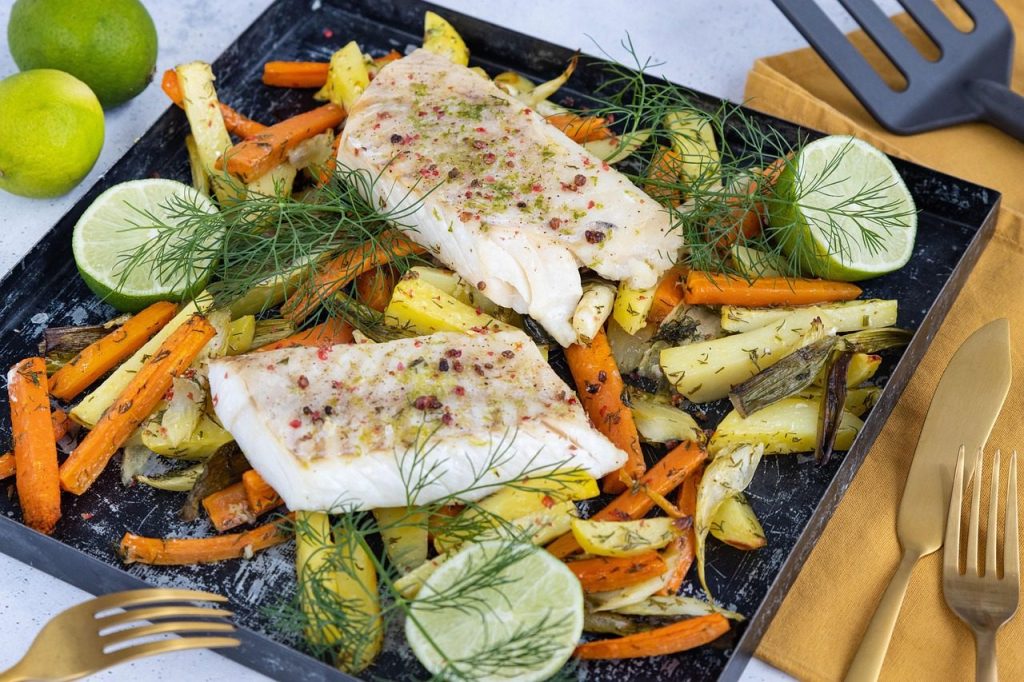
Fatty fish like salmon and sardines are packed with two crucial fatty acids. These are EPA and DHA. These marine oils target systemic inflammation inside your vascular system. Plaque is not just fat. It is actually an inflammatory response to damaged vessel walls. According to the World Health Organization, regular fish consumption is linked to a significant drop in cardiovascular events. These healthy fats stabilize plaque, making it less likely to rupture and cause a crisis. But there is a simple way to combine all these foods.
Designing Your Daily Plan for Vascular Health
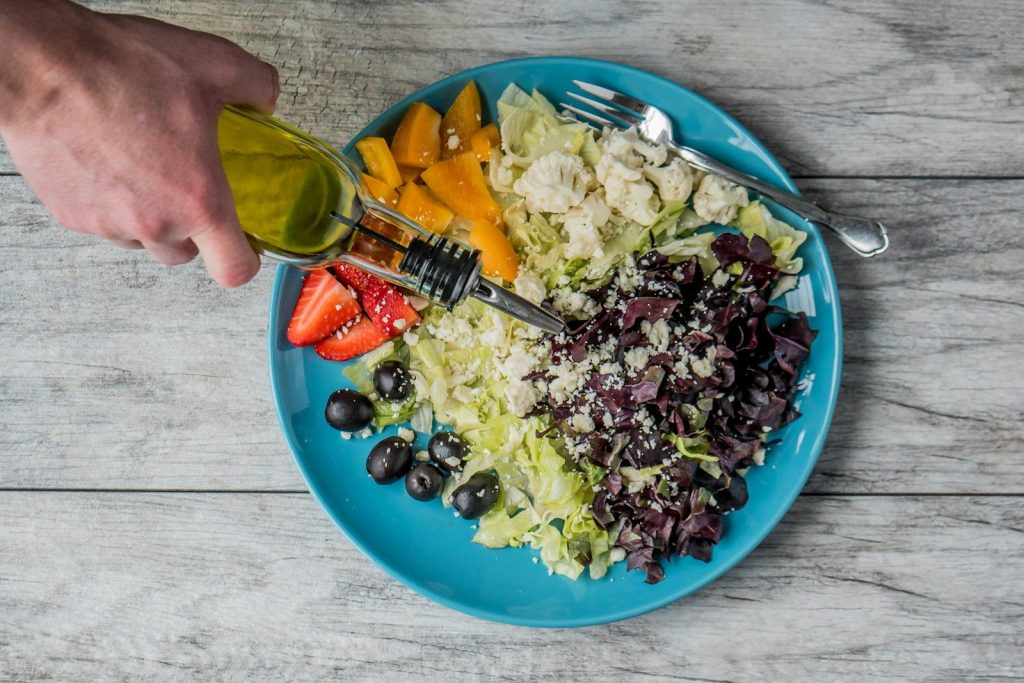
Protecting your arteries does not require a complicated medical regimen. Start by adding a spoonful of ground flaxseeds to your morning oats. Enjoy a handful of walnuts instead of chips in the afternoon. Drizzle extra virgin olive oil over leafy greens for dinner. These simple daily habits keep your blood flowing smoothly and your vessels clean. Your heart works hard for you every single second. Giving it the right fuel is the easiest way to ensure a long, active life.
Featured Image: Photo by Julia Zolotova on Unsplash
Leave a Reply