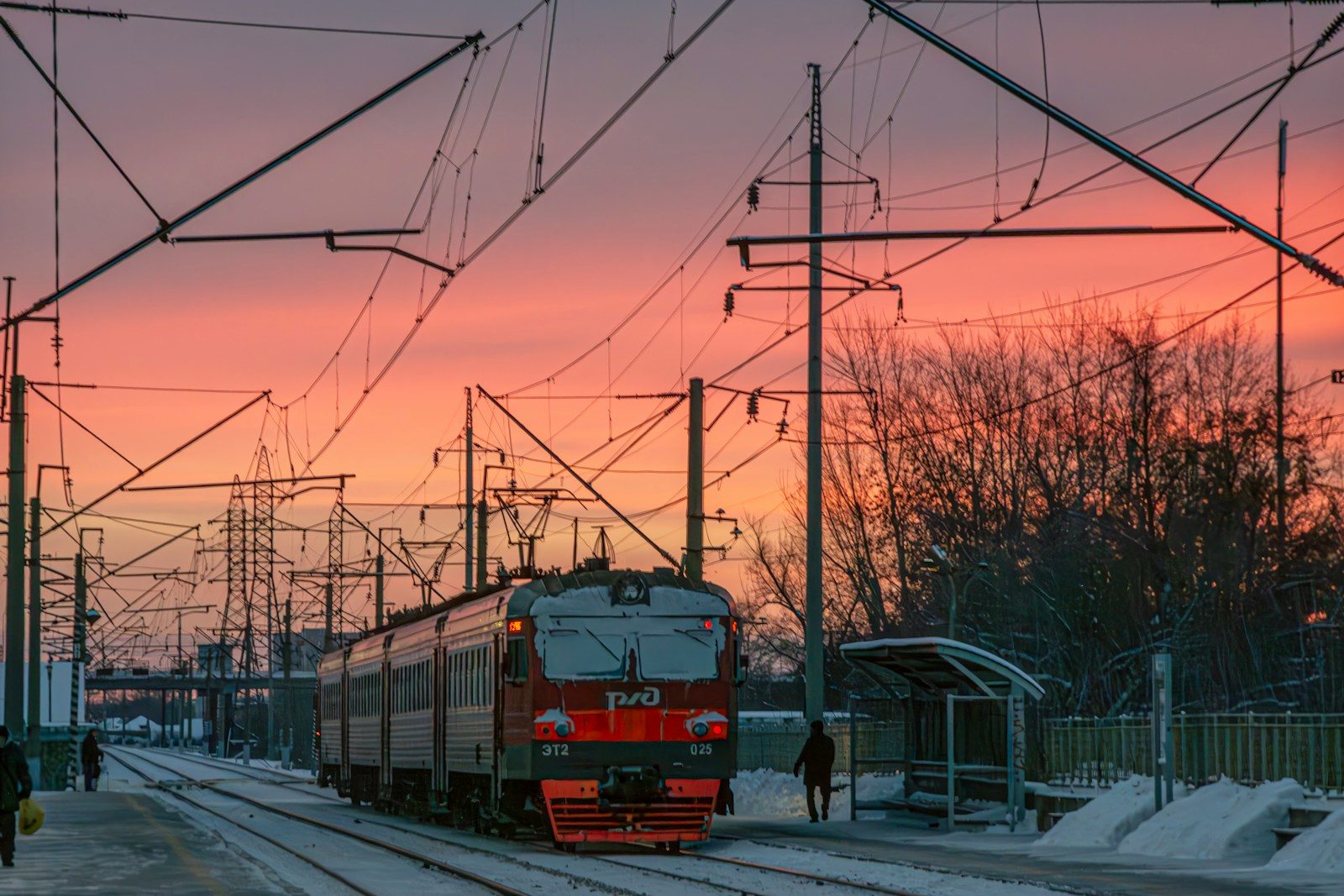
Humans have always possessed an intense need for fast ground travel. Steam engines are long gone. Today, aerospace engineering and advanced electromagnetics have allowed designers to build passenger trains that slide through the air at incredible speeds. These massive rail systems connect major cities in minutes. They rely on clean electricity to bypass the busy gridlocks of modern highways. This is a story of extreme physical engineering. According to reports from the International Union of Railways, high-speed rail networks are expanding rapidly worldwide. They are rewriting the rules of modern economic geography. By looking at these fast machines, we can see the future of transit. But the fastest vehicle on our list does not use wheels.
Breaking friction barriers with magnetic levitation
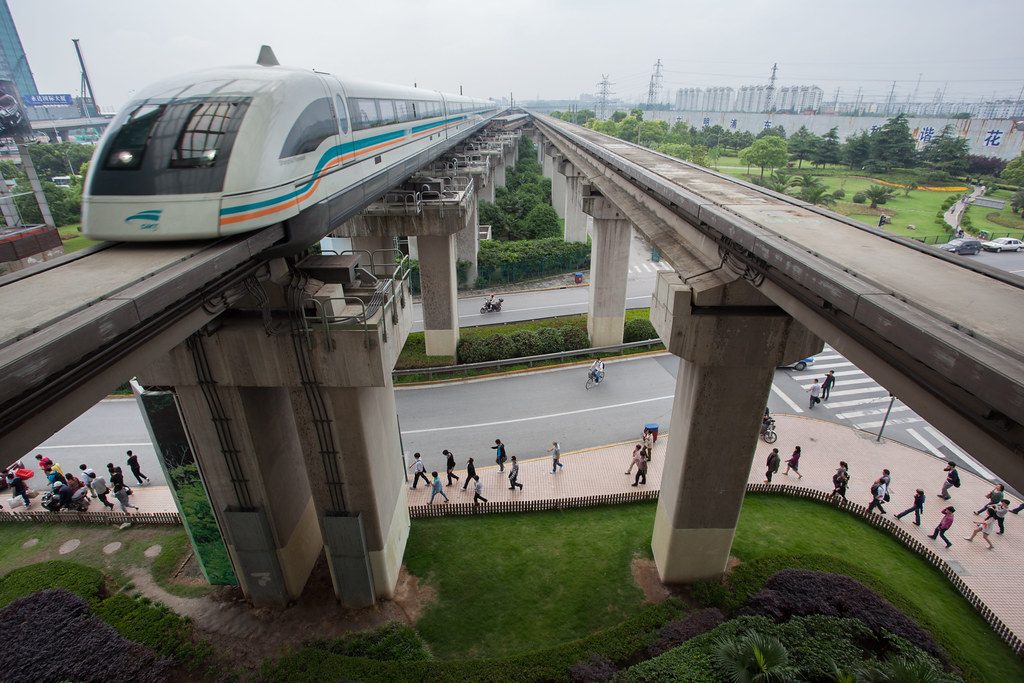
Magnetic levitation, or Maglev, represents the ultimate peak of modern rail engineering. These trains have no wheels. According to technical reports from Central Japan Railway, powerful magnets lift the train above the track. This completely eliminates mechanical friction. The vehicle glides on a cushion of air, allowing it to reach speeds over three hundred miles per hour. It requires massive amounts of power. But the lack of physical wear and tear makes the system incredibly durable. It feels like flying on the ground. But traditional bullet trains are still breaking records using advanced steel wheels.
The aerodynamic nose of the bullet train
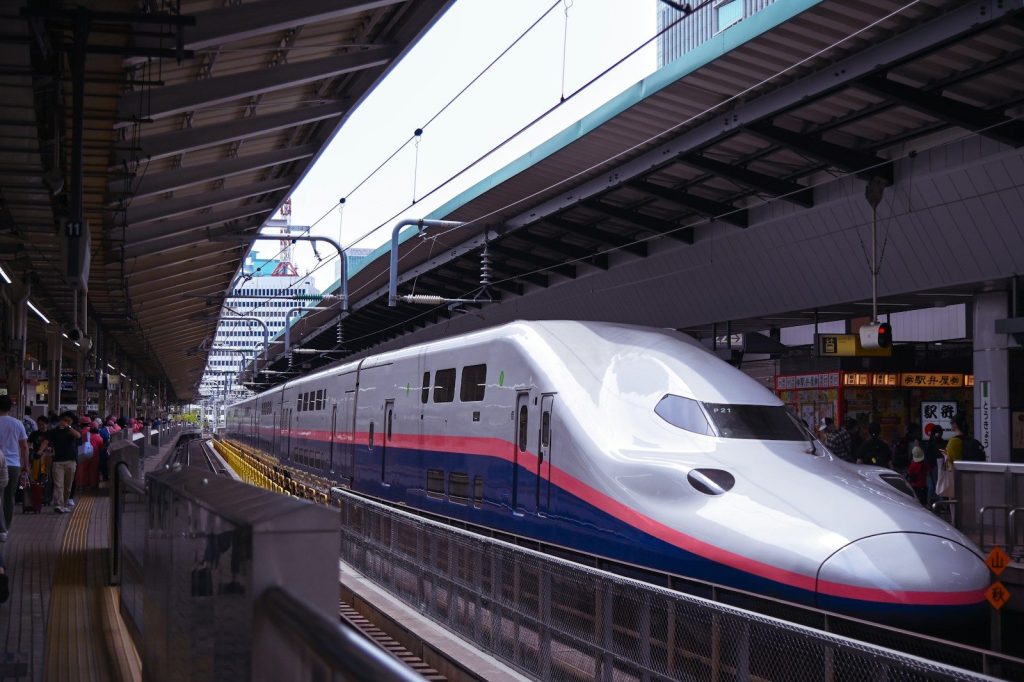
Japan’s famous Shinkansen trains are globally celebrated for their high safety records. They have a unique shape. The long, bird-like nose of the train is designed to prevent loud sonic booms in narrow tunnels. This phenomenon is called a tunnel micro-pressure wave. According to aerodynamic studies, shaping the nose like the beak of a kingfisher bird allows the train to slice through the air smoothly. This clever design also reduces energy consumption. It shows how biomimicry can solve difficult modern engineering hurdles. The trains run with perfect precision. But a European competitor was about to set a legendary world speed record.
Pioneering high speed across the European plains
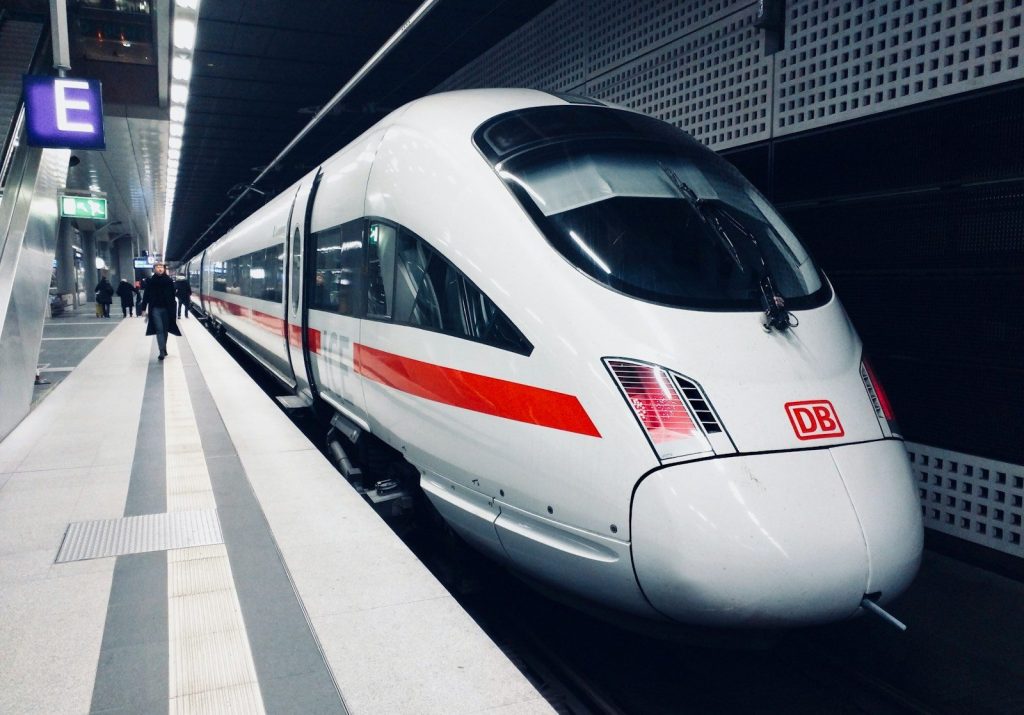
France’s TGV has been a massive leader in high-speed rail transit for decades. It holds a stunning record. A modified TGV test train reached an incredible speed of three hundred and fifty-seven miles per hour. This remains the fastest speed for wheeled trains. Germany’s Intercity Express, or ICE, also connects major European hubs with similar high-speed luxury. These systems rely on dedicated tracks. This isolation allows them to maintain high speeds without interfering with slow freight trains. It is a highly efficient network. Meanwhile, a massive Asian nation has built the largest high-speed network in history.
China’s massive grid of ultra-fast travel
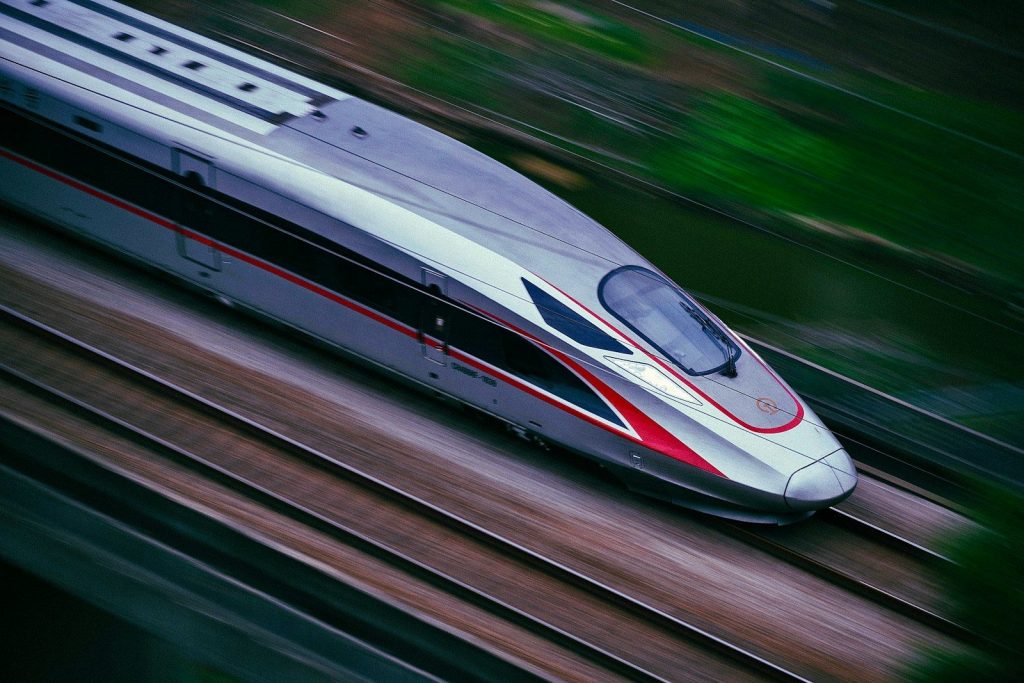
China has constructed over twenty-eight thousand miles of high-speed rail in record time. It is a massive achievement. Their flagship Fuxing Hao trains routinely travel at speeds up to two hundred and forty-nine miles per hour. They connect Beijing and Shanghai in hours. According to data from the China State Railway Group, these trains feature advanced sensory systems that monitor track alignment in real time. This technology ensures absolute safety at extreme speeds. The grid continues to expand into remote western provinces. It has transformed the national economy. But pushing these massive machines faster requires fighting against a powerful physical law.
The mechanical struggle against air resistance
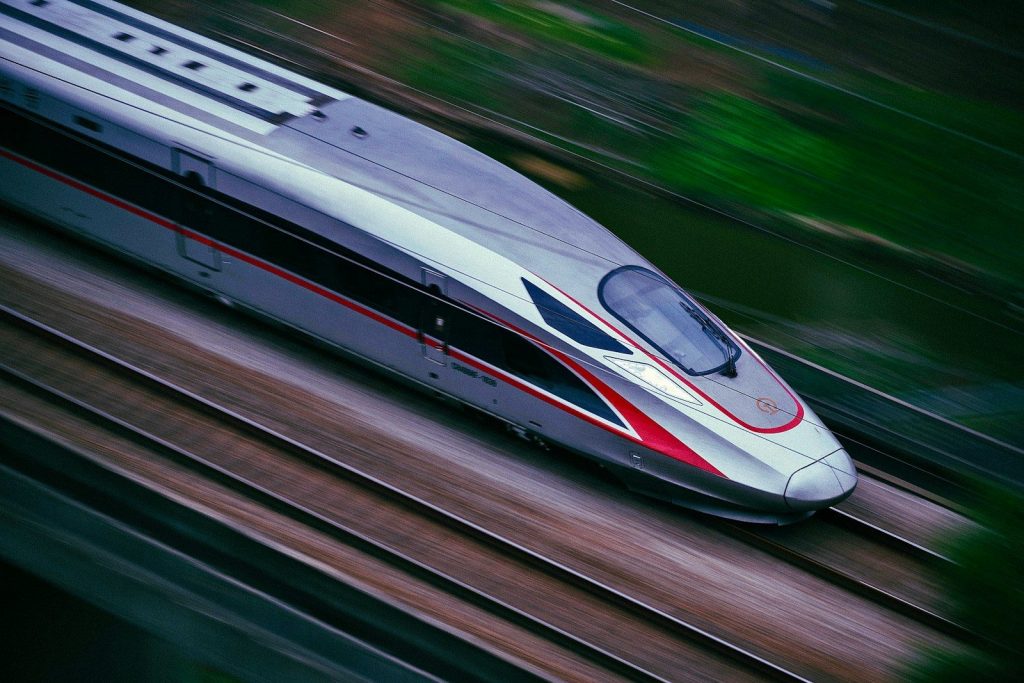
Air resistance is the primary barrier to increasing the speed of modern passenger trains. It increases with speed. According to basic aerodynamic equations, the power needed to overcome drag increases with the cube of the velocity. This means doubling speed requires eight times more power. Designers must use lightweight composite carbon materials to keep the train’s total mass as low as possible. They also use sleek, flush windows. This prevents tiny air pockets from creating turbulence along the sides of the cars. Every millimeter of design matters. But speed is completely useless if you cannot stop the train safely during an emergency.
Safeguarding passengers during seismic events
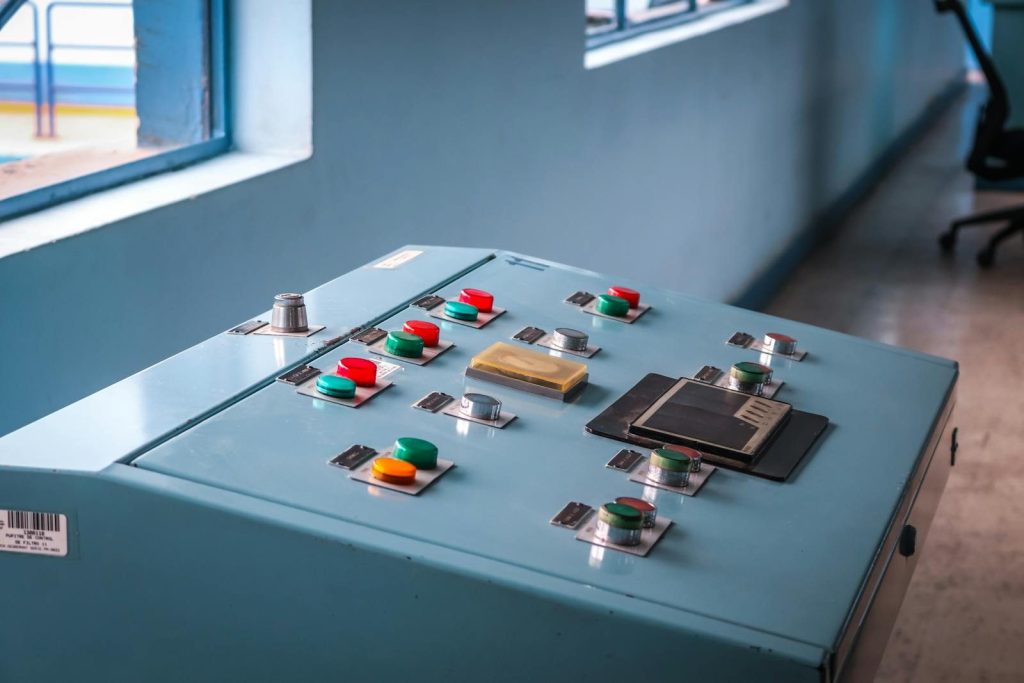
High-speed trains operate in regions that are highly prone to powerful earthquakes. Japan faces this constant threat. According to safety reports, the Shinkansen network is linked to a highly advanced early warning seismometer system. It detects the very first primary waves. The system instantly cuts power to the overhead lines, triggering powerful emergency electromagnetic brakes on every single car automatically. This reaction happens seconds before the actual ground starts to shake. It has prevented serious derailments for over fifty years of operations. It is a triumph of safety. This incredible safety record is powered by highly advanced clean energy systems.
How clean energy powers the rails
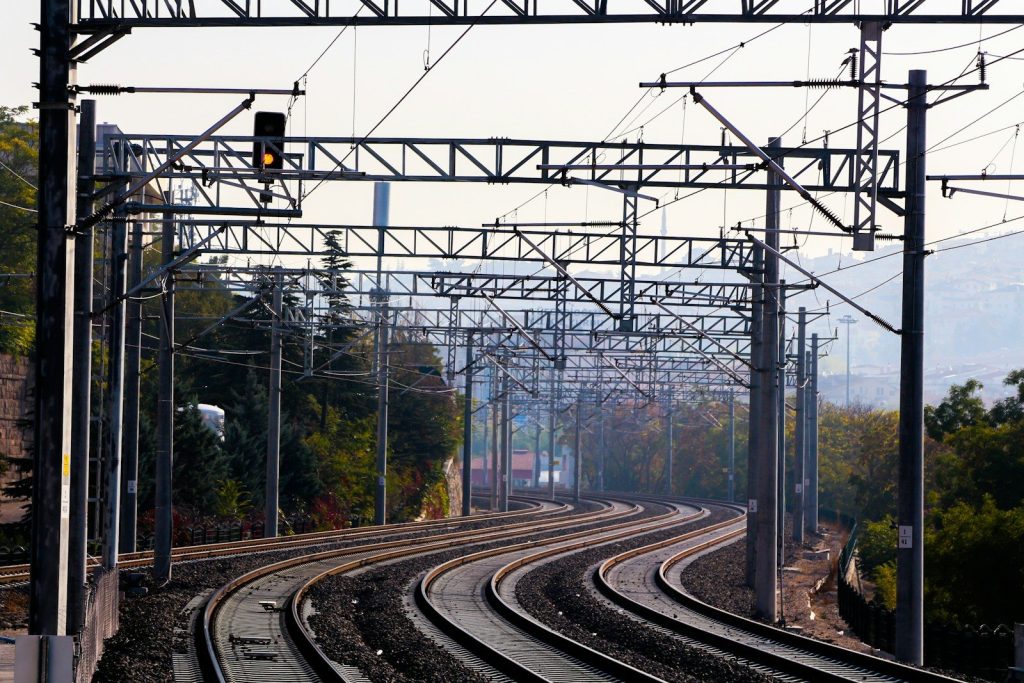
High-speed rail is one of the most environmentally friendly ways to travel long distances. It produces low emissions. According to reports from the International Energy Agency, high-speed rail is twelve times more efficient than flying. The trains run entirely on clean electricity. Many networks are integrating solar panels along the tracks to feed power directly into the grid. This creates a highly self-sustaining loop. It offers a powerful template for how we can build sustainable transport systems for future generations. The benefits are truly massive. But engineers are already working on a technology that could bypass the air barrier completely.
Designing the future of hyperloop transit
The next major step in ground travel is to run trains inside vacuum tubes. This is the hyperloop. By removing ninety-nine percent of the air, we can eliminate aerodynamic drag almost entirely. This would allow ground speeds to exceed six hundred miles per hour. Private aerospace companies are currently building testing facilities in several deserts. It represents a massive engineering challenge. If successful, it will completely redefine how we connect cities and countries in the near future.
Featured Image: Photo by Sergay Train on Unsplash
Leave a Reply