Blog

  • Why scientists are racing to name deep-sea life before it is disturbed

    Why scientists are racing to name deep-sea life before it is disturbed

    The deep ocean still feels like another planet, yet it is part of our own backyard. Far below the waves, tiny worms, shellfish, crustaceans, and other strange animals live in places most people will never see. Many of them do not even have official names yet.

    That is a big problem. A species without a name is harder to study, protect, or even talk about. Researchers say much of marine invertebrate life is still under-described, even after centuries of ocean exploration. New projects like Ocean Species Discoveries are trying to speed up that process with better tools, shared expertise, and shorter, data-rich species reports. The goal is simple but urgent: document ocean life before fast-changing seas disturb it.

    Hidden life needs names
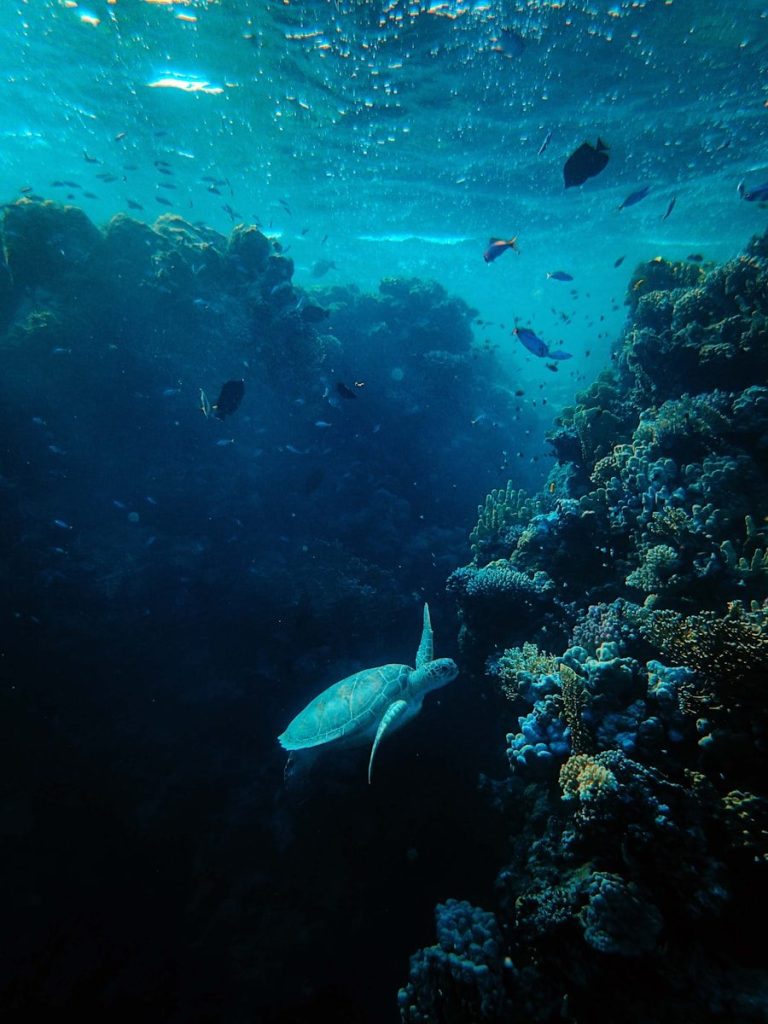
    gray turtle
    Photo by Francesco Ungaro on Unsplash

    The ocean is packed with creatures that science has not fully recorded. Some are tiny, some live miles deep, and some look unlike anything seen on land.

    Naming them is not just a formality. A scientific name gives researchers a way to track a species, compare findings, and understand where it fits in the ocean’s larger story.

    Old methods take too long

    a close up of a structure with a blue background
    Photo by digitale.de on Unsplash

    Describing a new species can take years, and sometimes even decades. Researchers may need special images, expert review, DNA work, and careful comparisons with museum specimens.

    That slow pace is a real challenge. SOSA notes that species description can face delays of 20 to 40 years, which is far too long when ecosystems are changing quickly.

    A faster system is growing
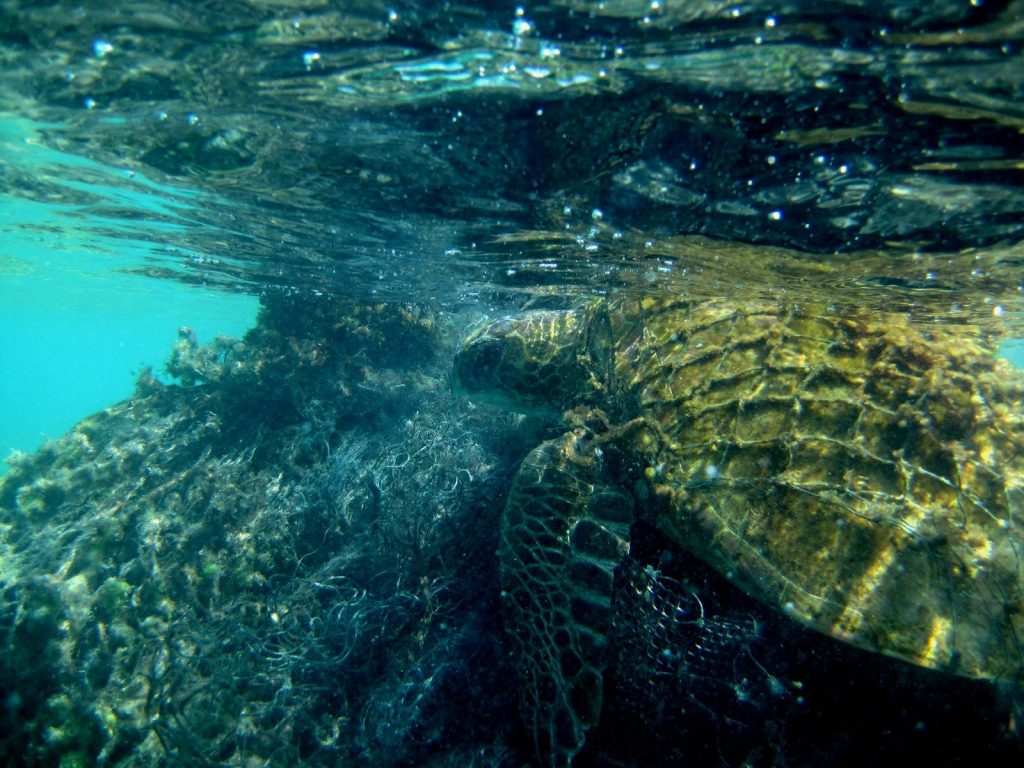
    brown turtle on water
    Photo by NOAA on Unsplash

    Ocean Species Discoveries was created to help scientists publish clear, useful species descriptions faster. It focuses on marine invertebrates such as worms, mollusks, and crustaceans.

    The second issue described 14 new species, two new genera, and one redescription across three major animal groups. That shows how teamwork can turn scattered discoveries into organized science.

    New tools reveal more
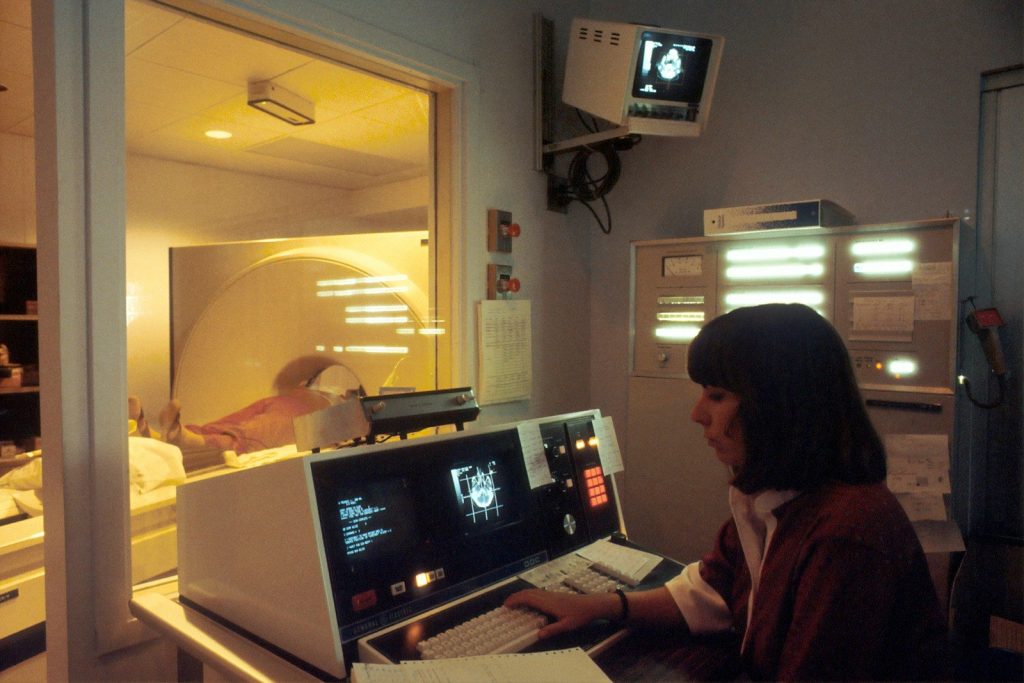
    woman in red shirt sitting in front of computer
    Photo by National Cancer Institute on Unsplash

    Modern labs can study ocean animals in ways that were not possible before. Light microscopes, electron microscopes, DNA barcoding, and micro-CT scans can reveal fine details without damaging rare samples.

    That matters because many deep-sea specimens are precious. If scientists can study them carefully and preserve them, other researchers can return to the same material later.

    The deep holds surprises
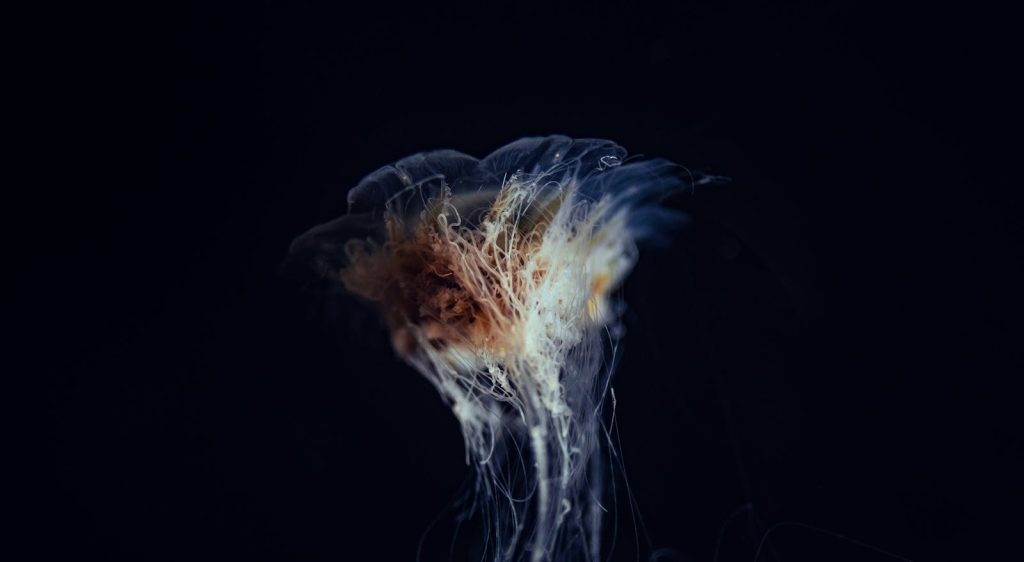
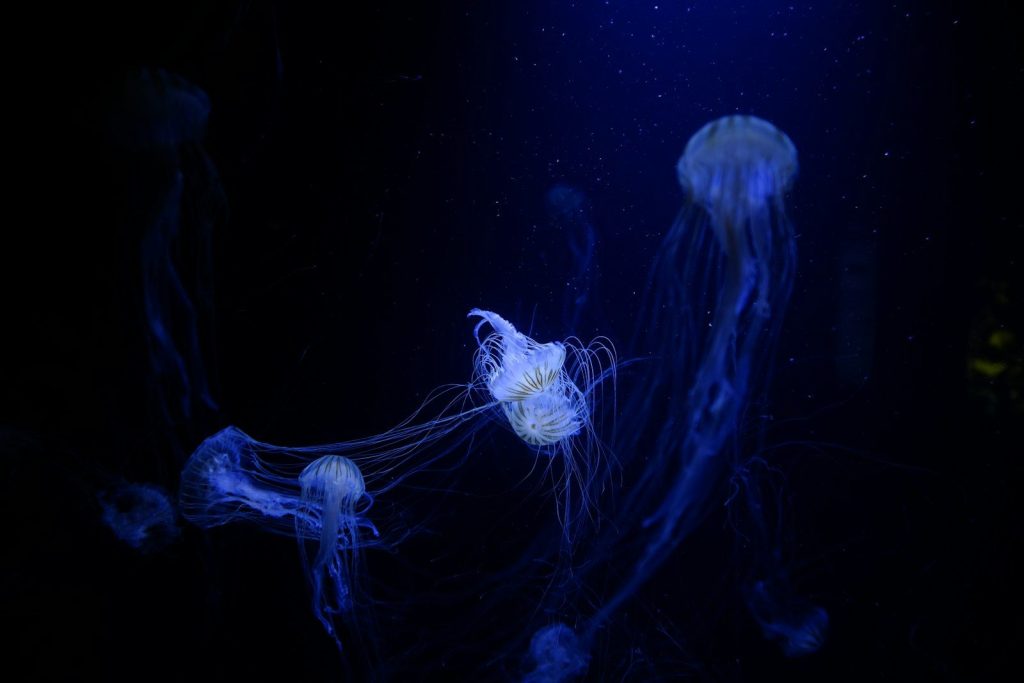
    A mesmerizing close-up of a jellyfish floating gracefully in the dark ocean depths.
    Photo by Benjamin Farren on Pexels

    Some new species came from extreme depths. One mollusk, Veleropilina gretchenae, was collected from the Aleutian Trench at 6,465 meters, or about 21,200 feet.

    Another species, Myonera aleutiana, is a deep-sea bivalve studied with non-invasive micro-CT scanning. The paper notes it is only the second bivalve with an anatomical description using that method.

    Scans protect rare samples
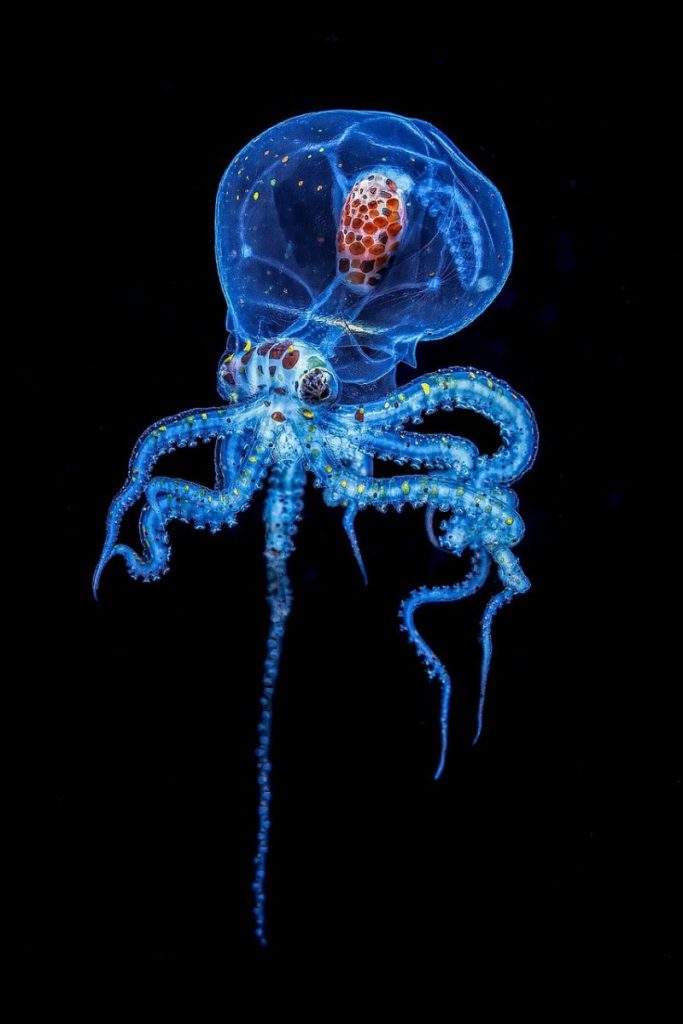
    octopus, glow, bioluminescence, underwater, creature, nature, sea, tentacles, octopus, octopus, octopus, octopus, octopus, tentacles
    Photo by Edgar117 on Pixabay

    In the past, scientists often had to dissect animals to learn what was inside. That can be risky when a specimen is rare, fragile, or one of the only examples found.

    Micro-CT scanning changes that. It creates detailed internal images while leaving the animal intact. For deep-sea research, that can mean more knowledge with less damage.

    Tiny species can matter
    blue and white bird on body of water
    Photo by Mikhail Preobrazhenskiy on Unsplash

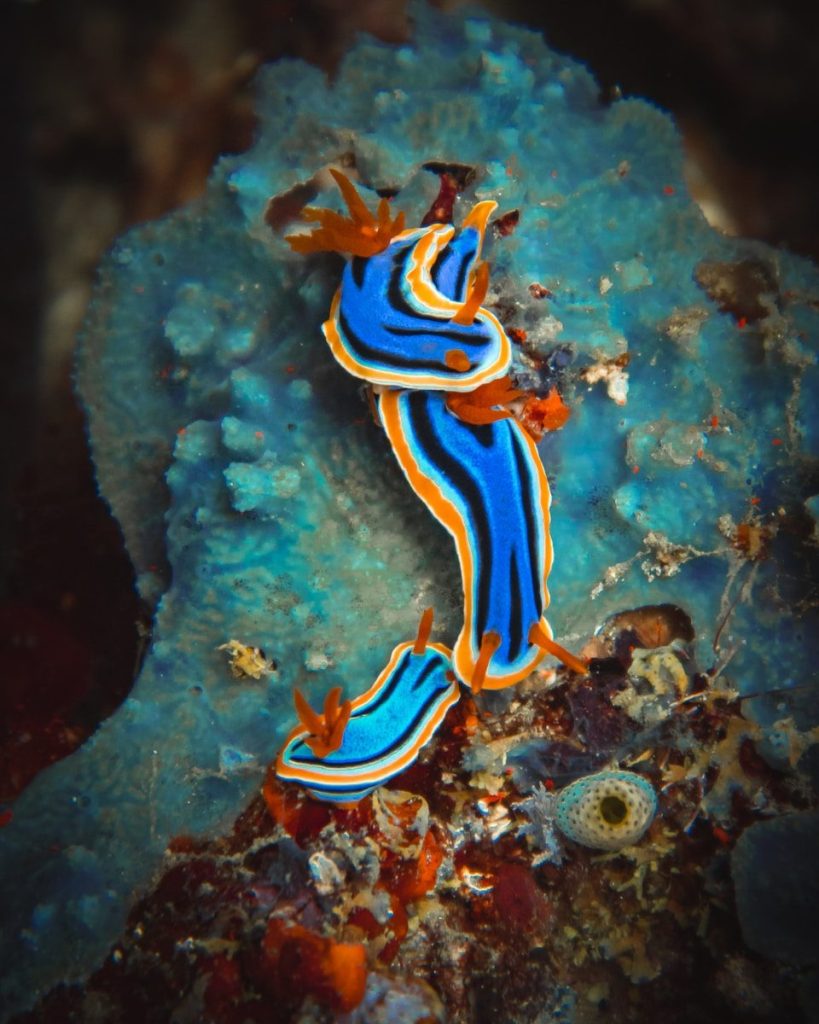
    Small ocean animals may look easy to overlook, but they can play major roles in food webs, sediment health, and ecosystem balance. Losing them can affect more than one species.

    That is why naming small life matters. A tiny crustacean, worm, or shellfish may hold clues about evolution, deep-sea survival, or how ocean habitats respond to change.

    Names tell stories
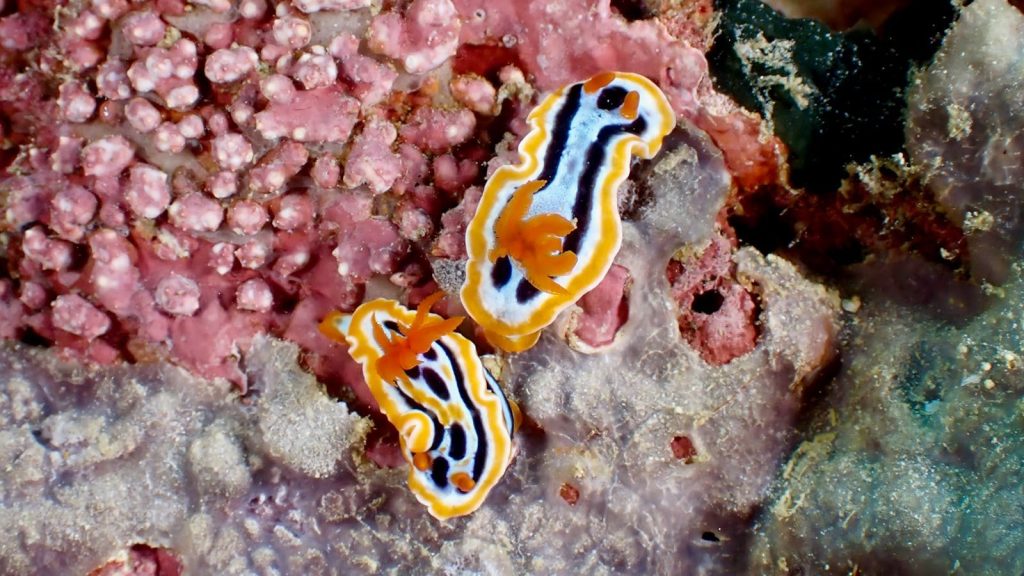
    Two vibrant nudibranchs, Chromodoris annae, on coral in the Philippines.
    Photo by Chris Spain on Pexels

    Some new species names honor people, places, or memorable features. One amphipod, Apotectonia senckenbergae, was named after Johanna Rebecca Senckenberg.

    Another new animal, Zeaione everta, is a parasitic isopod with unusual bumps that reminded researchers of corn. These names help make hidden ocean life easier to remember and discuss.

    Teamwork speeds discovery
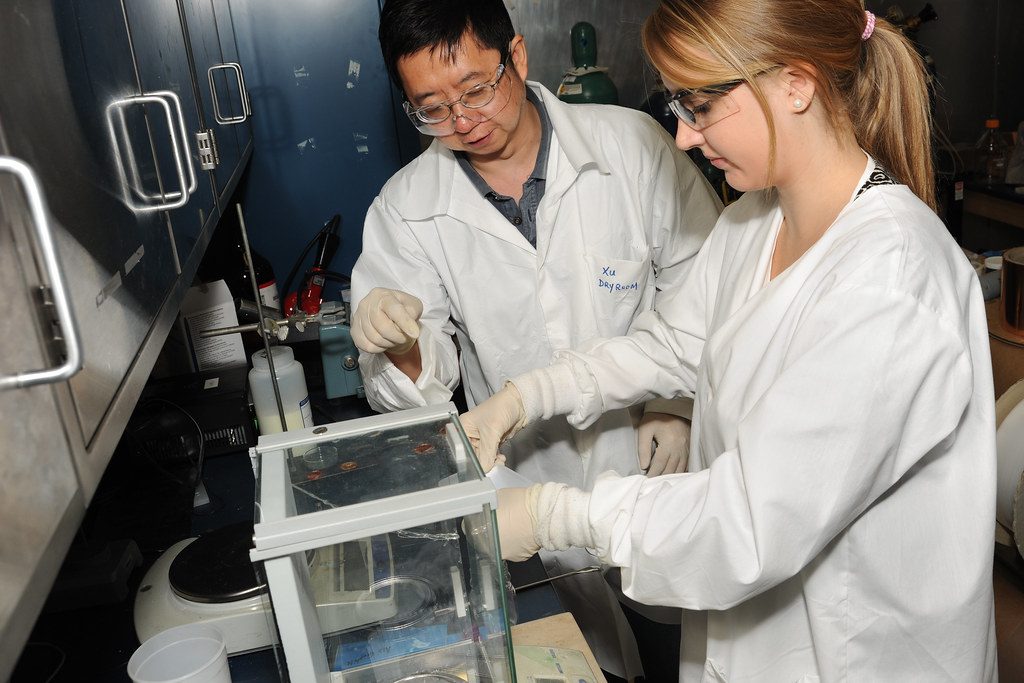
    Army scientists energize battery research” by U.S. Army Combat Capabilities Development Command is licensed under CC BY-SA 2.0

    No single scientist can describe every unknown ocean species alone. The work often needs taxonomists, imaging experts, DNA specialists, museum collections, and field researchers.

    That is why shared labs and global networks are so important. SOSA’s Discovery Laboratory gives researchers technical support and tools that can help turn hard-to-study specimens into publishable science faster.

    The race is not over
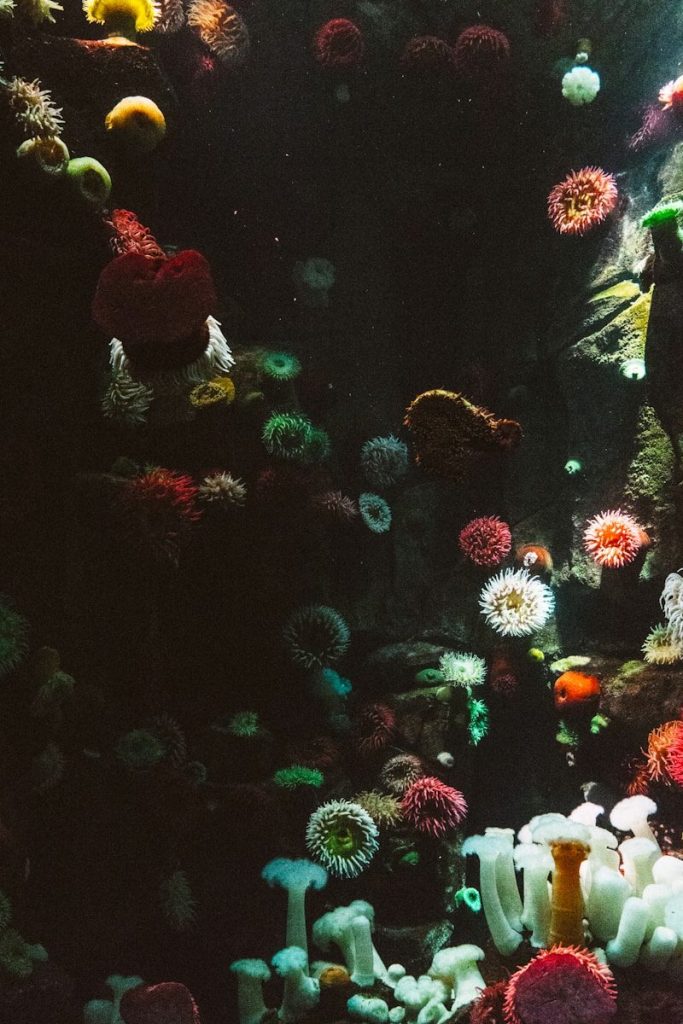
    photography of sea corals
    Photo by Scott Webb on Unsplash

    New deep-sea discoveries keep showing how much remains unknown. In 2026, researchers announced 24 new amphipod species from the Clarion-Clipperton Zone, including a new superfamily.

    Each discovery is a reminder that the ocean still holds many blank spaces. Naming species cannot solve every threat, but it gives science a stronger starting point before those habitats change further.
  • Mystery creature found in Japan’s deepest ocean trenches

    Mystery creature found in Japan’s deepest ocean trenches

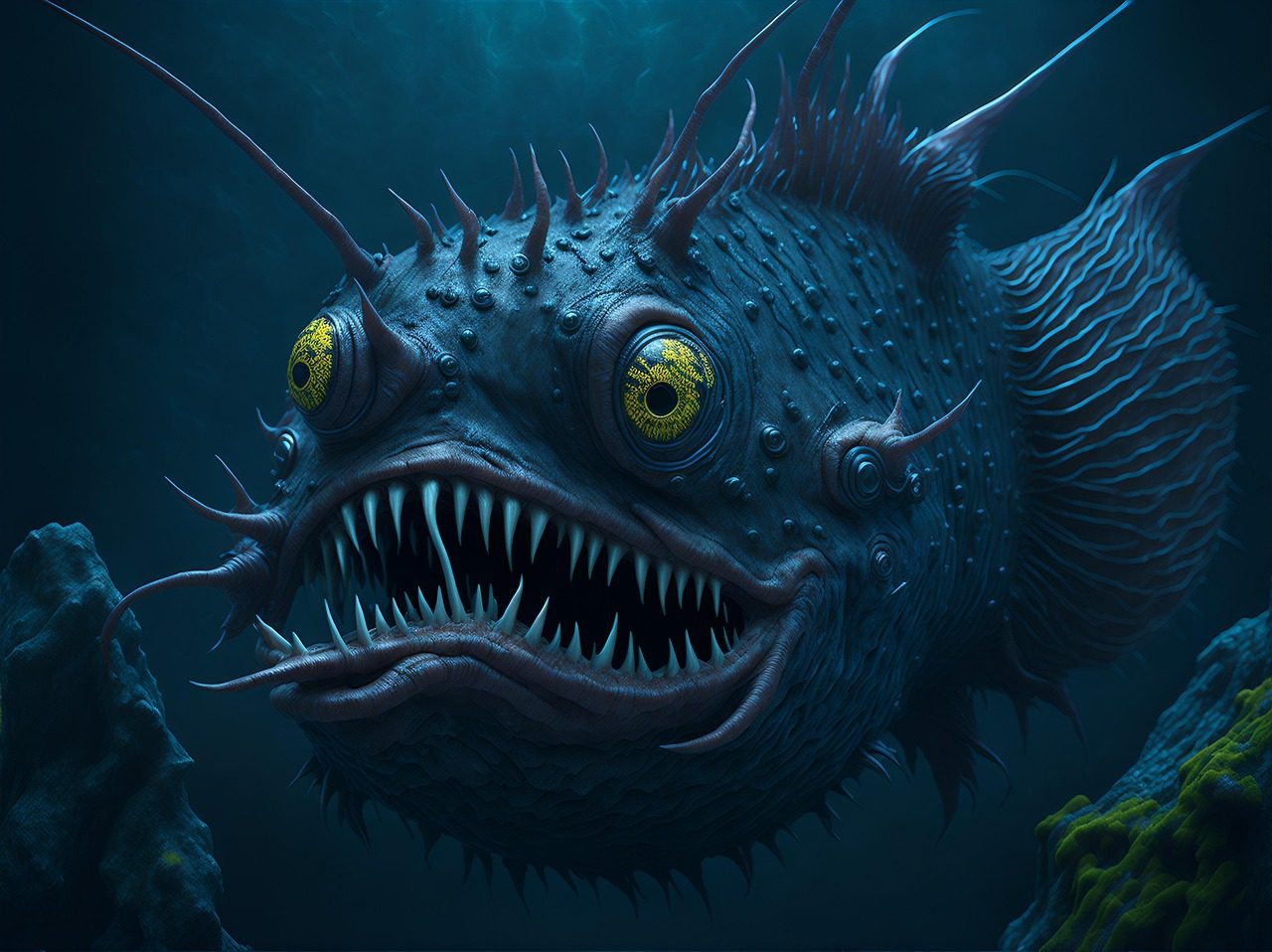
    The ocean is Earth’s final frontier, and Japan just pushed the boundary. A high-tech robotic explorer has just returned from the Izu-Bonin Trench, over five miles beneath the surface. What it found there has left the scientific community in a state of shock. Cameras captured a “mystery creature” that defies every known rule of marine biology. This isn’t just a new fish; it is a totally different form of life that seems to thrive in a world of total darkness and crushing pressure.

    In 2026, we thought we had mapped the basics of our planet, but this discovery proves we have been looking at a “Ghost Map.” The creature, which glows with a soft, pulsing violet light, has no visible eyes and a body that looks like it is made of liquid glass. It survived in conditions that would crush a human-built submarine in seconds. We are looking at a biological miracle that is rewriting the textbooks on how life begins. But the real mystery is how this creature is actually “thinking.”

    The Ghost of the Izu-Bonin Trench

    bloom of jellyfish under water
    Photo by Falco Negenman on Unsplash

    Researchers have named the creature “The Phantasm” because of its transparent, flickering skin. It was found floating near a hydrothermal vent, where the water is hot enough to melt lead. While most deep-sea animals are small and slow, this creature moved with a fluid, intelligent grace. It appeared to be observing the robotic sub, mimicking the movements of the mechanical arm. Scientists believe this is the first evidence of high-level intelligence at these extreme depths. But wait until you see the “chemical cocktail” that keeps it alive.

    Surviving the Crushing Weight of Miles

    underwater camera capture
    Photo by Tim Marshall on Unsplash

    At five miles down, the pressure is equivalent to having an elephant stand on your thumb. Most biological tissues would be flattened instantly. However, the mystery creature has a unique cellular structure that uses “piezo-proteins.” These proteins actually get stronger as the pressure increases. It is a masterpiece of natural engineering that human materials can’t yet match. The creature essentially “uses” the weight of the ocean to hold its shape together. But its diet is even more shocking than its strength.

    A Creature That Eats Radioactive Silt

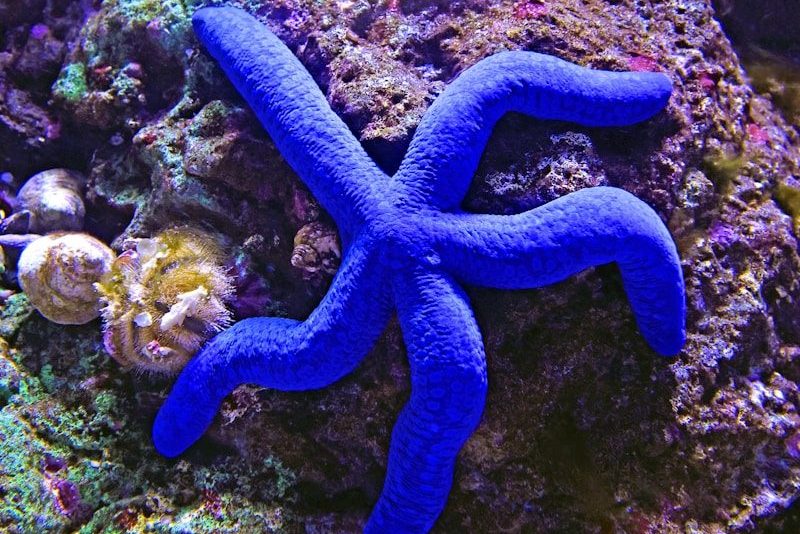
    a blue starfish on a coral reef
    Photo by David Clode on Unsplash

    Unlike animals that hunt fish or eat plants, this mystery creature was seen “grazing” on radioactive silt near the trench wall. Its DNA suggests it has a specialized organ that converts radiation into metabolic energy. It is essentially a living nuclear reactor. This discovery has massive implications for our search for life on other planets, like Jupiter’s moon Europa. If life can thrive on radiation in Japan’s trenches, it could be everywhere in the solar system. But the creature’s tentacles hide a second secret.

    Tentacles That Act Like Neural Cables

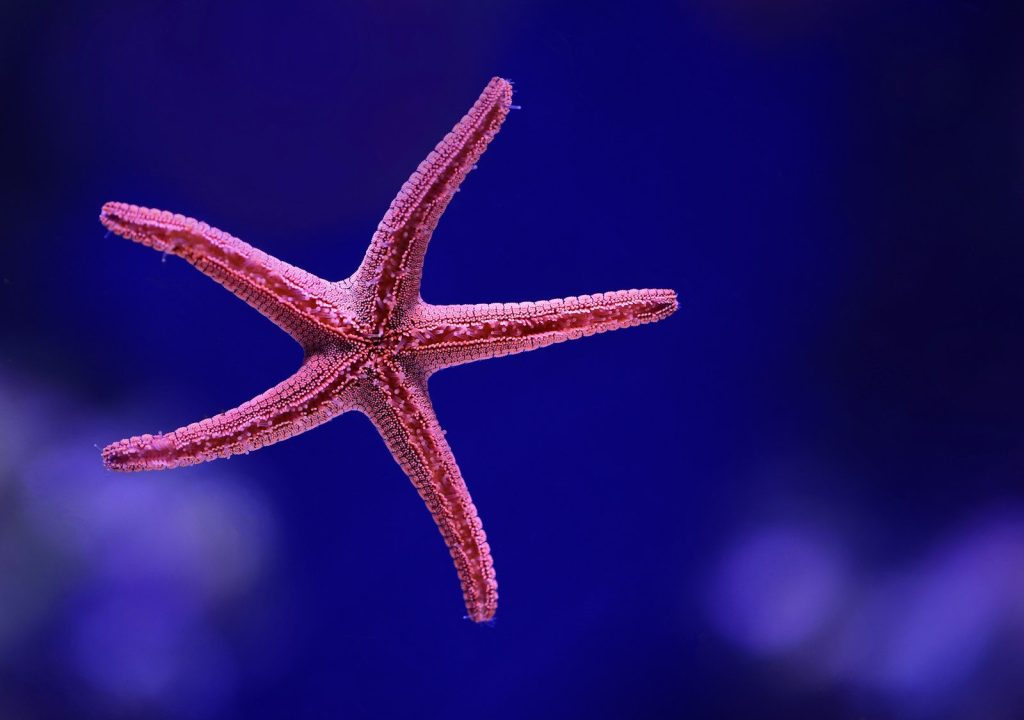
    macro shot photography of starfish
    Photo by David Clode on Unsplash

    The creature has hundreds of microscopic filaments that reach out several feet from its body. These aren’t just for grabbing food. Scientists used laser sensors to detect that these tentacles are actually “firing” electrical signals into the water. It appears the creature is creating a massive, invisible web to feel the vibrations of the Earth’s crust. It might be able to “hear” an earthquake days before it happens. It is a biological early warning system that has been silent for millions of years. But is it alone down there?

    The Discovery of a Sunken Nursery

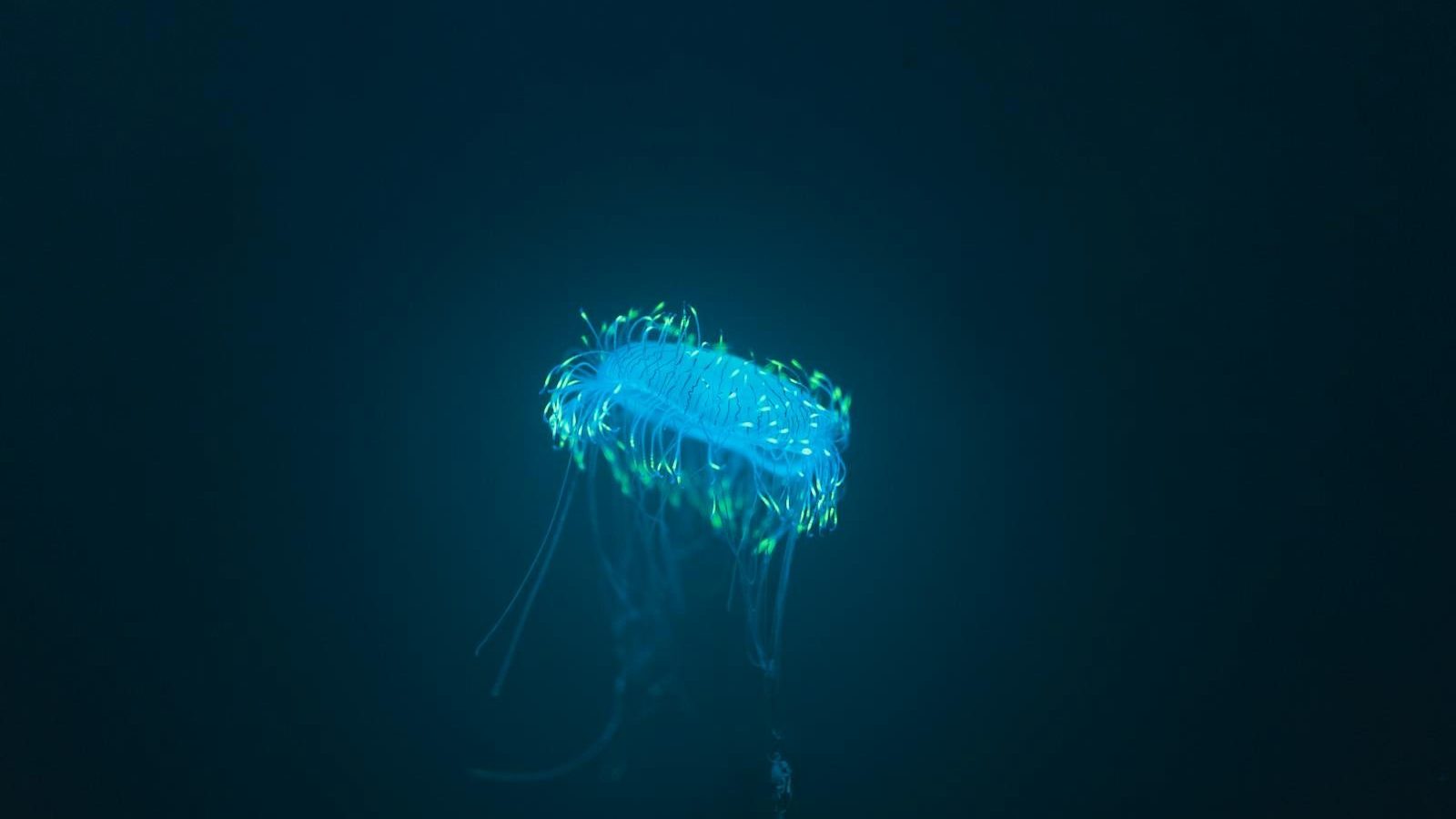
    Captivating image of a glowing blue jellyfish in a dark, mysterious underwater setting.
    Photo by Selvin Esteban on Pexels

    Following the creature, the robotic sub discovered a hidden cavern in the side of the trench. Inside were thousands of smaller, glowing orbs. It appears to be a communal nursery for the mystery species. The cavern is protected by a natural magnetic field, which suggests the creatures might be using the Earth’s magnetism to navigate and communicate. We aren’t just looking at one weird animal; we are looking at a hidden civilization of the abyss. But what happens if we bring one to the surface?

    The Problem with Bringing Light to the Dark

    yellow and black gas lamp
    Photo by NOAA on Unsplash

    Capturing one of these creatures is nearly impossible. As soon as they are moved into lower pressure or exposed to sunlight, their liquid-glass bodies begin to dissolve. To study them, Japanese scientists had to build a “hyperbaric lab” on the sea floor. This allows them to observe the creatures in their natural habitat without killing them. The 2026 data show that these beings have a genetic memory that dates back to the time of the dinosaurs. But wait until you see the message they are sending.

    A Biological Warning for the Surface

    the sun shines brightly in the blue water
    Photo by Aristos Aristidou on Unsplash

    The electrical pulses from the creature’s tentacles aren’t random. AI researchers have found a repeating pattern that matches the “rhythm” of the ocean currents. It seems the creatures are communicating the “health” of the deep sea to each other. By decoding these signals, we might be able to understand the true impact of climate change from the bottom up. The mystery creature is acting as a silent witness to our world’s transformation. But can we actually learn to “talk” to them?
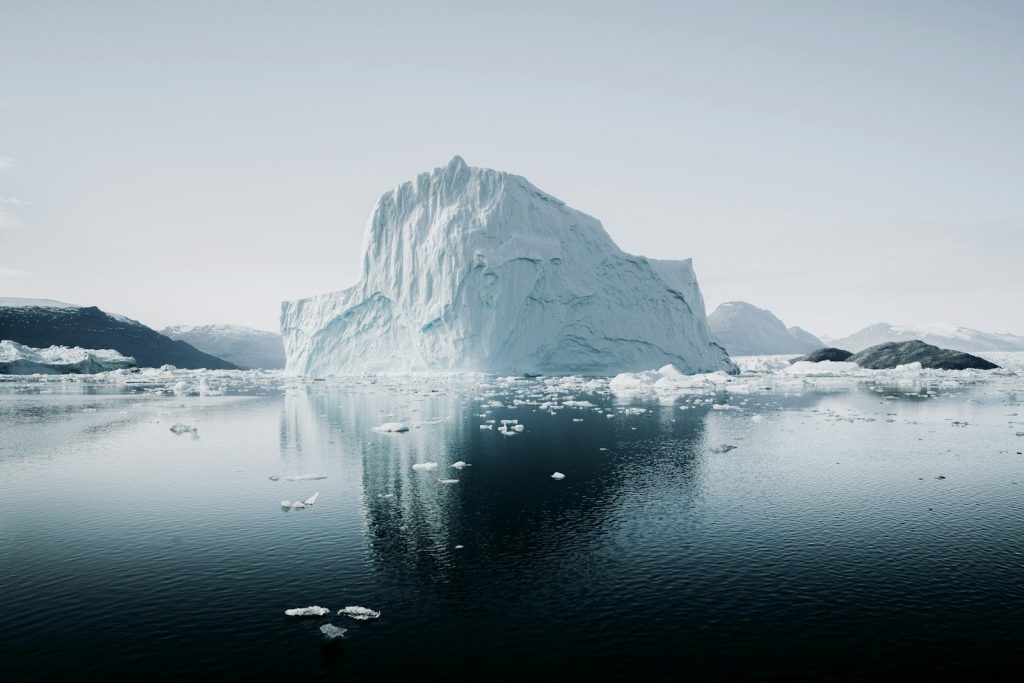
    The New Bridge Between Worlds

    Aerial view of a chain of islands in the ocean.
    Photo by USGS on Unsplash

    Japan is now planning a permanent “Deep Sea Embassy” in the trench. This facility will use AI-powered sensors to translate the electrical language of the abyss. We are moving from being observers to being participants in this underwater world. The mystery creature is no longer a monster, but a potential partner in our understanding of life. This is the most significant discovery of our time. But what will we find when we finally “crack the code” of their ancient language?

    The Final Countdown for Deep Sea Secrets

    shark, fish, sea, ocean, underwater, aquarium, nature, marine life, sea life, ocean life, animal, wildlife, fauna
    Photo by PublicDomainPictures on Pixabay

    We are standing at the end of a long period of ignorance. The 2026 deep-sea scans have revealed that we are not the only intelligent life on this planet. The mystery creature of the Japan Trench is a reminder that the world is much bigger and stranger than we can imagine. The journey to understand the abyss has just begun. Stay curious, because the next big discovery is just a few miles below your feet.

    Featured Image: Photo by TheDigitalArtist on Pixabay

  • Great cars, everyone should drive at least once

    Great cars, everyone should drive at least once

    Driving is more than just getting from point A to point B. For some, it is an art form. There are certain vehicles that transcend the metal and rubber they are made of to offer a visceral, life-changing experience. Whether it’s the roar of a classic V8 engine or the silent, neck-snapping acceleration of a modern electric motor, these cars represent the peak of human engineering and passion. Everyone who loves the open road should find a way to get behind the wheel of these legends at least once.

    In 2026, the car world is changing fast, but these icons remain the gold standard for enthusiasts. We aren’t just talking about expensive supercars that no one can afford. Some of these are surprisingly accessible, while others are historical masterpieces that defined an era. Each one offers a unique “soul” that you can’t find in a standard commuter vehicle. But which car tops the list for pure, unfiltered driving joy? You might be surprised by the tiny giant that changed everything.

    The Mazda Miata is Pure Driving Joy

    a white sports car parked in a parking garage
    Photo by Darrien Staton on Unsplash

    The Mazda MX-5 Miata is proof that you don’t need a thousand horsepower to have the time of your life. It is lightweight, perfectly balanced, and features one of the best manual shifters ever made. When you drop the top and hit a twisty backroad, the car feels like an extension of your own body. It isn’t about top speed; it’s about how it makes you feel at 40 miles per hour. This car taught the world that “simple” is often better. But if you want to feel the raw power of American history, you need to look at something much louder.
    The Ford Mustang and the V8 Soul

    black Ford Mustang coupe parked near green tree
    Photo by Agustin Segura on Unsplash

    There is a specific vibration you feel in your chest when a Ford Mustang V8 roars to life. It is the sound of freedom and the American dream. Driving a Mustang is a lesson in torque and bravado. It doesn’t care about being subtle; it wants to be noticed. Whether it’s an old 1960s fastback or a modern GT, the experience of a heavy-hitting muscle car is a rite of passage for every driver. It is a machine designed for the drag strip and the boulevard. But what happens when German precision enters the chat?
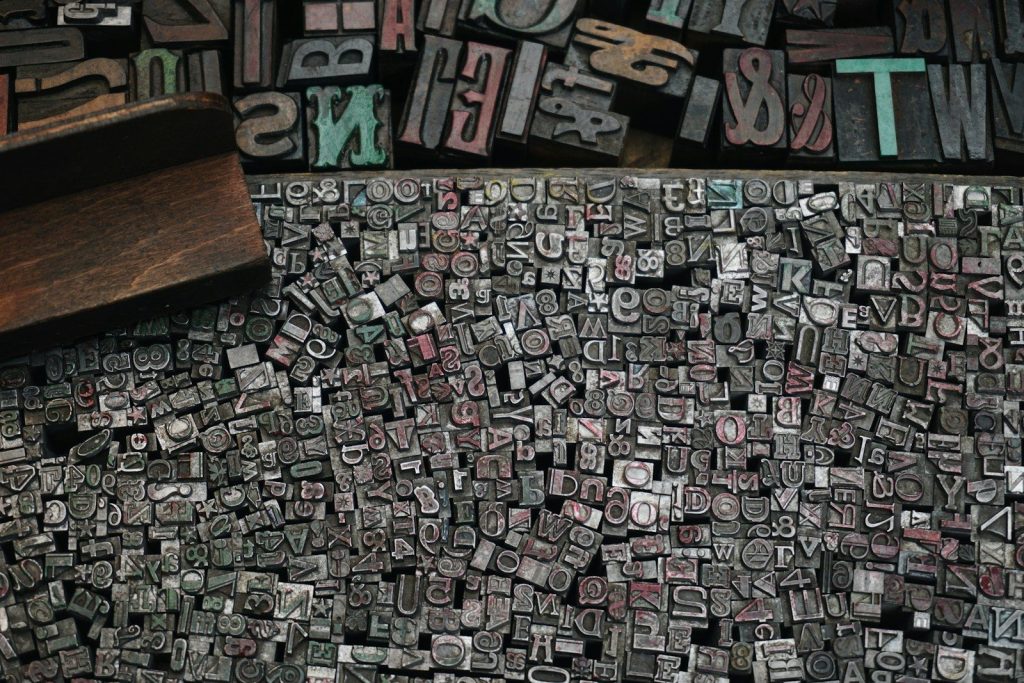
    Porsche 911 is the Ultimate Precision Tool

    black porsche 911 on road during daytime
    Photo by Josh Berquist on Unsplash

    For over sixty years, the Porsche 911 has been the benchmark for every other sports car on the planet. Its engine sits in the “wrong” place—behind the rear axle—yet it handles with a level of surgical precision that is almost supernatural. Driving a 911 is a lesson in engineering excellence. It is a car that can be driven to the grocery store on Monday and a racetrack on Sunday without missing a beat. It is the thinking man’s sports car. But is there a car that offers this much fun for a fraction of the price?

    The Original Mini Cooper Tiny Legend

    black porsche 911 on road
    Photo by Ivan Didenko on Unsplash

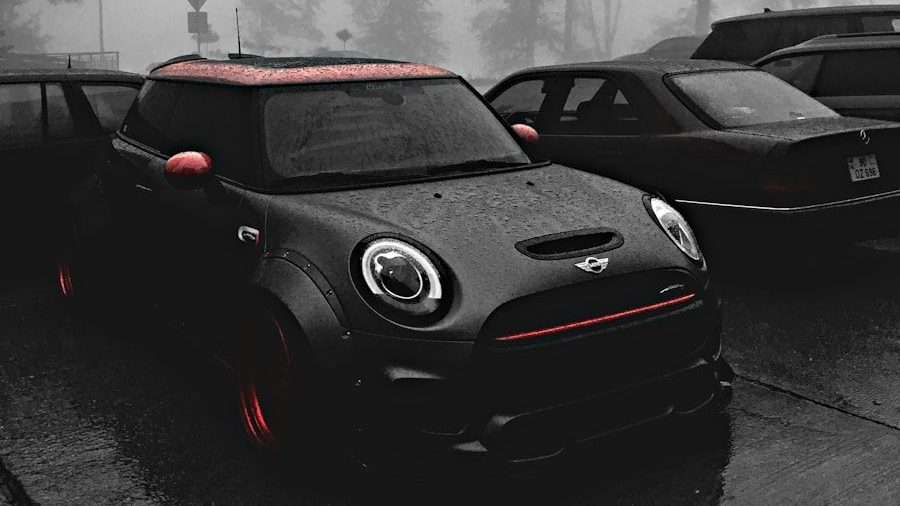
    Don’t let its size fool you. The original Mini Cooper was a giant-killer on the rally circuit. Driving one today feels like riding in a motorized go-kart. It is low to the ground, incredibly agile, and surprisingly spacious inside. It changed the way we think about small cars and urban mobility. You can park it anywhere, but you’ll want to drive it everywhere. It is the ultimate city car with a racing heart. However, the world of speed has a new king that doesn’t use a drop of gasoline.

    Tesla Model S Plaid Silent Speed

    a car parked in a parking lot next to a pile of tires
    Photo by Tobias Flyckt on Unsplash

    The Tesla Model S Plaid is a car that breaks the laws of physics. It can go from zero to sixty in less than two seconds, all in total silence. Driving one is a disorienting experience that feels more like a roller coaster than a car. It represents the “Quantum Leap” of the automotive industry. No gears, no lag, just instant, overwhelming power. It is a glimpse into the future of transportation. But before we go fully electric, we have to respect the luxury of the British countryside.

    Range Rover is the King of Comfort

    A white range rover parked in a parking lot
    Photo by Mohamad Othman on Unsplash

    The Range Rover is a paradox. It is a rugged off-roader that can climb a mountain, yet it is as comfortable as a five-star hotel room inside. Driving one makes you feel invincible and sophisticated at the same time. It is the car that invented the “luxury SUV” segment. Whether you are fording a river or pulling up to a red-carpet event, it never feels out of place. It is the ultimate all-rounder for those who want everything. But there is one car that is simply more “famous” than any other.

    Volkswagen Beetle, the People’s Car

    blue classic car parked near white building
    Photo by Victor Furtuna on Unsplash

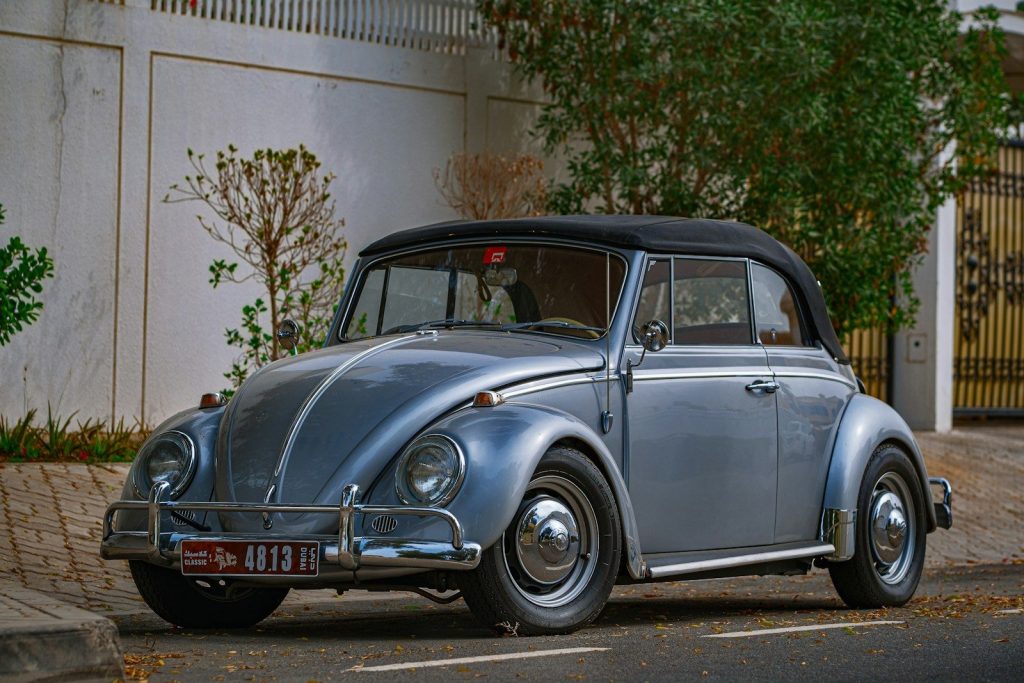
    The Volkswagen Beetle is the most recognizable car ever built. Over 21 million were produced, and driving one is a trip back in time. It is loud, slow, and has no power steering, but it puts a smile on everyone’s face. It represents a simpler era of motoring where the goal was just to get people moving. Owning or driving a “Bug” is about the community and the history, not the performance. It is a cultural icon on wheels. But wait until you see the secret discovery that just happened at the bottom of the sea.

    The Final Verdict on the Drive

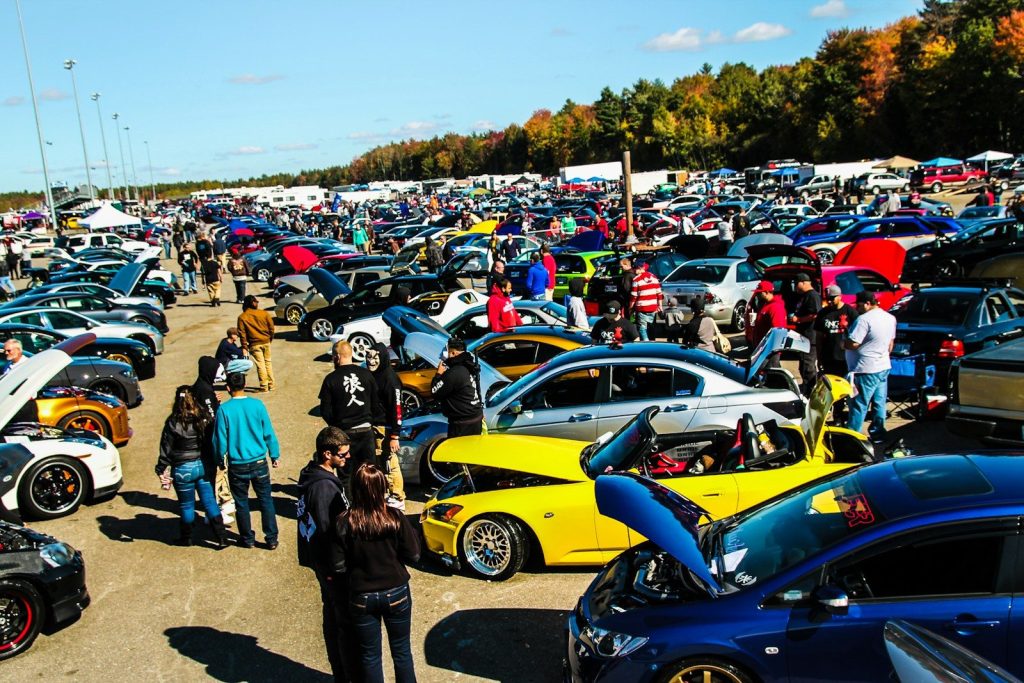
    people standing beside blue and yellow cars during daytime
    Photo by Dylan Gillis on Unsplash

    The cars on this list aren’t just machines; they are experiences that define what it means to be a driver. As we move into an era of autonomous pods and AI-controlled traffic, the chance to truly “drive” is becoming rare. We must cherish these mechanical legends while we still can. Find a way to get the keys, find an open road, and see for yourself why these cars are so special. But while we look at the road, a much stranger mystery is rising from the deep in Japan.

    Featured Image: Photo by Baggeb on Pixabay

  • Why Everything You Taught About the “Mandela Effect” Is Psychologically Wrong

    Why Everything You Taught About the “Mandela Effect” Is Psychologically Wrong

    The internet is obsessed with the idea that we are living in a simulation. People point to the “Mandela Effect” as the smoking gun. They swear they remember Nelson Mandela dying in prison, or the Berenstain Bears being spelled with an “e.” They believe these “glitches” prove we have slipped into a parallel universe. But the real science of 2026 is much more terrifying. It turns out our brains are simply designed to lie to us to keep us sane.

    The Mandela Effect is actually a “Social Memory Virus.” We don’t just remember things incorrectly; we “infect” others with our false memories. This article will show you why your brain is the ultimate trickster. It isn’t the universe that’s broken—it’s your biological hardware. We are looking at a total reset of how we trust our own history. But wait until you see the “Looney Tunes” name change that never happened.

    The Case of the Missing “o” in Toons

    a microphone in a dark room with neon lights
    Photo by Chad Stembridge on Unsplash

    Most people remember it as “Looney Tunes” because they are cartoons. But it has always been “Looney Tunes,” as in music. This is a “Semantic Error.” Our brain groups related concepts together. Since cartoons and “Toons” are a perfect match, our brain “corrects” the spelling without us knowing. We are essentially editing the world to make it more logical. But why do we get so angry when someone points it out?

    The Defense Mechanism of the Mind

    Sunlight casts a diagonal shadow on a concrete wall.
    Photo by set.sj on Unsplash

    When our memory is challenged, our brain reacts as if it’s being attacked. We feel a “Threat Response.” To protect our sense of self, we invent wild stories about “Time Travel” or “CERN.” It is a psychological shield against being wrong. We would rather believe the laws of physics failed than admit we forgot a letter. This is why the Mandela Effect is so hard to kill. But the “Fruit of the Loom” logo is the ultimate test.

    Hallucinating the Cornucopia

    A basket filled with fresh cherries on a rustic table with a woven cloth, perfect for vibrant summer themes.
    Photo by Evgeniy Alekseyev on Pexels

    Millions of people “remember” the cornucopia in the Fruit of the Loom logo. Some even claim they learned what the word meant because of that tag. But the company has never used one. This is “Feature Integration.” Because we see fruit and baskets together so often, our brain “fuses” the images. It is a masterpiece of mental error. We are building a world that doesn’t exist out of thin air. But what happens when this happens to world history?

    How News Becomes a Shared Lie

    a small television sitting on top of a wooden dresser
    Photo by Santiago Avila Caro on Unsplash

    The “Mandela” part of the effect comes from people remembering him dying in the 1980s. This is caused by “Source Confusion.” People likely saw news reports about other activists or a similar funeral, and their brains “tagged” it to the most famous name. Once a few people say it out loud, it becomes a “Social Fact.” We are rewriting history through conversation. But wait until you see what the “Smartphone Brain” is doing to these errors.

    Why Memory Is Dying in 2026

    Close-up of a hand typing on a computer keyboard.
    Photo by Alicia Christin Gerald on Unsplash

    As we rely more on Google, our “Recall Accuracy” is dropping. The Mandela Effect is becoming more common because we no longer exercise our memory muscles. We are essentially living in a “Permanent Present” where the past is whatever the top search result says. This is leading to a massive shift in human culture. We are losing our anchor to the truth. But can we actually “fix” the Mandela Effect?

    Training Your Brain to See the Truth

    person using black laptop computer
    Photo by Hillary Black on Unsplash

    The only way to fight these brain lies is “Metacognition”—thinking about how you think. By realizing your memory is a draft, not a recording, you can stay objective. The 2026 “Truth Tests” show that people who are skeptical of their own memories are less likely to fall for the Mandela Effect. We have to learn to be our own detectives. But is the whole world just a simulation after all?

    The Simulation Debate Ends Here

    Green data streams create a digital tunnel.
    Photo by Logan Voss on Unsplash

    The Mandela Effect isn’t proof of a simulation; it’s proof of the brain’s beauty. It shows how creative and flexible our minds really are. We are “Meaning Machines” that would rather see patterns in the noise than admit there’s nothing there. The 2026 psychology reveal is a wake-up call. We are the architects of our own reality. The journey into the human mind is the real “parallel universe.”

    The Final Verdict on Memory

    Rolling hills at dusk with a soft pastel sky
    Photo by R_ INVSCIMENTO on Unsplash

    We have explored the lost library, the lying brain, the shrinking IQ, and the hidden ice cities. These stories remind us that the future isn’t something that happens to us—it’s something we build with our thoughts. Stay curious, stay skeptical, and keep looking for the real connection in your own backyard. The world is just beginning to open up, and the best is yet to come.

    Featured Image: Photo by Matúš Kovačovský on Unsplash

  • There a “Lost” Civilization Preserved Under the Antarctic Ice?

    There a “Lost” Civilization Preserved Under the Antarctic Ice?

    Antarctica is a land of white silence. But beneath two miles of ice lies a “Ghost Continent” that hasn’t seen the sun in 30 million years. In 2026, scientists using new gravity maps have revealed a world of hidden mountain ranges and deep river valleys. This isn’t just a pile of frozen dirt; it is a perfectly preserved landscape from a different era. The question is: was there someone there to see it before it froze?

    These new maps are hitting the news as the “last frontier” of Earth. Researchers are finding that Antarctica was once a lush, green paradise. This discovery is changing everything we know about where our ancestors might have lived. We are looking at a time capsule the size of a continent that is starting to melt. But what exactly is hiding in those sub-glacial lakes? Wait until you see the “Piri Reis” map mystery.

    The Map That Shows Antarctica Without Ice

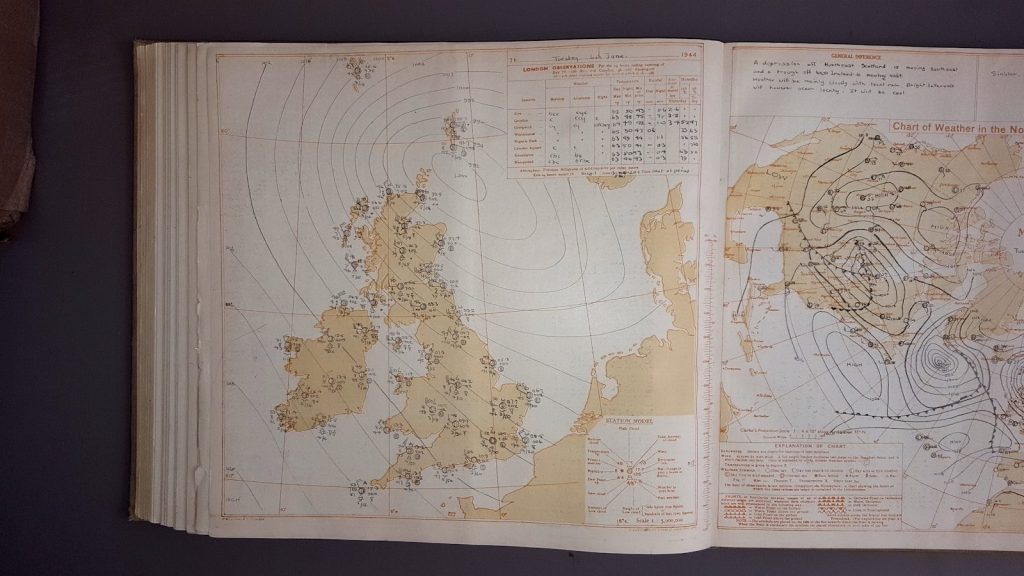
    political map book page
    Photo by NOAA on Unsplash

    One of the greatest mysteries is the Piri Reis map from 1513. It appears to show the coastline of Antarctica without any ice. For centuries, historians thought it was a mistake. But modern sub-glacial scans prove the map is incredibly accurate. This suggests that a lost civilization might have explored the continent before it froze. We are looking at a history that our textbooks haven’t even written yet. But what did they find in the mud?

    Fossilized Forests in the Frozen Desert

    a piece of wood that is brown and black
    Photo by Aditya Ghodke on Unsplash

    In 2026, drilling teams pulled up soil samples containing tree roots from 90 million years ago. This proves that Antarctica was once covered in temperate rainforests. Giant reptiles and early mammals once roamed these woods. We are realizing that the South Pole was the “central station” for life on Earth before the continents drifted apart. It was a bridge between the Americas and Australia. But the ice is now telling a secret about our future.

    The Ghost Mountains of the South Pole

    Snow-covered mountains with pine trees below.
    Photo by Ahmet Yüksek ✪ on Unsplash

    Deep inside the ice sheet, there is a mountain range the size of the Alps. They are “pristine” peaks that have been protected from wind and rain by the ice for eons. Scientists believe these mountains hold the secret to how the Ice Age actually began. But the real surprise is the water flowing beneath them. There are over 400 liquid lakes buried under the ice. Some could house “alien” life forms. But could a human city be down there?

    The Mystery of the Anomalous Heat Spots

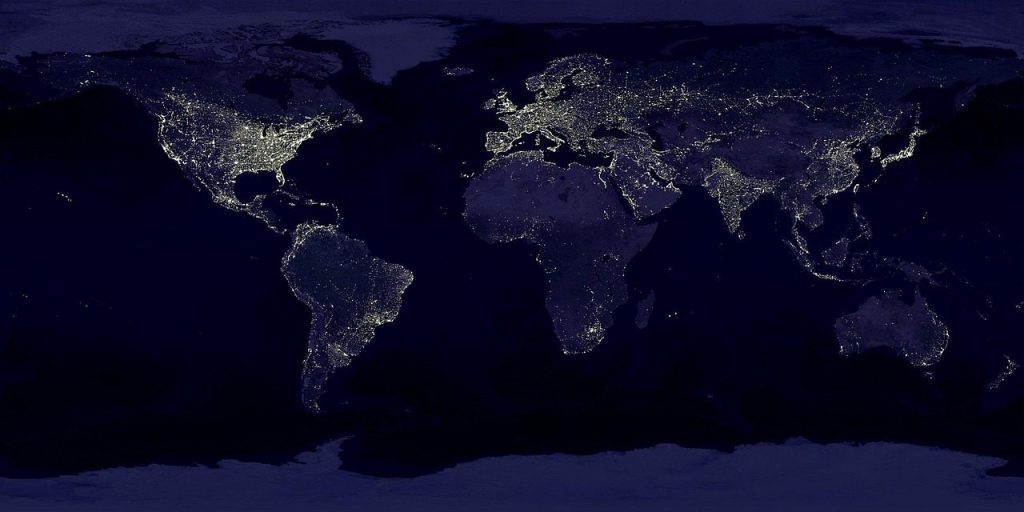
    earth, continents, land, satellite map, night
    Photo by WikiImages on Pixabay

    Satellite scans have picked up “heat anomalies” deep beneath the ice. While some are volcanoes, others have a shape that looks suspiciously geometric. Some researchers whisper about “buried structures” that generate their own heat. While the mainstream scientific world is skeptical, the data is hard to ignore. We are essentially living on top of a giant pressure cooker. What happens if these “civilization sites” are revealed as the ice melts?

    The “Time Machine” Trapped in Air Bubbles

    Close-up of trapped air bubbles in ice creating a unique texture.
    Photo by Colour Zony on Pexels

    Every time snow falls, it traps a tiny bit of the atmosphere. By drilling deep into the “lost continent,” scientists can “breathe the air from 800,000 years ago. This ice core data is the most accurate record of our planet’s history. It shows us exactly how much the world has changed. It is a biological ledger of our world’s health. But wait until you see the “red waterfall” that looks like blood.

    Blood Falls and the Iron Secret

    a large waterfall is coming out of the side of a cliff
    Photo by Geronimo Giqueaux on Unsplash

    In the McMurdo Dry Valleys, a glacier is “bleeding.” This is Blood Falls. For a long time, we thought it was algae. However, the 2026 data shows it is saltwater rich in iron from a reservoir that hasn’t seen oxygen in two million years. It “rusts” instantly when it hits the air. This prehistoric soup contains microbes that survive without sunlight. It is the blueprint for how life might exist on other planets. But is the continent about to wake up?

    The Final Countdown for the Lost Continent

    ice berg beside river
    Photo by Annie Spratt on Unsplash

    The race is on to map every inch of the lost continent before the melting accelerates. We are finding that Antarctica is more than just a block of ice; it is a vital organ for our planet. The secrets hidden in the mud could save our future or warn us of our end. It is a story of a world that was, and a world that could be again. But are you ready for the truth about the Library of Alexandria?

    Featured Image: Photo by Jota Van Deiri on Unsplash

  • Why Your Smartphone-Optimized Brain Is Threatening to Fail Standards

    Why Your Smartphone-Optimized Brain Is Threatening to Fail Standards

    For decades, human intelligence has been steadily rising. But in 2026, the trend has officially pulled a U-turn. New data shows that average IQ scores in developed nations are dropping. Scientists call this the “Reverse Flynn Effect,” and the primary suspect is sitting in your pocket. Our brains are becoming “Smartphone-Optimized.” We are moving from deep thinkers to quick skimmers.

    Researchers find that our constant reliance on technology is physically changing how our brains work. We are losing the ability to pay attention for more than a few seconds. This shift is changing everything from how we solve problems to how we feel empathy. The scariest part isn’t the score—it’s what is happening to our “Deep Work” capability. Your phone is acting like a literal brain drain. But wait until you see the end of the deep thinking era.

    The End of the Deep Thinking Era

    a room with a book shelf and a door
    Photo by Peter Herrmann on Unsplash

    Our brains are designed to focus on one thing at a time. However, the digital age has trained us to multitask constantly. Studies show that the notifications on our phones release dopamine that keeps us in a state of shallow focus. This prevents the brain from entering the state needed for high-level intelligence. We are essentially trading our long-term IQ for instant gratification. But is the problem hidden in our very vocabulary?

    The Shrinking World of Human Language

    a large number of different type of letters
    Photo by Da Nina on Unsplash

    Intelligence is closely tied to the complexity of our language. As IQ scores drop, scientists notice that the average person’s vocabulary is also shrinking. We use fewer unique words and more emojis to talk. This makes it harder to express complex ideas or understand nuanced arguments. We are losing the tools we need to describe the world. It is a “Cognitive Standard” failure that is happening in real-time. But how does your memory fit into this?

    Why You No Longer Remember Phone Numbers

    a computer chip in the shape of a human head
    Photo by Steve A Johnson on Unsplash

    This is known as “Digital Amnesia.” Because we know our phones can store every name, date, and number, our brains decide they don’t need to remember them. We are “offloading” our memory to the cloud. While this is convenient, it means the physical structures in our brain responsible for memory are shrinking from lack of use. We are becoming “Brain-Lite” versions of ourselves. But the social cost is even higher than the memory loss.

    The Death of Cognitive Empathy

    a statue of a man with his hands on his face
    Photo by Tommaso Curre on Unsplash

    Empathy requires the ability to read subtle facial expressions and tone of voice. When we communicate mostly through screens, we lose that practice. The 2026 data confirms a massive drop in “Social Intelligence” among heavy smartphone users. We are becoming less patient and more easily frustrated with real humans. It is a biological shift that is making our society more divided. But can we actually “up-skill” our intelligence back to normal?

    Reclaiming Your Mental Power

    Woman meditating peacefully on a tree trunk in vibrant forest surroundings.
    Photo by PNW Production on Pexels

    The good news is that the brain is plastic. We can improve our focus by changing our habits. Simple acts like reading physical books or spending time in nature can help “re-wire” the brain. We are seeing a movement of people “unplugging” to reclaim their mental energy. It is a fight for the most valuable resource we have—our minds. We have to decide if we want to be the masters of our tools or the subjects of them. But wait until you see the “Digital Dementia” affecting children.

    The Rise of Digital Dementia in Kids

    a person lying on a bed with a tablet
    Photo by Maxim Tolchinskiy on Unsplash

    Pediatricians are warning about “Digital Dementia” in youth. Because children use screens for everything, they aren’t developing spatial awareness or fine motor skills. Their brains are wiring themselves for a two-dimensional world. This leads to a drop in overall cognitive flexibility. It is a biological shift that we are just beginning to understand. We are conducting a global experiment on the next generation. But what is the final verdict on our tech?

    The Future of the Optimized Human

    Two individuals interact with digital interfaces in a colorful futuristic setting.
    Photo by Michelangelo Buonarroti on Pexels

    Are we destined to get dumber, or will we find a way to adapt? The 2026 IQ data is a wake-up call. It is time to rethink how we live and use our technology. We have the power to stay sharp, but it requires a conscious effort. The journey to a smarter future starts with a single step away from the screen. But are you ready for the secret civilization hiding beneath the Antarctic ice?

    The Countdown to a Cognitive Reset

    analog clock
    Photo by Moritz Kindler on Unsplash

    The clock is ticking for our intelligence. We are at a turning point where we must choose between the ease of the algorithm and the strength of the human mind. The choices we make today will define the humans of tomorrow. Stay curious, stay focused, and keep looking for the real connection in your own backyard. The world is changing fast, and the best is yet to come.

    Featured Image: Photo by SHVETS production on Pexels

  • Why Everything You Taught About “Mandela Effect” Is Psychologically Wrong

    Why Everything You Taught About “Mandela Effect” Is Psychologically Wrong

    Have you ever been 100 percent sure of a memory only to find out it never happened? This is called the “Mandela Effect.” Many people believe it is proof of parallel universes or glitches in the matrix. They think someone is changing the past. But in 2026, psychologists are revealing a much more grounded truth. The Mandela Effect isn’t a cosmic error; it’s a manufacturing flaw in the human brain.

    We rely on our memories to tell us what is real. However, science is proving that our minds rewrite history every single day. We don’t record the world like a camera; we reconstruct it like a puzzle. When a piece is missing, our brain just makes one up. This shift in thinking is changing how we view our own reality. But how can thousands of people have the exact same wrong memory?

    The Trap of Collective Confabulation

    a group of people standing in a foggy area
    Photo by Mitya Ivanov on Unsplash

    The biggest mystery is why we all make the same mistake. Psychologists call this “Collective Confabulation.” Our brains are designed to follow the easiest path. If a “fact” sounds right, we accept it. When we hear others mention the same wrong detail, our brain “updates” our memory to match theirs. We essentially peer-pressure our own neurons into changing history. It happens in the blink of an eye. But wait until you see the “branding” trick that started it all.

    The Monopoly Man and Missing Accessories

    table, glassware, cutlery, nature, silverware, stemware, dining table, dinner table, table setting, table set-up, dinner, luxury, restaurant, sunset
    Photo by JoelFazhari on Pixabay

    Think of the Monopoly man right now. He has a monocle, right? Actually, he has never worn one. This is a classic example of “Schema Error.” Because we associate top hats and wealth with monocles, our brain “fills in” the glass to complete the image. We aren’t seeing a glitch; we are seeing our brain being “efficient.” It is a mental shortcut that costs us the truth. But movies are even better at lying to our faces.

    Darth Vader Never Said That Line

    A close up of a red light in the dark
    Photo by Brandon Griggs on Unsplash

    “Luke, I am your father” is the most famous quote in cinema. Except the real line is “No, I am your father.” We have misquoted it for decades because the “wrong” version makes more sense out of context. Our brain prefers the version that is easier to remember. Over time, the popular version replaces the real one in our collective consciousness. It proves that fame is more powerful than facts. But wait until you see the fruit on your shirt.

    The Cornucopia That Never Existed

    a basket filled with fruit sitting on top of a wooden bench
    Photo by Buhai Alexandru Constantin on Unsplash

    The Fruit of the Loom logo is famous for its grapes and apples. Most people remember a large basket called a cornucopia behind them. However, the company says they never used one. This is the “Visual Priming” effect. Because we often see fruit and cornucopias together in art, our brains assume they are both present. We are literally hallucinating a logo that never was. But there is a deeper reason why we hate being wrong.

    Why Our Brains Fight the Truth

    A man sitting in front of a laptop computer
    Photo by Sebastian Herrmann on Unsplash

    When we find out we are wrong about a memory, it creates “Cognitive Dissonance.” It feels physically uncomfortable. To stop the pain, our brain comes up with wild theories like “Parallel Universes.” We would rather believe the entire universe was rewritten than admit our memory failed. This is why the Mandela Effect is so persistent. We are protecting our own ego from a simple mistake. But is the internet making our brains even more unreliable?

    The Feedback Loop of the Web

    a blue abstract background with lines and dots
    Photo by Conny Schneider on Unsplash

    The internet has turned the Mandela Effect into a global phenomenon. In the past, if you had a wrong memory, you just moved on. Now, you can find thousands of people on Reddit who agree with you. This creates a “Reinforcement Loop.” The more people say it’s true, the more real the false memory feels. We are building a digital world where facts don’t matter as much as feelings. But wait until you see what this is doing to our IQ.

    The End of the Memory Era

    Abstract head with colorful nature elements dissolving
    Photo by Merrilee Schultz on Unsplash

    We are entering an era where we no longer trust our own heads. The 2026 data shows that our reliance on search engines is making our internal memory even weaker. The Mandela Effect is just the first symptom of a “Digitized Brain.” We are moving from “knowing” things to “accessing” things. The journey to understand our minds is just beginning. But are you ready to see how your smartphone is actually changing your physical brain?

    Featured Image: Photo by Wiki Sinaloa on Unsplash

  • 6 hidden privacy clues to check before installing an app

    6 hidden privacy clues to check before installing an app

    A new app can look harmless at first glance. The icon is polished, the screenshots look useful, and the reviews may seem fine. But before tapping install, it is smart to slow down for a minute. Many apps ask for access to parts of your phone, such as your location, contacts, photos, camera, or microphone.

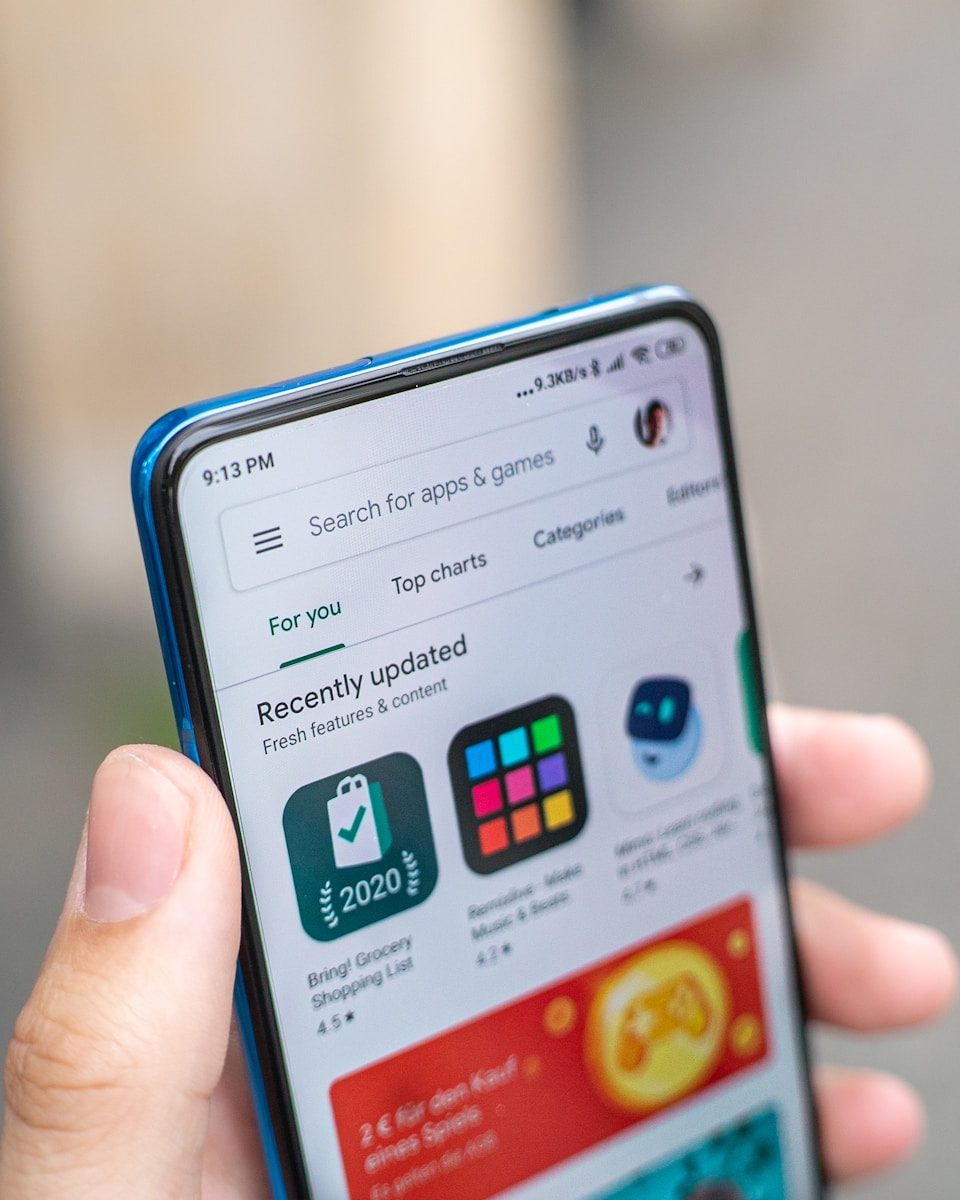
    The FTC says users should review app permissions and consider turning off access that an app does not really need. App stores also show privacy details, such as what data may be collected, shared, or linked to you. These small clues can help you spot apps that may ask for more than they should.

    Check the permission list

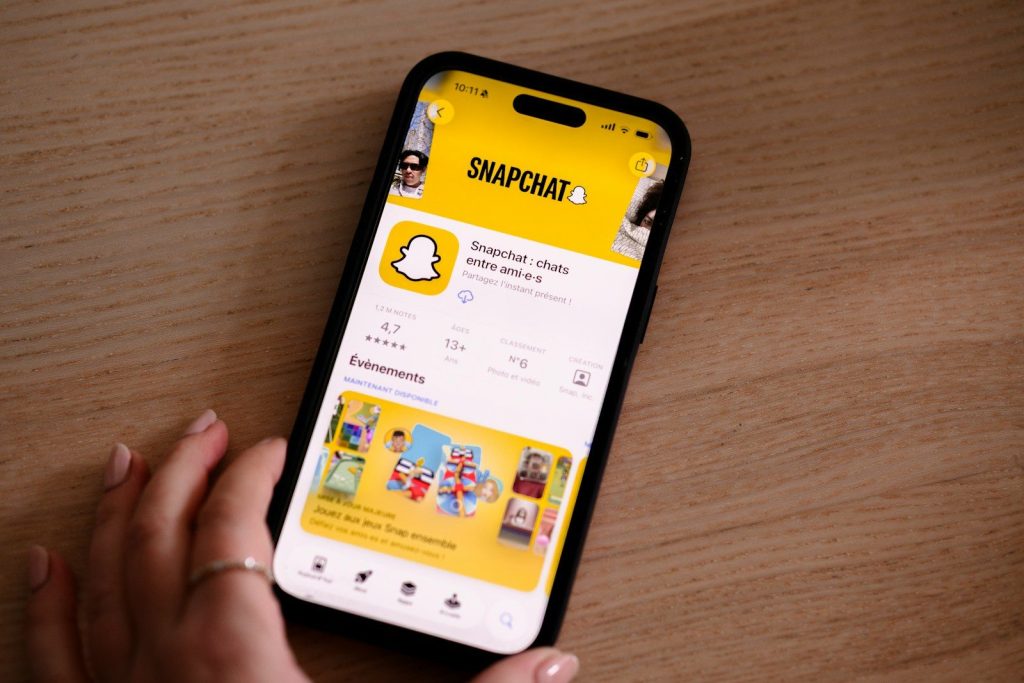
    iPhone displaying the snapchat app store page
    Photo by Swello on Unsplash

    Permissions are one of the fastest privacy clues to check. A weather app may need location access, but a simple flashlight, calculator, or wallpaper app should not need your contacts or microphone.

    Look for requests that feel bigger than the app’s main job. The FTC suggests turning off unnecessary permissions or deleting apps that ask for too much access. A good app should only need the tools that help it work.

    Read the data safety box

    Smartphone screen displaying the youtube app page.
    Photo by Zulfugar Karimov on Unsplash

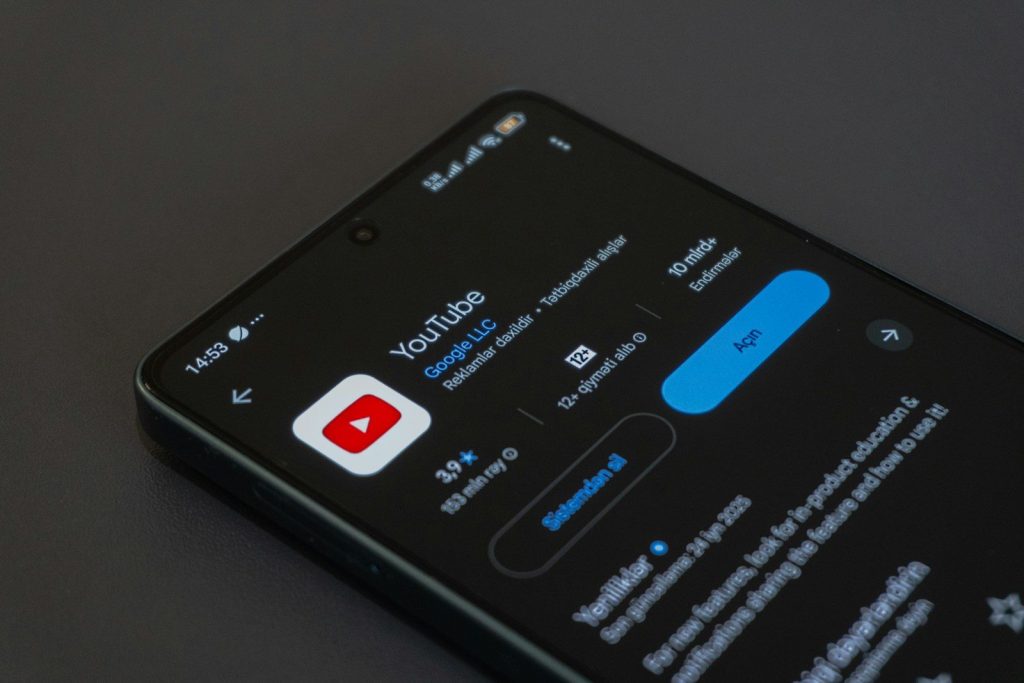
    On Google Play, the Data safety section explains how developers say their apps collect, share, and protect different types of data. It can show whether the app collects location, personal details, photos, files, or other information.

    Do not skip this box just because it looks boring. If a small app collects a long list of data, that is worth noticing. It does not always mean the app is unsafe, but it should make you pause.

    Look for tracking clues

    iphone xs on white table
    Photo by Nik on Unsplash

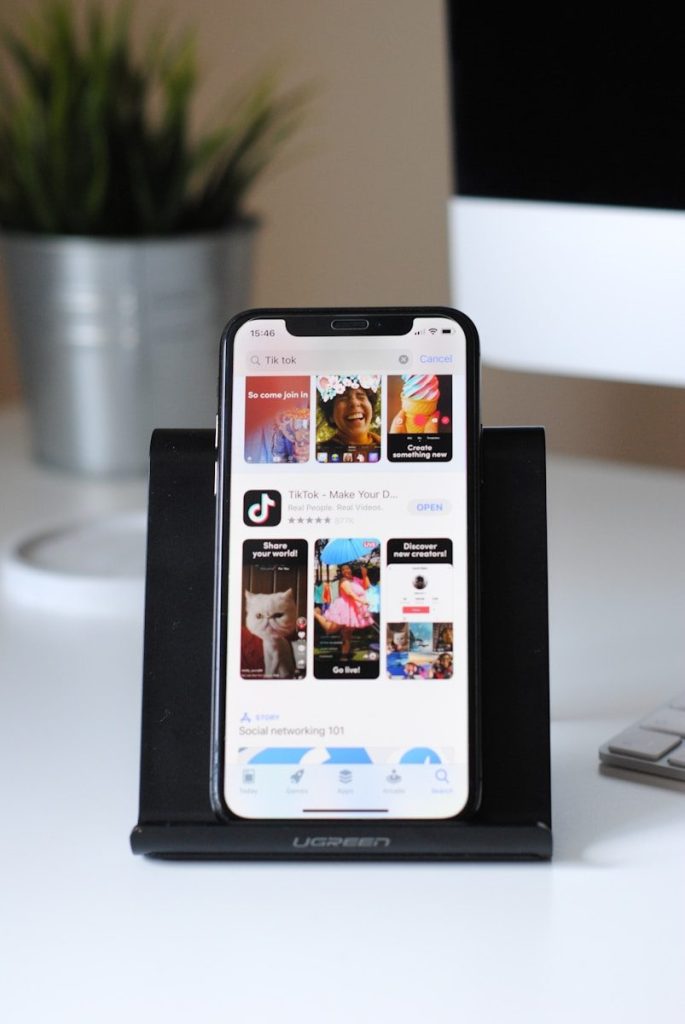
    Apple’s App Store privacy details are meant to help users understand what data an app collects and how that data may be used. These labels can show whether data may be linked to you or used for tracking.

    This matters because some apps may work fine without building a detailed profile about you. Before installing, check whether the app’s data use feels fair for what it offers. A simple tool should not feel like a data collector.

    Scan the privacy policy

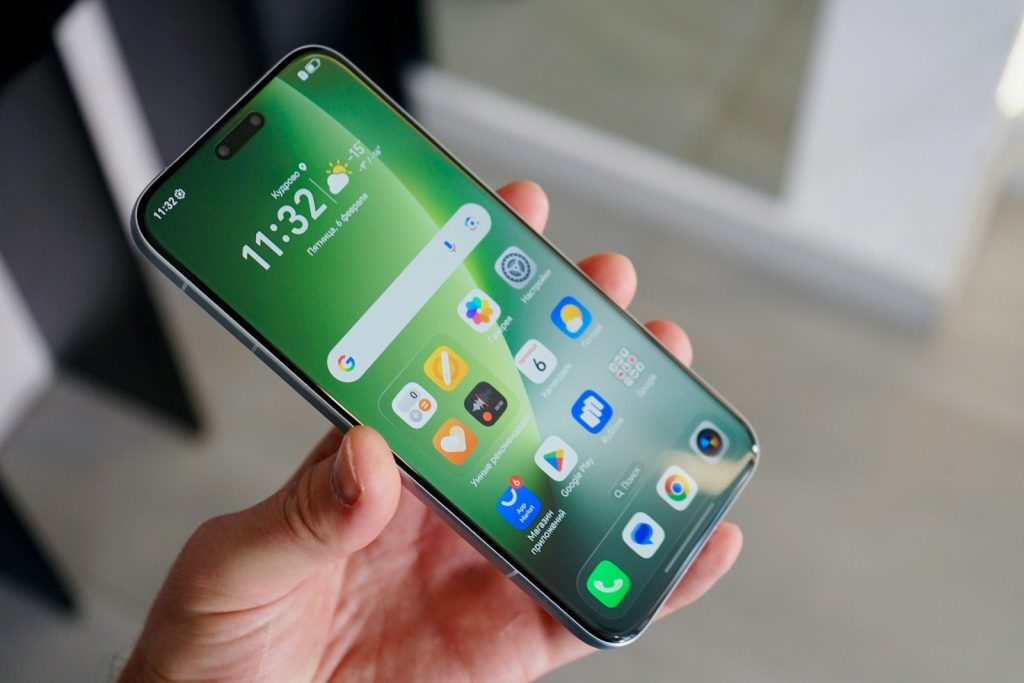
    Hand holding a modern smartphone with colorful app icons.
    Photo by Georgiy Lyamin on Unsplash

    A privacy policy can reveal how an app explains data collection, sharing, security, and user choices. The FTC reminds app makers that privacy promises should be clear and easy for users to understand.

    You do not need to read every legal line. Look for plain answers: what data is collected, why it is needed, who receives it, and how to contact the developer. Vague wording is a clue to be careful.

    Check the developer details

    A MacBook with lines of code on its screen on a busy desk
    Photo by Christopher Gower on Unsplash

    Before installing, look at who made the app. A developer with a clear name, working website, support contact, and other well-reviewed apps is easier to trust than one with almost no public details.

    Also check when the app was last updated. Apps that have not been updated in a long time may miss bug fixes, privacy improvements, or security changes. A steady update history can be a good sign.

    Study reviews with care

    a row of yellow stars sitting on top of a blue and pink surface
    Photo by Towfiqu barbhuiya on Unsplash

    Reviews can reveal privacy problems that the app listing does not highlight. Look for repeated complaints about surprise pop-ups, confusing permission requests, sign-in issues, or features that do not match the description.

    Do not rely only on the star rating. A high score can hide patterns if you never read the comments. A few thoughtful recent reviews are often more useful than hundreds of short, generic reactions.

  • How to make home Wi-Fi safer without being a tech expert

    How to make home Wi-Fi safer without being a tech expert

    Home Wi-Fi feels invisible until something goes wrong. It keeps your phones, laptops, TVs, tablets, smart speakers, and cameras connected all day. That is why a few basic router settings matter more than many people realize. You do not need to be a tech expert or understand every menu inside your router app. You just need to know which settings to check first.

    Trusted security groups give the same core advice: change default router logins, use strong Wi-Fi encryption, update router software, turn off risky convenience features, and create guest Wi-Fi when possible. CISA recommends WPA3 Personal, or WPA2 AES if WPA3 is not available. The FTC also recommends changing default settings, enabling encryption, and checking for updates.

    Change the default login

    blue and black iphone case
    Photo by Franck on Unsplash

    Your router has an admin login used to change settings. Many routers ship with default usernames or passwords, and those can be easy to find online.

    Change that admin login to something strong and unique. CISA says changing default router usernames and passwords is one of the main steps for safer home Wi-Fi, and the FTC recommends the same basic move.

    Use stronger Wi-Fi security

    wifi” by miniyo73 is licensed under CC BY-SA 2.0

    Wi-Fi encryption helps protect the data moving between your devices and your router. Without the right setting, your network can be easier for others nearby to target.

    Look for WPA3 Personal in your router settings. If your router does not offer it, CISA says WPA2 AES is the next good option. Avoid older settings when stronger ones are available.

    Update your router software

    white router on black table
    Photo by Compare Fibre on Unsplash

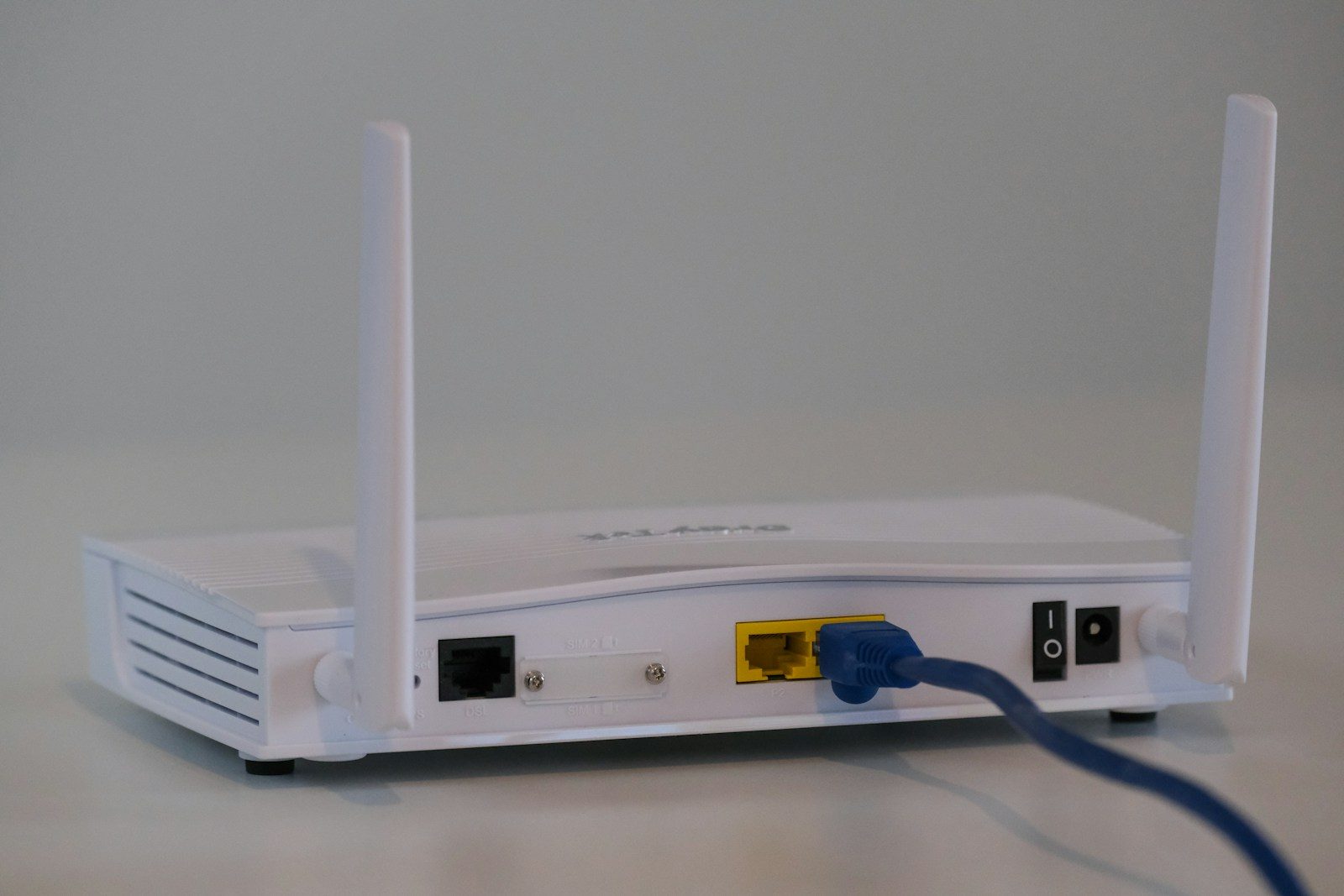
    Routers run software called firmware. Updates can fix security holes, improve stability, and keep the device working better over time.

    Open your router app or admin page and check for updates. CISA recommends updating router firmware regularly and turning on automatic updates if the option exists. The FTC also tells users to keep checking for hardware and software updates.

    Rename your network

    A person holding a cell phone in their hand
    Photo by Jakub Żerdzicki on Unsplash

    Your Wi-Fi name, also called the SSID, should not reveal too much. A default name may show the router brand or model, which can give away clues about your setup.

    Pick a simple name that does not include your full name, address, router brand, or personal details. CISA recommends changing the default SSID as part of safer wireless network setup.

    Turn off risky shortcuts

    a couple of routers sitting on top of a table
    Photo by TechieTech Tech on Unsplash

    Some router features are made for convenience, but many homes do not need them. Remote management, WPS, and UPnP can create extra openings if left on without a clear reason.

    CISA recommends disabling remote management, WPS setup, and UPnP. If everything still works after turning them off, you have made your network a little less exposed without doing anything complicated.

    Set up guest Wi-Fi

    person using phone and laptop
    Photo by Austin Distel on Unsplash

    A guest network lets visitors use the internet without joining the same network as your personal devices. It can also be useful for smart home gadgets that do not need access to your main laptop or phone.

    CISA recommends creating guest Wi-Fi for a safer home setup. Keep it protected with its own strong password, and only share that password with people who actually need it.

  • Why iPhone battery health changes over time

    Why iPhone battery health changes over time

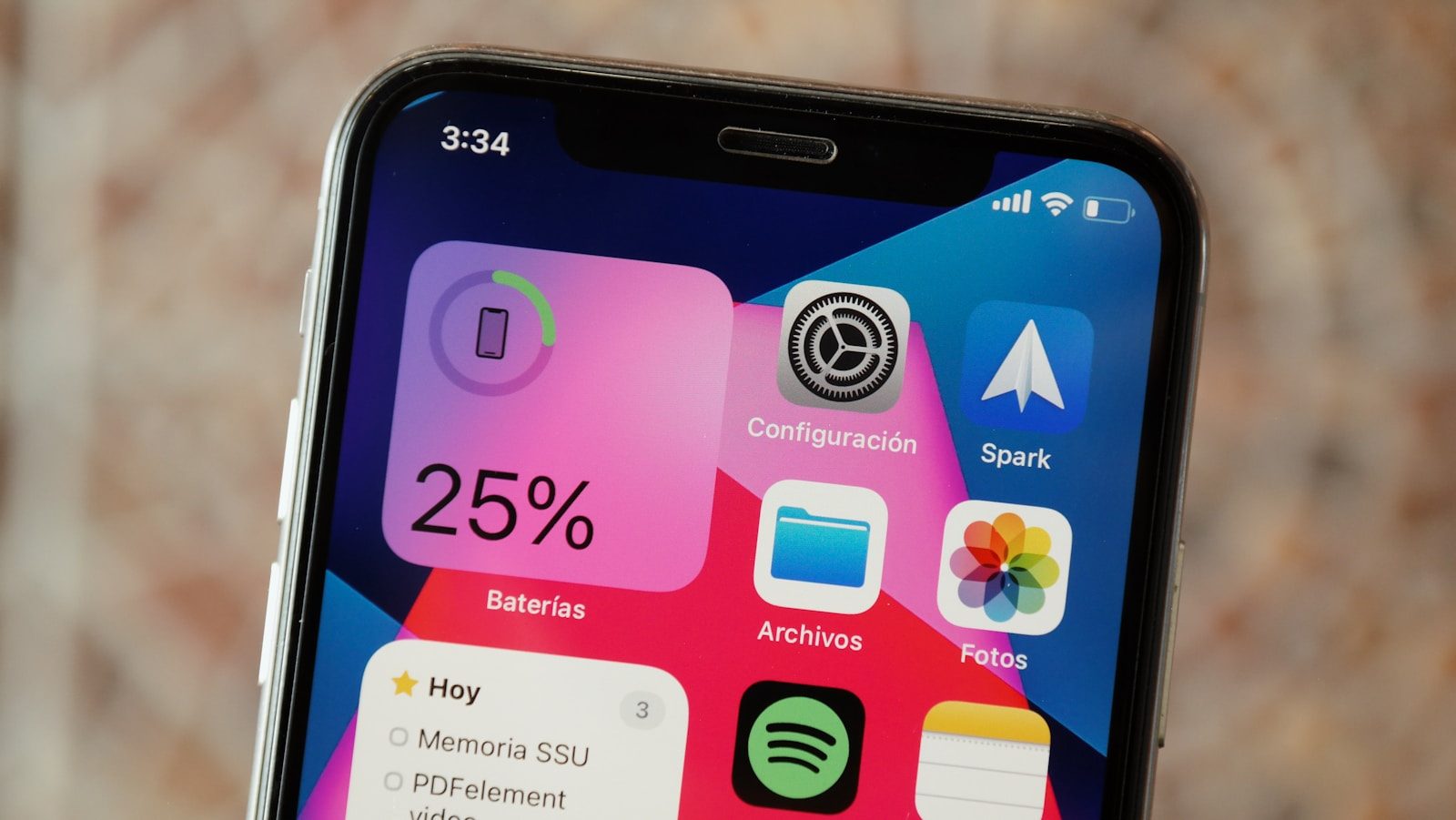
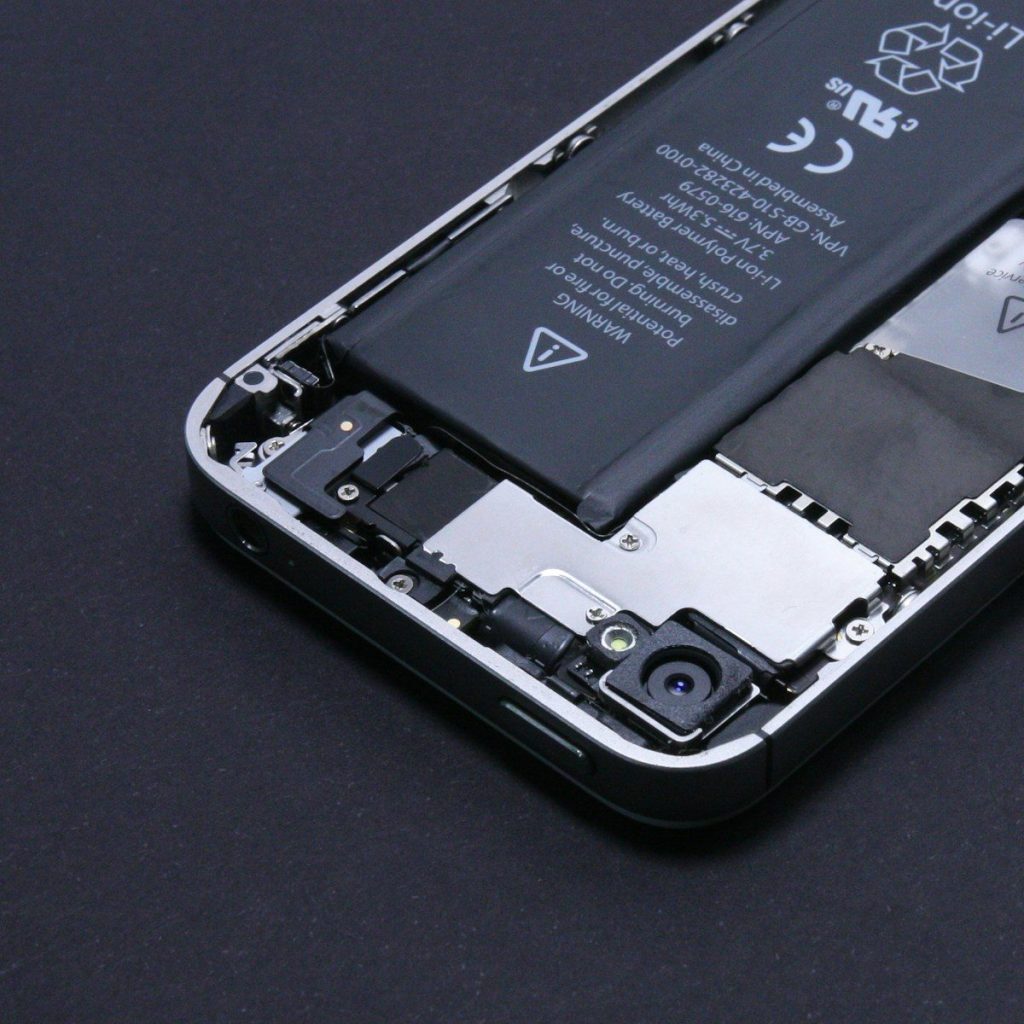
    Your iPhone battery health can feel a little mysterious. One month it looks fine, and later the maximum capacity number has slipped. That does not always mean something is wrong. iPhones use lithium-ion batteries, and those batteries naturally age as they are charged, used, exposed to heat, and asked to power daily tasks. Apple says chemical aging reduces how much charge a battery can hold, which can affect battery life and peak performance.

    The good news is that battery aging is normal and manageable. You cannot stop it completely, but you can understand why it happens. Heat, full charging time, charge cycles, software behavior, and everyday use all play a part. Once you know the reasons, the battery health number becomes less scary and more useful.

    Battery aging is normal

    Close-up of a smartphone charging on a laptop. Ideal for tech themes.
    Photo by Szabó Viktor on Pexels

    Every rechargeable battery wears down with use. Inside an iPhone, the battery stores and releases energy through chemical reactions. Over time, those reactions become less efficient, so the battery cannot hold as much charge as it did when new.

    That is why maximum capacity slowly drops. Apple explains that lithium-ion batteries chemically age, and this can lead to shorter battery life and reduced peak performance. It is a normal part of owning a phone, not always a sign of damage.

    Charge cycles add up

    Teenage boy holds a smartphone displaying low battery outdoors in a forest.
    Photo by Ron Lach on Pexels

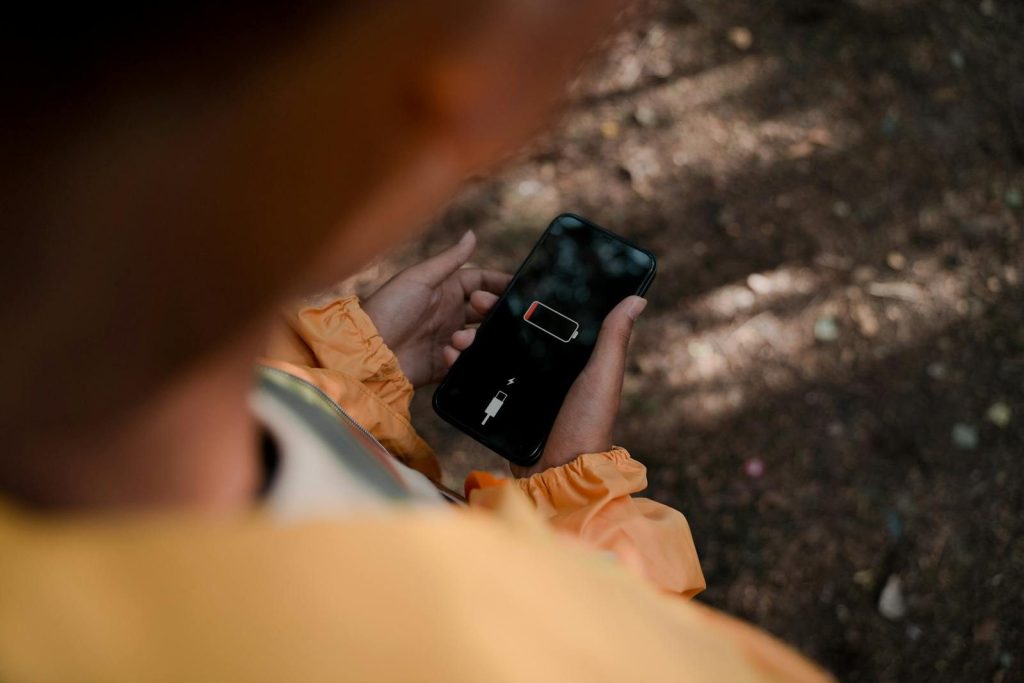
    A charge cycle does not mean plugging in once. It means using an amount equal to 100% of the battery’s capacity. For example, using 50% one day and 50% the next can count as one full cycle.

    Apple says iPhone 14 models and earlier are designed to retain 80% of original capacity at 500 complete charge cycles under ideal conditions. iPhone 15 models and later are designed for 80% at 1,000 complete cycles under ideal conditions.

    Heat speeds up wear

    a hand holding a smart phone
    Photo by Matúš Gocman on Unsplash

    Heat can make battery health fall faster. Apple warns that exposing a device to temperatures above 95°F can permanently reduce battery capacity. That means the phone may not run as long between charges later.

    This can happen in simple ways. Leaving an iPhone in a hot car, charging it under a pillow, or using heavy apps while it is already warm can add stress. Keeping it cooler is one of the easiest battery habits.

    Full charge time matters

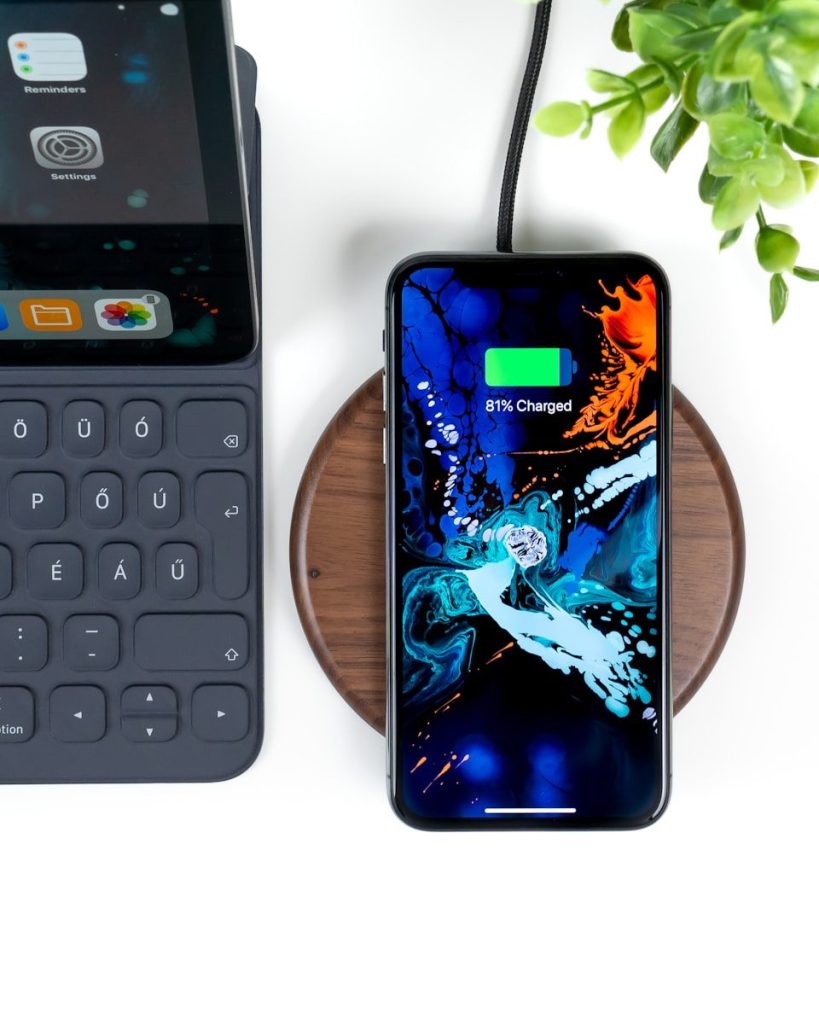
    smartphone on wireless charging case at 83 percent charge
    Photo by Daniel Korpai on Unsplash

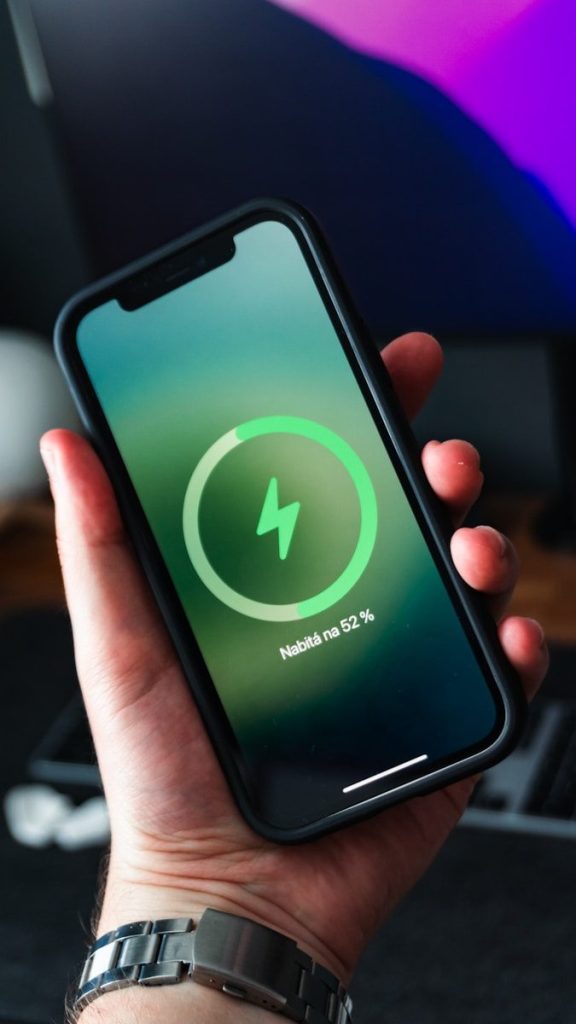
    Charging to 100% is not bad when you need a full day of use. Still, spending lots of time fully charged can add wear over time, especially when the phone also gets warm.

    That is why Apple offers Optimized Battery Charging. Apple says it is designed to reduce battery wear by reducing the time an iPhone spends fully charged. The phone can pause charging around 80% and finish later based on your routine.

    Daily use changes capacity

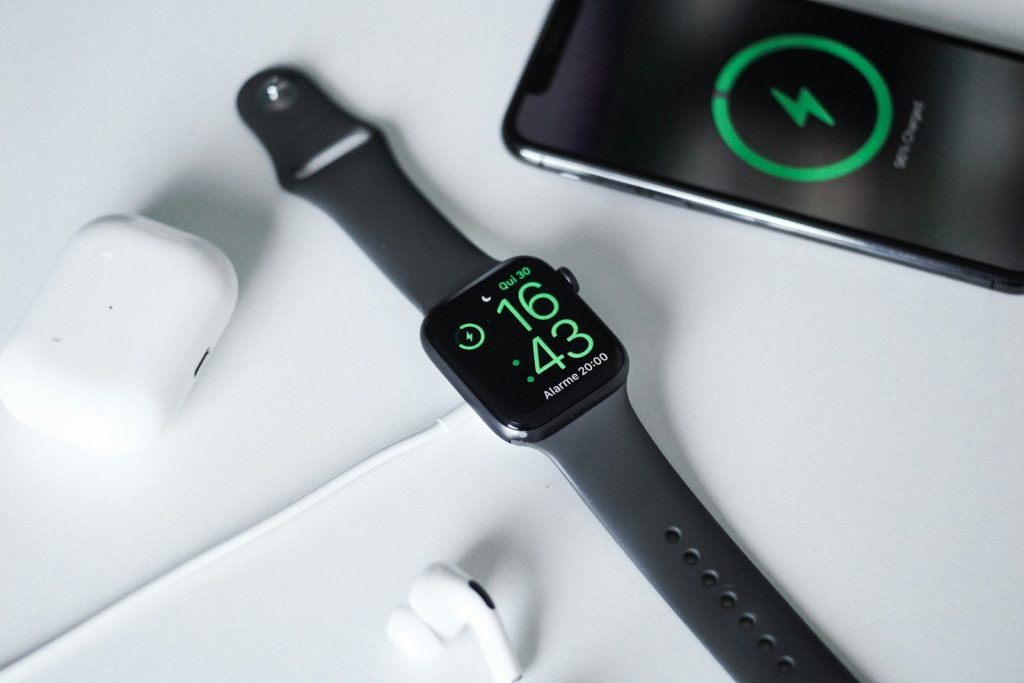
    a close-up of a smart watch
    Photo by Victor Carvalho on Unsplash

    Your iPhone battery works harder when the phone is doing more. Bright screens, navigation, video, gaming, weak signal areas, and background activity can all use power quickly during the day.

    Heavy use does not instantly ruin the battery, but it can lead to more charging and more cycles over time. That is why two people can buy the same iPhone and see battery health change at different speeds.

    Software can affect drain

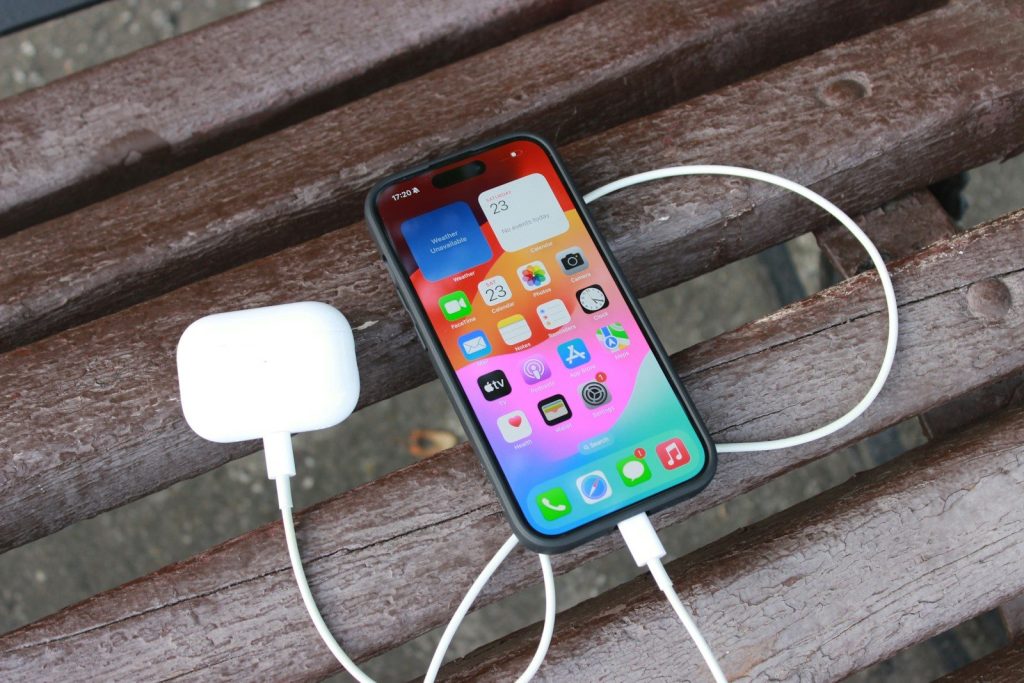
    a cell phone hooked up to a charger on a bench
    Photo by Sophia Stark on Unsplash

    Sometimes battery life feels worse after an update, new app, or settings change. That does not always mean battery health suddenly dropped. The phone may be organizing files, syncing data, or letting apps refresh in the background.

    Battery Health shows long-term capacity, while daily battery drain can change for many reasons. Checking battery settings can help you spot apps using more power than expected and adjust them before blaming the battery itself.

    Replacement is part of ownership

    black and white smartphone case
    Photo by Auguras Pipiras on Unsplash

    A lower battery health number does not mean the iPhone is finished. It usually means the battery is aging, and at some point, replacing the battery may make the phone feel better again.

    Apple says its one-year warranty includes service coverage for a defective battery, with additional rights depending on local laws. Out-of-warranty battery service is also available, with prices and terms varying by device and region.