Blog

  • The Surprising New Signs Of Microbial Life On The Moon

    The Surprising New Signs Of Microbial Life On The Moon

    Most space lovers assume that the moon is a completely sterile and dead world. We believe that its harsh radiation and freezing vacuum destroy any biological possibilities.

    But a series of unexpected planetary discoveries suggests a different cosmic reality. Advanced scientific data points to microscopic life surviving in deep lunar shadows.

    Ice In The Shadows
    brown sand with water during daytime
    Photo by Francesco Ungaro on Unsplash

    Deep inside polar craters that never receive sunlight lie vast deposits of ancient water ice. According to reports from NASA, these frozen reserves could contain highly resilient biological compounds. They are completely frozen. This absolute dark zone blocks lethal solar radiation and preserves whatever gets trapped inside. But the origins of this lunar water might go much deeper than we realized.

    Cosmic Seed Delivery

    an artist's rendering of an exoplaned planet
    Photo by Andrej Sachov on Unsplash

    Comets crashing into the lunar surface over billions of years have deposited complex organic molecules. According to planetary geologists, these icy space rocks act as natural delivery vehicles for the building blocks of life. The impact is violent. Yet the frozen deep craters preserve these carbon mixtures perfectly over vast epochs. But some researchers believe these space seeds could actually be awake.

    Surviving Extreme Limits

    person in white long sleeve shirt holding blue ceramic plate with brown soup
    Photo by Adrian Lange on Unsplash

    Certain microscopic organisms on Earth can survive inside the most hostile environments imaginable. According to microbiological studies, extreme bacteria known as extremophiles can endure the intense vacuum of outer space. They are incredibly tough. These tiny creatures go into a deep sleep state until conditions improve. But proving this cellular survival on the moon requires searching in highly specific locations.

    Hidden Underground Tubes
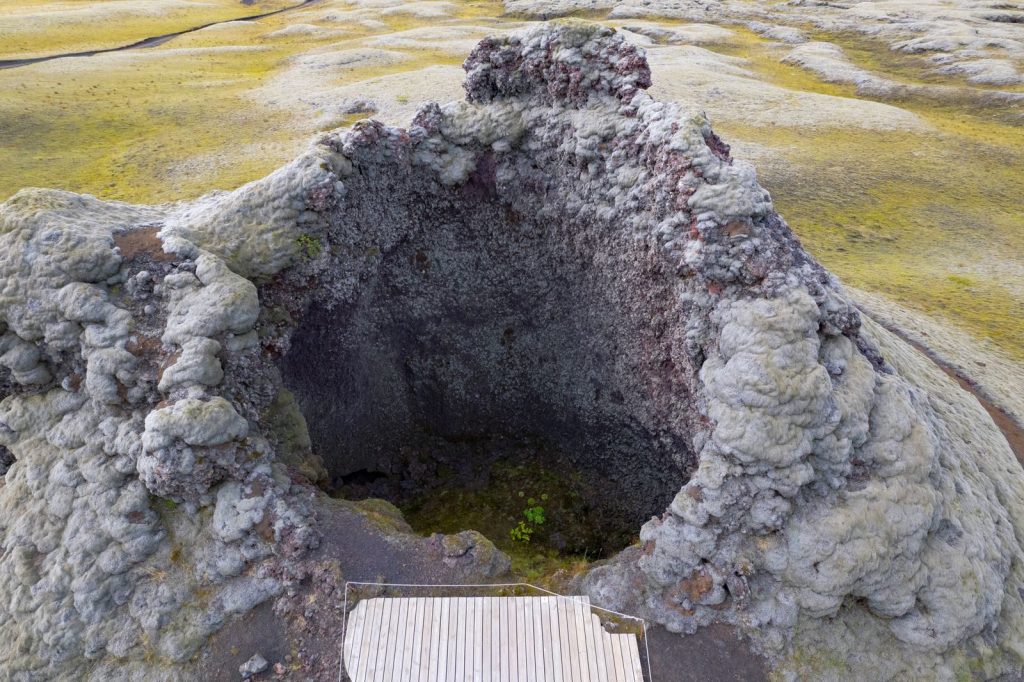
    A moss-covered spatter cone in Skaftárhreppur, Iceland's volcanic landscape.
    Photo by Gylfi Gylfason on Pexels

    Ancient volcanic activity on the moon left behind a massive network of empty lava tubes. According to space agency models, these underground caves offer perfect shelter from extreme surface temperatures. They are highly protective. Inside these stone tunnels, the environment remains remarkably stable compared to the dusty plains above. But this underground shield might be hiding an active heat source.

    Warm Lunar Pockets
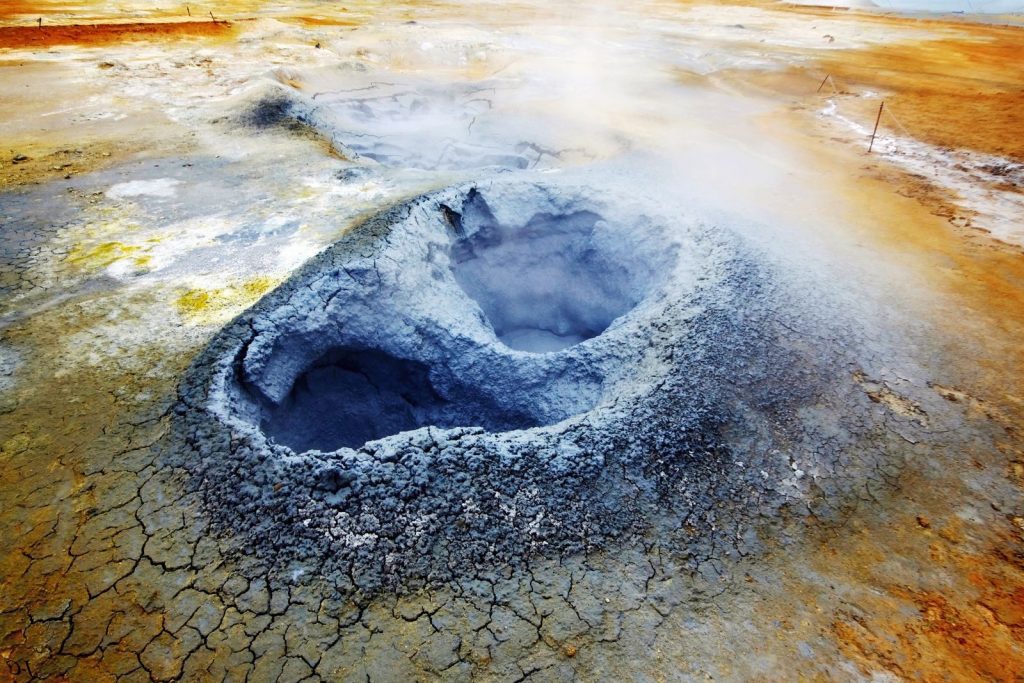
    A captivating geothermal landscape featuring a steaming hot spring with vibrant colors and geological formations.
    Photo by Mélanie Mélasse on Pexels

    Recent thermal measurements suggest that some underground cavities might retain subtle amounts of internal heat. According to geophysical data, weak geothermal energy could prevent water from freezing solid in these deep spaces. The warmth is faint. This mild environment could theoretically support the survival of basic microbial colonies in the dark. But capturing real evidence of this life remains a massive struggle.

    Robotic Drilling Missions
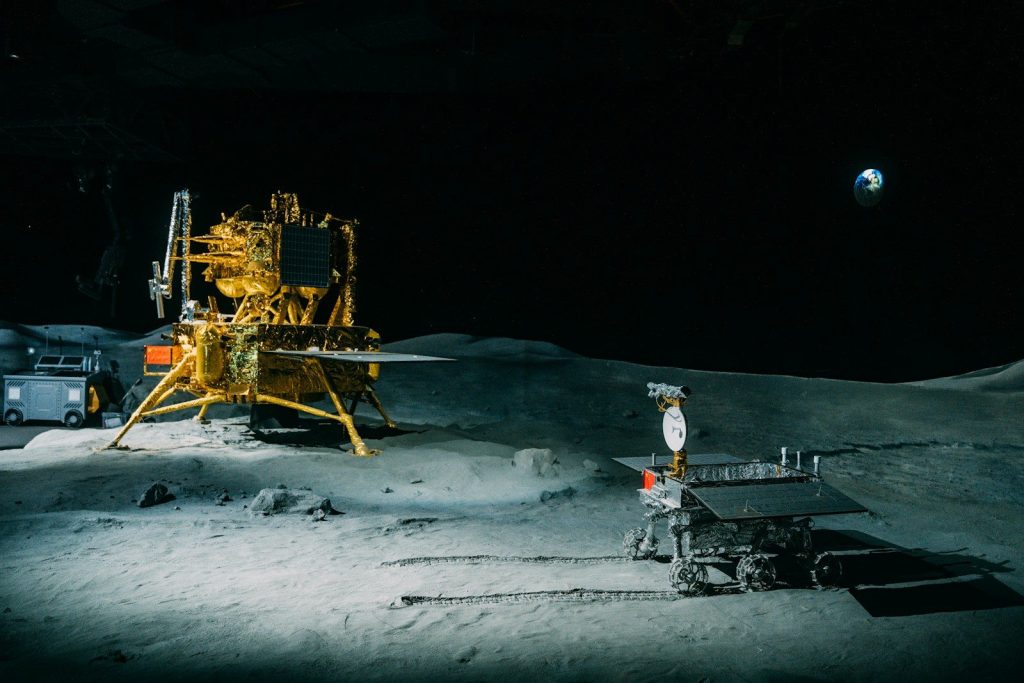
    an image of a space station on the moon
    Photo by Jack Dong on Unsplash

    Space agencies are currently designing advanced rovers to drill deep into the polar ice caps. According to mission planners, these robotic explorers will collect clean subsurface samples to scan for organic markers. The race is on. Discovering even fossilized signs of ancient cells would change our entire understanding of biology. But this cosmic search is also raising some serious ethical concerns.

    Protecting Outer Space

    Individual in protective gear disinfecting workplace with spray bottle
    Photo by Matilda Wormwood on Pexels

    Human explorers risk accidentally carrying Earth bacteria to the moon and contaminating pristine alien ecosystems. According to space preservation guidelines, keeping robotic probes perfectly sterile is absolutely vital for accurate science. The danger is real. A single stray microbe could ruin decades of planetary research. But the final answer to this lunar mystery is closer than you think.

    A New Frontier

    a full moon in the dark sky with stars
    Photo by danilo.alvesd on Unsplash

    The search for life on the moon is redefining our place in the solar system. According to astrobiologists, finding microorganisms on our closest neighbor proves that biology is a universal force. Nature holds many surprises. This article is for informational purposes only.

    Featured Image: Photo by Sheken Astro on Pexels

  • How An Unexpected Creative Hobby Rewrites The Aging Brain

    How An Unexpected Creative Hobby Rewrites The Aging Brain

    Most adults assume that brain decline is an inevitable part of growing older. We believe that aging minds simply lose their mental sharpness over time.

    But a surprising creative activity is challenging this neurological rule. Scientists have discovered that learning this skill can actively build new mental pathways.

    Inside The Brain Labs

    Intricate MRI brain scan displayed on a computer screen for medical analysis and diagnosis.
    Photo by MART PRODUCTION on Pexels

    Researchers studying cognitive decline decided to look closely at how the mature brain adapts. According to a study by the Mayo Clinic, older adults who engage in creative crafts show a massive reduction in memory loss risk. The results were clear. This mental boost comes from forcing different regions of your head to communicate in fresh ways. But this neural spark is just the beginning.

    Shifting Mental Pathways

    Creative abstract art featuring vibrant fluid lines and colors on a dark background.
    Photo by Landiva Weber on Pexels

    Working with your hands triggers a unique process called neuroplasticity. According to neurological reports, complex manual activities force the brain to rewire its biological connections. It is highly active. This continuous wiring helps to shield delicate brain cells from typical age-related wear. But one specific artistic hobby seems to deliver the most powerful results.

    The Pottery Revolution

    Hands shaping clay on a potter's wheel, focusing on craftsmanship and creativity.
    Photo by Anastasia Shuraeva on Pexels

    Learning to mold clay requires a highly complex combination of senses. According to sensory scientists, the dual focus on touch and visual planning stimulates deep emotional centers. It requires extreme focus. This deep engagement keeps your mind locked in the present moment while exercising spatial coordination. But this hands-on pottery process impacts your chemistry in another surprising way.

    Fighting Chronic Stress

    black and blue paint brush on brown wooden chopping board
    Photo by Thandy Yung on Unsplash

    Repetitive physical motions can dramatically reduce the flow of toxic stress chemicals. According to health surveys, cortisol levels drop significantly when people are fully immersed in crafting. The relief is instant. Lowering these chemical markers is vital because long-term stress is known to damage memory centers. But this creative escape also changes how we process daily information.

    Building Cognitive Reserve

    A close up of a blue brain model
    Photo by Nick Design on Unsplash

    Encountering fresh challenges during art projects acts like a weight workout for your gray matter. According to cognitive experts, this mental heavy lifting builds a robust cognitive reserve. It serves as a backup. This secondary storage system helps your mind stay highly functional even when facing physical changes. But this creative mental shield does more than protect your personal memories.

    Connecting With Others

    man sitting beside two women
    Photo by Sincerely Media on Unsplash

    Participating in group craft classes introduces a vital element of social interaction. According to psychological research, sharing creative projects with peers combats the dangerous impacts of isolation. It feels deeply rewarding. This active social engagement works alongside the mental exercise to keep your thinking incredibly sharp. But the ultimate impact of this simple habit will surprise you.

    Shaping Tomorrow Mind

    brown wooden dock near ocean during daytime
    Photo by Mikkel Jönck Schmidt on Unsplash

    Taking up a hands-on creative hobby is one of the most effective ways to preserve your mental independence. According to cognitive aging specialists, keeping your mind active with clay or paint preserves your lifestyle for years to come. Healthy habits shield biology. This article is for informational purposes only and does not constitute professional medical advice.

    Featured Image: Photo by Kampus Production on Pexels

  • The Bizarre Chemistry of Charging Your Phone Overnight

    The Bizarre Chemistry of Charging Your Phone Overnight

    Most portable device owners assume that leaving a phone plugged in overnight is completely harmless. We believe modern chargers simply shut off the power once the battery is full.

    But keeping your device connected to a power source for hours triggers a destructive chemical cycle. Materials science researchers have discovered that this simple habit slowly decays your hardware from within.

    The Lithium Battery Grid

    Abstract visualization of futuristic digital technology with layered components in dynamic 3D rendering.
    Photo by Google DeepMind on Pexels

    Modern phone batteries operate through the constant movement of lithium ions between internal chemical layers. According to electrochemists, these ions flow smoothly when the battery stays in a balanced state of charge. Balance is essential. Forcing the cell to hold a maximum voltage state for hours creates a high-pressure zone inside the hardware. But this internal chemical tension is only the start of the issue.

    Microscopic Internal Cracking

    Detailed image of microchip components viewed through a microscope lens.
    Photo by Tima Miroshnichenko on Pexels
    Maintaining maximum voltage over long periods forces the lithium layers to expand and contract unevenly. According to materials science studies, this uneven physical movement causes microscopic cracks to form in the battery electrodes. The damage is permanent. These tiny cracks permanently trap active lithium ions and prevent them from storing energy in the future. But a secondary threat is quietly accelerating this destruction.

    The Overnight Heat Loop

    Close-up of an infrared thermometer displaying temperature, held by a gloved hand against a pink background.
    Photo by Towfiqu barbhuiya on Pexels
    Once a phone reaches full charge, it begins a continuous cycle of miniature trickle charges. According to electronic safety reports, this constant intake of power generates localized pockets of heat inside the device. Heat destroys delicate electronics. This prolonged thermal exposure slowly degrades the protective chemical coating that keeps the battery stable. But smart operating systems are trying to fight this damage.

    Smart Power Software

    Hand holding smartphone showing real-time analytics graph in a dimly lit room.
    Photo by Szabó Viktor on Pexels

    Device manufacturers are actively writing software to shield modern batteries from their owners. According to software logs from leading mobile developers, modern systems include smart features that delay charging overnight. The software is clever. The system tracks your morning alarms and holds the battery at eighty percent until right before you wake up. But this digital protection only works if you keep it enabled.

    The Fast Charge Trap

    High-resolution image of a smartphone showcasing its internal components on a dark surface.
    Photo by Tyler Lastovich on Pexels

    Pushing high amounts of electricity into a cell quickly creates a severe chemical trade-off. According to technical trials, high-wattage chargers force lithium ions to move too fast and create localized friction. Speed has consequences. This intense chemical friction can cause the battery to swell and damage other internal parts of your phone. But your immediate physical environment can also introduce a hidden danger.

    Freezing Ambient Limits

    Man in a van using a smartphone, possibly for navigation or communication, while parked.
    Photo by Norma Mortenson on Pexels

    Cold room temperatures pose a severe and hidden threat to your mobile battery health. According to hardware support guides, charging a cold lithium-ion cell can cause permanent physical plating on the internal electrodes. This ruins the chemistry. Leaving your device in a freezing car or drafty window can result in sudden capacity loss. But a few simple charging adjustments can keep your phone healthy for years.

    Shifting Your Habits

    A smartphone is left unattended on concrete steps outdoors, next to a person in blue clothing.
    Photo by Barbara Olsen on Pexels

    Changing how you handle your daily power needs is the easiest way to protect your hardware. According to consumer tech experts, keeping your battery level between twenty and eighty percent is the absolute sweet spot. It is remarkably simple. Avoiding extreme percentages reduces physical strain and keeps the internal grid healthy over the long term. But this simple habit change requires a bit of daily discipline.

    Long-Term Device Care

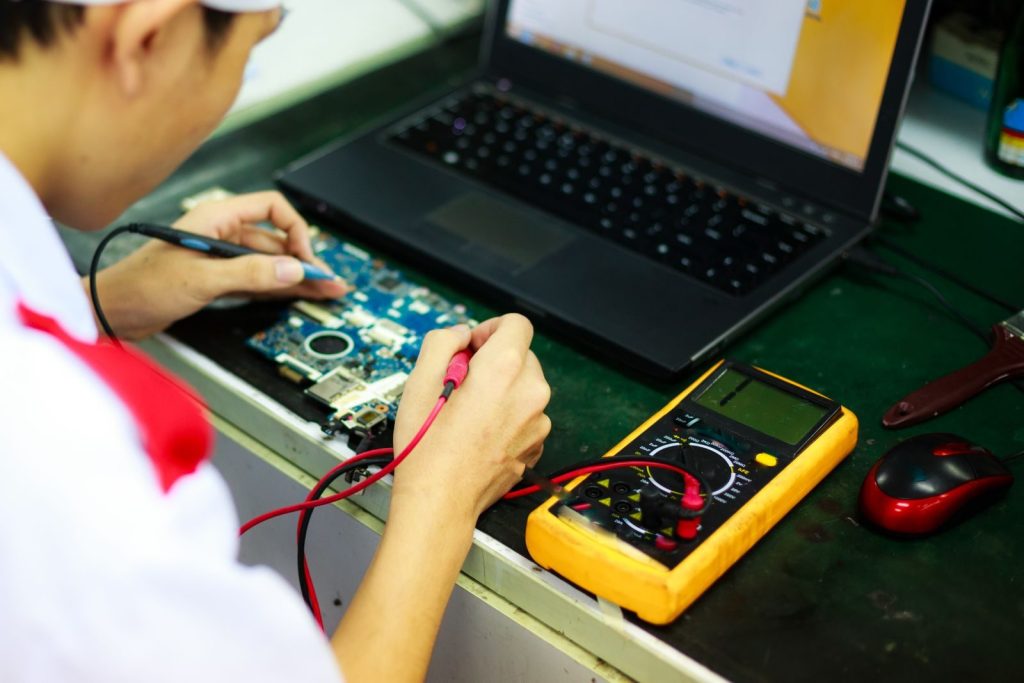
    Technician working on a laptop with multimeter in a professional workspace.
    Photo by Quang Nguyen Vinh on Pexels

    Making small adjustments to your charging schedule will keep your mobile devices running smoothly for years to come. According to electronics technicians, staying mindful of heat and voltage is the absolute key to maximizing battery life. Healthy habits preserve tech. This article is for informational purposes only.

    Featured Image: Photo by Eleonora Vokueva on Pexels

  • How Tiny AI Microchips Are Redefining Computer Power

    How Tiny AI Microchips Are Redefining Computer Power

    Most computer buyers assume that standard silicon processors have reached a permanent performance plateau. We believe that desktop computers can only get faster by draining massive amounts of electricity.

    But a major breakthrough in artificial intelligence hardware is completely rewriting this computational limit. New microchip architectures are delivering staggering processing speeds with almost zero battery drain.

    The Silicon Challenge

    Detailed view of a computer motherboard featuring a heatsink and electronic components, showcasing modern technology.
    Photo by Pok Rie on Pexels
    For years, standard personal computers struggled to compete with the energy efficiency of mobile phone processors. According to tech hardware analysts, traditional chips generate excessive heat when running complex modern software. They run incredibly hot. This thermal bottleneck forces laptop batteries to drain within a few short hours. But a fresh approach to hardware design is changing the game entirely.

    Dedicated AI Engines

    Artistic arrangement of circuit boards and cables symbolizes modern technology.
    Photo by Mikhail Nilov on Pexels
    The secret behind this hardware shift lies in neural processing units designed specifically for artificial intelligence. According to reports from chip developers, these specialized cores handle complex mathematical calculations far faster than standard processors. They are highly focused. This design allows the computer to run heavy AI tasks without slowing down other operations. But testing this new architecture revealed some highly surprising benefits.

    Instant Video Upgrades

    Relaxing bedroom scene with a laptop on a tray table, perfect for a cozy night in.
    Photo by Sara mazin on Pexels

    One of the most impressive features of these new chips is their ability to enhance video streams instantly. According to technical hardware trials, the microchips use machine learning algorithms to upscale low-resolution videos to high definition. It feels like magic. This real-time processing happens without causing any noticeable lag in your daily system performance. But this visual jump requires an incredible level of data throughput.

    The Unified Memory

    Detailed view of electronic circuit board components showcasing microchips and technology intricacies.
    Photo by Jakub Pabis on Pexels

    Traditional computers waste precious time and energy moving data between separate memory blocks. According to computer architecture studies, integrating the processor and memory onto a single silicon die eliminates this bottleneck. The speed is shocking. This unified layout allows the system to share critical data across different processing cores instantly. But manufacturing these complex microchip systems introduces a major engineering challenge.

    Shrinking The Transistors

    High-detail black and white image focusing on microchips on a circuit board.
    Photo by Sergei Starostin on Pexels

    Creating highly efficient processors requires squeezing billions of microscopic transistors onto a tiny piece of silicon. According to semiconductor manufacturing logs, engineers are now using advanced light projection systems to carve pathways at atomic scales. The details are microscopic. A single speck of dust can ruin an entire batch of these advanced chips. But the massive performance gains are already starting to pay off.

    Unlocking Epic Lifespans

    Profile view of a sleek modern laptop in a minimalist style, highlighting its slim design and technology focus.
    Photo by 500photos.com on Pexels

    Laptops running these advanced chips can finally match the legendary battery life of modern tablet devices. According to consumer hardware reviews, these systems can easily run for over twenty hours on a single charge. It is a revolution. This extreme efficiency will completely change how we work and travel with our personal electronics. But the future of these smart chips goes far beyond simple laptops.

    Smarter Future Devices

    Intricate futuristic circuit board with geometric patterns in teal and gray tones.
    Photo by Lucky Cungwa on Pexels

    This rapid leap in silicon technology is preparing the ground for completely autonomous smart home systems. According to tech industry researchers, these tiny energy-efficient chips will soon power everything from medical monitors to robotic helpers. The potential is limitless. This article is for informational purposes only.

    Featured Image: Photo by Johannes Plenio on Pexels

  • The Wild Physics of Supersonic Flights Across America

    The Wild Physics of Supersonic Flights Across America

    Most travelers assume that traveling across the American continent always requires a long six-hour flight. We believe that commercial jet speeds represent the absolute limit of transcontinental travel.

    But legendary military aircraft have shattered this geographic journey in a fraction of that time. These supersonic speed runs pushed the physical limits of both machine and atmosphere.

    The Record Shattered

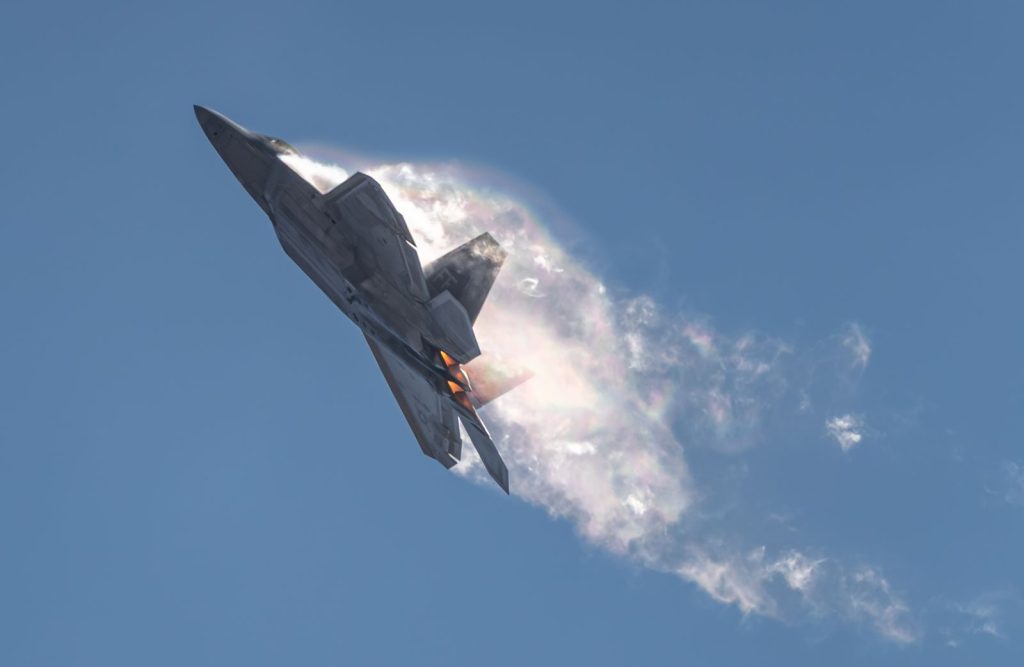
    F-22 Raptor performing a dramatic airshow maneuver in San Diego skies.
    Photo by Soly Moses on Pexels

    A legendary spy plane once crossed the entire United States in just over one hour. According to official flight records from the Smithsonian Institution, the SR-71 Blackbird averaged over two thousand miles per hour during its historic journey. It was blindingly fast. This incredible speed run remains unbeaten by any piloted aircraft in aviation history. But achieving this extreme speed required surviving a massive thermal barrier.

    Burning Atmospheric Friction

    A fighter jet performs a stunning aerobatic maneuver against a clear sky.
    Photo by selo on Pexels

    Flying at three times the speed of sound forces air molecules to compress violently against the jet frame. According to thermodynamic studies, this intense friction generates temperatures exceeding six hundred degrees on the metallic surface. The metal actually glows. This extreme heat would melt standard aluminum aircraft in a matter of minutes. But engineers solved this issue by using a highly unusual material.

    The Titanium Shield

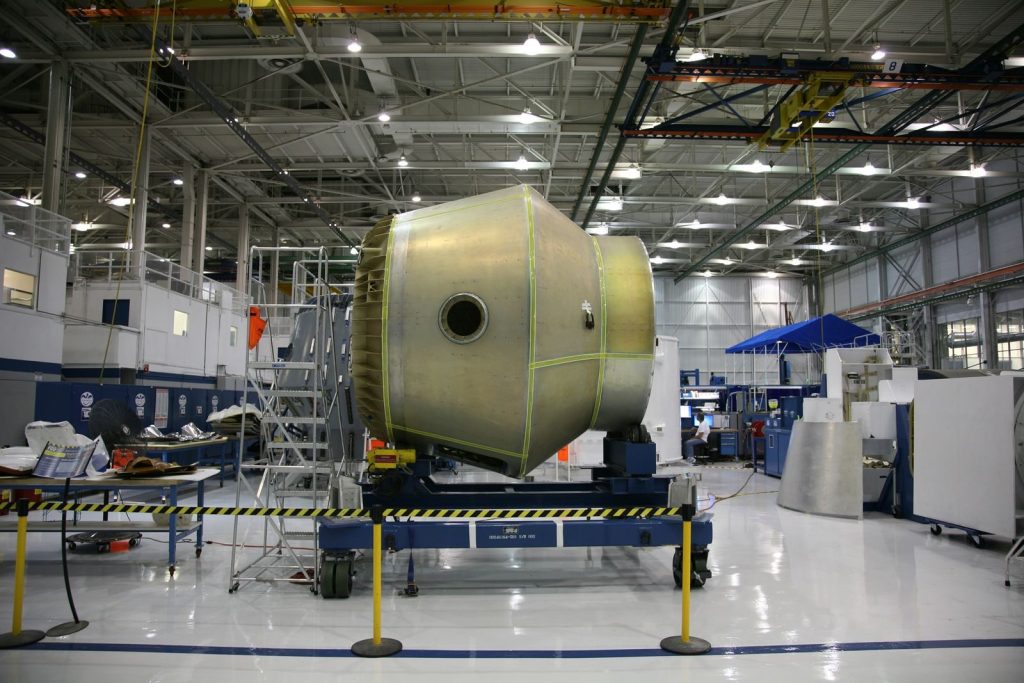
    Heavy detail of spacecraft placed on rolling platform under construction at futuristic rocket factory
    Photo by SpaceX on Pexels

    Designers had to build the entire high-speed aircraft out of a highly durable titanium alloy. According to manufacturing archives, this rare metal actually grows stronger when exposed to the intense heat of supersonic flight. It is incredibly tough. But sourcing enough titanium during the Cold War required using secret shell companies to buy the metal. But managing this expanding metal in flight introduced a highly strange problem.

    Leaking Fuel Tanks

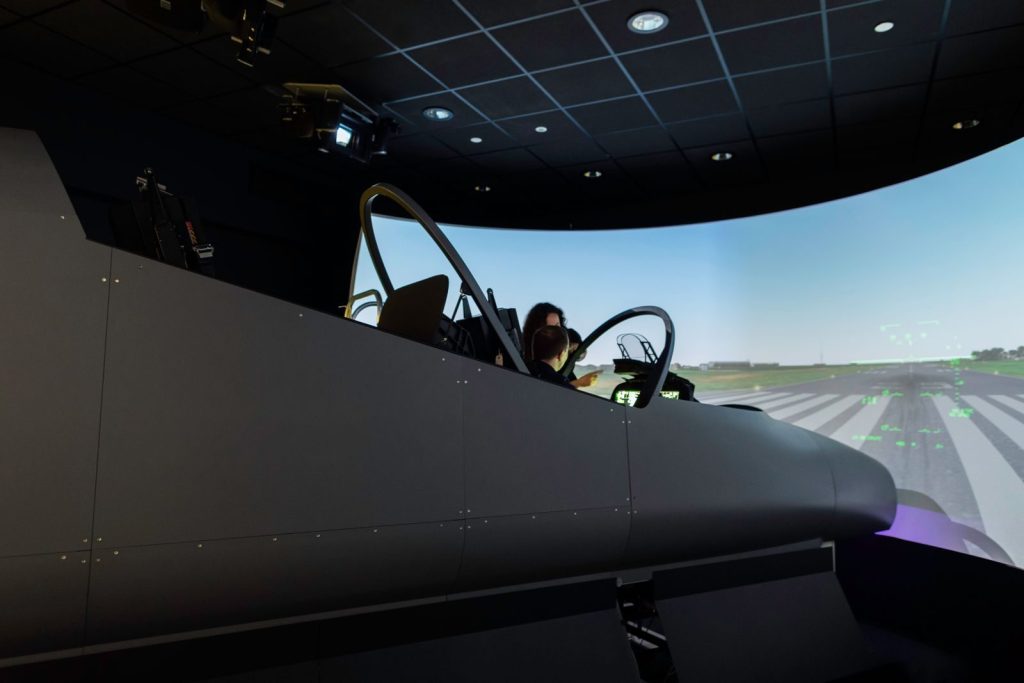
    A female pilot operates a flight simulator in an advanced training facility.
    Photo by ThisIsEngineering on Pexels

    The titanium plates of the spy jet were designed to fit loosely on the ground to allow for heat expansion. According to mechanic reports, the fuel tanks actually leaked raw fuel onto the runway before takeoff. The gaps were visible. Once the jet reached high speeds, the thermal expansion sealed the metal joints perfectly shut. But keeping these hungry engines fed required a highly complex refueling process.

    Aerial Refueling Ballet

    A stealth bomber aircraft receives aerial refueling mid-flight over clouds.
    Photo by Pixabay on Pexels

    Supersonic speed runs drain massive fuel reserves in a highly rapid manner. According to military operation files, the record-breaking jets had to refuel in midair from specialized tanker planes right before accelerating to maximum speed. Precision was absolutely vital. A single mistake during this high-speed connection could result in a catastrophic midair collision. But the physical impact of the sonic boom created another massive problem.

    The Shockwave Trail

    A jet fighter flies at high speed breaking the sound barrier under a clear blue sky.
    Photo by I Bautista on Pexels

    Breaking the sound barrier releases a massive shockwave of compressed air that travels to the ground. According to environmental surveys, these intense sonic booms can shatter glass windows and terrify local wildlife below. The noise was deafening. This severe environmental impact eventually led to a strict government ban on supersonic flights over dry land. But scientists are now working on a clever solution to this noise.

    Silencing The Boom

    Close-up of a J 35 Draken fighter jet, showcasing its sleek design and parked under a SAAB logo.
    Photo by Tommy Olsson on Pexels

    Aerospace engineers are designing specialized nose cones to disperse the compressed air shockwaves quietly. According to NASA research, new aerodynamic shapes can reduce the loud sonic boom to a quiet thump. The future is silent. This breakthrough could soon allow passenger jets to fly supersonic across land once again. But the ultimate limits of high-speed travel will soon belong to pilotless craft.

    Hypersonic Travel Frontiers

    A rocket ascends into the sky, leaving a trail of smoke against the clear blue sky.
    Photo by Dirk Schuneman on Pexels

    Modern researchers are already testing unmanned scramjet vehicles that can fly five times the speed of sound. According to defense science agencies, these hypersonic machines will soon cross continents in a matter of minutes. Speed has no limits. This article is for informational purposes only.

    Featured Image: Photo by Pixabay on Pexels

  • Inside The Colossal Helicopter Bending Laws Of Physics

    Inside The Colossal Helicopter Bending Laws Of Physics

    Most aviation lovers assume that helicopters are built only for light cargo and quick medical trips. We believe that truly massive shipments always require heavy wings and long runways.

    But a giant of Soviet engineering is completely defying this mechanical rule. This colossal helicopter routinely lifts entire passenger buses and heavy military tanks without using a runway.

    The Flying Behemoth

    grayscale photo of a train
    Photo by Leslie Cross on Unsplash

    The famous Mi-26 helicopter is so large that it dwarfs most passenger airplanes. According to aviation logs, this incredible machine can carry up to twenty metric tons of heavy cargo in a single journey. It is truly massive. The massive interior cabin can fit eighty fully armed soldiers with room to spare. But lifting this incredible weight off the ground requires a highly unique engine system.

    Powering The Rotors

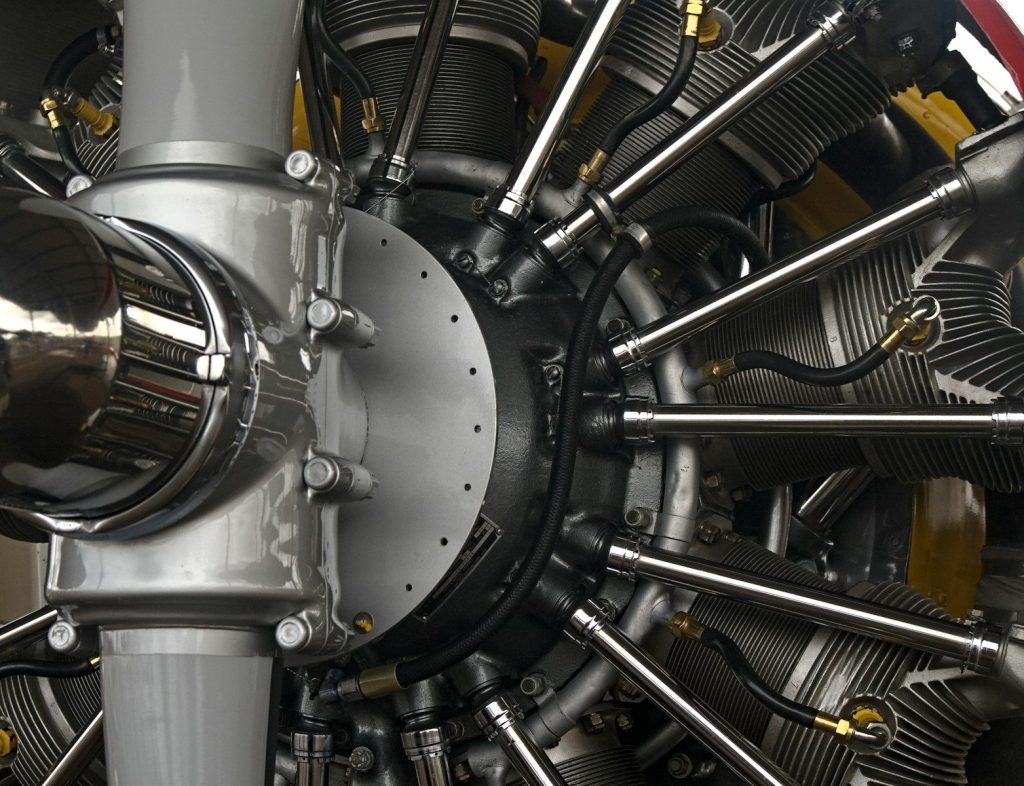
    black and silver engine bay
    Photo by Eduardo Buscariolli on Unsplash

    Spinning a giant rotor blade requires more energy than a small town consumes. According to mechanical engineering manuals, two powerful turbine engines work together to generate over eleven thousand horsepower each. The power is terrifying. This massive energy flow is channeled directly into an advanced transmission system that splits the load safely. But controlling this extreme torque is an absolute nightmare for the flight crew.

    Designing The Blades

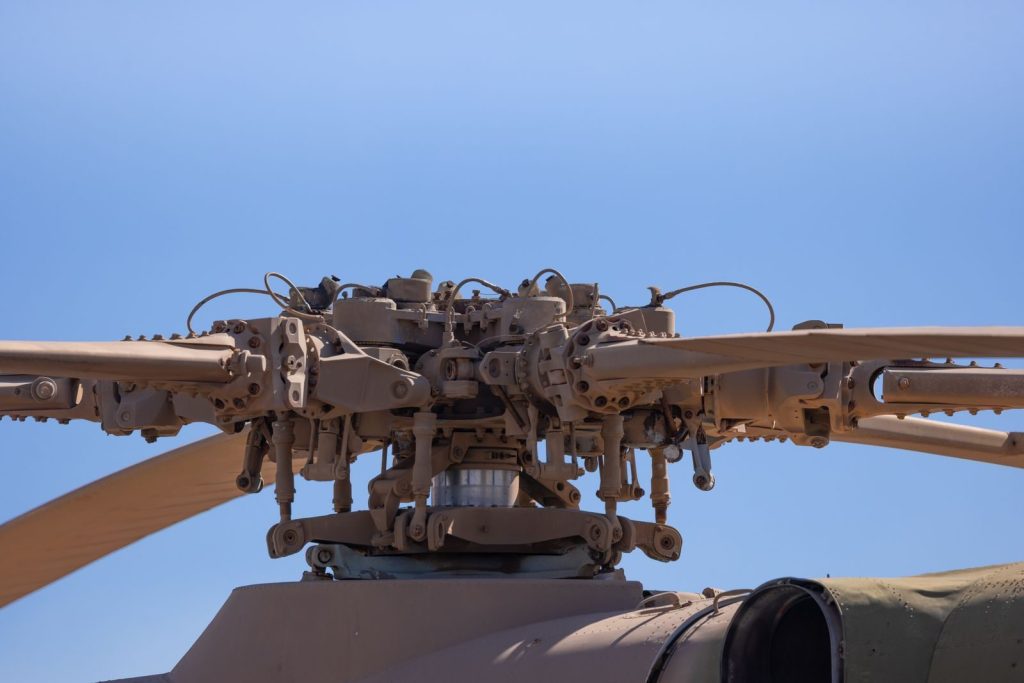
    Detailed view of helicopter rotor blade assembly under clear blue sky.
    Photo by Magda Ehlers on Pexels

    Main rotor systems on this colossal helicopter feature eight massive blades sweeping through the air. According to structural designers, each titanium-reinforced blade is long enough to span the wings of a small aircraft. They look incredibly flexible. This flexibility is vital because it stops the spinning blades from snapping under heavy winds. But managing this immense vibration requires a highly specialized cockpit crew.

    Operating The Leviathan

    Two pilots navigating an aircraft cockpit, focused on advanced avionics and flight systems.
    Photo by Rafael Cosquiere on Pexels

    Flying this heavy machine is a highly complicated task that requires five trained crew members. According to flight operation logs, pilots must work alongside a dedicated flight engineer and a navigation specialist to stay on course. Precision is mandatory. Every single control input must be perfectly coordinated to prevent the giant frame from shaking apart. But their most dangerous missions happen when they lift cargo outside the cabin.

    The External Hook

    uh-60 blackhawk, helicopter, blackhawk, transport, cargo, flight, aerial, uh-60, rotor, military, chopper, flying, transportation, fly, vehicle, aircraft, blackhawk, blackhawk, blackhawk, blackhawk, blackhawk
    Photo by Military_Material on Pixabay

    Lifting heavy vehicles with an external cable introduces chaotic physical forces to the flight. According to cargo transportation reports, wind currents can cause the hanging cargo to swing like a massive pendulum. This is highly risky. The pilot must use a specialized under-floor camera to monitor the load and prevent a catastrophic crash. But these giant machines are also built to survive the harshest environments.

    Surviving Frozen Wilderness

    Emergency crew with helicopter on a snowy runway performing a rescue operation in winter.
    Photo by Joerg Mangelsen on Pexels

    These heavy-lift helicopters frequently operate in the freezing and remote regions of Siberia. According to environmental testing files, the mechanical systems are designed to function flawlessly in temperatures far below zero. They are incredibly tough. Special heating systems prevent dangerous ice from building up on the giant rotor blades during flight. But this incredible engineering achievement is now inspiring a new generation of aircraft.

    Legacy Of Giants

    black and gray helicopter
    Photo by Terence Burke on Unsplash

    The engineering lessons learned from operating these massive helicopters continue to shape modern heavy lift technology. According to aerospace analysts, these machines prove that rotary aircraft can compete with cargo planes in extreme environments. They redefined human limits. This article is for informational purposes only.

    Featured Image: Photo by Ozan Mercanoglu on Pexels

  • How Modern Fighter Jets Defy Gravity Like Rockets

    How Modern Fighter Jets Defy Gravity Like Rockets

    Aviation enthusiasts assume that military jets fly like standard commercial planes. We believe these machines rely purely on normal forward speed to generate wing lift.

    But a closer look at advanced propulsion reveals a much wilder engineering reality. Certain high-tech fighter craft can bypass aerodynamic limits to launch straight up like space rockets.

    Screaming Into The Sky

    A colorful fighter jet takes off from an airfield against a mountain backdrop, showcasing aviation prowess.
    Photo by Go Journal on Pexels

    Spectators at military airshows often watch jet fighters rise vertically without losing any momentum. According to reports from the United States Air Force, these aircraft can accelerate during a straight vertical climb. They are immensely powerful. This bizarre behavior is made possible by a specialized engineering ratio that turns planes into rockets. But calculating this extreme force requires looking deep inside the jet engines.

    The Thrust Vector Magic

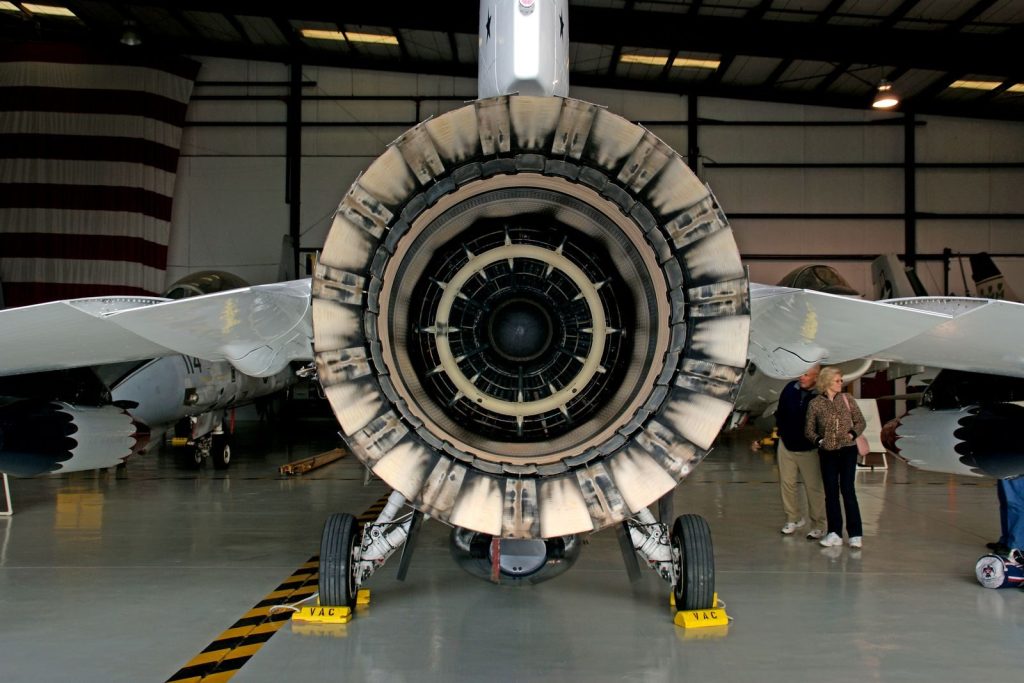
    Detailed photograph of a jet engine exhaust with visible technical components inside a hangar.
    Photo by Phyllis Lilienthal on Pexels

    Standard airplanes push exhaust straight back to move forward in the sky. According to aerospace engineering logs, modern fighter craft use mechanical nozzles to redirect this fiery exhaust in multiple directions. The craft twists instantly. This unique thrust vectoring system allows the jet to steer even when flying at extremely low speeds. But this incredible maneuverability places immense physical strain on the metal frame of the aircraft.

    Fighting Extreme G Forces

    Detailed view of a military jet cockpit with pilots preparing for flight against a clear sky.
    Photo by Magda Ehlers on Pexels

    Pulling a heavy airplane into a vertical rocket climb generates crushing gravitational weight. According to military medical research, pilots experience forces up to nine times their normal body weight during these maneuvers. The pressure is brutal. Specialized flight suits inflate automatically to squeeze blood back up toward the brain. But keeping the human pilot conscious is only half of the engineering challenge.

    Supercruise Without Afterburners

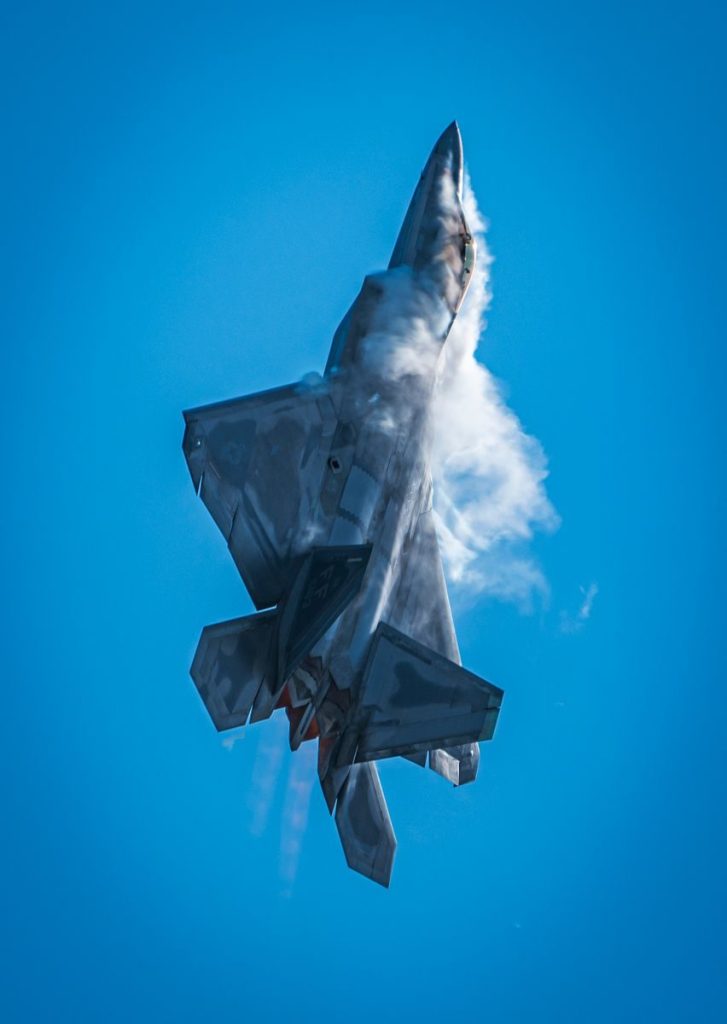
    A fighter jet performs a vertical maneuver with vapor trails against a clear blue sky.
    Photo by Lacza on Pexels

    Most older military jets require dumping raw fuel directly into the hot exhaust to break the sound barrier. According to aviation testing records, advanced modern fighters can maintain supersonic speeds without using these fuel-guzzling afterburners. This is remarkable. This capability allows the jet to save precious fuel while chasing targets across vast distances. But flying so fast creates a massive wave of atmospheric friction.

    Bending Air Currents

    Dynamic shot of a fighter jet soaring through the blue sky, leaving a vapor trail in its wake.
    Photo by Joe Ambrogio on Pexels

    When a heavy jet climbs vertically, it forces the surrounding air to behave in highly unusual ways. According to atmospheric physics reports, rapid changes in air pressure create beautiful white vapor clouds around the wings. The wings look frozen. These sudden moisture clouds are actually physical signs of the air pressure dropping rapidly over the metallic frame. But managing these chaotic airflows requires an incredible amount of computer calculations.

    Smart Flight Computers

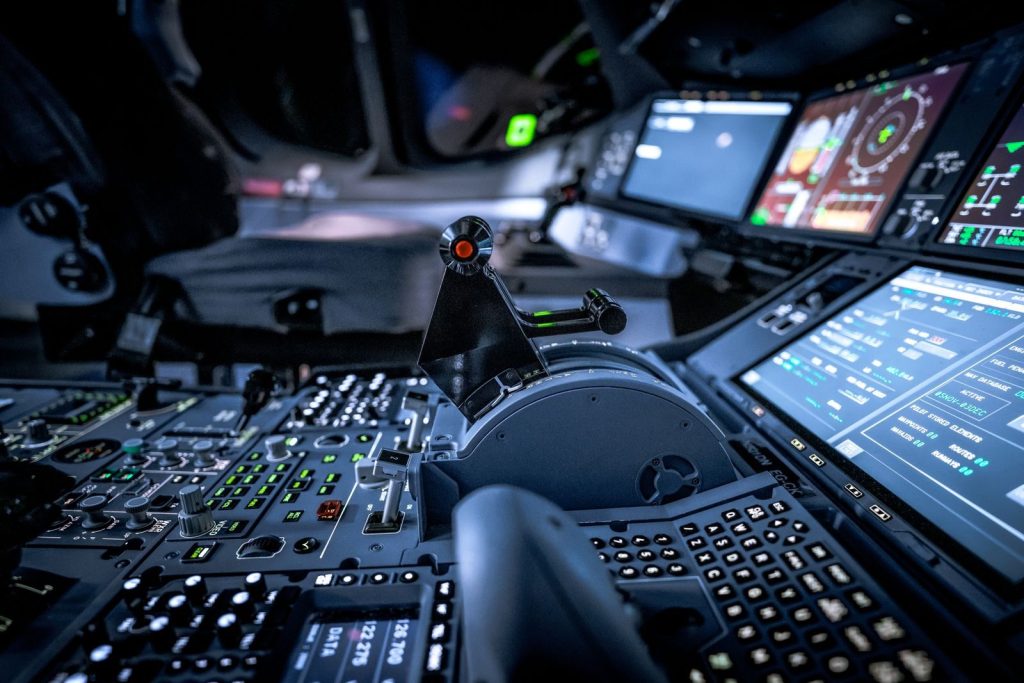
    Close-up view of a modern aircraft cockpit with glowing control panels and screens.
    Photo by Terrence Bowen on Pexels

    No human hand is fast enough to balance a jet climbing straight up toward space. According to computer software engineers, digital fly-by-wire systems make hundreds of micro-adjustments every single second to keep the flight stable. The software never sleeps. Without these constant digital corrections, the aircraft would quickly spin out of control and break apart in midair. But this automated control system is now facing a brand new era of development.

    Stealth Meets Agility

    F-22 Raptor jet releasing flares in a dynamic air show display against a clear blue sky.
    Photo by Soly Moses on Pexels

    Combining extreme acrobatics with stealth technology requires a highly complex structural shape. According to defense design reports, radar-absorbing materials must cover every moving nozzle and wing joint to hide the jet from enemy sensors. It is highly invisible. This unique design ensures the plane remains completely hidden even while performing impossible maneuvers in the sky. But the future of these rocket-like flights will go far beyond human control.

    Tomorrow In The Sky

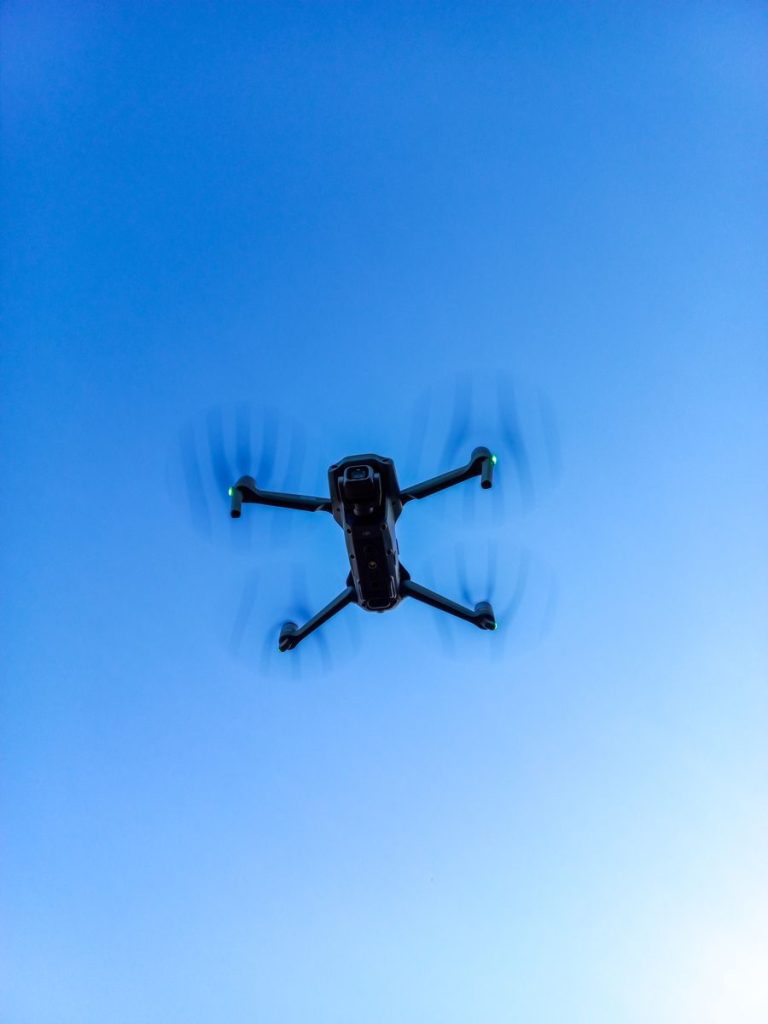
    Aerial shot of a drone flying against a clear blue sky, showcasing modern technology.
    Photo by Pedro Freitas on Pexels

    Unmanned aerial vehicles are already pushing past the biological limits that hold back human pilots. According to aerospace developers, removing the cockpit allows future aircraft to climb faster and turn tighter than any current jet. Innovation is accelerating. This article is for informational purposes only.

    Featured Image: Photo by Hobi Photography on Pexels

  • The Sunken Prehistoric Ruins Shaking Modern Archeology

    The Sunken Prehistoric Ruins Shaking Modern Archeology

    Most history lovers believe that human civilization emerged slowly after the last major Ice Age. We assume that early humans lived in primitive mud shelters before building great stone monuments.

    But a series of massive underwater structures has challenged this historical timeline. Deep ocean ruins suggest that an advanced civilization existed long before traditional records began.

    The Deep Sea Discovery

    Dark, textured abstract background with vertical lines.
    Photo by Egor Komarov on Unsplash

    Marine geologists mapping the ocean floor made a shocking discovery off the coast of a remote island. According to reports from the National Institute of Oceanography, sonar scans revealed a massive grid of stone walls. The structures are colossal. The sheer scale and symmetry of the layout suggest highly advanced planning and engineering skills. But determining when these ruins were built required analyzing global sea levels.

    Under The Melting Ice

    A stunning abstract image showcasing textures in vivid blue tones, resembling water.
    Photo by Steve A Johnson on Pexels

    The depth of the sunken ruins suggests they were built before the great glaciers melted. According to oceanographic research papers, this coastal shelf was last above water over twelve thousand years ago. The oceans rose. This timeline means the city was submerged long before the rise of ancient Egypt or Mesopotamia. But mainstream academics remain highly skeptical of these early dates.

    The Academic Debate

    a black and white photo of a rock formation
    Photo by Andrea Zanenga on Unsplash

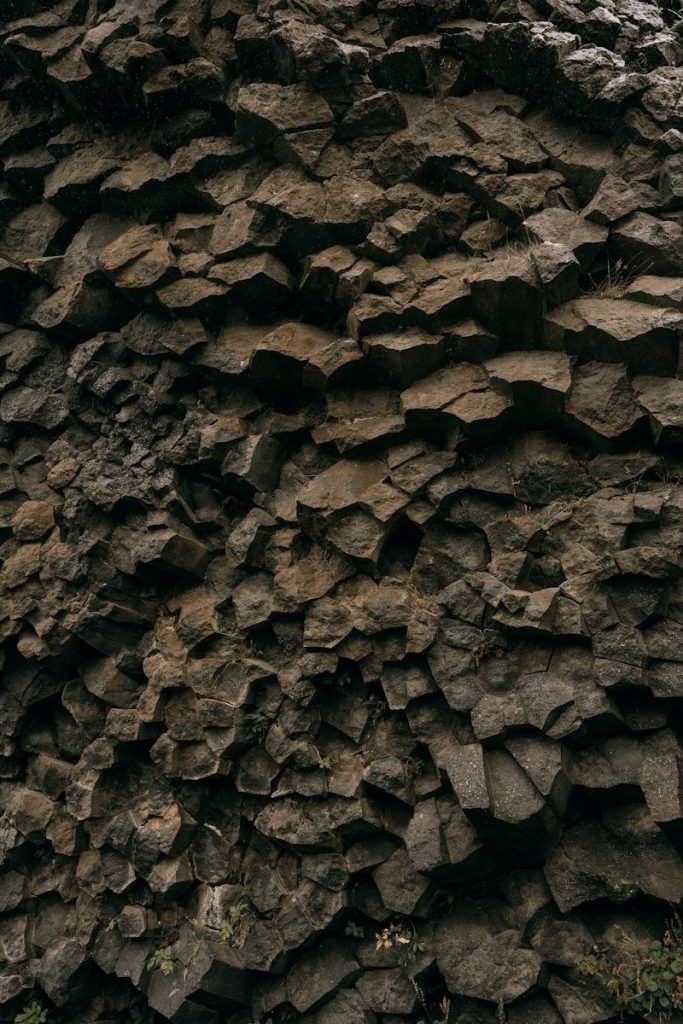
    Many traditional historians argue that the underwater formations are simply natural rock fractures. According to geological reports, basalt rock can cool into precise geometric shapes that mimic human masonry. Nature is a master. Skeptics claim that ocean currents carved these massive blocks over millions of years. But independent researchers have found clear evidence of human craftsmanship on the stones.

    The Carved Markings

    a close-up of some rocks
    Photo by Enzo Tommasi on Unsplash

    Divers exploring the sunken ruins found faint markings cut into the massive basalt blocks. According to archaeological micro-wear studies, the deep grooves show signs of intentional cutting with specialized metal tools. The cuts are clean. These detailed markings suggest the builders possessed highly sophisticated carving techniques. But identifying the language of these markings has proven to be incredibly difficult.

    Unmapped Coastal Ports

    Divers explore underwater structures on the ocean floor.
    Photo by Pawel Kostelnik on Unsplash

    The layout of the ruins matches the design of a highly advanced maritime trading hub. According to coastal archaeology reports, the stone walls formed a secure harbor that could protect large wooden ships. The port was busy. This advanced maritime trade would explain how different ancient cultures shared similar architectural styles. But the source of this global technology remains completely unknown.

    A Global Catastrophe

    Dramatic ocean waves crashing against a concrete structure in Pantanassa, capturing nature's raw power.
    Photo by GEORGE DESIPRIS on Pexels

    A sudden environmental disaster likely wiped this advanced civilization from the face of the Earth. According to climate historians, rapid melting at the end of the Ice Age triggered massive global tsunamis. The water rushed. These violent floods drowned the coastal cities and erased almost all traces of their existence. But modern technology is finally helping us map these lost coastal worlds.

    Reclaiming Our History

    A close-up of a monitor showing color waveform and vectorscope visualization for video editing.
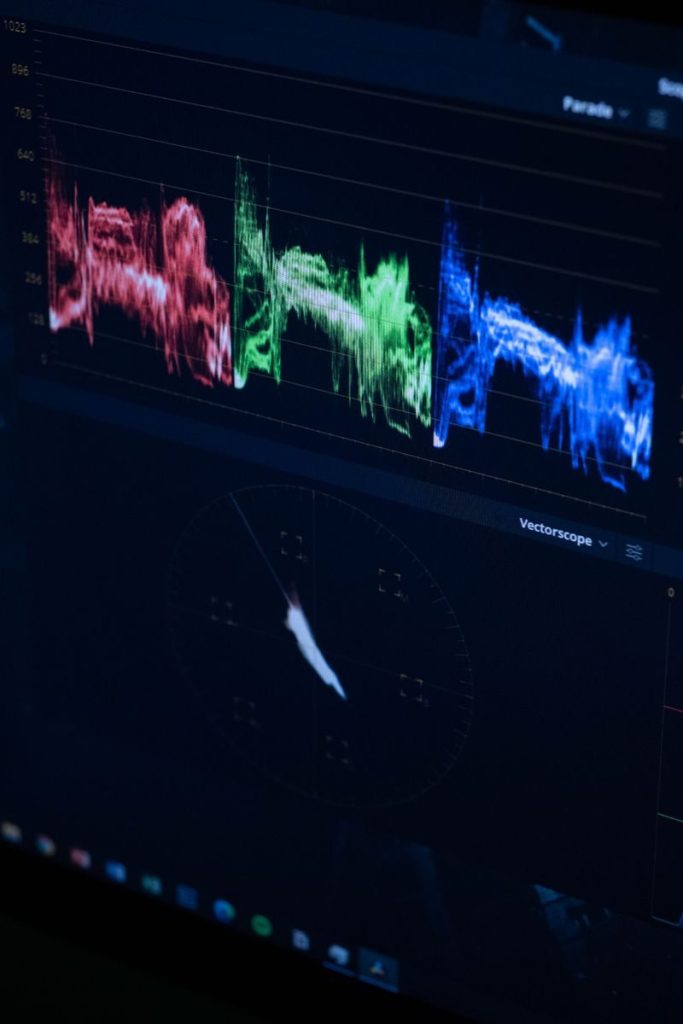
    Photo by Ron Lach on Pexels

    These deep-sea ruins prove that advanced human societies existed far earlier than our textbooks state. According to marine geophysicists, mapping the continental shelves will eventually reveal the true origin story of human civilization. The oceans hold secrets. This article is for informational purposes only.

    Featured Image: Photo by Alain Margreve on Pexels

  • Ancient Relics Unlocking The Strange History of UFOs

    Ancient Relics Unlocking The Strange History of UFOs

    Most defense experts assume that mysterious aerial phenomena are a product of modern military technology. We believe that strange radar sightings only began with the development of advanced aviation.

    But an ancient archaeological discovery is challenging this historical timeline. A bizarre stone relic suggests that these unexplained objects have been visiting Earth for thousands of years.

    The Ancient Stone Relic

    a close up of a stone wall with writing on it
    Photo by Marco Pregnolato on Unsplash

    A team of explorers excavating a remote temple site uncovered a highly unusual stone carving. According to reports from historical researchers, the artifact depicts a strange disk-shaped object hovering above an ancient landscape. The carving is detailed. The geometric patterns on the stone match modern descriptions of unexplained flying objects with shocking accuracy. But the location of the discovery raised immediate questions.

    The Nuclear Connection

    Aerial view of a large solar farm by a reservoir
    Photo by USGS on Unsplash

    The ancient temple sits directly on top of a massive natural uranium deposit. According to geological surveys, these mineral deposits release low levels of radiation that can be detected from high altitudes. The earth glows. Researchers believe that ancient builders chose this specific site because of its unique energy fields. But this radioactive link matches a highly disturbing modern pattern.

    Tracking Modern Sightings

    An aerial view of industrial silos and agricultural fields in rural Randolph, Minnesota.
    Photo by Tom Fisk on Pexels

    Modern military records show a bizarre concentration of unexplained aerial encounters near sensitive nuclear facilities. According to declassified naval intelligence files, strange craft have repeatedly hovered over nuclear missile silos and atomic power plants. The reactors hum. Security officers have recorded these objects performing impossible maneuvers directly within restricted airspace. But explaining why these craft target radiation remains a mystery.

    The Ancient Energy Hunters

    blue and white water wave
    Photo by Gabriela on Unsplash

    The stone relic suggests that these mysterious visitors have always been drawn to planetary energy sources. According to alternative historians, ancient civilizations may have possessed a deep understanding of natural electromagnetic lines. The systems were silent. These energy pathways could have served as a beacon for advanced craft searching for power. But establishing a direct link between the relic and modern events is difficult.

    Analyzing The Carving

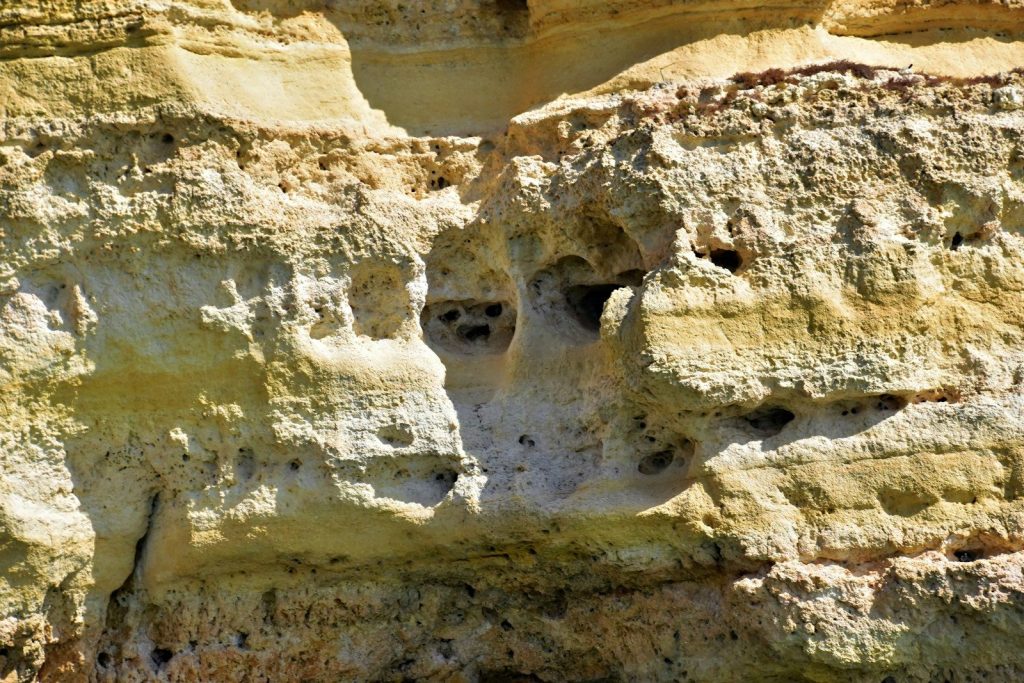
    Weathered sandstone cliff with natural holes and man-made holes.
    Photo by Jeffrey Eisen on Unsplash

    Materials experts used advanced laser scanning to determine the age of the mysterious stone artifact. According to archaeological reports, the tool marks on the limestone suggest the relief was carved over three thousand years ago. The cuts are deep. This extreme age rules out any modern military craft or atmospheric testing balloons. But skeptics offer a highly different interpretation of the temple scene.

    Natural Cosmic Symbols

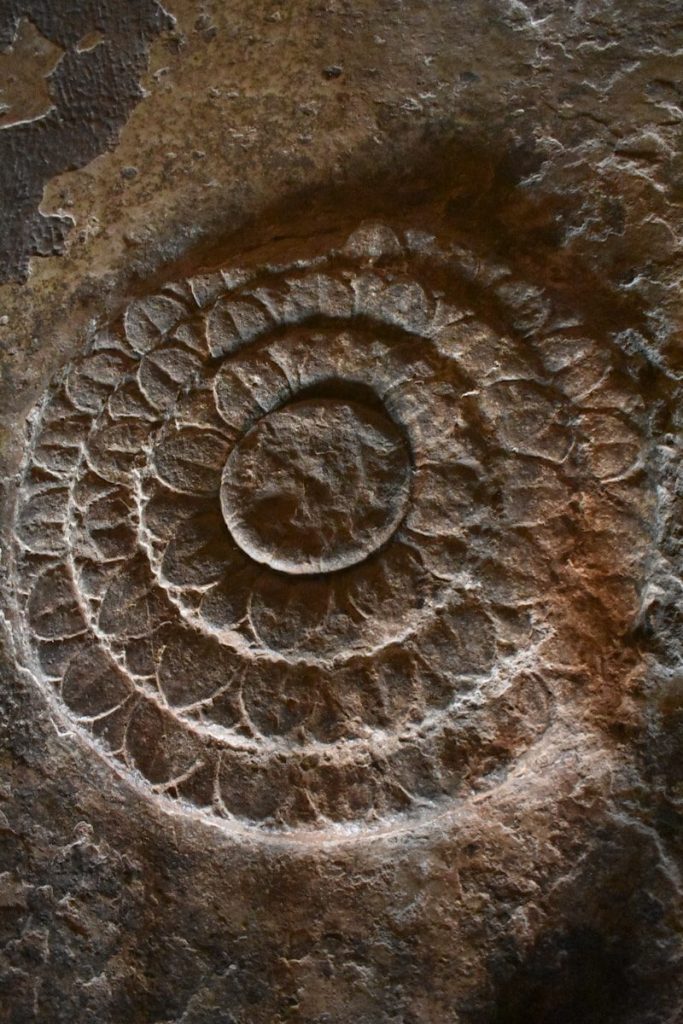
    a rock with a circular design on it
    Photo by Rahul Moundekar on Unsplash

    Mainstream scholars argue that the disk-shaped carving is actually a symbolic representation of the sun. According to cultural anthropologists, ancient artists frequently used circles with radiating lines to depict celestial gods. It was a myth. They believe that modern observers are simply projecting their own space-age ideas onto basic historic art. But believers point to a secondary carving found on the same stone.

    The Hidden Warning

    a close up of a wall with carvings on it
    Photo by Cătălin Dumitrașcu on Unsplash

    The secondary carving seems to depict a dramatic environmental collapse following a blinding flash of light. According to linguistic experts, the surrounding symbols translate to a warning about tampering with natural forces. The message is clear. This ancient warning could explain why modern visitors are so focused on our nuclear power systems. But proving this theory will require analyzing more ancient ruins.

    A Unifying Theory

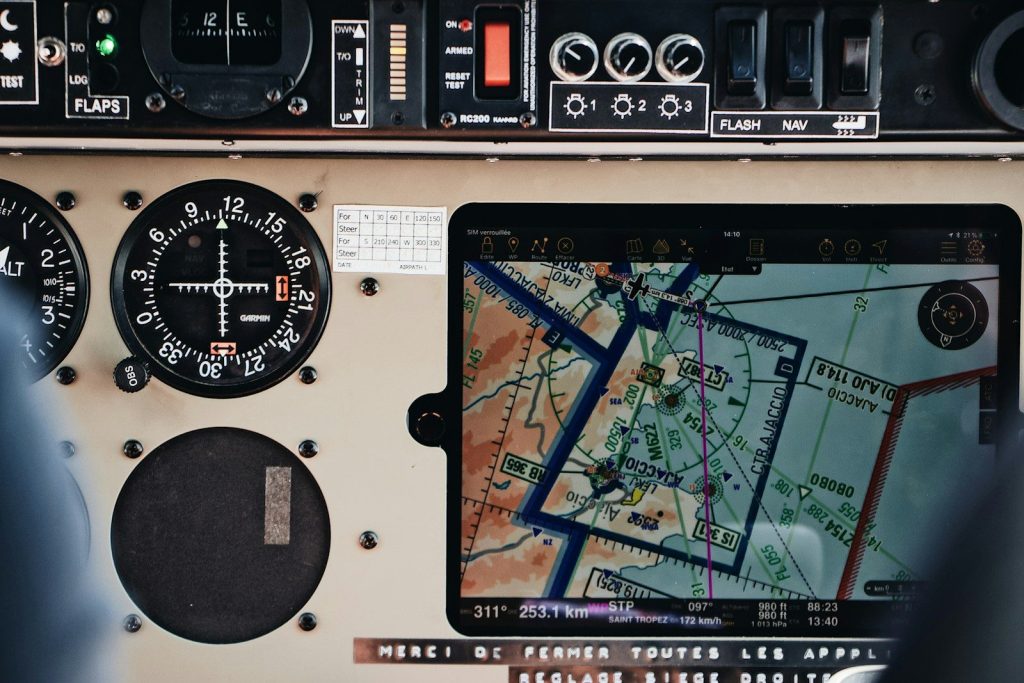
    cockpit navigation
    Photo by Maël BALLAND on Unsplash

    The combination of ancient relics and modern military reports continues to challenge our understanding of global history. According to researchers, studying these ancient sites might finally explain why mysterious phenomena have haunted our skies for ages. The truth is out. This article is for informational purposes only.

    Featured Image: Photo by Albert Antony on Unsplash

  • The Mysterious Moon Discovery Baffling Space Researchers

    The Mysterious Moon Discovery Baffling Space Researchers

    Most space lovers believe that the moon is a completely dry and thoroughly mapped desert. We assume that decades of satellite scans have revealed every secret on the lunar surface.

    But a robotic lunar rover has discovered a highly unexpected substance. Its bizarre physical properties have triggered intense debates among global astronomy teams.

    The Lunar Lander Mystery

    a person driving a tractor
    Photo by Aung Myin Thu on Unsplash

    A robotic explorer operating on the far side of the moon made the discovery during a routine soil survey. According to logs from the China National Space Administration, the rover detected an unusual substance inside a fresh impact crater. The team froze. The material looked highly reflective compared to the dry lunar dust. But identifying the composition of this mystery substance required closer analysis.

    Analyzing The Strange Gel

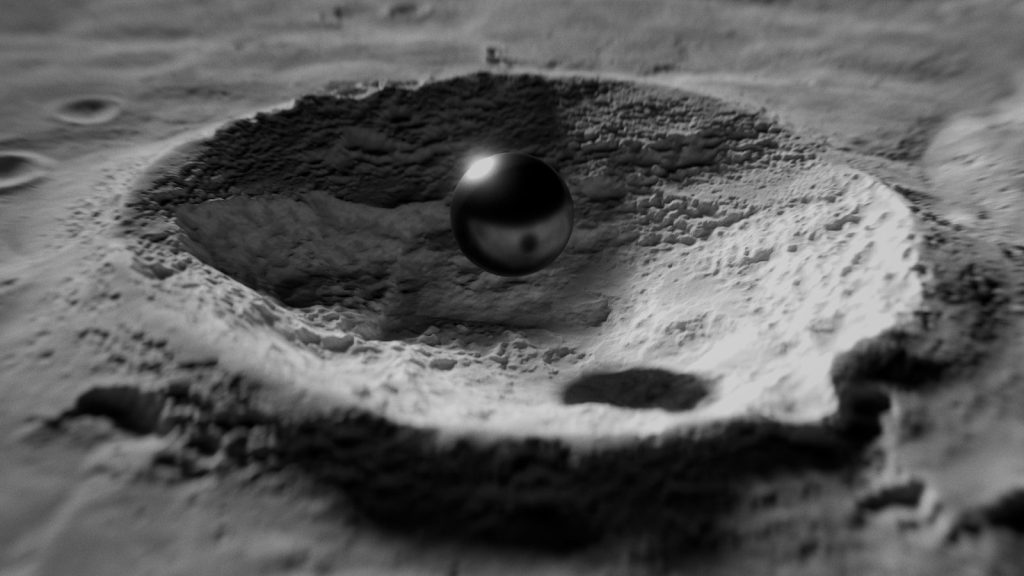
    A metallic sphere rests in a lunar crater.
    Photo by Christian Boragine on Unsplash

    The lunar rover used specialized spectral sensors to analyze how light bounced off the mysterious substance. According to space agency researchers, the reading indicated a unique blend of silicate materials and rare compounds. It was glass. This glassy mixture did not match standard lunar rocks found in other regions. But scientists still needed to explain how this material formed in the absolute vacuum of space.

    The Cosmic Impact Theory

    Glowing red orbs with dark textured surfaces.
    Photo by Max Petrunin on Unsplash

    Astronomers believe the glassy gel was created during a violent asteroid strike millions of years ago. According to planetary geologists, the extreme heat of an impact can instantly melt the sandy lunar soil into dark glass. The ground melted. This sudden thermal burst creates unique volcanic compounds that are rarely seen on Earth. But some researchers suggest an alternative volcanic origin for the substance.

    Trapped Volcanic Glass

    black and red abstract painting
    Photo by USGS on Unsplash

    Some planetary scientists argue that the strange material could have erupted from deep within the moon. According to lunar research papers, ancient volcanic activity once shaped the early lunar landscape. The core burned. This geothermal energy could have pushed pockets of molten glass to the surface long ago. But proving this volcanic theory requires studying how the material is distributed.

    Extreme Lunar Survival

    Aerial view of expansive solar panel array in a desert landscape generating renewable energy.
    Photo by Kindel Media on Pexels

    The harsh environment of the moon can alter the chemical properties of surface materials over time. According to solar physicists, constant exposure to cosmic radiation and solar winds can darken the color of exposed glass. The soil shifts. This space weathering makes identifying the origin of lunar materials incredibly difficult for computer models. But another major space agency is preparing to investigate the anomaly.

    Shifting Space Missions

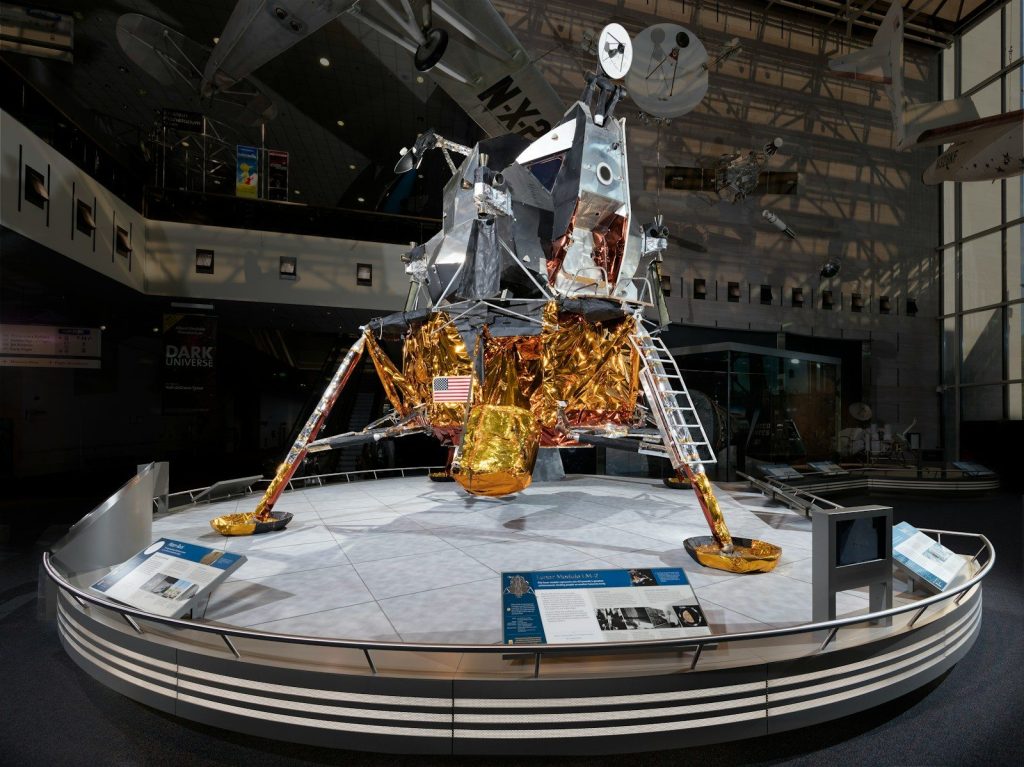
    Lunar module on display in a museum
    Photo by Smithsonian on Unsplash

    International space groups are now designing robotic probes specifically to collect samples of this glassy substance. According to NASA reports, future missions will attempt to bring lunar soil back to Earth for deep laboratory testing. The race is on. Studying these samples directly will reveal the history of cosmic impacts in our solar system. But the secrets of the moon remain highly guarded.

    Unlocking Lunar Secrets

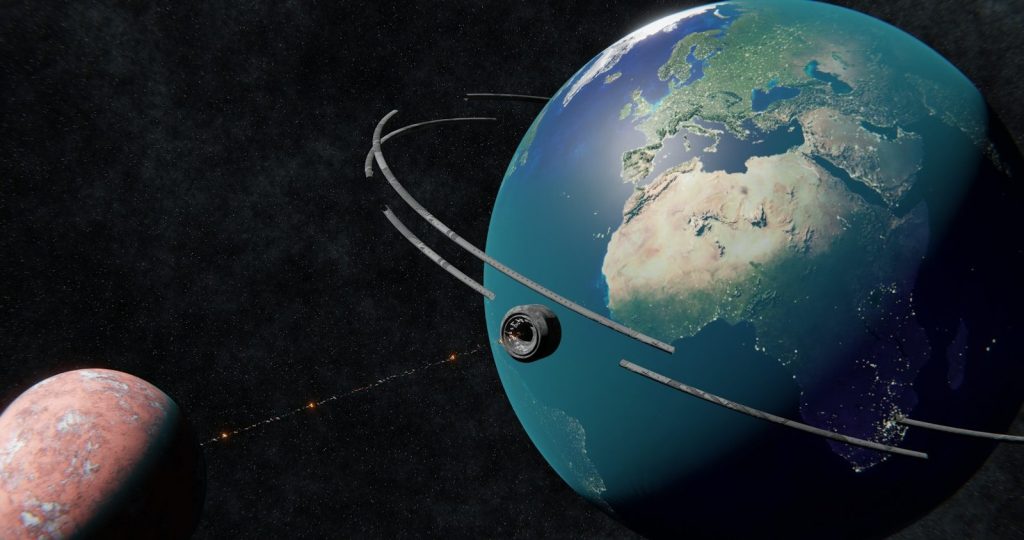
    Earth and mars with orbital rings in space
    Photo by Michael Mwangi on Unsplash

    This unexpected discovery proves that our closest cosmic neighbor still holds profound scientific mysteries. According to astrophysicists, every moon mission reveals new details about how planets and satellites evolved. We are still learning. This article is for informational purposes only.

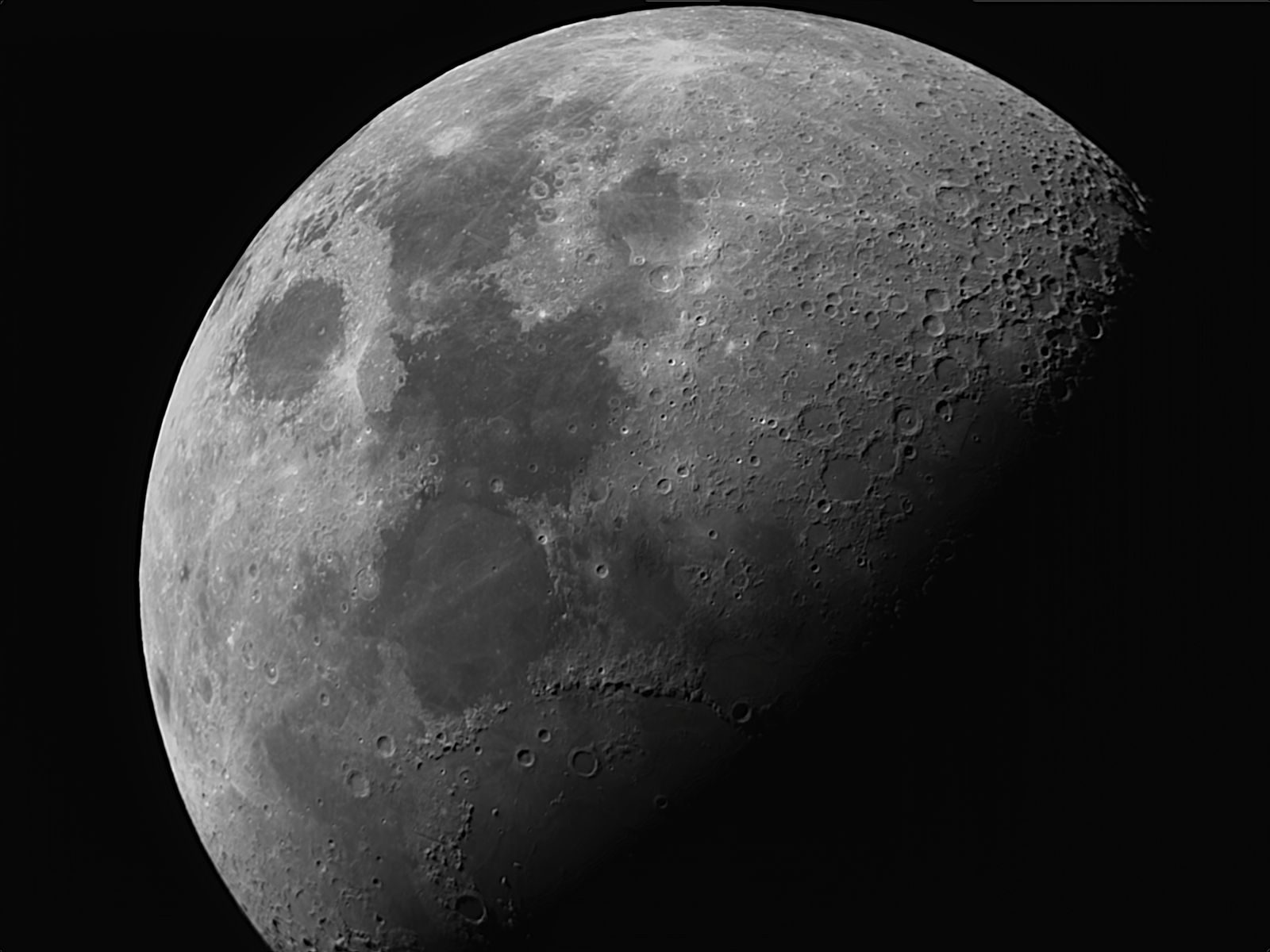
    Featured Image: Photo by NASA Hubble Space Telescope on Unsplash