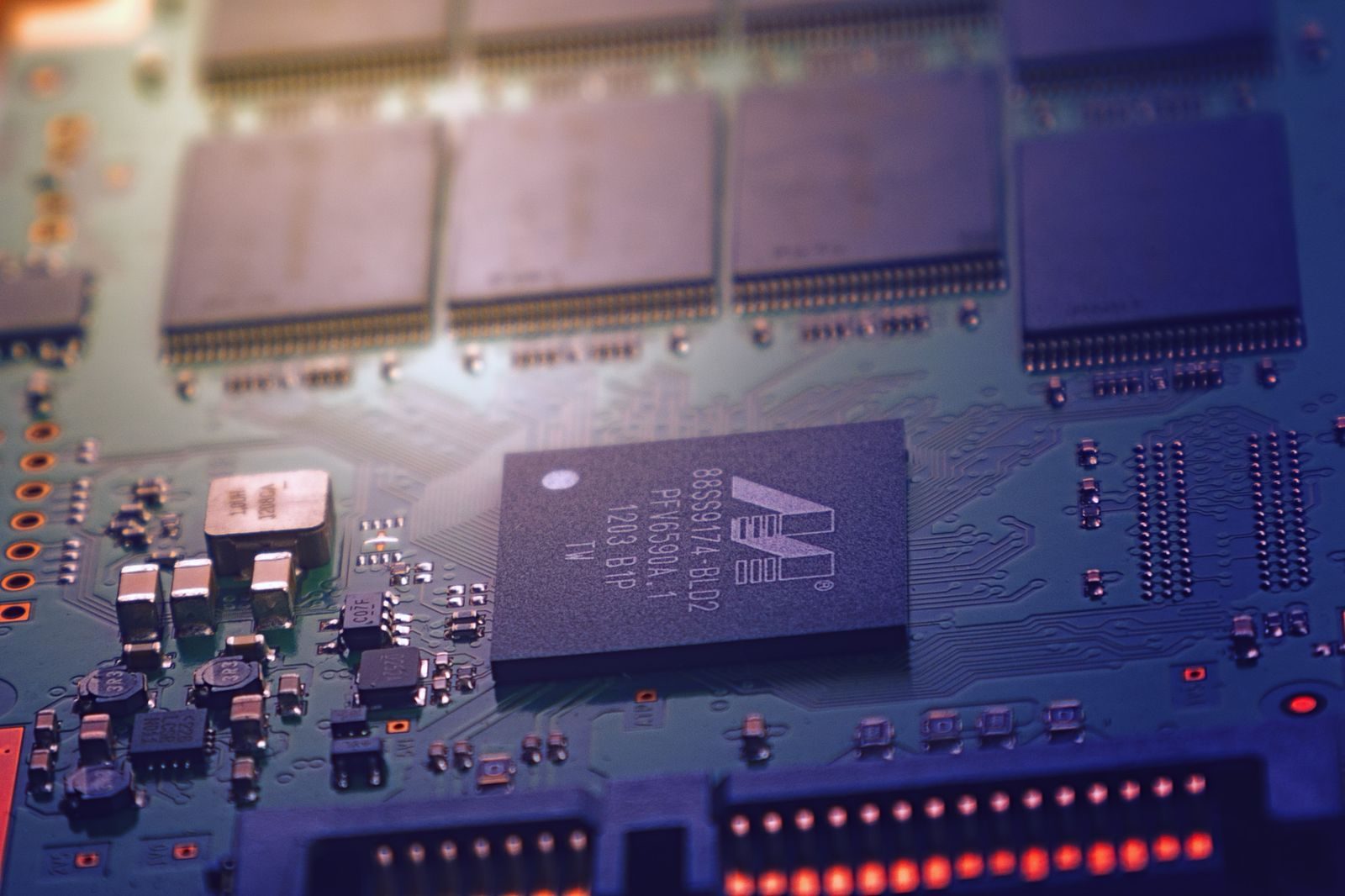
Most computer buyers assume that standard silicon processors have reached a permanent performance plateau. We believe that desktop computers can only get faster by draining massive amounts of electricity.
But a major breakthrough in artificial intelligence hardware is completely rewriting this computational limit. New microchip architectures are delivering staggering processing speeds with almost zero battery drain.
The Silicon Challenge
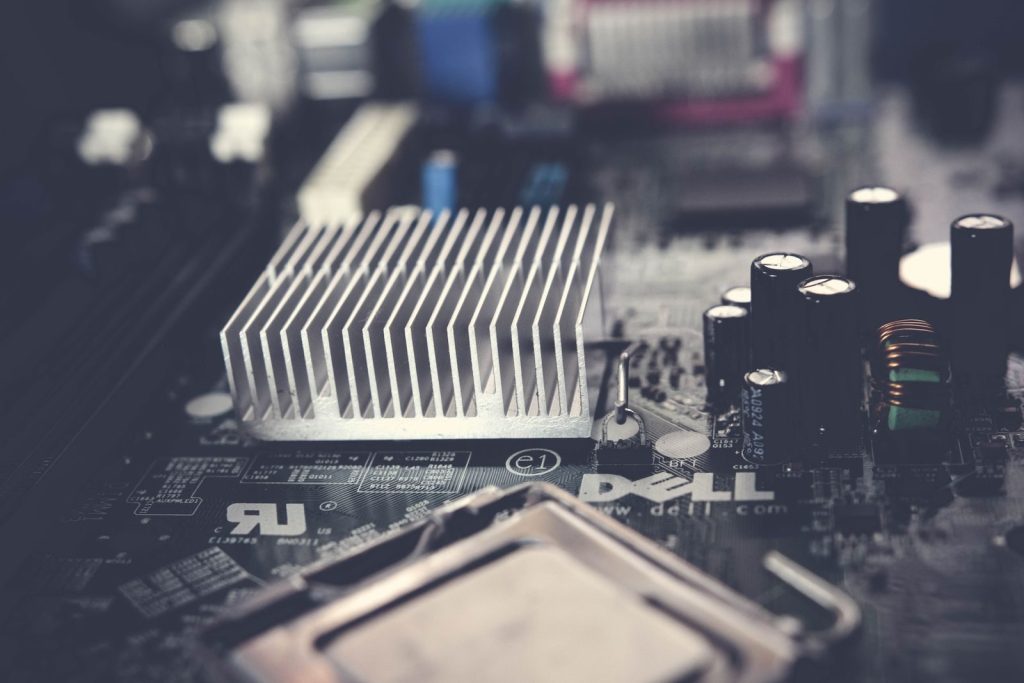
For years, standard personal computers struggled to compete with the energy efficiency of mobile phone processors. According to tech hardware analysts, traditional chips generate excessive heat when running complex modern software. They run incredibly hot. This thermal bottleneck forces laptop batteries to drain within a few short hours. But a fresh approach to hardware design is changing the game entirely.
Dedicated AI Engines
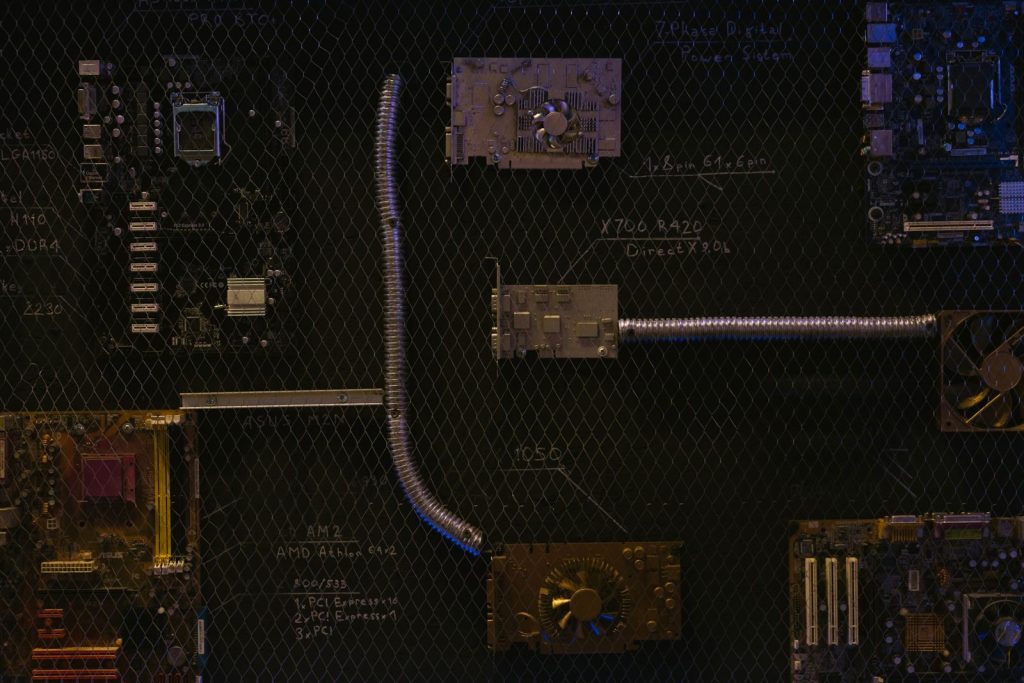
The secret behind this hardware shift lies in neural processing units designed specifically for artificial intelligence. According to reports from chip developers, these specialized cores handle complex mathematical calculations far faster than standard processors. They are highly focused. This design allows the computer to run heavy AI tasks without slowing down other operations. But testing this new architecture revealed some highly surprising benefits.
Instant Video Upgrades

One of the most impressive features of these new chips is their ability to enhance video streams instantly. According to technical hardware trials, the microchips use machine learning algorithms to upscale low-resolution videos to high definition. It feels like magic. This real-time processing happens without causing any noticeable lag in your daily system performance. But this visual jump requires an incredible level of data throughput.
The Unified Memory
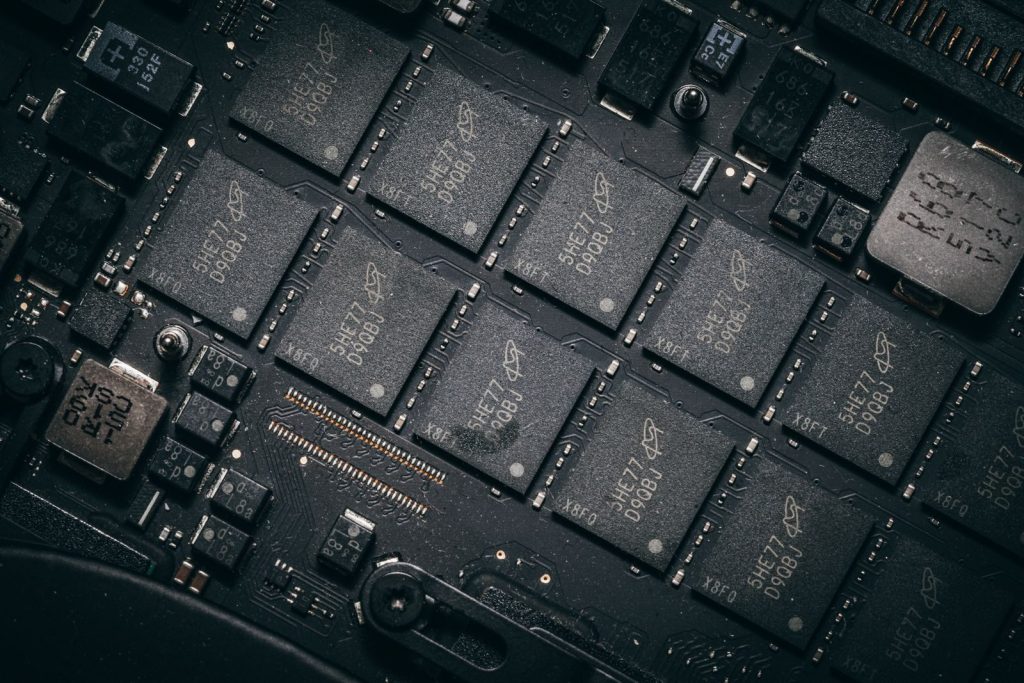
Traditional computers waste precious time and energy moving data between separate memory blocks. According to computer architecture studies, integrating the processor and memory onto a single silicon die eliminates this bottleneck. The speed is shocking. This unified layout allows the system to share critical data across different processing cores instantly. But manufacturing these complex microchip systems introduces a major engineering challenge.
Shrinking The Transistors
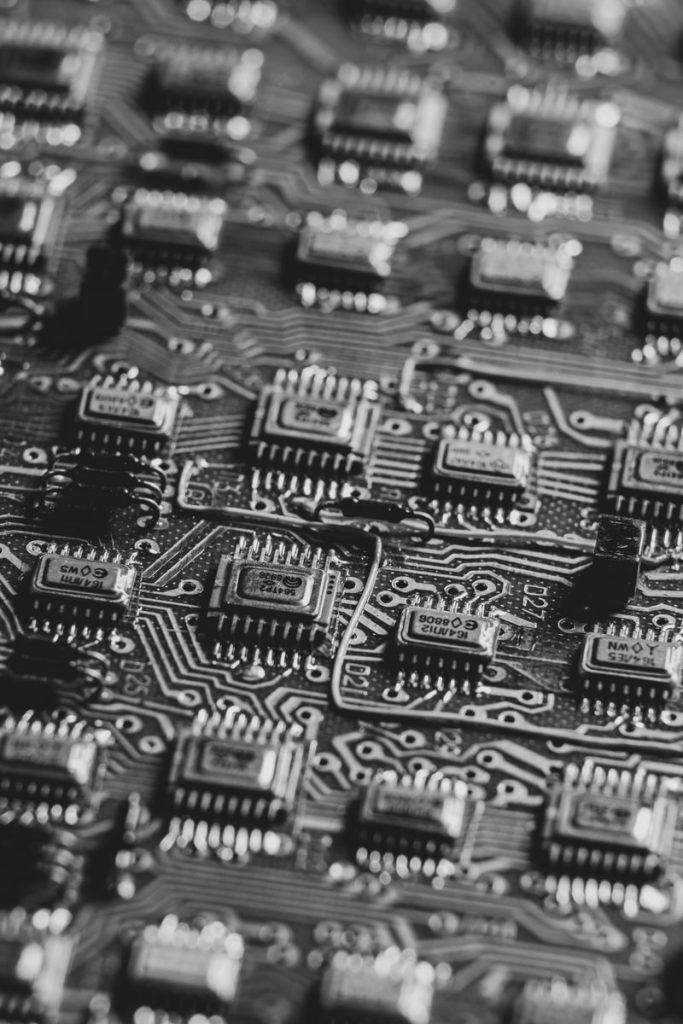
Creating highly efficient processors requires squeezing billions of microscopic transistors onto a tiny piece of silicon. According to semiconductor manufacturing logs, engineers are now using advanced light projection systems to carve pathways at atomic scales. The details are microscopic. A single speck of dust can ruin an entire batch of these advanced chips. But the massive performance gains are already starting to pay off.
Unlocking Epic Lifespans

Laptops running these advanced chips can finally match the legendary battery life of modern tablet devices. According to consumer hardware reviews, these systems can easily run for over twenty hours on a single charge. It is a revolution. This extreme efficiency will completely change how we work and travel with our personal electronics. But the future of these smart chips goes far beyond simple laptops.
Smarter Future Devices
This rapid leap in silicon technology is preparing the ground for completely autonomous smart home systems. According to tech industry researchers, these tiny energy-efficient chips will soon power everything from medical monitors to robotic helpers. The potential is limitless. This article is for informational purposes only.
Featured Image: Photo by Johannes Plenio on Pexels
Leave a Reply