Most space enthusiasts believe that repeating radio signals from deep space must belong to alien civilizations. We assume that natural cosmic objects can only produce chaotic bursts of energy rather than rhythmic patterns.
But astronomers have finally cracked the mystery behind a bizarre series of repeating signals. Their incredible discovery has revealed a highly unusual stellar system acting like a cosmic generator.
Enigmatic Radio Beats
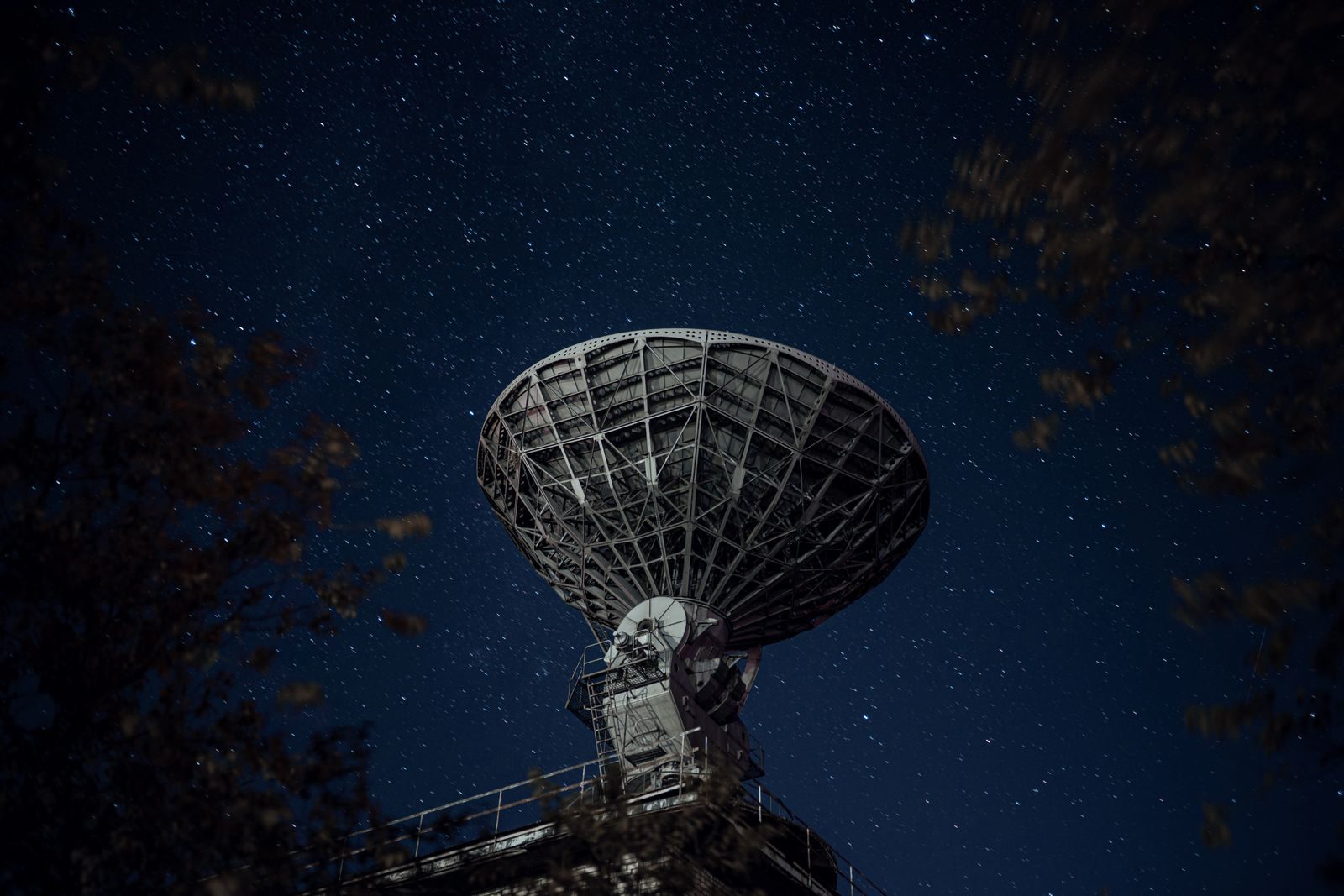
For years, radio telescopes around the world have been recording strange energy pulses from the Milky Way. According to a study published in Nature Astronomy, these bursts repeat at precise intervals of a few minutes to several hours. They are highly organized. Astronomers struggled to explain how any known celestial body could maintain such a slow, rhythmic pulse. But tracing the exact source of these signals required a massive technological push.
Tracking The Source

An international team of researchers focused their instruments on a specific polarized radio burst named ASKAP J1745. According to lead author Kovi Rose from the University of Sydney, this signal was repeating exactly every eighty-one minutes. The timing was perfect. Astronomers needed to combine data from multiple optical and X-ray telescopes to see what was actually happening at the coordinates. But the visual results revealed a highly chaotic stellar system.
The Cosmic Vampire
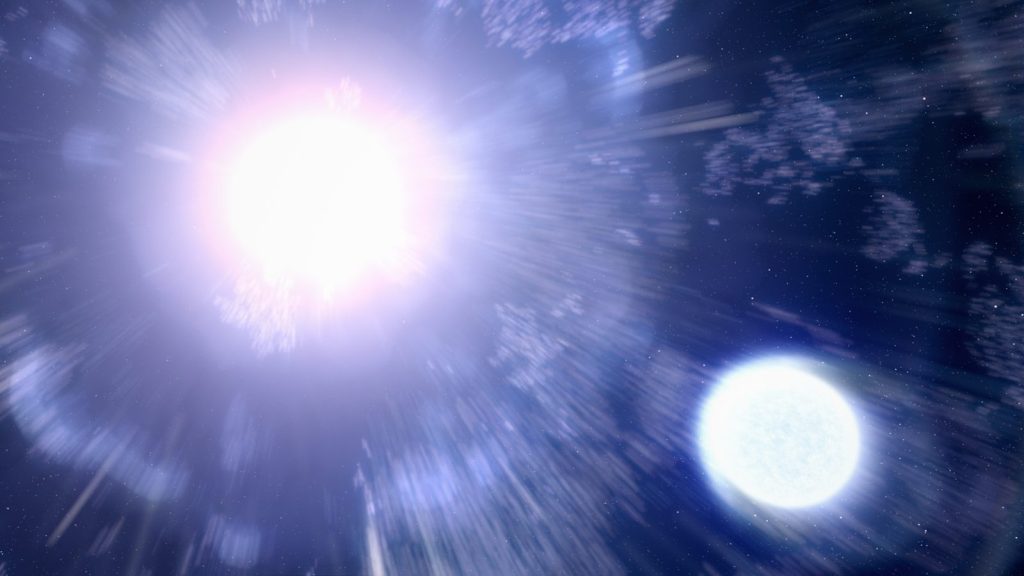
The telescope data revealed a rare cataclysmic variable system consisting of two highly active stars. According to the research paper, a dense white dwarf is relentlessly siphoning material from a nearby red dwarf companion. The dwarf is tiny. This massive gravitational pull creates a stream of hot plasma flowing between the two celestial bodies. But this violent transfer of material was also releasing a secondary energy signature.
Clashing Magnetic Fields
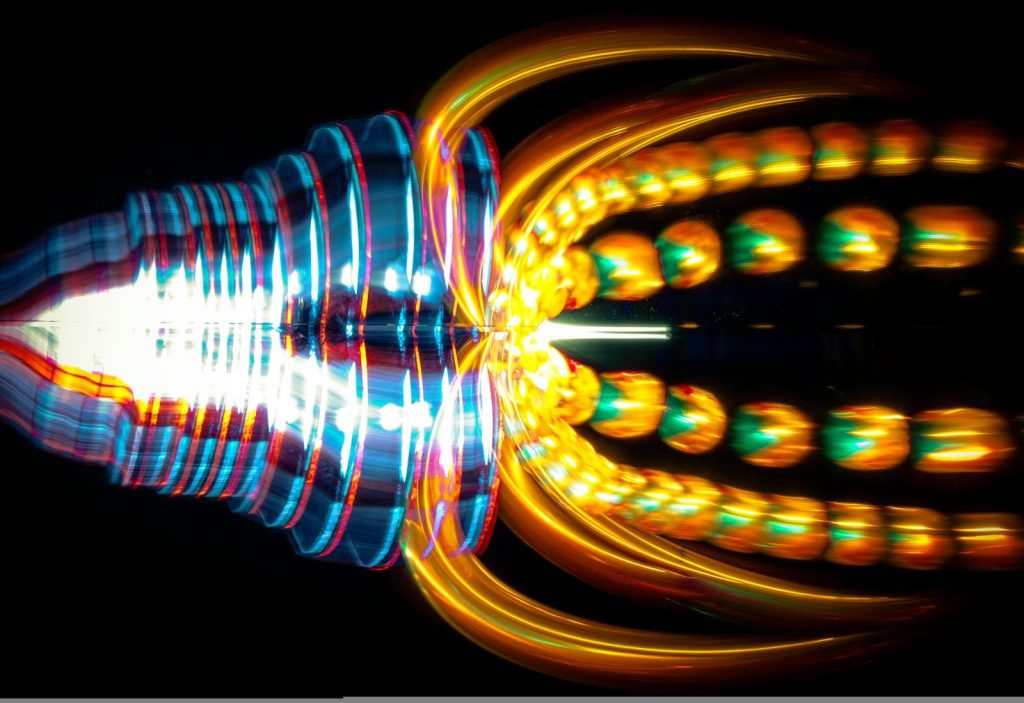
The extremely close orbit forces the magnetic fields of the two stars to collide. According to the University of Sydney reports, these magnetic field lines clash violently as the stars whip around each other. The friction is immense. This collision accelerates charged particles inside the plasma to produce focused radio beams that sweep across space. But explaining why these radio waves repeat requires measuring the orbital motion.
The X-Ray Outburst
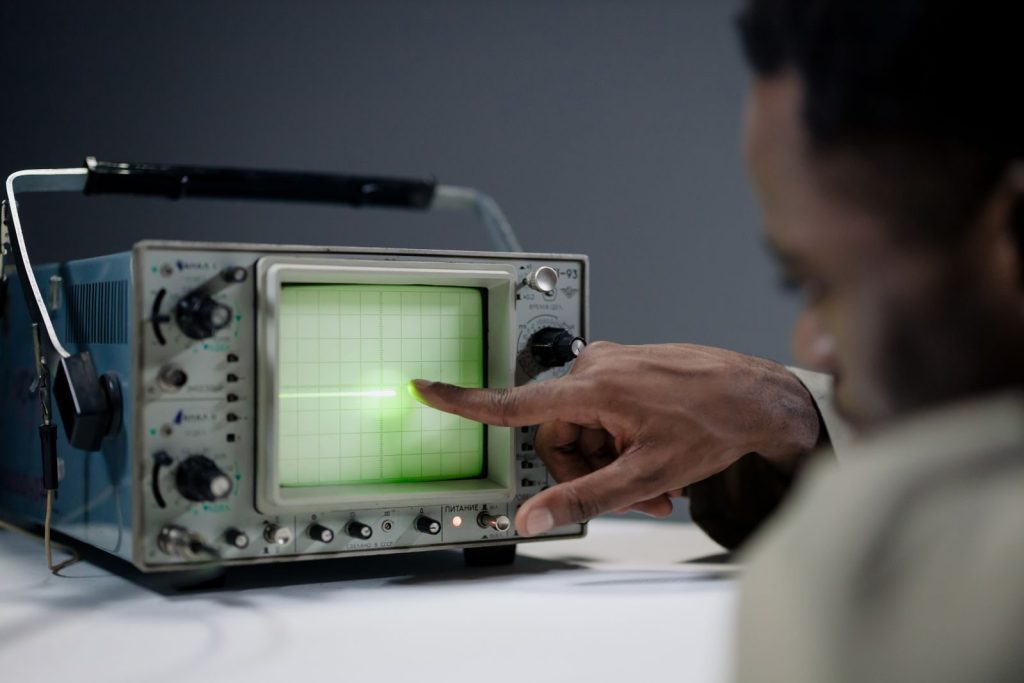
As the stolen gas crashes onto the surface of the white dwarf, it gets incredibly hot. According to data from NASA’s Swift observatory, the material heats to millions of degrees and emits periodic bursts of high-energy X-rays. The light is blinding. These X-rays peak in unison with the radio waves during the tight eighty-one-minute orbit. But this simultaneous emission was exactly the clue researchers needed to solve a larger puzzle.
The Neutron Star Debate

Before this discovery, most astronomers believed that slow-repeating signals were produced by dead neutron stars. According to astrophysicists, these slow pulsars were thought to be rotating at highly sluggish speeds. The models did not fit. Standard physics showed that neutron stars spinning slowly should not have enough energy to produce such intense radio beams. But the white dwarf binary system successfully offers a far more logical explanation.
A Stellar Rosetta Stone
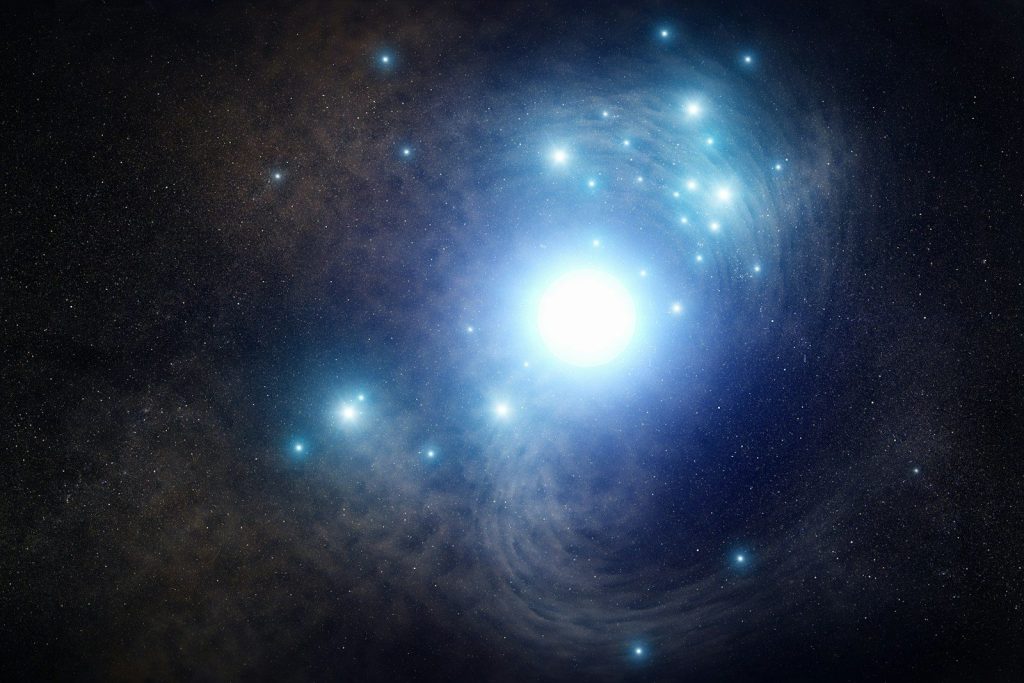
This rare vampire system is giving scientists a brand new framework to decode other mysterious signals. According to researcher Nanda Rea, this stellar pairing acts like a Rosetta Stone for understanding a dozen other unexplained transients. The key is found. It proves that interacting magnetic fields in binary systems are common sources of rhythmic cosmic emissions. But this breakthrough is also changing how we search the galaxy.
Natural Space Laboratories
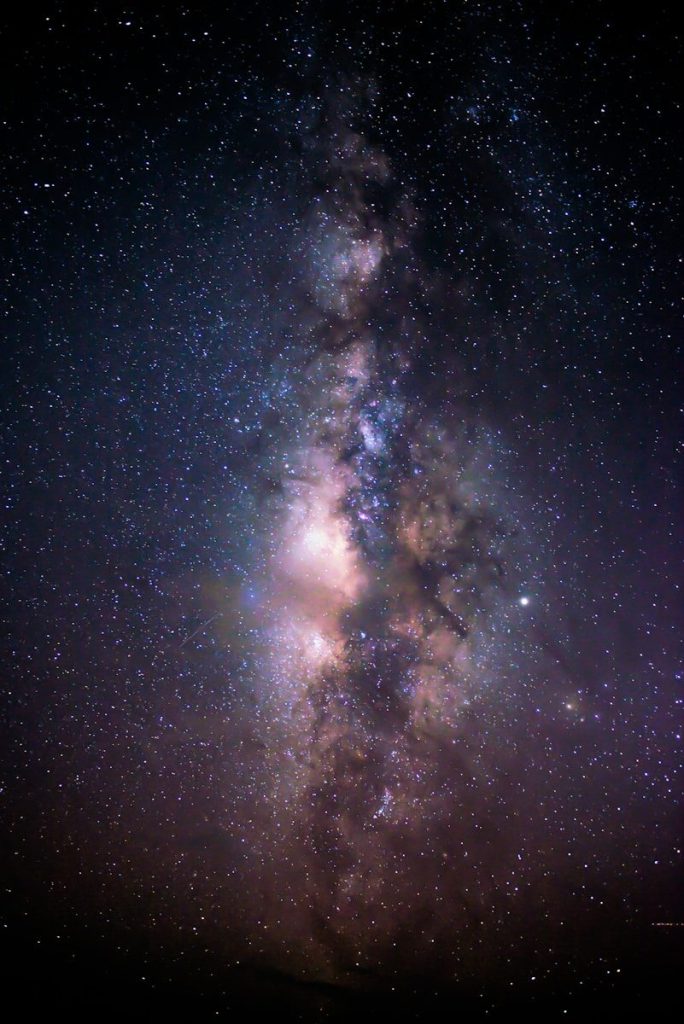
Finding these active binary systems allows scientists to study extreme gravity and magnetic physics in deep space. According to researchers, these stellar duos behave like natural laboratories under conditions we cannot recreate on Earth. Nature is highly complex. Every new signal we decode helps us map the energetic forces that shape our Milky Way galaxy. This article is for informational purposes only.
Featured Image: Photo by Igor Mashkov on Pexels