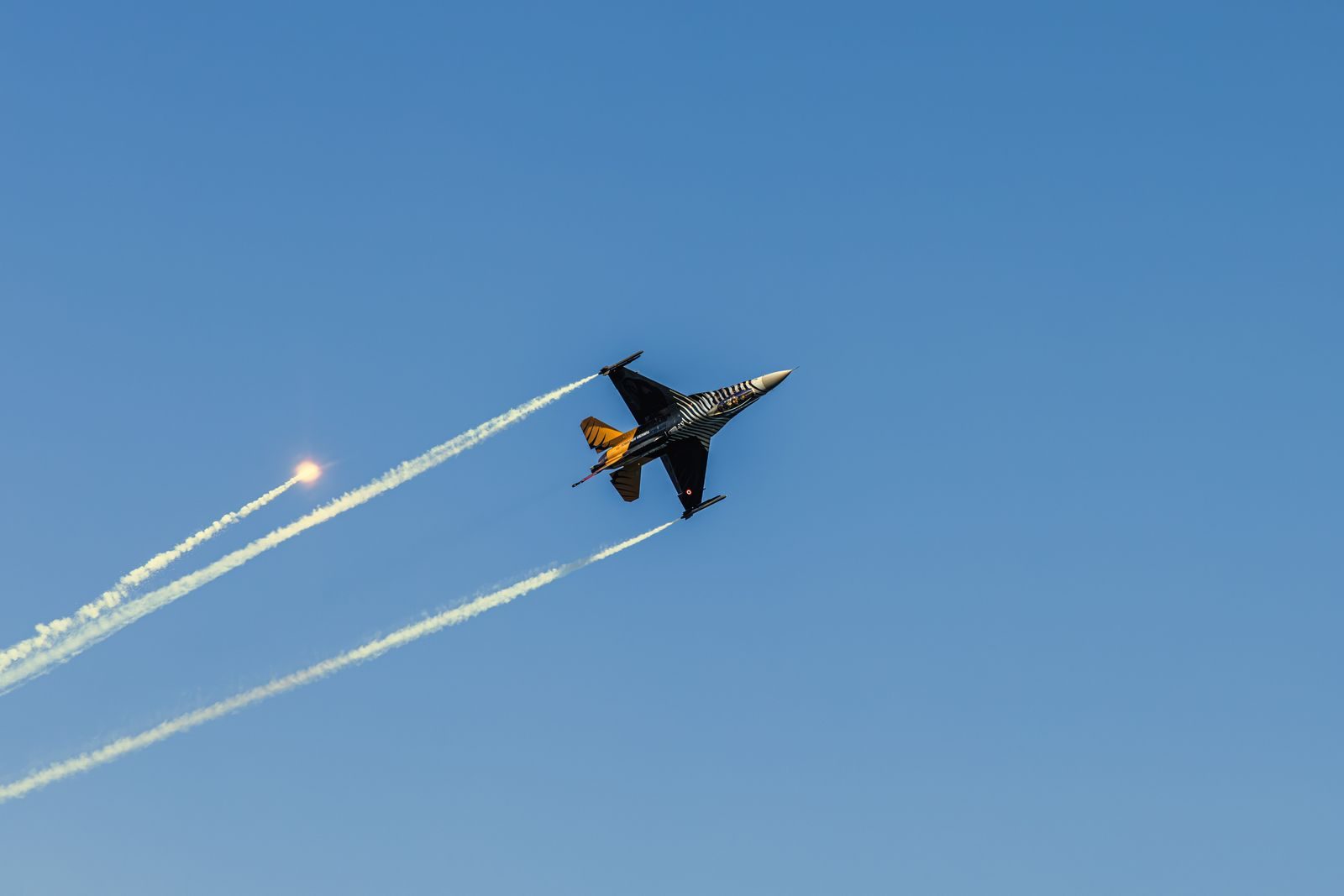
Aviation enthusiasts assume that military jets fly like standard commercial planes. We believe these machines rely purely on normal forward speed to generate wing lift.
But a closer look at advanced propulsion reveals a much wilder engineering reality. Certain high-tech fighter craft can bypass aerodynamic limits to launch straight up like space rockets.
Screaming Into The Sky
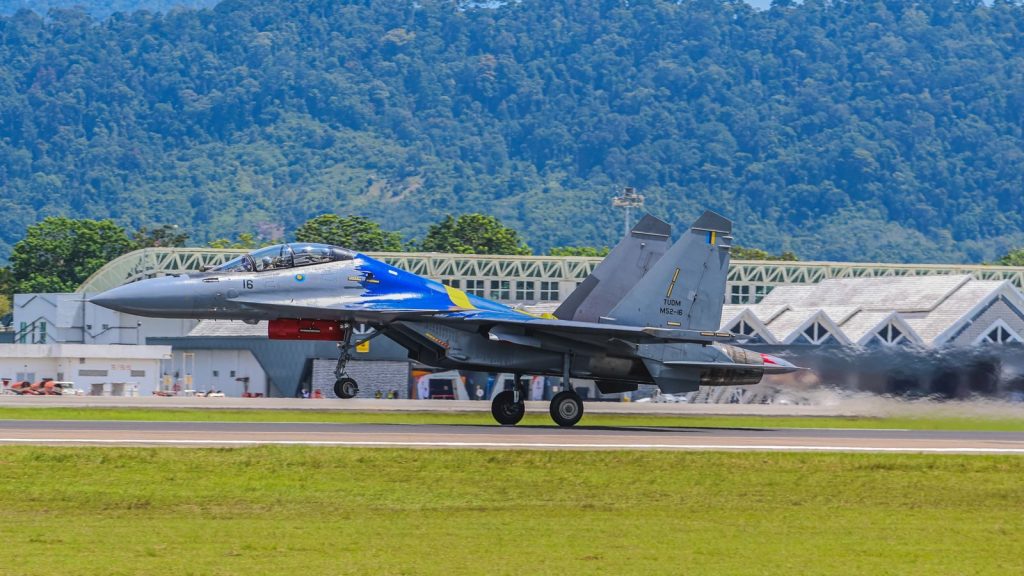
Spectators at military airshows often watch jet fighters rise vertically without losing any momentum. According to reports from the United States Air Force, these aircraft can accelerate during a straight vertical climb. They are immensely powerful. This bizarre behavior is made possible by a specialized engineering ratio that turns planes into rockets. But calculating this extreme force requires looking deep inside the jet engines.
The Thrust Vector Magic
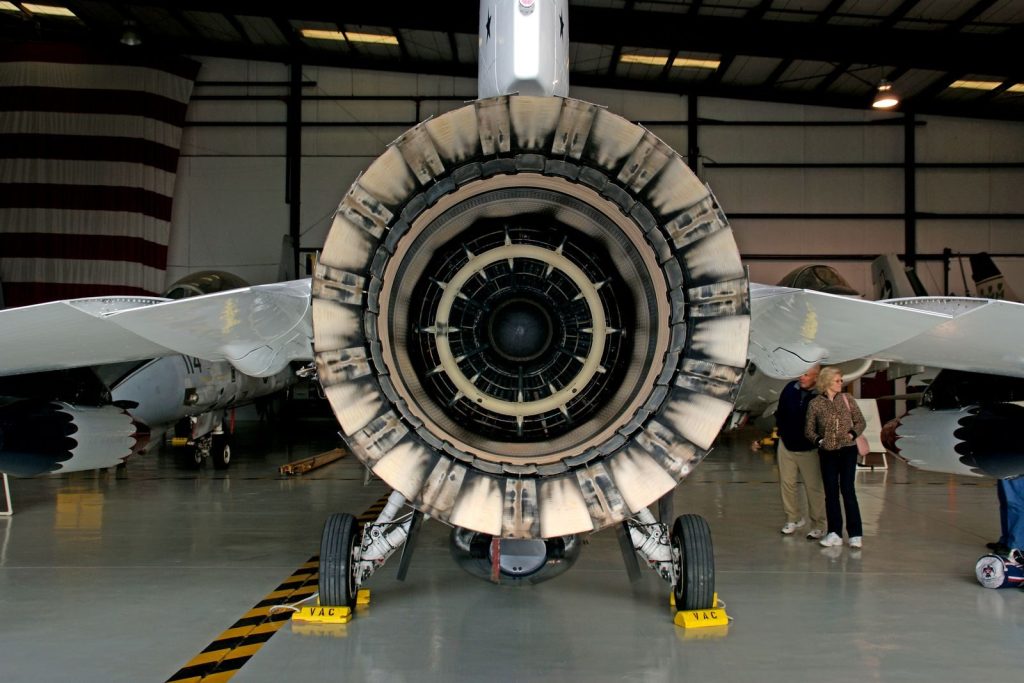
Standard airplanes push exhaust straight back to move forward in the sky. According to aerospace engineering logs, modern fighter craft use mechanical nozzles to redirect this fiery exhaust in multiple directions. The craft twists instantly. This unique thrust vectoring system allows the jet to steer even when flying at extremely low speeds. But this incredible maneuverability places immense physical strain on the metal frame of the aircraft.
Fighting Extreme G Forces
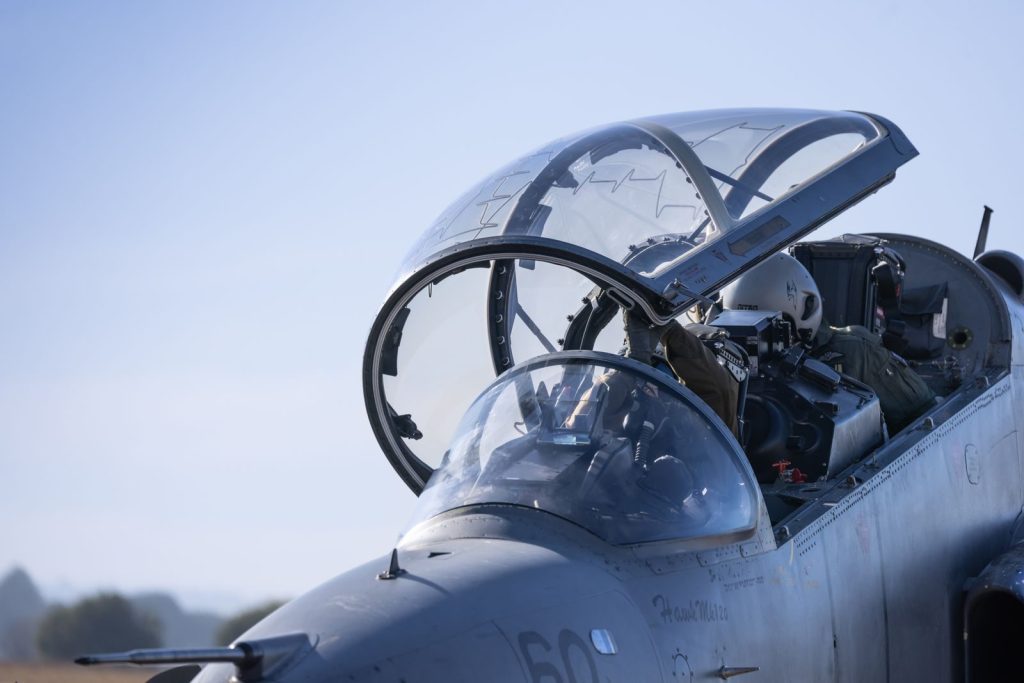
Pulling a heavy airplane into a vertical rocket climb generates crushing gravitational weight. According to military medical research, pilots experience forces up to nine times their normal body weight during these maneuvers. The pressure is brutal. Specialized flight suits inflate automatically to squeeze blood back up toward the brain. But keeping the human pilot conscious is only half of the engineering challenge.
Supercruise Without Afterburners
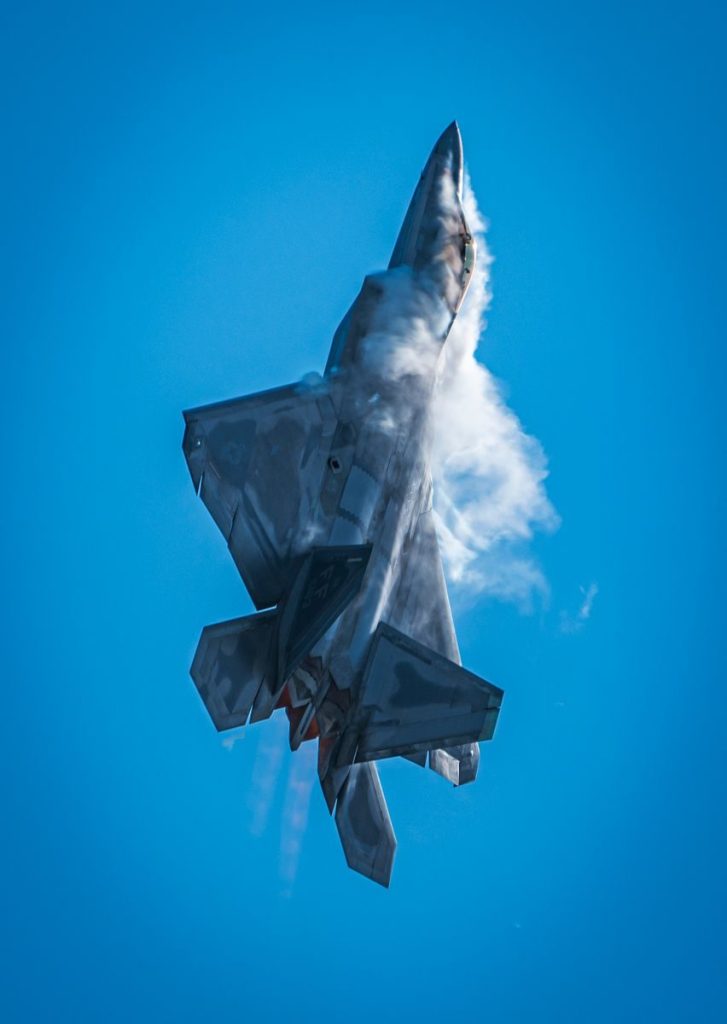
Most older military jets require dumping raw fuel directly into the hot exhaust to break the sound barrier. According to aviation testing records, advanced modern fighters can maintain supersonic speeds without using these fuel-guzzling afterburners. This is remarkable. This capability allows the jet to save precious fuel while chasing targets across vast distances. But flying so fast creates a massive wave of atmospheric friction.
Bending Air Currents
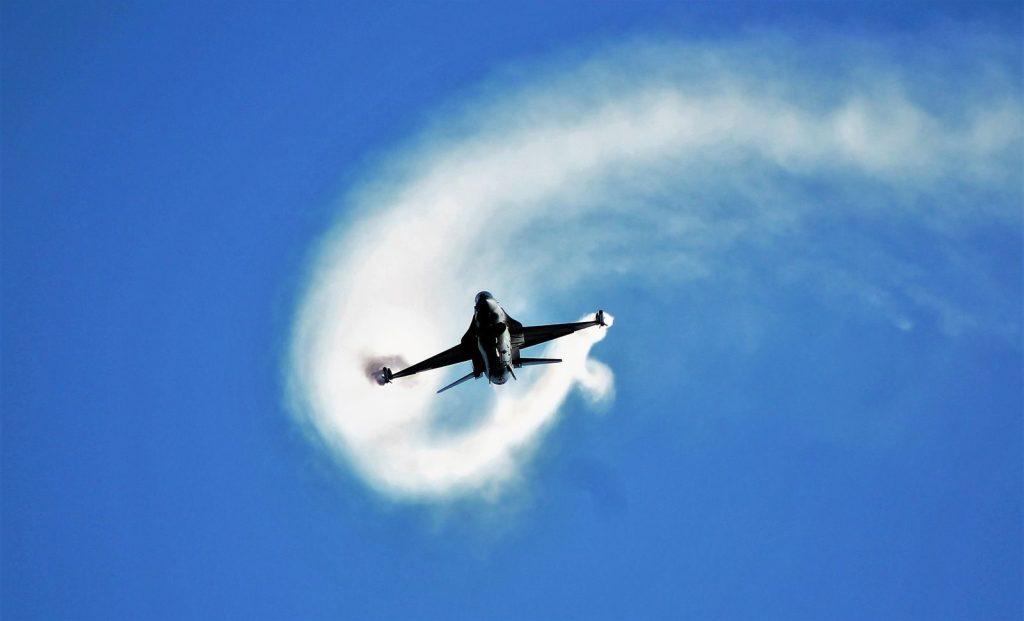
When a heavy jet climbs vertically, it forces the surrounding air to behave in highly unusual ways. According to atmospheric physics reports, rapid changes in air pressure create beautiful white vapor clouds around the wings. The wings look frozen. These sudden moisture clouds are actually physical signs of the air pressure dropping rapidly over the metallic frame. But managing these chaotic airflows requires an incredible amount of computer calculations.
Smart Flight Computers
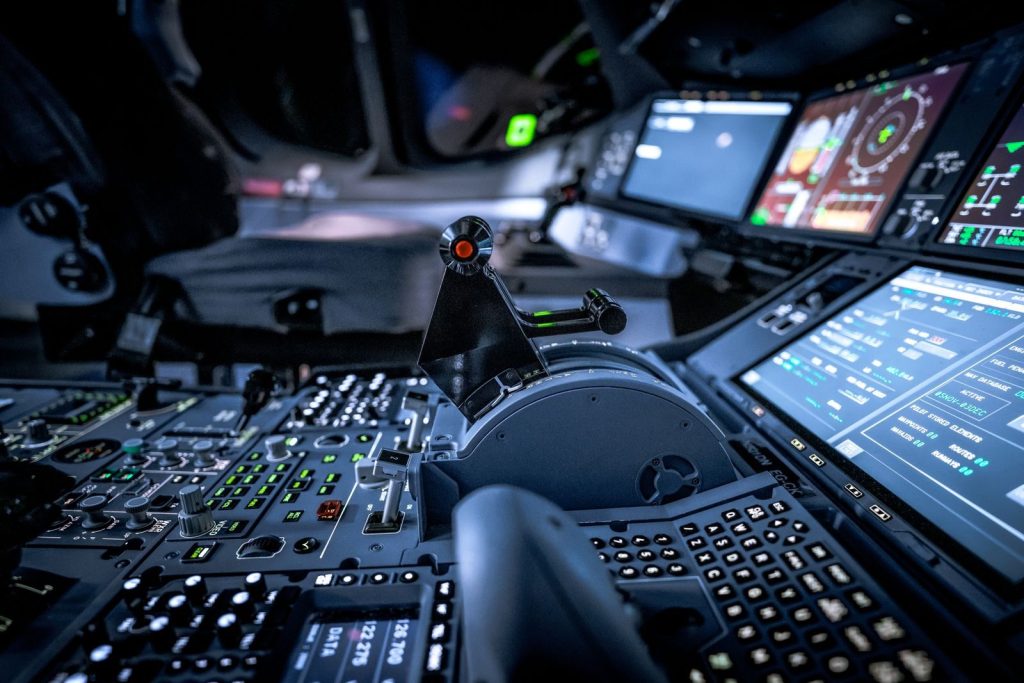
No human hand is fast enough to balance a jet climbing straight up toward space. According to computer software engineers, digital fly-by-wire systems make hundreds of micro-adjustments every single second to keep the flight stable. The software never sleeps. Without these constant digital corrections, the aircraft would quickly spin out of control and break apart in midair. But this automated control system is now facing a brand new era of development.
Stealth Meets Agility
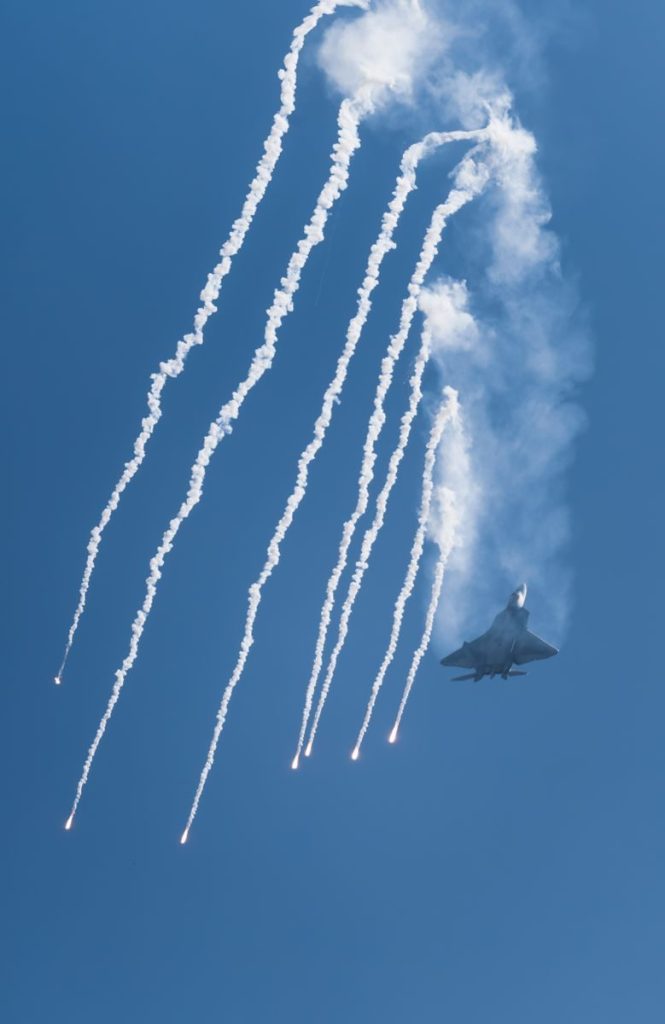
Combining extreme acrobatics with stealth technology requires a highly complex structural shape. According to defense design reports, radar-absorbing materials must cover every moving nozzle and wing joint to hide the jet from enemy sensors. It is highly invisible. This unique design ensures the plane remains completely hidden even while performing impossible maneuvers in the sky. But the future of these rocket-like flights will go far beyond human control.
Tomorrow In The Sky
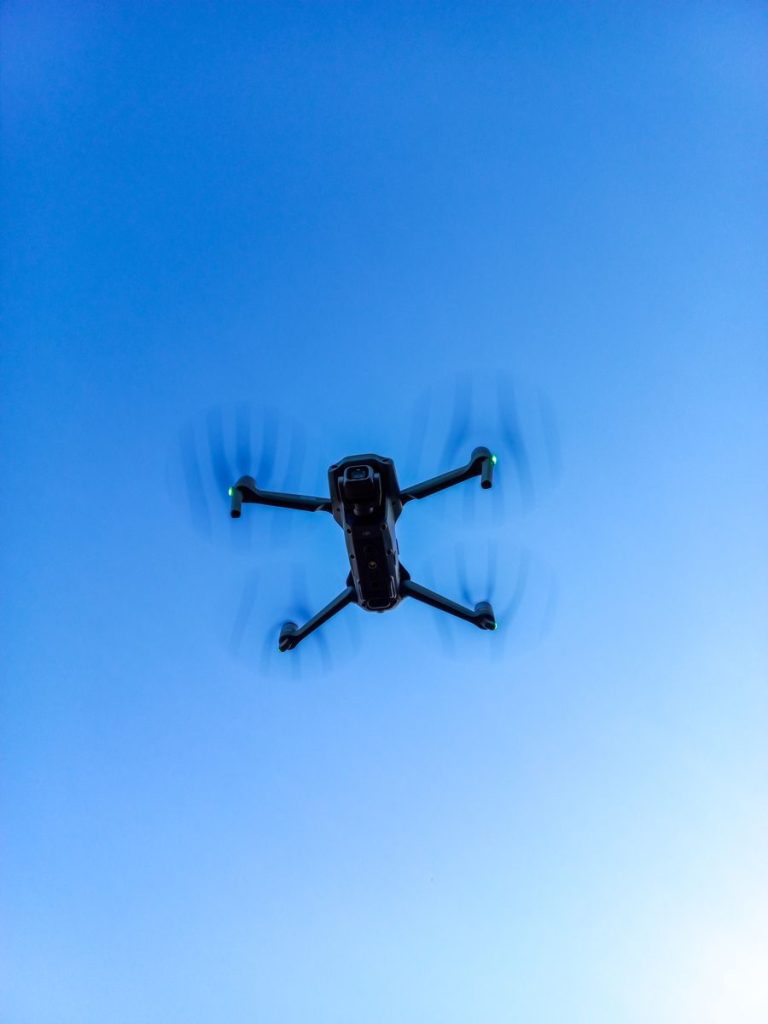
Unmanned aerial vehicles are already pushing past the biological limits that hold back human pilots. According to aerospace developers, removing the cockpit allows future aircraft to climb faster and turn tighter than any current jet. Innovation is accelerating. This article is for informational purposes only.
Featured Image: Photo by Hobi Photography on Pexels
Leave a Reply