Blog

  • Inside The Massive Building Redefining American Clean Power

    Inside The Massive Building Redefining American Clean Power

    Most taxpayers assume that building new clean energy generators is a quick and cheap task. We believe that transition projects can be completed within a few short years.

    But a massive nuclear construction project in Georgia has completely shattered this financial timeline. This multi-billion dollar engineering feat is redefining how the nation powers its cities.

    The Vogtle Plant Triumph
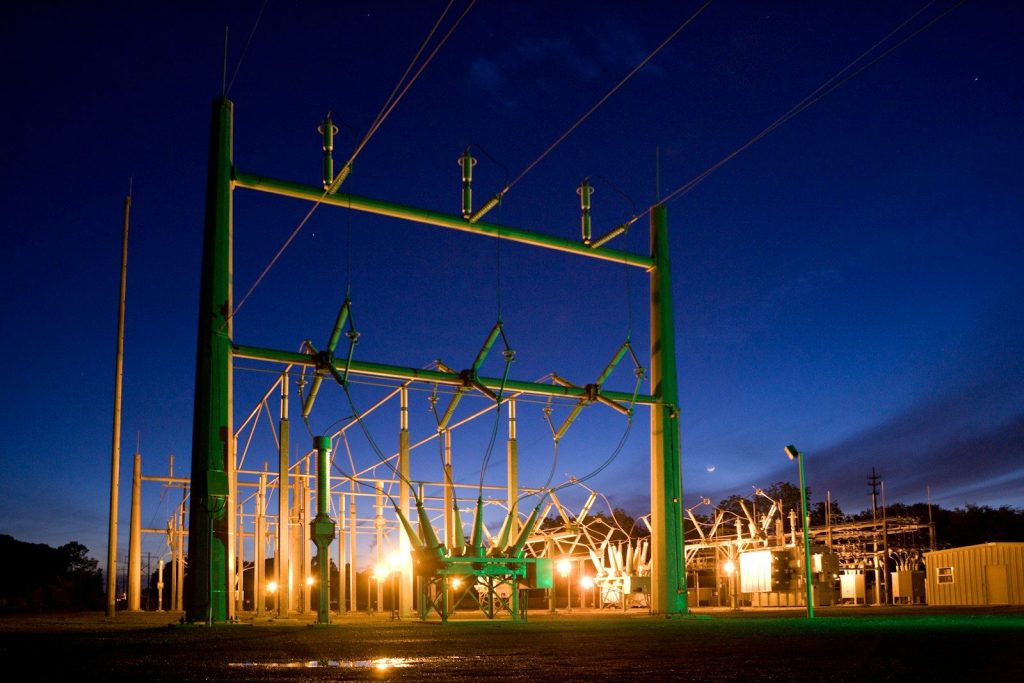
    green and grey transmission tower during nighttime
    Photo by American Public Power Association on Unsplash

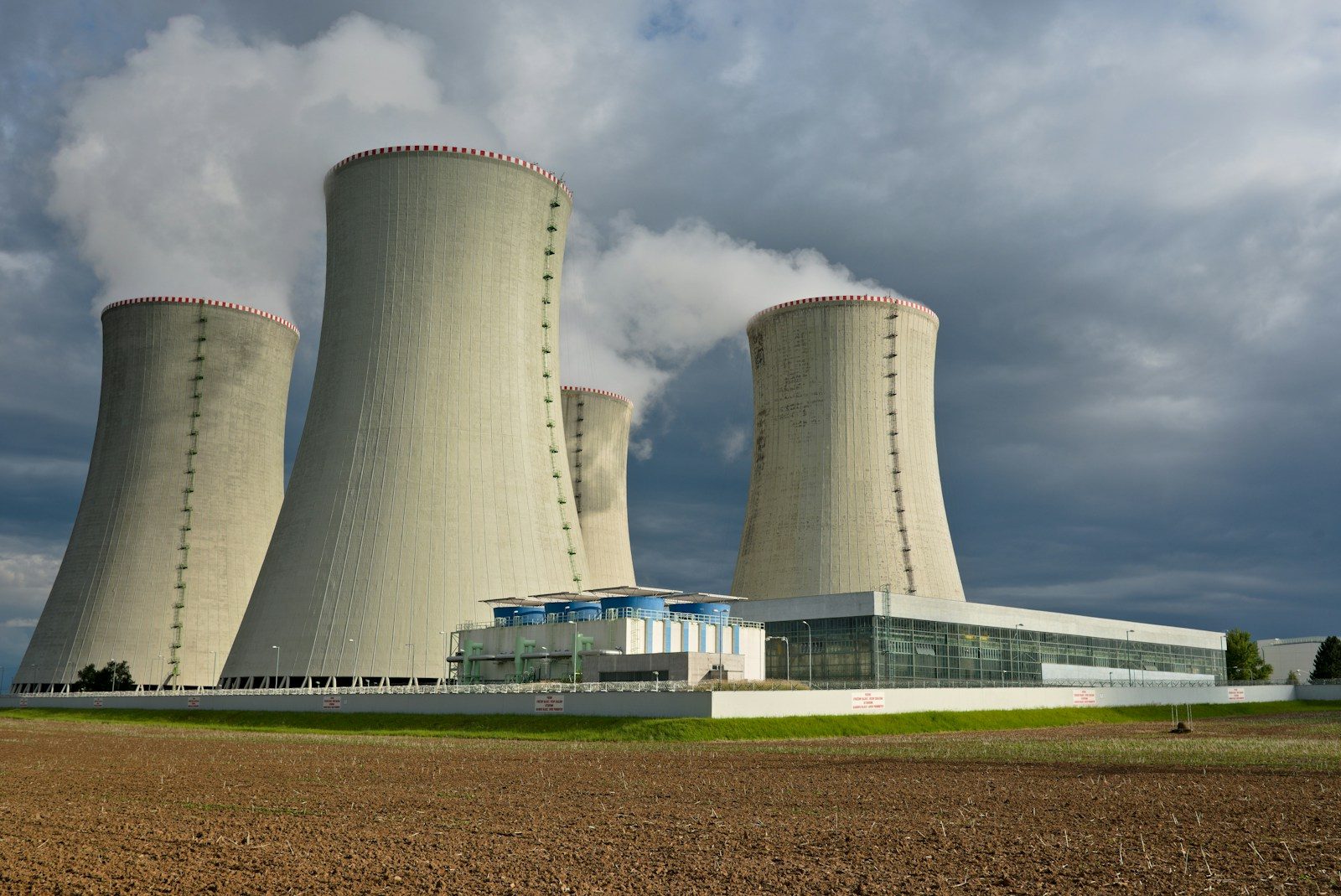
    A colossal nuclear expansion project in Georgia has finally reached completion after years of intense labor. According to reports from Georgia Power, two new reactors are now delivering stable carbon-free electricity to the regional grid. The scale is monumental. This massive facility represents the first newly built nuclear reactors in the United States in decades. But reaching this milestone required overcoming extreme financial obstacles.

    The Thirty-Five Billion Bill

    A desk with a keyboard and a monitor
    Photo by Jakub Żerdzicki on Unsplash

    Building advanced nuclear facilities requires spending massive amounts of capital on specialized materials and safety licensing. According to utility energy studies, the total cost of the Georgia project exceeded thirty-five billion dollars. The price tag is staggering. This intense budget growth has triggered fierce debates over the future of nuclear investments. But the physical engineering of these reactors is incredibly advanced.

    The AP One Thousand Design

    factory rooftop
    Photo by Sergei A on Unsplash

    The new reactors utilize a highly advanced structural blueprint designed to prevent severe system failures automatically. According to Westinghouse engineering files, the system uses gravity and natural condensation to cool the core. They are highly clever. This passive safety setup ensures the plant remains stable even during complete power losses. But manufacturing these giant steel vessels required extreme precision.

    Forging The Steel Containment

    a high angle view of a building
    Photo by avechenri on Unsplash

    Every reactor core is housed inside a massive steel vessel built to withstand extreme pressures and heat. According to structural engineering reviews, these vessels are wrapped in thick layers of high-density concrete. It is a fortress. This robust shield ensures that radioactive materials remain completely contained under any circumstances. But sourcing the materials for this shield created a global supply puzzle.

    Sourcing Custom Safety Parts

    man in blue scrub suit standing near white and black office rolling chair
    Photo by RephiLe water on Unsplash

    Building a nuclear plant requires thousands of specialized valves and sensors that meet strict quality standards. According to supply chain analysts, a tiny defect in a single pipe can delay construction for months. Precision is vital. This extreme focus on quality is what drove the project costs far past initial estimates. But this massive investment is delivering a highly stable energy return.

    Powering Millions Of Homes

    cable network
    Photo by Taylor Vick on Unsplash

    Once fully active, the massive reactors can generate enough electricity to run over one million homes continuously. According to energy grid data, this stable baseload power is vital for supporting erratic wind and solar generators. The flow is constant. This reliable supply ensures that local hospitals and factories never experience sudden voltage drops. But the long-term future of American nuclear power remains uncertain.

    The Next Generation Shift

    Model of a modern city with buildings and buildings
    Photo by ANOOF C on Unsplash

    Energy developers are studying the lessons learned from the Georgia project to build smaller modular reactors. According to industry analyst reports, scaling down the construction size is the easiest way to control budgets. The change is beginning. These smaller plants could soon deliver safe atomic energy without the extreme financial risks. But executing this transition requires updating national policies.

    Unlocking A Clean Grid

    the sun is setting over a valley with trees
    Photo by Dave Hoefler on Unsplash

    Mastering nuclear engineering on a grand scale is a critical step toward securing our clean energy future. According to planetary scholars, nuclear baseload power is essential for reducing carbon emissions around the globe. Balance is essential. This article is for informational purposes only.

    Featured Image: Photo by Lukáš Lehotský on Unsplash

  • Why Classic Warm Light Bulbs Are Making A Comeback

    Why Classic Warm Light Bulbs Are Making A Comeback

    Most modern homeowners assume that LED light bulbs are the perfect replacement for old lighting options. We believe that low energy usage makes these blue-white lights superior in every single room.

    But a surprising biological shift is bringing classic incandescent bulbs back into our homes. Their unique continuous color spectrum offers healthy benefits that modern bulbs simply cannot match.

    The Blue Light Problem

    A black background with a blue wave on it
    Photo by Pawel Czerwinski on Unsplash

    Many standard LED bulbs emit intense peaks of blue light that can disrupt human biological rhythms. According to a study from Harvard University, exposure to this cool light late at night halts melatonin production. The body wakes up. This chemical block makes it difficult for families to fall asleep and rest deeply. But classic warm bulbs behave in a highly different way.

    The Continuous Spectrum Glow

    a living room with a white couch and chairs
    Photo by Pipcke on Unsplash

    Classic incandescent bulbs generate light by heating a thin metal filament until it glows naturally. According to physics research updates, this thermal glow produces a continuous spectrum that mimics the setting sun. It is highly soothing. This natural light contains almost zero sharp blue peaks, making it incredibly gentle on human eyes. But finding these classic bulbs in modern stores remains a challenge.

    The Return Of Specialty Filaments

    a bunch of lights hanging from a ceiling
    Photo by Bernd 📷 Dittrich on Unsplash
    Manufacturing laws previously restricted the sale of standard inefficient light bulbs across the nation. According to retail market analysts, developers are bypassing these rules by designing specialized warm glass fixtures. The loophole is legal. These specialty bulbs are classified as decorative elements, allowing homeowners to purchase them easily. But this vintage revival is also changing how we design cozy rooms.

    Designing Cozy Interior Spaces

    a living room filled with furniture and a dining room table
    Photo by witpix <3 on Unsplash

    Interior designers are using warm filament bulbs to create relaxing atmospheres inside residential homes. According to lighting design guides, warm amber light can lower stress levels and reduce evening eye strain. The change is immediate. This cozy environment helps the brain prepare for sleep naturally after a busy day. But managing the energy use of these classic bulbs is a major concern.

    Balancing Efficiency and Health

    ai, robot, technology, coding, laboratory, development, women, engineering, collaboration, future, innovation, software, research, science, tech, workplace, machine, human, screen, data, ai generated
    Photo by geralt on Pixabay

    While filament bulbs consume slightly more electricity, their biological benefits can outweigh the minor costs. According to sleep health specialists, using warm bulbs strictly in bedrooms and living rooms is the ideal setup. It is remarkably simple. This targeted placement protects your sleep cycle while keeping your total energy bill low. But device developers are also working on a clever compromise.

    Smart Spectrum Adjustments

    black samsung android smartphone displaying 11 00
    Photo by ashkanis on Unsplash

    Some technology firms are designing advanced LED bulbs that can mimic the warm glow of filaments. According to product testing logs, these smart systems adjust their color outputs automatically throughout the day. They are highly active. This digital shift helps families enjoy the efficiency of LEDs without the toxic blue spikes. But the ultimate success of these systems depends on consumer adoption.

    Caring For Your Body

    The sun is shining through the clouds over a field
    Photo by Wolfgang Hasselmann on Unsplash

    Choosing the right lighting in your home is a simple way to protect your long-term health. According to medical researchers, aligning your indoor environment with natural solar cycles preserves your physical well-being. Healthy choices matter. This article is for informational purposes only.

    Featured Image: Photo by jason hu on Unsplash

  • The Surprising Reason Your New LED Bulbs Fail Fast

    The Surprising Reason Your New LED Bulbs Fail Fast

    Most consumers believe that modern LED bulbs are designed to last for several decades without any issues. We assume that buying these expensive lights guarantees a lifetime of maintenance-free performance.

    But many new LED bulbs are failing within just a few short months of use. This rapid decay is currently driven by a hidden hardware flaw inside the bulb itself.

    The Myth Of Longevity

    green and yellow beaded necklace
    Photo by KOBU Agency on Unsplash

    Packaging boxes often promise that a new LED bulb will shine brightly for over twenty years. According to consumer hardware reviews, many of these devices burn out much faster than advertised. The claims fail. Buyers are left feeling frustrated as they replace supposedly durable lights repeatedly. But explaining why these bulbs die requires looking beyond the glowing diode.

    Inside The Bulb Core

    a close up of a piece of electronic equipment
    Photo by Vishnu Mohanan on Unsplash
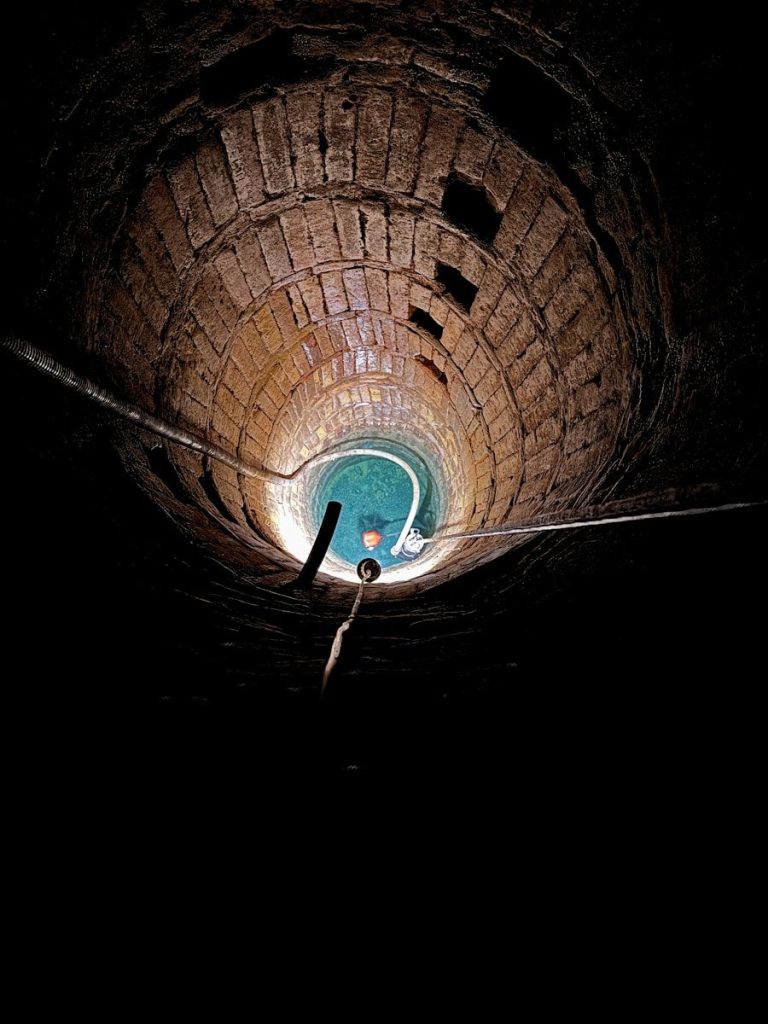
    An LED bulb is not a simple glass filament but a highly complex electronic device. According to reports from lighting engineers, the light-emitting diode itself is actually incredibly durable. It runs cool. The real point of failure is a tiny circuit board called the LED driver. But this fragile circuit board faces a severe threat inside your home.

    The Extreme Heat Trap

    Close-up of hand applying thermal paste to a laptop microchip for maintenance.
    Photo by Elias Gamez on Pexels

    Circuit boards generate significant heat while converting high-voltage household current into low-voltage power. According to materials science studies, this heat must be quickly directed away from the delicate processors. The thermal load is intense. If the heat stays trapped, it cooks the tiny capacitors and destroys the driver. But the design of modern fixtures makes this heat problem much worse.

    Enclosed Ceiling Fixture Danger

    Modern living room with sleek furniture and large windows.
    Photo by jason hu on Unsplash
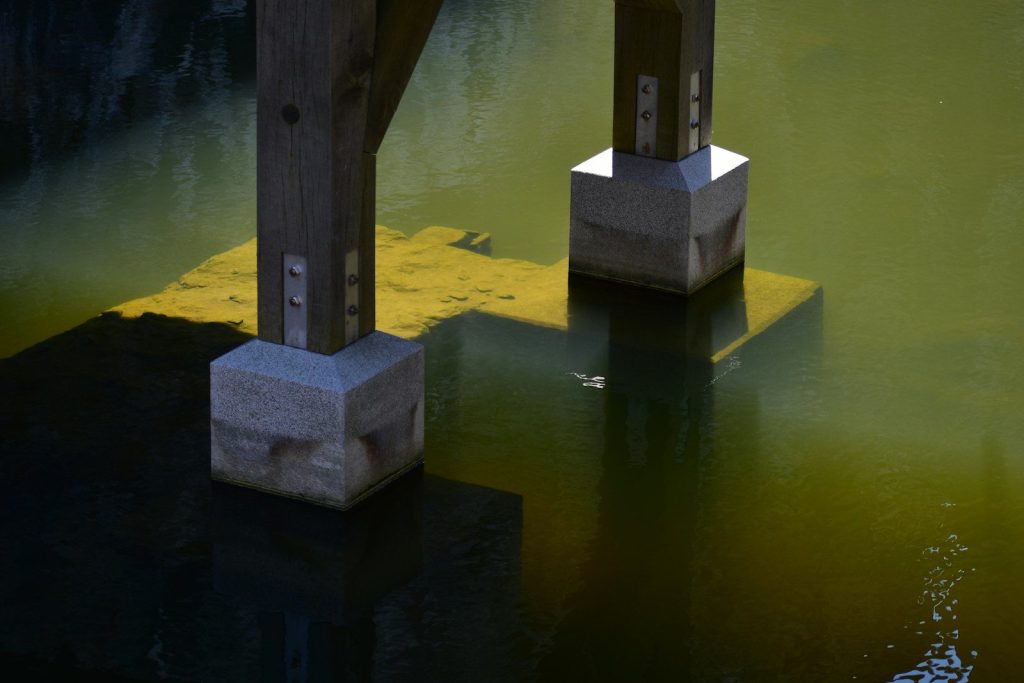
    Placing a standard LED bulb inside a sealed ceiling dome traps the hot air completely. According to home safety logs, this confined space prevents the metal heat sink from cooling the bulb. The temperature rises rapidly. Operating in this hot environment can cut the lifespan of your device by eighty percent. But some cheap manufacturers are making the issue even more severe.

    Sourcing Cheap Internal Components

    person holding gray audio mixer
    Photo by ThisisEngineering on Unsplash
    To compete on price, some brands use low-quality capacitors that degrade rapidly under stress. According to electronics engineering audits, these cheap parts are highly vulnerable to slight voltage spikes. They are fragile. When a capacitor fails, the entire bulb goes dark even though the diodes are perfect. But you can protect your bulbs by making a few simple changes.
    Choosing Open Ventilation Fixtures

    a living room filled with furniture and a kitchen
    Photo by Bailey Alexander on Unsplash

    Using open fixtures allows the rising hot air to escape away from the bulb base. According to hardware guides, keeping your bulbs cool is the easiest way to double their operating life. The fix is simple. This air circulation ensures the internal driver electronics remain stable for years. But selecting the right brand is also a critical step.

    Checking The Warranty Logs

    a typewriter on a table
    Photo by Markus Winkler on Unsplash

    Buying bulbs from reputable manufacturers that offer long replacement warranties is highly recommended. According to consumer advocacy reports, reliable brands use premium components that resist high temperatures. The investment is smart. These durable models will save you money and prevent constant trips to the store. But the future of lighting is moving toward even smarter designs.

    Designing Better Gadgets

    metal structure frame beside wall
    Photo by Justin Ha on Unsplash

    Mastering thermal management is key to unlocking the true potential of modern home technology. According to industrial historians, building durable electronics reduces global electronic waste significantly. Maintenance remains essential. This article is for informational purposes only.

    Featured Image: Photo by Adi Goldstein on Unsplash

  • The Colossal Underworld Structure Caught Under Egyptian Sands

    The Colossal Underworld Structure Caught Under Egyptian Sands

    Most archaeology fans believe that Egypt has already yielded all its greatest secrets. We assume that centuries of heavy digging have left nothing major to find.

    But a spectacular discovery of deep underground anomalies has stunned modern researchers. An elite scanning mission has captured a sprawling subterranean structure hidden beneath the sand.

    Sifting Through Desert Dust

    red and black bicycle on brown sand
    Photo by Lai Man Nung on Unsplash

    A team of explorers began mapping a quiet cemetery plot near the great Giza monuments. They did not expect to find anything major. According to a study by Higashi Nippon International University, scientists used advanced radar systems to scan beneath the soil surface. The results were stunning. The scans revealed a massive structural anomaly buried deep under the dunes. But this digital map was hiding a massive secret.

    The L-Shaped Anomaly

    An aerial view of a road with red signs on it
    Photo by Urs Lendermann on Unsplash

    The radar scans showed a massive shape that did not match any natural rock pattern. According to geophysical analysts, the underground layout features a highly precise L-shaped structure stretching across the coordinates. It was truly colossal. This precise geometry suggests that human hands carefully planned and executed the build long ago. But the purpose of this underground giant was still a complete mystery.

    Sinking Into Sand

    brown concrete blocks on brown sand
    Photo by Saj Shafique on Unsplash

    The colossal structure lies buried over six feet beneath the dry cemetery floor. According to the research reports, the anomaly was filled with dry sand after its construction. It was carefully sealed. This intentional sand filling suggests that the builders wanted to protect the inner chambers from any outside interference. But tracing what lay beneath this sand barrier required using deeper sensors.

    The Deep Chambers

    Explore the stunning brickwork and vaulted ceilings of this historic architectural crypt.
    Photo by Anna Rynkowska on Pexels

    Geophysical teams used electrical resistivity scanners to map the layers directly beneath the L-shaped structure. According to the survey data, a series of deeper cavities sit directly under the main foundation. They are highly empty. These deep rooms could represent untouched tomb chambers or ancient storage vaults. But identifying who built these hidden chambers required studying the surrounding graves.

    The Royal Neighbors

    A large building with statues on the side of it
    Photo by Martijn Vonk on Unsplash

    The mysterious structure sits directly adjacent to the ancient graves of elite Egyptian royal families. According to classical historians, this specific coordinate was reserved for the most powerful officials of the Old Kingdom. The status was clear. Placing such a massive monument in this sacred area proves its extreme cultural importance. But some geologists suggest a highly practical function for the structure.

    A Grand Entrance Way

    two stone pillars in a grassy field with a hill in the background
    Photo by RE Walsh on Unsplash

    Some researchers believe the L-shaped anomaly served as a monumental entrance to the deeper tomb complex. According to architectural reconstructions, the structure functioned as a secure gateway that was eventually buried to deter grave robbers. The shield worked. This clever design successfully kept the lower chambers untouched for thousands of years. But launching a physical excavation is still a massive challenge.

    Reclaiming Our Forgotten Past

    Ancient egyptian temple complex in a desert landscape.
    Photo by Alessandro Santoro on Unsplash

    This spectacular radar discovery proves that technology can uncover lost worlds once thought to be permanently gone. According to archaeologists, mapping these hidden structures alters our understanding of how early dynastic societies organized their sacred spaces. The search continues. This article is for informational purposes only.

    Featured Image: Photo by Mathias Reding on Unsplash

  • The Unexplained Space Matter Recovered From Earth Craters

    The Unexplained Space Matter Recovered From Earth Craters

    Most biology enthusiasts assume that life on Earth originated strictly in our oceans. We believe that organic cells evolved entirely from native terrestrial elements.

    But a bizarre mineral discovery inside an ancient impact crater has challenged this. Elite research teams have recovered complex organic compounds that originated in deep space.

    Sifting Through Ash

    a man climbing a rock wall
    Photo by Marjan Taghipour on Unsplash

    A team of geologists exploring a remote impact zone began collecting deep soil core samples. They were not looking for anything unusual. According to a study published in Geochimica, scientists detected a unique mineral composition inside the rock layers. The structure was weird. These anomalous minerals did not match any geological formations native to Earth. But tracing the origin of these elements led to a shocking stellar coordinate.

    Extraterrestrial Amino Acids

    a woman looking through a microscope in a lab
    Photo by National Cancer Institute on Unsplash

    Analyzing the mineral core revealed a high concentration of carbon compounds that carry an unusual isotopic balance. According to space science researchers, the specific ratio of carbon atoms proves the matter formed outside our solar system. It was incredibly old. This ancient stardust survived the intense heat of atmospheric entry to settle into the crater floor. But how these delicate molecules survived the impact pressure remains a mystery.

    Surviving The Crash

    A captivating image of white smoke cloud against a dark background, creating an ethereal and mysterious visual effect.
    Photo by cottonbro studio on Pexels

    Heavy space rocks usually vaporize entirely when they strike the crust at hypersonic speeds. According to shock physics reports, certain porous mineral structures can act like natural shields during violent impacts. The shield works. This protective buffering keeps the inner organic molecules safe from the destructive heat of the explosion. But finding these delicate compounds raises a massive question about the origin of terrestrial biology.

    Seeds From Space

    A black and white photo of a large area of land
    Photo by Sema S. on Unsplash

    Some theoretical biologists suggest that space impacts regularly deliver the vital building blocks of life to young planets. According to a study from the Astrochemistry Laboratory, key components like amino acids are commonly found inside interstellar ice clouds. They are abundant. This interstellar connection suggests that the chemical spark of life might be a universal force. But proving this cosmic delivery system requires searching for other impact signatures.

    The Pre-Solar Clues

    woman holding brown glass
    Photo by CDC on Unsplash

    Geochemists analyzed the crystalline structure of the crater minerals to determine their exact physical age. According to planetary geologists, some of these tiny grains are older than the sun itself. The dates are mind-bending. These pre-solar grains offer a pristine look at the chemical conditions that existed before our local planets formed. But decoding these interstellar messages is dividing the global research community.

    Academic Skepticism Sparks

    blue and white galaxy illustration
    Photo by Олег Мороз on Unsplash

    Mainstream researchers argue that finding organic molecules does not prove that life originated in outer space. According to molecular biologists, early Earth possessed its own unique environments capable of generating complex organic compounds naturally. They are cautious. They believe that while space delivery is possible, terrestrial chemistry was already highly advanced on its own. But the search for alien material inside Earth’s craters continues to yield surprises.

    Unlocking Our Cosmic Heritage

    silhouette photography of person
    Photo by Greg Rakozy on Unsplash

    The discovery of pre-solar matter inside impact craters proves that Earth is deeply linked to the wider cosmos. According to astrobiologists, studying these foreign minerals expands our search for biological signs on other worlds. Nature always surprises us. This article is for informational purposes only.

    Featured Image: Photo by ArtHouse Studio on Pexels

  • The Hidden Hydraulic Systems That Raised The Great Pyramid

    The Hidden Hydraulic Systems That Raised The Great Pyramid

    Most archaeology enthusiasts believe that the Great Pyramid was built using massive dirt ramps. We assume that thousands of workers dragged the heavy stone blocks up steep sand slopes.

    But a groundbreaking engineering study has shattered this traditional construction theory. Researchers have discovered evidence of a sophisticated water system that lifted the massive blocks from within.

    Water In The Sand

    Stunning aerial view of winding river and boats in desert-like terrain, highlighting natural patterns.
    Photo by Pok Rie on Pexels

    A team of civil engineers decided to analyze the local geography surrounding the ancient Giza plateau. They wanted to understand how water flowed here. According to reports from the Land Decompression Institute, a massive network of dry channels once connected the Nile River to the pyramid site. The canals were deep. This ancient water system could have played a vital role in transporting materials. But this water flow was about to reveal a much larger engineering secret.

    The Central Shaft

    a man standing in the middle of a tunnel
    Photo by Raymond Setzer on Unsplash

    Excavating the vertical chambers inside the Step Pyramid of Djoser revealed a highly unusual design. According to archaeological geologists, the main shaft drops straight down to link with the underground water tables. It was a well. This direct connection allowed water pressure to rise naturally from the deep subterranean channels. But how the builders managed to control this hydraulic pressure remained a mystery.

    Floating The Blocks

    a couple of concrete pillars sitting in the middle of a body of water
    Photo by Ivan Oleynikov on Unsplash

    Engineers suggest that the ancient builders used a series of floating platforms to move the heavy stones. According to hydraulic modeling software, filling the central shaft with water would float a heavy wooden raft upward. The mechanics were simple. This upward lift allowed workers to elevate massive granite blocks without dragging them up steep ramps. But this fluid system required a highly complex valve mechanism to function.

    The Limestone Valves

    a black and white photo of pipes on a brick wall
    Photo by Andreas Dick on Unsplash

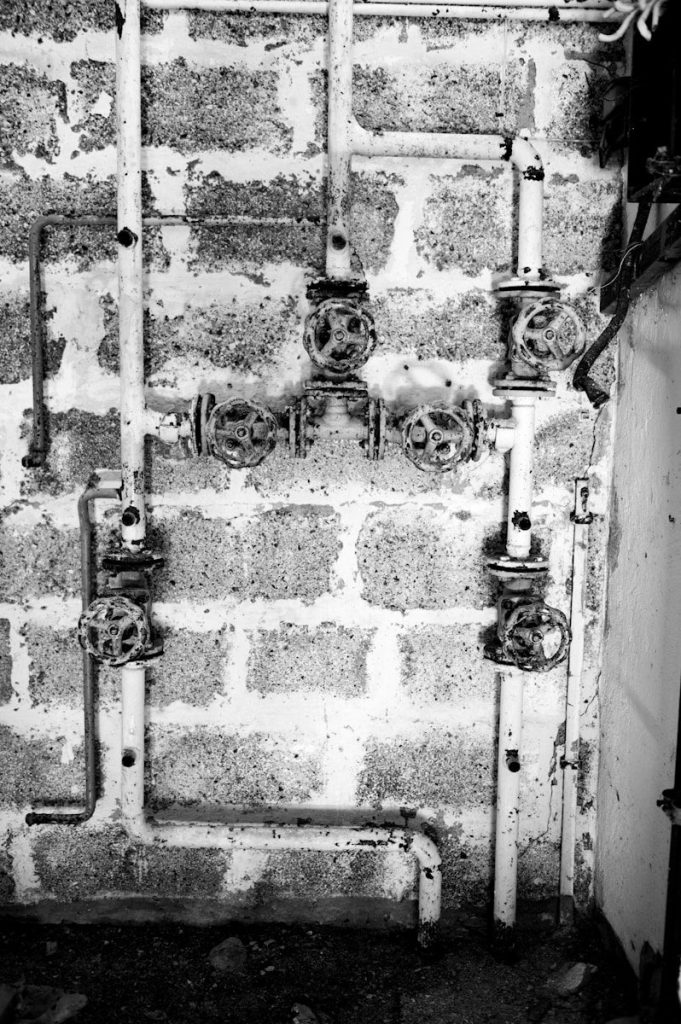
    A close inspection of the underground channels revealed several large stone blocks that operated as sliding gates. According to structural analysts, these blocks could be raised or lowered to regulate the water pressure. The seal was tight. This precise pressure control is what allowed the hydraulic elevators to move predictably. But finding where the water eventually escaped led to a surprising discovery.

    Massive Overflow Pools

    a man standing on top of a large rock formation
    Photo by Yudiono Putranto on Unsplash

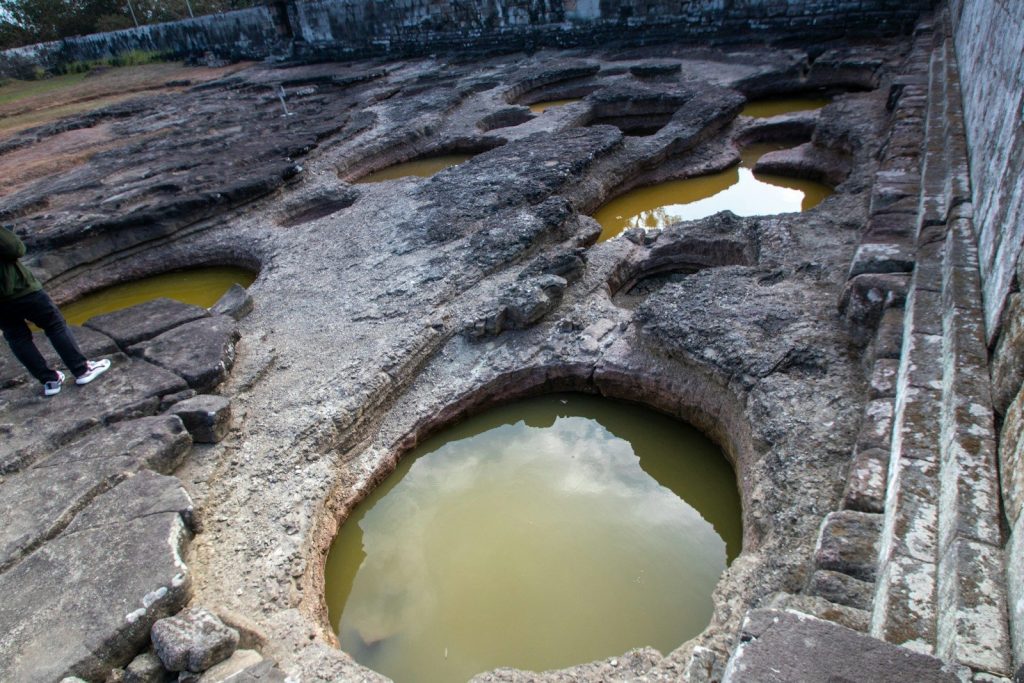
    A series of large rectangular depressions surrounds the ancient temple complex of Saqqara. According to a study published in PLOS One, these deep basins functioned as massive settling pools for the water system. They held sediment. This advanced filtration system prevented sand from clogging the delicate underground channels and valves. But tracing the ultimate source of this water network required satellite mapping.

    Mapping Ancient Rivers

    an aerial view of a river running through a desert
    Photo by Alex Moliski on Unsplash

    Modern radar imagery helped researchers map the prehistoric water flows across the desert. According to NASA geologists, a massive ancient river system once flowed directly through the region thousands of years ago. The desert was green. This abundant water source provided the constant flow required to run the heavy hydraulic elevators. But some traditional Egyptologists remain highly skeptical of these findings.

    The Academic Divide

    Explore the rich hieroglyphics and art inside an ancient Egyptian tomb, a testament to historic grandeur.
    Photo by AXP Photography on Pexels

    Mainstream academics argue that there is no written record of hydraulic machinery in ancient texts. According to traditional archaeologists, the Egyptians relied strictly on massive labor forces and simple wooden rollers. They were patient. They believe that introducing complex water elevators overcomplicates what was achieved through sheer human strength. But the physical presence of the underground channels still puzzles researchers.

    Unlocking Subsurface Engineering

    A dramatic view of sunlight illuminating a cave with a wooden bridge. Captivating geological wonder.
    Photo by Arina Dmitrieva on Pexels

    This hydraulic theory proves that ancient societies were highly organized long before the rise of modern machinery. According to researchers, studying these hidden channels helps us appreciate the true genius of early human engineering. Nature always surprises us. This article is for informational purposes only.

    Featured Image: Photo by Kévin et Laurianne Langlais on Unsplash

  • The Hidden Cost of Artificial Intelligence Shaking the Global Economy

    The Hidden Cost of Artificial Intelligence Shaking the Global Economy

    Most people assume that artificial intelligence is a weightless digital tool. We believe that software runs cleanly without draining physical or financial systems on a massive scale.

    But the rapid expansion of neural networks is creating an unprecedented global resource crisis. Automated algorithms are forcing world leaders to consider a highly controversial new tax.

    The Invisible Power Drain

    img IX mining rig inside white and gray room
    Photo by imgix on Unsplash

    Running modern smart programs requires a staggering amount of electrical energy. According to the International Energy Agency, server hubs could soon consume as much power as entire nations. This is alarming. These digital systems are working around the clock to process billions of automated requests. But this extreme energy consumption is only the first part of a much larger planetary crisis.

    Paying For Digital Footprints

    Modern conference room with long table and chairs
    Photo by Aakriti Raina on Unsplash

    Governments are struggling to balance rapid software growth with heavily strained public utility grids. According to economic analysts, building new transmission lines to support computing hubs requires billions in public funding. The public pays. This lopsided setup means regular citizens are subsidizing the massive operations of private technology conglomerates. But a radical financial proposal is gaining traction to solve this infrastructure funding gap.

    The Automation Fee Concept

    smartphone calculator on desk with financial charts behind
    Photo by Jakub Żerdzicki on Unsplash

    Economists suggest placing a direct tax on artificial intelligence processors to offset their massive social costs. According to reports from the International Monetary Fund, this targeted fee would help fund grid upgrades and retrain workers displaced by automation. It is controversial. Tech giants argue that such a penalty would completely halt technological progress. But the physical impact of these automated systems reaches far beyond simple utility lines.

    Squeezing Water Supplies Dry

    Beautiful autumnal landscape with a riverbed surrounded by colorful trees in Inje-gun, Gangwon-do.
    Photo by 정규송 Nui MALAMA on Pexels

    Cooling massive server chips requires diverting millions of gallons of fresh water every single day. According to environmental researchers, data centers are actively depleting local drinking reserves in fragile geographic basins. The rivers shrink. This heavy water drain is sparking fierce local protests across multiple states. But tech corporations are scrambling to deploy a highly advanced alternative cooling system.

    Trading Coal For Code

    a tall chimney with smoke coming out of it
    Photo by Saifee Art on Unsplash

    The unexpected power surge is forcing older fossil fuel plants to delay their planned closures. According to energy grid studies, several states must burn more coal just to keep the local server warehouses running. The carbon rises. This backslide is actively undoing years of hard-won progress in the clean energy transition. But scientists are warning that the financial cost of this inaction will soon hit home.

    Finding Creative Solutions

    Electronic circuit board with a central blue microchip.
    Photo by Brecht Corbeel on Unsplash

    Designing sustainable computing models is quickly becoming the ultimate engineering challenge of our generation. According to tech hardware developers, placing a tax on raw carbon usage could encourage companies to design far more efficient processors. Innovation is vital. This regulatory push would ensure that digital expansion does not come at the direct expense of our environment. But implementing these strict rules requires a massive international agreement.

    Balancing Progress And Planet

    a view of the earth from space
    Photo by BoliviaInteligente on Unsplash

    The rapid rise of artificial intelligence forces us to make hard choices about our physical resources. According to economic experts, smart regulations can protect both our environment and our financial systems. Balance is essential. This article is for informational purposes only.

    Featured Image: Photo by Martin Sanchez on Unsplash

  • The Bizarre Internal Movements Making The Moon Shrink Quietly

    The Bizarre Internal Movements Making The Moon Shrink Quietly

    Most people assume that the moon is a completely solid and unchanging rock. We believe that our natural satellite has been geologically dead for billions of years.

    But sensitive modern instruments have revealed a highly active lunar interior. The moon is actually shrinking and cracking due to deep thermal shifts.

    The Cooling Core

    A stunning digital rendering of Earth from space, featuring a satellite and the vast universe.
    Photo by Zelch Csaba on Pexels

    The moon is gradually losing its internal heat to the absolute cold of space. According to planetary scientists, this cooling process causes the entire lunar body to contract slowly. It behaves like a grape. As the interior shrinks, the brittle surface crust must buckle and break. But this physical contraction is creating dramatic shifts on the lunar surface.

    Giant Lunar Faults

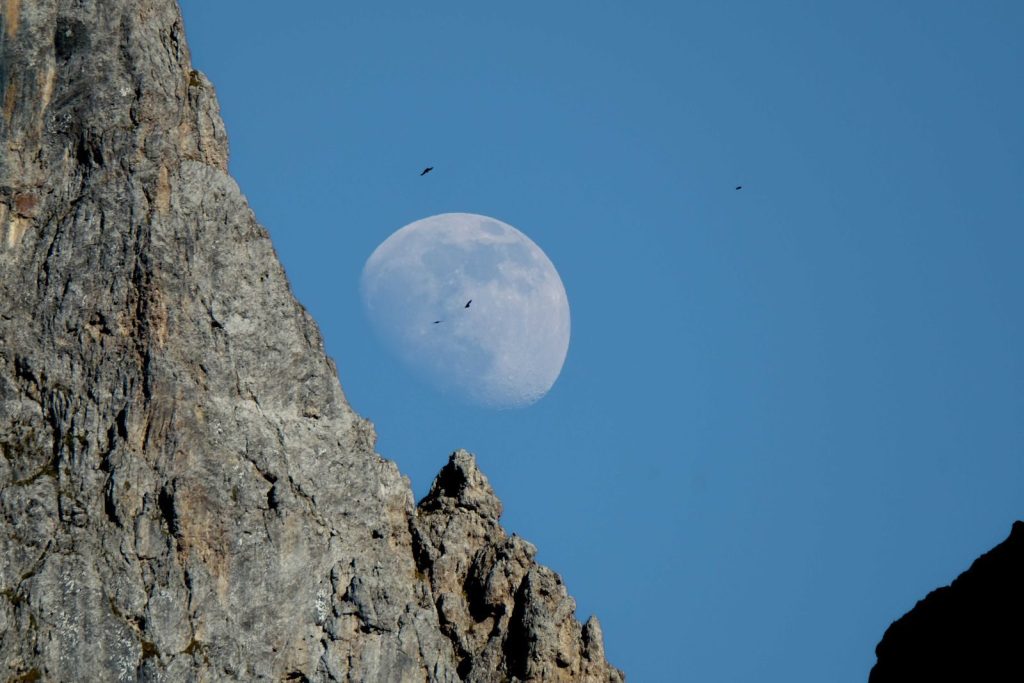
    Stunning view of the moon rising above jagged mountain formations under a clear blue sky.
    Photo by Francesco Ungaro on Pexels

    This contraction forces the dusty surface to push against itself and form massive cliffs. According to geological scans from NASA, these towering scarps rise dozens of feet into the lunar sky. They look incredibly sharp. These fault lines prove that the crust is actively moving under extreme pressure. But this crustal folding is triggering violent tremors across the landscape.

    Active Moon Quakes

    Close-up of a person pointing at a vintage oscilloscope screen in a tech setting.
    Photo by cottonbro studio on Pexels

    Seismometers left behind by Apollo astronauts recorded thousands of deep tremors during their operation. According to geophysical research, some of these moonquakes reached a high magnitude on the Richter scale. The shaking is violent. Unlike earthquakes, lunar tremors can continue vibrating for several hours without stopping. But these continuous movements pose a severe threat to our future.

    Landslides In Dust

    Close-up of moon's surface showcasing craters and textures.
    Photo by Salvatore Trimarchi on Pexels

    The violent shaking of the dry lunar crust can trigger massive landslides along crater walls. According to photographic studies, shifting dust can swallow flat plains and cover deep rock formations. It is highly unstable. This loose soil makes building permanent structures in certain areas incredibly dangerous. But space agencies are still planning to build habitats there.

    Target Zones Threatened

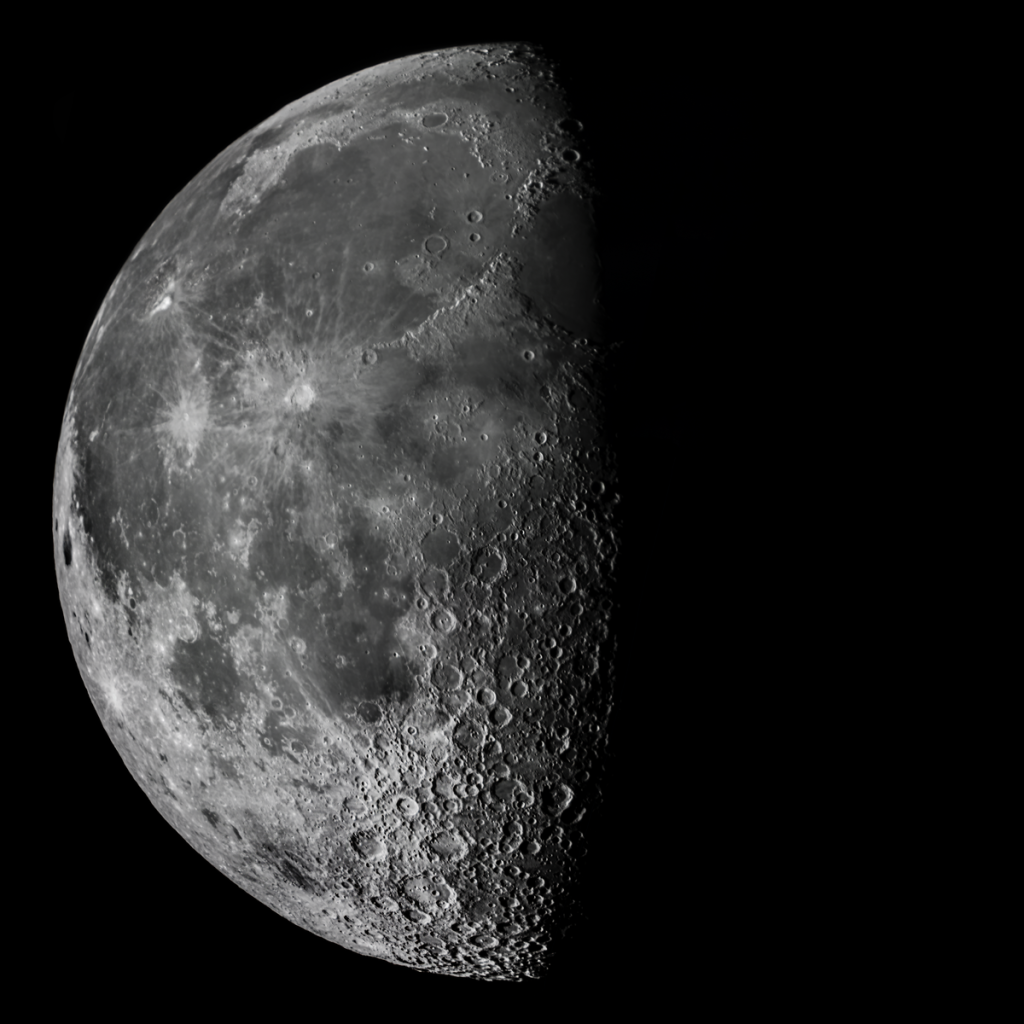
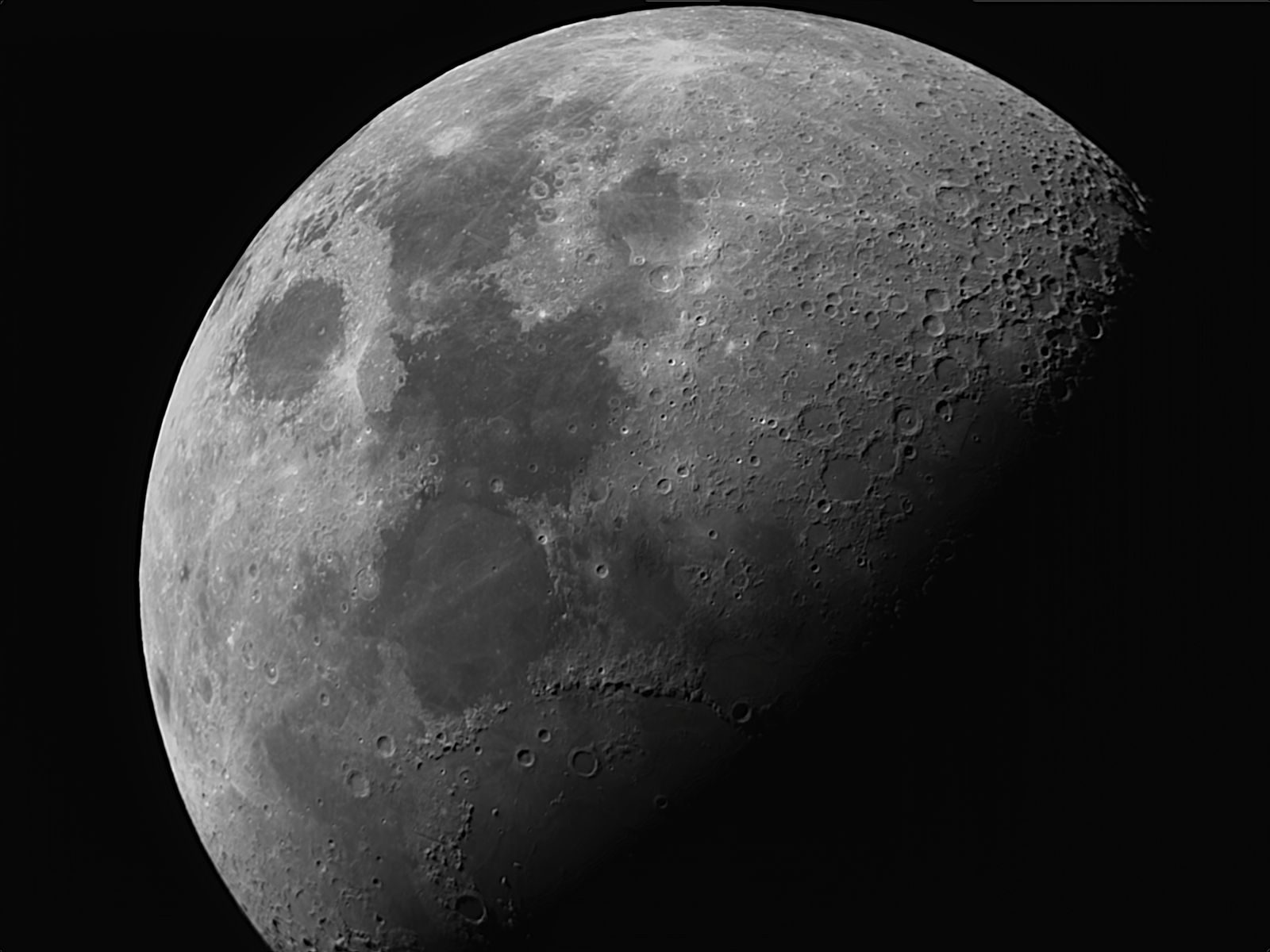
    Dramatic black and white half moon view in São Pedro de Alcântara, Brazil.
    Photo by Dennis Ariel on Pexels

    The proposed landing sites for upcoming human missions sit directly near these active fault lines. According to mapping reports, the south pole of the moon is highly vulnerable to tectonic shifting. The danger is clear. Tectonic movements could easily damage fragile scientific instruments and power grids. But scientists are searching for a way to predict these quakes.

    Monitoring Tectonic Shifts

    Engineers working together in a soundproof room to conduct acoustic testing with modern equipment.
    Photo by ThisIsEngineering on Pexels

    Researchers are designing a new network of highly sensitive seismic sensors to place on the moon. According to mission planners, these advanced devices will track the constant groaning of the lunar interior. The goal is vital. Understanding where the crust is weakest will help engineers select safer building locations. But the earth is also playing a surprising role in this contraction.

    Gravitational Squeeze Play

    Beautiful depiction of Earth partially shadowed by the Moon in space.
    Photo by Zelch Csaba on Pexels

    The powerful gravity of the Earth actively pulls on the shrinking moon as it orbits our planet. According to orbital dynamics studies, this tidal pull determines exactly where the lunar faults crack. The squeeze is relentless. This cosmic interaction proves that the moon is still deeply connected to our world. But this changing celestial body holds more secrets than we can count.

    A Changing Neighbor

    Minimalist image of a twilight sky with a crescent moon, creating a tranquil atmosphere.
    Photo by Vlad Ioan on Pexels

    The shrinking moon is a stark reminder that even ancient worlds continue to evolve over time. According to planetary geologists, studying these lunar shifts helps us understand the life cycles of other moons. Nature never stands still. This article is for informational purposes only.

    Featured Image: Photo by Micotino on Pexels

  • Why NASA Researchers Now Take Mysterious Aerial Phenomena Seriously

    Why NASA Researchers Now Take Mysterious Aerial Phenomena Seriously

    Most military experts assume that strange aerial sightings are simply misidentified weather balloons. We believe that modern radar systems are too advanced to be fooled by illusions.

    But a prominent research scientist is challenging this default skepticism. His analysis of declassified data suggests that anomalous objects are operating in our skies.

    Inside The Files

    A man intensely studies color-grading graphs on a computer screen in a dimly lit room, highlighting tech analysis.
    Photo by Ron Lach on Pexels

    For decades, government agencies dismissed reports of unexplained crafts as pure fantasy. According to a prominent researcher from NASA, newly analyzed military data reveals movements that defy traditional physics. The speed is terrifying. These objects accelerate instantly without creating standard sonic booms. But understanding these impossible flight patterns requires looking at real instrument data.

    Multi-Sensor Validation

    A focused view of an aircraft cockpit control panel with various illuminated screens.
    Photo by Anastasios Nastoulis on Pexels

    The most compelling cases do not rely on simple eyewitness accounts from ground observers. According to declassified military logs, anomalous objects have been tracked by fighter jets, radar stations, and satellite sensors simultaneously. The tracking is precise. Having multiple independent instruments record the same event rules out simple computer glitches. But this advanced tracking data points to a highly complex power source.

    Defying Earth’s Gravity

    Abstract geometric shape with metallic textures and lighting.
    Photo by Logan Voss on Unsplash

    The recorded maneuvers show crafts pulling gravitational forces that would easily crush any human pilot. According to aerospace engineering reports, these objects can hover in hurricane winds and dive straight into the ocean. They are incredibly agile. This behavior suggests the use of propulsion technology that bypasses the need for wings. But this strange capability is raising serious national security concerns.

    Restricted Airspace Intrusion

    Black and white photo of a modern architectural structure in Tbilisi, Georgia.
    Photo by Plastic Lines on Pexels

    These mysterious crafts frequently operate near sensitive military training areas and nuclear power facilities. According to naval aviator testimonies, these close encounters are happening on a regular weekly basis. The danger is real. This continuous intrusion poses an immediate flight hazard to military operations. But explaining the true origin of these objects is dividing researchers.

    Sifting True Anomalies

    The control panel of a space station with notes on it
    Photo by Patrick Konior on Unsplash

    Most recorded sightings can eventually be explained as commercial drones or atmospheric reflections. According to scientific studies, only a small percentage of cases remain completely unresolved after thorough investigation. They are highly mysterious. These select cases are what force scientists to keep an open mind. But a new international research coalition is forming to study them.

    Global Scientific Push

    A stunning observatory under a clear, starry night sky, perfect for astronomy enthusiasts.
    Photo by K on Pexels

    Aviation specialists are calling for the deployment of specialized camera tracking networks across the globe. According to research group statements, collecting clean physical data is the only way to solve the mystery. They are highly determined. This public effort aims to bypass military classification and share findings directly with global universities. But the ultimate truth behind these sky anomalies remains a profound puzzle.

    Science Over Secrets

    Sunset view through historic columns in Berlin, featuring the TV Tower.
    Photo by Naro K on Pexels

    Studying unexplained aerial events allows us to expand our understanding of physics and atmospheric science. According to researchers, dismissing these anomalous sights only holds back human progress. We must keep learning. This article is for informational purposes only.

    Featured Image: Photo by Ray Strassburger on Pexels

  • The Surprising New Signs Of Microbial Life On The Moon

    The Surprising New Signs Of Microbial Life On The Moon

    Most space lovers assume that the moon is a completely sterile and dead world. We believe that its harsh radiation and freezing vacuum destroy any biological possibilities.

    But a series of unexpected planetary discoveries suggests a different cosmic reality. Advanced scientific data points to microscopic life surviving in deep lunar shadows.

    Ice In The Shadows

    brown sand with water during daytime
    Photo by Francesco Ungaro on Unsplash

    Deep inside polar craters that never receive sunlight lie vast deposits of ancient water ice. According to reports from NASA, these frozen reserves could contain highly resilient biological compounds. They are completely frozen. This absolute dark zone blocks lethal solar radiation and preserves whatever gets trapped inside. But the origins of this lunar water might go much deeper than we realized.

    Cosmic Seed Delivery

    an artist's rendering of an exoplaned planet
    Photo by Andrej Sachov on Unsplash

    Comets crashing into the lunar surface over billions of years have deposited complex organic molecules. According to planetary geologists, these icy space rocks act as natural delivery vehicles for the building blocks of life. The impact is violent. Yet the frozen deep craters preserve these carbon mixtures perfectly over vast epochs. But some researchers believe these space seeds could actually be awake.

    Surviving Extreme Limits

    person in white long sleeve shirt holding blue ceramic plate with brown soup
    Photo by Adrian Lange on Unsplash

    Certain microscopic organisms on Earth can survive inside the most hostile environments imaginable. According to microbiological studies, extreme bacteria known as extremophiles can endure the intense vacuum of outer space. They are incredibly tough. These tiny creatures go into a deep sleep state until conditions improve. But proving this cellular survival on the moon requires searching in highly specific locations.

    Hidden Underground Tubes

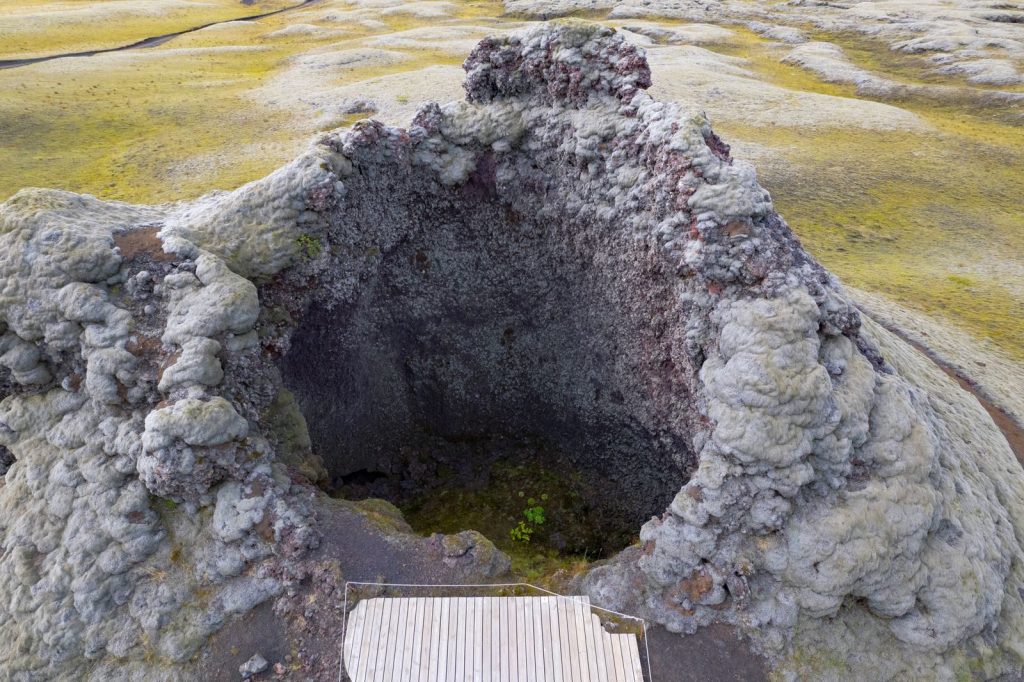
    A moss-covered spatter cone in Skaftárhreppur, Iceland's volcanic landscape.
    Photo by Gylfi Gylfason on Pexels

    Ancient volcanic activity on the moon left behind a massive network of empty lava tubes. According to space agency models, these underground caves offer perfect shelter from extreme surface temperatures. They are highly protective. Inside these stone tunnels, the environment remains remarkably stable compared to the dusty plains above. But this underground shield might be hiding an active heat source.

    Warm Lunar Pockets

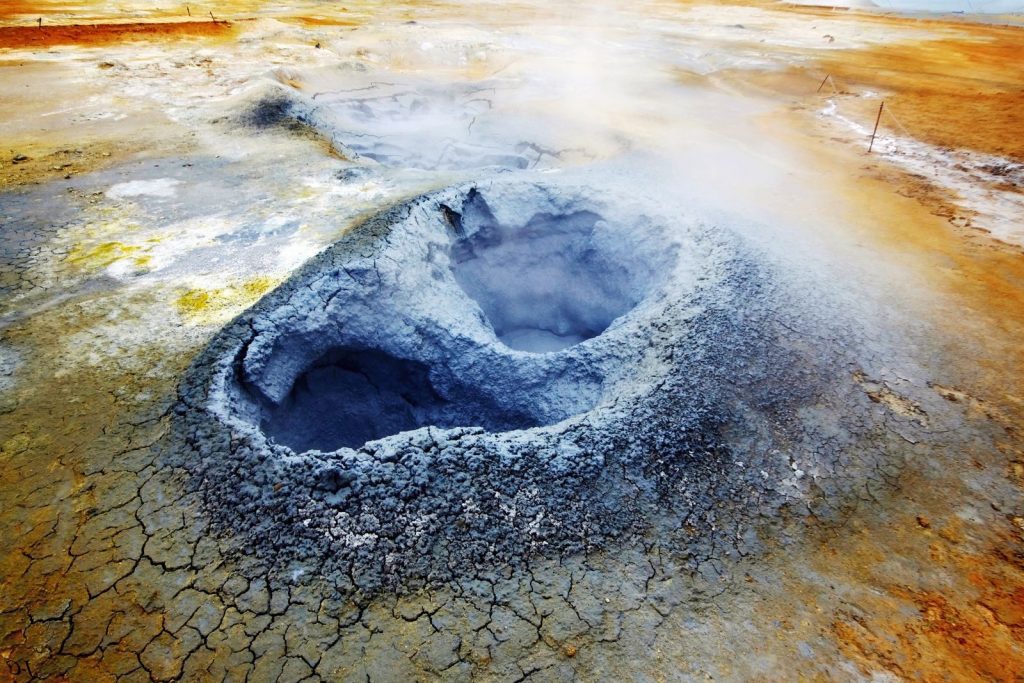
    A captivating geothermal landscape featuring a steaming hot spring with vibrant colors and geological formations.
    Photo by Mélanie Mélasse on Pexels

    Recent thermal measurements suggest that some underground cavities might retain subtle amounts of internal heat. According to geophysical data, weak geothermal energy could prevent water from freezing solid in these deep spaces. The warmth is faint. This mild environment could theoretically support the survival of basic microbial colonies in the dark. But capturing real evidence of this life remains a massive struggle.

    Robotic Drilling Missions

    an image of a space station on the moon
    Photo by Jack Dong on Unsplash

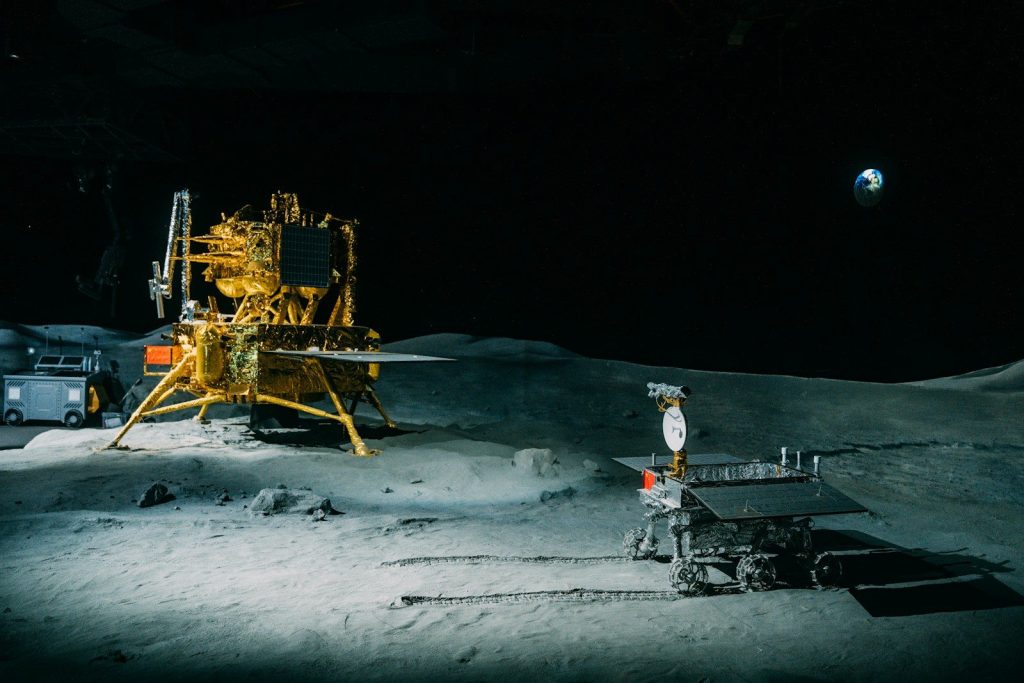
    Space agencies are currently designing advanced rovers to drill deep into the polar ice caps. According to mission planners, these robotic explorers will collect clean subsurface samples to scan for organic markers. The race is on. Discovering even fossilized signs of ancient cells would change our entire understanding of biology. But this cosmic search is also raising some serious ethical concerns.

    Protecting Outer Space

    Individual in protective gear disinfecting workplace with spray bottle
    Photo by Matilda Wormwood on Pexels

    Human explorers risk accidentally carrying Earth bacteria to the moon and contaminating pristine alien ecosystems. According to space preservation guidelines, keeping robotic probes perfectly sterile is absolutely vital for accurate science. The danger is real. A single stray microbe could ruin decades of planetary research. But the final answer to this lunar mystery is closer than you think.

    A New Frontier

    a full moon in the dark sky with stars
    Photo by danilo.alvesd on Unsplash

    The search for life on the moon is redefining our place in the solar system. According to astrobiologists, finding microorganisms on our closest neighbor proves that biology is a universal force. Nature holds many surprises. This article is for informational purposes only.

    Featured Image: Photo by Sheken Astro on Pexels