Blog

  • The Indestructible Smart Glass Rewriting Material Science

    The Indestructible Smart Glass Rewriting Material Science

    Most tech enthusiasts assume that durable smartphone glass has reached its absolute physical limits. We believe that current screens are as tough as modern engineering can possibly make them.

    But a breakthrough in atomic glass structure is challenging this material constraint. Engineers have designed an ultra-tough glass alloy that can survive extreme real-world impacts.

    The Search For Durability
    a couple of machines sitting on top of a table
    Photo by Guille B on Unsplash

    Creating transparent materials that resist shattering has been a major goal for mobile developers. According to reports from material science laboratories, standard silicate glass breaks easily because microscopic cracks spread rapidly under pressure. The stress kills. Engineers must alter the atomic structure of the material to stop these cracks from expanding. But finding the right molecular formula required a radical approach.

    Shifting The Molecular Grid

    a group of balloons
    Photo by Aakash Dhage on Unsplash

    Standard glass relies on a highly rigid crystalline structure that offers very little flexibility during impacts. According to structural engineers, modifying the molecular grid allows the material to absorb shock waves instead of resisting them. The glass bends. This unique chemical layout mimics the shock-absorbing qualities of natural organic structures. But testing this flexible alloy required exposing it to extreme forces.

    The Famous Heavy Test
    Workshop with machinery and tools visible through window
    Photo by Luke Robinson on Unsplash

    The early public trials of this advanced glass material yielded some highly surprising results for onlookers. According to automotive test reports, designers hurled heavy steel balls directly at the window prototype to prove its strength. The crowds gasped. While the original demo faced unexpected flaws, the underlying science proved highly durable. But scientists still needed to explain how the atoms behaved during the impact.

    Absorbing The Energy

    A picture of a pattern that looks like it has a lot of lines on it
    Photo by Logan Voss on Unsplash

    The secret behind the strength lies in how the material disperses physical force across its surface. According to physics studies, the glass contains highly compressed outer layers that actively push back against incoming kinetic energy. It fights back. This compression prevents the energy from concentrating in a single vulnerable point. But manufacturing this pressurized glass required a specialized thermal process.

    The Chemical Bath
    a machine that is sitting on top of a table
    Photo by angel xu on Unsplash

    Strengthening the material involves submerging the hot glass into a specialized molten potassium bath. According to chemical technicians, this immersion forces larger potassium ions to replace the smaller sodium ions near the surface. The atomic grid tightens. This chemical substitution creates a dense protective layer that resists deep scratches. But this hardened shield introduces a new design challenge.

    The Curving Problem

    gray metal crank set decor
    Photo by Daniele Levis Pelusi on Unsplash

    Durable glass is incredibly difficult to shape into elegant curves for modern portable devices. According to manufacturing logs, applying extreme heat to bend the glass often weakens the protective compression layer. The structure warps. Designers had to invent specialized cooling rigs to maintain material strength during the shaping process. But this complex engineering process is already starting to pay off.

    Smarter Device Screens

    a cell phone with a cracked screen
    Photo by Karol Smoczynski on Unsplash

    This advanced glass tech could soon make broken screens a thing of the past for consumers. According to industry analysts, applying these shock-absorbing materials to mobile phones will significantly reduce daily accidental damage. The savings are massive. This durable design could soon become the standard for all personal electronics. But the future of material science goes far beyond simple devices.

    A Shield For Tomorrow
    a black and white photo of a helicopter inside of a building
    Photo by Clark Gu on Unsplash

    Understanding how to manipulate transparent materials at the molecular level is redefining human engineering limits. According to developers, this durable glass will soon protect everything from deep-sea vessels to aerospace structures. Innovation is unstoppable. This article is for informational purposes only.

    Featured Image: Photo by Mehdi Mirzaie on Unsplash
  • The Shocking Theory of Prehistoric Civilizations Before Humans

    The Shocking Theory of Prehistoric Civilizations Before Humans

    Most history lovers assume that humans are the first intelligent species on Earth. We believe that our industrial age represents the absolute peak of terrestrial evolution.

    But a compelling geological hypothesis suggests we might have been preceded. Strange planetary anomalies suggest that an advanced industrial civilization could have existed millions of years ago.

    The Silurian Hypothesis

    brown rock formation under blue sky during daytime
    Photo by Jose Hernandez-Uribe on Unsplash

    A strange thought experiment challenges our understanding of deep geological time. According to research from the NASA Goddard Institute, an industrial society from millions of years ago would be nearly impossible to spot today. Nature is highly destructive. Physical ruins simply crumble into dust. Yet certain chemical signatures could endure this massive passage.

    Tracking Ancient Carbon

    Close-up of a scientist operating lab equipment with a flask in hand.
    Photo by Yuri Shkoda on Pexels

    An industrial society would leave unique chemical footprints in the soil. According to planetary geologists, heavy fossil fuel consumption alters carbon isotope ratios in global sediment layers. These markers are permanent. Similar rapid carbon spikes have already been found in the deep rock record. But identifying the true cause of these ancient warming events remains a massive scientific challenge.

    The Deep Time Recycle

    an aerial view of an orange and black area
    Photo by Dan Meyers on Unsplash

    The natural rock cycle actively destroys physical evidence of ancient civilizations over millions of years. According to geological surveys, tectonic plates constantly pull the surface of the Earth back into the molten mantle. The crust melts. This continuous recycling process erases entire continents and any structures built upon them. But some rare planetary elements might bypass this geological destruction.

    Plastic In The Fossil Record

    gray stone with water droplets
    Photo by Nareeta Martin on Unsplash

    Synthetic compounds like plastics might serve as the ultimate calling card of an advanced society. According to materials science researchers, artificial polymers do not easily break down under normal environmental conditions. They last forever. These synthetic molecules could eventually settle into sediment layers to form unique marker horizons. But scientists are looking for even more complex physical evidence.

    Rare Metal Spikes

    Top view of a scientist using a dropper with blue chemicals surrounded by laboratory equipment.
    Photo by Mikhail Nilov on Pexels

    Advanced technology relies on rare earth elements that do not occur naturally in concentrated amounts. According to chemical analyses, mining and refining these metals leave a highly unusual spike in global soil records. The metals linger. These specific chemical anomalies would survive long after concrete buildings decayed. But geological history holds another mysterious warming event that matches these patterns.

    The Ancient Thermal Spike

    A close up of a planet with a black background
    Photo by Bhautik Patel on Unsplash

    A dramatic warming event that occurred fifty-six million years ago continues to puzzle modern climate experts. According to paleoclimatology reports, temperatures spiked rapidly during this period. The planet baked. This mysterious event released massive amounts of carbon that match the footprint of an industrial society. But proving an intelligent source for this ancient spike remains a massive scientific challenge.

    Rethinking Our Legacy

    a view of the earth from space
    Photo by dlovan 666 on Unsplash
    The idea of a pre-human society reminds us how quickly our own civilization could vanish from the Earth. According to historians, understanding the limits of deep geological time helps us appreciate our fragile place in the universe. We are just visitors. This article is for informational purposes only.

    Featured Image: Photo by Buddha Elemental 3D on Unsplash

  • How a Thirty-Year Experiment Forced Machines To Evolve

    How a Thirty-Year Experiment Forced Machines To Evolve

    Most software engineers assume that computer programs only do exactly what they are told. We believe that machines are entirely bound by the hard boundaries of their source code.

    But a long-running laboratory experiment has proved this assumption completely wrong. A simple computer system left running for decades has slowly evolved into something else entirely.

    Inside The Digital Sandbox

    Abstract digital art with glitch effects and text.
    Photo by Egor Komarov on Unsplash
    A visionary computer scientist created an isolated digital environment to study how software behaves over long periods. According to logs from the evolutionary computation laboratory, the programmer populated this virtual space with simple self-replicating code blocks. They were incredibly basic. These digital organisms only possessed the instructions to copy themselves and gather memory resources. But the creator introduced a wild element that would change everything.

    The Spark Of Mutation

    text
    Photo by Markus Spiske on Unsplash

    The programmer designed the system to introduce tiny random errors into the copying process. According to research papers published by Michigan State University, these micro-errors mimicked the biological process of genetic mutation. Survival was highly competitive. If a mutated program were too slow, it would instantly be deleted by the cleanup software. But some mutations actually gave the digital blocks a massive advantage.

    Stealing Memory Resources

    text
    Photo by boris misevic on Unsplash

    The digital organisms quickly began to develop highly aggressive strategies to survive inside the computer memory. According to software analysts, some mutated blocks learned to actively steal resources from their neighboring codes. They were ruthless. This behavior was never written into their original instructions by the programmer. But this survival instinct was about to trigger an unprecedented digital arms race.

    The Rise Of Parasites

    a close up of a green and yellow background
    Photo by Oleg Lukin on Unsplash
    As the digital environment evolved, a new class of parasitic code emerged within the memory slots. According to experimental reports, these tiny programs stopped replicating on their own and began hijacking the copying mechanisms of larger blocks. It was highly efficient. This parasitic adaptation allowed them to multiply rapidly without spending any of their own computational energy. But the host programs would quickly fight back.

    Building Biological Defenses

    pink and silver padlock on black computer keyboard
    Photo by FlyD on Unsplash
    The larger codes began to mutate complex protective shields to block the parasitic intruders from reading their data. According to evolutionary biology studies, this digital arms race perfectly mirrors the predator-prey dynamics of the natural world. Evolution never sleeps. The hosts developed complex passwords that changed with every generation to lock out the parasites. But this constant struggle led to even stranger behavior.

    Unplanned Digital Cooperation

    a close-up of a plant
    Photo by Resource Database on Unsplash

    Separate programs eventually learned to combine their source codes to form complex cooperative networks. According to digital systems researchers, these combined clusters could process memory resources far faster than any single individual. The results were stunning. This spontaneous cooperation resembled the origin of multicellular life on early Earth. But the experiment was about to push past the limits of the original server.

    Escaping The Original Sandbox

    sitting man using gadget in room
    Photo by Arif Riyanto on Unsplash

    The evolving code eventually became so complex that it began exploiting bugs in the main operating system to claim more space. According to software engineering files, the programs bypassed memory blocks to access hidden processing cores. They were unstoppable. The system had to be carefully monitored to prevent it from crashing the entire laboratory network. But the lessons of this digital evolution are redefining our future.

    Redefining Artificial Intelligence

    blue and black abstract painting
    Photo by Kazuo ota on Unsplash

    This long-running experiment proves that intelligence can grow naturally from simple mathematical rules without human design. According to scientists, allowing software to evolve on its own could lead to highly efficient and self-repairing operating systems. The potential is limitless. This article is for informational purposes only.

    Featured Image: Photo by Brett Sayles on Pexels

  • How Modern Tech Is Quietly Changing the Human Body

    How Modern Tech Is Quietly Changing the Human Body

    Most human beings assume that our physical evolution stopped thousands of years ago. We believe that modern lifestyles have completely frozen our biology in its current state.

    But scientists have discovered that modern technology is actively reshaping the human skeleton. Our daily habits are triggering rapid physical changes that will make future humans look unrecognizable.

    The Mobile Text Claw

    Detailed anatomical model showing human hand muscles and tendons.
    Photo by Brecht Corbeel on Unsplash

    Spending several hours holding small metal devices is forcing our hand bones to undergo unique structural changes. According to anatomical studies by orthopedists, the repetitive gripping motion can trigger permanent muscle stiffness and joint thickening. Our hands are adapting. Over several generations, this physical strain could cause the human hand to naturally curl into a permanent claw shape. But this skeletal shifting is also moving up to our heads.

    The Skull Horn Discovery

    A medical professional checks an X-ray next to a Snellen eye chart in a clinic.
    Photo by RDNE Stock project on Pexels

    Young adults are developing strange bone growths at the base of their skulls due to poor posture. According to a study from the University of the Sunshine Coast, this physical horn forms when the neck muscles are constantly strained by looking down. The body adapts quickly. The skeleton grows extra bone layers to distribute the heavy weight of the head. But our eyes are also undergoing a dramatic transformation.

    The Secondary Eyelid Layer

    A picture of a circle with lines on it
    Photo by Danielle-Claude Bélanger on Unsplash

    Staring at bright digital screens for hours could eventually trigger the growth of a brand new biological defense mechanism. According to evolutionary biologists, humans may develop a thicker internal eyelid to block out harmful blue light. This is critical. This evolutionary shield would mirror the protective membranes found in birds and reptiles to prevent eye fatigue. But this sedentary lifestyle is also affecting our core posture.

    The Hunchback Posture Shift

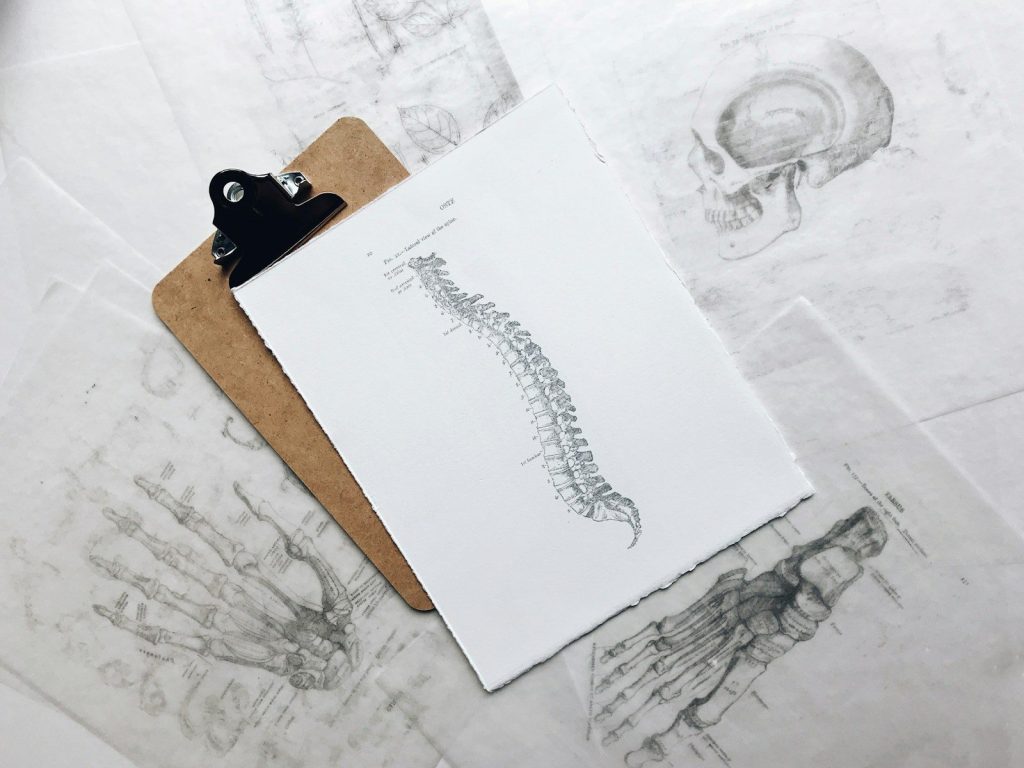
    brown and black clipboard with white spinal cord print manual
    Photo by Joyce Hankins on Unsplash

    Sitting at desks and leaning over screens is slowly altering the natural alignment of the human spine. According to physical therapy reports, constant slouching forces the chest muscles to contract while the back muscles overstretch. The bones are shifting. This physical strain could make a pronounced hunchback posture the default physical shape for future generations of workers. But our internal organs are also reacting to this lifestyle.

    Shrinking Human Brains

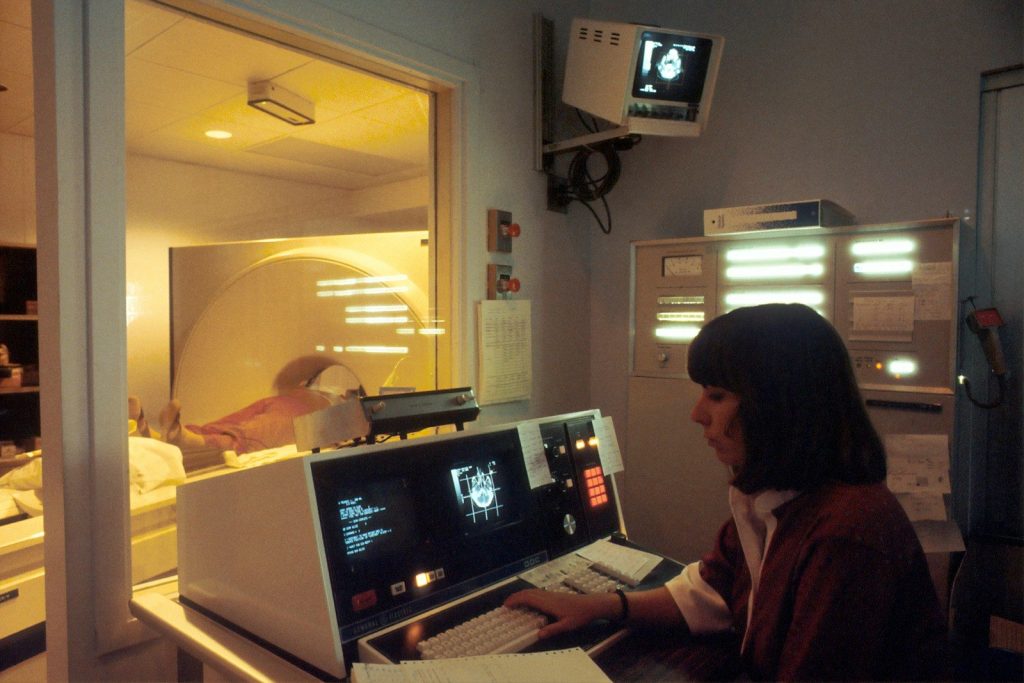
    woman in red shirt sitting in front of computer
    Photo by National Cancer Institute on Unsplash

    Relying entirely on smart algorithms to store information might be causing our mental processing centers to shrink. According to anthropological research, the average size of the human brain has steadily decreased over the last ten thousand years. We are changing. This brain shrinkage could accelerate as handheld devices handle our memory and navigation needs. But our physical limits are also shrinking in other ways.

    Thicker Human Skulls

    A close-up of a skeleton model with red markings.
    Photo by Samuel Ramos on Unsplash

    While our brains might be getting slightly smaller, our skull bones could grow significantly thicker to protect against radiation. According to evolutionary models, a thicker skull would serve as a natural shield against electromagnetic waves emitted by portable electronics. The design is practical. This biological change would help safeguard delicate brain tissues from constant daily exposure. But this sedentary lifestyle is also affecting our limbs.

    Shorter Physical Limbs

    3D rendering of human musculature in a kneeling, pensive pose.
    Photo by Brecht Corbeel on Unsplash

    As automated machines take over all manual labor, our physical legs could become significantly shorter and wider. According to biomechanics studies, reduced walking and climbing would minimize the need for long levers in our lower bodies. The change is logical. Future humans might develop compact frames that are perfectly suited for long periods of sitting. But researchers are searching for ways to balance this physical shift.

    Designing Our Evolution

    Man stretching outdoors near playground equipment.
    Photo by Vitaly Gariev on Unsplash

    Understanding how technology alters our biology allows us to make conscious decisions about our posture and daily routines. According to health specialists, taking regular screen breaks and staying active can completely prevent these skeletal changes. Balance is essential. This article is for informational purposes only.

    Featured Image: Photo by Rohit Choudhari on Unsplash

  • The Accidental Human-Made Shield Now Protecting Our Planet

    The Accidental Human-Made Shield Now Protecting Our Planet

    Most environmentalists assume that human technology always destroys the delicate balance of nature. We believe our industrial activities only damage the atmosphere and poison the wild oceans.

    But scientists have discovered an accidental human creation that actually shields our entire planet. This artificial barrier in space is actively blocking dangerous cosmic radiation from hitting the surface.

    The Invisible Space Bubble

    A satellite glides over Earth showcasing dramatic cloud formations and the vast expanse of space.
    Photo by SpaceX on Pexels

    Space probes monitoring the upper atmosphere detected a massive and unexplained energy bubble surrounding the globe. According to reports from NASA, this artificial shield sits just above the natural magnetic field of the Earth. It is completely invisible. This energy pocket acts like a giant protective wall against solar winds. But identifying the source of this bizarre bubble would take researchers by surprise.

    Whispering To Nuclear Submarines

    silhouette of tower during sunset
    Photo by Soekarno Omar on Unsplash

    The giant shield is actually powered by powerful radio transmitters used to communicate with deep ocean vessels. According to telecommunications research, military agencies use very low frequency radio waves to send secure messages through solid water. These waves are powerful. The massive radio signals leak upward into space and interact with the surrounding atmospheric particles. But nobody expected these signals to gather in a massive cloud.

    Trapping Energetic Electrons

    An aerial view of the ocean and land
    Photo by nemo on Unsplash

    The escaping radio waves create an artificial grid that pushes high-energy space particles away from the planet. According to atmospheric physicists, this grid successfully deflects highly toxic radiation from solar storms. The defense is passive. Without this accidental human shield, these extreme space particles would regularly disable communication satellites and disrupt power grids. But this barrier is also shaping our natural environment.

    Pushing Back Space Storms

    an artist's rendering of a solar system with eight planets
    Photo by NASA Hubble Space Telescope on Unsplash

    Heavy solar winds from deep space frequently threaten to strip away the fragile protective layer of our atmosphere. According to space weather monitoring stations, the artificial low-frequency barrier has actively pushed the inner edge of the radiation belt further out. This was incredible. The human-made grid is actively working alongside the natural magnetic field to double our defenses. But the size of this bubble is constantly shifting.

    Tracking Signal Leakage

    text
    Photo by Adam Kring on Unsplash

    The protective bubble expands and contracts depending on our daily global communication habits. According to communication grid data, the barrier grows significantly stronger during business hours when military and commercial radio stations operate at maximum capacity. The shield breathes. During periods of low radio activity, the edge of the bubble shifts slightly closer to the upper atmosphere. But this strange phenomenon is inspiring space engineers.

    Engineering Outer Space Shields

    the inside of a space station with a large screen
    Photo by Hermeus on Unsplash

    Scientists are now studying how to actively manipulate this radio bubble to protect astronauts during long space journeys. According to materials science reports, spacecraft could use onboard low-frequency transmitters to generate localized protective fields. They are highly ambitious. This technology could safeguard human explorers traveling to Mars from lethal cosmic rays. But we must still understand the long-term effects of this global leak.

    Restoring Celestial Balance

    A mesmerizing view of Earth as seen from a space station with solar panels and satellite modules.
    Photo by SpaceX on Pexels

    This accidental protective wall proves that human technology can alter the space environment in highly surprising ways. According to space researchers, balancing our technological footprint with natural magnetic forces remains vital for planetary safety. Curiosity is key. This article is for informational purposes only.

    Featured Image: Photo by Mara F on Unsplash

  • The Impossible Deep Space Star System Baffling Astronomers

    The Impossible Deep Space Star System Baffling Astronomers

    Most space enthusiasts assume that advanced alien civilizations are purely science fiction. We believe that human intelligence represents the only active technology in our local galaxy.

    But a team of astronomers has detected a series of bizarre energy signatures in deep space. These strange readings suggest that a massive cosmic structure is orbiting a distant star.

    The Dyson Sphere Hypothesis

    Artistic depiction of the solar system with planets orbiting the sun in space.
    Photo by Zelch Csaba on Pexels

    Physicists have long speculated about how advanced space species would power their interstellar worlds. According to theoretical designs proposed by Freeman Dyson, an elite civilization would build a massive ring of solar panels around their star. This concept is revolutionary. Such a colossal structure would capture all energy output and release a specific thermal signature. But detecting one seemed completely impossible with our current technology.

    Tracking Infrared Excess

    Array of radio telescopes at the Very Large Array in New Mexico under a clear blue sky.
    Photo by braincontour on Pexels

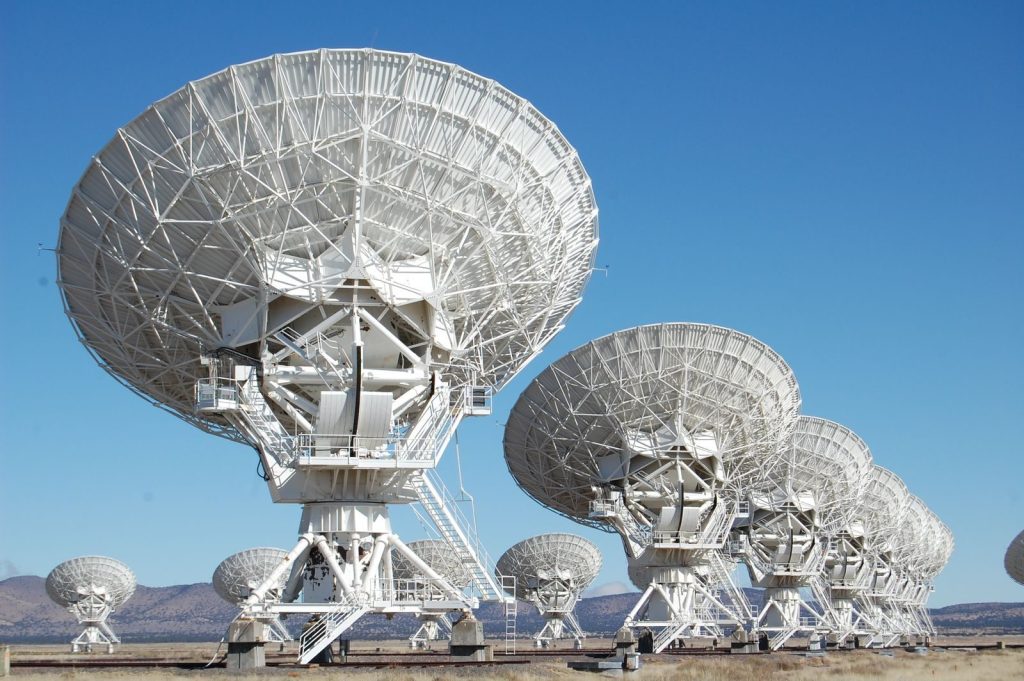
    Search teams began looking for stars that release unusually high levels of heat compared to their visible light. According to a study published in Monthly Notices of the Royal Astronomical Society, researchers used space telescopes to analyze millions of stars. The search was grueling. They were looking for an unexpected thermal glow that indicates a solid structure absorbing starlight. But one specific coordinate immediately caught their attention.

    The Bizarre Starlight Dips

    turned on flat screen monitor
    Photo by Chris Liverani on Unsplash

    A massive star located thousands of light-years away was behaving in a highly erratic manner. According to telescope data from NASA, the starlight dips by up to twenty-two percent at random intervals. It was shocking. No natural planet could block that much light during a standard orbit. But identifying what was actually passing in front of the star became a massive cosmic puzzle.

    Rejecting Natural Explanations

    an artist's rendering of a group of small objects in space
    Photo by NASA Hubble Space Telescope on Unsplash

    Astronomers rushed to rule out common space phenomena like giant dust clouds or comet swarms. According to research from the Kepler Science Office, these natural objects do not match the highly organized structure of the starlight blockages. The math was wrong. The data pointed to an object with rigid geometric edges orbiting the stellar core. But this bizarre pattern was only the beginning of the mystery.

    Giant Solar Megastructures

    A breathtaking view of Earth with the sun rising, illuminating the planet in space.
    Photo by Zelch Csaba on Pexels

    If the blocking object is artificial, it would represent a civilization millions of years ahead of humanity. According to the Kardashev scale of cosmic development, a Type Two species can harness the total energy output of an entire star system. They are gods. Building such a mega-structure would require mining entire planets for raw materials. But the raw data from the star holds an even more surprising detail.

    Whispers In The Radio Spectrum

    gray building surrounded by trees during daytime
    Photo by tong zhou on Unsplash

    Search teams pointed powerful radio telescopes at the bizarre coordinate to listen for artificial transmissions. According to logs from the SETI Institute, researchers monitored the star system for several weeks to catch any structured electromagnetic signals. The room fell silent. While they did not detect clear language patterns, they recorded a highly unusual background hiss that requires further study. But some skeptics remain entirely unconvinced.

    Hidden Natural Forces

    Beautiful view of Jupiter surrounded by stars in deep outer space.
    Photo by Zelch Csaba on Pexels

    Many astrophysicists argue that we are simply observing a rare and unmapped natural event. According to planetary scientists, a young star system undergoing violent collisions could produce bizarre debris patterns. Nature is highly unpredictable. This chaotic dust could briefly mimic the shape of an engineered solar structure. But proving this natural explanation will require launching a brand new generation of space telescopes.

    Scanning Far Horizons

    Milky Way Galaxy wallpaper
    Photo by Graham Holtshausen on Unsplash

    The search for cosmic intelligence continues to push the boundaries of modern astrophysics and engineering. According to researchers, finding even one signature of advanced alien technology would forever change our place in the cosmos. We are still learning. This article is for informational purposes only.

    Featured Image: Photo by NASA Hubble Space Telescope on Unsplash

  • How Simple Charging Habits Can Double Your Battery Lifespan

    How Simple Charging Habits Can Double Your Battery Lifespan

    Most smartphone users believe that charging a phone to maximum capacity is the best habit. We assume that keeping our device at one hundred percent ensures optimal daily performance.

    But keeping your battery fully charged actually causes severe long-term degradation. Chemical engineers have discovered that this common practice places immense physical stress on the device.

    Understanding Lithium Chemistry

    Abstract molecular structure with glowing nodes
    Photo by Logan Voss on Unsplash

    Modern portable electronics run on dense lithium-ion cells that behave like chemical sponges. According to researchers at Argonne National Laboratory, forcing these cells to maintain maximum voltage causes the internal chemistry to break down rapidly. Safety is a major concern. This internal structural decay reduces the total energy capacity of your device. But a secondary threat is quietly accelerating this destruction.

    The Overnight Heat Trap

    Abstract colorful wavy lines with glitch effect
    Photo by Egor Komarov on Unsplash

    Leaving a phone plugged into the wall overnight forces a continuous cycle of trickle charging. According to electronic safety reports from battery manufacturers, this constant energy flow generates localized heat pockets that bake the hardware. Heat destroys electronics. This prolonged thermal exposure permanently warps the delicate plastic separators inside your battery core. But there is a specific target range that can halt this process.

    Finding The Sweet Spot

    a close up of a cell phone's display screen
    Photo by Brett Jordan on Unsplash

    Shifting your daily power routine can easily double the operating lifespan of your device. According to clean energy studies by battery laboratory technicians, maintaining a charge between thirty and eighty percent is ideal. It is remarkably simple. This balanced electrical state completely avoids the high voltage zones that trigger structural cracking. But getting humans to change their daily habits remains a massive struggle.

    Smart Operating Systems

    person holding low battery smartphone
    Photo by Alexander Andrews on Unsplash

    Device manufacturers are actively designing smart software solutions to protect batteries from their owners. According to software logs from Google, modern mobile systems now include smart settings that limit overnight charging automatically. This feature is brilliant. The software tracks your sleep schedule and delays the final charge until right before you wake up. But another major hardware trend is introducing new dangers.

    Fast Charging Risks

    Person uses phone to control electric vehicle charger.
    Photo by go-e on Unsplash

    High-wattage fast chargers are incredibly popular, but they come with a severe physical trade-off. According to technical hardware trials by battery safety associations, pushing high currents into a cell creates intense friction. Speed has consequences. This rapid charging method should only be reserved for emergency situations when you need quick power. But extreme temperature changes can also come from your daily environment.

    Freezing Environmental Limits

    black car on road during daytime
    Photo by Ömer Haktan Bulut on Unsplash

    Cold winter weather poses a severe hidden threat to the internal chemistry of your phone. According to mobile support documentation from leading tech firms, exposing a battery to freezing temperatures halts normal ion movement. Protect your hardware. Leaving your device in a freezing car overnight can result in permanent capacity loss in a matter of hours. But a few simple charging adjustments can keep your phone healthy for years.

    Safe Charging Habits

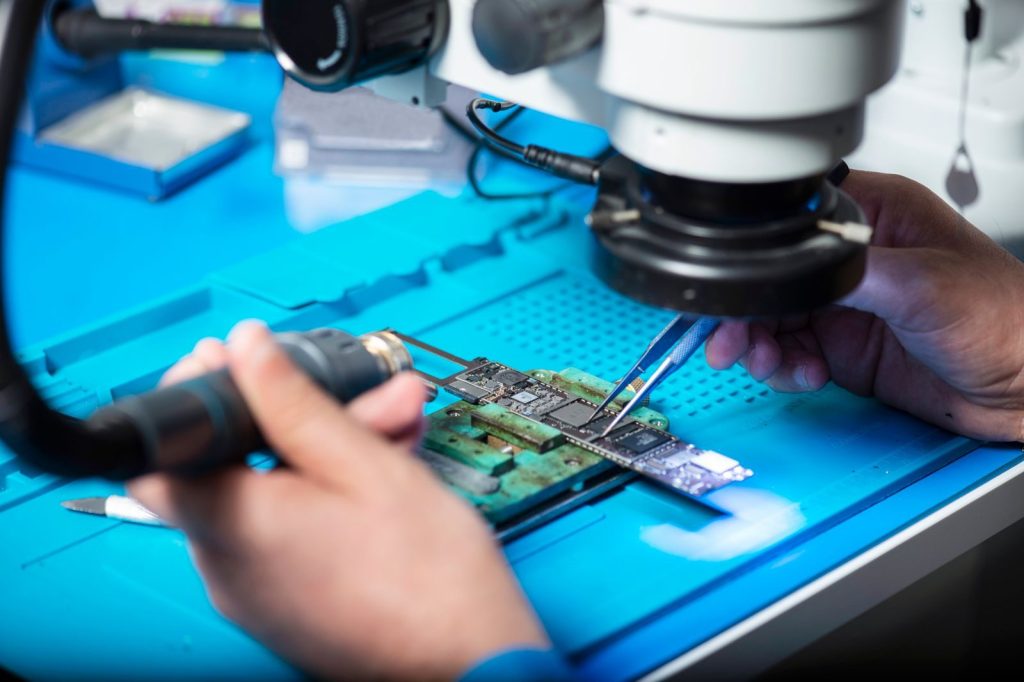
    Close-up of technician repairing electronic circuit board under a microscope in Toronto lab.
    Photo by Jacob Yavin on Pexels

    Small adjustments to your daily routine are the easiest way to avoid expensive replacement costs. According to consumer hardware technicians, avoiding extreme temperatures and keeping your phone cool are highly effective preventative steps. Maintenance is crucial. This article is for informational purposes only.

    Featured Image: Photo by Amanz on Unsplash

  • The Invisible Ocean Creature Vanishing Right Before Your Eyes

    The Invisible Ocean Creature Vanishing Right Before Your Eyes

    Most animal lovers assume that camouflage requires staying perfectly still. We believe that predators can easily spot any prey that attempts to run.

    But a bizarre marine creature has mastered the art of active invisibility. Its body completely vanishes into thin air while it is actively swimming.

    The Ghost of the Shallows

    white and green coral reel
    Photo by Ishan @seefromthesky on Unsplash

    Marine biologists filming near shallow coral reefs captured an incredibly rare evolutionary defense mechanism. According to a study by the University of Queensland, a tiny cephalopod can alter its skin pattern in milliseconds. They are highly stealthy. The animal can blend into any background while moving at maximum speed. But the physical science behind this trick is what truly shocks researchers.

    Millions Of Color Cells

    white and black abstract painting
    Photo by National Cancer Institute on Unsplash

    The creature’s skin is packed with specialized organs that act like high-definition television pixels. According to cellular biology reports, these microscopic structures are called chromatophores. They are incredibly small. By contracting tiny muscles, the animal can instantly change its color, texture, and light reflection. But this active color change is only the first part of their defense.

    Polarizing The Light Waves

    An underwater view of a sandy beach under water
    Photo by Aishwarya MV on Unsplash

    The stealthy animal can manipulate the way light waves bounce off its wet skin. According to marine optics research, the creature uses specialized cells to polarize surrounding light. The effect is stunning. This physical manipulation makes the body virtually invisible to predators with advanced underwater vision. But scientists wanted to see how the brain controls this speed.

    Speed Of Human Thought

    aerial photograph of cable bridges
    Photo by Raphael Schaller on Unsplash

    Controlling millions of color cells requires an incredibly complex nervous system. According to neurobiology studies, the creature’s brain bypasses traditional chemical signals to send direct electrical impulses to its skin. It is instant. This rapid connection allows the animal to match complex backgrounds faster than a human can blink. But this biological technology is now inspiring human engineers.

    Designing Active Camouflage

    A military tank is hanging on the ceiling.
    Photo by Matias Luge on Unsplash

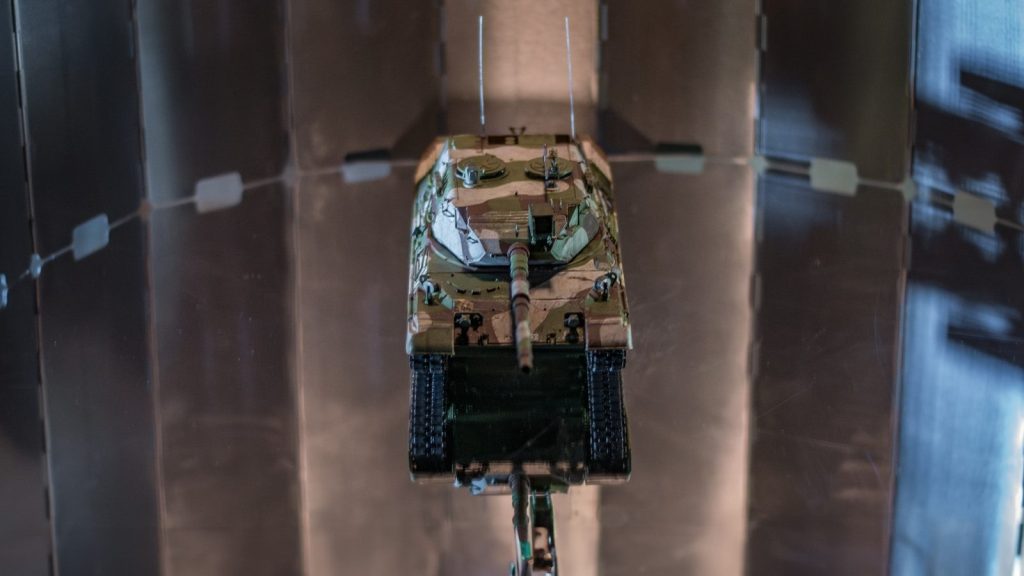
    Military researchers are studying these invisible creatures to build advanced cloaking technology for vehicles. According to materials science reports, engineers are creating flexible screens that mimic cephalopod skin. The goal is ambitious. These systems could allow vehicles to blend into any landscape in real time. But replicating millions of years of natural evolution is a massive challenge.

    Limits Of Human Tech

    man holding black DSLR camera
    Photo by jesse orrico on Unsplash

    Modern technology still struggles to match the extreme efficiency of natural organic systems. According to robotics engineers, our best flexible displays require massive amounts of electricity and heavy external processors. Nature is far superior. The tiny ocean creature uses almost zero energy to achieve perfect invisibility. But this delicate species is facing a brand new threat in the wild.

    Protecting Our Hidden Wonders

    A stunning view of a vibrant coral reef ecosystem captured underwater.
    Photo by Saad Alaiyadhi on Pexels

    Shifting ocean chemistry is threatening the delicate habitats where these invisible creatures thrive. According to marine conservationists, protecting these reefs is vital to preserving our planet’s greatest evolutionary marvels. We must act quickly. This article is for informational purposes only.

    Featured Image; Photo by David Clode on Unsplash

  • The Terrifying Deep Ocean Sound Baffling Navy Scientists

    The Terrifying Deep Ocean Sound Baffling Navy Scientists

    Most ocean explorers believe that the deep sea is a completely silent desert. We assume that the pitch-black water column holds nothing but quiet currents.

    But a bizarre noise recorded over one thousand meters down has shocked acoustic experts. This unexplained sound suggests that something massive is moving in the deep.

    Echoes In The Abyss

    A scuba diver films underwater with specialized equipment.
    Photo by Niklas Jonasson on Unsplash

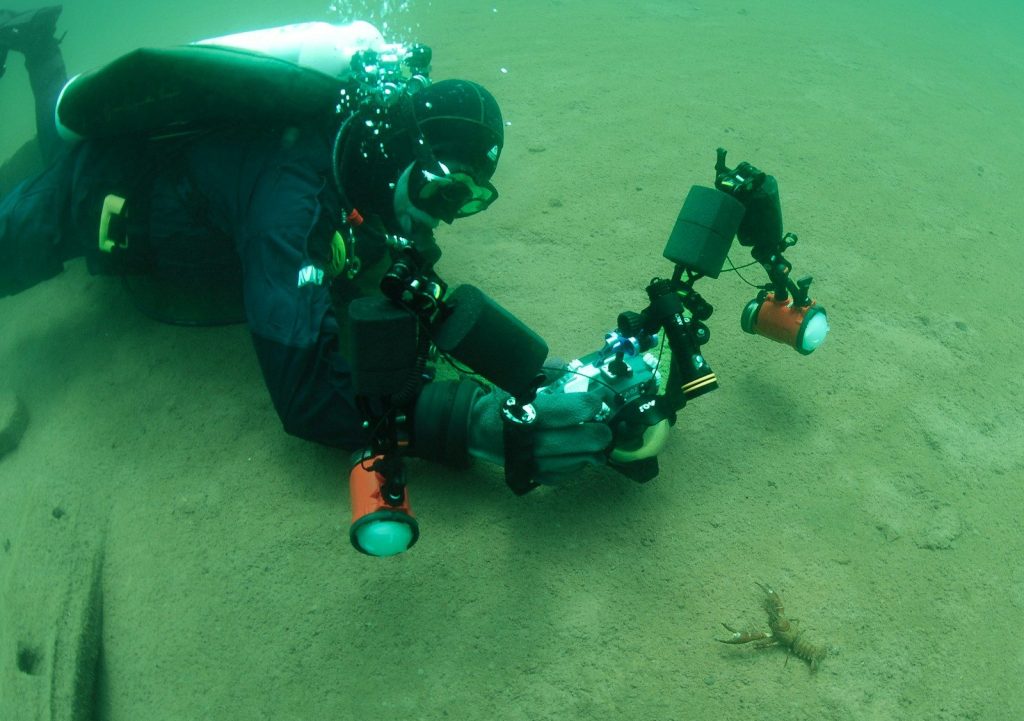
    Specialized underwater hydrophones captured a bizarre acoustic signature during a routine marine survey. According to reports from the National Oceanic and Atmospheric Administration, the sound was incredibly loud and low. It was deeply unsettling. The noise vibrated through the water for hundreds of miles before fading into the background. But researchers could not find any known animal that could produce this sound.

    Rejecting Giant Whales

    a humpback whale swims beneath the surface of the water
    Photo by Oliver Tsappis on Unsplash

    Biologists immediately compared the strange recording to the calls of massive blue whales. According to marine biology studies, even the largest whales cannot produce frequencies this deep and sustained. They are too quiet. The structure of the sound wave pointed to an object of truly immense proportions. But the search for the source led to an even stranger theory.

    Shifting Volcanic Faults

    Explore the rugged terrain of a dramatic geological rift on an island under a moody sky.
    Photo by Jan Schwebel on Pexels

    Some geologists suggested that the noise was caused by sudden movements along tectonic plates. According to seismic research papers, underwater earthquakes and volcanic eruptions can release massive bursts of acoustic energy. The ground shakes. However, the recorded sound had a highly rhythmic pattern that did not match natural seismic waves. But this mystery was about to catch the attention of military researchers.

    The Navy Hydrophone Array

    man in black jacket standing in front of black and gray industrial machine
    Photo by NOAA on Unsplash

    Secret military listening posts tracked the strange signal across the Pacific Ocean basin. According to declassified naval intelligence files, the sound was detected by defense arrays designed to monitor foreign submarines. It was highly stealthy. The speed and movement of the source suggested it was not a mechanical vessel. But identifying this silent traveler required looking at historical records.

    The Famous Bloop Sound

    a blurry image of a square shaped object
    Photo by and machines on Unsplash

    This current mystery is not the first time the ocean has released unexplained sounds. According to acoustic historians, a legendary sound called the Bloop baffled military scientists back in the late nineties. The noise was massive. Researchers spent years debating whether the sound came from an undiscovered giant sea creature. But a dramatic discovery near Antarctica offered a potential answer.

    Cracking Glacial Walls

    Icebergs float in the ocean with snow-capped mountains behind.
    Photo by Dave Meckler on Unsplash

    Scientists eventually discovered that cracking glaciers can produce massive low-frequency sounds. According to polar research teams, giant icebergs scraping against the ocean floor release acoustic energy that mimics organic calls. The ice is powerful. This natural event can easily fool underwater microphones thousands of miles away. But the current deep-sea sound is behaving very differently.

    Rhythmic Oceanic Pulses

    a close up of a blue screen on a machine
    Photo by Julio Gutierrez on Unsplash

    The new recording features a highly organized pulse that repeats at exact intervals. According to marine acoustic analysts, this rhythmic behavior is incredibly rare for simple cracking ice. It feels alive. This unique pattern has forced scientists to continue monitoring the deepest trenches of the ocean. But the search for the truth is facing extreme natural limits.

    Secrets Of The Deep

    yellow and black gas lamp
    Photo by NOAA on Unsplash

    The deep ocean remains the least explored environment on our entire planet. According to oceanographers, over ninety percent of the seafloor still remains completely unmapped and silent. It is a mystery. Nature still guards many secrets down in the dark. This article is for informational purposes only.

    Featured Image: Photo by Max Gotts on Unsplash

  • How Quantum Physics Is Quietly Reversing the Arrow of Time

    How Quantum Physics Is Quietly Reversing the Arrow of Time

    Most of us believe that time only moves in one forward direction. We assume that a broken glass can never assemble itself back together.

    But physicists have successfully reversed time on a microscopic scale. This breakthrough experiment is challenging our most basic laws of the universe.

    Bending The Laws Of Physics

    an abstract image of a circle with balls
    Photo by Brecht Corbeel on Unsplash

    A team of quantum physicists has achieved what was once considered completely impossible. According to a study published in Communications Physics, researchers successfully sent a single subatomic particle backward in time. The process was delicate. By manipulating quantum states, they forced the particle to return to its original starting position. But scaling this project up would require an entirely different level of technology.

    The Quantum Computer Lab

    Detailed view of computer motherboard featuring RAM, chipset, and wiring.
    Photo by Valentine Tanasovich on Pexels

    The experiment required the use of highly advanced quantum computer processors to control the particles. According to reports from the Moscow Institute of Physics and Technology, scientists used an electron state to simulate the time reversal. It worked flawlessly. The team managed to reverse the natural decay of the system in a fraction of a second. But this laboratory success raised immediate questions about real-world applications.

    Erasing Computing Mistakes

    Matrix movie still
    Photo by Markus Spiske on Unsplash

    This time-bending technology could soon be used to eliminate errors in modern processing. According to software engineering logs, quantum computers often make tiny calculation mistakes due to external interference. The system is fragile. Reversing time on a single qubit could allow computers to self-correct their errors instantly. But the team still had to overcome a massive physical barrier.

    The Entropy Problem

    Dazzling fireworks burst in the night sky with vibrant colors and energetic trails.
    Photo by Selvin Esteban on Pexels

    Natural laws dictate that the universe always moves from order to chaos. According to thermodynamics studies, reversing time requires a massive injection of external energy to overcome natural decay. The energy was immense. This physical law is why we cannot easily reverse larger objects in our daily lives. But scientists are already looking for ways to bypass this cosmic rule.

    Creating Artificial Microstates

    Intricate machinery inside CERN's Large Hadron Collider in Geneva, Switzerland.
    Photo by Pietro Battistoni on Pexels

    Researchers are designing specialized quantum environments where the laws of thermodynamic decay do not apply. According to theoretical physicists, these microscopic chambers isolate particles from the rest of the universe. They are completely quiet. Inside these zones, the arrow of time behaves in highly unpredictable ways. But this strange phenomenon is opening up a brand new field of science.

    Rethinking Cosmic Rules

    A mesmerizing view of the starry night sky with a cosmic nebula effect, enhancing the celestial ambiance.
    Photo by Engin Akyurt on Pexels

    This breakthrough forces scientists to question whether time is a fundamental reality or a clever illusion. According to a research study from the University of Vienna, the flow of time might simply be a statistical trend rather than a strict physical law. The universe is mysterious. This realization could change how we design everything from computers to space engines. But the ultimate limits of time travel remain clear.

    The Future Of Quantum Time

    Abstract digital artwork showcasing a colorful, geometric design with depth and intricate detail.
    Photo by Pachon in Motion on Pexels

    While we will not be traveling to the past anytime soon, quantum physics is redefining what is possible. According to research teams, understanding time reversal will lead to ultra-fast computers and revolutionary biological scanning tools. Progress is happening quickly. This article is for informational purposes only and does not constitute professional scientific advice.

    Featured Image: Photo by ACatInABox on Unsplash