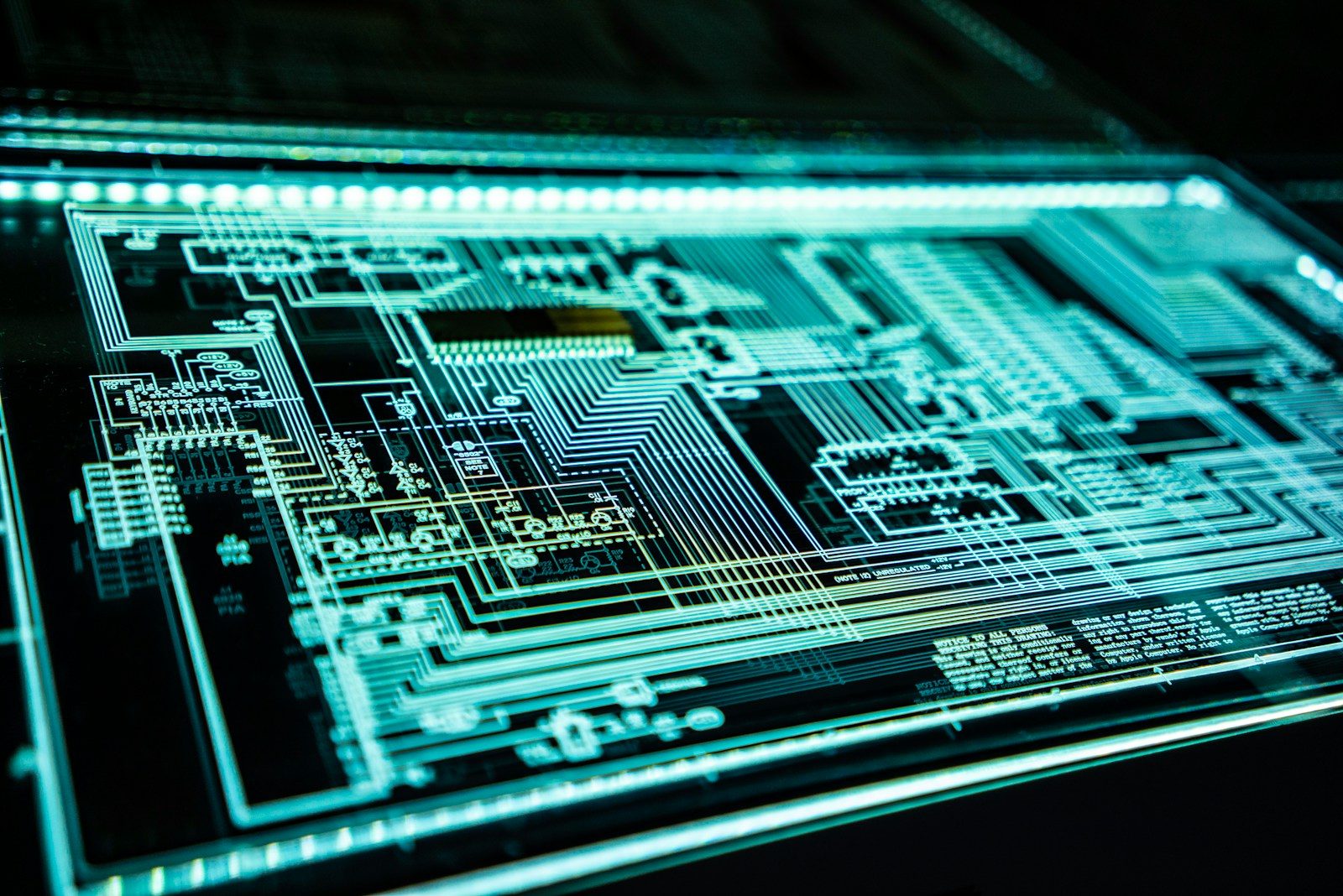
Most consumers believe that modern LED bulbs are designed to last for several decades without any issues. We assume that buying these expensive lights guarantees a lifetime of maintenance-free performance.
But many new LED bulbs are failing within just a few short months of use. This rapid decay is currently driven by a hidden hardware flaw inside the bulb itself.
The Myth Of Longevity

Packaging boxes often promise that a new LED bulb will shine brightly for over twenty years. According to consumer hardware reviews, many of these devices burn out much faster than advertised. The claims fail. Buyers are left feeling frustrated as they replace supposedly durable lights repeatedly. But explaining why these bulbs die requires looking beyond the glowing diode.
Inside The Bulb Core
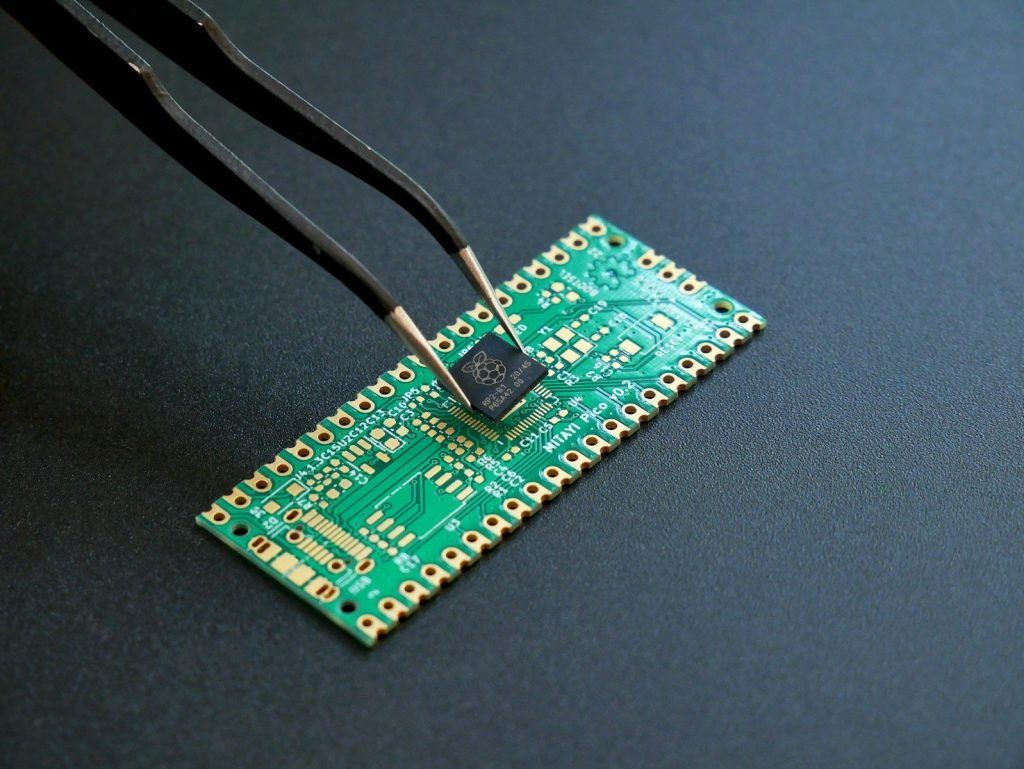
An LED bulb is not a simple glass filament but a highly complex electronic device. According to reports from lighting engineers, the light-emitting diode itself is actually incredibly durable. It runs cool. The real point of failure is a tiny circuit board called the LED driver. But this fragile circuit board faces a severe threat inside your home.
The Extreme Heat Trap

Circuit boards generate significant heat while converting high-voltage household current into low-voltage power. According to materials science studies, this heat must be quickly directed away from the delicate processors. The thermal load is intense. If the heat stays trapped, it cooks the tiny capacitors and destroys the driver. But the design of modern fixtures makes this heat problem much worse.
Enclosed Ceiling Fixture Danger
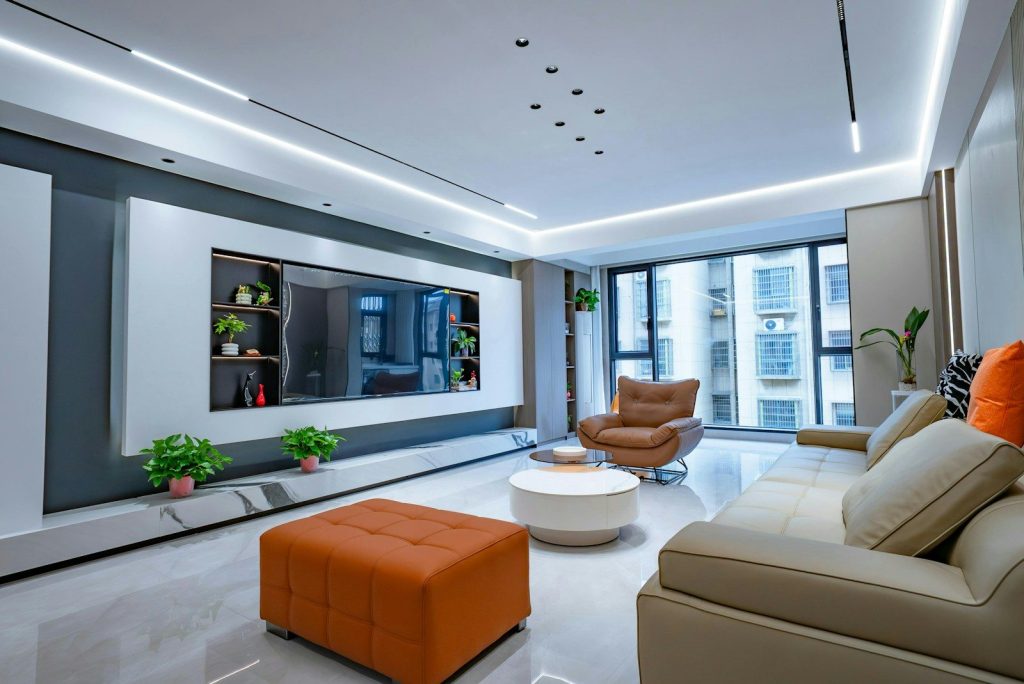
Placing a standard LED bulb inside a sealed ceiling dome traps the hot air completely. According to home safety logs, this confined space prevents the metal heat sink from cooling the bulb. The temperature rises rapidly. Operating in this hot environment can cut the lifespan of your device by eighty percent. But some cheap manufacturers are making the issue even more severe.
Sourcing Cheap Internal Components
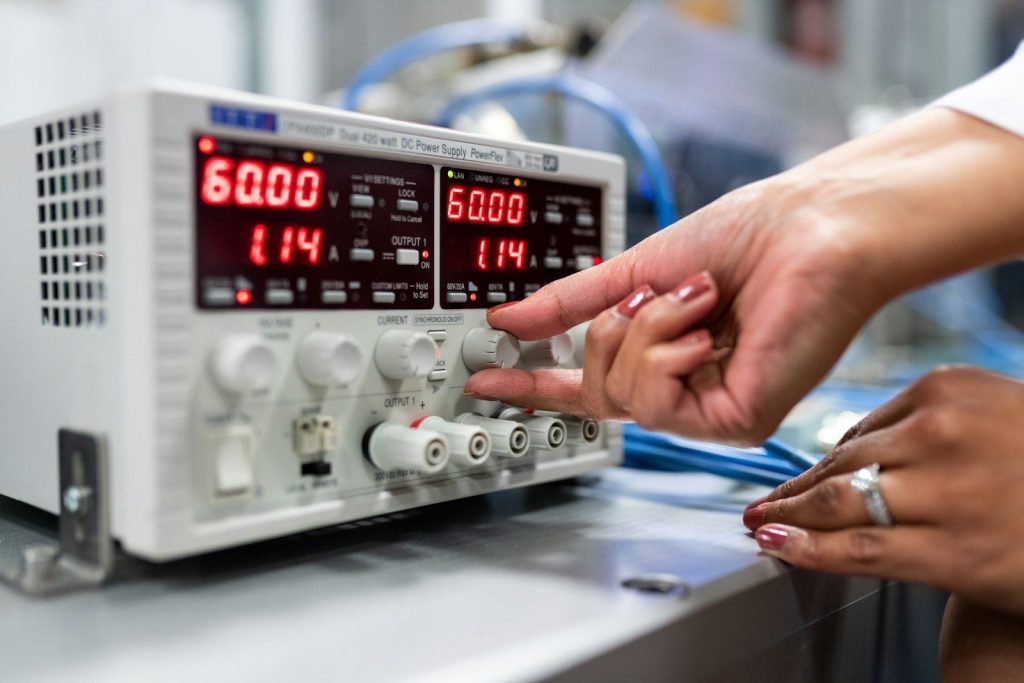
To compete on price, some brands use low-quality capacitors that degrade rapidly under stress. According to electronics engineering audits, these cheap parts are highly vulnerable to slight voltage spikes. They are fragile. When a capacitor fails, the entire bulb goes dark even though the diodes are perfect. But you can protect your bulbs by making a few simple changes.
Choosing Open Ventilation Fixtures

Using open fixtures allows the rising hot air to escape away from the bulb base. According to hardware guides, keeping your bulbs cool is the easiest way to double their operating life. The fix is simple. This air circulation ensures the internal driver electronics remain stable for years. But selecting the right brand is also a critical step.
Checking The Warranty Logs

Buying bulbs from reputable manufacturers that offer long replacement warranties is highly recommended. According to consumer advocacy reports, reliable brands use premium components that resist high temperatures. The investment is smart. These durable models will save you money and prevent constant trips to the store. But the future of lighting is moving toward even smarter designs.
Designing Better Gadgets

Mastering thermal management is key to unlocking the true potential of modern home technology. According to industrial historians, building durable electronics reduces global electronic waste significantly. Maintenance remains essential. This article is for informational purposes only.
Featured Image: Photo by Adi Goldstein on Unsplash
Leave a Reply