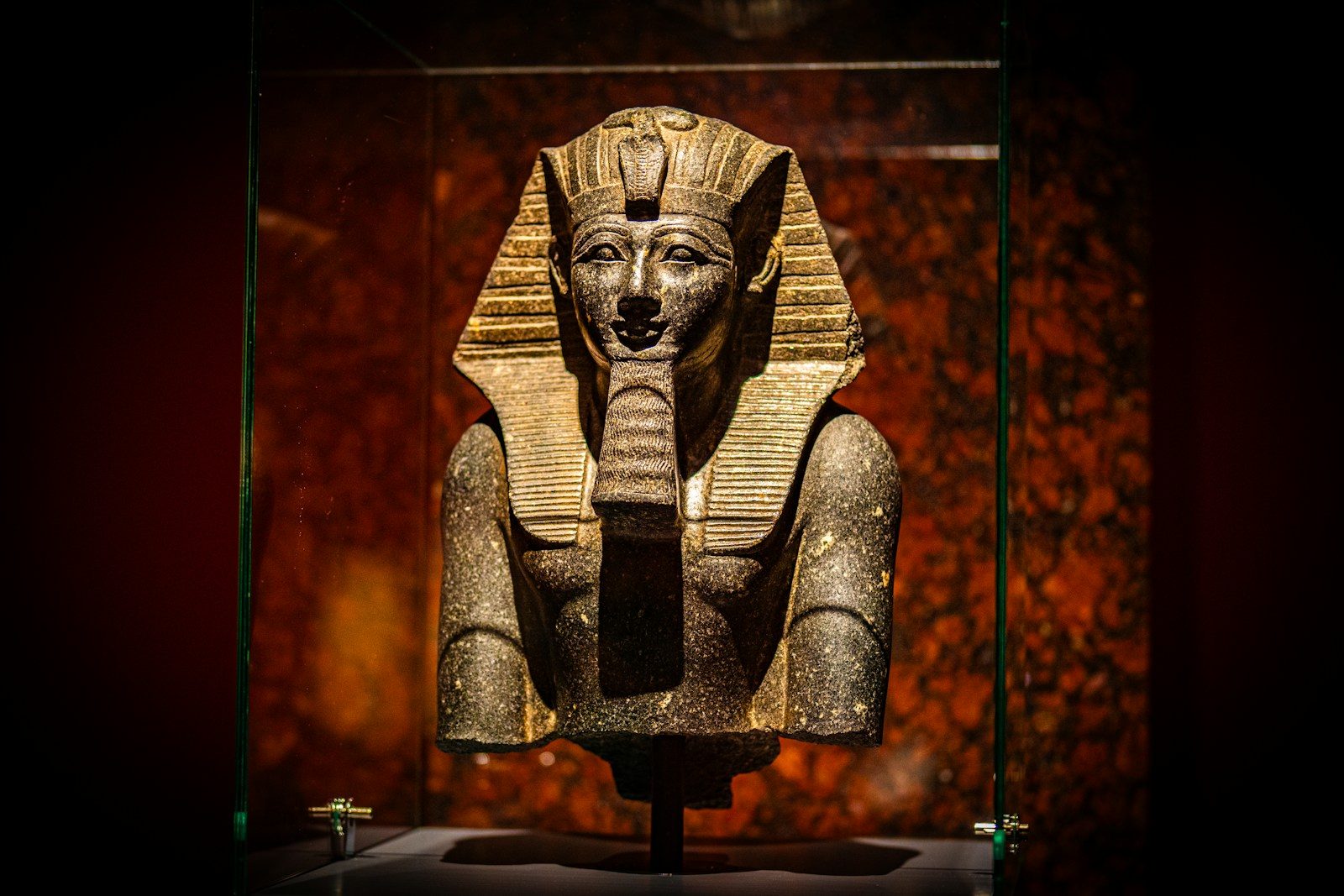
Traditional history books state that Egyptian civilization took thousands of years of gradual growth before forming a unified kingdom. Scholars assumed nomadic farming tribes slowly merged across centuries.
But advanced radiocarbon dating on organic artifacts proves early dynastic state formation happened surprisingly fast. A single powerful era emerged in just a few brief generations.
Radiocarbon Tests Recheck Old Artifacts

Researchers gathered hair, plant fibers, and woven baskets preserved inside early royal tombs across Abydos. Organic samples held secrets. According to radiocarbon research led by Oxford University, high-precision accelerator mass spectrometry measured carbon decay in hundreds of tomb items. Dating results shifted estimated coronation years significantly. That chronological shift forced historians to recalculate early dynastic timelines.
First Dynasty Unifies River Valley

New mathematical timeline models show King Narmer unified Upper and Lower Egypt much faster than previously recorded. Power shifted overnight. According to chronological studies published in Proceedings of the Royal Society, state consolidation required less than two hundred years instead of five centuries. Rapid unification created centralized tax systems and royal administration quickly. Rapid growth demanded immediate administrative innovations.
Early Hieroglyphs Standardize State Records
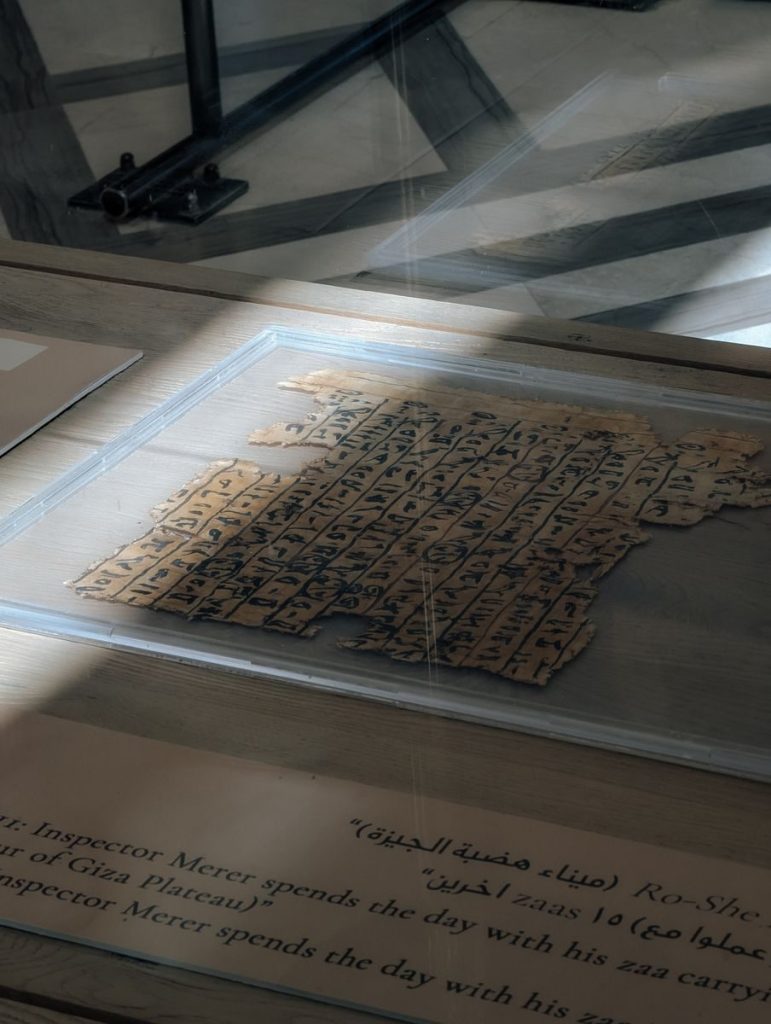
Carved bone tags found in early royal tombs prove writing systems developed rapidly to manage agricultural goods. Bureaucracy grew fast. According to epigraphic analysis from the German Archaeological Institute, standardized symbols recorded grain taxes sent from distant farming villages to royal storehouses. Written records allowed pharaohs to project power over vast river territories. Expanding borders required strong military defenses.
Desert Trade Routes Supply Riches

Early kings organized heavily guarded donkey caravans across harsh eastern deserts to secure copper ore and turquoise. Wealth flowed inward. According to trade route surveys conducted by Egyptian archaeologists, royal monopolies controlled precious minerals imported from Sinai Peninsula mines. Wealthy rulers built increasingly grand tombs to display divine authority. Tomb evolution led directly to massive pyramid construction.
Step Pyramids Mark Architecture Shift
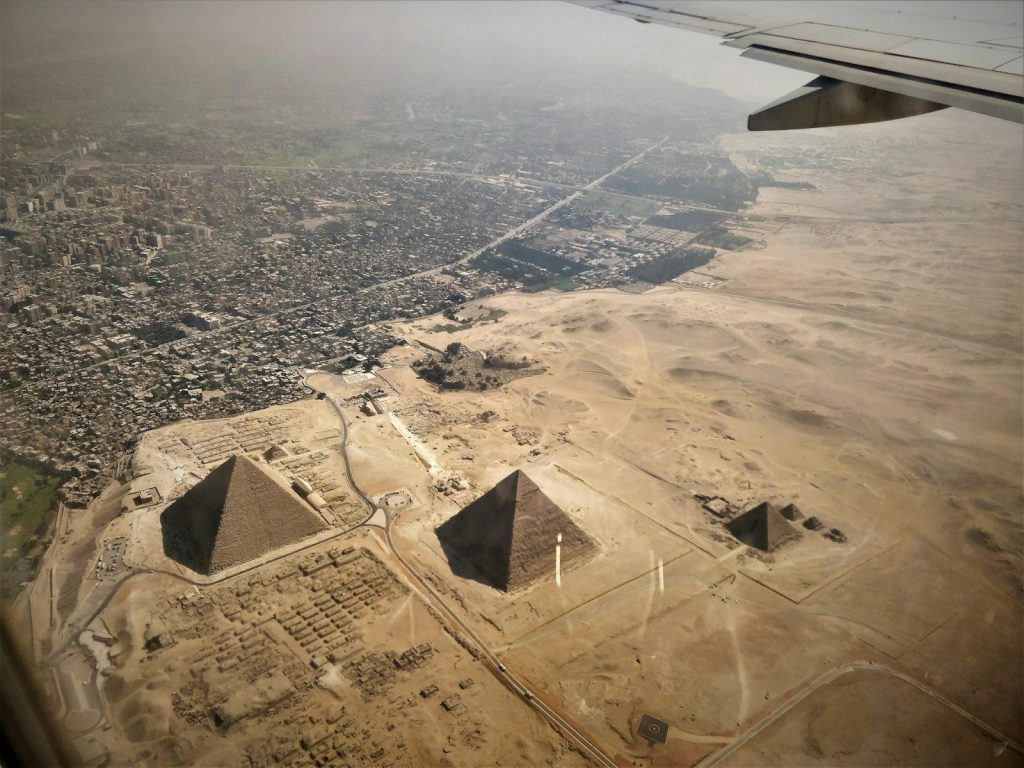
Royal architects transitioned from simple mudbrick mastaba tombs to towering stone step pyramids in a matter of decades. Engineering transformed fast. According to architectural studies at Cairo University, King Djoser built the first massive stone monument at Saqqara using disciplined labor crews. Monumental stone architecture signaled total economic control over subject populations. That rapid engineering leap raised another question.
Annual Nile Floods Fuel Growth

Predictable summer river floods deposited nutrient-rich black silt across agricultural fields every year without fail. Crops grew abundantly. According to paleoclimate studies from Cambridge University, favorable climate conditions created agricultural surpluses that supported massive construction workforces. Farmers worked on royal monuments during non-harvest flood months. Social organization reached unprecedented heights during this golden age.
Political Power Centralizes At Memphis

Founding a strategic capital city at Memphis allowed early pharaohs to control vital trade routes linking river delta regions. Strategic control proved vital. According to historical geography reports from the Egypt Exploration Society, centralized royal courts managed river transportation networks efficiently. Unified leadership preserved political stability across multiple generations. That political stability laid the foundations for grand monuments.
Rewriting Early Egyptian History

Applying modern scientific dating methods to ancient organic samples proves that early Egyptian state formation occurred much faster than traditional scholars recorded. Precise timelines allow researchers to understand how rapid political unification transformed ancient human society. According to international Egyptologists, combining radiocarbon science with archaeological evidence will keep refining early civilization chronologies. This article is for informational purposes only.
Leave a Reply