
Most space fans believe we have explained every question about the historic moon landings. We assume the standard television broadcasts proved the mission succeeded.
But small visual anomalies on the moon continue to fuel global conspiracy theories. These strange quirks are actually explained by a series of bizarre physical laws.
The Rippling Banner
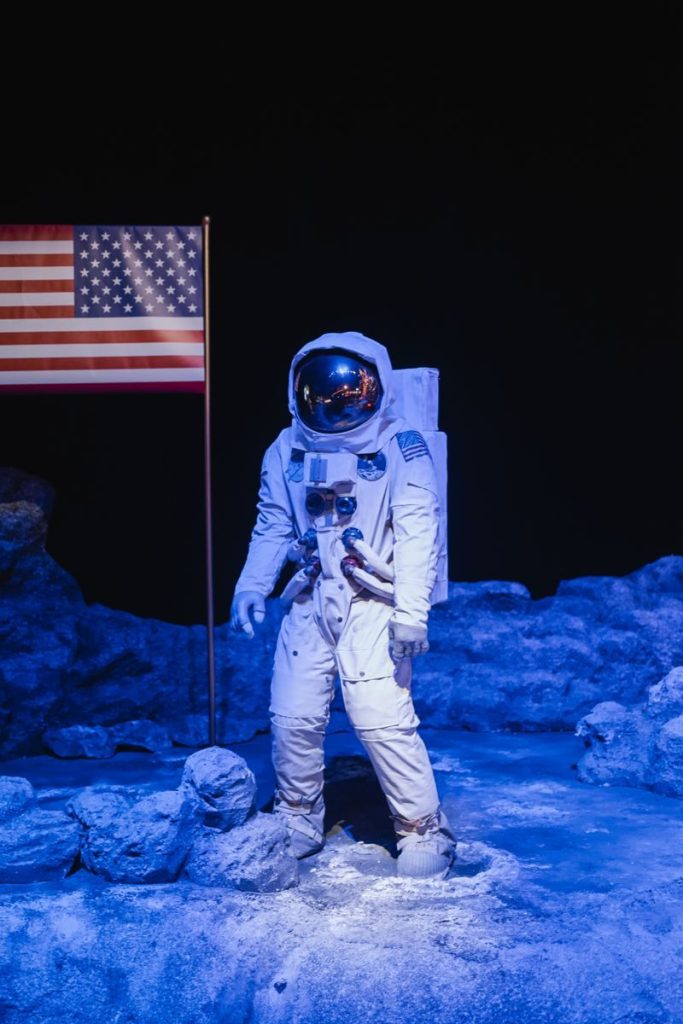
Skeptics always ask why the American flag appears to flutter in a vacuum with no wind. It looks highly suspicious. The explanation is simple. According to NASA documentation, the astronauts had to use a telescoping horizontal rod to keep the fabric extended. The metal rod jammed before fully opening. This left folds in the cloth that looked like ripples.
The Dark Sky

Photos from the lunar surface show a pitch-black sky with absolutely no stars visible. Doubters believe this proves a Hollywood studio set was used. Cameras are delicate. According to imaging engineers at the Smithsonian Institution, the cameras used fast shutter speeds to capture the bright landscapes. This fast setting prevented the faint starlight from appearing.
Bizarre Shadow Angles

Lunar images show some shadows pointing in different directions even though the sun is the only light source. Skeptics claim this reveals multiple stage lights. Terrain plays tricks. According to scientists at the Lunar and Planetary Institute, the uneven ground and bright dust scattered the sunlight. This created complex lighting effects on the surface. But a deadly zone of radiation presented a far greater puzzle.
The Lethal Shield

Many critics argue that human bodies could never survive the massive radiation belts surrounding Earth. They believe the crew would be instantly poisoned. Space is brutal. According to physicists at the European Space Agency, the spacecraft passed through the weakest sections of the belts at extreme speed. The thick metal hull successfully protected the crew. But the soil itself held another strange clue.
Sharp Dirt Prints
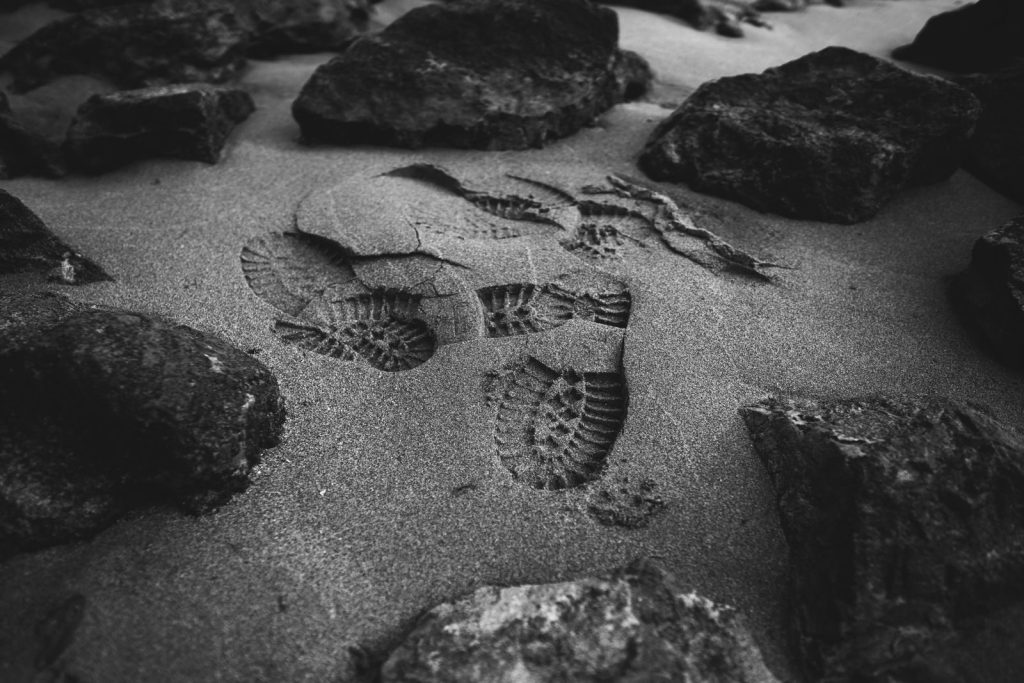
The boot prints of the astronauts look incredibly crisp and detailed in the dry lunar dust. Skeptics claim that dry soil needs moisture to hold its shape. The dust is unique. According to geologists at the Carl Sagan Institute, the moon particles are made of sharp volcanic glass. These jagged pieces lock together without water. But the ground directly under the lander looked completely different.
The Missing Crater

Critics expect to see a deep crater beneath the rocket engine of the lunar lander. Instead, the dust under the engine bell was smooth. Physics explains why. According to engine designers at NASA, the low gravity meant the craft required very little engine power. The exhaust gas merely swept away the light surface dust. But space orbiters have now gathered final visual proof.
Pictures From Orbit
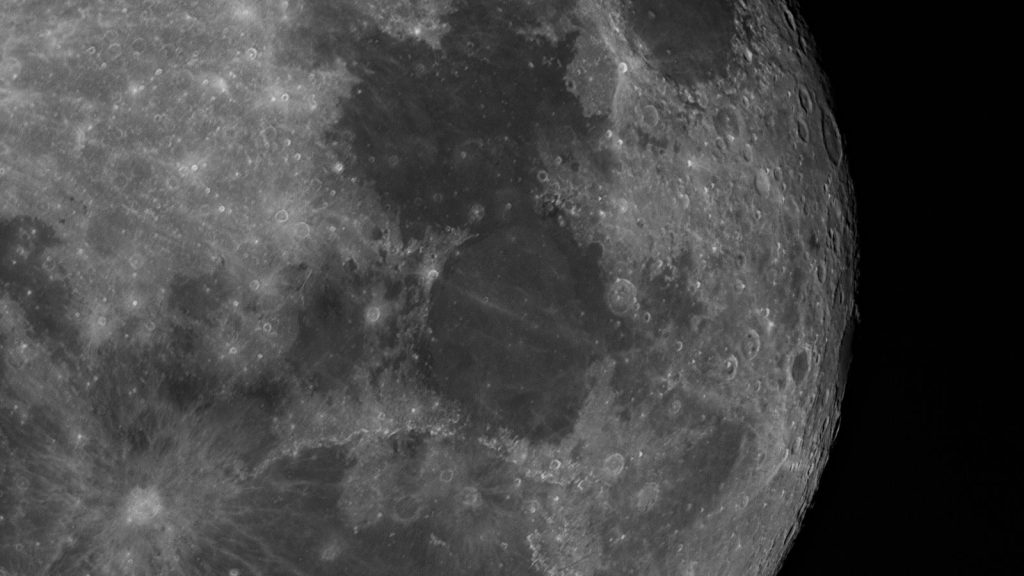
Modern satellites orbiting the moon have taken brand new photos of the landing sites. These lenses are powerful. According to report data from Arizona State University, the cameras captured the trails left by the rover. The metallic base of the lander still sits on the gray soil. This high-resolution proof has quieted many scientific debates.
The Human Triumph

Over four hundred thousand people worked together to build the technology for the moon missions. The physical facts remain absolutely clear. Human curiosity is unstoppable. According to the Smithsonian Institution, analyzing these historic achievements helps us prepare for future cosmic voyages. This article is for informational purposes only.
Leave a Reply