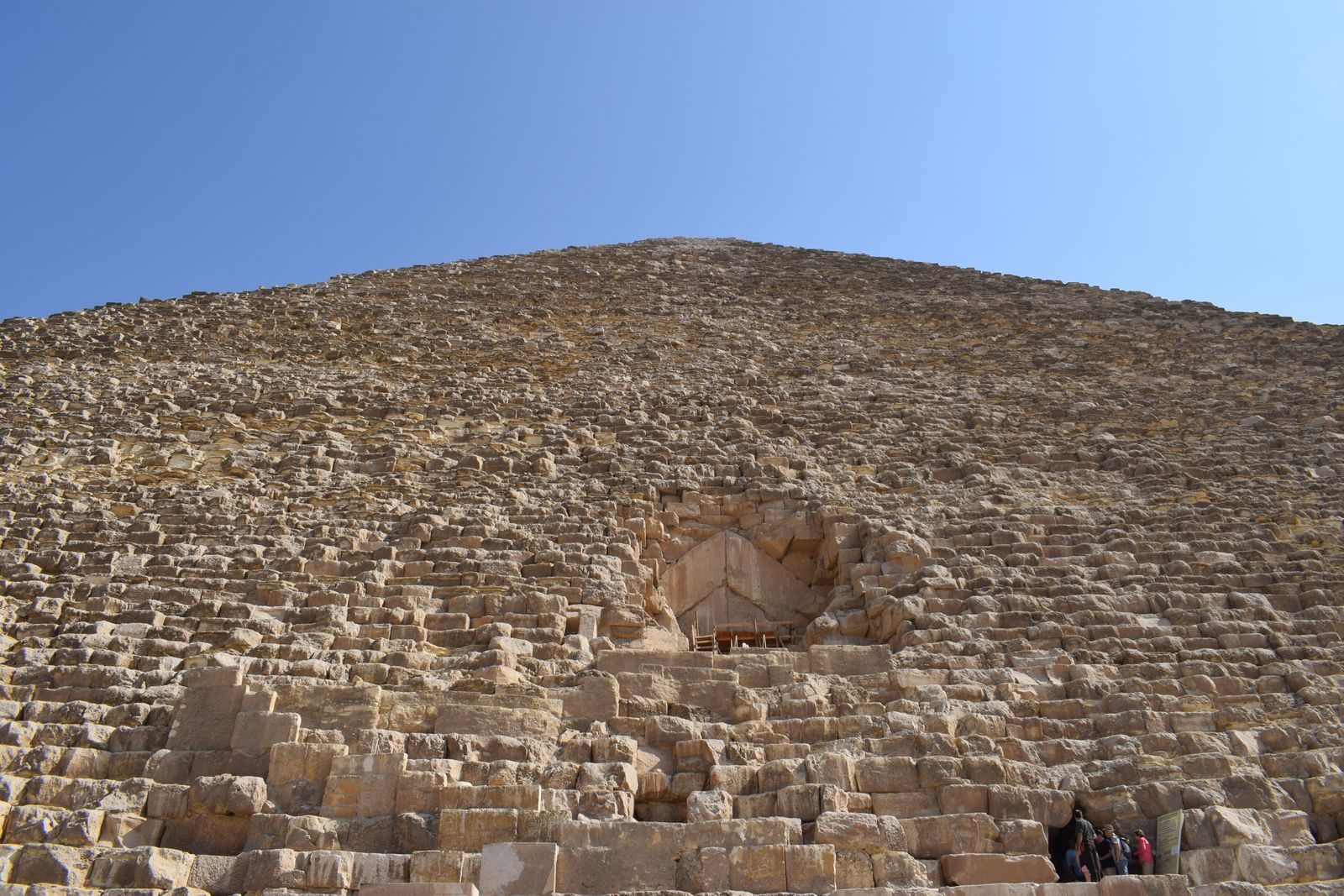
Most history lovers assume that ancient Egyptian builders constructed the pyramids using simple copper chisels and brute human force. We believe that primitive hand tools alone carved the massive limestone structures.
But several colossal black basalt blocks scattered around Giza display highly precise tool marks that defy this simple explanation. Their perfectly flat surfaces and deep circular drill holes point to an incredibly advanced mechanical process.
The Basalt Stone Puzzle

Scattered across the eastern side of Giza lie the remnants of ancient temple pavements made of volcanic basalt. This rock is hard. According to geological reports from Cairo University, basalt is one of the toughest materials on the planet and easily dulls standard bronze or copper tools. Yet these blocks were sliced with incredible precision. But the mystery grows when you inspect the cut lines up close.
Perfect Parallel Cut Marks

Microscopic scans of the basalt stones reveal parallel grooves that run along the cut faces with perfect spacing. They are flawless. According to studies by the Egyptian Ministry of Tourism and Antiquities, these machine-like grooves are completely uniform and show no signs of hand-sawing wobble. This uniformity suggests the tools moved with constant mechanical speed. But another detail in the stone hints at an even more complex technology.
The Ancient Core Drills

Researchers have found deep circular drill holes in the hard granite blocks surrounding the valley temples. The holes are deep. According to reports from the Petrie Museum of Egyptian Archaeology, the spiral grooves inside these holes show the drills were sinking into the solid granite with immense feed force. This fast penetration is impossible with simple copper tubes and loose sand. But replicating this technology has baffled modern experimental stone cutters.
Recreating the Lost Tools

Engineers attempting to recreate these ancient drilling methods using primitive tools have repeatedly failed to match the speed. Hand power is too slow. According to technical studies published in the Journal of Archaeological Science, manual drilling methods require hundreds of hours to cut a single inch into hard granite. The ancient builders were somehow finishing thousands of these blocks in record time. But a hidden energy source might explain this extreme output.
Vibrational Stone Cutting Tech

Some engineers suggest the ancient builders used sonic resonance or rapid vibrations to soften the hard stone. Sound is powerful. According to research from the acoustical engineering community, applying high-frequency vibrations to cutting tools can significantly reduce the force needed to slice through dense minerals. This acoustic approach would explain the perfect spiral patterns left behind. But finding the physical remains of these vibrational tools is the ultimate challenge.
The Missing Tool Inventory
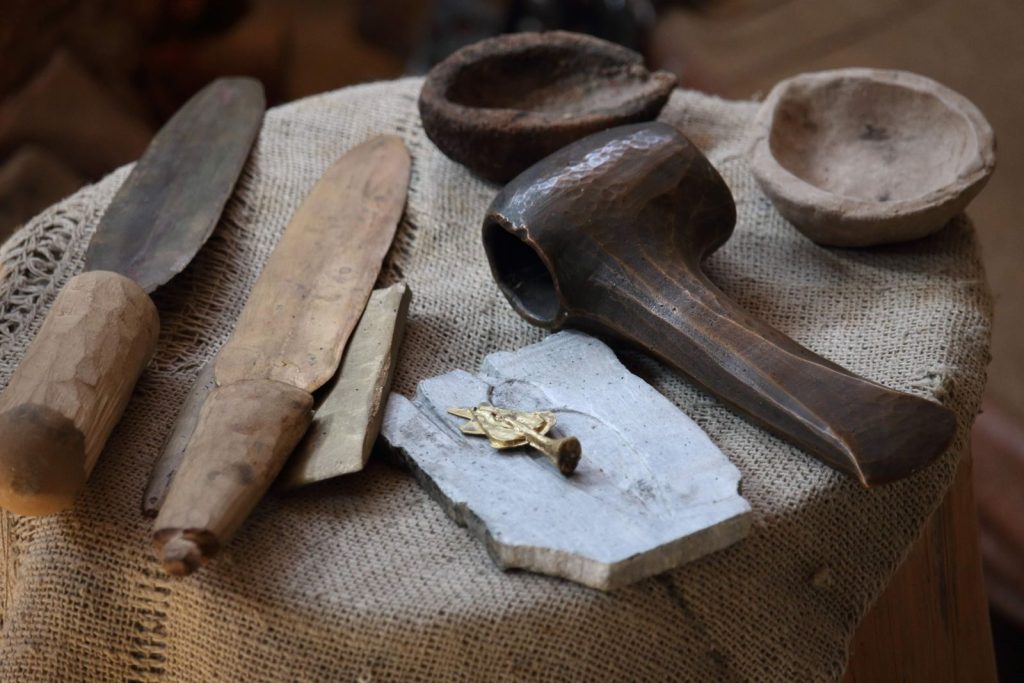
No advanced iron saws or complex mechanical drills have ever been recovered from ancient Egyptian archaeological digs. Scrap metal vanishes. According to historical studies by the British Museum, ancient metals were highly valuable and were constantly melted down and repurposed over thousands of years. This recycling practice could explain why our modern museums are completely empty of these advanced machines. But researchers are searching the sandy deserts for hidden workshops.
Scanning the Plateau Earth
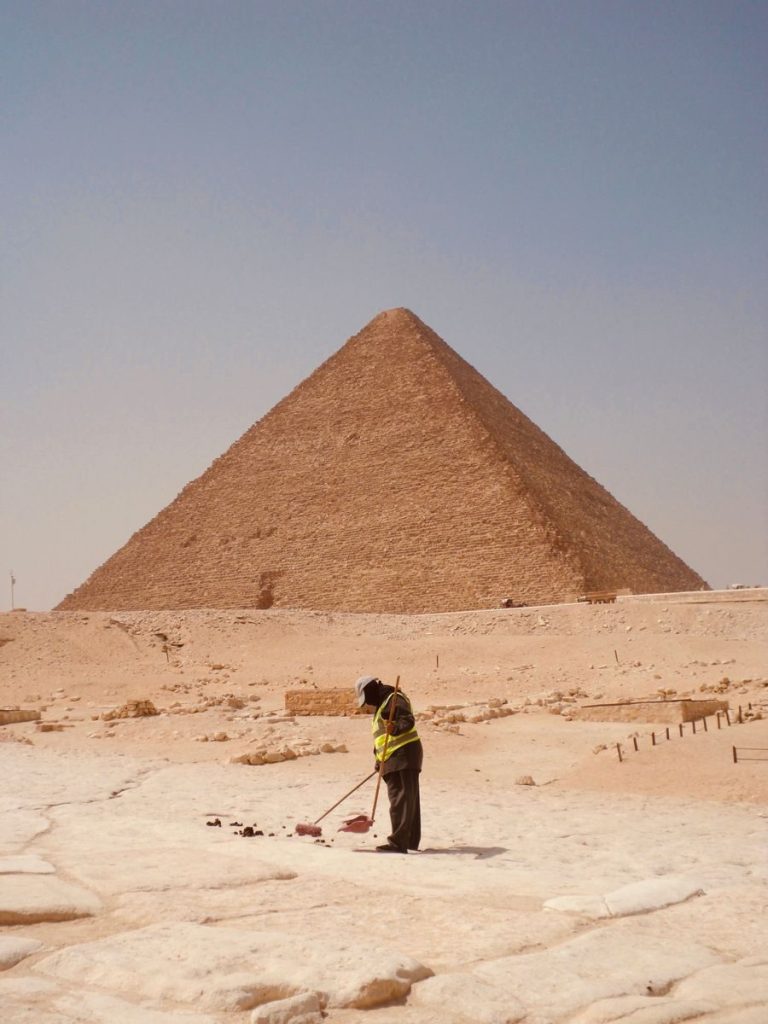
New archaeological teams are using underground radar to locate ancient metalworking shops buried near the worker villages. They are mapping. According to reports from the Giza Plateau Mapping Project, these scans have revealed large subterranean anomalies that sat untouched for thousands of years. Uncovering these industrial zones could finally solve the mechanical mystery. But the findings could permanently alter how we view the Bronze Age.
Rethinking Human Progress

These machined marks on Giza’s hardest stones show that ancient engineering was far more sophisticated than we believed. Their wisdom endures. According to global archaeological societies, exploring these physical anomalies forces us to respect the advanced intellectual capabilities of early builders. The stones of Egypt continue to challenge our modern assumptions about history. This article is for informational purposes only.
Featured Image: Photo by Michelle Chadwick on Pexels
Leave a Reply