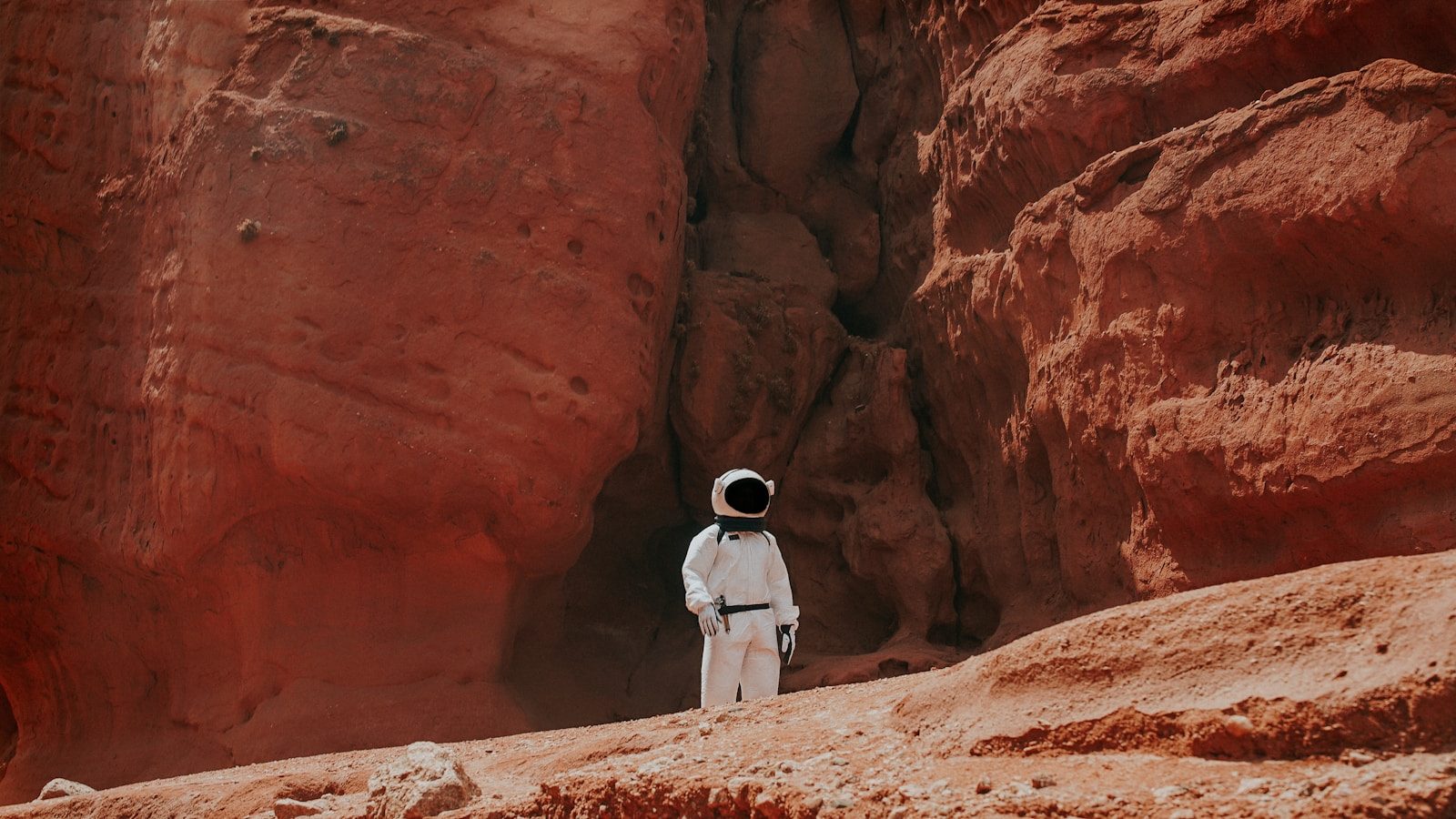
Space agencies talk about building permanent cities on the Red Planet within our lifetimes. Enthusiasts assume rocket technology is the only major hurdle holding humanity back.
But landing on Mars is actually the easiest step of the entire journey. Deep space environments present biological hazards that standard space suits cannot fix.
Cosmic Rays Damage Living Cells
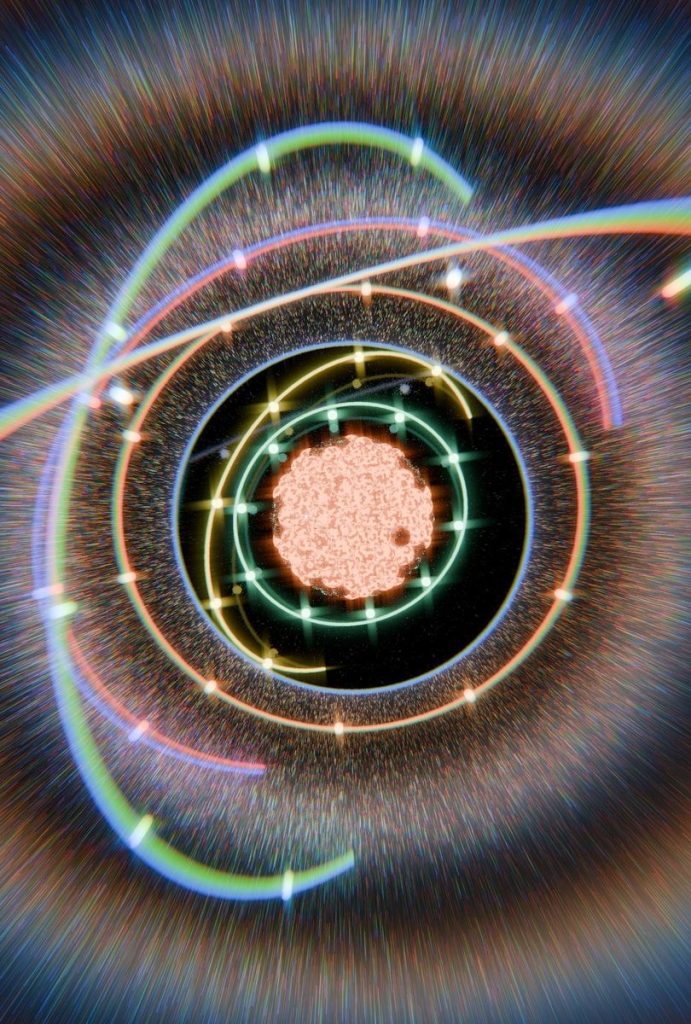
Unlike Earth, Mars lacks a strong global magnetic field to deflect high-energy space particles. Radiation penetrates metal walls. According to space medicine reports from NASA, long exposure to galactic cosmic rays increases cancer risks and impairs brain function. Shielding spacecraft requires heavy water tanks or thick regolith dirt. Yet long transit times create another severe physical issue.
Low Gravity Weakens Human Bones
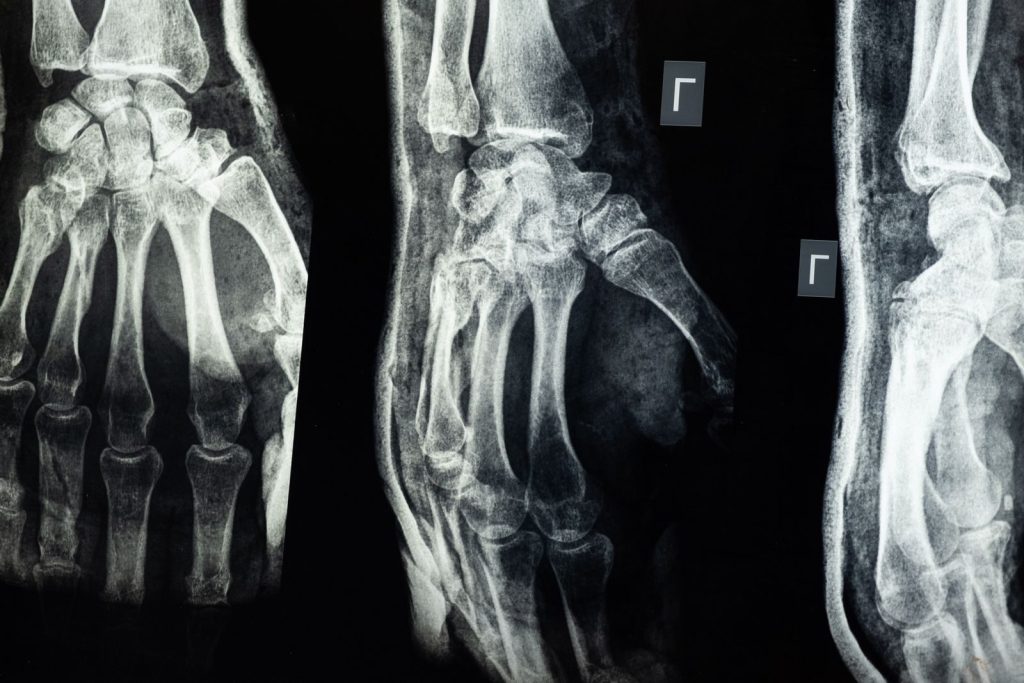
Martian gravity measures roughly thirty-eight percent of Earth’s surface pull. Muscles waste away fast. According to gravitational physiology studies at ESA, reduced gravity causes rapid bone density loss and weakens cardiovascular systems. Astronauts arriving on Mars might struggle to walk upright after landing. That physical weakness makes emergency habitat construction far more dangerous.
Toxic Dust Threatens Habitat Air
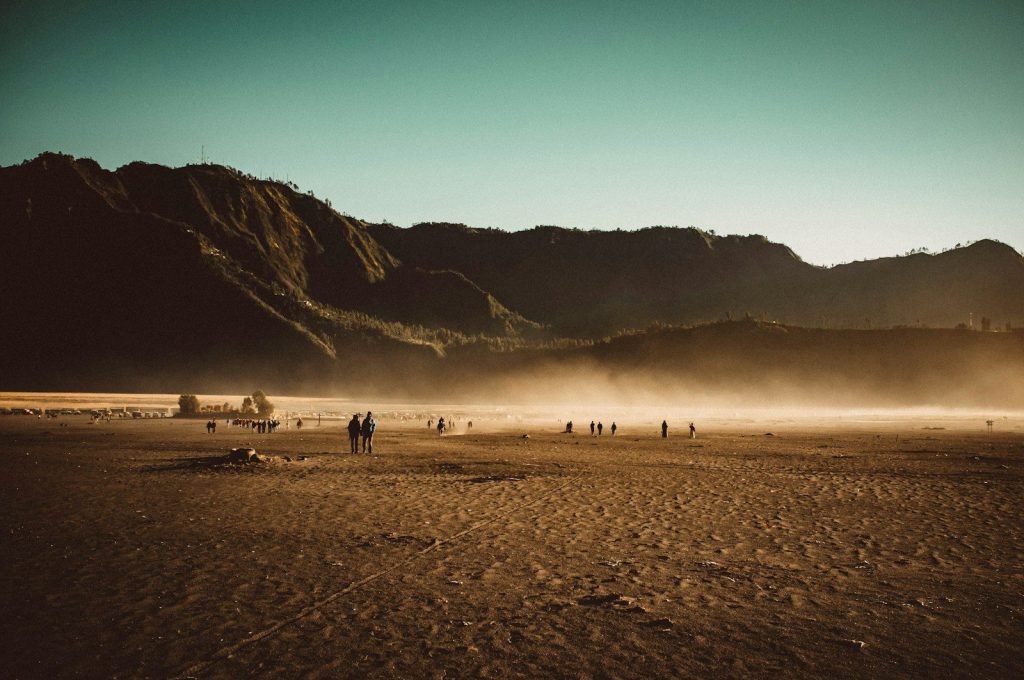
Fine dust covers the entire surface of Mars and easily clings to space suits. Soil holds toxic chemicals. According to chemical analysis from the Curiosity rover team, Martian soil contains high concentrations of perchlorates that damage human thyroid glands. Tracking fine dust inside living quarters could contaminate air filters permanently. Air contamination then leads directly to water supply problems.
Freezing Ice Requires Deep Mining

Liquid water cannot exist on the cold surface due to extremely low atmospheric pressure. Ice lies buried deep. According to radar mapping from the Mars Reconnaissance Orbiter, extracting usable water requires heavy industrial mining equipment. Melting subsurface ice consumes massive amounts of electrical power every day. Power generation faces constant threats from planetary weather events.
Global Storms Block Solar Panels
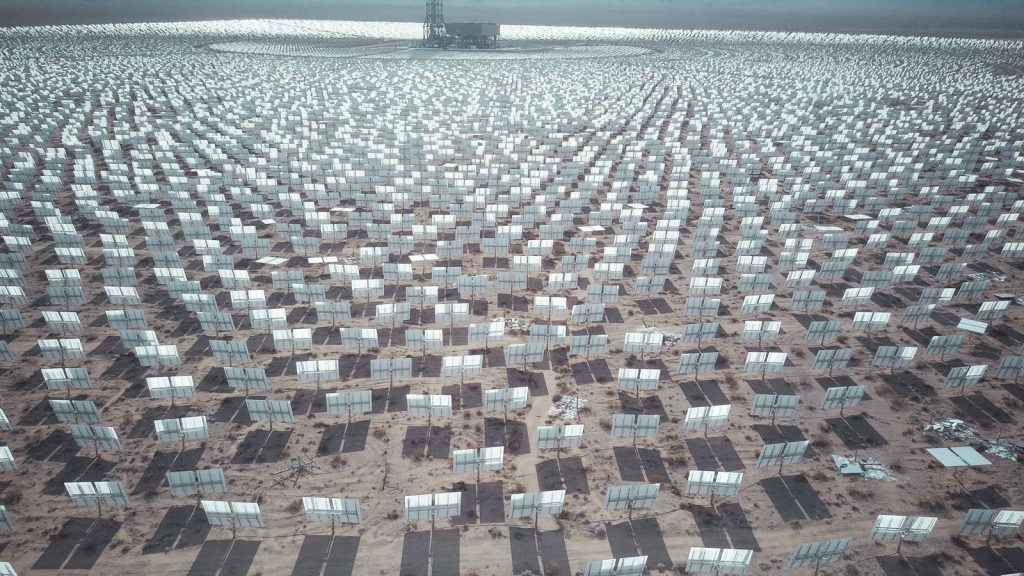
Massive dust storms occasionally wrap around the entire planet for months at a time. Skies turn dark red. According to atmospheric reports from JPL scientists, lingering dust clouds block up to ninety-nine percent of incoming sunlight. Solar-powered bases would lose power without backup nuclear reactors. Isolation then triggers severe psychological stress among crew members.
Communication Delays Isolate Crew Members
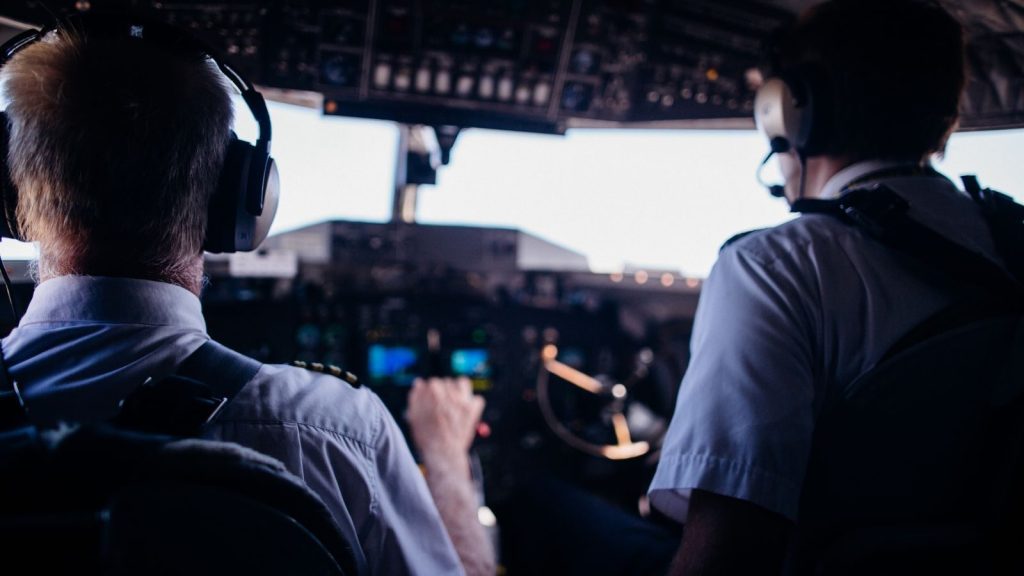
Radio signals take up to twenty minutes to travel between Earth and Mars depending on orbital positions. Instant help is impossible. According to behavioral studies at Johns Hopkins University, extreme isolation and delayed communication increase anxiety during medical crises. Settlers must handle complex surgical emergencies completely on their own. Supply ships present one final major bottleneck.
Supply Ships Arrive Years Apart
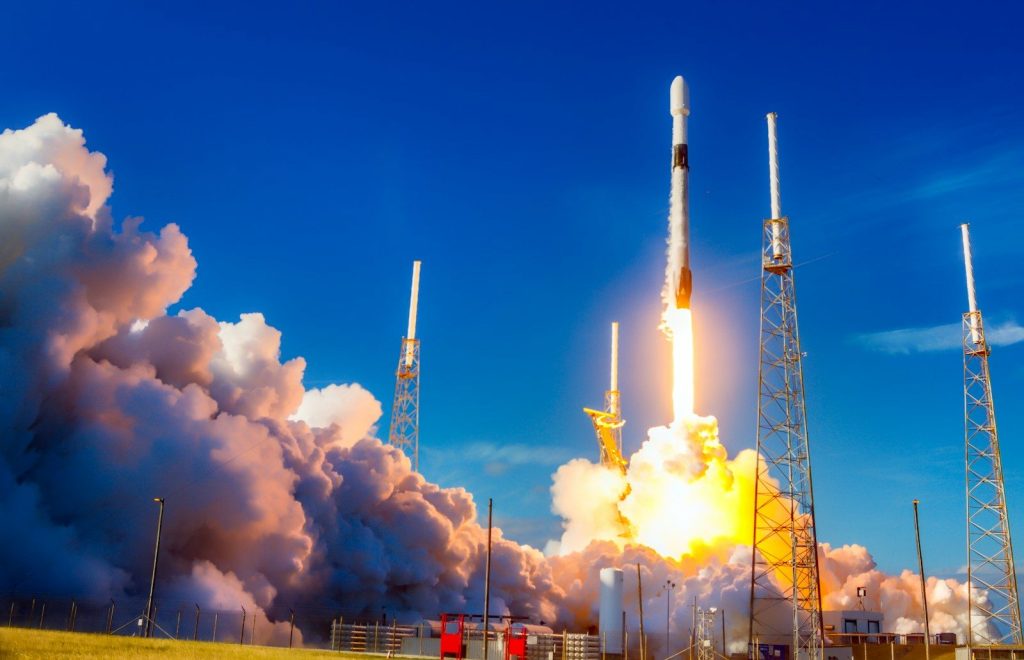
Orbital alignments allow efficient launch windows only once every twenty-six months. Space travel moves slowly. According to logistics calculations from SpaceX engineers, a failing habitat part cannot be replaced quickly from Earth factories. Settlers must manufacture every replacement tool using local 3D printers and recycled metals. Overcoming these barriers requires unprecedented technological innovation.
Overcoming Extreme Space Hazards
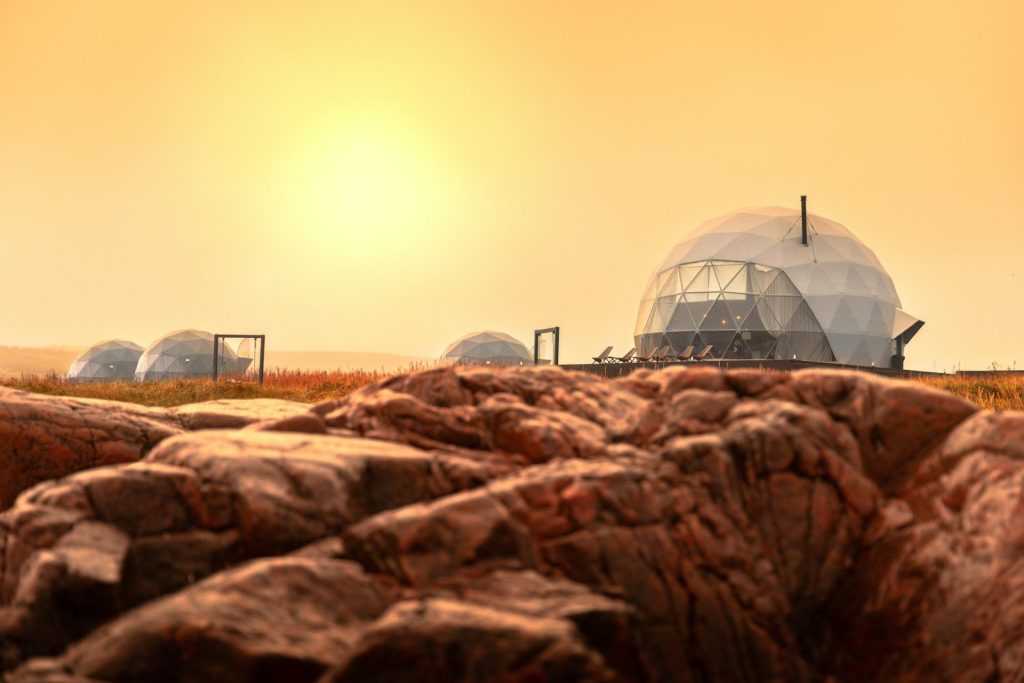
Establishing a self-sustaining human presence on Mars remains one of the greatest engineering challenges in human history. Resolving radiation risks and life support vulnerabilities will require decades of testing in lunar habitats first. According to international space agencies, understanding planetary survival physics protects future astronauts before they leave Earth. This article is for informational purposes only.
Featured Image: Photo by Nicolas Lobos on Unsplash
Leave a Reply