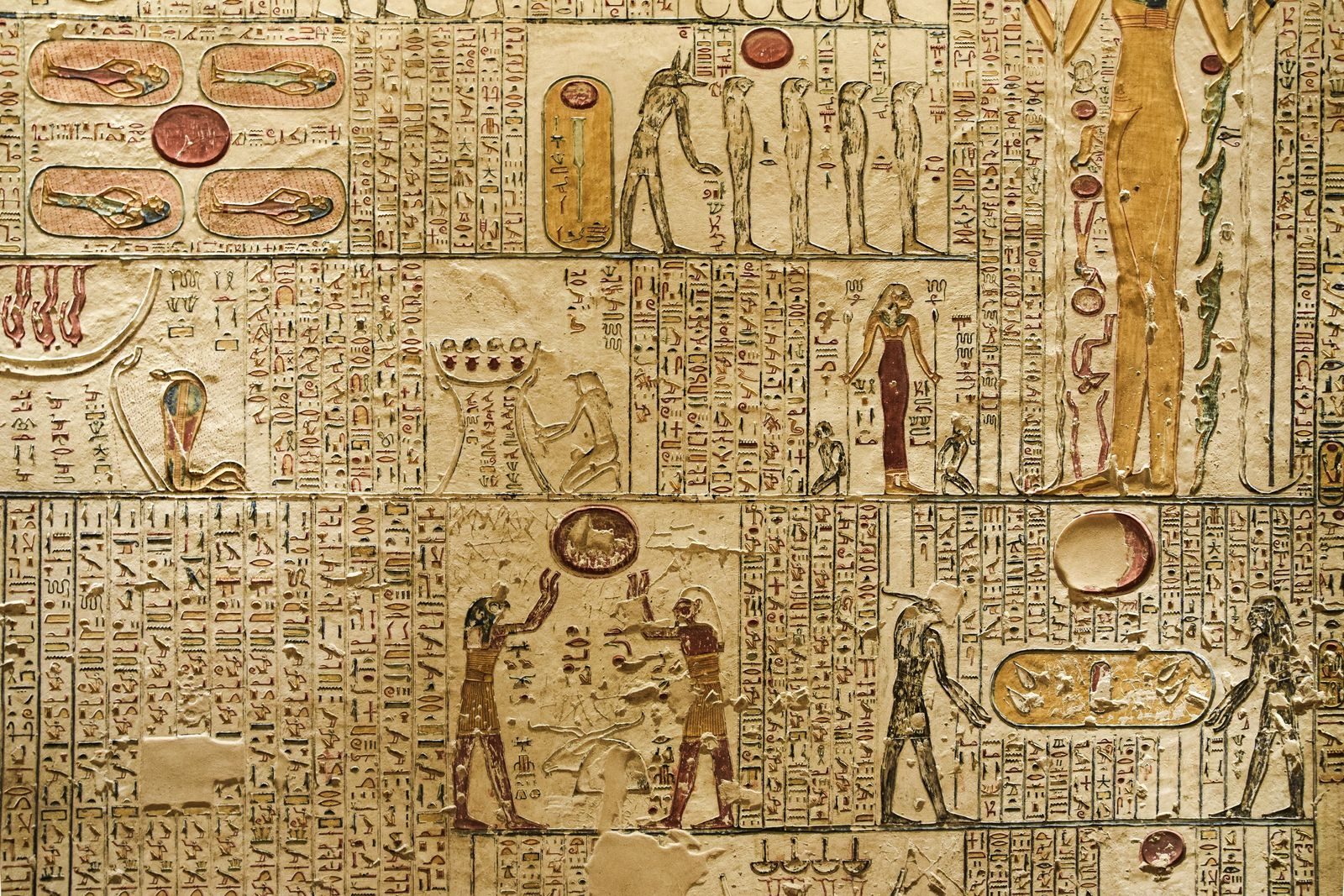
Most people believe the Great Pyramid was built using secret lost technology or unexplained methods. We assume the ancient construction details vanished forever into desert sands thousands of years ago.
But a fragile papyrus scroll uncovered near the Red Sea changes everything we thought we knew. The daily logbook reveals exactly how limestone blocks reached Giza.
Archaeologists Discover Ancient Papyrus Scrolls at Wadi al-Jarf
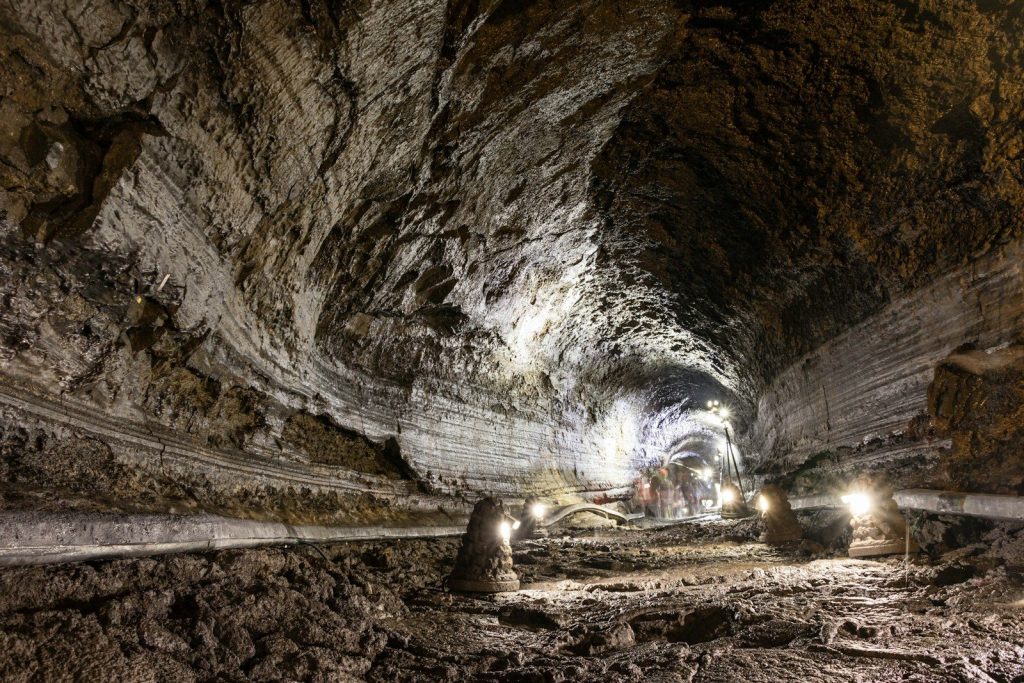
Archaeologists excavating caves at Wadi al-Jarf made an astonishing discovery buried inside stone chambers. They found hundreds of written papyrus fragments. The text was intact. According to the Egyptian Ministry of Antiquities, these scrolls represent the oldest written papyri ever found in Egypt. Yet one specific journal contained detailed daily notes from an official inspector.
Inspector Merer Recorded Limestone Shipments to Giza
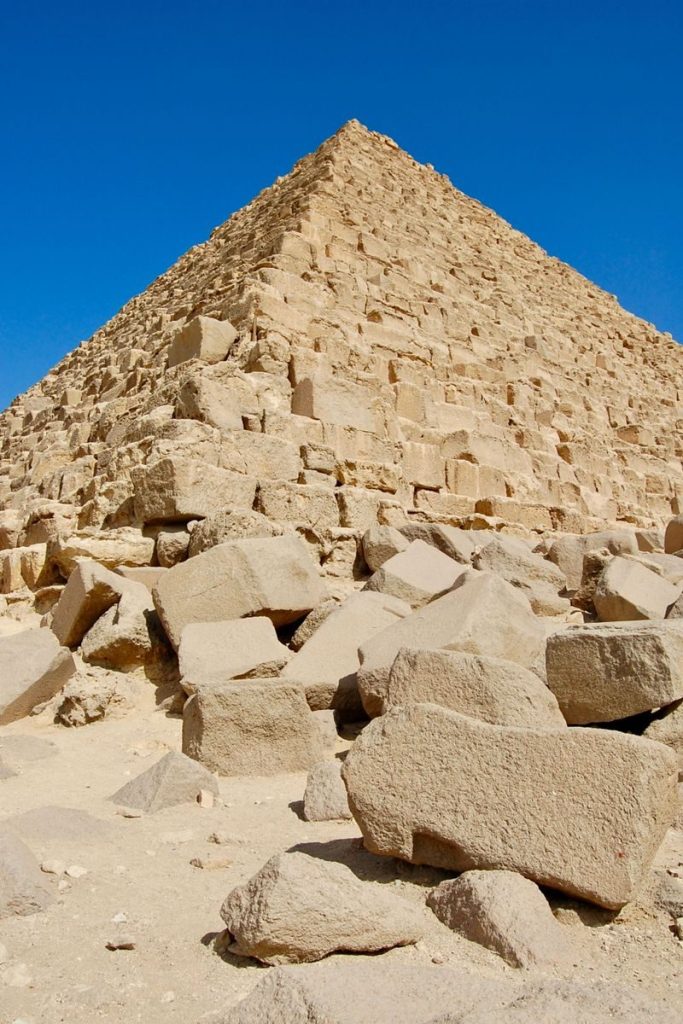
The ancient journal belonged to a middle-ranking overseer named Merer who managed a team of forty sailors. His crew worked hard. According to translation reports from French archaeologists, Merer recorded daily work logs during the final stages of pyramid construction. He tracked every shipment of white limestone blocks from distant quarries. But getting those stones across Egypt required clever engineering.
Workers Transported Pyramid Stones Through Nile Canals

Moving giant stone blocks across land seemed almost impossible over long distances. Water made it easy. According to research published by the French Institute of Oriental Archaeology, workers dug massive man-made canals directly off the Nile River to the pyramid site. Merer guided heavy wooden boats loaded with stone straight to the base of Giza. But the timeline he recorded surprised historians even more.
Merer’s Crew Made Frequent Limestone Delivery Trips
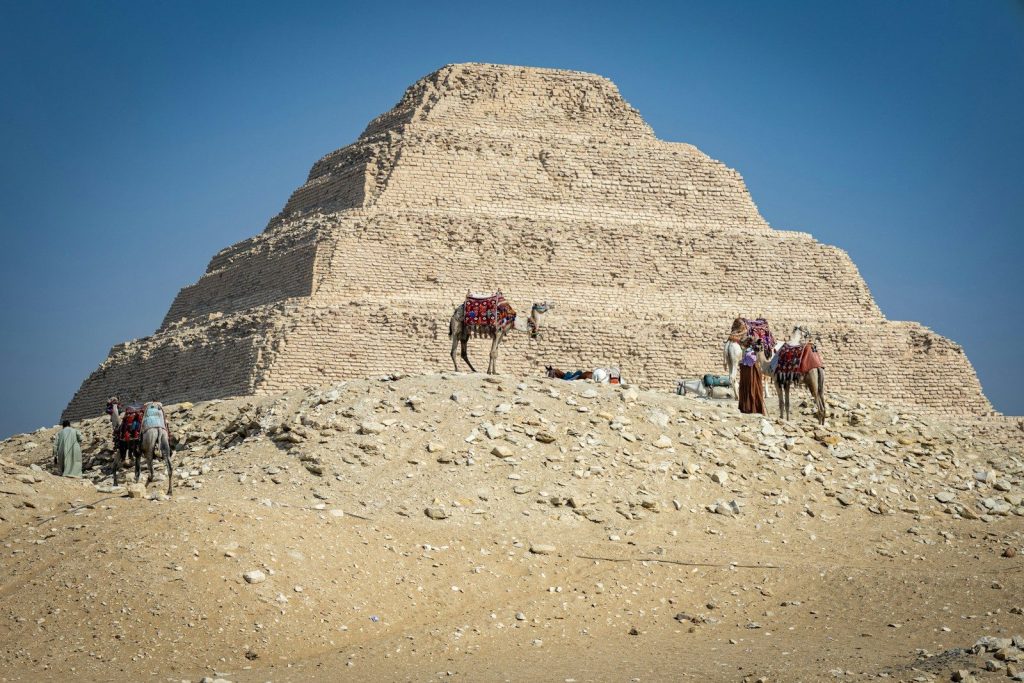
Merer noted that his team completed two or three round trips every few days. The pace was relentless. According to historical logs from the papyrus, workmen moved over two dozen heavy stones per month during peak seasons. Merer carefully logged food rations and worker payments alongside cargo movements. Yet these records revealed another major surprise about who built the monument.
Pyramid Workers Received Bread, Beer, and Grain

Popular legends often claim the pyramids were built by armies of enslaved workers. The written record tells a completely different story. They were paid well. According to translation records from Cairo Museum researchers, workers received regular rations of bread, beer, and grain for their labor. This logbook offers proof of an organized workforce. But these scrolls contained even more clues about ancient Egypt.
Khufu’s Officials Coordinated Supplies Across Ancient Egypt
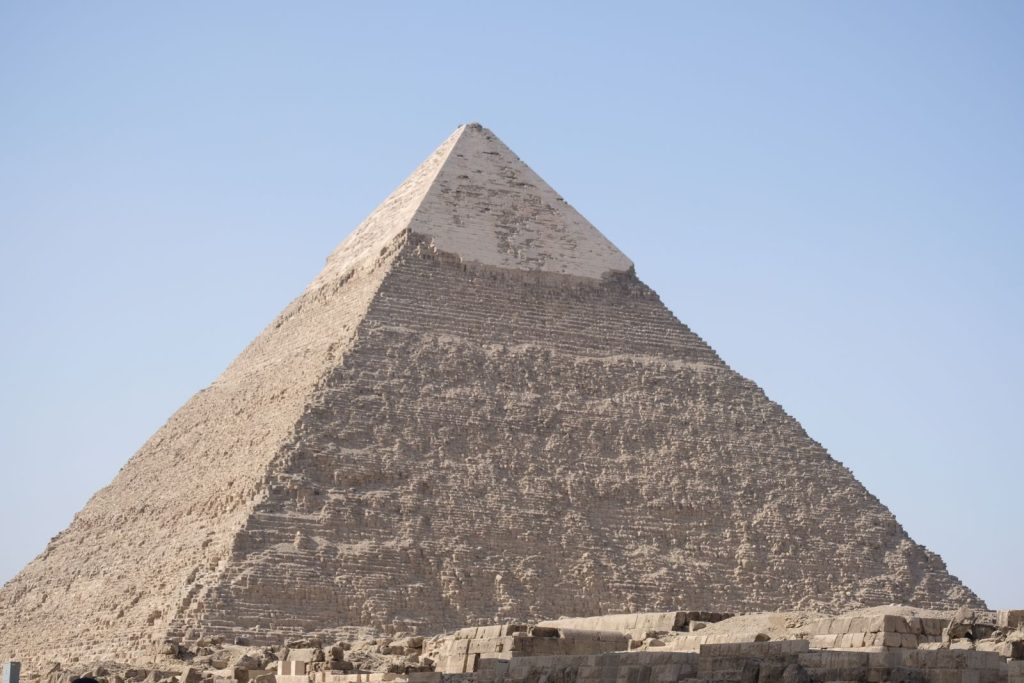
Merer also recorded orders coming directly from the high officials overseeing King Khufu’s reign. The bureaucracy was vast. According to archaeological reports from the Red Sea dig site, administrative centers coordinated food and supplies across hundreds of miles. This papyrus turned theoretical debate into proven history. Yet researchers think more buried documents remain hidden under Egyptian sand.
Merer’s Diary Reveals How the Great Pyramid Was Built
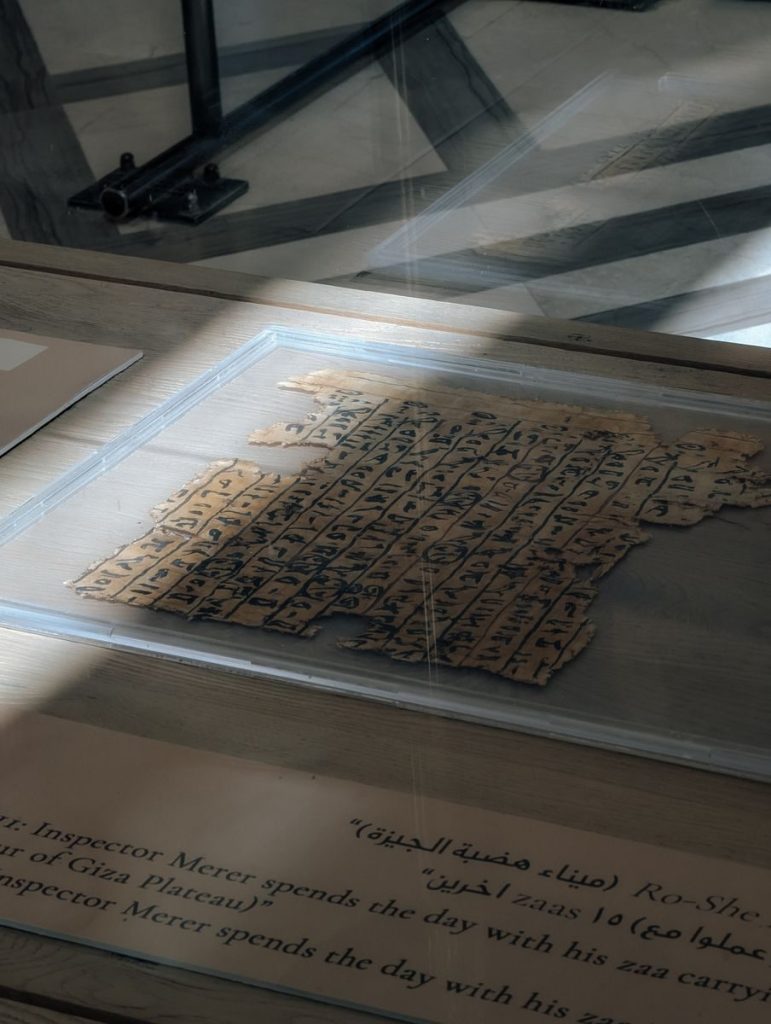
The diary of Merer stands as the only surviving eyewitness account of the Great Pyramid construction. It transformed our understanding of ancient engineering and human organization. According to historical researchers, this discovery proves how meticulous planning built the ancient world. This article is for informational purposes only.
Featured Image: Photo by AXP Photography on Pexels
Leave a Reply