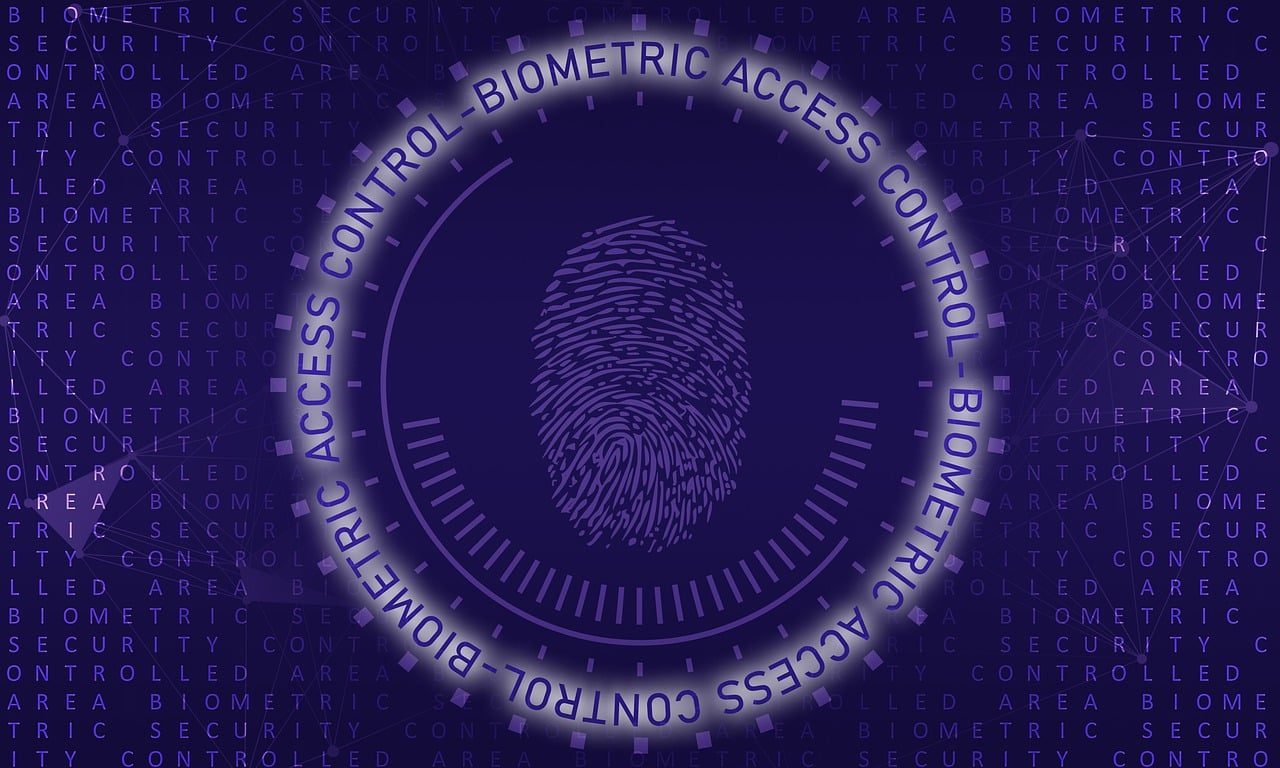
The password is officially dying. For years, we have struggled to remember long strings of numbers and symbols, only for hackers to steal them in seconds. But a new era of “Passwordless” security is here, and it uses your body as the key. We aren’t just talking about a simple fingerprint on your phone. New biometric systems can identify you by the way you walk, the pattern of your veins, and even the unique rhythm of your heartbeat.
Major companies like Apple, Google, and Microsoft are pushing “Passkeys” to replace traditional logins. This tech uses your device’s biometric sensors to prove you are you, without ever sending a password over the internet. It is faster, safer, and much harder to hack. But as we hand over our biological data to tech giants, the question of privacy is reaching a breaking point. But wait until you see the “Palm Scan” that is already being used at your local grocery store.
Your Palm is the New Credit Card
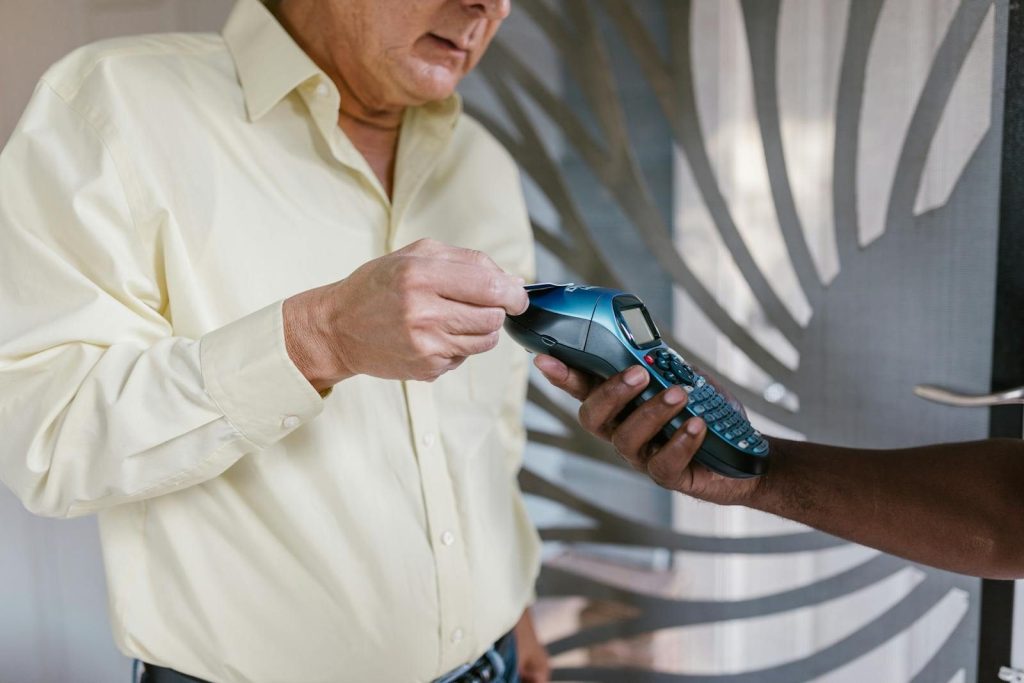
Amazon is already rolling out “Amazon One” at stores across the country. This tech uses a camera to map the surface of your palm and the veins underneath. Every person’s vein pattern is as unique as a snowflake and almost impossible to fake. You don’t need a wallet or a phone; you just wave your hand to pay. It is the ultimate convenience. But how safe is your vein data if the store’s servers get breached?
The Iris Scan That Works From 40 Feet Away
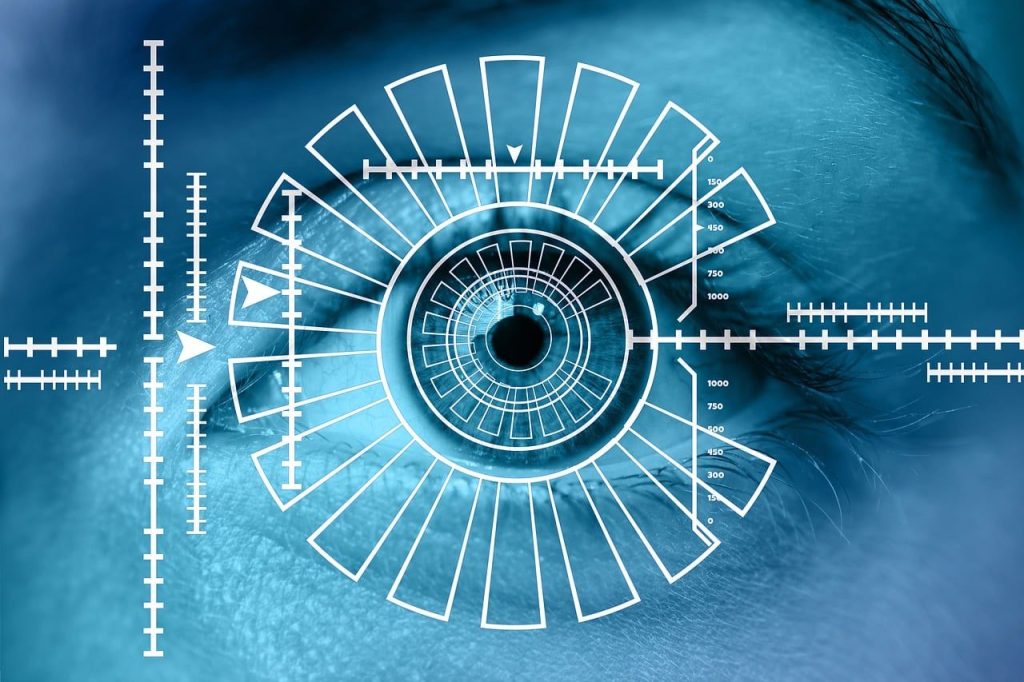
We used to think iris scans were only for top-secret military bases. Now, the technology has become so powerful that it can scan your eye while you are walking through a busy airport. These systems are much more accurate than facial recognition because your iris never changes as you age. It can even see through glasses and contact lenses. But this “ubiquitous” tracking means you could be identified anywhere without ever knowing it. But wait, your heartbeat might be the most secure key of all.
The Unique Rhythm of Your Heartbeat
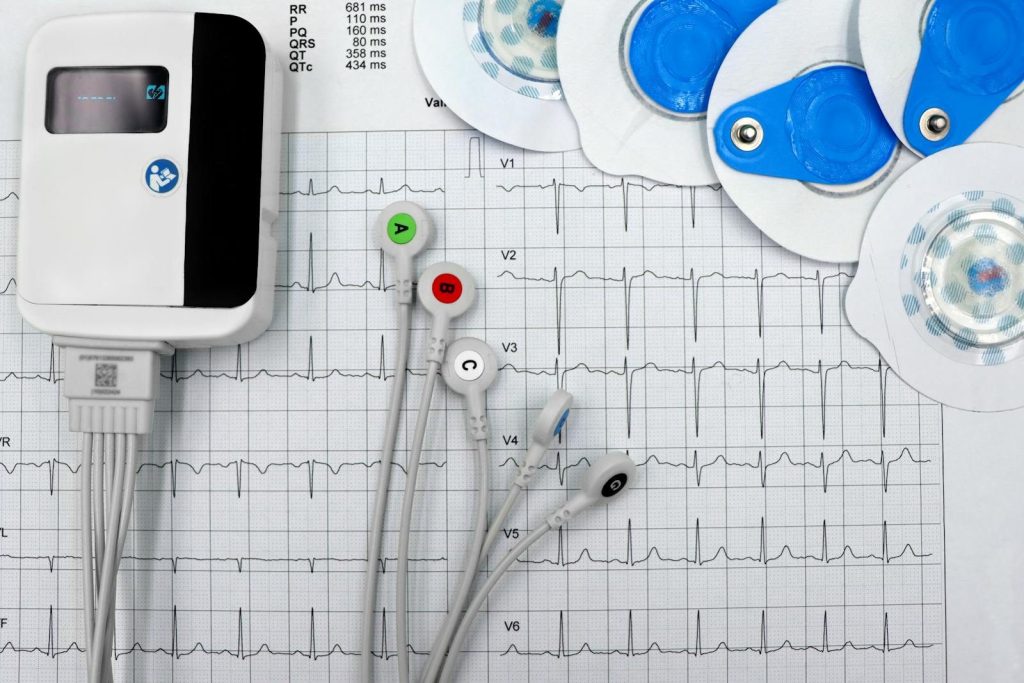
Your heart has a specific electrical signature that is different from everyone else’s. New wearable devices can use an ECG sensor to identify you based on your heart’s rhythm. Unlike a face or a fingerprint, a heartbeat is very difficult to “steal” or recreate with a photo. It only works if you are alive and wearing the device. This “continuous authentication” means your computer stays unlocked as long as you are near it, but locks the moment you walk away. But wait, the way you type might also be giving you away.
Behavioral Biometrics and the Way You Move
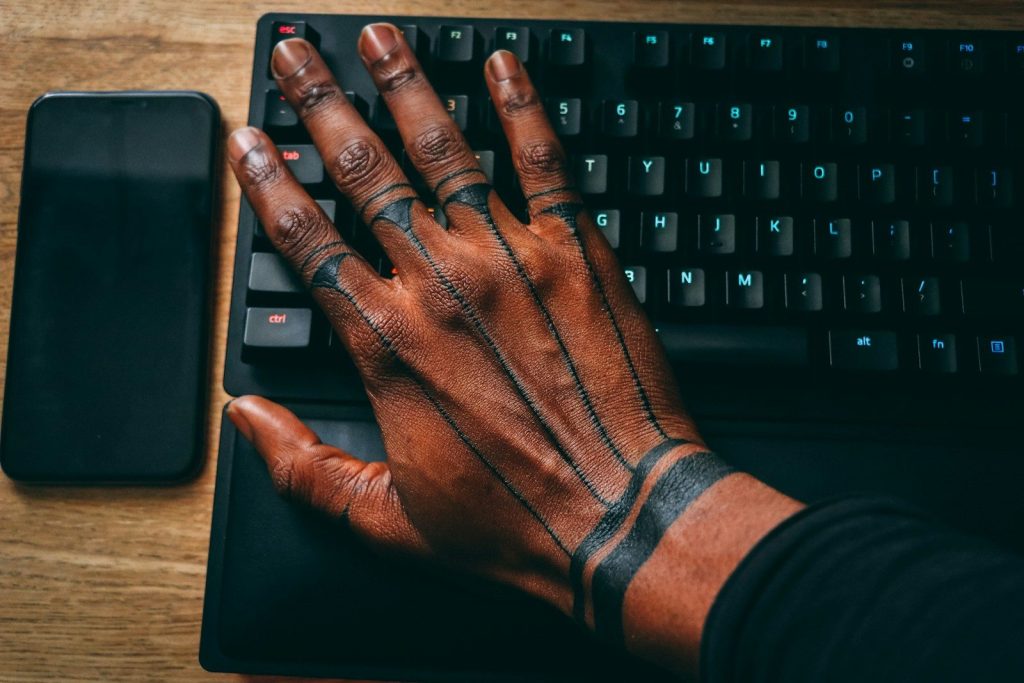
This is the “invisible” layer of security. Banks are now using AI to monitor the way you move your mouse, the speed at which you type, and how you hold your phone. If someone else tries to use your account, the system will notice the “wrong” rhythm and freeze the login instantly. Even if they have your password, they can’t mimic your muscle memory. It is a brilliant way to stop fraud. But what happens when hackers start using AI to mimic us?
The Rise of Deepfakes and Biometric Spoofing
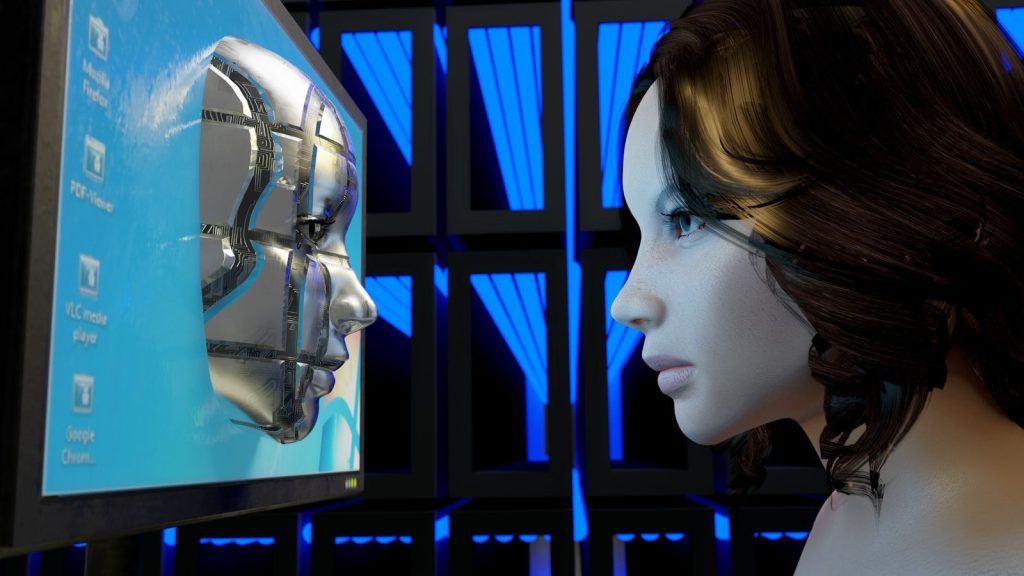
As biometric tech gets better, so do the hackers. AI can now create “deepfake” voices and faces that can fool some security systems. Researchers have even managed to 3D-print “master fingerprints” that can open many different phones. We are in a constant arms race between security experts and digital criminals. To stay safe, we are moving toward “Multi-Modal” biometrics. But what does that mean for the future of your privacy?
Combining Every Body Part Into One ID
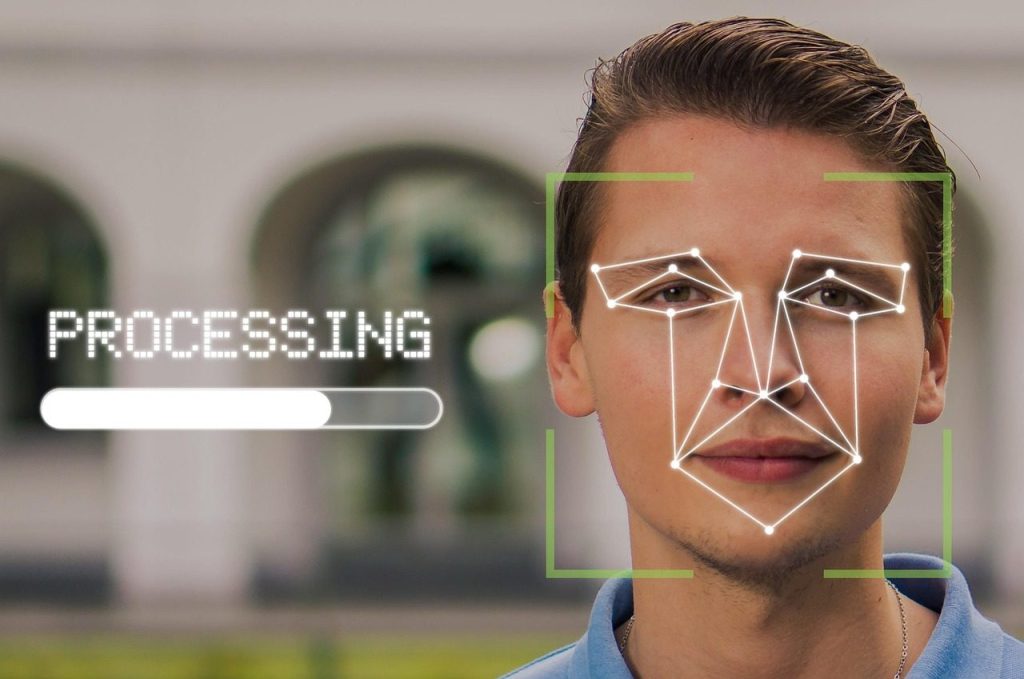
The future of security isn’t just one scan; it is all of them at once. “Multi-Modal” systems check your face, your voice, and your location simultaneously. If the pieces don’t fit together perfectly, you are denied access. This creates a “Digital Twin” of your physical self that exists only in the cloud. It is virtually unhackable, but it also means a company knows more about your body than your own doctor. But there is one last step that will change humanity forever.
Is the Next Step a Brain-Chip Login?
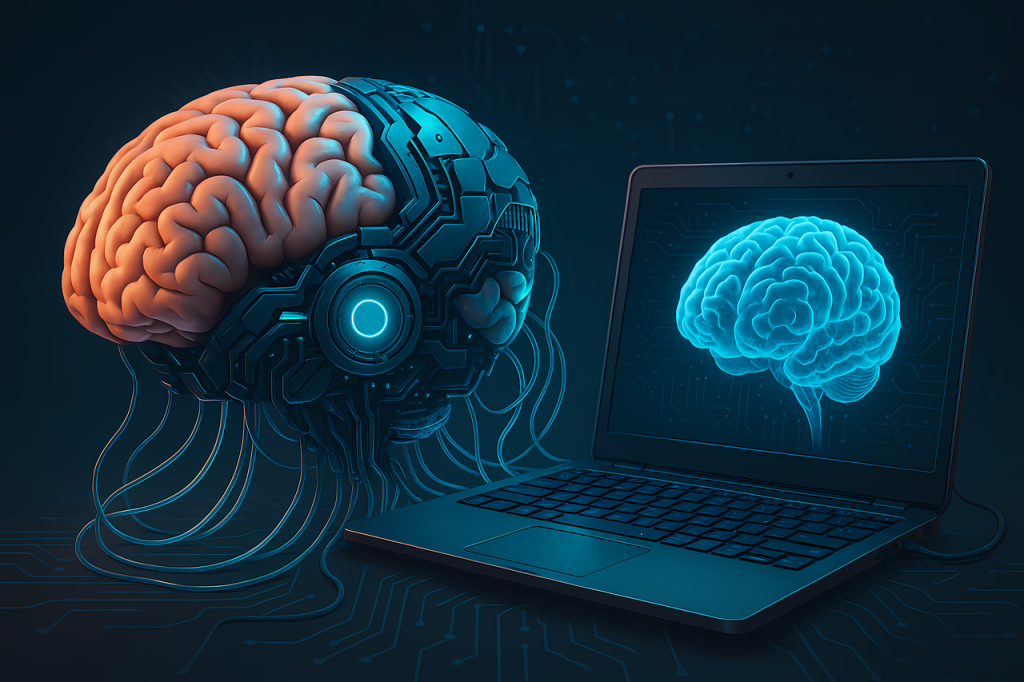
We are already seeing the first brain-computer interfaces being tested. In the future, you might not even need to wave your hand or look at a camera. Your unique neural patterns could be your ultimate login. You would simply “think” your way into your accounts. It is the end of the line for passwords and the beginning of a totally connected existence. Are you ready to let the internet into your mind?
Featured Image: Photo by TheDigitalArtist on Pixabay
Leave a Reply