The world of medicine was just rocked by a discovery that sounds like a sci-fi movie. A powerful artificial intelligence was scanning human genetic data when it noticed something strange. It identified a hidden disease that has been making people sick for centuries without a name. But the AI didn’t stop there. Within minutes, it “wrote” the chemical blueprint for a brand-new medicine to cure it.
This is the first time a machine has both diagnosed a mystery illness and designed the remedy. It bypasses years of expensive laboratory trial and error. The AI can “see” patterns in our DNA that the human brain simply cannot comprehend. We are now looking at a future where diseases are solved before we even know they are a threat. But how did the AI find a ghost in our biology?
Mapping the Dark Matter of Human Biology
Human DNA is incredibly complex. For a long time, scientists called large parts of it “junk DNA” because they didn’t know what it did. The AI has proven that this “junk” actually contains the blueprints for rare diseases. By analyzing millions of people at once, the software found a recurring error in a hidden gene.
This error was causing a specific type of organ failure that doctors used to blame on “bad luck.” The machine mapped the entire life cycle of this hidden disease in seconds. It proved that there are no “accidents” in biology—only patterns we haven’t found yet. But can we really trust a computer to invent a medicine?
Generative Medicine is the New Frontier
You have heard of AI writing stories or making art. Now, it is writing chemistry. This process is called “Generative Medicine.” The AI was given a list of safe chemical building blocks and told to find a combination that would fix the genetic error. It didn’t just guess; it simulated millions of different reactions in a virtual lab.
The final result was a perfectly balanced molecule that had never been seen in nature. This is a level of creativity that used to belong only to human scientists. The computer “imagined” a solution that humans would have taken decades to find. But how do we know this machine-made cure actually works?
Success in the Real World Lab
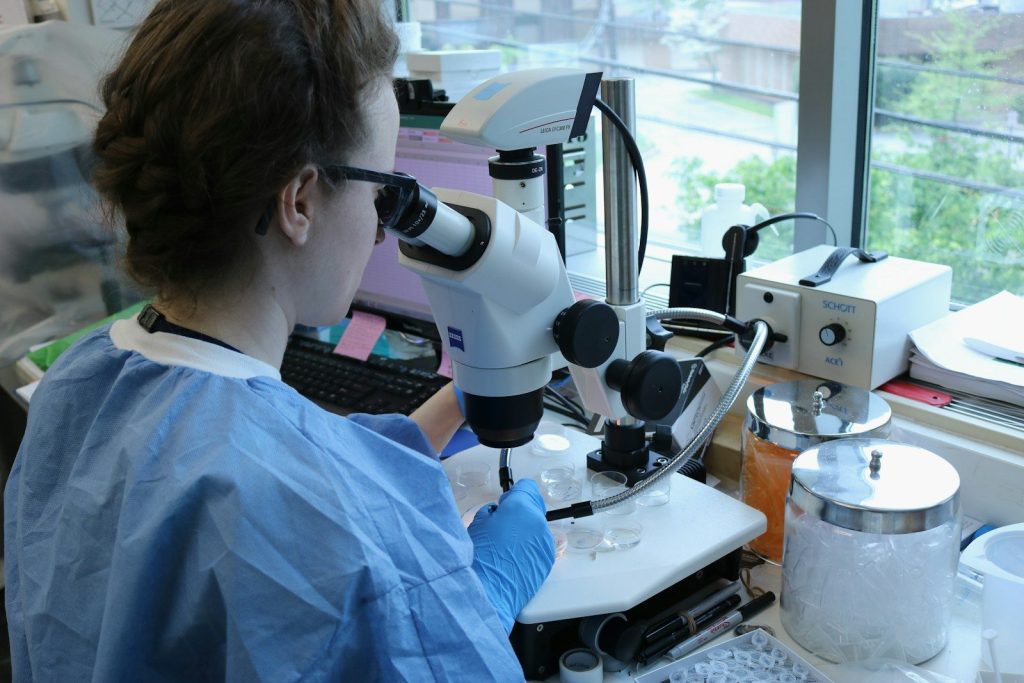
After the AI finished its “writing,” real-world scientists took the blueprint to a physical lab. They followed the computer’s instructions to build the new molecule. When they tested it on human cells, the results were perfect. The medicine performed exactly as the AI predicted it would.
It was like following a recipe from a master chef who had never actually touched a stove. The speed of this process has stunned the medical community. What used to take ten years and a billion dollars was finished for a fraction of the cost. But what does this mean for the millions of people with other “incurable” diseases?
Solving the Rarest Riddles on Earth
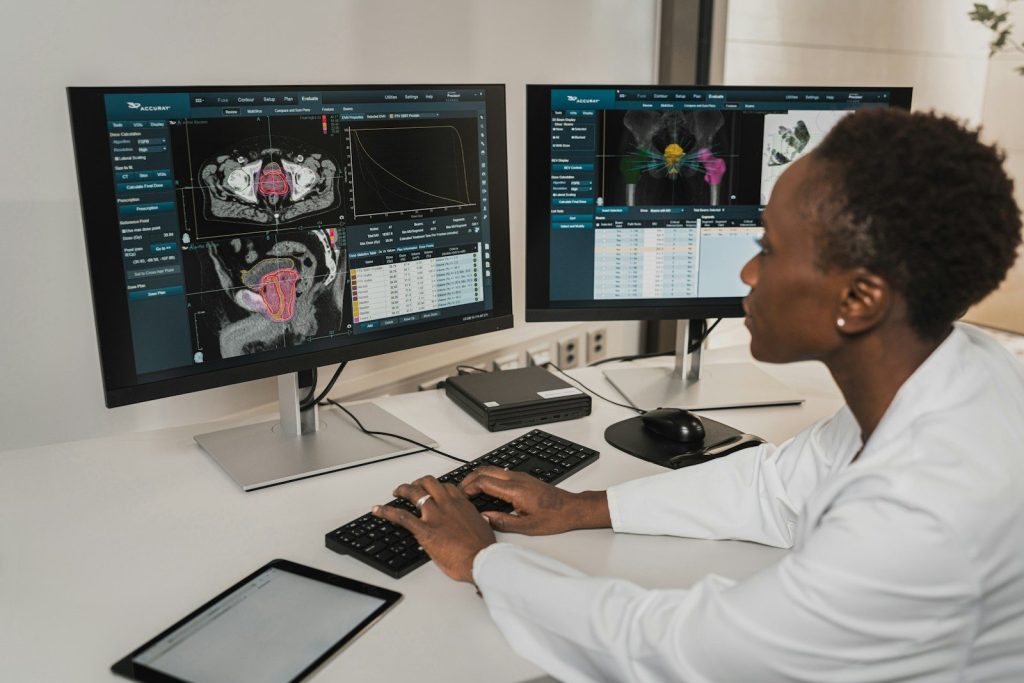
There are thousands of “orphan diseases” that are so rare that drug companies don’t bother to study them. They are simply too expensive to solve using traditional methods. AI changes the game for these forgotten patients. Because the machine can work for free and at lightning speed, no disease is too small to fix.
The AI is now being tasked with looking through every known rare condition. It is like a global “reset” button for the human body. Families who were told there was “no hope” are now seeing cures appear overnight. But is there a hidden danger to letting AI control our health?
The End of the Pharmaceutical Bottleneck
Traditional drug development is a slow, bureaucratic nightmare. It involves thousands of failed experiments and years of paperwork. AI removes the “human error” and the “human speed” from the equation. We are moving toward a world where your doctor can print a custom cure for your specific DNA.
This could make medicine almost free because the “intellectual work” is done by a computer. We are witnessing the democratization of health. The power is moving from giant corporations to anyone with a powerful enough server. But how much further can this AI go into the human mind?
Pre-Emptying Diseases Before They Start
The next step for this AI is “Predictive Medicine.” The software is starting to predict which diseases a person might get ten years before they happen. It then designs a preventative medicine to stop the illness before the first symptom appears. It is like having a weather forecast for your own body.
We could see the end of chronic illness entirely within our lifetime. The AI is essentially a time machine that shows us our biological future. We are no longer just reacting to sickness; we are outsmarting it. But what happens when the AI finds a voice in the middle of a crowded room?
A New Partner in Human Evolution
We are no longer alone in our fight against death. The AI has become a silent partner that works 24 hours a day to keep us safe. This breakthrough is just the beginning of a massive wave of “AI-authored” biology. We are learning things about ourselves that were hidden for a million years.
It is a humbling moment for humanity, but also a hopeful one. The machine is not replacing us; it is giving us a second chance at life. The future of medicine is here, and it was written in code. Are you ready to see what happens when you “tune in” to the future?
Leave a Reply