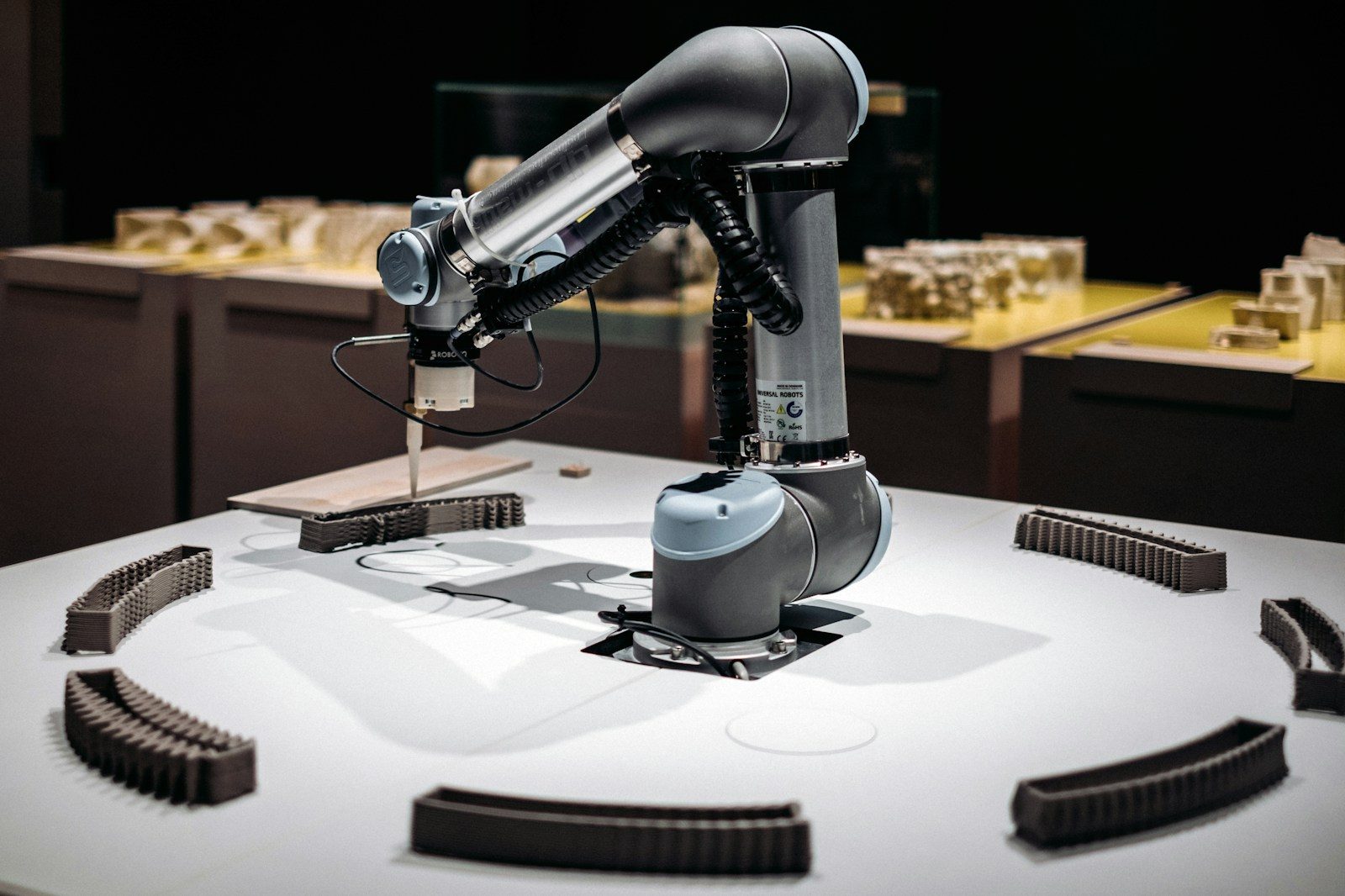
The housing market is changing fast. In 2026, we are seeing entire neighborhoods printed from giant robotic arms in just a few days. These 3D-printed homes are cheaper and faster to build than traditional wood-frame houses. But as climate change makes hurricanes more frequent and powerful, people are asking a terrifying question. Can a house made by a printer actually stand up to 150-mile-per-hour winds?
Most people assume that because these houses are made of concrete, they are indestructible. While concrete is strong, the way it is layered creates potential weak spots that traditional masonry doesn’t have. Engineers are currently putting these structures through “wind tunnel” tests that would flatten a normal suburban home. The results are hitting the news as a major win for the future of construction, but there is a hidden danger in the roof that no one talks about. We are looking at a total transformation of how we protect our families from the storm. But wait until you see how the “layer bond” actually works under pressure.
The Secret Strength of the Concrete Layer
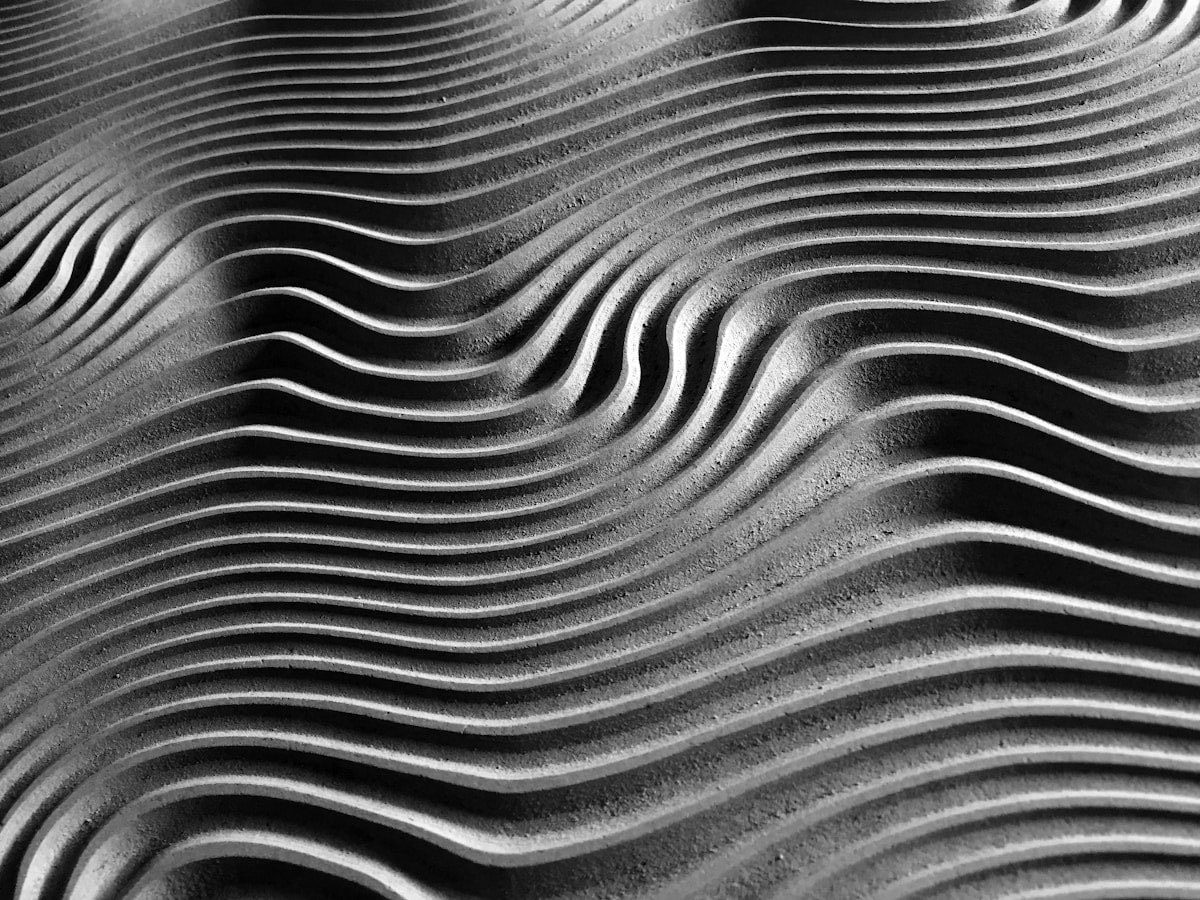
A 3D printer squirts out concrete like toothpaste. These layers have to stick together perfectly to create a solid wall. In 2026, new “high-bond” additives ensure that the layers fuse at a molecular level. This creates a monolithic structure that acts like a single piece of stone. In hurricane tests, these walls didn’t just survive; they barely vibrated. Traditional bricks can fly apart, but a printed wall stays put. But how does this weight affect the ground beneath the house?
Why the Foundation is a Hurricane Hero
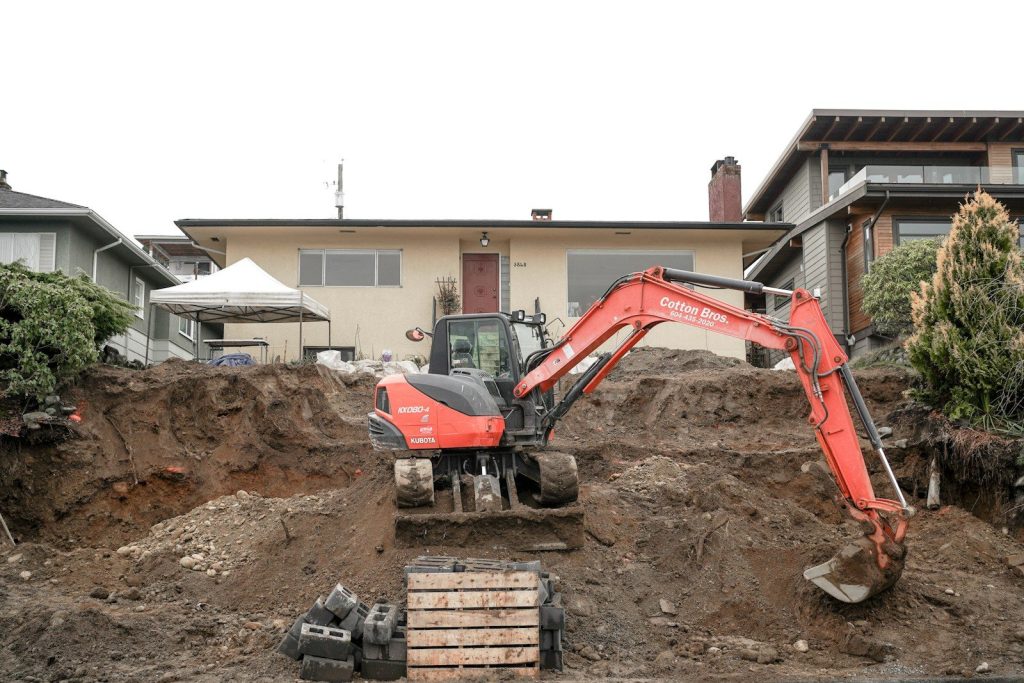
3D-printed houses are incredibly heavy. To support all that concrete, engineers have to build foundations that are much deeper and wider than usual. This extra weight acts as an “anchor” during a hurricane. While a wooden house might be lifted off its base by extreme pressure, a printed home is literally bolted to the Earth’s crust. It is a level of stability that was previously reserved for bunkers. But what happens when flying debris hits the side of the house?
Surviving the 2×4 Impact Test
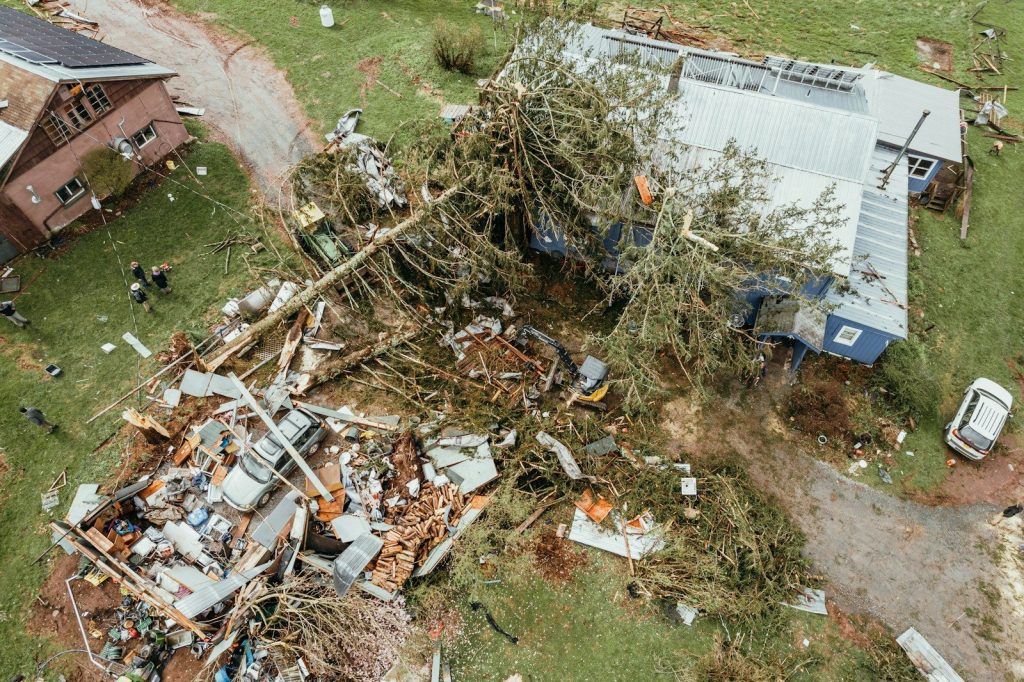
During a hurricane, the wind isn’t the only killer. Flying debris acts like a missile. Safety labs use a “cannon” to fire 2×4 wooden boards at walls to see if they pierce the structure. 3D-printed concrete walls are virtually bulletproof against these impacts. The wood simply shatters upon contact, leaving only a small scuff on the concrete. This provides a “safe room” feeling throughout the entire house. But wait until you see the “roof-to-wall” connection problem.
The Weakest Link in Every Printed Home
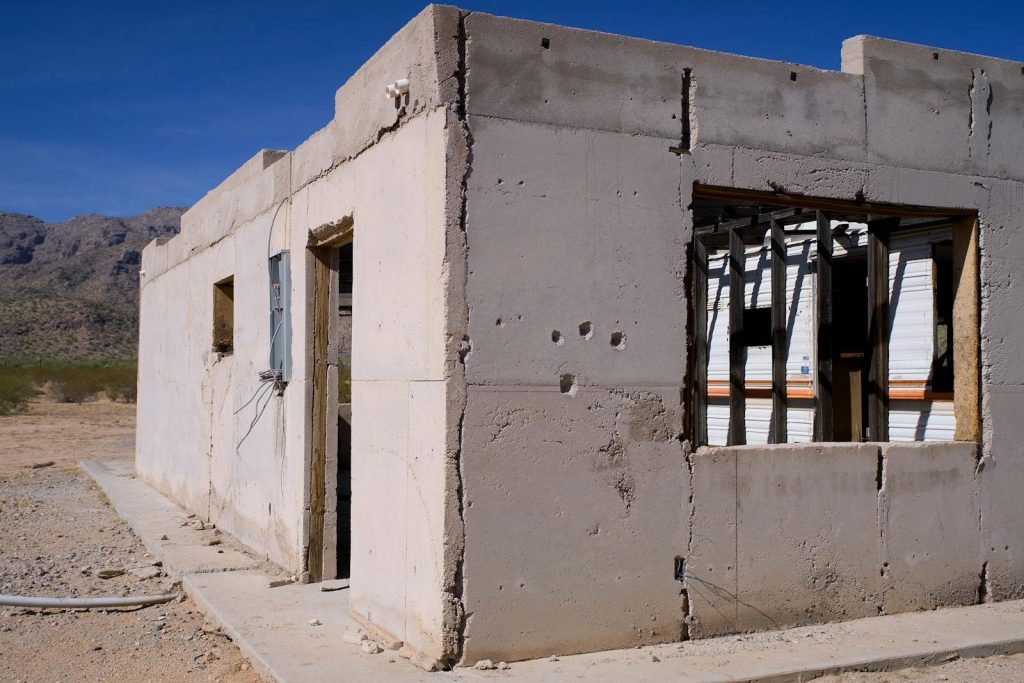
Even if the walls are solid, a house is only as safe as its roof. Most 3D-printed homes still use traditional wooden roofs. If the roof blows off, the concrete walls don’t matter. Engineers are now developing “printed roofs” that are part of the same continuous pour as the walls. This creates a “shell” that has no seams for the wind to catch. It is a masterpiece of aerodynamic engineering. But can these high-tech homes handle the flooding that follows a storm?
Water Resistance and the Mold Myth
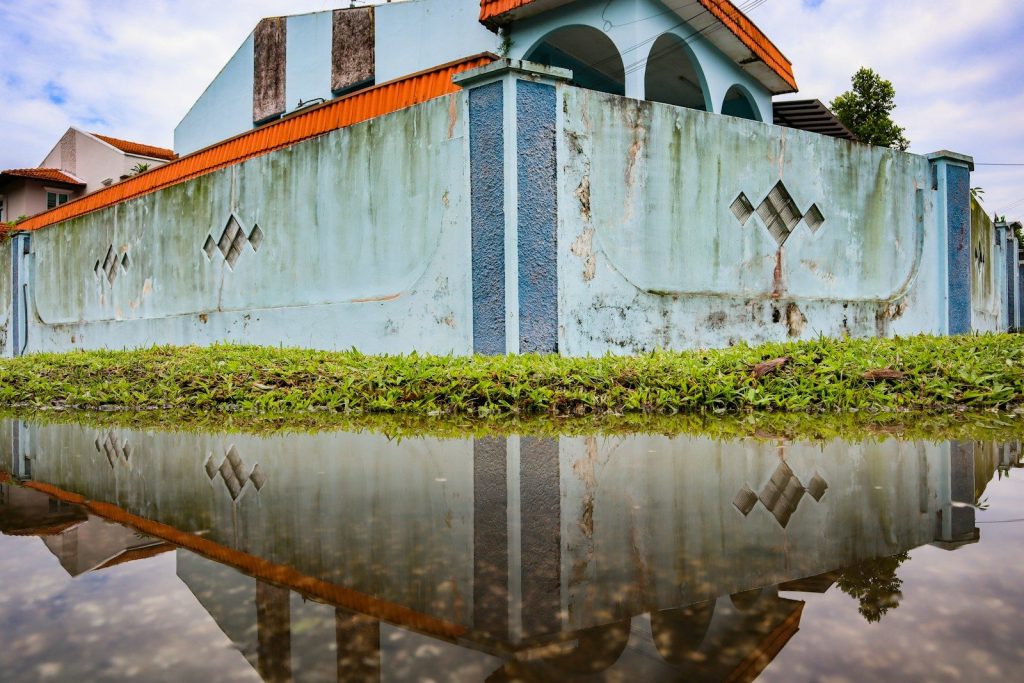
Hurricanes bring massive amounts of rain. Wood houses often suffer from rot and mold after a flood. 3D-printed concrete is naturally resistant to moisture. Even if the house is submerged, the walls can be pressure-washed and dried out in a single day. There is no drywall to replace and no insulation to throw away. It is the ultimate “resilient” home for a wet future. But is this technology affordable for the average family?
The Cost of Staying Safe
In the past, storm-proof homes were for the rich. 3D printing is democratizing safety. Because the labor costs are so low, these “bunker-strength” homes can be built for 20 percent less than a standard house. Governments are already looking at this tech to rebuild disaster zones in Florida and the Caribbean. We are seeing a world where the safest house is also the cheapest. But what is the long-term lifespan of a printed wall?
Will These Houses Last 100 Years?
The oldest 3D-printed houses are only about ten years old. While the concrete is durable, scientists are still studying how the layers hold up over decades of sun and salt air. Initial data suggests they will last much longer than traditional homes. We are building the “ancient ruins” of the future today. The 2026 data confirms that 3D-printed houses are not just a gimmick; they are a life-saving revolution. But are you ready for the “tallest” mistake in human history?
Featured Image: Photo by Maria Teneva on Unsplash
Leave a Reply