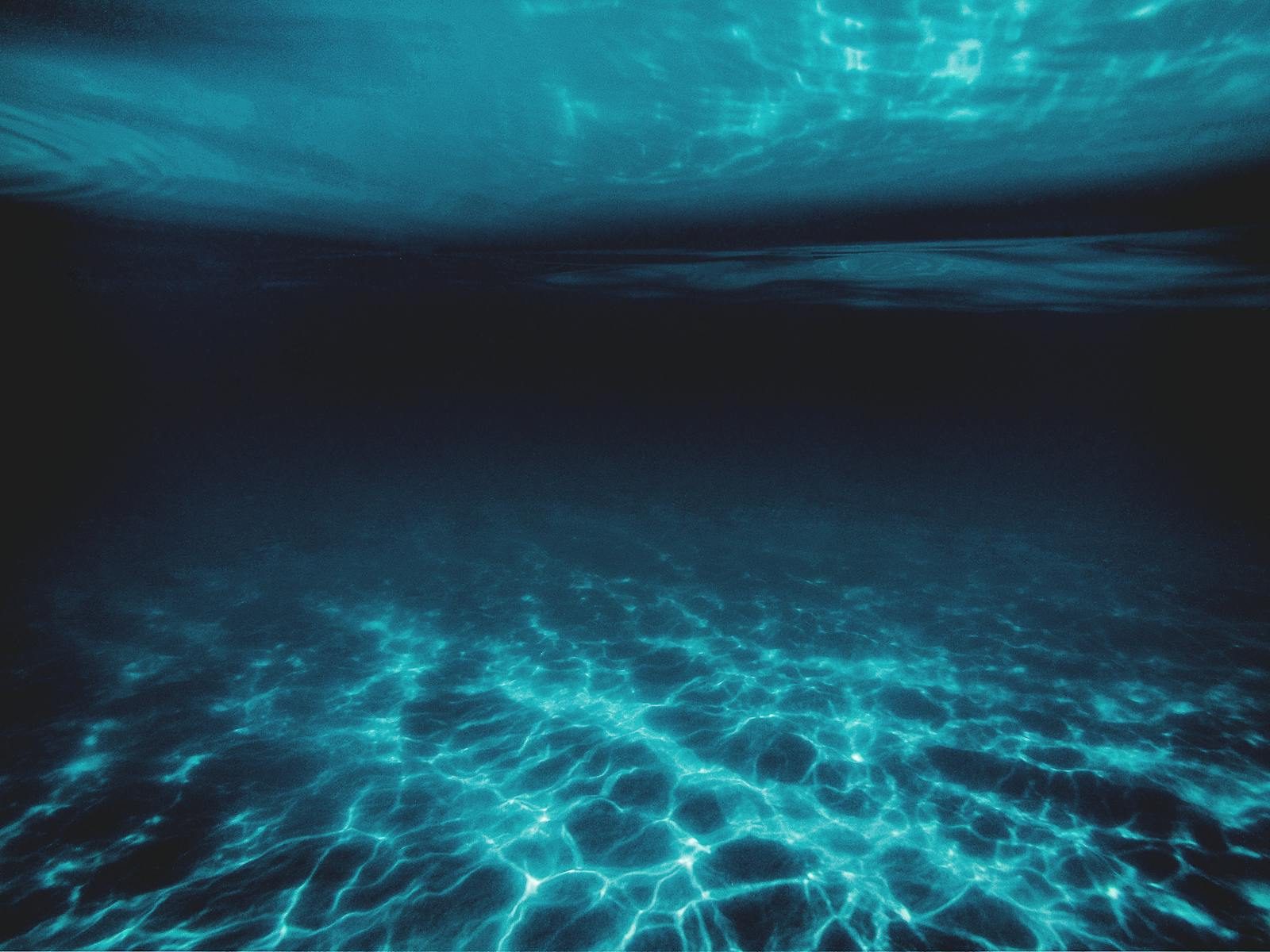
Thousands of feet below the surface, in a world of total darkness, a new gold rush is happening. Massive robotic harvesters are currently scouring the seafloor for “poly-metallic nodules.” These small, potato-sized rocks contain the cobalt, nickel, and manganese we need for electric vehicle batteries. As the world moves away from oil, the demand for these minerals has skyrocketed. But this “green” revolution has a dark side. These robots are stirring up massive clouds of silt and potentially destroying ecosystems we haven’t even discovered yet.
The companies behind this say it is the only way to save the planet from climate change. Critics say we are trading one environmental disaster for another. It is a high-stakes war between tech giants and marine biologists. But wait until you see the “alien” life forms that are living right in the path of these giant machines.
The “Battery Rocks” Hidden in the Abyss
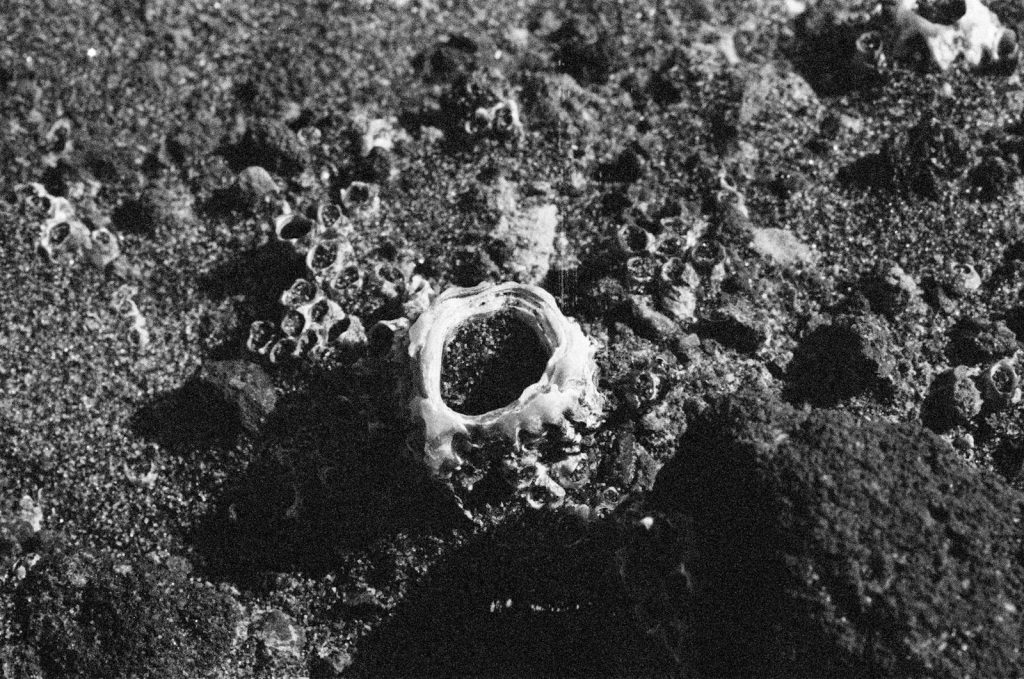
These nodules aren’t just rocks; they are time capsules. They take millions of years to form as minerals slowly settle out of the seawater. The “Clarion-Clipperton Zone” in the Pacific Ocean holds more cobalt and nickel than all the mines on land combined. For years, they were too deep to reach, but new robotic technology has finally opened the door. These machines can operate under crushing pressure that would flatten a submarine. But the noise they make is creating a whole new problem.
A Silent World Turned Into a Construction Zone
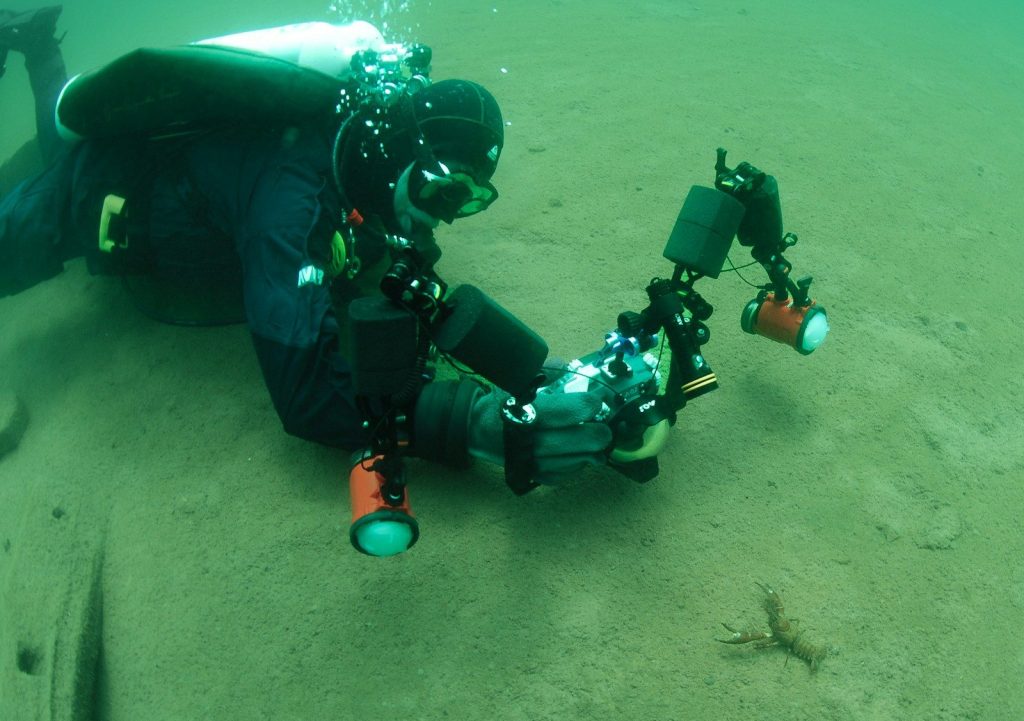
The deep ocean is one of the quietest places on Earth. Marine life like whales and octopuses rely on sound to communicate and find food. The mining robots are incredibly loud, sending vibrations through the water for hundreds of miles. Scientists worry this “noise pollution” will drive species to extinction before we even know they exist. Some countries have already called for a total ban on the practice. But the mining companies say they have a “clean” solution.
The “Vacuum” Robots That Sucking Up the Sea

To minimize damage, some companies are using “vacuum” robots. Instead of digging into the mud, these machines use water jets to lift the nodules and suck them up a giant pipe to the surface. It sounds efficient, but the “waste water” is then pumped back down into the ocean. This creates massive “sediment plumes” that can choke coral reefs and fish. It is like a giant dust storm that never settles. But wait, what if these robots are actually the only way to stop global warming?
Trading the Ocean for the Atmosphere
This is the great debate of the 21st century. To stop using gasoline, we need millions of electric cars. Those cars need batteries. Mining these minerals on land involves destroying rainforests and using child labor in places like the Congo. The ocean floor has no people and no trees. Supporters argue that the deep sea is the “lesser of two evils.” They believe the survival of the human race depends on these robotic miners. But the robots might be digging up more than just rocks.
Discovering “Alien” Species in the Mud

Every time a mining robot goes down, it finds something new. Scientists recently found over 5,000 new species in the mining zone alone. These creatures have adapted to life with almost no food and extreme pressure. Many of them live directly on the nodules that the robots are trying to collect. If we take the rocks, we take their homes. We could be destroying the “medicine of the future” without even knowing it. But wait, there is a way to get these minerals without any mining at all.
The Future of Battery Recycling
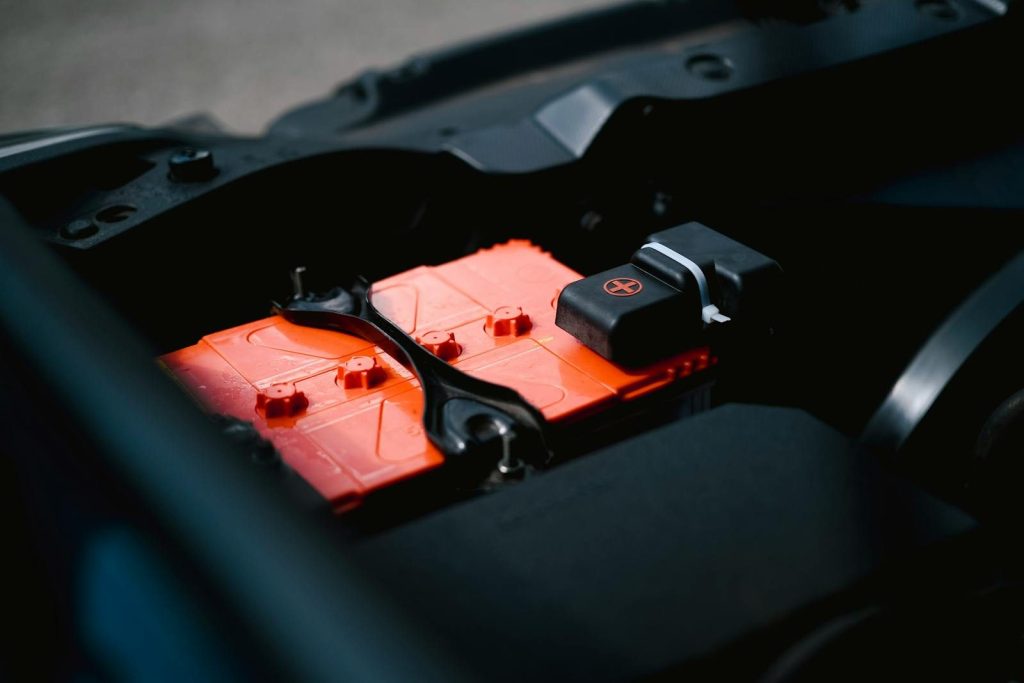
Some scientists argue that we don’t need to mine the ocean at all. If we can master “battery recycling,” we can reuse the minerals we already have. New startups are finding ways to recover 98% of the cobalt and nickel from old phone and car batteries. If this technology scales up, the ocean robots will become obsolete before they even finish their first job. It is a race between the recyclers and the miners. But wait until you see who is winning the funding war.
Who Owns the Bottom of the World?
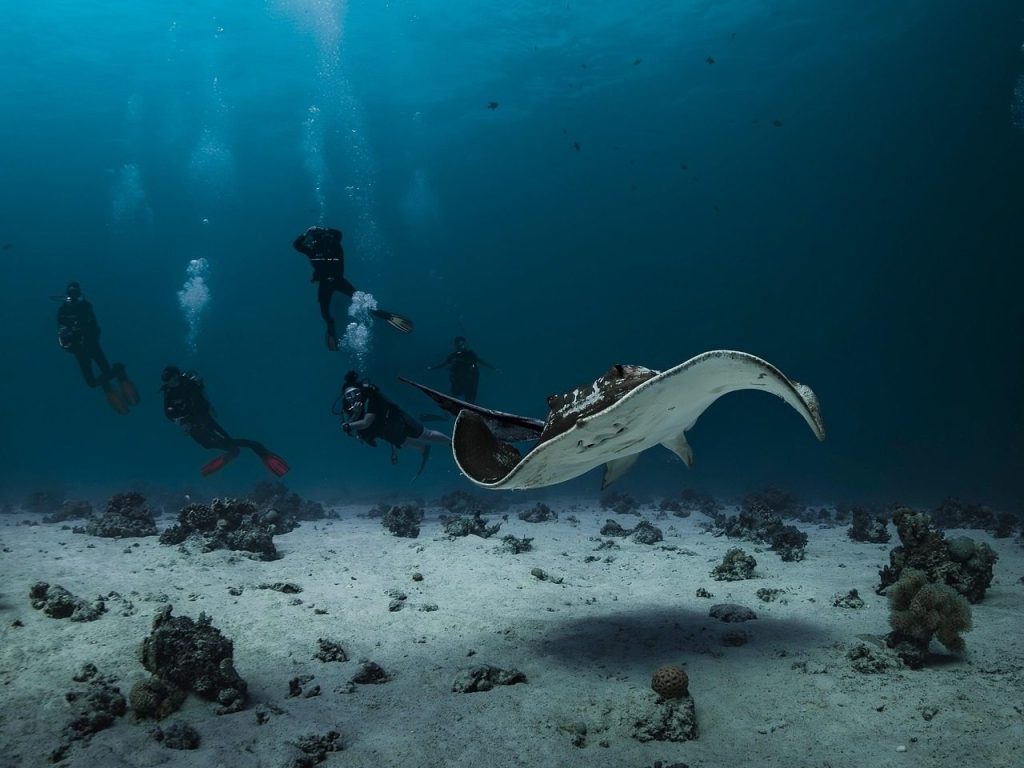
The deep sea doesn’t belong to any one country. It is governed by a small group of officials in Jamaica called the International Seabed Authority. They are currently deciding whether to give the “green light” for full-scale mining. Billions of dollars are on the line. Once the machines start, there is no turning back. It is a decision that will change our planet forever. While we fight over the ocean, another technology is quietly replacing the very way you prove who you are.
Featured Image
Photo by Jonathan Borba on Pexels
Leave a Reply