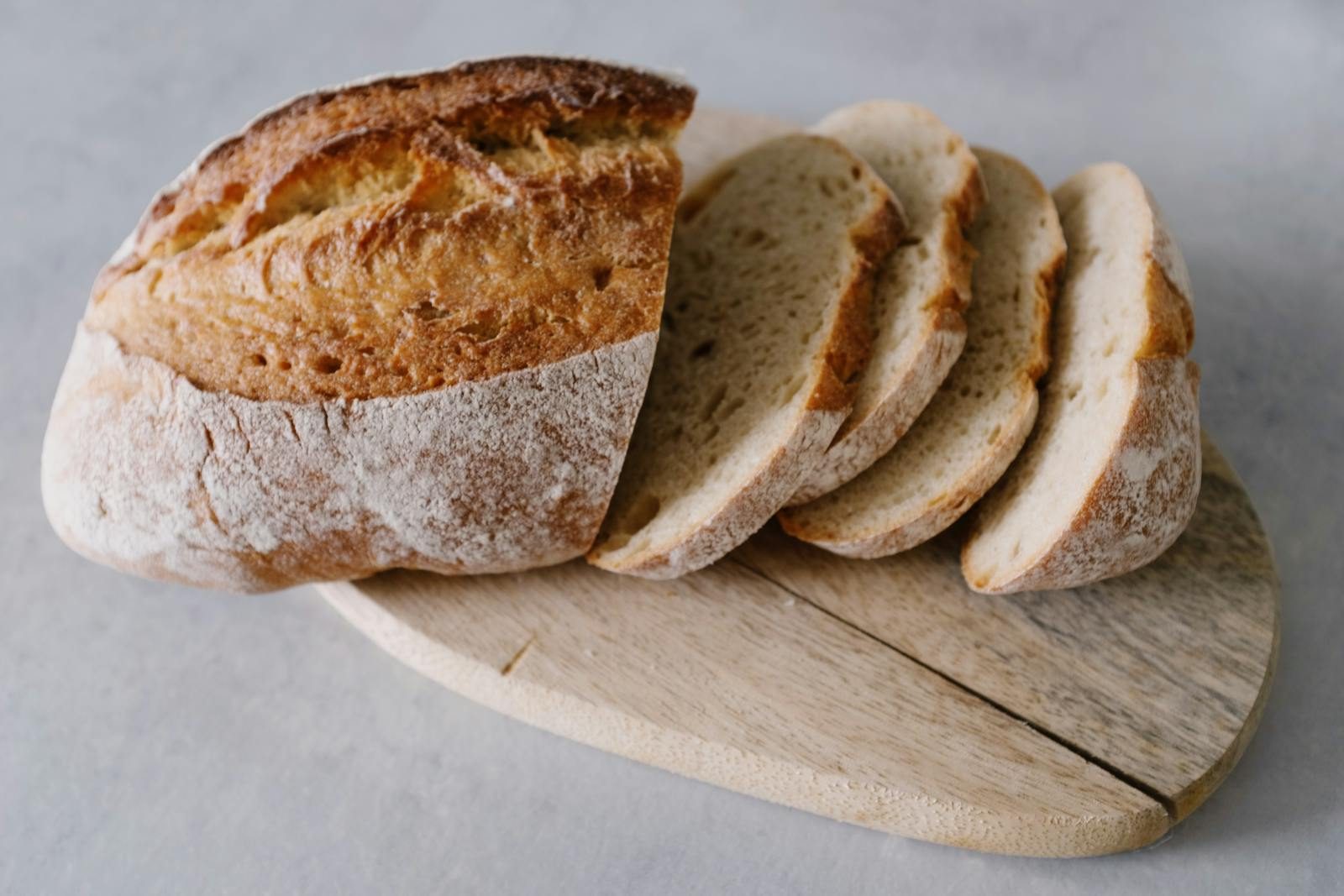
Bread has a bad reputation. Many modern health guides tell us to avoid wheat entirely to protect our stomachs. They warn of weight gain and blood sugar spikes. But an ancient, slow-fermented loaf is completely rewriting the rules of nutrition. Sourdough is different. It does not rely on modern commercial yeast. Instead, a wild starter culture of living bacteria rises the dough slowly over many hours. This long fermentation process completely transforms the flour before baking. The loaf is delicious. It is also incredibly gentle on your digestive tract. Science is finally proving what ancient bakers knew all along. Sourdough acts as a living food. The secret lies in wild lactic acid bacteria.
Wild Fermentation Activates Living Bacteria

Sourdough starters are alive. They contain millions of beneficial lactic acid bacteria and wild yeasts. These microbes feast. They consume the natural sugars found in wheat flour. As they eat, they produce organic acids. This lactic acid gives sourdough its famous signature tang. The resulting acidic environment does something amazing to the bread structure. It breaks down difficult proteins. One of those tough proteins is gluten. This process helps explain why so many people can digest sourdough easily.
Lactic Acid Breaks Down Tough Gluten
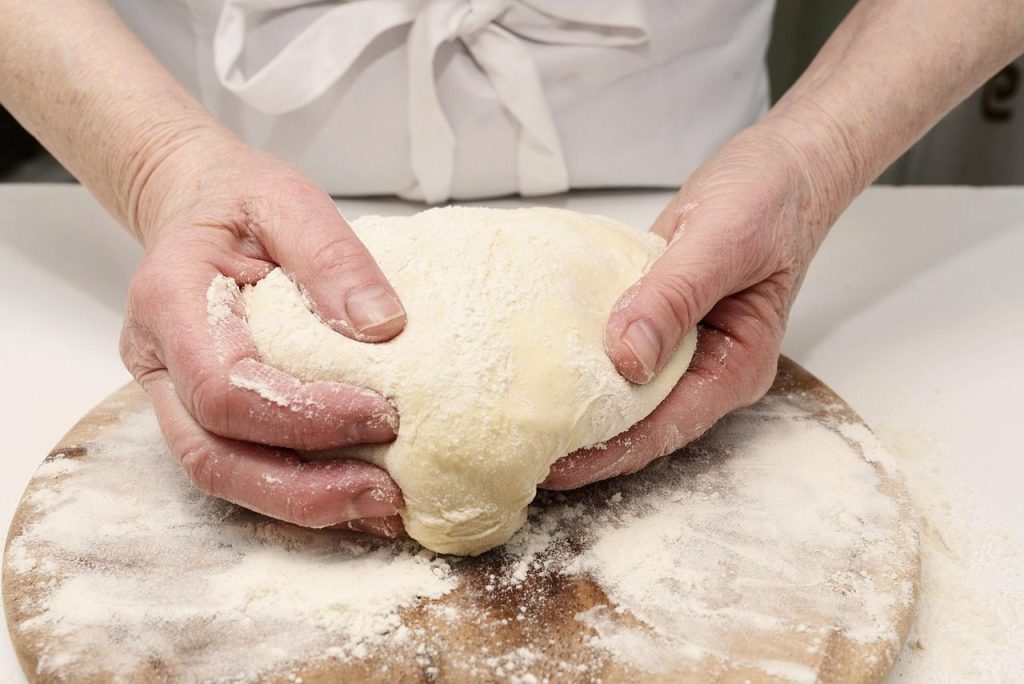
Gluten is hard to digest. Modern commercial bread is rushed through factory production in under an hour. This rush leaves gluten intact. True sourdough fermentation takes up to twenty-four hours. During this long rest, the living bacteria break down complex gluten proteins into simpler amino acids. Your stomach does less work. Many people with mild sensitivities can enjoy authentic sourdough without any bloating. But gluten is not the only digestive irritant that gets neutralized. Another group of sneaky carbohydrates is about to vanish.
Fewer FODMAPs Mean Less Bloating
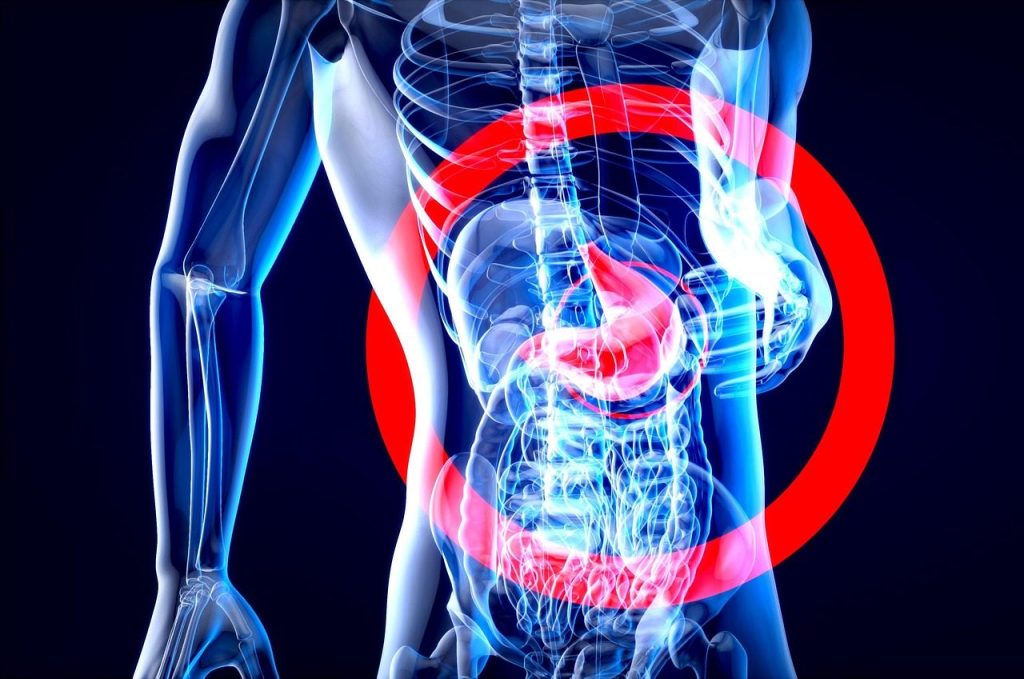
FODMAPs are fermentable sugars. These short-chain carbohydrates are notoriously difficult for your small intestine to absorb. They sit in your gut. This stagnation causes painful gas, bloating, and cramps. It is a major issue for anyone with irritable bowel syndrome. Fortunately, sourdough bacteria consume these troublesome sugars during fermentation. The bacteria do the work. This digestive relief is a massive benefit. But this living bread also does wonders for your blood sugar. The science behind this blood glucose reaction is incredibly simple.
Starch Digestion Slows Down Significantly

Standard white bread causes blood sugar spikes. It digests rapidly. According to Mayo Clinic reports, sourdough bread has a much lower glycemic index than industrial loaves. The organic acids slow down starch absorption. This means glucose is released gradually into your bloodstream over several hours. You avoid sudden crashes. Your insulin levels stay steady. This makes sourdough a safer option for energy management. Beyond blood sugar, your gut microbiome is waiting for a feast.
Prebiotics Feed Your Beneficial Gut Flora

Baked bread lacks live bacteria. The extreme heat of the oven kills off the active cultures. But do not worry. The fermentation process leaves behind powerful prebiotics that survive the baking process. These special fibers feed your existing gut microbes. They act as fuel. Nourishing your microbiome supports your immune system. This living bread also helps unlock hidden nutrients trapped inside the grain. You are about to absorb far more minerals than usual.
Fermentation Unlocks Trapped Micronutrients
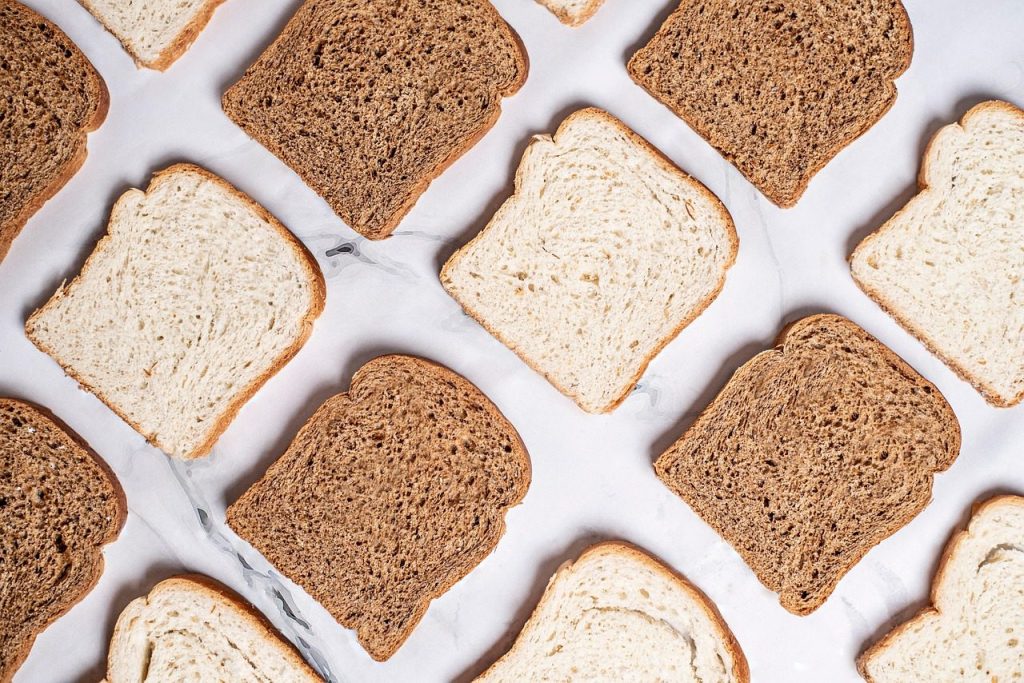
Grains contain phytic acid. This natural compound is an anti-nutrient. It binds tightly to essential minerals like iron, zinc, and magnesium. Your body cannot absorb them. Fortunately, sourdough fermentation activates an enzyme called phytase. This enzyme destroys phytic acid completely. It releases the trapped minerals. You absorb far more nourishment from a sourdough slice than from standard factory bread. But you must be careful when buying your next loaf. The commercial bread aisle is full of clever impostors.
Choosing the Best Sourdough for Your Health
Fake sourdough is common. Many large commercial bakeries use chemical sour flavorings and industrial yeast to mimic the real thing. They skip the long fermentation. This shortcut deprives you of all the digestive benefits. To find the real deal, look closely at the ingredient list. Authentic loaves contain only flour, water, salt, and wild culture. Avoid added yeast or vinegar. Real sourdough takes time. Your health is worth the wait. Enjoy your toast knowing your gut is happy.
Featured Image: Photo by ready made on Pexels
Leave a Reply