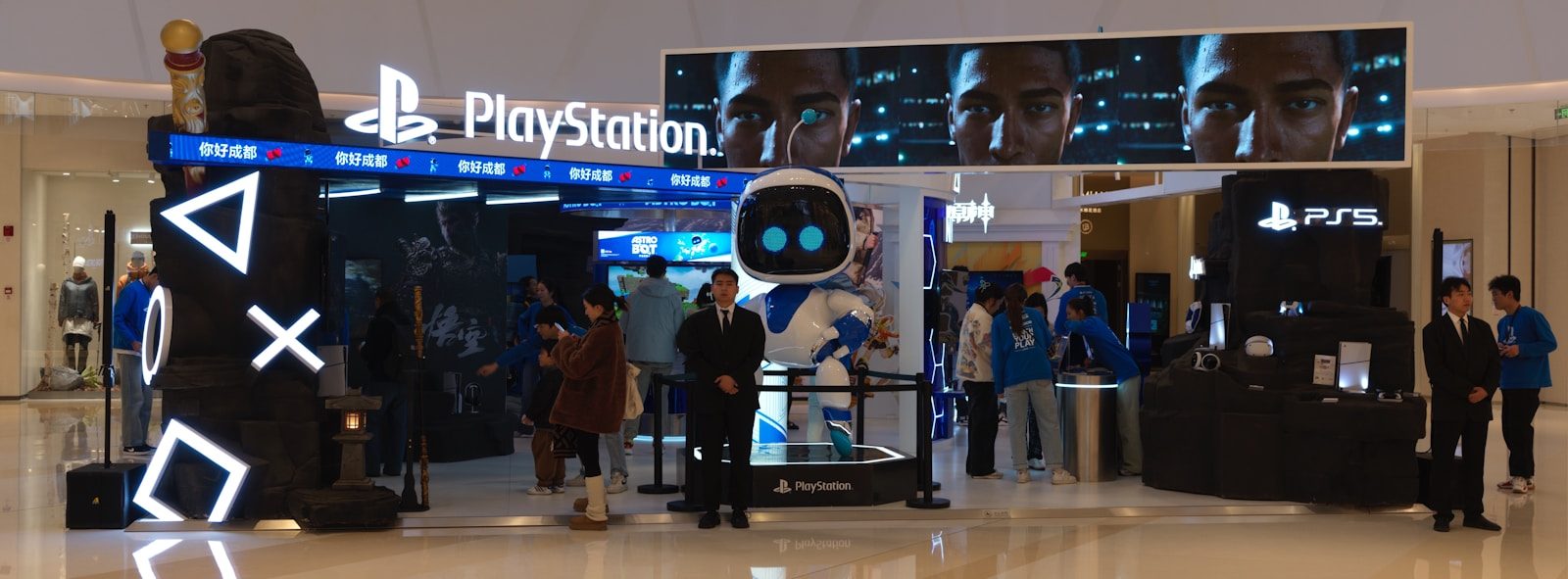
Gaming accessories used to feel like extras. A second controller, a basic headset, or a charging cable was nice to have, but not always seen as part of the main setup. That has changed fast. More players now want gear that makes games feel smoother, more social, more comfortable, and easier to fit into daily life.
The audience is also huge. The Entertainment Software Association said 205.1 million Americans ages 5 to 90 regularly played video games in its 2025 report, with an average player age of 36. That broad audience creates room for many kinds of accessories, from family-friendly controllers to premium headsets and adaptive devices.
Players want better control
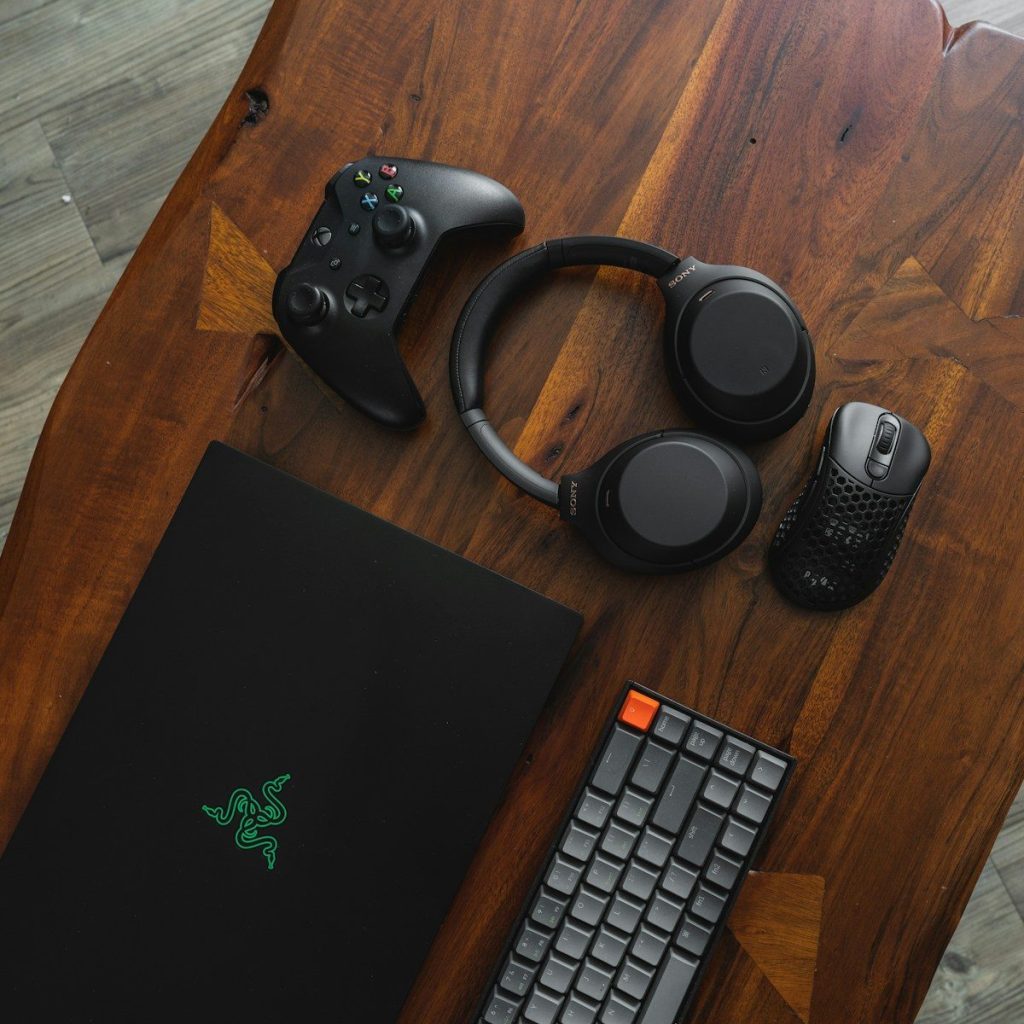
A controller is no longer just a simple plastic pad. Many players now care about comfort, button feel, battery life, grip, and extra features that help games feel more responsive.
That demand makes controllers a major part of the accessory business. Some players buy extra controllers for family play, while others choose advanced models for quicker inputs or more custom settings. The more personal gaming becomes, the more important the controller feels.
Headsets became everyday gear
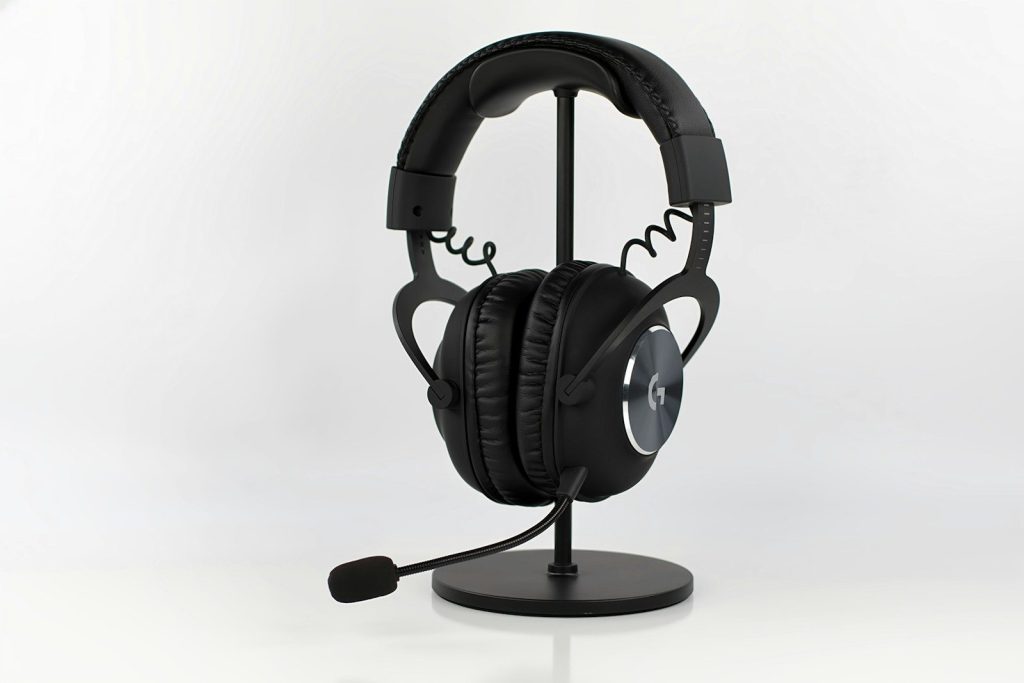
Online gaming made headsets feel almost as important as the game itself. Players use them to hear small in-game sounds, talk with friends, and keep the TV volume lower at home.
This helped turn audio gear into a steady business. A good headset can make a game feel more immersive, but it can also make group play easier. For many players, clear sound and a comfortable fit are now basic parts of the setup.
Comfort is a selling point
Longer play sessions have made comfort a bigger deal. Players may look for thumb grips, controller stands, cooling gear, headset cushions, or chairs that make gaming feel easier on the body.
Accessory makers benefit because comfort needs are personal. One player may want a lighter controller, while another may need a better headset fit. These small upgrades can feel meaningful, especially for people who play often.
Custom setups feel personal
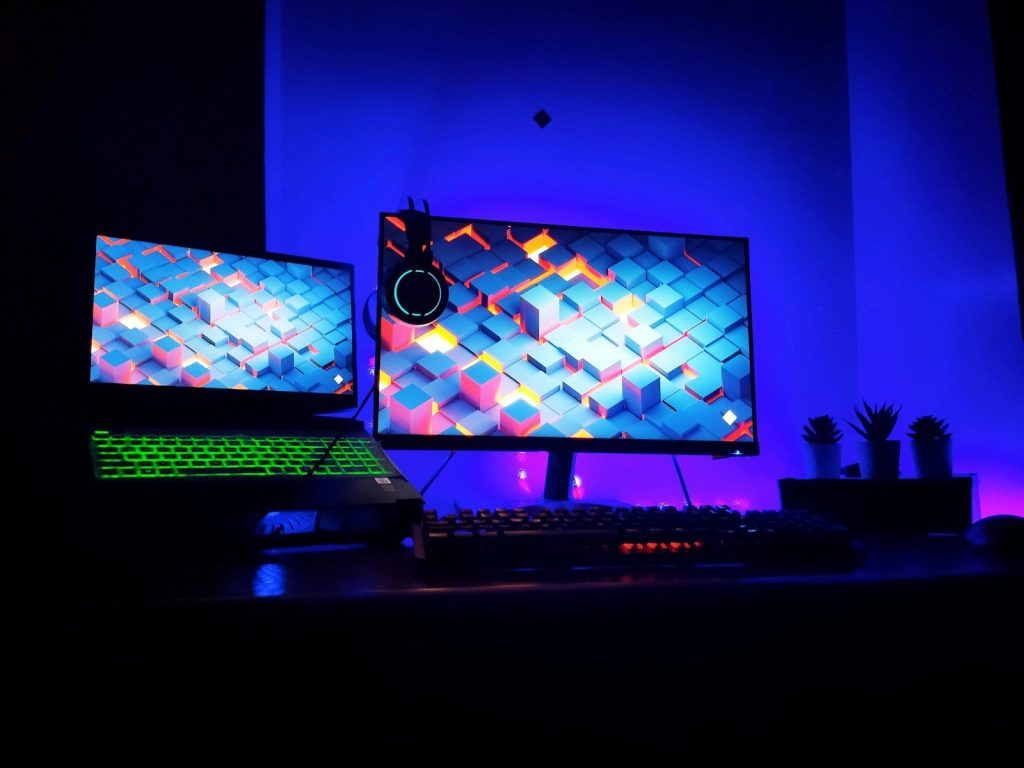
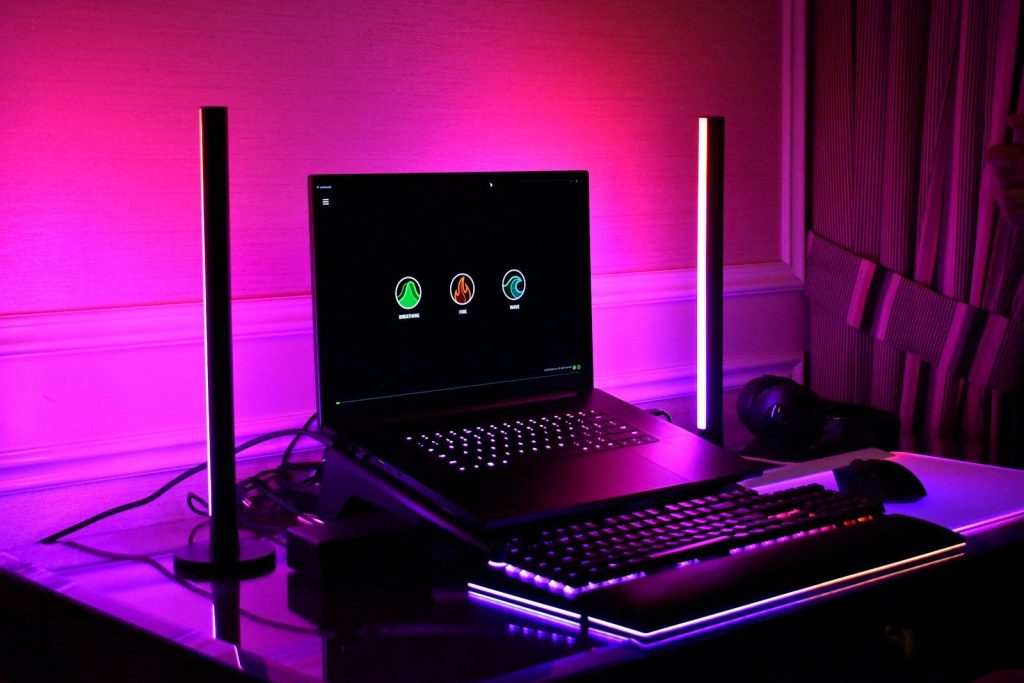
Gaming has become part hobby, part self-expression. Many players like setups that match their style, from colorful controllers to themed cases, lights, stands, and desk gear.
That makes accessories more than tools. They help players build a space that feels like their own. This is one reason the market keeps widening, because people are not only buying for performance. They are buying for identity, convenience, and fun.
Portable gaming adds demand
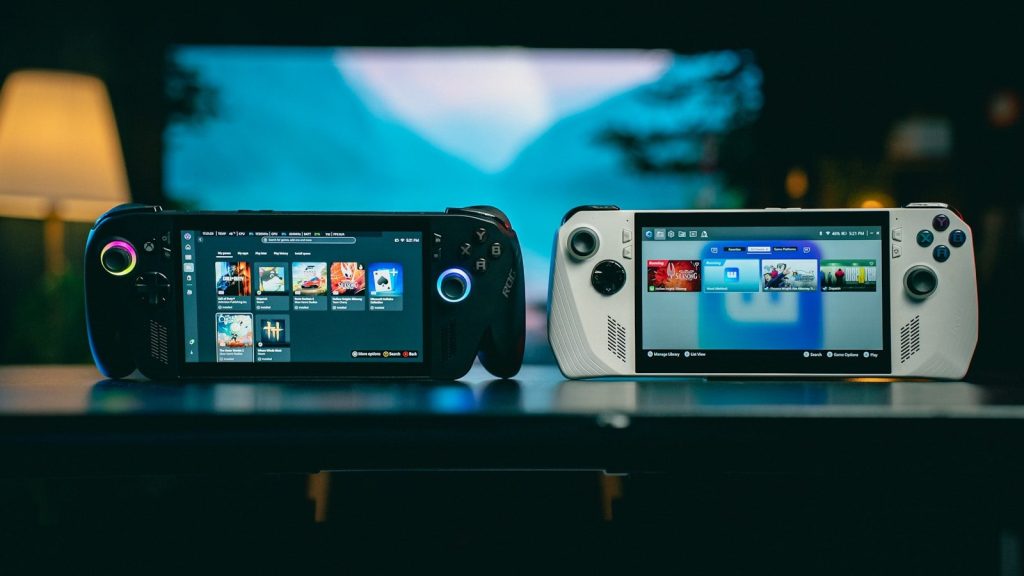
Portable and hybrid gaming has created a bigger need for cases, chargers, screen protectors, docks, grips, and storage. When a device leaves the living room, accessories become more practical.
Circana reported that U.S. video game accessories spending grew 5% year over year to $252 million in March 2026, and cases and organizers jumped sharply compared with March 2025. That shows how portable habits can lift smaller add-on categories.
Accessibility is expanding the market
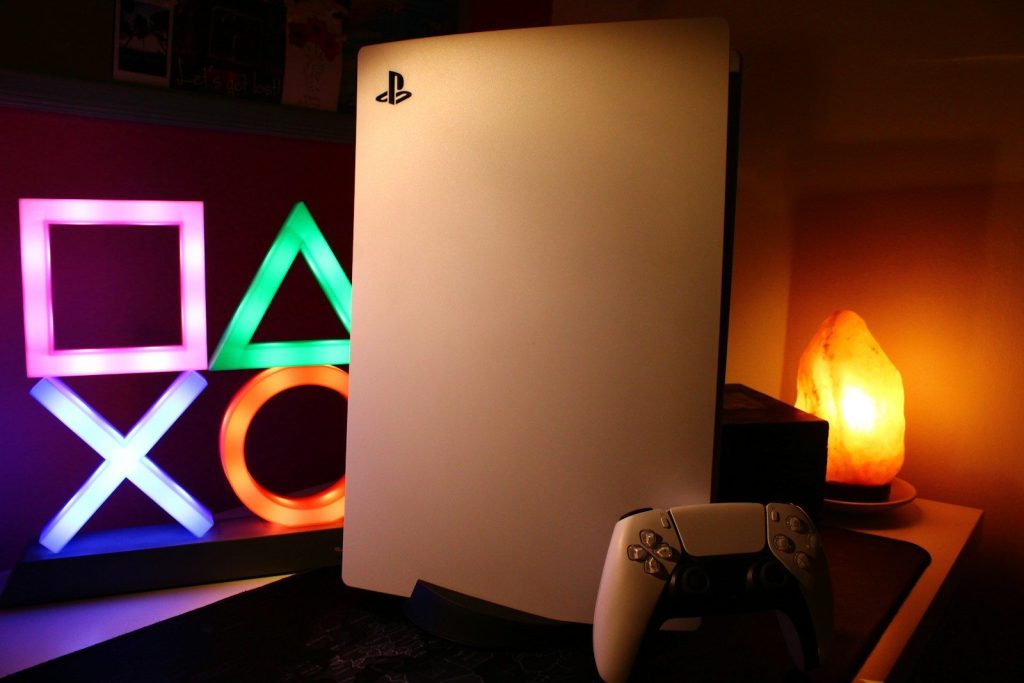
Gaming accessories are also helping more people play in ways that fit their needs. Microsoft says the Xbox Adaptive Controller is designed mainly for gamers with limited mobility, while Sony’s Access controller for PS5 is built as a customizable adaptive controller kit.
This matters for business and for players. Accessibility gear can open gaming to people who may not be comfortable with standard controllers. It also pushes the whole industry toward more flexible design.
Brands see steady growth
Big accessory companies are treating gaming gear as a serious growth area. Reuters reported in May 2026 that Logitech’s gaming product sales rose 12%, helped by new launches, as the company posted stronger-than-expected quarterly results.
That kind of growth explains why brands keep releasing new headsets, keyboards, controllers, and streaming gear. Accessories can refresh a player’s setup without requiring a whole new console, which makes them attractive during long console cycles.
The market keeps getting bigger

Market researchers expect gaming accessories to keep growing as players spend more on comfort, audio, control, and personalization. Fortune Business Insights valued the global gaming accessories market at $11.49 billion in 2025 and projected it to reach $26.17 billion by 2034.
That growth comes from a simple shift. Accessories are no longer just add-ons at checkout. For many players, they are part of the full gaming experience, shaping how games sound, feel, travel, and connect people.
Leave a Reply