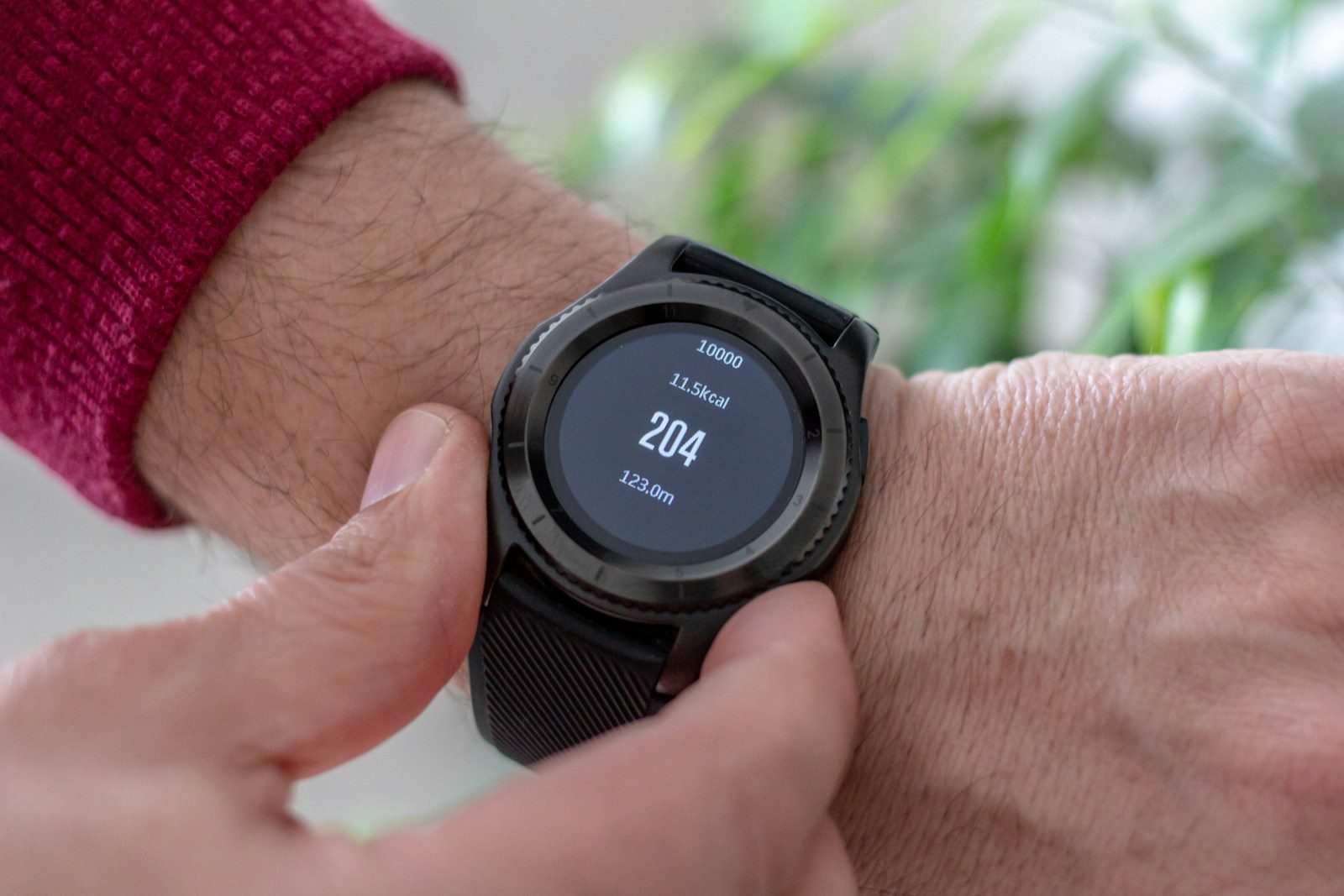
A smartwatch alert used to mean one thing: your wrist buzzed because your phone got a message. Now the idea is much bigger. Today’s watches can warn users about health trends, missed calls, calendar changes, safety check-ins, possible falls, and even emergencies. Apple Watch includes alerts for heart health, fall detection, crash detection, Emergency SOS, and Check In features, while Pixel Watch and Galaxy Watch also offer safety and health notification tools.
The useful part is not just that alerts are faster. It is that they can be more personal. Instead of sending every buzz to your wrist, newer smartwatch features are trying to give people the alerts that matter most at the right moment.
Alerts now feel more personal
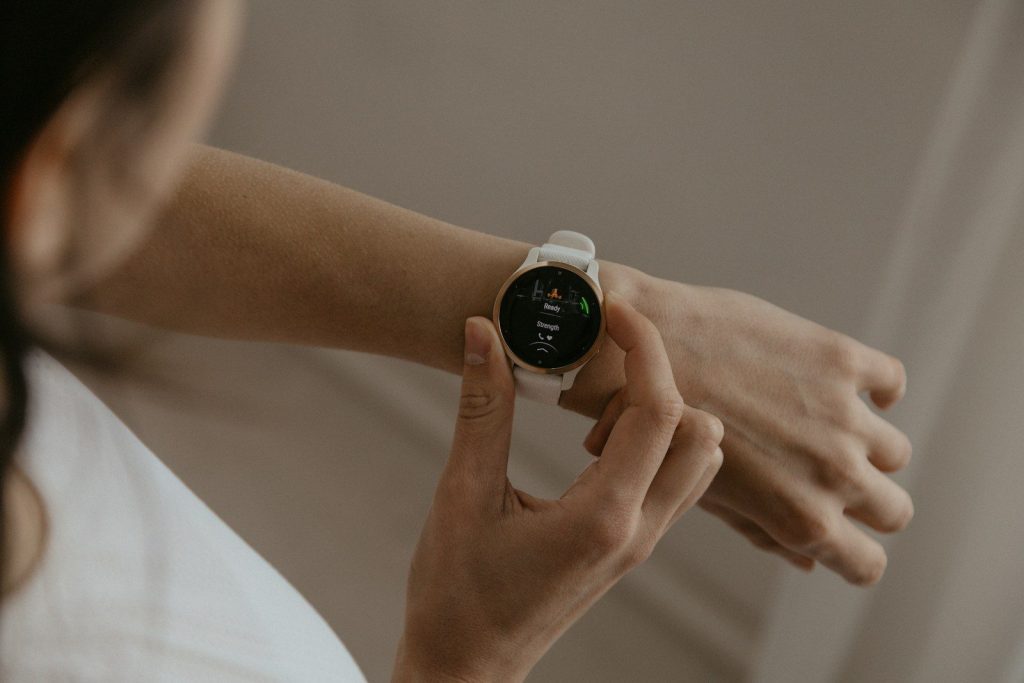
Smartwatch alerts are becoming less like phone copies and more like helpful reminders. Many watches let users choose which apps, health updates, and daily prompts can appear on the wrist.
That matters because people do not want a tiny screen filled with noise. A better smartwatch alert should feel timely, clear, and worth checking, not like another distraction.
Health updates stand out
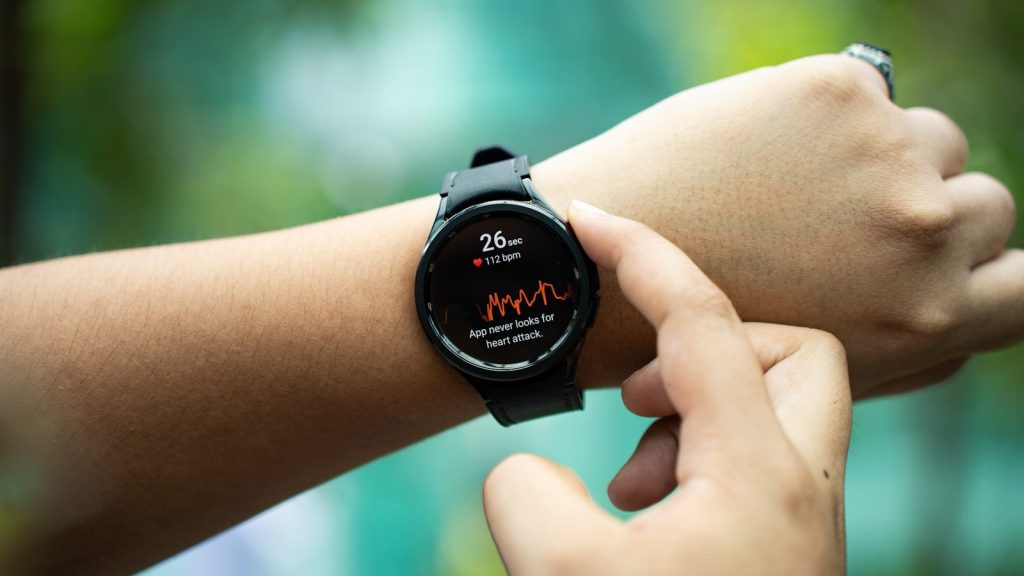
Health alerts are one reason smartwatches feel more useful. Apple Watch supports notifications for high and low heart rate, irregular rhythm, cardio fitness, and other wellness features on supported models.
These alerts are not meant to replace a doctor, but they can encourage people to pay attention sooner. A small wrist notice may remind someone to rest, check their trends, or ask a professional about a concern.
Safety alerts add comfort
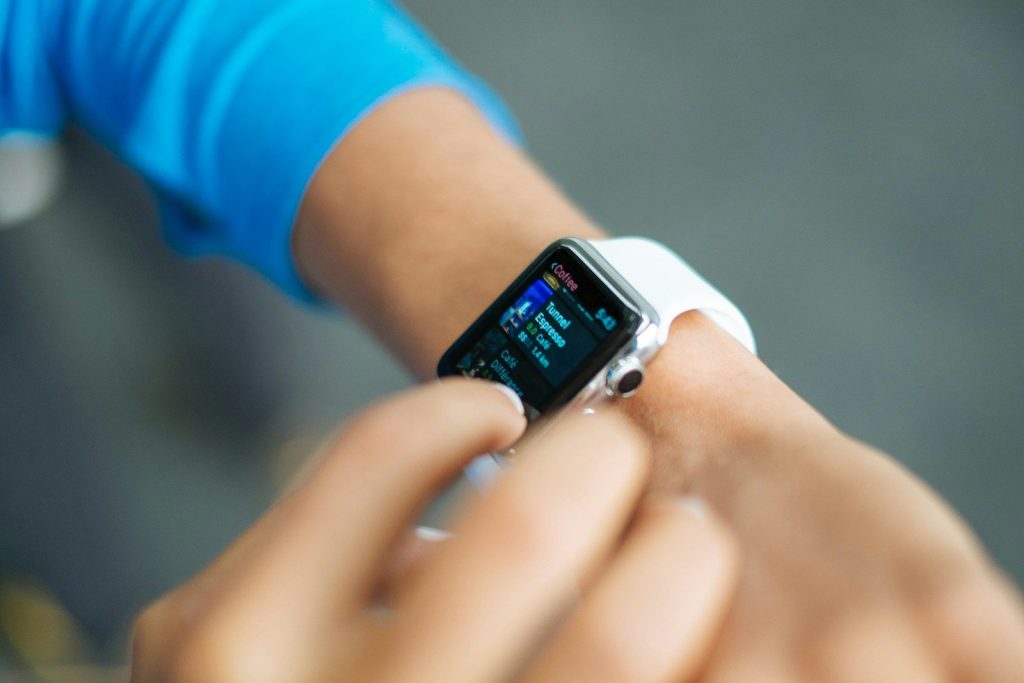
Safety features are becoming a major part of smartwatch alerts. Apple Watch can support Fall Detection, Crash Detection, Emergency SOS, and Check In, depending on model and setup.
For many users, that brings peace of mind during walks, workouts, commutes, or solo errands. The watch is not just showing notifications. It can become a quick way to reach help when a phone is not easy to grab.
Fall detection can help fast
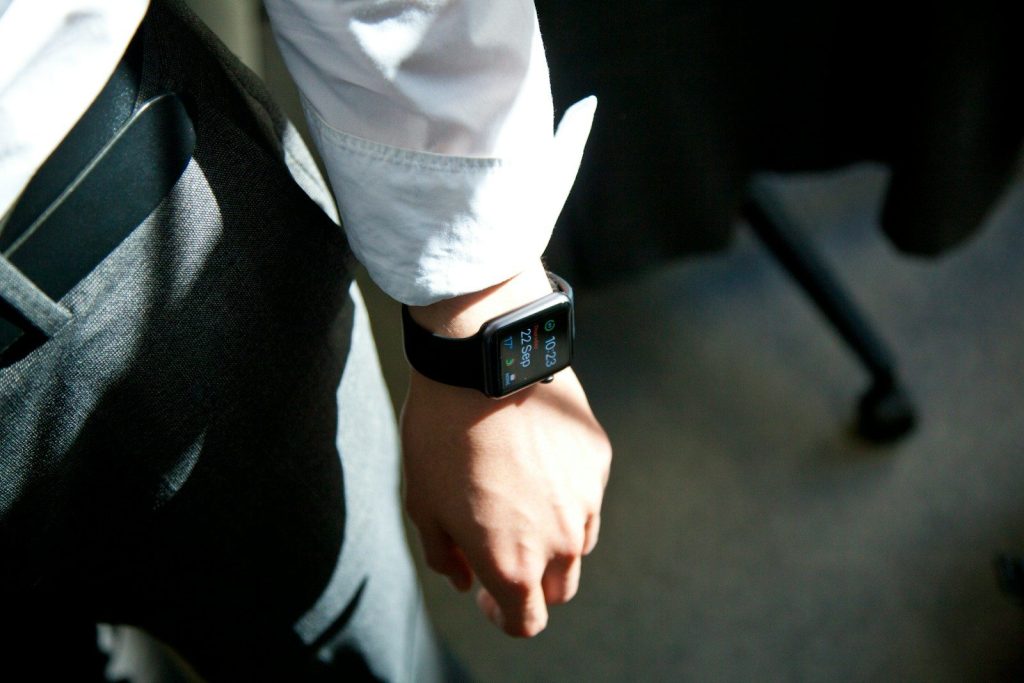
Fall detection is one of the clearest examples of a useful alert. If a supported watch senses a hard fall, it can warn the wearer and help contact emergency services if there is no response.
This can be helpful for older adults, runners, cyclists, and people who live alone. It is not perfect and may not catch every fall, but it adds another layer of safety.
Reminders are more practical
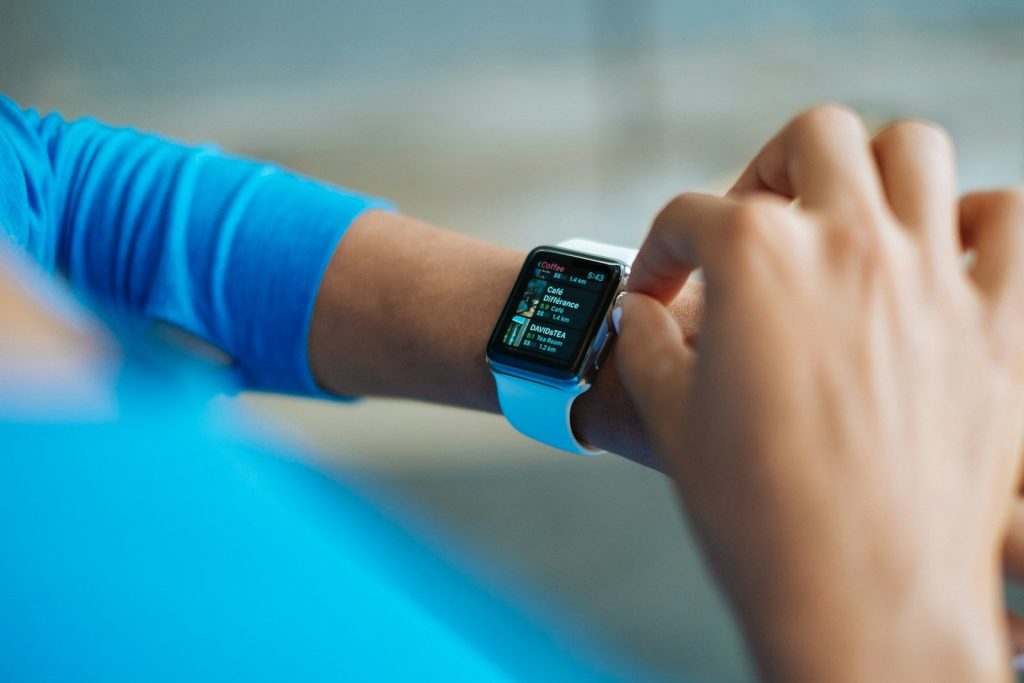
Smartwatch reminders are also getting better for everyday life. A wrist alert for a meeting, timer, workout, bill, or medication can be easier to notice than a phone buried in a bag.
The best part is how quick the action can be. Users can glance, dismiss, reply, or snooze in seconds. That keeps small tasks from turning into bigger problems later.
Location alerts feel helpful
Some smartwatch alerts now connect to location and movement. Pixel Watch safety features include options such as Safety Check, Emergency Sharing, and fall detection, depending on model, settings, and availability.
This can help during walks, workouts, travel, or late commutes. A watch that can share a location or ask for a check-in may give users and loved ones a little more confidence.
Less noise is the real win
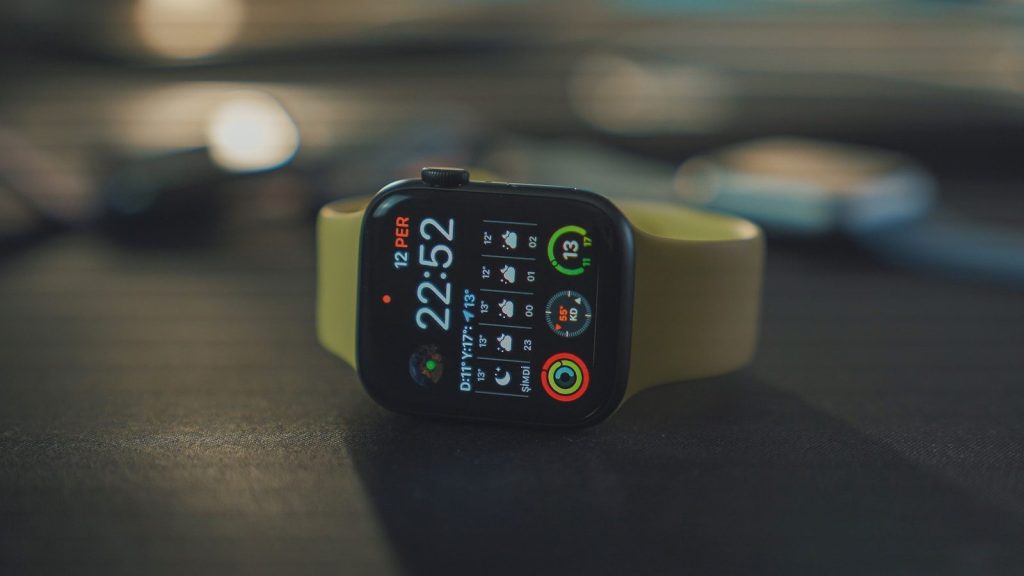
The future of smartwatch alerts is not about buzzing more often. It is about buzzing smarter. Samsung Health, for example, lets users adjust which health activities and features send notifications.
That kind of control matters. When people can turn down the clutter and keep the alerts they trust, the smartwatch becomes more useful. The goal is simple: fewer interruptions, better timing, and more helpful information.
Leave a Reply